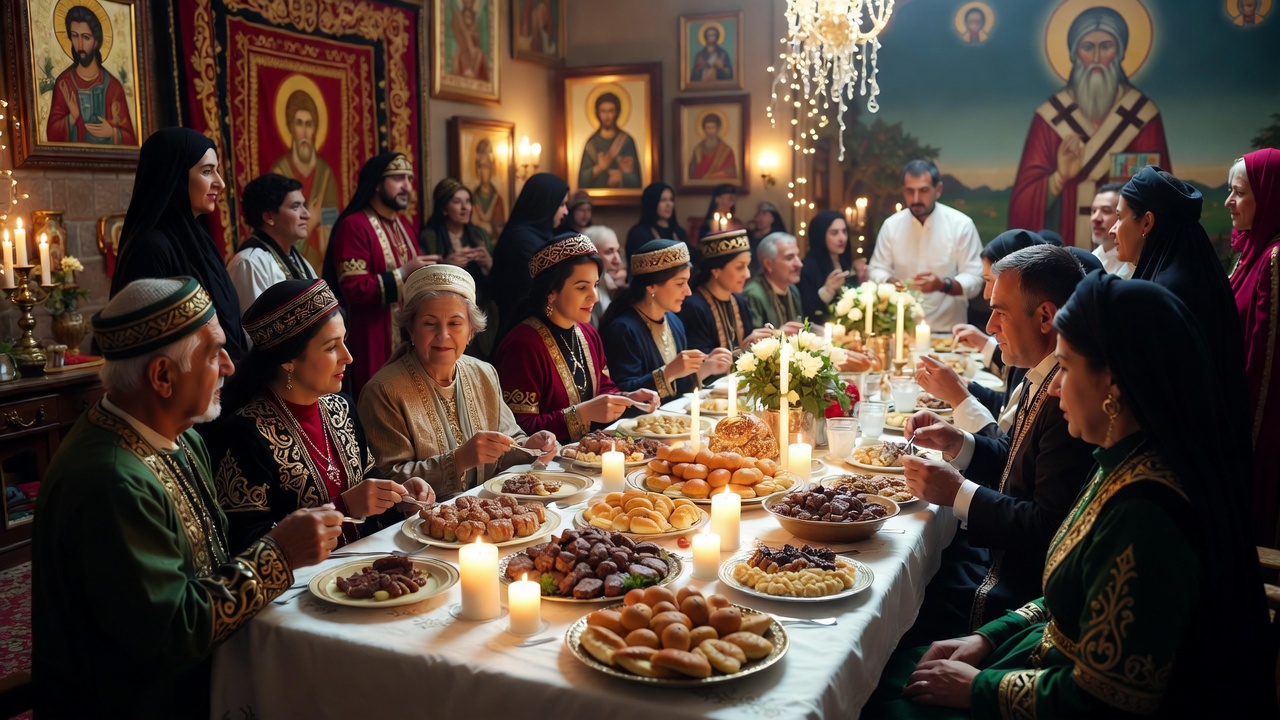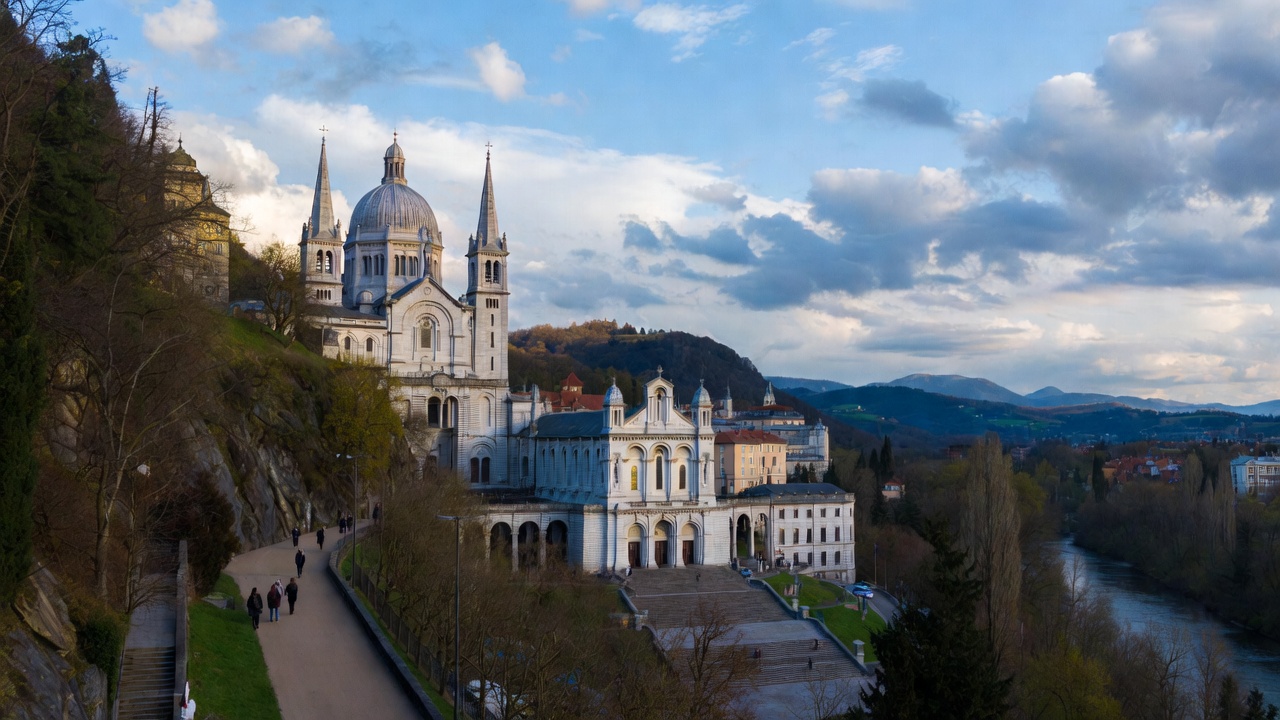
Every year on February 11, millions of hearts turn toward a small town in the French Pyrenees. The faithful pray. The sick hope. The volunteers serve. This is Lourdes, France — a place where suffering meets solace, and where faith is not just spoken but lived out loud.
In 2026, the 34th World Day of the Sick falls on a Wednesday. The Sanctuary of Our Lady of Lourdes will once again open its arms to thousands of pilgrims from every corner of the world. Whether you have visited Lourdes many times or are planning your first trip, this year carries special weight. The Sanctuary has launched a brand-new three-year spiritual journey rooted in the Gospel of Saint Luke. Pope Leo XIV has released a deeply moving message for the occasion. And the town itself, tucked between snowy Pyrenean peaks and the rushing Gave de Pau river, will hum with candlelight, hymns, and prayer in a dozen different languages.
This guide walks you through everything you need to know — the spiritual events, the practical logistics, the weather, the culture, and the quiet, life-changing experiences that no guidebook can fully prepare you for.
What Is World Day of the Sick and Why Is It Celebrated in Lourdes?
The World Day of the Sick is a Catholic observance held every year on February 11. Pope John Paul II established it in 1992, just a year after his own diagnosis with Parkinson’s disease. The date was not chosen at random. February 11 is also the Feast of Our Lady of Lourdes, which marks the anniversary of the first apparition of the Virgin Mary to a 14-year-old girl named Bernadette Soubirous in 1858.
That connection between Lourdes and illness has shaped the town’s identity for over 160 years. The sick have always come first here. Wheelchairs line the front rows at Mass. Volunteers push stretchers through candlelit processions. The spring water that Bernadette uncovered at the Grotto of Massabielle has been linked to 70 officially recognized miraculous healings, out of more than 7,000 reported cures investigated by the Lourdes Medical Bureau since 1883.
The World Day of the Sick is not a liturgical feast. It is, as the Vatican describes it, a “privileged moment of prayer, spiritual closeness, and reflection.” It invites the entire Church — and civil society — to recognize the face of Christ in those who are sick and vulnerable.
For those who can be present at Lourdes on this day, the experience goes beyond observance. It becomes a pilgrimage into the heart of what it means to care for one another.
Pope Leo XIV’s Message for World Day of the Sick 2026: The Good Samaritan Theme
Pope Leo XIV chose a powerful theme for the 34th World Day of the Sick: “The Compassion of the Samaritan: Loving by Bearing Another’s Pain.”
The papal message was presented at the Holy See Press Office on January 20, 2026. In it, the Holy Father reflects on the parable of the Good Samaritan from the Gospel of Luke (10:25–37). A man is attacked by robbers and left for dead on the road from Jerusalem to Jericho. A priest and a Levite walk past him. But a Samaritan stops, tends to his wounds, and takes him to an inn.
Pope Leo XIV reads this parable through the lens of Pope Francis’ 2020 encyclical Fratelli Tutti, which explores human fraternity and social friendship. He stresses that compassion is not merely a feeling. It demands action.
The Pope writes that love “goes out to meet the other” and that “being a neighbor is not determined by physical or social proximity but by the decision to love.” He highlights the Samaritan’s practical care — tending wounds, arranging shelter — and also points to the innkeeper’s role, stressing communal responsibility. As the Pope puts it: “We too are called to unite as a family that is stronger than the sum of small individual members.”
Drawing on his own pastoral experience in Latin America, Pope Leo emphasizes that families, neighbors, healthcare workers, and pastoral caregivers all embody this Samaritan spirit when they walk alongside the sick and suffering.
Cardinal Michael Czerny, S.J., prefect of the Dicastery for Promoting Integral Human Development, was appointed as the Pope’s special envoy to the solemn celebration of the World Day of the Sick. This year’s principal observance takes place in Chiclayo, Peru, at the Shrine of Nuestra Señora de la Paz — a location with deep personal significance for Pope Leo XIV, who previously served as bishop in that diocese. But the message resonates far beyond Peru. Lourdes, as the spiritual home of this observance, remains the place where the Day’s themes are most visibly and profoundly lived out.
Lourdes Sanctuary 2026 Pastoral Theme: The Year of the Annunciation
In 2026, the Sanctuary of Our Lady of Lourdes has launched a new three-year spiritual journey based on the Gospel of Saint Luke. Each year focuses on a different moment in the life of the Virgin Mary:
| Year | Theme | Scripture | Focus |
|---|---|---|---|
| 2026 | The Annunciation | “Hail, full of grace, the Lord is with you” (Lk 1:28) | Welcome, listening, and saying “yes” |
| 2027 | The Visitation | “In those days Mary set out and went with haste…” (Lk 1:39) | Service, joyful charity, reaching out |
| 2028 | The Magnificat | “His mercy is for those who fear him from generation to generation” (Lk 1:50) | Praise, gratitude, acknowledging God’s wonders |
The year 2026 is called the year of welcome, of listening, and of the “yes” that changed everything. It sets pilgrims on the threshold of Mary’s incredible adventure of faith — the very beginning of her trust in God’s will.
This theme deeply complements the World Day of the Sick. Both call us to pause, to listen, and to respond with love. When you visit Lourdes in February 2026, you step into both of these spiritual currents at once. It is a rare and powerful experience.
February 11 in Lourdes: Complete Schedule of Events and Celebrations
February 11 is one of the most sacred dates on the Lourdes calendar. The Sanctuary of Our Lady of Lourdes publishes a full programme of celebrations every year. Based on the schedules of recent years, here is what pilgrims can expect:
The Evening Before — February 10
- 9:00 PM — Torchlight Marian Procession and announcement of the feast day. This is one of the most moving experiences at Lourdes. Pilgrims carry candles through the Sanctuary grounds while singing the Ave Maria of Lourdes. In winter, the flickering lights against the cold night sky create an image you will not forget.
February 11 — The Feast Day
- 8:00 AM — Lauds (Morning Prayer) at the Basilica of the Rosary with the Sanctuary chaplains.
- 10:00 AM — International Mass at the Basilica of Saint Pius X. This enormous underground basilica, built in 1958, holds up to 25,000 people. The Mass on February 11 draws pilgrims from around the world and is typically presided over by the Bishop of Tarbes and Lourdes.
- 12:00 Noon — Angelus at the Grotto and narration of the first apparition. The priest recounts the story of February 11, 1858, when young Bernadette heard a sound like a gust of wind and saw a lady dressed in white.
- 12:30 PM – 4:15 PM — Rosary in multiple languages. This is one of the most beautiful aspects of the February 11 celebrations. The Rosary is prayed in sequence throughout the afternoon in Ukrainian, Portuguese, Arabic, Polish, German, English, French, and Spanish.
- 5:00 PM — Adoration and Benediction of the Blessed Sacrament at the Basilica of Saint Pius X.
- 6:00 PM — Rosary in Italian, followed by Rosary in Dutch.
- 9:00 PM — Torchlight Procession to close the day.
Important note: Exact times and details for 2026 should be confirmed with the Sanctuary Information Centre closer to the date, as small adjustments may occur. The Centre can be reached at +33 (0)5 62 42 20 08.
What to See at the Sanctuary of Our Lady of Lourdes: A Pilgrim’s Guide
The Sanctuary of Our Lady of Lourdes covers approximately 50 hectares (about 124 acres). It is an entire sacred landscape, not just a single building. Here are the key sites every visitor should experience.
The Grotto of Massabielle
This is the heart of everything. The Grotto of Massabielle is a limestone cave on the left bank of the Gave de Pau river. It is where Bernadette Soubirous saw the Virgin Mary 18 times between February 11 and July 16, 1858. Above the main recess, a statue of Our Lady of Lourdes stands in the niche where the apparition appeared.
The grotto is simple and unadorned. A stone altar allows Mass to be celebrated. A glass panel protects the spring that Bernadette uncovered. When Mass is not being celebrated, pilgrims walk through in single file, touching the worn, polished rocks beneath the statue. A metal box receives written prayers and petitions, which are collected daily.
Tip: Arrive early in the morning. The Grotto is open all day, but the quietest, most intimate moments come before the scheduled events begin.
The Three Basilicas
Lourdes has three basilicas, each with its own character:
- Basilica of the Immaculate Conception (the Upper Basilica) — Built in 1871 in the Neo-Gothic style, it sits directly above the Grotto. It was the first church erected at the Sanctuary and holds beautiful stained glass windows depicting the apparitions.
- Basilica of Our Lady of the Rosary (the Lower Basilica) — Completed in 1889 in the Romano-Byzantine style, it features 15 chapels with mosaics illustrating the mysteries of the Rosary.
- Basilica of Saint Pius X (the Underground Basilica) — Consecrated in 1958 on the centenary of the apparitions, this is one of the largest churches in the world by capacity. Its underground design means it is invisible from outside, yet inside it can accommodate up to 25,000 worshippers. The International Mass on February 11 is held here.
The Water Taps and the Baths (Piscines)
Pilgrims have come to drink and bathe in the spring water since the earliest days of the apparitions. The water taps are located near the Grotto and are freely accessible. You can fill bottles to take home.
The baths (piscines), where pilgrims are immersed in the spring water, underwent renovation in recent years. According to Lourdes Volunteers, the baths are expected to be fully open for the 2026 pilgrimage season, with immersion available. However, bath access in winter (especially February) may have limited hours. Always check with the Sanctuary Information Centre for current schedules.
The Chapel of Reconciliation
Confession is one of the most central spiritual practices at Lourdes. The Chapel of Reconciliation offers the Sacrament of Confession in multiple languages. English confessions are typically heard daily from 9:00 AM to 11:00 AM and 3:30 PM to 6:00 PM during the main pilgrimage season. Winter hours may vary, so confirm locally.
The Stations of the Cross
The Sanctuary offers two Stations of the Cross pathways. The hillside Stations of the Cross, known as the Chemin de Croix des Espélugues, winds up the wooded hill behind the basilicas. The life-sized bronze figures set among the trees create a powerful, meditative experience. In February, the path may be damp or icy. Wear sturdy shoes and dress warmly.
How Many Miracles Have Been Recognized at Lourdes and What Makes Them Special?
One of the most remarkable aspects of Lourdes is the rigorous medical process behind its claimed miracles. Since the founding of the Bureau des Constatations Médicales (Medical Bureau) in 1883, every reported cure has been subject to investigation.
Here are the key facts:
- More than 7,000 healings have been reported at Lourdes since the apparitions.
- Of these, 70 have been officially recognized as miraculous by the Catholic Church.
- The most recent miracle was declared in 2018. It involved Sister Bernadette Moriau, a French nun who had used a wheelchair and suffered severe pain for nearly 40 years before recovering following a pilgrimage to Lourdes in 2008.
- More than 80% of the recognized miraculous cures involve women.
- The youngest person healed was 2 years old.
- The countries of origin of those healed include France (56), Italy (8), Belgium (3), Germany (1), Austria (1), and Switzerland (1).
The recognition process is exceptionally thorough. A cure must meet multiple criteria: the original disease must be serious with an unfavorable prognosis; there must be no prior treatment that could explain the cure; recovery must be sudden, immediate, and without extended convalescence; and the healing must be lasting and complete.
Beyond the 70 official miracles, the Church has also recognized additional categories of healing since 2006, including “unexpected” and “confirmed” healings. These categories reflect advances in medical science and an understanding that spiritual healing takes many forms.
As many pilgrims will tell you, the deepest healing at Lourdes is often not physical. It is inner peace, acceptance, and the experience of being cared for by a community that puts the sick first.
Weather in Lourdes in February: What to Pack for a Winter Pilgrimage
February is firmly winter in Lourdes. The town sits at about 400 meters (1,300 feet) above sea level at the foot of the Pyrenees. The weather is cold, damp, and often gray — but there is a quiet beauty to visiting Lourdes in winter, away from the peak-season crowds.
Here is what to expect:
| Weather Metric | February Average |
|---|---|
| Daytime high | 6–10°C (43–50°F) |
| Nighttime low | -2 to 0°C (28–32°F) |
| Rainfall | 62–88 mm across 13–16 rainy days |
| Snowfall | Possible; about 4 days of snow on average |
| Sunshine | 6–7 hours per day |
| Humidity | Around 82% |
| Daylight hours | Approximately 10 hours 30 minutes |
Packing Essentials for Lourdes in February
- A warm winter coat — preferably wind-resistant and waterproof. The Pyrenean wind can cut through lighter jackets.
- Thermal base layers — Temperatures near or below freezing at night make thermals essential.
- A wool sweater or fleece — For layering under your coat.
- Waterproof shoes or boots — Rain is frequent. The paths around the Sanctuary can be slippery.
- A hat, scarf, and gloves — Especially important for the evening torchlight processions.
- An umbrella — Small and portable.
- A refillable water bottle — You will want to collect water from the taps at the Grotto.
- A candle — Candles are available for purchase at the Sanctuary, but you may also bring your own for the Chapel of Lights.
A word on the cold and the processions: The torchlight processions on the evenings of February 10 and 11 take place outdoors and can last more than an hour. The cold is real, but so is the warmth of the singing and the flickering light. Dress in layers and bring hand warmers if you are sensitive to cold.
How to Get to Lourdes France by Train, Plane, and Car
Lourdes is smaller than most people expect — its year-round population is only about 14,000. But it is well connected to the rest of France and Europe.
By Air
The closest airports to Lourdes are:
| Airport | Code | Distance | Transfer Options |
|---|---|---|---|
| Tarbes-Lourdes-Pyrénées | LDE | ~10 km | Airport shuttle (€3 via TLP Mobilités), taxi |
| Pau Pyrénées | PUF | ~45 km | Train or bus (~1 hour) |
| Toulouse-Blagnac | TLS | ~170 km | Direct train (~2 hours) or car rental |
Tarbes-Lourdes-Pyrénées Airport is the most convenient. It offers seasonal flights from several European cities, including routes from London, Rome, and Milan. The airport shuttle to Lourdes runs year-round and costs just €3.
Toulouse-Blagnac Airport is the largest nearby international hub. It connects to over 60 destinations. From Toulouse, you can take a direct regional train to Lourdes in about two hours.
By Train
The Gare de Lourdes (Lourdes train station) is well served. The key routes include:
- From Paris (Montparnasse): TGV high-speed trains run several times daily. Travel time is approximately 5 hours. A night train (Le Pyrénéen) departs from Paris Austerlitz, allowing you to arrive in Lourdes early in the morning.
- From Toulouse: Regional trains (TER) take about 2 hours.
- From Bordeaux: About 2 hours 30 minutes by train.
Book your tickets through SNCF Connect for the best prices. Early bookings often save significantly.
By Bus
FlixBus and BlaBlaCar Bus both serve Lourdes, with routes from Paris and other French cities. The journey from Paris takes roughly 11–12 hours, making it the most affordable but slowest option.
By Car
Lourdes is accessible via the A64 motorway from Toulouse and Bayonne. The drive from Toulouse takes about 1 hour 45 minutes. Parking is available throughout the town, including near the Sanctuary.
Where to Stay in Lourdes During the Feast of Our Lady of Lourdes
Lourdes has an extraordinary number of hotels for a town of its size — more than 2,000 accommodation options, making it one of the most hotel-dense towns in France after Paris. Many are located within walking distance of the Sanctuary.
Types of Accommodation
- Hotels near the Sanctuary: Dozens of hotels line the Boulevard de la Grotte and the surrounding streets. During February, which is off-season, prices are lower than in the summer pilgrimage months (April–October). You can find comfortable 3-star hotels for €50–90 per night.
- The Accueil Notre-Dame: This is a hospital-bed facility located within the Sanctuary grounds. It is specifically designed for pilgrims who are sick or have disabilities. Medical equipment, including wheelchairs and wall oxygen, is available. Access is typically arranged through organized pilgrimage groups.
- Guesthouses and B&Bs: Smaller, family-run guesthouses offer a more personal experience. Some are run by religious communities.
- Vacation rentals: Platforms like Airbnb and Booking.com list apartments and houses in and around Lourdes.
Booking tip: Even though February is off-season, the days around February 11 attract more visitors than a typical winter week. Book your accommodation at least 4–6 weeks in advance to secure your preferred location and price.
Accessibility at the Sanctuary of Lourdes for Sick and Disabled Pilgrims
Lourdes has been a destination for the sick and disabled since its earliest days. Accessibility is not an afterthought here — it is central to the Sanctuary’s mission.
Key accessibility features include:
- Wheelchair access throughout the Sanctuary grounds. The paths to the Grotto, the basilicas, and the water taps are all wheelchair-accessible.
- A walking bridge connects the Accueil Notre-Dame directly to the Grotto.
- Volunteer assistance. Thousands of volunteers (hospitaliers) serve at the Sanctuary each year. They assist with wheelchair pushing, bathing, and general care. During the February 11 celebrations, volunteers are present in large numbers.
- The OCH Foundation drop-in centre welcomes people with disabilities and their families. Between November and April, it is open Monday, Tuesday, Thursday, and Friday from 9:30 AM to 12:00 noon and 2:00 PM to 5:00 PM. Contact: +33 (0)5 62 42 79 92.
- Transport for people with reduced mobility. TLP Mobilités offers a year-round transport service from 8:00 AM to 7:00 PM, Monday to Saturday. Advance booking is required. Call +33 (0)5 62 93 13 93.
- Tourisme & Handicap certified accommodation is available in Lourdes. The Lourdes Tourist Office can help identify suitable options.
Local Culture and Pyrenean Cuisine: What to Eat and Do Beyond the Sanctuary
Lourdes is more than its Sanctuary. The town is set in the breathtaking landscape of the Hautes-Pyrénées department in the Occitanie region of southwestern France. The local culture is warm, mountain-rooted, and deeply shaped by centuries of faith and rural life.
Pyrenean Food to Try in Lourdes
When you step away from the Sanctuary for a meal, the local restaurants and bistros offer hearty mountain food that will warm you up in the February cold.
- Garbure — This is the quintessential dish of the Pyrenees. It is a thick, warming soup made with cabbage, root vegetables, beans, and duck or pork confit. Every family has their own recipe. On a cold February evening, there is nothing better.
- Gâteau à la broche — A traditional Pyrenean cake baked on a rotating spit over an open flame. The batter is layered in rings, creating a dramatic cone shape. It is crisp on the outside, tender within, and lightly flavored with rum or vanilla. Look for it in bakeries throughout town.
- Fromage des Pyrénées — The mountain cheeses of the region are exceptional. Ossau-Iraty, a sheep’s milk cheese from the western Pyrenees, holds an AOC (Appellation d’Origine Contrôlée) designation. Tomme des Pyrénées is another favorite — semi-hard, earthy, and perfect with bread and local honey.
- Poule au pot — A whole chicken gently poached with vegetables. This dish has deep roots in the region, often attributed to King Henry IV of France, who was born in nearby Pau.
- Madiran wine — The Madiran appellation, located just north of Lourdes, produces robust red wines from the Tannat grape. These full-bodied reds pair beautifully with the rich, meaty dishes of the Pyrenees.
Things to Do Near Lourdes
- Château Fort de Lourdes — The medieval fortified castle sits on a rocky outcrop in the center of town. It houses the Musée Pyrénéen, which explores the history, culture, and traditions of the Pyrenees. The views from the ramparts are spectacular.
- Pic du Jer — A funicular railway takes you to the summit of Pic du Jer (948 meters), which overlooks Lourdes and the surrounding valleys. In winter, the panoramic views of the snow-capped Pyrenees are stunning, though the funicular schedule may be reduced.
- Bartrès — A small mountain village about 4 km from Lourdes where Bernadette Soubirous spent part of her childhood. The village church and Bernadette’s foster home can be visited.
- The Boly Mill and the Cachot — In Lourdes itself, you can visit the Boly Mill, where Bernadette was born in 1844, and the Cachot, the cramped former prison cell where her impoverished family lived at the time of the apparitions. These simple, moving sites bring Bernadette’s story to life.
- Skiing and winter sports — The Pyrenean ski resorts of Hautacam, Cauterets, and Luz-Ardiden are all within a short drive of Lourdes. A day on the slopes can be a wonderful complement to a spiritual pilgrimage.
The History of the Lourdes Apparitions: Why This Small Town Became a Global Pilgrimage Site
To fully understand what you will experience in Lourdes, it helps to know the story that started it all.
On February 11, 1858, a 14-year-old girl named Bernadette Soubirous went with her sister and a friend to the banks of the Gave de Pau river. They were collecting firewood and bones — the Soubirous family was desperately poor, living in a single room of a former jail cell.
At the Grotto of Massabielle, Bernadette heard a sound like a gust of wind. She looked up and saw, standing in a niche above the cave, a lady dressed in white. The lady wore a white dress, a white veil, a blue sash, and a yellow rose on each foot. A rosary hung from her right arm.
Bernadette made the sign of the Cross and prayed the Rosary with the lady. When the prayer ended, the lady disappeared.
Over the following months, Bernadette returned to the Grotto 17 more times. The lady gave her specific messages. She asked Bernadette to dig in the ground, revealing a spring. She asked her to “go and tell the priests” to build a chapel there and to “come in procession.” She instructed Bernadette to pray for sinners and do penance.
On March 25, 1858, Bernadette asked the lady her name. The lady replied: “I am the Immaculate Conception.” This answer astonished the local priest, Father Dominique Peyramale, because the dogma of the Immaculate Conception had been proclaimed by Pope Pius IX only four years earlier, in 1854. Bernadette, who was uneducated and spoke only the Gascon dialect, would not have known this theological term.
The apparitions attracted enormous attention. Crowds grew from dozens to thousands. Reports of miraculous healings began almost immediately. In 1862, the Bishop of Tarbes officially recognized the apparitions as authentic.
Bernadette later entered the Sisters of Charity of Nevers convent. She died on April 16, 1879, at the age of 35. She was canonized as a saint by Pope Pius XI in 1933. Her incorrupt body rests in a glass reliquary at the Chapel of Saint Bernadette in Nevers, France.
Today, Lourdes draws an estimated six million visitors per year, making it one of the most visited Catholic pilgrimage sites in the world — more than Mecca or Jerusalem, according to some counts.
Organized Pilgrimage Tours to Lourdes in 2026: Options for Individuals, Families, and the Sick
If you prefer a structured pilgrimage rather than an independent trip, several organizations offer guided tours to Lourdes in 2026.
For the Sick and Those Needing Medical Support
Lourdes Volunteers has been serving the sick in Lourdes for over 23 years. In 2026, they are offering three supportive care pilgrimages:
- Easter Pilgrimage: March 31 – April 7, 2026 (from New York-JFK, $2,999)
- St. Marianne Cope Pilgrimage: Summer 2026 (dates TBA)
- St. Bernadette Pilgrimage: October 10–17, 2026
These pilgrimages are accompanied by Catholic priests, volunteer nurses, and a medical director. Accommodations are at the Accueil Notre-Dame within the Sanctuary grounds.
For Military Service Members and Veterans
The Warriors to Lourdes pilgrimage takes place May 19–25, 2026, during the 66th International Military Pilgrimage. Co-sponsored by the Knights of Columbus and the Archdiocese for the Military Services, USA, this retreat welcomes active-duty personnel, veterans, and those suffering from PTSD or moral injury.
For General Pilgrims
Companies like Catholic Journeys and Tangney Tours offer group pilgrimage packages that include flights, hotel accommodation, guided visits, and participation in Sanctuary events. Prices vary depending on departure city and trip length.
Practical Tips for Visiting Lourdes on February 11: Advice from Seasoned Pilgrims
Having spoken with pilgrims and local residents, here are some practical tips that will make your visit smoother and more meaningful.
1. Arrive a day or two early. The February 10 torchlight procession is one of the most moving events of the year. Arriving on February 9 gives you time to settle in, explore the town, and visit the Grotto in peace before the larger crowds arrive on the 11th.
2. Attend the Rosary in your language. The multi-language Rosary sessions on February 11 are a unique feature of this celebration. Check the schedule and plan to be at the Grotto for your language slot. Hearing the same prayer in a dozen different tongues throughout the afternoon is a profound reminder of the Church’s universality.
3. Bring an empty bottle for the spring water. The water taps near the Grotto are free to use. Many pilgrims fill bottles to bring home for family members who are sick. You can also purchase special Lourdes water containers in the town’s shops.
4. Write your prayer intentions before you arrive. The Grotto has a metal box where you can deposit written prayers. Having your intentions prepared in advance saves time and allows you to be more present in the moment.
5. Budget for candles. Lighting a candle at the Chapel of Lights is one of the most meaningful gestures at Lourdes. Candles range from small votives to large pilgrimage candles. Prices vary, but even a small candle carries the same weight of prayer.
6. Respect the quiet. The Grotto is a place of deep prayer. Keep your voice low. Turn off your phone. Allow the silence to speak.
7. Explore beyond the Sanctuary. The Boly Mill and the Cachot give powerful context to Bernadette’s story. The Château Fort and Pic du Jer offer different perspectives on the town. A meal of garbure at a local restaurant is a simple joy.
8. Be patient with the crowds. February 11 draws more visitors than a typical winter day. Lines at the Grotto may be longer than usual. This is part of the experience. Use the waiting time to pray, observe, and connect with fellow pilgrims.
Visiting Lourdes from Nearby Cities: Day Trip and Weekend Itinerary Ideas
If you are already traveling in southern France or northern Spain, Lourdes makes an excellent day trip or short stay.
From Toulouse (170 km)
Take the direct train from Toulouse-Matabiau station. The journey takes about 2 hours. Depart early in the morning, attend the International Mass, spend the afternoon at the Grotto and the basilicas, and return in the evening. A weekend stay allows for a more relaxed pace.
From Pau (45 km)
Pau, the birthplace of King Henry IV, is just under an hour from Lourdes by train or car. You can easily combine a visit to Pau’s magnificent Château de Pau and the Boulevard des Pyrénées with a pilgrimage to Lourdes.
From Biarritz (150 km)
The elegant Atlantic coast resort of Biarritz is about 1 hour 45 minutes from Lourdes by car. This makes for a striking contrast — ocean surf and Basque culture one day, Pyrenean mountains and Marian devotion the next.
From Barcelona (400 km)
The drive from Barcelona crosses the Pyrenees and takes about 4 hours via the A64. Public transit options from Barcelona to Lourdes are less direct and can take significantly longer. A car is recommended for this route.
Why February Is a Special Time to Visit Lourdes: The Beauty of Off-Season Pilgrimage
The main pilgrimage season at Lourdes runs from Easter to the end of October. During those months, the Sanctuary operates at full capacity. Processions run nightly. Every language is represented. The town buzzes with life.
February is different. It is quieter, colder, and more reflective. The crowds are smaller. The pace is slower. You can stand at the Grotto and pray without feeling rushed. You can walk the Stations of the Cross in solitude.
There is something deeply fitting about visiting Lourdes in winter. The cold strips away comfort. The bare trees and gray skies mirror the vulnerability that Bernadette herself experienced. She was poor, sick, and uneducated. She came to the Grotto not as a tourist but as a girl gathering firewood.
When you stand at the same spot on a cold February morning, with the Gave de Pau rushing below and the mist clinging to the Pyrenees, you come closer to her experience than you ever could in July.
February 11 also carries a unique emotional intensity. It is the anniversary of the very first apparition. It is the World Day of the Sick. It is the Feast of Our Lady of Lourdes. Three layers of meaning converge on a single day, in a single place. Few religious experiences in the world offer this kind of depth.
Frequently Asked Questions About World Day of the Sick 2026 in Lourdes
Q: Is Lourdes open to visitors in February? Yes. The Sanctuary of Our Lady of Lourdes is open all year. While some services and facilities have reduced hours between November and April, the Grotto, the basilicas, the water taps, and the information centre are accessible year-round.
Q: Do I need to be Catholic to visit Lourdes? No. Lourdes welcomes visitors of all faiths and no faith. Many non-Catholic visitors come to experience the atmosphere, learn the history, and find peace.
Q: Where is the official 2026 World Day of the Sick celebration? The solemn celebration is in Chiclayo, Peru, where Cardinal Czerny represents Pope Leo XIV. However, Lourdes holds its own significant celebrations on February 11 every year, as it is the date of the first apparition and the Feast of Our Lady of Lourdes.
Q: Can I bathe in the Lourdes water in February? The baths (piscines) are projected to be fully open for the 2026 pilgrimage season, but their winter hours may be limited. Check with the Sanctuary Information Centre.
Q: Is February 11 a public holiday in France? No. World Day of the Sick is not an official public holiday. Businesses, schools, and government offices in France are open as normal.
Q: What languages are services held in? Services are held in multiple languages. The February 11 programme typically includes the Rosary in eight or more languages. English Mass is regularly celebrated in the Chapel of Saints Cosmas and Damian at 11:00 AM.
Q: How much does it cost to enter the Sanctuary? Nothing. Entry to the Sanctuary of Our Lady of Lourdes is free. There is no admission charge for the Grotto, the basilicas, the water taps, or the processions.
A Final Reflection: What Lourdes Teaches Us About Compassion and Hope
There is a phrase you hear often in Lourdes: “the sick come first.” It is not a slogan. It is how the Sanctuary operates, every day, in every detail. At Mass, those in wheelchairs and on stretchers are placed at the front. In processions, they lead the way. In the baths, they are treated with gentle reverence by volunteers who are often strangers.
This simple inversion — the last shall be first — is what makes Lourdes unlike any other place on earth. It is not a hospital. It is not a resort. It is a place where the world’s usual hierarchies are reversed, and where suffering is met not with avoidance but with presence.
Pope Leo XIV captured this truth in his 2026 message when he wrote that the Good Samaritan’s love “goes out to meet the other” and that being a neighbor is decided not by proximity but by the choice to care.
If you visit Lourdes on World Day of the Sick 2026, you will see this choice made thousands of times over — in the hands that push a wheelchair, in the voices that sing the Ave Maria in the cold night air, in the eyes that meet yours at the Grotto and say, without words, you are not alone.
That is what Lourdes teaches. That is what you can expect. And that is why people keep coming back, year after year, century after century, to this small town at the foot of the Pyrenees where a 14-year-old girl once heard the wind and looked up.
Planning your pilgrimage? The Sanctuary of Our Lady of Lourdes Information Centre is your best resource for up-to-date schedules and practical information. Contact them at +33 (0)5 62 42 20 08 or visit lourdes-france.com.
The Lourdes Tourist Office also provides helpful guidance for accommodation, transport, and local attractions. Visit lourdes-infotourisme.com.