Your Ultimate Guide to Experiencing the Magic of This Indian Ocean Paradise During One of Its Most Culturally Rich Months
February in Mauritius is a month of contradictions. It’s hot, humid, and sits squarely in the middle of cyclone season—yet it’s also when the island explodes with some of the most vibrant and spiritually significant festivals you’ll find anywhere on Earth. As someone who has spent years researching global festivals and customs, I can tell you that few destinations offer the cultural immersion that Mauritius delivers in February.
Whether you’re drawn by the massive Hindu pilgrimage of Maha Shivaratree, the colorful celebrations of Chinese New Year, or simply seeking a tropical escape at lower-than-peak prices, this comprehensive guide will help you navigate everything from weather patterns to crowd-avoiding strategies.
What Is the Weather Like in Mauritius in February?
February is the warmest month of the year in Mauritius. According to the Mauritius Meteorological Services, average temperatures hover around 28-30°C (82-86°F) during the day, dropping only slightly to around 23-25°C (73-77°F) at night.
February Weather Overview for Mauritius
| Weather Factor | February Average |
|---|---|
| High Temperature | 29-30°C (84-86°F) |
| Low Temperature | 23-25°C (73-77°F) |
| Sea Temperature | 27-28°C (81-82°F) |
| Rainfall | 203-254mm (8-10 inches) |
| Rainy Days | 10-17 days |
| Humidity | 76-80% |
| Sunshine Hours | 7-8 hours daily |
The humidity is notably high, often reaching 80-96%, which makes the heat feel more intense. However, the southeast trade winds provide welcome relief, particularly along the eastern and southern coasts.
Is February Rainy Season in Mauritius?
Yes. February is typically the wettest month on the island. The UK Met Office notes that February can see up to 253mm of rainfall—more than double what the wettest months in the UK receive.
However, here’s the crucial detail that many travel guides overlook: the rain in Mauritius falls in short, intense bursts rather than prolonged drizzle. A typical day might see brilliant sunshine in the morning, a heavy downpour in the late afternoon lasting 30-60 minutes, followed by clear skies and spectacular sunsets.
Pro Tip: Pack a compact, quick-dry rain jacket and embrace the tropical showers—they’re refreshing and rarely ruin entire days.
Does Mauritius Have Cyclones in February?
February falls within Mauritius’s official cyclone season, which runs from November to May. This is understandably a concern for many travelers, but the reality is more nuanced than the statistics suggest.
Understanding Cyclone Risk in Mauritius
According to Smartraveller and the U.S. State Department, cyclones can bring gale-force winds, heavy rain, and service disruptions. However, the odds of a major cyclone directly hitting Mauritius during your visit are relatively low.
Key Statistics:
- Major cyclones hit Mauritius directly only once every five years on average
- Most cyclones pass within 200-400 kilometers of the island without making landfall
- Hotels and resorts are built to withstand cyclonic conditions
- The Mauritius Meteorological Services provides excellent advance warning systems
What Happens If a Cyclone Approaches During Your Trip?
The government issues warnings in classes:
| Alert Class | Wind Speed | What to Expect |
|---|---|---|
| Class 1 | 118-153 km/h | Schools close, prepare supplies |
| Class 2 | 154-177 km/h | Stay indoors, essential services only |
| Class 3 | 178-209 km/h | Full lockdown, airport closes |
| Class 4 | 210-249 km/h | Severe conditions, remain sheltered |
| Class 5 | 249+ km/h | Extreme danger |
Essential Preparations:
- Purchase comprehensive travel insurance that covers weather-related disruptions
- Monitor the Mauritius Meteorological Services website
- Keep hotel emergency contact numbers handy
- Stock basic supplies if staying in self-catering accommodation
What Festivals Are Celebrated in Mauritius in February?
This is where February truly shines. Mauritius’s multicultural population—a blend of Indian, Chinese, African, and European heritage—means the island celebrates an extraordinary diversity of festivals. February typically hosts three to four major celebrations.
1. Abolition of Slavery Day – February 1st
Abolition of Slavery Day commemorates the end of slavery in Mauritius on February 1, 1835. This is a public holiday and one of the most culturally significant dates on the island.
The History Behind Abolition Day
Slavery was introduced to Mauritius by Dutch colonizers in the 1600s, expanded under French rule, and abolished by the British. By 1810, enslaved people comprised roughly 70-80% of the island’s population, with most brought from Madagascar, East Africa, and other Indian Ocean regions.
The abolition transformed Mauritian society and culture. Today, the Creole community—descendants of formerly enslaved people—maintains a rich cultural heritage that influences everything from the local séga music to the island’s distinctive cuisine.
Where to Experience Abolition Day Celebrations
The most significant ceremonies take place at Le Morne Brabant, a UNESCO World Heritage Site on the southwestern peninsula. This rugged mountain served as a refuge for escaped slaves (known as maroons) during the colonial period.
Le Morne Celebrations Include:
- Wreath-laying ceremonies at the International Slave Route Monument
- Traditional séga music and dance performances
- Speeches commemorating the struggle for freedom
- Cultural exhibitions and food stalls
Additional ceremonies occur in Mahébourg, the southeastern village where slaves first arrived on the island.
2. Thaipoosam Cavadee – January/February
Thaipoosam Cavadee is one of the most visually spectacular festivals in Mauritius. Celebrated by the Tamil Hindu community, it honors Lord Murugan (also known as Lord Subramaniam), the Hindu god of war and victory.
When Is Thaipoosam Cavadee Celebrated?
The festival falls on the full moon of the Tamil month of Thai, typically between late January and mid-February. In 2025, Thaipoosam Cavadee falls on Tuesday, February 11th. In 2026, it occurs on Sunday, February 1st.
What Happens During Thaipoosam Cavadee?
The celebration begins ten days before the main event with a flag-hoisting ceremony (kodi etram) at Tamil temples called kovils. Devotees undertake a period of fasting, prayer, and purification.
On the festival day itself, devotees carry elaborate structures called cavadees—wooden or bamboo arches decorated with flowers, peacock feathers, and images of Lord Murugan. Some cavadees stand up to three meters tall.
The Most Striking Elements:
- Body piercing rituals: Devotees pierce their tongues, cheeks, and bodies with small spears called vels as acts of penance and devotion
- Colorful processions: Participants wear bright fuchsia or saffron clothing
- Traditional Tamil drumming (parai) creates a hypnotic rhythm
- Trance states: Many devotees enter deep meditative states during the procession
Where to Witness Thaipoosam Cavadee
Processions occur throughout Mauritius, but significant celebrations take place in:
- Port Louis (the capital)
- Cap Malheureux and Anse la Raie in the north
- Various kovils across the island
Visitor Etiquette:
- Dress modestly with shoulders and knees covered
- Always ask permission before photographing devotees
- Maintain respectful silence during prayers
- Small donations at temples are appreciated but not required
3. Chinese Spring Festival (Chinese New Year) – January/February
Mauritius is the only country outside Asia that celebrates Chinese New Year as a public holiday. This reflects the significant Sino-Mauritian community, descendants of workers who arrived in the 19th century.
When Is Chinese New Year in Mauritius?
The date changes annually based on the lunar calendar. In 2025, Chinese New Year falls on Wednesday, January 29th. In 2026, it occurs on Tuesday, February 17th.
Chinese New Year Celebrations in Port Louis
The heart of celebrations is Chinatown in Port Louis, the capital city. The narrow streets transform into a riot of color with:
- Red lanterns strung across buildings
- Dragon and lion dances winding through the streets
- Firecrackers creating a constant soundtrack
- Traditional wax cakes (gâteau la cire) exchanged between families
- Markets selling red envelopes, decorations, and traditional foods
Cultural Highlights:
- Red symbolizes happiness and prosperity
- Firecrackers chase away evil spirits
- Families gather for reunion dinners
- Businesses close for the holiday
4. Maha Shivaratree – February/March
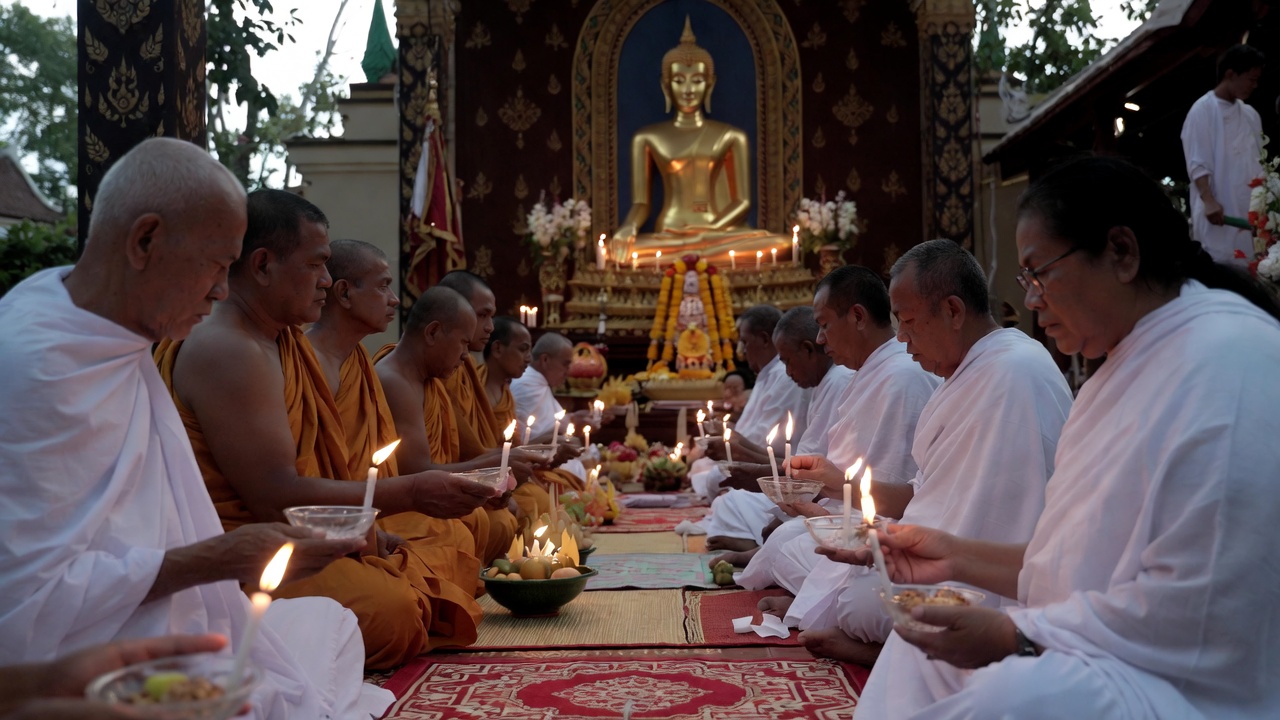
Maha Shivaratree is the largest Hindu pilgrimage outside of India. This extraordinary celebration attracts over 400,000 devotees who make pilgrimages to the sacred lake of Ganga Talao (Grand Bassin) in the island’s interior.
When Is Maha Shivaratree Celebrated?
Maha Shivaratree falls on the 13th night and 14th day of the Hindu month of Phalguna, typically in late February or early March. In 2025, it occurs on Wednesday, February 26th. In 2026, it falls on Sunday, February 15th.
The Sacred Pilgrimage to Ganga Talao
For several days before Maha Shivaratree, you’ll see pilgrims walking barefoot for miles along Mauritius’s roads, carrying elaborately decorated wooden structures called kanwars. These arches are adorned with flowers, mirrors, and bells.
The Pilgrimage Route:
- Devotees start from all corners of the island
- Many walk for 2-3 days to reach Grand Bassin
- The crater lake is considered a manifestation of the sacred Ganges River
- Pilgrims collect holy water to pour over Shiva statues
Grand Bassin and Its Significance
Grand Bassin sits in the highlands at about 700 meters elevation, surrounded by lush forests. The site features:
- A 33-meter-tall statue of Lord Shiva (Mangal Mahadev)
- Multiple Hindu shrines and temples
- Cremation ghats along the lake’s edge
- Temporary camps for pilgrims during the festival
What to Expect:
- All-night vigils and prayers
- Continuous chanting and devotional music
- Offerings of milk, flowers, and incense
- A profound atmosphere of spiritual devotion
Even if your visit doesn’t coincide with the main festival, Grand Bassin is worth visiting year-round as one of Mauritius’s most spiritually significant sites.
Is February a Good Time to Visit Mauritius for Beach Holidays?
February can be excellent for beach holidays—with the right expectations and location choices.
Best Beaches to Visit in Mauritius in February
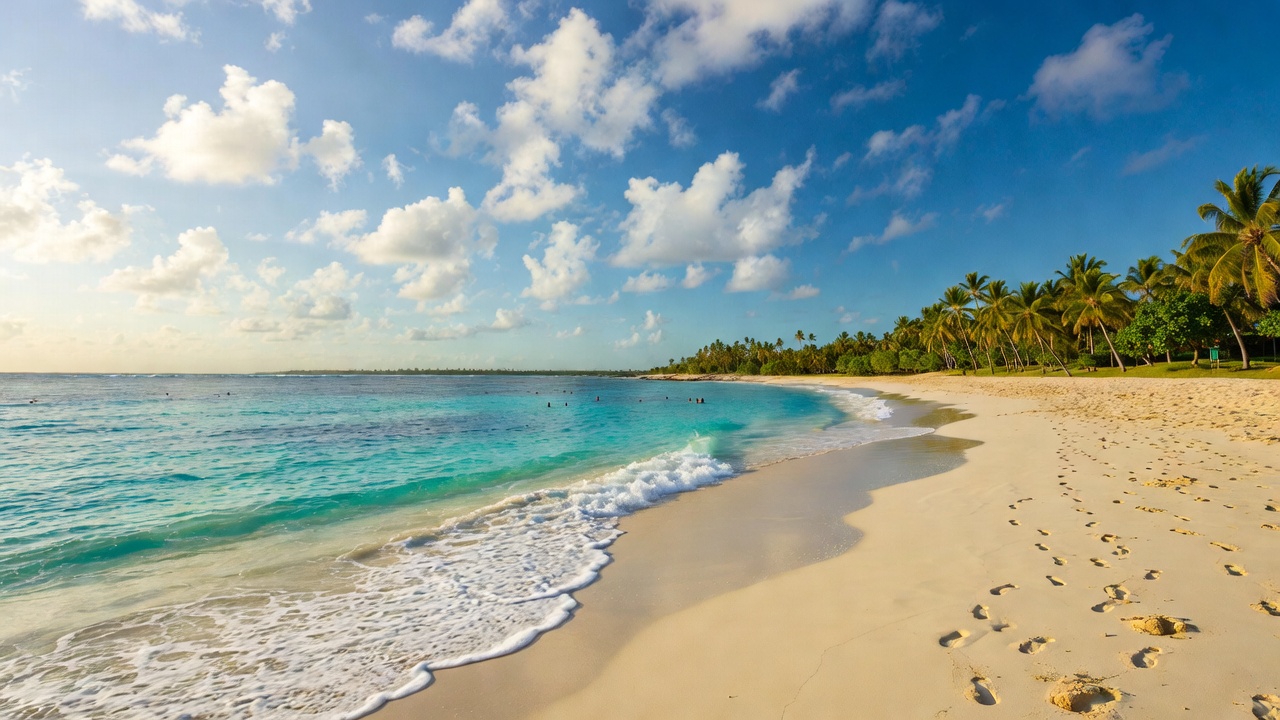
The key to enjoying Mauritius beaches in February is understanding that the southeast trade winds provide cooling breezes on the eastern and southern coasts. This makes these areas particularly pleasant during the hottest month.
| Beach | Location | February Conditions | Best For |
|---|---|---|---|
| Belle Mare | East Coast | Cooling breezes, pristine sand | Relaxation, luxury resorts |
| Blue Bay | Southeast | Marine park, clear waters | Snorkeling, swimming |
| Pointe d’Esny | Southeast | Wind sports conditions | Kitesurfing, windsurfing |
| Le Morne | Southwest | Mix of calm and windy areas | Swimming, kitesurfing |
| Flic en Flac | West Coast | Calm waters, stunning sunsets | Families, snorkeling |
| Trou aux Biches | Northwest | Sheltered, calm | Swimming, families |
| Grand Baie | North | Lively atmosphere | Nightlife, water sports |
East Coast vs West Coast in February
East and South Coasts:
- Cooler due to trade winds
- Fewer mosquitoes
- Less crowded
- Best beaches (Belle Mare, Blue Bay)
- Better for wind sports
- Some days too breezy for beach lounging
North and West Coasts:
- Calmer waters
- More sheltered from wind
- Better for swimming
- Spectacular sunsets
- More tourist facilities
- Can feel very hot and humid
Recommendation: For February visits, consider splitting your stay between coasts—start on the east for the cooling breezes and cultural sites, then move to the west for calmer beach days and sunset views.
How to Avoid Crowds When Visiting Mauritius in February
Here’s some excellent news: February is actually one of the less crowded months in Mauritius compared to the December-January peak season. The post-holiday lull means fewer tourists, better room rates, and more personalized service at hotels and restaurants.
Tourist Crowd Levels by Month
| Month | Crowd Level | Notes |
|---|---|---|
| December | Very High | Christmas/New Year peak |
| January | High | Holiday overflow |
| February | Moderate | Post-holiday dip |
| March | Moderate | Weather improving |
| April | High | Easter holidays |
| May-September | Low | Dry season value |
| October-November | Moderate-High | Pre-peak buildup |
Strategies for Avoiding Crowds in Mauritius
1. Visit Popular Attractions Early Morning
Major sites like Chamarel Seven Coloured Earth, Black River Gorges National Park, and the Pamplemousses Botanical Garden see peak crowds between 10am and 2pm. Arrive at opening time for a more peaceful experience.
2. Choose Accommodation Away from Tourist Hubs
While Grand Baie and Flic en Flac are lively and convenient, consider staying in less-developed areas:
- Pointe d’Esny or Blue Bay in the southeast
- Bel Ombre in the south
- Roches Noires on the east coast
- Le Morne in the southwest
3. Visit Beaches on Weekdays
Public beaches like Blue Bay and Flic en Flac can get crowded on weekends when locals join tourists. Weekday visits offer more space and serenity.
4. Explore Lesser-Known Sites
Skip the overcrowded spots and discover hidden gems:
| Tourist Trap | Alternative |
|---|---|
| Ile aux Cerfs | Ile d’Ambre |
| Grand Baie | Grand Gaube |
| Chamarel Waterfall | Rochester Falls |
| Pamplemousses Gardens | Domaine de l’Étoile |
| Port Louis Market | Mahébourg Market |
5. Time Festival Visits Strategically
During major festivals like Maha Shivaratree, avoid driving on main pilgrimage routes. Instead, position yourself near the destination (Grand Bassin) early and observe from a respectful distance.
Best Places to Stay in Mauritius in February
Choosing the right region for your accommodation can significantly impact your February experience.
North Coast Accommodation – Best for Nightlife and Convenience
The north coast around Grand Baie, Pereybère, and Trou aux Biches offers:
- Abundant restaurants and bars
- Shopping opportunities
- Calm, sheltered beaches
- Easy access to Port Louis
- Protection from southeast winds
Ideal For: First-time visitors, families, those seeking a livelier atmosphere
East Coast Accommodation – Best for Luxury and Tranquility
The east coast from Belle Mare to Trou d’Eau Douce features:
- Mauritius’s most prestigious resorts
- Pristine, uncrowded beaches
- Cooling trade winds in summer
- Access to Ile aux Cerfs
- Golf courses
Ideal For: Honeymooners, luxury travelers, those seeking relaxation
South and Southwest – Best for Nature and Culture
The Le Morne and Bel Ombre areas provide:
- UNESCO World Heritage Site access
- Dramatic mountain scenery
- Excellent wind sports conditions
- Proximity to Black River Gorges
- Quieter, more exclusive atmosphere
Ideal For: Adventure travelers, culturally curious visitors, nature enthusiasts
Budget-Friendly Options for February Travel
With fewer tourists in February, you can often negotiate better rates at:
- Guesthouses in local villages like Flic en Flac, Tamarin, or Blue Bay
- Self-catering apartments (ideal for longer stays)
- Airbnb rentals in residential areas
- 3-star hotels with beachfront access
Expected Savings: 20-40% off peak season rates at many properties
What to Pack for Mauritius in February
The combination of heat, humidity, rain, and cultural sites requires thoughtful packing.
Essential Packing List for February
Clothing:
- Lightweight, breathable fabrics (cotton, linen, moisture-wicking)
- Modest clothing for temple visits (covering shoulders and knees)
- Light rain jacket or quick-dry poncho
- Swimwear (multiple pieces—they take forever to dry)
- Comfortable walking sandals with good grip
- Reef-safe sunscreen (SPF 50+)
- Wide-brimmed hat and quality sunglasses
Health and Safety:
- Insect repellent (mosquitoes are more active in humid months)
- Rehydration salts
- Basic first-aid kit
- Prescription medications (bring extra)
- Copies of travel insurance documents
Electronics:
- Waterproof phone case
- Power adapter (Type C and G sockets used)
- Portable charger
Activities and Attractions Perfect for February in Mauritius
Despite the heat and occasional rain, February offers excellent conditions for many activities.
Best Water Activities in February
The warm sea temperature of 27-28°C makes February ideal for water sports:
Swimming and Snorkeling:
- Blue Bay Marine Park offers exceptional snorkeling
- Glass-bottom boat tours available at most coastal areas
- Calm waters on north and west coasts
Diving:
- Visibility can be reduced by rainfall, but marine life is abundant
- Water temperature requires only a shorty wetsuit
- Trou aux Biches and Flic en Flac offer excellent dive sites
Water Sports:
- Kitesurfing conditions are excellent at Le Morne and Pointe d’Esny
- Kayaking along the east coast
- Stand-up paddleboarding in sheltered lagoons
Land-Based Activities for Hot Days
Early Morning and Late Afternoon:
- Hiking in Black River Gorges (start by 6am to avoid heat)
- Cycling through sugar cane fields
- Visiting botanical gardens
Midday (When It’s Hottest):
- Museum visits (Blue Penny Museum, Natural History Museum)
- Shopping in air-conditioned malls
- Spa treatments at resort hotels
- Cooking classes featuring Mauritian cuisine
Rainy Day Options:
- Rum distillery tours (Rhumerie de Chamarel, St. Aubin)
- Tea plantation visits (Bois Chéri)
- Indoor markets and handicraft shopping
Is Mauritius Expensive to Visit in February?
February offers a sweet spot for value-conscious travelers—you get summer weather and festive atmosphere without peak-season prices.
Average Costs for February Travel to Mauritius
| Category | Budget | Mid-Range | Luxury |
|---|---|---|---|
| Accommodation (per night) | £40-80 | £100-200 | £300-800+ |
| Meals (per day) | £15-25 | £30-50 | £80-150+ |
| Car Rental (per day) | £25-35 | £40-60 | £80-150 |
| Activities | £20-40 | £50-100 | £150-400 |
Sample Budget for 7-Night Trip (Two People):
- Budget: £1,500-2,000
- Mid-Range: £2,500-3,500
- Luxury: £5,000-10,000+
Money-Saving Tips for February
- Book accommodation early to secure best rates at popular properties
- Eat at local restaurants and street food stalls (dholl puri is delicious and cheap)
- Rent a car for flexibility—it’s often cheaper than multiple taxi rides
- Visit during weekdays for better deals on activities
- Take advantage of festival celebrations—many are free to attend
Practical Travel Tips for Visiting Mauritius in February
Getting Around Mauritius
Rental Cars:
- Left-hand traffic (British system)
- Roads are generally good but narrow
- GPS/Google Maps works well
- Book in advance during festival periods
Public Transport:
- Buses connect major towns but can be infrequent
- Affordable but time-consuming
Taxis:
- Negotiate price before departing
- Only use registered taxis (yellow signs)
- Airport transfers should be pre-arranged
Health and Safety Considerations
Mosquito-Borne Diseases:
- Dengue and chikungunya occur in Mauritius
- Use repellent, especially at dawn and dusk
- Choose accommodation with screens or air conditioning
Sun Protection:
- The UV index is extremely high in February
- Reapply sunscreen frequently, especially after swimming
- Seek shade during midday hours
Water Safety:
- Tap water is generally safe in urban areas
- Stick to bottled water in rural regions
- Swim only in designated areas—currents can be strong
Useful Contacts
| Service | Number |
|---|---|
| Emergency | 999 |
| Police | 999 or 148 |
| Ambulance | 114 or 115 |
| Tourist Police | 210 3894 |
| Cyclone Information | 96 |
Sample 7-Day Mauritius February Itinerary
Here’s a suggested itinerary that balances beach time, cultural experiences, and crowd-avoidance strategies.
Day 1: Arrival and North Coast Settling In
- Arrive at Sir Seewoosagur Ramgoolam International Airport
- Transfer to north coast accommodation (Trou aux Biches or Grand Baie area)
- Evening stroll along the beach and dinner at a local restaurant
- Early night to recover from travel
Day 2: Port Louis and Chinatown
- Morning visit to Central Market in Port Louis
- Explore the Caudan Waterfront
- Lunch in Chinatown (especially atmospheric if near Chinese New Year)
- Afternoon at Blue Penny Museum
- Return to hotel for sunset beach time
Day 3: East Coast Exploration
- Drive to Belle Mare and Ile aux Cerfs boat trip
- Snorkeling and beach time
- Lunch on the island
- Late afternoon at Blue Bay Marine Park
- Dinner in Mahébourg (visit if near Abolition Day)
Day 4: Southern Highlights
- Early morning hike in Black River Gorges
- Visit Chamarel Seven Coloured Earth and waterfall
- Lunch at Rhumerie de Chamarel
- Afternoon at Le Morne Beach
- Observe kite surfers and explore the UNESCO site
Day 5: Cultural Immersion Day
- If festival timing allows: witness Thaipoosam Cavadee processions, Maha Shivaratree pilgrimage, or Abolition Day ceremonies
- Visit Grand Bassin (Ganga Talao) to see the Shiva statue
- Explore Hindu temples in the highlands
- Evening traditional Mauritian dinner with séga performance
Day 6: West Coast Relaxation
- Transfer to west coast (Flic en Flac or Tamarin)
- Morning dolphin-watching boat trip
- Afternoon beach relaxation
- Sunset photography at Tamarin Bay
- Seafood dinner
Day 7: Final Day and Departure
- Morning swim and breakfast
- Last-minute souvenir shopping
- Transfer to airport
Is February the Right Month for Your Mauritius Trip?
February Is Ideal If You:
✓ Want to experience unique cultural festivals ✓ Prefer fewer tourists than peak season ✓ Enjoy warm (even hot) weather ✓ Are interested in wind sports ✓ Want better value for money ✓ Don’t mind occasional tropical rain ✓ Have flexible travel insurance
Consider Another Month If You:
✗ Prefer guaranteed dry weather ✗ Are uncomfortable with high humidity ✗ Want the calmest possible seas ✗ Are traveling with elderly relatives or very young children who may struggle with heat ✗ Cannot tolerate any risk of cyclone disruption
Final Thoughts: Embracing Mauritius in February
Having researched festivals and customs across dozens of countries, I can say with confidence that February in Mauritius offers a cultural richness that’s hard to match. Yes, you’ll experience tropical rain. Yes, it will be hot. But you’ll also witness pilgrimages that draw hundreds of thousands of devotees, celebrations that reflect centuries of multicultural heritage, and a warmth from the Mauritian people that transcends the thermometer readings.
The key to a successful February visit lies in preparation and flexibility. Choose your accommodation region wisely based on your priorities. Pack for humidity and rain. Purchase comprehensive travel insurance. And most importantly, approach the island with an open mind and willingness to embrace its seasonal rhythms.
The rain will pass. The festivals will dazzle. And when you’re floating in the warm Indian Ocean, watching the sun set behind Le Morne mountain while the sound of séga drums drifts from a nearby beach bar, you’ll understand why Mauritius captivates travelers year after year—even in February.
What to Eat in Mauritius: A Culinary Journey Through February
February’s heat calls for refreshing flavors, and Mauritian cuisine delivers spectacularly. The island’s culinary heritage reflects its multicultural population, blending Indian, Chinese, African, French, and Creole influences into dishes you won’t find anywhere else on Earth.
Must-Try Mauritian Dishes in February
Street Food Favorites:
| Dish | Description | Where to Find |
|---|---|---|
| Dholl Puri | Flatbread stuffed with yellow split peas, served with curry | Street vendors island-wide |
| Gâteau Piment | Deep-fried chili fritters | Markets and beach vendors |
| Samosas | Spiced vegetable or meat pastries | Bakeries and street stalls |
| Roti | Flaky flatbread with various curries | Flic en Flac (Roti Vinoda is legendary) |
| Alouda | Sweet milk drink with basil seeds and agar-agar | Port Louis Central Market |
Restaurant Dishes:
- Vindaye de Poisson: Fish marinated in mustard, turmeric, and vinegar—a unique Franco-Indian creation
- Rougaille: Tomato-based sauce served with fish, meat, or sausages
- Octopus Curry: A specialty of coastal restaurants
- Briani/Biriyani: The Mauritian version features subtle spicing and often chicken or lamb
- Mine Frite: Chinese-influenced fried noodles popular during Chinese New Year
Festival Foods to Experience in February
During Chinese New Year:
- Gâteau la Cire (wax cakes): Traditional pastries exchanged between families
- Nian Gao: Sticky rice cakes symbolizing prosperity
- Dim Sum: Available at Chinese restaurants throughout Port Louis
During Thaipoosam Cavadee:
- Idli and Dosa: South Indian specialties served at temple kitchens
- Payasam: Sweet vermicelli pudding
- Vegetarian thalis: Complete meals respecting the festival’s purity requirements
During Maha Shivaratree:
- Prasad: Blessed offerings distributed at temples
- Vegetarian dishes: Most devotees fast or eat only vegetarian food
Best Restaurants for Mauritian Cuisine
Budget-Friendly:
- Street food stalls at Port Louis Central Market
- Local “roti shops” in villages
- Beach-side snack stands
Mid-Range:
- Le Fangourin at Bel Ombre—authentic Creole cuisine
- Chez Tino at Trou d’Eau Douce—fresh seafood
- Château Mon Désir—traditional Mauritian in colonial setting
Fine Dining:
- Le Capitaine at Grand Gaube—seafood with views
- La Table du Château at Domaine de Labourdonnais
- Resort restaurants featuring French-Mauritian fusion
Drinks to Beat the February Heat
Non-Alcoholic:
- Fresh coconut water (sold by vendors along beaches)
- Alouda: The quintessential Mauritian refreshment
- Fresh sugar cane juice
- Passion fruit and mango lassis
Alcoholic:
- Phoenix Beer: The national lager, perfect for hot days
- Mauritian Rum: Visit Rhumerie de Chamarel or St. Aubin for tastings
- Ti’ punch: Rum, lime, and cane sugar—the local cocktail
Transportation and Getting Around Mauritius in February
Navigating Mauritius requires planning, especially during festival periods when roads can be congested with processions and pilgrims.
Renting a Car in Mauritius: Essential Information
A rental car provides the most flexibility for exploring the island. Here’s what you need to know:
Requirements:
- Valid driving license (international license recommended but not always required)
- Minimum age typically 21-25 depending on company
- Credit card for deposit
- Left-hand drive (as in UK, Australia, Japan)
Road Conditions:
- Main highways are well-maintained
- Secondary roads can be narrow and winding
- Potholes are common, especially after heavy rain
- Road signs are in English and French
Driving Tips for February:
- Be cautious on wet roads during afternoon downpours
- Avoid driving during Maha Shivaratree—pilgrims walk along major roads
- Roads to Grand Bassin become one-way during the festival
- Allow extra time for unexpected delays
Rental Costs:
- Basic vehicle: £25-40/day
- SUV/larger vehicle: £50-80/day
- Book in advance during festival periods
- Insurance typically adds £8-15/day
Public Transportation Options
Buses:
- Extensive network covering the island
- Very affordable (under £1 for most journeys)
- Can be crowded and slow
- Not air-conditioned
- Reduced services on public holidays
Taxis:
- More expensive but convenient
- Negotiate price before departing
- Airport transfers: approximately £25-50 depending on destination
- Day hire: £60-100 for island touring
Ride-Sharing:
- Limited availability compared to Western countries
- Some apps operate in tourist areas
Internal Flights and Boat Services
To Rodrigues Island:
- Air Mauritius operates regular flights (1.5 hours)
- A unique extension for those with time
Catamaran and Boat Tours:
- Regular services to Ile aux Cerfs
- Various operators offer day trips to offshore islands
- Pre-book during peak periods
Understanding Mauritian Culture and Etiquette
Mauritius is remarkably welcoming to visitors, but understanding local customs enhances your experience—especially during the culturally significant month of February.
Religious Diversity and Respect
Mauritius is one of the most religiously diverse nations on Earth:
| Religion | Approximate % of Population |
|---|---|
| Hinduism | 48% |
| Christianity | 33% |
| Islam | 17% |
| Buddhism and Other | 2% |
General Guidelines:
- Remove shoes before entering temples and mosques
- Cover shoulders and knees at religious sites
- Don’t photograph people praying without permission
- Accept offerings (prasad) graciously—it’s impolite to refuse
Language in Mauritius
Official Languages:
- English (government and education)
- French (media and business)
Commonly Spoken:
- Mauritian Creole (daily communication)
- Bhojpuri (among Hindu population)
- Mandarin and Hakka (Chinese community)
Most Mauritians speak multiple languages, and English is widely understood in tourist areas. Learning a few Creole phrases delights locals:
| English | Mauritian Creole |
|---|---|
| Hello | Bonzour |
| Thank you | Mersi |
| How are you? | Ki manyer? |
| Goodbye | Salam |
| Beautiful | Zoli |
| Delicious | Bon |
Tipping Culture
Tipping is appreciated but not obligatory:
- Restaurants: 10% if service charge not included
- Hotels: Small tips for porters and housekeeping
- Taxi drivers: Rounding up is sufficient
- Tour guides: £5-10 for half-day, £10-20 for full-day
Dress Code Considerations
Beach Areas:
- Beachwear acceptable at beaches and pools
- Cover up when leaving beach/pool areas
- Most restaurants require at least shorts and t-shirts
Religious Sites:
- Long pants or skirts
- Covered shoulders
- Shoes removed (bring socks for hot surfaces)
Nightlife:
- Smart casual at upmarket venues
- More relaxed at beach bars
Photography and Instagram-Worthy Spots in February
February’s dramatic weather creates spectacular photographic opportunities—sudden storms, vibrant rainbows, and extraordinary festival processions.
Top Photography Locations
Natural Landscapes:
- Chamarel Seven Coloured Earth: Best photographed in morning light
- Black River Gorges viewpoints: Misty mornings after rain are magical
- Le Morne mountain: Dramatic at sunrise and sunset
- Trou aux Cerfs crater: Lush green in February
Cultural and Festival Photography:
- Maha Shivaratree pilgrims: Respect required, ask permission
- Grand Bassin temples: Reflections in the sacred lake
- Port Louis Chinatown: Especially during Chinese New Year
- Thaipoosam Cavadee processions: Vibrant colors and devotion
Beach and Coastal:
- Blue Bay: Turquoise waters and coral
- Gris Gris cliffs: Dramatic waves crashing
- Le Morne Peninsula: Kite surfers against mountain backdrop
- Flic en Flac sunset: Classic Mauritius shot
Photography Tips for February
Weather Considerations:
- Protect equipment from humidity (silica gel packs essential)
- Waterproof bags or cases for beach photography
- Morning light is often clearer before afternoon humidity builds
- Post-storm light can be extraordinary
Cultural Photography Etiquette:
- Always ask before photographing people, especially during religious ceremonies
- Some temples prohibit photography inside
- Offer to share photos with subjects (show on your screen, or get email)
- Dress modestly when photographing at religious sites
Day Trips and Excursions from Mauritius
While the main island offers abundant attractions, several day trips provide unique experiences.
Ile aux Cerfs Day Trip
This island off the east coast is Mauritius’s most popular excursion:
- Journey: 15-minute boat ride from Trou d’Eau Douce
- Activities: Beach lounging, water sports, golf (18-hole course)
- Tip: Visit on weekdays to avoid crowds; bring your own food and drinks to save money
Ile aux Aigrettes Nature Reserve
For wildlife enthusiasts, this tiny island offers a glimpse of Mauritius’s pre-human ecology:
- Highlights: Giant tortoises, pink pigeons, and restored native forest
- Tours: Guided walks only, book through Mauritian Wildlife Foundation
- Duration: Half-day trip from Mahébourg
Rodrigues Island Extension
For those with extra time, Rodrigues offers a completely different atmosphere:
- Getting There: 1.5-hour flight or occasional cargo ship
- Character: More rural, slower pace, exceptional diving
- Best For: Adventurous travelers seeking authentic island life
Northern Islands Tour
Several small islands north of Mauritius can be visited by catamaran:
- Flat Island (Ile Plate): Secluded beaches, snorkeling
- Gabriel Island: Picnic spots, clear waters
- Tours: Full-day excursions with lunch included
Health and Wellness in February’s Tropical Climate
The heat and humidity of February require attention to health and hydration.
Staying Healthy in the Heat
Hydration:
- Drink at least 3-4 liters of water daily
- Avoid excessive alcohol, especially during midday
- Coconut water is excellent for electrolyte replacement
- Watch for signs of heat exhaustion: headache, dizziness, nausea
Sun Protection:
- Apply SPF 50+ every 2-3 hours
- The UV index frequently exceeds 11 (extreme)
- Wear hats and quality sunglasses
- Seek shade between 11am and 3pm
Food Safety:
- Street food is generally safe but use judgment
- Avoid buffets that have been sitting out
- Stick to bottled water outside resorts
Medical Facilities
Mauritius has good medical infrastructure:
| Facility Type | Location | Notes |
|---|---|---|
| Main Hospital | Port Louis (SSRN) | Public, free for emergencies |
| Private Clinics | Island-wide | Higher quality, insurance recommended |
| Pharmacies | All towns | Well-stocked, English spoken |
| Recompression Chamber | Vacoas | For diving emergencies |
Travel Insurance Note: Ensure your policy covers medical evacuation. While local care is adequate for most issues, serious conditions may require transfer to South Africa or Europe.
Spa and Wellness Experiences
February’s heat makes Mauritius’s spa offerings particularly appealing:
- Resort Spas: World-class facilities at most 4-5 star properties
- Traditional Treatments: Ayurvedic therapies widely available
- Local Products: Sugar and vanilla-based treatments unique to Mauritius
- Yoga and Meditation: Many resorts offer classes; some independent retreats operate year-round
Shopping in Mauritius: What to Buy and Where
February visitors can find excellent shopping opportunities, especially around festival periods.
Best Souvenirs from Mauritius
Edible Souvenirs:
- Mauritian Rum: Chamarel, St. Aubin, and New Grove are top producers
- Vanilla: Some of the world’s finest
- Tea: Bois Chéri and other local producers
- Sugar: Muscovado and specialty varieties
- Spice Blends: Curry powders and rougaille mixes
Handcrafts:
- Ship Models: Mauritius is famous for intricate handmade models
- Textiles: Locally produced clothing and linens
- Woven Products: Baskets and bags from Rodrigues
- Artwork: Local paintings and prints
Fashion and Luxury:
- Designer goods at duty-free prices
- Local fashion brands
- Jewelry (some excellent local designers)
Best Shopping Locations
Port Louis:
- Central Market (local goods, spices, souvenirs)
- Caudan Waterfront (shops, restaurants, upmarket boutiques)
- Chinatown (traditional goods, especially during Chinese New Year)
Around the Island:
- Floréal Square (outlet shopping for textiles)
- Grand Baie (boutiques and tourist shops)
- Curepipe (ship model workshops)
Factory Outlets:
- Ship model factories in Curepipe and Floréal
- Textile factories offering discounted clothing
Duty-Free Shopping
Mauritius offers duty-free shopping for departing visitors:
- Available at the airport and some downtown stores
- Significant savings on alcohol, tobacco, and luxury goods
- Present passport and flight details
Sustainable and Responsible Tourism in Mauritius
As a small island nation, Mauritius faces environmental challenges that responsible tourists can help address.
Environmental Considerations
Coral Reef Protection:
- Use reef-safe sunscreen only
- Don’t touch or stand on coral
- Maintain proper buoyancy while snorkeling/diving
- Report any coral bleaching or damage to marine parks
Wildlife Interaction:
- Avoid swimming with dolphins if boats chase them excessively
- Don’t feed wild animals
- Choose ethical wildlife encounters
- Support conservation organizations like the Mauritian Wildlife Foundation
Waste and Plastic:
- Bring a reusable water bottle
- Refuse single-use plastics where possible
- Dispose of waste responsibly
- Some beaches have cleanup initiatives visitors can join
Supporting Local Communities
Economic Impact:
- Stay at locally-owned guesthouses and small hotels
- Eat at local restaurants rather than all-inclusive resorts
- Buy from local artisans and markets
- Hire local guides
Cultural Respect:
- Engage meaningfully with local festivals
- Ask about local customs and history
- Support cultural preservation initiatives
- Tip fairly for services rendered
Have you visited Mauritius in February? Share your experiences and tips in the comments below!
Planning your trip? Check the Mauritius Tourism Promotion Authority for official visitor information and the Mauritius Meteorological Services for weather updates.