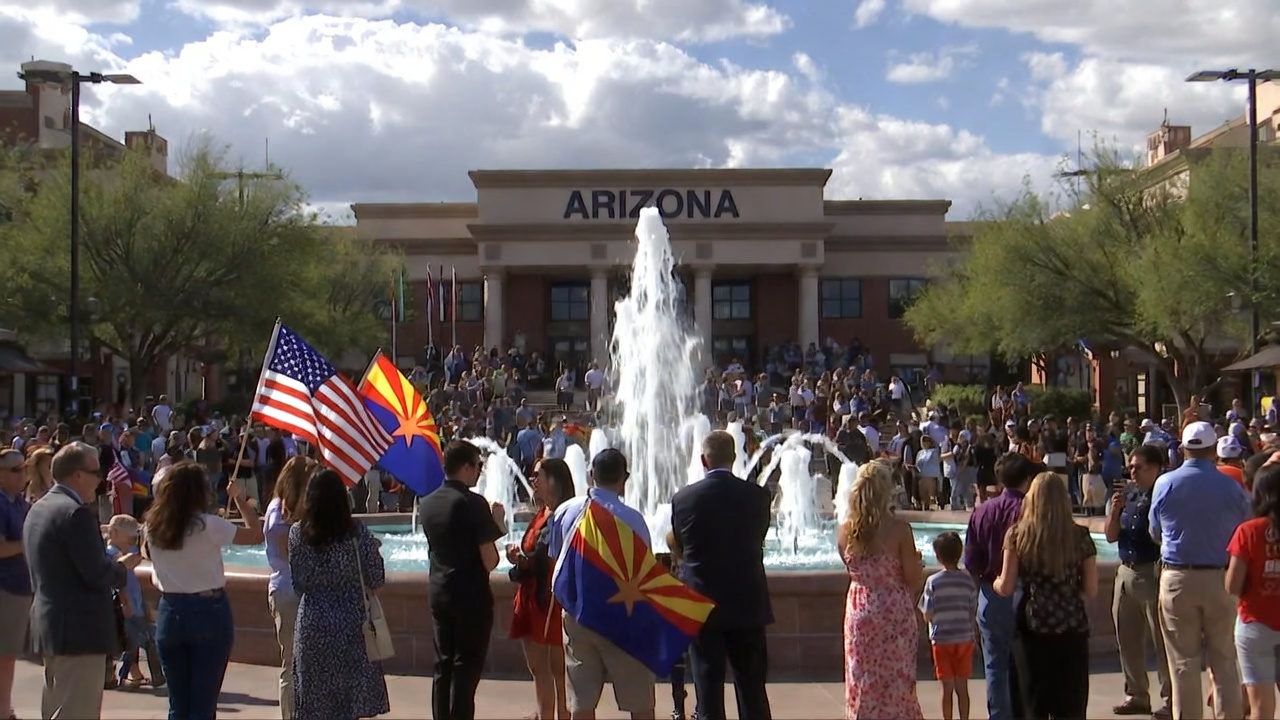
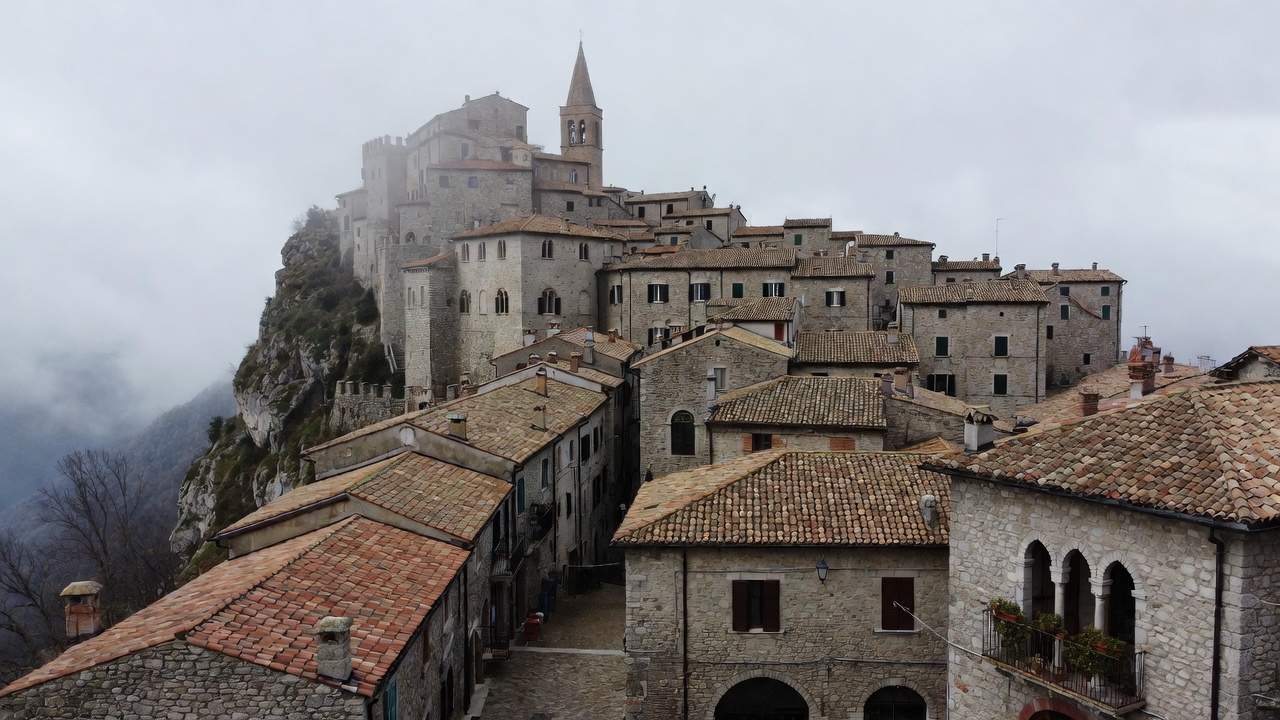
By a wanderer who has stood atop Mount Titano in the February mist, watching Sammarinese flags snap against a winter sky.
There is a moment, early on the morning of February 5, when the narrow cobblestone streets of Città di San Marino begin to stir. Shop owners prop open wooden doors. The scent of fresh piadina drifts from bakeries near Piazza della Libertà. Somewhere below, in the town of Borgo Maggiore, a procession is forming. Flags, uniforms, hymns — an entire republic of just over 33,000 people is preparing to celebrate the day it reclaimed its freedom nearly three centuries ago.
This is Liberation Day in San Marino. It is not a spectacle built for tourists. It is not a carnival or a parade designed for Instagram. It is something quieter, older, and more powerful: a living memory of independence.
If you are planning a trip to this tiny European microstate in early February, you are choosing one of the most meaningful — and least crowded — times to visit. This guide will walk you through everything you need to know, from the history behind the holiday to how to get there, what to eat, where to sleep, and how to experience the celebrations with respect and genuine enjoyment.
What Is San Marino Liberation Day and Why Is It Celebrated on February 5?
Liberation Day, known formally as the Anniversary of the Liberation of the Republic from Alberonian Occupation (1740) and the Feast of Saint Agatha, is a national public holiday in San Marino. It falls on February 5 every year.
The holiday commemorates a pivotal event in Sammarinese history. In October 1739, Cardinal Giulio Alberoni, the papal legate of Ravenna, invaded San Marino. Alberoni was 75 years old at the time, but his ambitions were young. He wanted to bring the small republic under the authority of the Papal States. He imposed a new constitution and demanded that the Sammarinese submit to papal rule.
The people of San Marino refused. They did not take up arms in a dramatic revolt. Instead, they chose civil disobedience. They quietly resisted Alberoni’s orders. They also sent secret letters to Pope Clement XII, appealing directly to the Vatican for justice.
Their patience was rewarded. Pope Clement XII reviewed the situation and sided with the republic. On February 5, 1740, the Pope officially restored San Marino’s independence. Cardinal Enriquez was dispatched to formally return autonomy and freedom to the Sammarinese people.
That date has been celebrated ever since. It is worth noting that this was only one of very few invasions in the republic’s long history. The first came in 1503, when Cesare Borgia — the military commander who partly inspired Machiavelli’s The Prince — occupied San Marino briefly. His death in 1507 ended that threat. Apart from these episodes and a short period during World War II, San Marino has remained independent since its legendary founding in 301 AD.
Liberation Day is also intertwined with the Feast of Saint Agatha (Sant’Agata), the co-patron saint of San Marino alongside the republic’s founder, Saint Marinus. Saint Agatha was a Sicilian martyr from the 3rd century, and she was proclaimed San Marino’s protector in 1740 — the same year the republic regained its freedom. The two celebrations are therefore inseparable.
The History of San Marino: Why the World’s Oldest Republic Still Matters
To understand why Liberation Day carries such weight, you need to understand what San Marino is.
San Marino is the oldest surviving sovereign state in the world. It is also the oldest constitutional republic. According to tradition, the republic was founded on September 3, 301 AD, by a Christian stonemason named Marinus who fled Roman persecution on the Dalmatian coast and settled on Mount Titano.
The republic sits entirely within Italy, making it one of only three countries in the world that are completely enclosed by another nation (the other two being Vatican City and Lesotho). Its total area is just 61.2 square kilometers (about 24 square miles), making it the fifth-smallest country on Earth. Its population hovers just above 33,000 people.
Despite its size, San Marino has a remarkably complex political system. The heads of state are two Captains Regent (Capitani Reggenti), who are elected every six months — on April 1 and October 1 — in a tradition dating back to 1243. San Marino has had more female heads of state than most countries and once had a Captain Regent who was just 26 years old.
The country’s historic center and Mount Titano were designated a UNESCO World Heritage Site in 2008. San Marino is not a member of the European Union, though it uses the Euro as its official currency. It has no national debt, low unemployment, and lower taxes than Italy.
When the Sammarinese celebrate Liberation Day, they are not simply recalling a single event from 1740. They are affirming a tradition of independence that stretches back over 1,700 years. That is what makes this small celebration feel so large.
How Liberation Day Is Celebrated in San Marino: Traditions and Ceremonies
The celebrations on February 5 follow a solemn and deeply traditional protocol. This is not a day of fireworks and street parties. It is a day of civic pride, religious devotion, and quiet reflection.
The Institutional Procession
The most important event of the day is the official procession. It is led by the two Captains Regent, who depart from the Palazzo Pubblico (the Public Palace) in Piazza della Libertà. Accompanied by government officials, military personnel, and citizens, the procession winds through the streets of the historic center.
The highlight is the procession from Borgo Maggiore to the Basilica of San Marino. This walk up the mountainside retraces a symbolic path, connecting the commercial heart of the republic to its spiritual center. Along the way, the streets are decorated with flags and banners, and traditional music fills the air.
Religious Ceremonies at the Basilica
At the Basilica del Santo (Basilica of Saint Marinus), a solemn Mass is held in honor of both the liberation and Saint Agatha. The basilica, designed by Bolognese architect Antonio Serra and completed in 1838, houses the relics of Saint Marinus, including bones and a skull. The religious service blends Catholic liturgy with Sammarinese national identity.
The Feast of Saint Agatha on February 6
While February 5 is the main public holiday, the celebrations extend into February 6, which is dedicated more specifically to Saint Agatha. On this day, additional religious services and folk events take place. Historical parades featuring participants in medieval costumes bring the old town to life. It is a two-day celebration in practice, even though only February 5 is the official day off.
What Travelers Can Expect
For visitors, the experience is intimate. You will not be shoulder-to-shoulder with thousands of tourists. February is the low season, and the crowds that pack San Marino in summer are absent. Instead, you will share the cobblestone streets with locals, hear Sammarinese Italian echoing off medieval walls, and witness a celebration that feels genuinely communal rather than performative.
Dress warmly. The ceremonies take place outdoors, and February mornings on Mount Titano can be bitter. A respectful, quiet demeanor is appropriate during the procession and Mass.
Best Time to Visit San Marino for Liberation Day Festivities in February
Liberation Day falls on February 5, a fixed date on the calendar. In 2026, this date is a Thursday, which makes it convenient for travelers who want to build a long weekend around the celebration.
February Weather in San Marino: What to Pack
San Marino’s climate in February is cold and somewhat damp. The republic sits at elevation — Mount Titano rises to 749 meters (2,457 feet) — so temperatures are noticeably lower than in coastal Rimini.
Here is what to expect:
| Weather Metric | February Average |
|---|---|
| Daytime High | 7–10°C (45–50°F) |
| Nighttime Low | 1–3°C (34–37°F) |
| Rainfall | ~52 mm (2 inches) |
| Rainy Days | ~11 days |
| Snowfall | Possible, especially at higher elevations |
| Daylight Hours | ~10 hours |
Packing essentials for a February visit:
- A warm down jacket or insulated coat
- Layered clothing (thermal base layers are recommended)
- A waterproof outer layer or rain jacket
- Sturdy walking shoes with good grip (cobblestones get slippery when wet)
- Hat, scarf, and gloves
- An umbrella
The cold wind from the northeast, known locally as the bora, can make temperatures feel significantly lower than the thermometer suggests. However, the misty winter atmosphere also gives San Marino a moody, atmospheric quality that is entirely absent during the busy summer months. Fog occasionally wraps around the towers and walls, creating scenes that look like they belong in a medieval painting.
How to Get to San Marino from Italy: Transportation Guide for 2026
San Marino has no airport and no railway station. Getting there requires traveling through Italy first, specifically through the coastal city of Rimini in the Emilia-Romagna region.
Step 1: Fly Into a Nearby Italian Airport
The closest airports to San Marino are:
| Airport | Distance to San Marino | Notes |
|---|---|---|
| Rimini Federico Fellini Airport (RMI) | ~25 km | Closest, but limited flight options |
| Bologna Guglielmo Marconi Airport (BLQ) | ~135 km | Best international connections |
| Ancona Marche Airport (AOI) | ~120 km | Smaller, regional flights |
For most international travelers, Bologna Airport offers the best balance of flight availability and proximity. From Bologna, you can reach Rimini by train in about one hour.
Step 2: Take a Train to Rimini
Italy’s rail network connects Bologna to Rimini via frequent Trenitalia and Italo services. Regional trains take about 60–90 minutes and cost approximately €10–15. High-speed options are faster but cost more. Trains depart from Bologna Centrale station multiple times per hour.
From other major Italian cities, expect these approximate travel times to Rimini by train:
| Origin City | Travel Time | Transfer Required? |
|---|---|---|
| Florence | ~2 hours | Usually via Bologna |
| Venice | ~3 hours | Usually via Bologna |
| Rome | ~3.5–4 hours | Direct or via Bologna |
| Milan | ~3 hours | Direct or via Bologna |
Step 3: Take the Bus from Rimini to San Marino
From Rimini train station, the bus to San Marino is operated by Bonelli Bus (Gruppo BonelliBus and Benedettini). The journey takes roughly 45–60 minutes and covers about 20 kilometers of winding uphill road.
Key practical details:
- Ticket price: approximately €6 one way or €12 round trip (cash is recommended)
- Where to buy tickets: from a small tabaccheria (tobacco shop) across the street from Rimini train station, near the Burger King. Do not go to the main Rimini bus station — they do not sell San Marino tickets there.
- Bus stop location: approximately 200 meters from the tabaccheria, near Hotel Napoleon on Piazzale Cesare Battisti
- Frequency: a few departures per day; schedules change by season, so check the Bonelli Bus website before traveling
- Final stop: the bus terminates at Piazzale Calcigni in San Marino’s old town
Important tip: The buses can fill up quickly, especially on a public holiday like Liberation Day. Arrive early and queue at the bus stop. Having a ticket does not guarantee a seat if the bus is full.
Alternative: Drive to San Marino
If you are renting a car, driving is the most flexible option. There are no border controls between Italy and San Marino. Simply follow signs from Rimini or the A14 motorway. The drive from Rimini takes about 30 minutes. Parking is available at several public car parks (Parcheggio 1 through 13) outside the old town walls. From the parking areas, you can walk or take the cable car (funivia) from Borgo Maggiore up to the historic center. The cable car ride takes about 2 minutes and costs approximately €3 one way.
Top Things to Do in San Marino During Liberation Day Weekend
Even though San Marino is tiny, it packs a remarkable amount of history, culture, and scenery into its small territory. Here is what to prioritize during a Liberation Day visit.
1. Watch the Liberation Day Procession in the Historic Center
This is the main event. Station yourself along the route between the Palazzo Pubblico and the Basilica del Santo in the morning. The procession typically features government officials in formal attire, military personnel in dress uniforms, flag bearers, and citizens. It is a compact, dignified affair. Arrive early to secure a good viewing spot near Piazza della Libertà.
2. Explore the Three Towers of San Marino on Mount Titano
The Three Towers (Tre Torri) are San Marino’s most recognizable landmarks. They are perched along the ridge of Mount Titano and are visible from miles away.
- Guaita (Prima Torre): The oldest tower, built in the 11th century. It served as a prison for centuries and now offers panoramic views of the surrounding countryside and the Adriatic Sea.
- Cesta (Seconda Torre): Located on the highest point of Mount Titano at 756 meters. It houses the Museum of Ancient Arms, which displays weapons spanning several centuries.
- Montale (Terza Torre): The smallest and most remote of the three. It is not open to the public, but you can walk to its base for excellent views.
A combined ticket covers entry to both Guaita and Cesta. The walking path between the towers is one of the most scenic short hikes in all of Europe. In February, the path may be damp or icy, so wear appropriate footwear.
3. Visit the Palazzo Pubblico and Piazza della Libertà
The Palazzo Pubblico is San Marino’s town hall and government building. It was designed by architect Francesco Azzurri and built between 1884 and 1894. Its design echoes the Palazzo Vecchio in Florence, though on a much smaller scale. Inside, you can visit the Grand and General Council Chamber, where San Marino’s parliament meets.
Piazza della Libertà, the public square in front of the Palazzo Pubblico, sits atop a series of ancient cisterns that once stored water for the city. During Liberation Day, this is where much of the formal ceremony takes place. On other days, you can witness the changing of the guard here.
4. Tour the Basilica of San Marino
The Basilica del Santo is the republic’s main church. Built in the neoclassical style on the ruins of a 5th-century church, it holds the relics of Saint Marinus. Even if you are not religious, the basilica is architecturally impressive and central to understanding Sammarinese identity. During Liberation Day, the solemn Mass here is open to visitors, though respectful behavior is expected.
5. Get Your Passport Stamped
One of the most popular souvenirs from San Marino is a passport stamp. Since there are no official border controls, you will not receive one automatically. Instead, visit the tourist information office in the historic center and ask for a stamp. It costs a small fee (typically €5) and makes for a great keepsake. The office is usually open until late afternoon.
6. Discover San Marino’s Museums
San Marino has a surprisingly rich collection of museums for its size:
- State Museum (Museo di Stato): Archaeological finds, paintings, and historical artifacts
- Museum of Ancient Arms: Located inside the Cesta tower
- Museum of Curious Objects (Museo delle Curiosità): Oddities and novelties from around the world
- Wax Museum: Historical scenes brought to life
- Museo della Tortura: A collection of medieval torture instruments (not for the faint of heart)
Many of these museums are clustered within walking distance in the historic center.
7. Ride the Cable Car from Borgo Maggiore
The funivia (cable car) connects Borgo Maggiore, the commercial hub at the base of Mount Titano, to the Città di San Marino at the summit. The ride offers breathtaking views over the Adriatic plain. Even if you arrive by bus at the top, consider walking down to Borgo Maggiore and riding the cable car back up for the experience.
Traditional Sammarinese Food to Try on Liberation Day in February
One of the great pleasures of visiting San Marino in winter is the food. The cuisine is closely related to the cooking traditions of neighboring Emilia-Romagna and Marche, but the Sammarinese have their own specialties. February is the perfect time to enjoy the heartiest dishes.
Savory Dishes
| Dish | Description |
|---|---|
| Piadina | A thin flatbread filled with cured meats, cheese, and greens. Sammarinese piadina is slightly thicker than the Rimini version. The traditional filling is stracchino cheese, arugula, and prosciutto crudo. |
| Fagioli con le Cotiche | A hearty bean and pork rind soup. This is traditionally a winter dish, making it ideal for a February visit. |
| Pasta e Ceci | A warming chickpea and pasta soup flavored with garlic and rosemary. Simple, satisfying, and deeply comforting on a cold day. |
| Nidi di Rondine | “Swallow’s nests” — rolled pasta sheets filled with smoked ham, beef, and cheese, baked in béchamel and tomato sauce. |
| Strozzapreti | Handmade pasta served with meat sauce or mushroom ragù. The name means “priest choker.” |
| Passatelli in Brodo | Pasta made from breadcrumbs, Parmesan, and eggs, served in a rich broth. A classic Emilia-Romagna winter dish that is widely available in San Marino. |
| Coniglio alla Sammarinese | Roast rabbit with fennel, a traditional main course. |
| Polenta sul Tagliere | Polenta served on a wooden board with sausage gravy and grated pecorino cheese. |
Desserts and Sweets
| Sweet | Description |
|---|---|
| Torta Tre Monti | San Marino’s most famous dessert. Thin wafers layered with chocolate-hazelnut cream and coated in dark chocolate. Named after the Three Towers and made since 1942 by La Serenissima. It holds the Mark of Origin of the Republic. |
| Torta Titano | A layered cake of biscuit, hazelnuts, chocolate, cream, and coffee, inspired by Mount Titano. |
| Bustrengo | A traditional Christmas cake made with breadcrumbs or cornmeal, honey, nuts, apples, and dried fruit. You may still find it in bakeries in early February. |
| Verretta | A chocolate-covered wafer confection with hazelnuts and praline. Named after the arrows used by San Marino’s crossbowmen. |
| Cacciatello | A creamy custard dessert similar to crème caramel. |
Wines and Liqueurs
San Marino produces its own wines, regulated by the San Marino Wine Association. The most common varieties are:
- Sangiovese: A robust red wine, the flagship of the region
- Biancale: A dry, still white wine
- Brugneto: A cask-aged red
- Moscato: A sweet dessert wine
After dinner, try the local liqueurs. Tilus is a distinctive bitter made with truffles and herbs. Mistrà is an anise-flavored digestif. Duca di Guelfo is an herbal liqueur. These are not widely available outside San Marino, so take the opportunity.
Where to Stay in San Marino During Liberation Day: Best Hotels and Accommodations
San Marino is small, but it offers a range of accommodations from budget hostels to four-star boutique hotels. Staying overnight is highly recommended. Most visitors come on day trips, which means the old town empties out by evening. If you stay the night, you will have the cobblestone streets, the towers, and the views virtually to yourself.
Hotels in the Historic Center
| Hotel | Stars | Highlights |
|---|---|---|
| Titano Suites Hotel | 4★ | 19th-century building, 200 meters from the Palazzo Pubblico, free WiFi, central location |
| Hotel Cesare | 4★ | Historic center location, panoramic restaurant, views over the countryside |
| Hotel Titano | 4★ | Rooftop restaurant La Terrazza with incredible views, excellent value |
| Hotel La Grotta | 3★ Superior | Steps from Piazza della Libertà, modern rooms, strong reviews |
| Hotel Rosa | 3★ | Near Guaita Tower, private parking available, views across the UNESCO site |
| Hotel Joli | 3★ | Budget-friendly, 5–10 minute walk to the center, good breakfast |
Accommodations Outside the Old Town
If you prefer a quieter setting or lower prices, consider hotels in Borgo Maggiore, Serravalle, or Domagnano. These are San Marino’s other castelli (municipalities). Serravalle is the closest to the Italian border and tends to have more affordable options. Borgo Maggiore is connected to the old town by the cable car, making it a convenient base.
Staying in Rimini as an Alternative
Many travelers use Rimini as their base and day-trip to San Marino. Rimini is a larger city on the Adriatic coast with far more hotel options across all budget levels. The trade-off is that you will miss the magic of San Marino in the evening, when the day-trippers leave and the old town becomes almost eerily quiet and beautiful.
Budget tip: February is the low season for both San Marino and Rimini. Hotel prices are significantly lower than in summer. According to booking platforms, the cheapest months to stay in San Marino are January through March, with average nightly rates starting from around $62–70 for three-star accommodations.
San Marino Liberation Day Itinerary: A Perfect 2-Day Plan for February 2026
Here is a suggested itinerary for travelers who want to experience Liberation Day at its fullest.
Day 1: February 4 (Wednesday) — Arrival and Exploration
Morning/Afternoon:
- Arrive in Rimini by train from Bologna, Florence, or Venice
- Take the Bonelli Bus or drive to San Marino
- Check into your hotel in the historic center or Borgo Maggiore
- Walk through the old town, getting your bearings
Late Afternoon:
- Visit the Three Towers (Guaita and Cesta). The afternoon light in winter is golden and soft, perfect for photography.
- Walk the path between the towers along the ridge of Mount Titano
Evening:
- Dinner at a trattoria in the old town. Try passatelli in brodo or fagioli con le cotiche — perfect warming dishes for a February evening.
- End with a glass of local Sangiovese and a slice of Torta Tre Monti
- Enjoy the quiet of the old town after dark, when the streets are nearly deserted
Day 2: February 5 (Thursday) — Liberation Day
Morning:
- Head to Piazza della Libertà early to secure a viewing spot
- Watch the Liberation Day procession departing from the Palazzo Pubblico
- Follow the procession (at a respectful distance) toward the Basilica
Mid-Morning:
- Attend or observe the solemn Mass at the Basilica del Santo
- Explore the Basilica interior and pay respects at the relics of Saint Marinus
Afternoon:
- Visit the State Museum or the Museum of Ancient Arms inside Cesta Tower
- Get your passport stamped at the tourist information office
- Browse the shops along the main streets — San Marino is known for tax-free shopping, and you can find duty-free perfumes, electronics, and local crafts
Evening:
- Dinner featuring nidi di rondine or coniglio alla sammarinese
- Try a Tilus or Mistrà digestif after your meal
- If celebrations extend to February 6, attend any evening folk events or historical parades
Is San Marino Worth Visiting in Winter? Benefits of a February Trip
Many travel guides focus on summer visits to San Marino, but a winter trip during Liberation Day offers distinct advantages.
Fewer crowds. San Marino can be overwhelmingly busy in July and August. In February, you may have entire streets to yourself. The towers, museums, and restaurants are pleasantly uncrowded.
Lower prices. Hotel rates and flights to nearby Italian cities are at their cheapest in winter. You will pay significantly less for the same experience.
Authentic atmosphere. Liberation Day is a local celebration, not a tourist event. Visiting during the holiday means experiencing the republic as the Sammarinese themselves live it. The ceremonies are genuine, not staged for visitors.
Winter scenery. Mount Titano draped in fog or dusted with snow is hauntingly beautiful. The muted winter palette gives the medieval architecture a dramatic, timeless quality that bright summer sunshine cannot replicate.
Seasonal food. The best Sammarinese comfort food — bean soups, braised meats, warming pastas — is made for winter. February is the ideal time to eat your way through the local cuisine.
The main downside is the cold. Temperatures hover around freezing at night, and rain is common. But if you pack properly and embrace the weather, a February visit to San Marino is deeply rewarding.
Practical Travel Tips for Visiting San Marino on Liberation Day
Here are some final practical details to help you plan your trip.
Currency and Payments
San Marino uses the Euro (€). Credit cards are accepted at most hotels and larger restaurants, but carry cash for smaller shops, the bus ticket kiosk, and the passport stamp. ATMs are available in the old town and Borgo Maggiore.
Language
The official language is Italian. English is spoken at hotels and tourist-oriented businesses, but less so at local shops and trattorias. A few basic Italian phrases will be warmly received. The Sammarinese speak a dialect closely related to Romagnol Italian.
Visa and Entry Requirements
San Marino has no border controls with Italy. You do not need a separate visa. If you are eligible to enter Italy (and the Schengen Area), you can enter San Marino freely. There are no passport checks, customs, or immigration procedures.
Mobile Phones and Connectivity
San Marino has its own mobile phone network. When your phone switches from an Italian to a Sammarinese network, you may incur roaming charges depending on your plan. Check with your provider before traveling. Free WiFi is available at most hotels.
Opening Hours on Liberation Day
February 5 is a public holiday. Government offices and many businesses will be closed. However, restaurants, cafés, and tourist attractions in the historic center generally remain open, as they cater to visitors year-round. Museums may have reduced hours, so check in advance.
Safety
San Marino is one of the safest countries in the world. Violent crime is virtually nonexistent. Use normal precautions for pickpockets in crowded areas, though even this is rare.
Accessibility
The historic center is hilly and built on cobblestones. It is not fully accessible for wheelchair users. The cable car from Borgo Maggiore to the old town is the most accessible way to reach the summit.
Frequently Asked Questions About San Marino Liberation Day
Is Liberation Day a good time to visit San Marino? Yes. It is one of the most culturally meaningful dates on the Sammarinese calendar. The celebrations are authentic, the crowds are small, and winter prices are low.
Do I need to book tickets for the Liberation Day ceremonies? No. The procession and public events are free and open to all. Simply show up at Piazza della Libertà on the morning of February 5.
Can I visit San Marino as a day trip from Rimini or Bologna? Absolutely. San Marino is a popular day trip from both cities. However, staying overnight gives you a much richer experience, especially during the holiday.
Is San Marino expensive? San Marino is generally cheaper than nearby Italian cities. Meals, accommodations, and shopping tend to cost less. Tax-free shopping is an added bonus.
What is the best way to get around San Marino? On foot. The historic center is compact and entirely walkable. The cable car connects Borgo Maggiore to the old town. Public buses connect the various castelli (municipalities).
Does San Marino have its own stamps and coins? Yes. San Marino issues its own postage stamps and Euro coins, both of which are popular with collectors. The philatelic and numismatic office in the old town is worth a visit.
San Marino Beyond Liberation Day: Other Major Festivals and Events
If February does not fit your schedule, San Marino has other notable celebrations throughout the year:
| Date | Event |
|---|---|
| March 25 | Anniversary of the Arengo — celebrating the end of oligarchic rule in 1906 |
| April 1 | Investiture of the Captains Regent (spring) |
| July 28 | Anniversary of the fall of the Fascist government |
| September 3 | Feast of Saint Marinus and Foundation Day — the republic’s biggest holiday, with medieval parades, crossbow tournaments, and costumes |
| October 1 | Investiture of the Captains Regent (autumn) |
| November/December | Christmas markets and “Christmas of Wonders” in the old town |
The September 3 celebrations are the largest and most elaborate, featuring flag throwers, crossbowmen, and a full medieval pageant. But Liberation Day on February 5 offers something those summer events cannot: solitude, authenticity, and the quiet dignity of a republic remembering its freedom.
Final Thoughts: Why San Marino’s Liberation Day Deserves a Place on Your Travel List
San Marino is easy to overlook. It is a speck on the map, a microstate dwarfed by its Italian surroundings. But this is precisely what makes it extraordinary. For over 1,700 years, this small community on a mountaintop has preserved its independence against empires, cardinals, dictators, and the tides of European history.
Liberation Day is the purest expression of that spirit. It is a day when the Sammarinese gather — not in the millions, but in the thousands — to honor the moment when a pope listened to their plea and a cardinal’s ambition was defeated by quiet resistance.
As a traveler, witnessing this celebration is a privilege. You will not find it on most “must-see European festivals” lists. There are no sponsored floats, no corporate sponsors, no influencer partnerships. There is simply a procession, a Mass, a shared meal, and a collective memory carried forward for another year.
Pack warmly. Take the bus from Rimini. Walk the cobblestones of the oldest republic in the world. Stand in Piazza della Libertà on the morning of February 5 and watch the Captains Regent lead their people through the streets.
You will understand, then, why this tiny country has survived for so long. Freedom, it turns out, is not something that needs to be loud. Sometimes, it just needs to be remembered.
Planning a trip to San Marino? Check the latest schedules and travel advisories on the Visit San Marino official tourism website. For bus schedules from Rimini, visit Bonelli Bus. For Italian train bookings, use Trenitalia or Italo.