A Complete Family Guide to Experiencing One of the World’s Most Spectacular Hindu Festivals
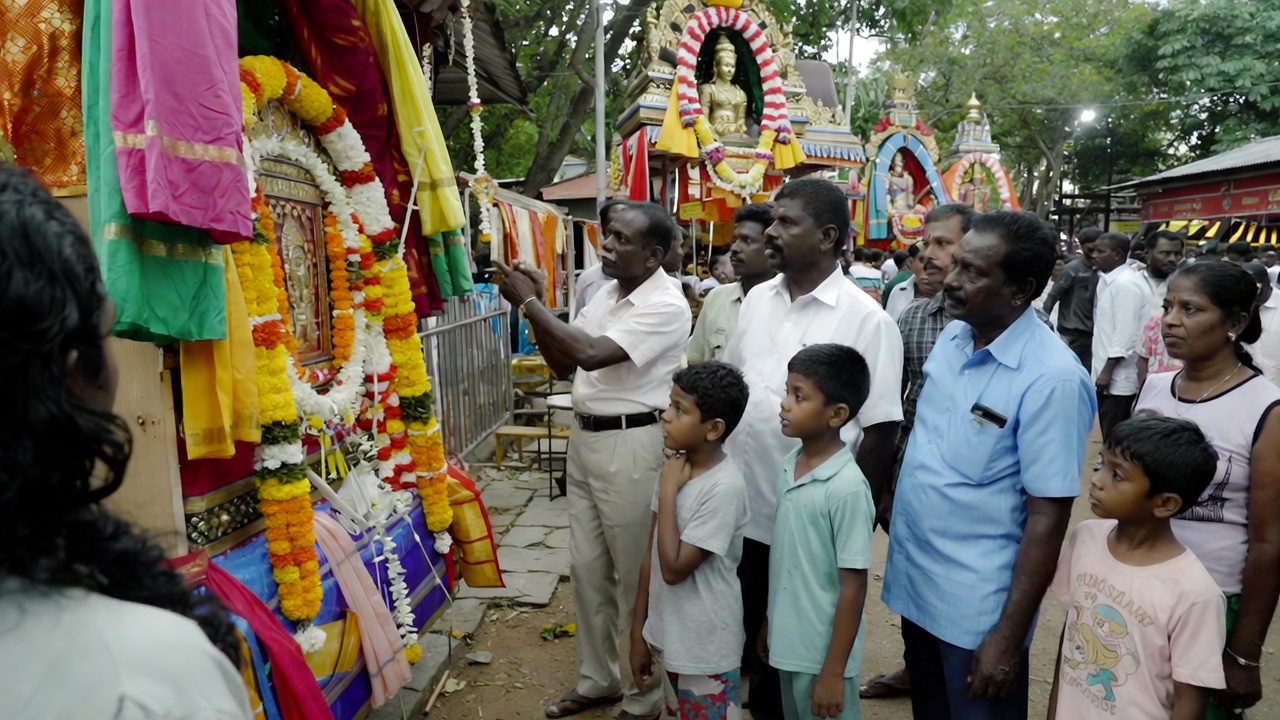
As a folklore expert who has witnessed Thaipusam celebrations across three continents, I can confidently say that few festivals offer the profound cultural immersion and teachable moments that this ancient Hindu celebration provides. Whether you’re planning to attend Thaipusam in Malaysia, Singapore, or India, bringing your children along can transform a simple trip into a life-changing educational experience.
But let’s be honest. The sight of devotees piercing their bodies with hooks and skewers raises legitimate concerns for parents. Is Thaipusam safe for kids? What should families expect? How can you turn this intense religious observance into an age-appropriate learning opportunity?
This comprehensive guide answers all your questions. From practical safety tips to maximizing the educational value, I’ll share everything you need to know about experiencing Thaipusam as a family.
What Is Thaipusam and Why Is It Celebrated by Hindus?
Thaipusam is a Hindu festival celebrated primarily by the Tamil community. It honors Lord Murugan, the Hindu god of war and victory. The festival falls on the full moon day of the Tamil month of Thai (January-February).
The celebration commemorates two significant events:
- Goddess Parvati gifting a divine spear (Vel) to Lord Murugan to vanquish the demon Soorapadman
- Lord Murugan’s birthday according to some traditions
The word “Thaipusam” combines Thai (the Tamil month) and Pusam (the name of a star that reaches its highest point during this festival).
| Festival Element | Details |
|---|---|
| Primary Deity | Lord Murugan (Kartikeya) |
| Time of Year | January or February |
| Duration | 1-3 days depending on location |
| Main Locations | Malaysia, Singapore, India, Sri Lanka |
| UNESCO Status | Recognized as significant intangible cultural heritage |
For families, understanding this background helps children appreciate why devotees undergo such extreme acts of devotion. The piercing rituals symbolize sacrifice, penance, and the triumph of good over evil.
Where to Experience Thaipusam with Your Family: Best Destinations for Tourists
Batu Caves Thaipusam Festival in Kuala Lumpur Malaysia
The Batu Caves Thaipusam near Kuala Lumpur hosts the largest celebration outside India. Over 1.5 million devotees and spectators attend annually, according to Tourism Malaysia.
Why families love it:
- Well-organized event with dedicated viewing areas
- Excellent public transportation access via the KTM Komuter train
- Nearby amenities including restrooms and food stalls
- The iconic 272-step climb to the temple creates memorable photo opportunities
The 42.7-meter golden statue of Lord Murugan at the cave entrance captivates children immediately. The visual spectacle alone makes Batu Caves the premier family-friendly Thaipusam destination.
Thaipusam in Singapore at Sri Thendayuthapani Temple
Singapore’s celebration centers on the procession from Sri Srinivasa Perumal Temple to Sri Thendayuthapani Temple on Tank Road. The 4.5-kilometer route winds through the city’s Little India district.
Family advantages:
- Smaller crowds than Malaysia
- Extremely clean and well-policed route
- English widely spoken
- World-class medical facilities nearby
- The procession passes through flat, accessible streets
Singapore’s strict regulations ensure a controlled environment ideal for first-time visitors with children.
Palani Murugan Temple Thaipusam Festival in Tamil Nadu India
For an authentic spiritual experience, nothing compares to Palani in Tamil Nadu. The Arulmigu Dhandayuthapani Swamy Temple sits atop Palani Hills and attracts millions of devotees.
Considerations for families:
- More intense crowds and sensory experiences
- Less tourist infrastructure
- Deeper immersion in traditional Tamil culture
- Requires more advance planning
Is Thaipusam Safe for Children? Understanding the Festival Environment
The short answer: Yes, with proper preparation.
I’ve brought my own children to Thaipusam celebrations multiple times. The key lies in understanding what you’ll encounter and planning accordingly.
What Kids Will See at Thaipusam Kavadi Processions
The most distinctive feature of Thaipusam involves kavadi — physical burdens carried by devotees as acts of devotion. These range from simple milk pots to elaborate structures weighing up to 50 kilograms.
Types of kavadi your family may witness:
| Kavadi Type | Description | Intensity Level |
|---|---|---|
| Paal Kavadi | Carrying pots of milk | Mild — suitable for all ages |
| Paravai Kavadi | Peacock feather arches | Mild — visually beautiful |
| Vel Kavadi | Small spear piercings | Moderate — may concern young children |
| Alavu Kavadi | Large decorated structures | Moderate — impressive but intense |
| Body Piercings | Hooks, skewers through skin | Intense — requires preparation |
Most children react with curiosity rather than fear when parents explain the cultural context beforehand. The devotees appear peaceful, often in a trance-like state, and there is minimal visible blood due to the ritualistic preparation of the body.
Crowd Safety Tips for Families Attending Large Hindu Festivals
Crowds present the primary safety concern. Follow these essential guidelines:
Before the festival:
- Dress all family members in bright, matching colors for easy identification
- Establish a meeting point in case of separation
- Save local emergency numbers in your phone
- Take photos of your children that morning showing their outfits
During the event:
- Arrive before dawn when crowds are thinnest and devotees begin their procession
- Stay on the periphery of main procession routes
- Avoid the densest areas near temple entrances during peak hours (typically 8 AM – 2 PM)
- Keep children in front of you, never behind
- Use a child carrier for toddlers rather than strollers
Emergency preparedness:
- Carry a basic first aid kit
- Bring more water than you think you need (minimum 2 liters per person)
- Know the location of medical stations
- Keep identification documents accessible
Best Time to Arrive at Thaipusam for Families with Young Children
Timing can make or break your family’s experience.
The procession runs continuously for approximately 24-48 hours. Different times offer distinctly different atmospheres:
| Time Window | Crowd Level | Experience | Best For |
|---|---|---|---|
| 4:00 AM – 6:00 AM | Low | Devotees preparing, peaceful atmosphere | Families with early risers |
| 6:00 AM – 8:00 AM | Moderate | Procession actively beginning, good visibility | Best overall family time |
| 8:00 AM – 2:00 PM | Very High | Peak activity, maximum spectacle | Older children, experienced travelers |
| 2:00 PM – 6:00 PM | High | Heat at maximum, tiring conditions | Not recommended for families |
| 6:00 PM – 10:00 PM | Moderate | Cooler temperatures, festive evening atmosphere | Families with patient children |
My personal recommendation: Arrive at 5:30 AM. You’ll witness the atmospheric build-up, secure good viewing positions, and can leave before the afternoon crush. The early morning light also provides the best photography conditions.
What to Wear to Thaipusam as a Tourist: Family Dress Code Guidelines
Respectful attire ensures your family is welcomed warmly. Thaipusam isn’t as strict as temple visits, but modesty matters.
Thaipusam Dress Code for Women and Girls
- Cover shoulders and knees — Long skirts, loose pants, or maxi dresses work well
- Avoid tight or revealing clothing
- Comfortable walking shoes (you’ll walk several kilometers)
- A light scarf serves dual purposes: modesty and sun protection
What Men and Boys Should Wear to Hindu Festivals
- Long pants preferred, knee-length shorts acceptable
- T-shirts or collared shirts (no offensive graphics)
- Closed-toe shoes for protection in crowds
- Remove hats when near temple areas
Practical Clothing Tips for Hot Weather Festival Attendance
The tropical climate during Thaipusam means temperatures of 28-34°C (82-93°F) with high humidity.
Smart packing list:
- Lightweight, breathable natural fabrics (cotton or linen)
- Moisture-wicking undergarments
- Sun hats for children
- Sunglasses
- Change of clothes in your bag
- Small towels for wiping sweat
Pro tip: Yellow clothing holds special significance for Lord Murugan devotees. Wearing yellow helps your family blend in respectfully while making group identification easier.
How to Explain Thaipusam Body Piercing Rituals to Kids
This question ranks among the most common concerns from parents. The piercing ceremonies require thoughtful preparation and age-appropriate discussions.
Age-Appropriate Ways to Discuss Religious Devotion with Children
For children ages 4-7:
Focus on the concept of showing love and dedication. You might say:
“These people love their god very much. Just like you might draw a special picture for someone you love or do something difficult to show how much you care, they’re doing something hard to show their love. They prepare very carefully, and their beliefs help them feel strong.”
For children ages 8-12:
Introduce concepts of faith, sacrifice, and cultural difference:
“In many religions, people do special things to show their devotion. Some people fast, some people pray for many hours, and some people in this tradition pierce their bodies. The devotees believe that Lord Murugan protects them and gives them strength. Scientists have found that people in deep spiritual states actually feel less pain.”
For teenagers:
Engage with more complex discussions about:
- The psychology of faith and altered states
- Historical parallels across religions (mortification practices in Christianity, Sun Dance in Native American traditions)
- The difference between cultural practice and self-harm
- The role of community support in extreme devotion
Preparing Children for Potentially Intense Visual Experiences
Several days before your visit:
- Watch age-appropriate documentaries together (National Geographic has excellent coverage)
- Look at photographs online, starting with mild images and progressing gradually
- Discuss what they might see and how they might feel
- Emphasize that they can look away or leave at any time
- Answer questions honestly without excessive detail
During the festival:
- Check in frequently about their comfort level
- Validate any emotions they express — fascination, discomfort, or confusion are all normal
- Position yourselves where they can see kavadi processions without being in the front row initially
- Let them set the pace for how close they want to get
Educational Benefits of Attending Thaipusam Festival with School-Age Children
The learning opportunities at Thaipusam extend far beyond religious studies. This single festival can enhance multiple areas of your child’s education.
Teaching World Religions and Hindu Culture to Kids Through Travel
Experiential learning outperforms textbook education by enormous margins. Attending Thaipusam provides:
Religious literacy:
- Understanding of polytheism and Hindu deities
- Concepts of karma, devotion (bhakti), and penance
- Recognition that religious expression varies widely
- Exposure to religious symbols: the vel (spear), peacock imagery, sacred ash
Cultural competency:
- Tamil language exposure
- Traditional music and instruments (nadaswaram, thavil)
- Ethnic dress and traditions
- Food culture through festival offerings
Geography and History Lessons at Southeast Asian Hindu Temples
The Tamil diaspora story offers rich historical content:
- Migration patterns from South India to Southeast Asia
- Colonial history of Malaysia and Singapore
- Religious tolerance in multicultural societies
- Architecture of Dravidian temple design
At Batu Caves, children learn about geological formations (limestone caves) while exploring religious art (cave paintings and sculptures).
Building Empathy and Cultural Understanding in Young Travelers
Perhaps the most valuable outcome is the development of emotional intelligence and global citizenship.
Children who witness sincere religious devotion—even in unfamiliar forms—develop:
- Respect for beliefs different from their own
- Recognition of universal human needs for meaning and community
- Ability to suspend judgment in unfamiliar situations
- Curiosity rather than fear when encountering differences
One study from the Journal of Cross-Cultural Psychology found that children exposed to diverse religious practices showed higher levels of tolerance and cognitive flexibility in later assessments.
Family-Friendly Activities Near Thaipusam Festival Locations
Plan buffer activities to balance intense festival experiences with lighter entertainment.
Things to Do with Kids Near Batu Caves Malaysia
| Activity | Distance from Caves | Best Ages | Time Needed |
|---|---|---|---|
| Dark Cave Conservation Tour | On-site | 7+ | 45 minutes |
| Ramayana Cave | On-site | All ages | 30 minutes |
| Forest Research Institute Malaysia (FRIM) | 15 km | 5+ | Half day |
| Sunway Lagoon Theme Park | 25 km | All ages | Full day |
| KL Tower Mini Zoo | 13 km | All ages | 2 hours |
The Dark Cave tour particularly complements Thaipusam attendance by teaching children about the natural history of the limestone formations they just climbed.
Singapore Family Activities Combining Culture and Fun
After the morning procession, consider:
- Little India walking tour — Continue the cultural theme with henna, spices, and flower garlands
- Indian Heritage Centre — Interactive museum perfect for school-age children
- Singapore Zoo — World-renowned, easily accessible
- Gardens by the Bay — Evening light shows delight all ages
What to Eat at Thaipusam Festival: Safe Food Options for Families
Festival food forms an integral part of the experience. Devotees distribute free vegetarian meals as acts of merit, and vendors offer countless options.
Vegetarian Tamil Festival Food Safe for Children
| Dish | Description | Spice Level | Kid-Friendly? |
|---|---|---|---|
| Pongal | Sweet rice pudding | None | Excellent |
| Idli | Steamed rice cakes | None | Excellent |
| Dosa | Thin crispy crepes | Mild-Medium | Good |
| Vada | Savory fried donuts | Mild | Good |
| Payasam | Sweet milk pudding | None | Excellent |
| Banana Leaf Rice | Rice with vegetables | Varies | Ask for mild |
Food safety tips:
- Accept food from organized distribution points rather than random individuals
- Choose freshly prepared items over those sitting in the sun
- Stick to vegetarian options (standard during the festival anyway)
- Carry packaged snacks for picky eaters
- Bring your own water bottles — dehydration is a real risk
Essential Items to Pack for Thaipusam with Kids: Complete Checklist
Proper preparation prevents problems. Use this comprehensive packing list:
Must-Have Items for Family Festival Attendance
For comfort:
- [ ] Refillable water bottles (minimum 2L per person)
- [ ] Portable fans or cooling towels
- [ ] Sunscreen SPF 50+
- [ ] Wide-brimmed hats
- [ ] Comfortable walking shoes
- [ ] Light rain jacket (tropical showers are unpredictable)
For safety:
- [ ] First aid kit with bandages, antiseptic, pain relievers
- [ ] Hand sanitizer
- [ ] Wet wipes
- [ ] Copies of passports and identification
- [ ] Phone chargers and portable battery packs
- [ ] Emergency contact card in children’s pockets
For entertainment:
- [ ] Small notebook and colored pencils for sketching
- [ ] Camera (phones work fine)
- [ ] Snacks
- [ ] Small toy or comfort item for young children
For cultural respect:
- [ ] Modest clothing that covers shoulders and knees
- [ ] Small offerings if desired (fruits, flowers)
- [ ] Cash in small denominations for donations
Health and Medical Considerations for Traveling to Thaipusam
Vaccinations and Health Precautions for Malaysia and Singapore Travel
Consult your family physician or a travel medicine clinic at least 6 weeks before departure. The Centers for Disease Control and Prevention (CDC) recommends:
Routine vaccinations: Ensure all family members are current on MMR, DTP, polio, and varicella.
Recommended for Malaysia/Singapore:
- Hepatitis A
- Typhoid (especially for adventurous eaters)
- Japanese encephalitis (if staying in rural areas)
Medical facilities:
Both Malaysia and Singapore have world-class medical infrastructure. Singapore’s hospitals consistently rank among the best in Asia. In Kuala Lumpur, the KPJ Healthcare network and Prince Court Medical Centre offer excellent care.
Managing Heat Exhaustion at Outdoor Festivals with Children
Recognize warning signs early:
- Heavy sweating followed by cessation of sweating
- Cool, pale, clammy skin
- Dizziness or fainting
- Nausea or vomiting
- Rapid, weak pulse
- Muscle cramps
Prevention strategies:
- Hydrate constantly — Don’t wait until thirsty
- Take breaks in shade every 30-45 minutes
- Wear light-colored, loose clothing
- Use cooling towels on necks and wrists
- Avoid the 11 AM – 3 PM peak heat window
- Know where medical tents are located
Respecting Hindu Traditions: Etiquette for Non-Hindu Festival Visitors
Being a thoughtful guest enhances everyone’s experience and teaches children important lessons about cultural sensitivity.
Do’s and Don’ts for Thaipusam Visitors with Children
DO:
- ✓ Remove shoes when entering temple areas
- ✓ Ask permission before photographing individuals
- ✓ Accept offerings of sacred ash (vibhuti) graciously
- ✓ Walk clockwise around shrines
- ✓ Bow or nod respectfully when passing priests
- ✓ Speak in quiet voices near devotees in trance
- ✓ Accept prasadam (blessed food) with your right hand
- ✓ Express gratitude with “vanakkam” (Tamil greeting)
DON’T:
- ✗ Touch devotees or their kavadi
- ✗ Use flash photography
- ✗ Point with your feet
- ✗ Block procession routes
- ✗ Wear leather in temple areas
- ✗ Make jokes or laugh at practices you don’t understand
- ✗ Enter restricted areas
- ✗ Touch idols or sacred objects
Teaching Children to Be Respectful Cultural Observers
Before arriving, establish a family agreement about behavior:
- We observe quietly — questions get saved for later
- We follow local customs even if they feel unfamiliar
- We ask before taking photos of people’s faces
- We say thank you in Tamil when given anything
- We keep opinions private until we discuss as a family later
Capturing Memories: Photography Tips for Families at Thaipusam
The visual spectacle of Thaipusam deserves documentation. Here’s how to get great shots while remaining respectful.
Best Spots for Family Photos at Batu Caves Thaipusam
| Location | What You’ll Capture | Best Time | Tips |
|---|---|---|---|
| Base of stairs with Murugan statue | Iconic family photo | Before 7 AM | Arrive early for minimal crowds |
| Halfway up the stairs | Devotee procession from above | 6-8 AM | Wide-angle lens recommended |
| Cave interior | Atmospheric devotion scenes | Any time | No flash; high ISO needed |
| Temple entrance area | Kavadi close-ups | Morning | Ask permission |
| Surrounding hillside | Panoramic views | Sunrise or sunset | Bring tripod |
Ethical Photography Practices at Religious Festivals
- Consent matters — Devotees in trance cannot give consent, so shoot from distance
- Dignity over drama — Avoid exploitative close-ups of suffering or pain
- Context over spectacle — Include environmental context in shots
- Share the story — If posting online, explain the cultural significance
Planning Your Thaipusam Family Trip: Logistics and Accommodation
Best Hotels for Families Near Batu Caves During Thaipusam
Book accommodation 3-6 months in advance — properties fill quickly during the festival.
Budget-friendly options:
- Tamu Hotel & Suites (10 km from Batu Caves)
- Hotel & Suites Fairway (12 km)
Mid-range family choices:
- Sunway Putra Hotel (excellent MRT connection)
- The Kuala Lumpur Journal Hotel (family suites available)
Luxury with space:
- Mandarin Oriental Kuala Lumpur
- Four Seasons Kuala Lumpur (club suites for families)
Pro tip: Stay within walking distance of a KTM Komuter station. Trains run special extended services during Thaipusam and beat driving by hours.
Transportation Tips for Getting to Thaipusam Festival Sites
In Kuala Lumpur:
- Best option: KTM Komuter to Batu Caves station (RM2 per person, 30 minutes from KL Sentral)
- Avoid: Driving — parking is virtually impossible during the festival
- Alternative: Grab (Southeast Asian Uber) to stations along the line, then train
In Singapore:
- Best option: MRT to Little India station, then walk
- Alternative: Bus services along procession route
Sample Family Itinerary for a Thaipusam Weekend in Malaysia
Here’s a tried-and-tested three-day itinerary balancing festival experiences with family-friendly activities:
Day 1: Arrival and Cultural Preparation
| Time | Activity |
|---|---|
| Morning | Arrive in Kuala Lumpur, transfer to hotel |
| Afternoon | Visit Batu Caves preview — climb steps, explore Ramayana Cave (less crowded than festival day) |
| Evening | Little India Brickfields for dinner and cultural immersion |
| Night | Early bedtime (4 AM wake-up tomorrow!) |
Day 2: Thaipusam Festival Experience
| Time | Activity |
|---|---|
| 4:30 AM | Depart hotel |
| 5:00 AM | Arrive Batu Caves, secure viewing position |
| 5:30 AM – 9:00 AM | Watch procession and kavadi rituals |
| 9:00 AM | Breakfast at festival food stalls |
| 10:00 AM | Explore temple caves at your own pace |
| 12:00 PM | Return to hotel for rest |
| Evening | Casual dinner and early night |
Day 3: Decompression and Reflection
| Time | Activity |
|---|---|
| Morning | Family discussion about what you experienced |
| Late morning | Sunway Lagoon or KL Tower for lighter fun |
| Afternoon | Free time, swimming, exploring |
| Evening | Departure or extended stay |
Common Questions Parents Ask About Taking Kids to Thaipusam
Will My Child Be Traumatized by Seeing Body Piercings?
In my experience and based on conversations with child psychologists: unlikely.
Children are remarkably adaptable when experiences are framed positively. The key factors:
- Preparation through discussion and images beforehand
- Your calm demeanor during the event
- Allowing them to control their own exposure level
- Debriefing conversations afterward
Most children express fascination rather than fear. The devotees appear peaceful, even joyful — this context matters enormously.
What If My Child Asks Uncomfortable Questions During the Festival?
Embrace these questions as learning moments. Simple, honest answers work best:
“Why are they doing that?” “They’re showing their love and devotion to their god in a very special way.”
“Does it hurt them?” “They prepare for a very long time and believe their god gives them strength. Many say they don’t feel pain.”
“Can we go?” “Yes, whenever you’re ready. We can come back another time if you want.”
Is Thaipusam Too Scary for Toddlers?
I recommend waiting until children are at least 4-5 years old for the full Thaipusam experience. Toddlers may be frightened by crowds and loud drumming more than the rituals themselves.
For families with toddlers, consider:
- Viewing only the procession’s beginning (5-6 AM) before intensity builds
- Staying at the base of Batu Caves rather than ascending
- Watching from elevated, distant positions
- Keeping the visit brief (1-2 hours maximum)
Final Thoughts: Why Every Family Should Experience Thaipusam at Least Once
After attending Thaipusam celebrations in Malaysia, Singapore, Mauritius, and Tamil Nadu, I remain convinced that this festival offers unparalleled educational and emotional value for families.
Where else can children witness:
- Sincere religious devotion in its most intense form
- A community coming together across ethnic lines to celebrate
- The power of faith to transcend physical limitations
- Ancient traditions thriving in modern cities
Yes, Thaipusam requires preparation. Yes, parents must think carefully about age-appropriateness. Yes, crowds and heat present real challenges.
But the rewards far outweigh the obstacles.
Your children will remember Thaipusam long after they’ve forgotten countless other trips. They’ll carry lessons about cultural respect, religious diversity, and human devotion into their adult lives. They’ll have stories few of their peers can match.
And perhaps most importantly, you’ll share an extraordinary experience as a family — one that invites deep conversations, challenges assumptions, and expands everyone’s understanding of our beautifully diverse world.
Useful Resources for Planning Your Family Thaipusam Trip
- Tourism Malaysia Official Website — Festival dates and event information
- Singapore Tourism Board — Singapore celebration details
- Hindu Endowments Board Singapore — Temple information and schedules
- CDC Travel Health — Vaccination requirements
- Batu Caves Official Site — Visitor information