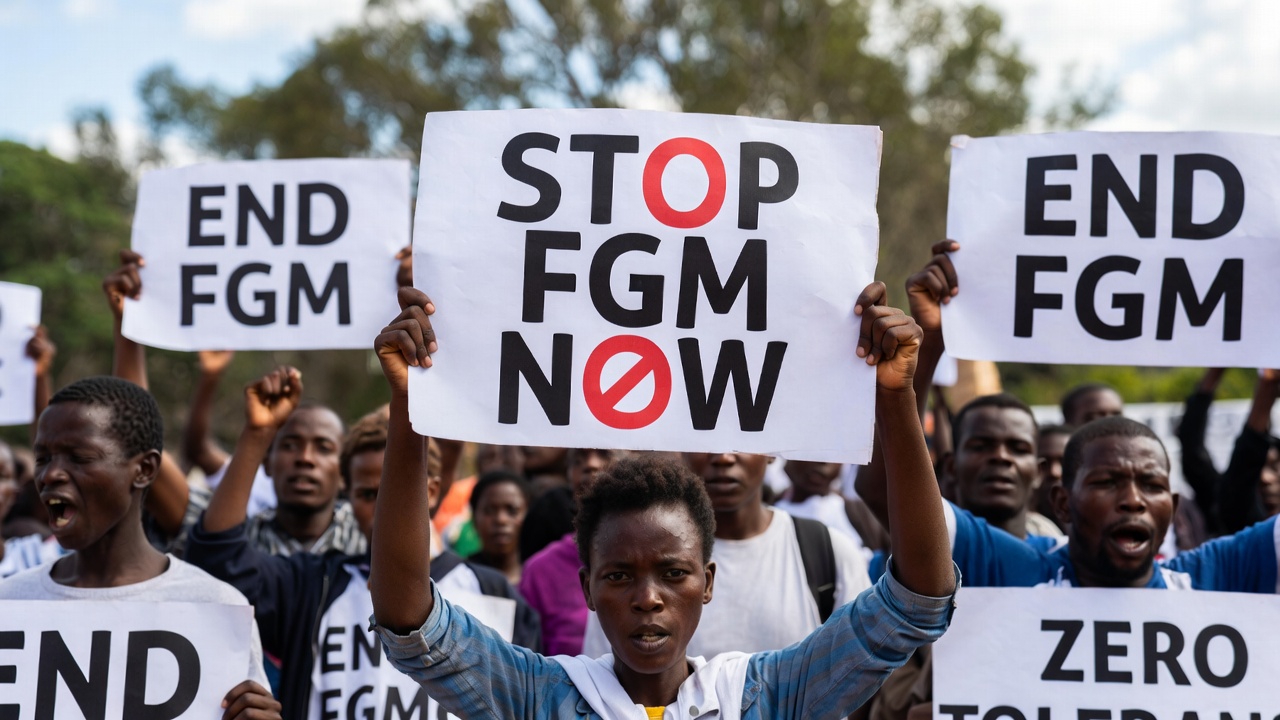
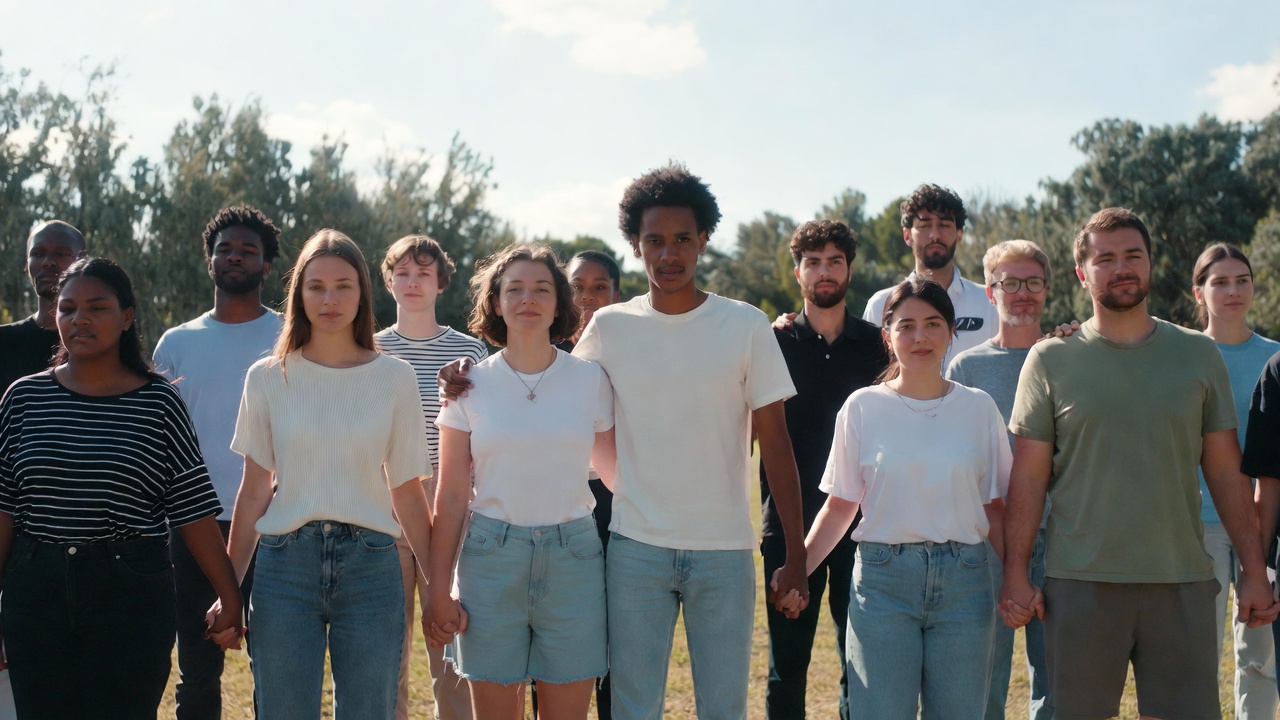
Every year on February 12, the world pauses to reflect on one of the most urgent challenges of our time. The International Day for the Prevention of Violent Extremism as and when Conducive to Terrorism — known widely as PVE Day — calls on governments, communities, educators, and everyday citizens to address the root causes that push people toward violence. In 2026, as terrorism continues to spread across new regions and online radicalization accelerates at alarming speed, this observance carries more weight than ever before.
This is not a day that belongs to politicians or security agencies alone. It belongs to the teacher in Bamako who builds critical thinking in her students. It belongs to the youth worker in Karachi who runs after-school sports programs. It belongs to the mother in Brussels who notices her teenage son retreating into dark corners of the internet. PVE Day reminds us all that preventing violent extremism starts long before the first act of violence — it starts in classrooms, living rooms, community centers, and on our screens.
In this guide, we explore everything you need to know about PVE Day 2026: its origins, its purpose, the current global landscape, and how you can get involved.
When Is International Day for the Prevention of Violent Extremism Observed in 2026?
The International Day for the Prevention of Violent Extremism falls on Thursday, February 12, 2026. This marks the fourth annual observance since the United Nations General Assembly established the day in late 2022.
The date of February 12 was chosen deliberately. On that same date in 2016, the UN General Assembly formally received and began debating the Secretary-General’s Plan of Action to Prevent Violent Extremism. That landmark plan marked a turning point in how the international community approached terrorism — shifting from a purely security-focused response to one that also addressed root causes like poverty, poor governance, and human rights violations.
Here is a quick timeline of the day’s history:
| Year | Milestone |
|---|---|
| January 15, 2016 | UN Secretary-General Ban Ki-moon presents the Plan of Action to Prevent Violent Extremism to the General Assembly |
| February 12, 2016 | The General Assembly adopts a resolution welcoming the Plan of Action |
| April 7–8, 2016 | The Geneva Conference on Preventing Violent Extremism convenes |
| September 8, 2006 (reviewed biennially) | The UN Global Counter-Terrorism Strategy is adopted and continuously reviewed |
| December 20, 2022 | The General Assembly adopts Resolution 77/243, declaring February 12 as the International PVE Day |
| February 12, 2023 | First-ever observance of the International PVE Day |
| February 12, 2024 | Second annual observance |
| February 12, 2025 | Third annual observance, featuring high-level events at UNHQ |
| February 12, 2026 | Fourth annual observance — coinciding with the 20th anniversary of the UN Global Counter-Terrorism Strategy |
The 2026 observance holds special significance. It aligns with the 9th review of the UN Global Counter-Terrorism Strategy, which marks the 20th anniversary of that foundational framework adopted in 2006. This review is expected to update and strengthen the strategy for a rapidly changing threat landscape.
Why Was the International Day for Preventing Violent Extremism Created by the United Nations?
The creation of PVE Day reflects a hard-won lesson: you cannot bomb your way out of extremism. For decades, the global response to terrorism leaned heavily on military operations, intelligence gathering, and law enforcement. These tools remain essential. But they alone have not stopped the spread of violent ideologies. In many cases, heavy-handed security measures have even fueled resentment and driven more recruitment.
The UN recognized this reality in a groundbreaking way when Secretary-General Ban Ki-moon presented his Plan of Action to Prevent Violent Extremism in January 2016. In his address to the General Assembly, he stated plainly that violent extremism is a direct assault on the UN Charter.
The Plan proposed a shift in thinking. It called for a “comprehensive approach” that combined security measures with systematic preventive steps addressing the conditions that push individuals toward radicalization. It offered more than 70 specific recommendations to Member States and the UN system, organized around seven priority areas:
- Dialogue and conflict prevention
- Strengthening good governance, human rights, and the rule of law
- Engaging communities
- Empowering youth
- Gender equality and empowering women
- Education, skill development, and employment facilitation
- Strategic communications, including through the internet and social media
The plan made one thing abundantly clear: violent extremism does not arise in a vacuum. Where human rights are violated, where governance is weak, where young people feel crushed and voiceless — that is where extremist narratives find fertile ground. The promise of belonging, purpose, and justice, however distorted, becomes irresistible when legitimate pathways to those things are blocked.
By establishing PVE Day through Resolution 77/243, the General Assembly created a focal point for awareness, reflection, and action. The resolution also emphasized something critical: terrorism and violent extremism cannot and should not be associated with any religion, nationality, civilization, or ethnic group.
How Does Violent Extremism Affect Global Peace and Security in 2026?
The global picture in 2026 is one of shifting epicenters, spreading threats, and evolving tactics. While some regions have seen genuine improvements, others face levels of violence not seen in years. The threat has not disappeared — it has transformed.
Deaths From Terrorism: What the Latest Numbers Tell Us
The Global Terrorism Index 2025, published by the Institute for Economics & Peace (IEP) using data from Dragonfly’s TerrorismTracker database, provides the most comprehensive picture of recent trends. The report, covering events in 2024, revealed that deaths from terrorism fell to 7,555 in 2024, down 13% from the 2023 figure of approximately 8,352.
That sounds like progress. And in some ways, it is. But the picture is far more complicated than one number suggests.
Here are the key findings:
- Terrorism is spreading. The number of countries experiencing a terrorist attack rose from 58 to 66 in 2024. Forty-five countries deteriorated in their terrorism scores, the highest number since 2018.
- Attacks are becoming deadlier. Even as the total number of incidents fell by 3%, the lethality per attack increased.
- The Sahel remains the global epicenter. The Sahel region of sub-Saharan Africa accounted for over half of all terrorism-related deaths worldwide.
- Islamic State (IS) expanded its operations to 22 countries and remained the deadliest terrorist organization, causing 1,805 deaths in the 2025 GTI reporting period.
- Tehrik-e-Taliban Pakistan (TTP) was the fastest-growing group, with a 90% increase in attributed deaths.
- In the West, terrorist attacks jumped by 63%. Europe was most affected, where attacks doubled to 67.
| Metric | 2023 | 2024 | Change |
|---|---|---|---|
| Deaths from terrorism globally | ~8,352 | ~7,555 | -13% |
| Number of terrorist incidents | ~3,450 | ~3,350 | -3% |
| Countries experiencing attacks | 58 | 66 | +14% |
| Countries deteriorating | — | 45 | Highest since 2018 |
The Sahel Crisis: The Deadliest Region on Earth for Terrorism
If you want to understand why preventing violent extremism matters, look at the Sahel. This vast semi-arid belt stretching across West Africa — from Senegal to Chad — has become the world’s most dangerous region for terrorism.
Burkina Faso tops the 2025 Global Terrorism Index as the country most impacted by terrorism, recording 1,532 fatalities in 2024. The deadliest single attack occurred in the Centre-Nord region, carried out by Jamaat Nusrat Al-Islam wal Muslimeen (JNIM), claiming between 200 and 600 lives.
Niger saw the largest increase in terrorism deaths globally, surging by 94% to 930 fatalities — reversing gains made in previous years. Pakistan recorded 1,081 terrorism-related deaths, a 45% increase. Nigeria recorded 565 deaths, with Boko Haram and the Islamic State West Africa Province (ISWA) continuing their campaigns. Somalia recorded 359 deaths, with al-Shabaab responsible for nearly all attacks.
The drivers behind this violence are complex. Weak governance, ethnic tensions, environmental degradation, and competition for dwindling resources have all created conditions that extremist groups exploit ruthlessly. The Alliance of Sahelian States (Mali, Burkina Faso, and Niger), having distanced themselves from Western partners and withdrawn from ECOWAS, face mounting security challenges even as they seek new alliances.
What Are the Root Causes That Drive People Toward Violent Extremism?
Understanding the “why” behind radicalization is the heart of PVE. Extremist groups do not recruit in a vacuum. They identify and exploit specific grievances, vulnerabilities, and conditions. The UN’s Plan of Action to Prevent Violent Extremism identifies several categories of drivers, often referred to as “push” and “pull” factors.
Push Factors: What Drives People Away From Society
Push factors are the conditions in a person’s life or community that make them vulnerable to extremist recruitment:
- Poverty and economic exclusion. Lack of jobs and opportunities, especially for young people, creates desperation. When legitimate paths to a livelihood are closed, extremist groups that offer payment, food, or a sense of economic purpose become attractive.
- Political marginalization and poor governance. When people feel they have no voice in decisions that affect their lives, or when governments are corrupt and unaccountable, trust in institutions breaks down. This erodes the social contract and opens space for extremist alternatives.
- Human rights violations. Heavy-handed security operations, arbitrary detention, torture, and discrimination — often carried out in the name of counter-terrorism — can radicalize entire communities. The irony is painful: the very measures meant to prevent extremism can end up fueling it.
- Unresolved conflicts. Prolonged conflicts, whether in Syria, the Sahel, or elsewhere, destroy social fabric and create vast populations with nothing to lose.
- Environmental degradation and climate change. Competition over scarce water and arable land is increasingly linked to conflict, particularly in the Sahel and the Horn of Africa. UNICRI research has highlighted how the devastating impacts of climate change on local livelihoods heighten tensions between communities and make vulnerable groups susceptible to extremist narratives.
Pull Factors: What Draws People Toward Extremism
Pull factors are the appeals and incentives that extremist groups use to attract recruits:
- Sense of belonging and identity. For lonely, alienated, or socially isolated individuals — particularly young people — extremist communities offer an intense sense of brotherhood or sisterhood.
- Narratives of injustice and heroism. Extremist propaganda frames violence as a righteous response to real or perceived injustice, offering recruits the chance to be “heroes” or “warriors” for a noble cause.
- Ideological and religious manipulation. Distorted interpretations of religious texts or political ideologies provide a worldview that simplifies complex realities into a clear “us versus them” framework.
- Material incentives. In many conflict zones, extremist groups pay salaries, provide protection, or offer marriage prospects — tangible benefits that legitimate institutions fail to deliver.
The crucial insight — the one that underpins the entire PVE approach — is that addressing these root causes is not just good social policy. It is a security imperative.
How Is Online Radicalization Changing the Threat Landscape for Youth in 2026?
If the Sahel represents the physical front line of violent extremism, the internet is its digital front line. The speed and scale at which extremist content spreads online has fundamentally changed the radicalization process — and young people are disproportionately affected.
The Acceleration of Online Radicalization
A process that once unfolded over months or years can now take days or even hours. According to The Soufan Center, social media platforms like TikTok, X (formerly Twitter), and Facebook enable extremists to bypass parents, educators, and community leaders who once served as protective buffers. Algorithms designed to maximize engagement often channel curious young users toward progressively more extreme content, creating echo chambers where radical views become normalized.
The numbers are stark. The Global Terrorism Index 2025 reported that in 2024, several Western countries found that one in five terror suspects was under 18 years old. In Europe, teenagers accounted for the majority of IS-linked arrests. In the West, far-right extremism alone has risen 250% over the past five years.
Gaming Platforms as Recruitment Tools
The role of online gaming in radicalization is a growing concern. According to a 2024 study by the Anti-Defamation League titled “Hate is No Game,” 23% of online gamers had encountered right-wing extremist propaganda during gaming. Multiplayer games like Fortnite, Minecraft, and Call of Duty have been exploited by far-right groups to connect with socially isolated youth.
Gaming platforms are particularly effective for radicalization because they combine community, competition, and role-playing — elements that extremist recruiters weaponize. Extremist online spaces have even adopted gaming language, using terms like “leaderboards” and “kill/death/assist ratios” in reference to real-world attacks.
The Role of Artificial Intelligence in Extremist Recruitment
Perhaps the most alarming development is the use of artificial intelligence by extremist groups. The Global Terrorism Index 2025 highlighted how groups are now leveraging:
- AI-generated propaganda tailored to specific demographics
- Deepfake videos that create highly convincing false narratives
- Automated radicalization chatbots that engage potential recruits in one-on-one conversations
- Virtual reality (VR) training simulations for combat scenarios
- Encrypted messaging services that make detection by law enforcement more difficult
This represents a fundamental shift. Extremist content is no longer just spread by humans — it is increasingly created and distributed by machines, making it harder to detect, counter, and remove.
What Is the UN Plan of Action to Prevent Violent Extremism and Why Does It Matter?
The Plan of Action to Prevent Violent Extremism (PVE), presented by Secretary-General Ban Ki-moon on January 15, 2016, remains the foundational document for global PVE efforts. It established the intellectual and policy framework that everything since — including PVE Day itself — builds upon.
The Core Philosophy: Prevention Over Reaction
The Plan’s central argument is straightforward: if we only respond to attacks after they happen, we will always be one step behind. True security requires addressing the conditions that breed extremism in the first place. This means investing in education, creating jobs, strengthening governance, protecting human rights, and engaging communities — especially youth and women — as partners in prevention.
The Plan provided more than 70 recommendations organized across seven priority areas. It also called on every Member State to develop National Plans of Action tailored to their specific contexts.
National and Regional Action Plans: Progress and Gaps
Since 2016, the UN Office of Counter-Terrorism (UNOCT) has supported Member States in developing and implementing PVE plans. Notable regional efforts include:
- The ASEAN Regional Prevention of Violent Extremism Plan of Action, operationalized through the Bali Workplan, which has become one of ASEAN’s most cross-sectoral initiatives.
- Uzbekistan’s National Strategy to Counter Extremism and Terrorism (2021–2026), supported by the EU-UN partnership project STRIVE Asia.
- Tajikistan’s National Strategy on Countering Terrorism and Extremism (2021–2025), highlighted at a dedicated side event during the 2025 PVE Day observance.
The approach is increasingly guided by the principle of “whole-of-government and whole-of-society” engagement. This means PVE is not just the responsibility of security ministries — it involves education, health, social services, civil society organizations, religious leaders, and local communities.
Yet significant gaps remain. Many countries have not yet developed national PVE plans. Others have plans on paper but lack the funding, institutional capacity, or political will to implement them. And in some cases, PVE programming has been criticized for targeting specific communities in ways that feel stigmatizing rather than empowering.
How Does the Pact for the Future Strengthen Global Efforts Against Violent Extremism?
In September 2024, world leaders gathered at the Summit of the Future and adopted the Pact for the Future, along with its annexes — the Global Digital Compact and the Declaration on Future Generations. This landmark agreement has direct implications for preventing violent extremism.
Action 23 of the Pact includes a commitment to “pursue a future free from terrorism.” It calls for measures to:
- Prevent and address the conditions conducive to the spread of terrorism
- Build states’ capacities to prevent and combat terrorism
- Promote and protect international law, human rights, and the rule of law
- Implement whole-of-government and whole-of-society approaches
- Address the threats posed by the misuse of new and emerging technologies
- Enhance international cooperation through the Global Counter-Terrorism Coordination Compact
The Pact builds on existing frameworks by adding emphasis on several forward-looking areas: strengthening community engagement, empowering youth as agents of positive change, upholding gender equality, and — critically — harnessing emerging technologies for positive change rather than allowing them to be weaponized by extremists.
For PVE advocates, the Pact represents both validation and a challenge. It validates the preventive approach by embedding it in the highest-level multilateral commitment. But it also challenges the global community to translate words into action.
What Role Do Youth Play in Preventing Violent Extremism Around the World?
Young people are at the center of the PVE story — and not only as potential victims or recruits. They are increasingly recognized as essential partners in prevention efforts.
The UN has consistently emphasized that youth are not the problem — they are part of the solution. The UNOCT’s Global Programme on Preventing and Countering Violent Extremism specifically focuses on youth engagement, noting that young people “are often at the forefront of challenges related to violent extremism” but that “their involvement is critical to the success of efforts to prevent violent extremism.”
Youth-Led PVE Initiatives Making a Difference
Around the world, youth-led initiatives are proving that prevention works:
- Indonesia’s Duta Damai (Peace Ambassador) program, run by the National Counterterrorism Agency (BNPT), recruits hundreds of young people across the country to create positive content on social media that counters extremist narratives.
- In South and Southeast Asia, youth organizations have launched digital activism campaigns on Facebook, X, and Instagram to challenge violent extremism. These efforts are particularly significant in countries like Singapore, the Philippines, and India, where online radicalization among young people is rising.
- The UNOCT Global Sports Programme, developed with partners including UNICRI, uses sport as a vehicle for building resilience to violent extremism. Through grassroots civil society grants, the program supports sport-based PVE projects targeting youth in communities vulnerable to radicalization.
- In Denmark, programs involving former extremists in PVE education have shown measurable results. Surveys of nearly 2,000 Danish youth found that these initiatives effectively reduced the perceived legitimacy of political violence among young people.
The Power of Education in Building Resilience
UNESCO has been at the forefront of using education as a tool against violent extremism. The organization’s approach focuses on equipping learners of all ages with the knowledge, values, attitudes, and behaviors they need to reject violent narratives. This work starts early — on the benches of primary schools — and continues through teacher training, curriculum development, and youth empowerment programs.
As UNESCO states: “No one is born a violent extremist, but they are made and fueled. Disarming the process of radicalization must begin with dialogue and respect for human rights and the rule of law.”
How Can Communities and Individuals Help Prevent Violent Extremism in Their Daily Lives?
PVE is not an abstract policy discussion. It happens in communities, families, and individual conversations. Here are practical ways that people can contribute to prevention:
For Parents and Caregivers
The American Academy of Child and Adolescent Psychiatry (AACAP) recommends several steps for parents concerned about online radicalization:
- Openly discuss social and political ideas with children and teenagers. Create a safe space for questions, even uncomfortable ones.
- Promote social contact with people of different backgrounds. Exposure to diversity is one of the strongest protections against the “us versus them” thinking that extremism relies on.
- Encourage regular in-person social connection with peers. Social isolation is a major risk factor for radicalization.
- Monitor online activity. Be aware of what platforms your children use, who they interact with, and what content they consume — without being so intrusive that you push them further into secrecy.
- Watch for warning signs. These can include sudden changes in social circles, withdrawal from family, fixation on a single online community, use of dehumanizing language about certain groups, or expressions of support for violence.
For Educators
Teachers are on the front line of prevention. Schools can serve as spaces where young people develop critical thinking skills, media literacy, and the ability to engage with different perspectives. Educators can:
- Integrate discussions about extremism, propaganda, and media manipulation into existing curricula
- Create safe environments for students to express frustrations and ask questions
- Build partnerships with local community organizations that work on PVE
- Participate in training programs offered by organizations like UNESCO and UNOCT
For Community Leaders and Civil Society
Local leaders — whether religious figures, neighborhood organizers, sports coaches, or social workers — are often the first to notice when someone is at risk. They can:
- Build trusted networks that provide early warning and intervention
- Offer alternative narratives that address the same grievances extremists exploit, but through peaceful and constructive channels
- Advocate for inclusive governance and ensure that marginalized voices are heard
For Everyone
- Share accurate information about extremism and counter misinformation
- Support organizations that work on prevention and rehabilitation
- Engage in community service that builds social bonds
- Report concerns about potential radicalization to appropriate local resources
What Events and Activities Mark PVE Day 2026 at the United Nations?
The 2026 observance of PVE Day is organized by the United Nations Office of Counter-Terrorism (UNOCT), in collaboration with entities of the UN Global Counter-Terrorism Coordination Compact. According to the 2026 UN Calendar of Selected Events, the International Day for the Prevention of Violent Extremism as and when Conducive to Terrorism is listed as a key event for February 12, led by UNOCT.
Based on the pattern of previous years, the 2026 observance is expected to include:
- High-level events at UN Headquarters in New York, bringing together Member States, UN officials, and civil society representatives
- Side events organized by individual countries and regional organizations, showcasing their national PVE strategies
- Virtual roundtables and webinars making the conversation accessible to participants worldwide
- Social media campaigns under the hashtag #PVEDay, raising awareness and encouraging public engagement
The 2026 observance takes on added significance because of the 9th review of the UN Global Counter-Terrorism Strategy, which coincides with the 20th anniversary of the Strategy’s adoption in 2006. This review, with co-facilitators from the Permanent Missions of Canada and Tunisia and the substantive support of the UN Alliance of Civilizations (UNAOC), is expected to address new challenges including online radicalization, AI-driven threats, and the growing nexus between terrorism and organized crime.
What Is the Difference Between Countering Violent Extremism and Preventing Violent Extremism?
These two terms are closely related but carry important distinctions that shape policy and practice.
| Aspect | Countering Violent Extremism (CVE) | Preventing Violent Extremism (PVE) |
|---|---|---|
| Focus | Responding to individuals or groups already radicalized or engaged in violent activities | Addressing root causes and conditions before radicalization occurs |
| Approach | Security-based, law enforcement, intelligence, deradicalization programs | Development-based, education, governance, community engagement |
| Timeline | Reactive and interventionist | Proactive and preventive |
| Key Actors | Military, police, intelligence agencies | Education ministries, civil society, youth organizations, religious leaders |
| Example Activities | Disrupting terror plots, prosecuting suspects, running deradicalization programs | Improving education access, creating jobs, building social cohesion, countering online propaganda |
In practice, effective strategies need both CVE and PVE working together. You need security forces to stop imminent threats. But you also need teachers, social workers, and community leaders to stop the pipeline that produces new threats.
The shift toward PVE that the UN has championed since 2016 does not mean abandoning security measures. It means recognizing that security measures alone are not enough — and that the most cost-effective, humane, and sustainable approach to terrorism is to prevent it from taking root in the first place.
How Does the Global Counter-Terrorism Strategy Support Prevention of Violent Extremism?
The UN Global Counter-Terrorism Strategy, adopted by consensus on September 8, 2006, is the first time all UN Member States agreed on a common framework for fighting terrorism. The strategy rests on four pillars:
- Pillar I: Addressing the conditions conducive to the spread of terrorism
- Pillar II: Measures to prevent and combat terrorism
- Pillar III: Building states’ capacity and strengthening the UN’s role
- Pillar IV: Ensuring respect for human rights and the rule of law
Pillar I is where PVE fits most naturally. It recognizes that conditions like prolonged unresolved conflicts, dehumanization, lack of good governance, and marginalization create environments where terrorism thrives. Addressing these conditions is not a soft add-on to counter-terrorism — it is a core pillar of the strategy itself.
The strategy is reviewed by the General Assembly every two years. The upcoming 9th review in 2026 is particularly important as it will assess progress and identify emerging challenges on the 20th anniversary of the strategy’s adoption. Areas likely to receive heightened attention include:
- Digital threats — including AI-generated propaganda, encrypted recruitment, and online gaming exploitation
- Climate security — the growing link between environmental degradation and terrorism, particularly in the Sahel
- Youth protection and engagement — building on the alarming trends of youth radicalization documented in the GTI 2025
- Whole-of-society approaches — ensuring that PVE is genuinely inclusive and rights-based
Frequently Asked Questions About International Day for Preventing Violent Extremism
What is the official full name of this international day?
The official name is the International Day for the Prevention of Violent Extremism as and when Conducive to Terrorism. It is commonly abbreviated as PVE Day or International PVE Day.
When was PVE Day established?
It was established on December 20, 2022, when the UN General Assembly adopted Resolution 77/243. The first observance was on February 12, 2023.
Who organizes the PVE Day observance?
The United Nations Office of Counter-Terrorism (UNOCT) is the lead organizer, in collaboration with other entities of the UN Global Counter-Terrorism Coordination Compact.
Why February 12?
February 12, 2016 was the date the General Assembly adopted a resolution welcoming the Secretary-General’s Plan of Action to Prevent Violent Extremism. The date thus marks the beginning of the international community’s formal commitment to prevention.
Is violent extremism linked to any specific religion or nationality?
No. The General Assembly’s resolution explicitly states that “terrorism and violent extremism as and when conducive to terrorism cannot and should not be associated with any religion, nationality, civilization or ethnic group.” Violent extremism takes many forms — including far-right, far-left, ethno-nationalist, and religiously motivated variants — and affects every region of the world.
What is the difference between terrorism and violent extremism?
While there is no universally agreed-upon definition of either term, violent extremism is generally understood as a broader concept that includes the willingness to use, support, or facilitate violence to achieve ideological goals. Terrorism is typically understood as the actual use of violence or threat of violence against civilians for political, religious, or ideological aims. Not all violent extremists commit terrorist acts, but violent extremism is often the pathway that leads to terrorism.
How many countries have National PVE Action Plans?
The exact number fluctuates as countries develop, update, or revise their plans. As of the most recent UNOCT reporting, several dozen countries have developed formal PVE national or regional action plans, supported by UNOCT’s technical assistance programs.
How Can the International Community Strengthen Prevention of Violent Extremism in 2026 and Beyond?
As PVE Day 2026 approaches, the challenges are clear — but so are the opportunities. Here are the areas where action is most urgently needed:
Investing in Education and Youth Employment
The single most powerful tool against radicalization is a young person with a good education, a decent job, and a sense of purpose. Governments and international organizations must dramatically increase investment in quality education and skills training, particularly in fragile and conflict-affected states.
Strengthening Online Safety Without Undermining Rights
The digital frontier of extremism demands new tools and approaches. Tech companies, governments, and civil society must work together to detect and remove extremist content while protecting freedom of expression. AI-powered detection tools, improved platform policies, and digital literacy programs for young people all have roles to play.
Centering Human Rights in Counter-Terrorism
Too often, counter-terrorism measures have been used to suppress dissent, target minority communities, or justify authoritarian practices. The 2026 review of the Global Counter-Terrorism Strategy must reaffirm that human rights protections are not obstacles to effective counter-terrorism — they are prerequisites for it.
Funding Grassroots Prevention Programs
The organizations doing the most effective PVE work are often the smallest and least funded — local NGOs, community groups, women’s organizations, and youth networks. Global and national funding must flow to these grassroots actors, not just to government security agencies.
Building Genuine Partnerships
Prevention works best when governments, international organizations, civil society, the private sector, academia, religious leaders, and media work together in genuine partnership. This means not just consultation but shared decision-making, shared resources, and mutual accountability.
Final Thoughts: Why Preventing Violent Extremism Is Everyone’s Responsibility
The International Day for the Prevention of Violent Extremism is not a single day of symbolic gestures. It is a reminder that the work of prevention happens every day — in every classroom, every community center, every family conversation, and every policy decision.
The data tells us that terrorism is spreading to more countries, that young people are being radicalized at unprecedented speed, and that extremist groups are exploiting new technologies to reach vulnerable individuals. But the data also tells us that prevention works. Where communities are empowered, where governance is inclusive, where young people have opportunities and voice — extremism loses its grip.
As we observe PVE Day on February 12, 2026, let us recommit to the understanding that no one is born a violent extremist. People are pushed toward violence by conditions that can be changed and pulled toward it by narratives that can be challenged. Every one of us — whether a parent, teacher, community leader, policymaker, or concerned citizen — has a role to play in building societies where violent extremism cannot take root.
The question is not whether we can afford to invest in prevention. The question is whether we can afford not to.
To learn more about the International Day for the Prevention of Violent Extremism, visit the United Nations Office of Counter-Terrorism or the UN’s official observance page. Follow the global conversation using #PVEDay and #12February on social media.