Experience the magic of Tibet’s most sacred celebration through ancient traditions, mouthwatering foods, and spiritual renewal rituals that have captivated hearts for over a thousand years.
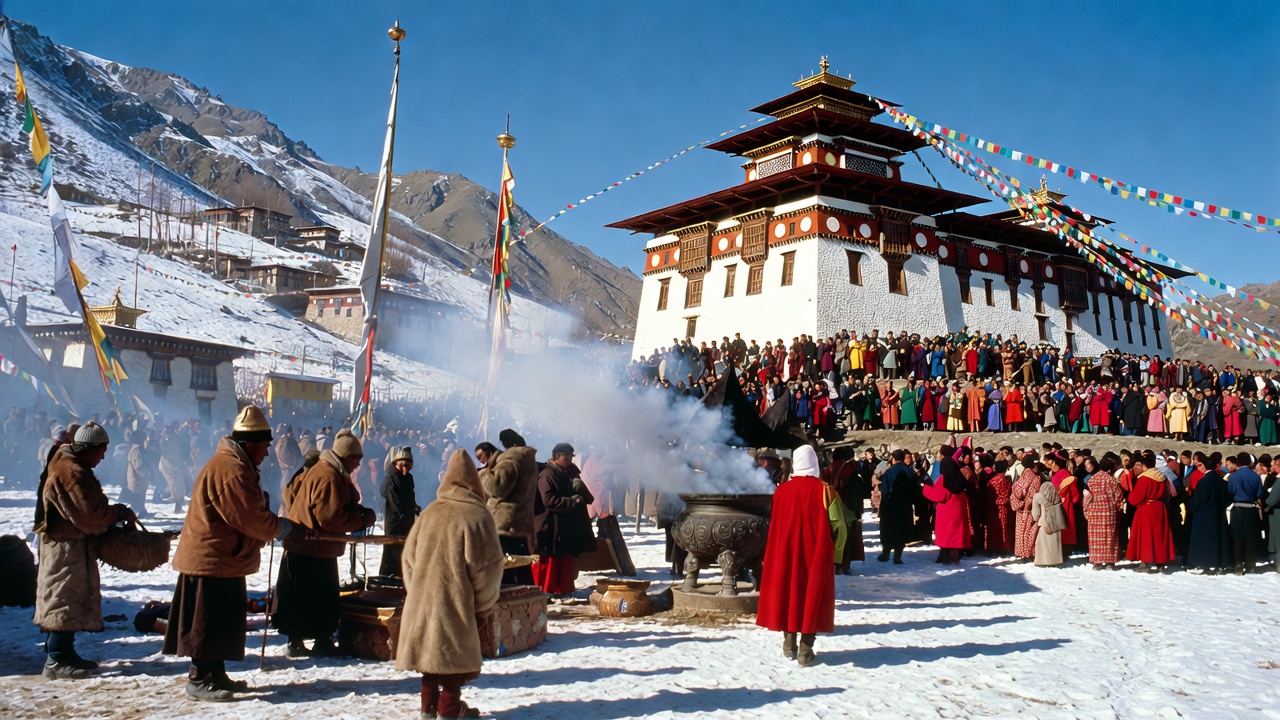
The first rays of dawn break over the Himalayan peaks as families across Tibet, Nepal, Bhutan, and India begin their most cherished celebration of the year. Incense smoke curls through frosty air. Prayer flags flutter against snow-capped mountains. Children peek through doorways, eager to receive their first taste of changkol. This is Losar—the Tibetan New Year—a festival that weaves together ancient Bon traditions, Buddhist spirituality, and the simple joy of family togetherness into a celebration unlike any other on Earth.
Whether you’re planning your first trip to the Himalayan region, interested in Buddhist traditions, or simply curious about one of Asia’s most fascinating festivals, this comprehensive guide will take you deep into the heart of Losar. From its mysterious pre-Buddhist origins to the delicious foods gracing every family table, you’ll discover why millions consider these fifteen days the most spiritually significant time of the entire year.
Tashi Delek! Welcome to Losar.
Understanding Losar: The Meaning Behind Tibetan New Year Celebrations
The word “Losar” comes from two Tibetan terms that beautifully capture the essence of this celebration. “Lo” (ལོ) means “year” and “Sar” (གསར་) means “new.” Together, they form a greeting that echoes across monastery courtyards and family kitchens alike during late February or early March each year.
But Losar represents far more than a simple calendar change. For Tibetan communities worldwide, this festival embodies spiritual renewal, familial bonds, and cultural preservation. It’s a time when debts are settled, quarrels resolved, and homes transformed into sacred spaces ready to welcome prosperity and good fortune.
The celebration typically falls between February and March on the Gregorian calendar, determined by the lunisolar Tibetan calendar system. Unlike the fixed dates of Western New Year celebrations, Losar’s timing shifts each year based on lunar cycles—creating a dynamic relationship between celestial rhythms and human celebration that reflects the Tibetan worldview’s deep connection to natural forces.
| Upcoming Losar Dates | Tibetan Year | Animal and Element |
|---|---|---|
| February 28, 2025 | 2152 | Wood Snake |
| February 18, 2026 | 2153 | Fire Horse |
| February 7, 2027 | 2154 | Fire Sheep |
The Tibetan calendar year counting begins with 127 BCE, traditionally considered the founding year of the Yarlung Dynasty under Tibet’s first recorded king, Nyatri Tsenpo. This means that when Tibetans celebrate Losar in 2025, they’re welcoming year 2152—a reminder of their civilization’s remarkable continuity across millennia.
The Ancient Origins of Losar: From Bon Religion to Buddhist Festival
To truly appreciate Losar, we must journey back more than a thousand years to a time before Buddhism reached the Roof of the World. The festival’s roots extend deep into Tibet’s indigenous Bon religion, where winter incense-burning ceremonies honored local spirits and deities who protected communities through harsh Himalayan winters.
Pre-Buddhist Losar Traditions and Winter Incense Ceremonies
In these earliest celebrations, Tibetan communities would gather during the darkest days of winter to burn aromatic juniper, cedar, and rhododendron branches. The fragrant smoke rising toward the heavens carried prayers and offerings to mountain spirits, water nagas, and ancestral guardians.
According to the Rubin Museum of Art, these ancient practices were believed to ensure the wellbeing of entire communities throughout the coming year. The spirits, properly honored and appeased, would bring favorable weather for crops, protect herds from disease, and guide travelers safely through treacherous mountain passes.
An old woman named Belma is credited in Tibetan tradition with teaching people to calculate time based on the phases of the moon. This foundational wisdom led some to refer to Losar as “Bal Gyal Lo”—where “Bal” refers to Tibet, “Gyal” to the King, and “Lo” to the Year. The enthronement of Tibet’s early kings was celebrated on this day, linking temporal power to cosmic rhythms.
How Buddhism Transformed Tibetan New Year Celebrations
When Buddhism began spreading across Tibet during the 7th century CE, it didn’t erase these ancient practices. Instead, Buddhist teachers like Guru Padmasambhava (Guru Rinpoche) skillfully wove indigenous traditions into the Buddhist framework. The incense offerings remained. The community gatherings continued. But new layers of meaning emerged.
The transformation reached a pivotal moment when Guru Rinpoche performed ritual dances to purify the ground for Samye Monastery—Tibet’s first Buddhist monastery—in the 8th century. These dances evolved into the Cham dance traditions that remain central to Losar celebrations today.
By the time of the 9th Tibetan king, Pude Gungyal, Losar had become firmly established as Tibet’s most important festival. The celebration incorporated both the spiritual cleansing rituals of Bon and the Buddhist emphasis on merit-making, compassion, and mindful reflection.
When Is Tibetan New Year Celebrated: Understanding the Lunisolar Calendar
One of the most common questions from travelers and curious souls alike concerns the timing of Losar. Unlike the Gregorian calendar’s fixed dates, the Tibetan lunisolar calendar creates a dance between lunar months and solar years that determines when festivities begin.
How the Tibetan Calendar Differs from Chinese New Year
While both Tibetan and Chinese calendars are lunar-based, they calculate months differently. The Tibetan calendar is purely lunar, while the Chinese calendar is lunisolar with different adjustment methods. This typically results in Losar falling about one month after Chinese New Year, though occasionally the dates align.
The Tibetan calendar divides months based on the moon’s phases:
- Each month begins and ends with a new moon
- A thirteenth month is added every two or three years to synchronize with the solar year
- The calendar incorporates complex calculations from the Kalachakra Tantra, an important Buddhist text
Regional variations add further richness to the celebration. In Shigatse, located about 260 kilometers south of Lhasa, farmers celebrate New Year one month earlier because the milder climate allows for earlier planting. In the Kongpo region of eastern Tibet, celebrations begin three months before Lhasa’s Losar—a tradition tied to ancient agricultural cycles and local customs.
The Tibetan Zodiac: Animals and Elements in the New Year Cycle
Each Tibetan year carries the influence of one of twelve animals and one of five elements, creating a sixty-year cycle of unique character combinations:
The Twelve Animals (Lo Khang):
| Animal | Tibetan Name | Character Traits |
|---|---|---|
| Mouse (Rat) | Byi ba | Clever, resourceful, cautious |
| Ox | Glang | Patient, dependable, methodical |
| Tiger | Stag | Brave, competitive, unpredictable |
| Hare (Rabbit) | Yos | Gentle, elegant, compassionate |
| Dragon | ‘Brug | Powerful, lucky, ambitious |
| Snake | Sbrul | Wise, intuitive, mysterious |
| Horse | Rta | Energetic, independent, passionate |
| Sheep | Lug | Creative, gentle, harmonious |
| Monkey | Spre’u | Intelligent, witty, curious |
| Bird (Rooster) | Bya | Observant, hardworking, courageous |
| Dog | Khyi | Loyal, honest, protective |
| Pig (Boar) | Phag | Generous, diligent, trusting |
The Five Elements:
- Wood (Shing) — Growth, creativity, flexibility
- Fire (Me) — Passion, transformation, expansion
- Earth (Sa) — Stability, nourishment, practicality
- Metal/Iron (Lcags) — Strength, determination, righteousness
- Water (Chu) — Wisdom, flow, communication
Each element governs two consecutive years, alternating between male (pho) and female (mo) aspects. For example, 2025’s Wood Snake year carries feminine energy, while 2026’s Fire Horse year brings masculine fire energy.
Tibetan astrology views these combinations as practical tools for understanding life circumstances, making important decisions, and timing significant events like marriages, business ventures, and spiritual practices.
How Long Is Losar Celebrated: The Fifteen Days of Tibetan New Year
While many festivals occupy a single day or weekend, Losar unfolds across fifteen magical days. Each day carries its own significance, though the main celebrations concentrate on the first three days. The festival then continues through the Chunga Choepa (Butter Lamp Festival) on the fifteenth day, creating a complete cycle of renewal and blessing.
The Structure of Losar Celebrations Day by Day
Days Before Losar: Preparation Period
- Thorough house cleaning to remove old, stagnant energy
- Shopping for new clothes and ceremonial items
- Preparing khapse (fried pastries) and other special foods
- Decorating homes with auspicious symbols
- Settling debts and resolving conflicts
Day 1: Lama Losar The first day is dedicated to honoring religious teachers and making offerings at monasteries. Families rise incredibly early—sometimes at 3 AM—to begin celebrations with changkol, a special morning dish. Visits to temples and monasteries fill the day with prayers for blessings and protection.
Day 2: Gyalpo Losar (King’s Losar) The second day honors secular leaders and community bonds. Families visit relatives, exchange gifts, and share elaborate meals. Traditional games and entertainment bring communities together in joyful celebration.
Day 3: Choekhor Losar The third day focuses on religious merit and spiritual practice. Many families hang new prayer flags, visit additional monasteries, and perform smoke offerings (sang) to local spirits and protector deities.
Days 4-14: Extended Celebrations Festivities continue with social gatherings, special meals, and visits to friends and extended family. Monasteries hold ongoing prayer ceremonies and occasional Cham dance performances.
Day 15: Chunga Choepa (Butter Lamp Festival) The final day features spectacular butter sculpture displays and thousands of glowing butter lamps illuminating monastery courtyards. This celebration honors the Buddha’s miraculous deeds and marks the completion of the Losar cycle.
Traditional Losar Preparations: How Tibetan Families Welcome the New Year
The weeks leading up to Losar transform Tibetan households into beehives of purposeful activity. One popular expression captures the intensity: “Losar ma ray, Lesar ray!”—meaning “This is not New Year, it’s New Work!” The preparations themselves become a form of spiritual practice, clearing away the old to make space for fresh blessings.
Cleaning Rituals and Home Purification Before Tibetan New Year
The most essential preparation involves thorough house cleaning—but this isn’t ordinary tidying. Every corner, every surface, every forgotten storage space receives attention. Families clean their homes from top to bottom, often repainting walls and refreshing furnishings.
This cleaning carries deep spiritual significance:
- Physical dirt represents accumulated negativity from the past year
- Clearing clutter creates space for prosperity to enter
- Washing religious statues and shrine items renews spiritual connections
- Discarding broken or damaged items releases attachment to the imperfect
Walls and doorways receive special attention, decorated with auspicious symbols painted in flour—the sun, moon, and the reversed swastika (an ancient Buddhist symbol of good fortune). These white markings signal to neighbors and spirits alike that the household stands ready to receive blessings.
Creating the Losar Shrine: Chemar, Khapse, and Sacred Offerings
The heart of Losar preparations centers on creating the derka—the elaborate altar display that graces every Tibetan home during the celebration. This shrine brings together food, sacred objects, and symbolic items into a beautiful arrangement representing abundance and spiritual aspiration.
The Chemar Bo (five-grain bucket) stands as the most important offering item. This ornately carved wooden box has a dividing board creating two compartments:
- One side holds roasted barley flour (tsampa)
- The other contains roasted barley seeds
- Both are mounded high and decorated with colored butter sculptures
- Barley ears crown the arrangement, symbolizing abundant harvests
Additional shrine elements include:
- Lophu — wheat or barley sprouts grown in small pots, representing new growth
- Luog-go — a sheep’s head made from dough, porcelain, or colored butter
- Chang — Tibetan barley beer in a decorated pitcher
- Khatak — ceremonial white prayer scarves
- Losar Metok — special New Year flowers
The stacked khapse pastries form an essential part of the display, their various shapes rising in decorative tiers. These fried treats aren’t merely delicious—they carry symbolic meanings reaching back to ancient nomadic traditions.
Traditional Losar Foods: What Tibetans Eat During New Year Celebrations
Food lies at the heart of Losar, transforming family kitchens into sites of culinary creativity and cultural transmission. The dishes prepared during this season connect present generations to ancestors who shaped these recipes across centuries. Each food carries meaning beyond mere sustenance.
Khapse: The Beloved Fried Pastries of Tibetan New Year
No Losar celebration is complete without khapse (ཁ་ཟས་)—the deep-fried pastries whose name literally translates to “mouth-eat.” These beloved treats come in dozens of shapes and sizes, from delicate bite-sized twists to elaborate architectural creations placed on shrines.
Common khapse varieties include:
| Type | Description | Purpose |
|---|---|---|
| Bhungu Amchoe (Donkey Ears) | Large, elongated hollow tubes | Shrine decoration and offerings |
| Khugo | Standard twisted rectangular pieces | Everyday eating and serving guests |
| Mukdung | Large braided shapes | Decorative display |
| Bulug | Crispy circles made from runny batter | Sweet treats, often dusted with sugar |
| Nyapsha | Small decorative shapes | Eating and gifting |
| Kongchen | Rich pastries with butter and sugar | Special occasions |
The traditional recipe requires flour, eggs, butter (often yak butter), and sugar, though variations exist across regions and families. The dough is kneaded until smooth, rolled thin, cut into shapes, and deep-fried until golden. Some families spend days preparing enormous batches, filling entire rooms with fragrant, crispy creations.
Preparing khapse is often a communal activity. Mothers, daughters, aunts, and neighbors gather in kitchens, sharing recipes, stories, and laughter while their hands shape the dough. The Tibetan writer Jamyang Norbu describes this tradition beautifully in his essay “Dipping a Donkey Ear in Butter Tea: A Connoisseur’s Guide to the Preparation, Display and Appreciation of the Losar Khapsay.”
Guthuk: The Fortune-Telling Noodle Soup of New Year’s Eve
Two days before Losar—on the 29th day of the twelfth Tibetan month (called Nyi-shu-gu)—families gather for one of the year’s most beloved meals: guthuk (དགུ་ཐུག་).
The name combines “gu” (nine) and “thuk” (soup or noodles), traditionally referencing the nine or more ingredients that create this hearty dish. But guthuk is far more than ordinary soup. It’s a ritual of purification and playful fortune-telling that brings families together in laughter and spiritual cleansing.
What makes guthuk special:
The soup contains large dough balls, one for each person eating. Hidden inside each ball is an object or symbol that offers a humorous “reading” of the person’s character:
| Hidden Item | Meaning |
|---|---|
| Chili pepper | Hot-tempered or sharp-tongued |
| Salt | Lazy or sluggish |
| Wool | Kind-hearted and gentle |
| Coal | Having a black heart |
| Paper | Scholarly or bookish |
| Sun/Moon symbol | Auspicious and blessed |
| Rice | Wealthy or prosperous |
| Pea | Stingy or miserly |
When family members discover their hidden messages, the room fills with teasing and laughter. Someone receiving the chili must defend their even temper while relatives recall moments of fiery outbursts. The person finding coal protests their pure intentions to general amusement.
This playful ritual serves a deeper purpose: releasing the negativity of the past year through laughter and acceptance. By naming our faults in jest, we acknowledge them without shame and prepare to leave them behind.
Changkol: The First Meal of Tibetan New Year Morning
As dawn breaks on the first day of Losar, families share changkol (or koenden)—a special dish served before almost any other activity. The father of the household typically rises around 3 AM to prepare this first meal.
Changkol combines:
- Chang (Tibetan barley beer)
- Tsampa (roasted barley flour)
- Khapse (fried pastries)
- Dried cheese (usually from dri, the female yak)
- Butter
- Sugar
Everything cooks together into a sweet, warming soup that launches the year with abundance. Parents often serve this first dish to children still in bed—a tender moment that many Tibetans remember fondly throughout their lives.
Some families substitute drothuk, a savory porridge made with yak meat, as the first New Year’s meal. Regional variations abound, but the common thread remains: beginning the year with warmth, nourishment, and family togetherness.
Other Traditional Foods Enjoyed During Losar Celebrations
Beyond the essential dishes, Losar tables groan under the weight of additional treats:
- Momos — Tibetan dumplings filled with meat or vegetables (traditionally not eaten on the first day, as their closed shape is considered inauspicious for new beginnings)
- Dresil — Sweet rice cooked with butter, dried fruits, and sugar
- Thue — A sweet, cheesy delicacy made with dried cheese, brown sugar, and butter
- Butter Tea (Po Cha) — The ubiquitous Tibetan beverage, consumed in large quantities throughout celebrations
- Sweet Tea — A lighter alternative, often enjoyed with khapse
- Thukpa — Various noodle soups served throughout the celebration period
Losar Rituals and Ceremonies: Spiritual Practices of Tibetan New Year
The spiritual dimension of Losar runs far deeper than festive foods and family gatherings. This is a season of intense religious activity, when the karmic effects of actions are believed to multiply tremendously. Monasteries overflow with practitioners seeking blessings, while families perform their own ceremonies at home.
Gutor: The Pre-Losar Purification Ceremony
The evening of Nyi-shu-gu (the 29th day) brings the Gutor ceremony—a powerful ritual of expulsion that drives away all negativity accumulated during the past year.
After eating guthuk, families create a lue (effigy) representing everything they wish to leave behind:
- Small amounts of leftover guthuk from each person’s bowl
- Tsampa shaped into a human form
- Strands of hair and fingernail clippings from family members
- Old clothing scraps and other personal items
This effigy absorbs the family’s negative karma, illnesses, and misfortunes. At nightfall, the head of the household carries the lue outside the home while family members follow with torches made of straw, tsampa, and firecrackers.
The ceremony reaches its climax when the lue is placed at a crossroads or thrown into running water. The chant “dhong sho ma!” (“Go away! Leave the house!”) rings out as families release the past year’s burdens. Firecrackers explode, torches blaze, and the collective energy of release sweeps through neighborhoods.
In monasteries, monks create elaborate tormas (ritual sculptures of flour and butter) representing negative forces. These are carried out in dramatic procession and ritually destroyed, accompanied by fierce mantras and the deep thunder of ceremonial horns.
The Sangwa Ceremony: New Year’s Morning Incense Offerings
With the old year’s negativity expelled, Losar morning dawns fresh with possibility. The Sangwa ceremony (smoke offering) represents one of the day’s first activities for many families.
Rising well before dawn, family members:
- Light juniper, cedar, and rhododendron branches on their rooftop or in their courtyard
- Toss tsampa into the flames while reciting prayers
- Hang new prayer flags to catch the morning breeze
- Circumambulate (walk clockwise around) their home while the smoke rises
The fragrant smoke carries prayers and blessings into the sky, reaching local deities, nagas (water spirits), and protective spirits. According to Buddha Weekly, this practice connects directly to pre-Buddhist Bon traditions while serving Buddhist purposes of generating merit and creating auspicious conditions.
Visiting Monasteries and Temples During Losar
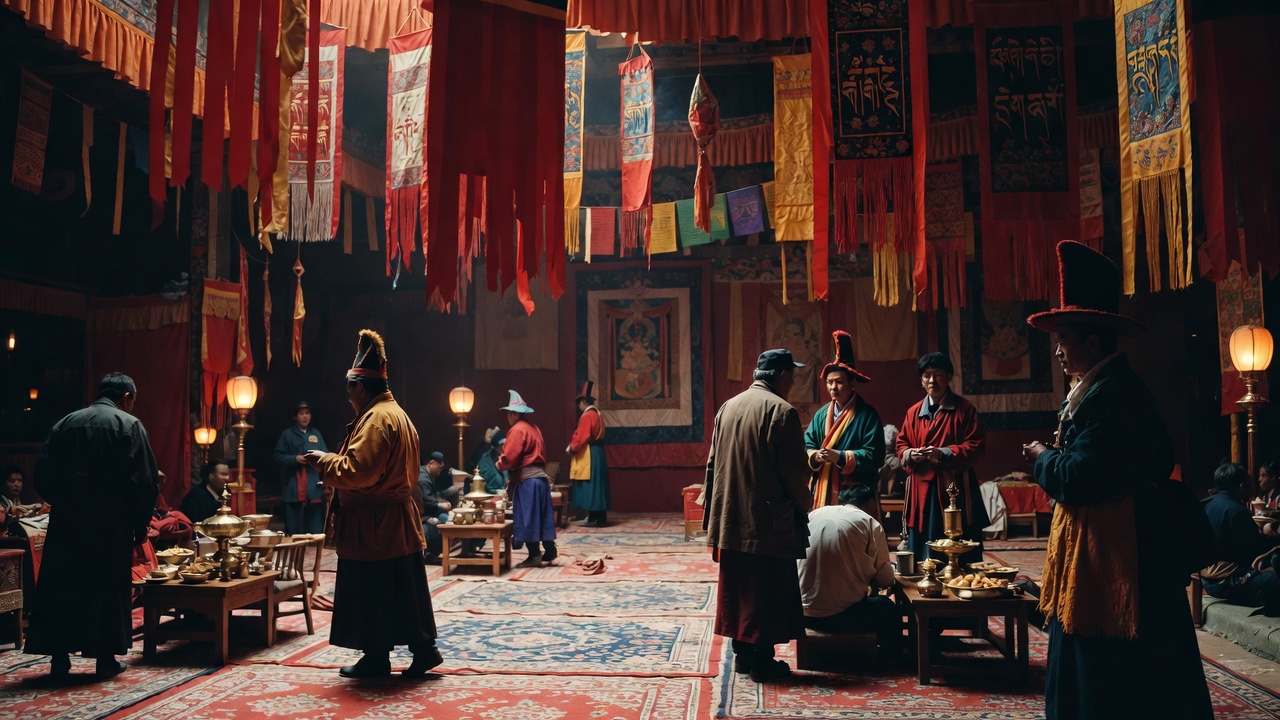
Throughout Losar’s fifteen days, but especially on the first three, monastery visits form an essential part of celebration. Families dress in their finest clothes—often new garments purchased specifically for the occasion—and travel to local temples and monasteries.
At these sacred sites, devotees:
- Prostrate before Buddha statues and sacred images
- Offer khatak (white ceremonial scarves) to lamas and shrines
- Light butter lamps representing the light of wisdom dispelling ignorance
- Make monetary offerings to support monastic communities
- Receive blessings from high lamas and abbots
- Join in communal prayers for world peace and the welfare of all beings
The Dalai Lama’s temple in Dharamsala, India draws enormous crowds during Losar, with devotees forming long queues to receive blessings from His Holiness. Similar gatherings occur at major monasteries throughout the Tibetan world—from the Potala Palace and Jokhang Temple in Lhasa to Rumtek Monastery in Sikkim and Tawang Monastery in Arunachal Pradesh.
The Cham Dance: Sacred Masked Performances of Tibetan New Year
No element of Losar captures the imagination quite like the Cham dance (འཆམ་)—the dramatic masked performances that transform monastery courtyards into theaters of cosmic drama. These aren’t entertainments in the ordinary sense but rather meditations in motion, ritual offerings believed to bring blessings and protection to all who witness them.
Understanding the Spiritual Significance of Cham Dance
The Cham dance tradition traces its origins to Guru Padmasambhava (Guru Rinpoche), who performed ritual dances to subdue negative forces blocking the construction of Samye Monastery in the 8th century. Through movement, music, and masked transformation, monks embody enlightened beings and protector deities, making visible the invisible forces that shape existence.
Key spiritual purposes of Cham include:
- Purifying negative energies from the community and environment
- Subduing evil spirits and obstacles to spiritual practice
- Commemorating Buddhist teachings through dramatic narrative
- Generating merit for performers and audiences alike
- Transmitting dharma to lay communities through accessible visual form
- Preparing practitioners to recognize enlightened beings in the bardo (intermediate state after death)
The International Campaign for Tibet notes that Cham serves as both spiritual practice and cultural preservation—a living tradition connecting contemporary Tibetans to their ancestors’ wisdom.
The Spectacular Masks and Costumes of Cham Dancers
Cham masks are far more than costumes. Each mask represents a specific deity or being from the Buddhist pantheon, transformed through ritual consecration into a sacred object capable of blessing those who behold it.
Common mask types include:
| Mask Type | Represents | Appearance |
|---|---|---|
| Dharmapalas | Wrathful protector deities | Fierce expressions, multiple eyes, fangs |
| Mahakala | Great protector of dharma | Dark blue or black, crown of skulls |
| Palden Lhamo | Female protector deity | Fierce feminine form, riding a mule |
| Skeleton masks | Cemetery lords, impermanence | White skulls, dancing bone figures |
| Deer masks | Peaceful nature of Buddha | Gentle deer faces symbolizing compassion |
| Padmasambhava | The great teacher himself | Serene expression, distinctive hat |
| Black Hat dancers | Vajra masters, dharma holders | Large black hats, elaborate robes |
The masks are typically two to three times larger than a human head, creating dramatic visual impact while requiring considerable physical skill from dancers. Performers wear padded caps beneath the masks to prevent injury from the heavy, sharp-edged carvings.
Costumes complement the masks with flowing silk robes in vibrant colors—red, yellow, blue, gold—each shade carrying symbolic meaning. Dancers carry ritual implements: vajras (diamond scepters), purba daggers, drums, bells, and skull cups, all wielded in precisely choreographed movements passed down through generations.
The Famous Black Hat Dance and Its Historical Meaning
Among all Cham performances, the Black Hat Dance holds special significance—particularly during Losar celebrations. This dance commemorates a pivotal moment in Tibetan history: the assassination of the anti-Buddhist king Langdarma in 841 CE by the Buddhist monk Lhalung Pelgyi Dorje.
According to tradition, Langdarma had persecuted Buddhism, destroying monasteries and forcing monks to disrobe. The monk Lhalung concealed a bow and arrow within his voluminous black-sleeved robe and performed a dance outside the royal palace. When granted an audience with the king, he assassinated the tyrant and fled on a black horse that had been painted white with chalk—the chalk washing away in a river to complete his escape.
The Black Hat Dance performed at Losar recreates this historical event while operating on deeper symbolic levels:
- The subjugation of ignorance by wisdom
- The victory of dharma over obstacles
- The transformation of negative forces through skillful means
- The protection of spiritual teachings from destruction
Monks at Kumbum Monastery perform this dance on the eve of Losar, drawing thousands of pilgrims who consider witnessing the performance a powerful blessing.
Where to Experience Losar: Best Destinations for Tibetan New Year Travel
For travelers seeking authentic cultural immersion, Losar offers unparalleled opportunities to witness living traditions rarely seen by outsiders. From the high plateau of Tibet to Himalayan valleys and exile communities in India, numerous destinations welcome visitors during this sacred season.
Celebrating Losar in Tibet: Lhasa and Beyond
Lhasa remains the spiritual heart of Losar celebrations, though visiting during this period requires advance planning and permits. The atmosphere in Tibet’s capital becomes electric as families prepare for festivities:
Key Lhasa locations:
- Jokhang Temple — Tibet’s holiest site, packed with pilgrims making offerings
- Barkhor Street — The circular pilgrim path surrounding Jokhang, alive with devotees
- Potala Palace — Former residence of Dalai Lamas, open for special Losar visits
- Sera and Drepung Monasteries — Major Gelugpa monasteries hosting ceremonies
- Norbulingka Palace — Summer palace grounds featuring celebrations during Shoton Festival
Beyond Lhasa, Shigatse (home to Tashilunpo Monastery) and Gyantse offer equally authentic but less crowded experiences. Remote monasteries like Samye and Tsurphu host Cham dances drawing devoted pilgrims from across the plateau.
Important note: Visiting Tibet requires a Tibet Travel Permit and organized tour through a licensed agency. Apply well in advance, as the permit process takes time and restrictions may apply during politically sensitive periods.
Losar Celebrations in India: Dharamsala and Himalayan Regions
For many travelers, India’s Tibetan communities offer more accessible Losar experiences without permit complications. The presence of His Holiness the Dalai Lama in Dharamsala makes this hill station the spiritual capital of Tibetan exile communities.
Dharamsala/McLeod Ganj, Himachal Pradesh:
- Attend teachings and blessings from the Dalai Lama
- Watch Cham dances at Namgyal Monastery
- Explore the Tibetan Institute of Performing Arts
- Shop for traditional crafts and ceremonial items
- Sample authentic Tibetan cuisine
Ladakh:
- Experience Losar at Hemis, Thiksey, and Lamayuru Monasteries
- Witness spectacular mountain settings
- Join local families in traditional celebrations
- Attend the famous winter Cham dances
Sikkim:
- Visit Rumtek Monastery, seat of the Karmapa lineage
- Experience celebrations at Enchey Monastery in Gangtok
- Enjoy the blend of Tibetan and local cultures
Arunachal Pradesh:
- Tawang Monastery hosts elaborate ceremonies
- The Monpa tribe celebrates with distinctive regional traditions
- Remote location offers deeply authentic experiences
Losar in Nepal and Bhutan: Himalayan Kingdom Celebrations
Nepal’s Himalayan regions host significant Losar celebrations, particularly in Sherpa communities around the Everest region and Tibetan refugee settlements in Kathmandu Valley:
- Boudhanath Stupa — One of the world’s largest stupas, surrounded by Tibetan monasteries
- Swayambhunath — The “Monkey Temple” with its ancient Buddhist heritage
- Kopan Monastery — Popular meditation center hosting Losar programs
- Namche Bazaar — Sherpa capital in the Everest region
Bhutan celebrates its own version of Losar with distinct traditions dating to 1637, when Zhabdrung Ngawang Namgyal commemorated the completion of Punakha Dzong with an inaugural ceremony. Modern celebrations include:
- Picnicking and outdoor gatherings
- Traditional archery competitions
- Dar (dart) games
- Spectacular Cham dances at major dzongs (fortresses)
How Different Regions Celebrate Losar: Unique Traditions Across the Himalayas
While core Losar traditions unite Tibetan communities worldwide, regional variations add remarkable diversity to the celebration. These differences reflect local climates, agricultural cycles, and the unique cultural histories of each community.
Losar Celebrations in Ladakh: Land of High Passes
Ladakh’s extreme climate and geographic isolation have shaped distinctive Losar traditions. The celebration occurs during the coldest part of winter, when agricultural work pauses and families gather around warming fires.
Unique Ladakhi traditions include:
- Extended family gatherings lasting up to fifteen days
- Traditional Ladakhi dress featuring distinctive perak headdresses studded with turquoise
- Ceremonial archery as a community activity
- Elaborate monastery decorations featuring butter sculptures and silk hangings
- Special Ladakhi foods including tingmo (steamed bread) and skyu (pasta stew)
Monasteries like Hemis, Thiksey, and Spituk host spectacular Cham performances drawing visitors from across the region.
Monpa Losar in Arunachal Pradesh: Eastern Himalayan Traditions
The Monpa tribe of Arunachal Pradesh celebrates Losar with unique customs reflecting their distinct cultural identity:
- Traditional alcohol offerings to local deities and ancestors
- Community dances performed to traditional music
- Distinctive Monpa dress including red-striped clothing and yak-hair caps
- Village-wide celebrations with elaborate decorations
- Special Monpa foods and traditional brewing
Tawang Monastery, one of the largest Buddhist monasteries in India, serves as the ceremonial center for regional celebrations. The monastery’s remote location, perched at over 10,000 feet elevation, adds to the mystical atmosphere.
Sonam Lhosar: The Tamang and Sherpa New Year
While technically a separate celebration, Sonam Lhosar observed by Tamang and Sherpa communities in Nepal shares deep connections with Tibetan Losar. This celebration typically falls about eight weeks before Tibetan Losar, following a different calendrical calculation.
Distinctive Sonam Lhosar elements:
- Gurung and Tamang cultural performances
- Traditional circular dances (tamang selo)
- Distinctive costumes specific to each community
- Community feasts featuring local specialties
- Mountain shrine pilgrimages
The Cultural Significance of Losar in Modern Times
In an era of rapid globalization, Losar serves as a powerful anchor connecting Tibetan communities to their heritage. For the roughly six million Tibetans living across the Himalayan region and diaspora communities worldwide, this festival represents far more than annual tradition—it embodies cultural survival itself.
Losar as Cultural Preservation for Tibetan Communities
The challenges facing Tibetan culture in the modern era make festivals like Losar extraordinarily important. In exile communities from Dharamsala to Toronto, Losar celebrations serve as:
- Cultural classrooms where children learn traditions firsthand
- Community gathering points strengthening diaspora bonds
- Living laboratories preserving endangered knowledge
- Public demonstrations of Tibetan identity and resilience
- Intergenerational bridges connecting elders and youth
Organizations like the Tibetan Nuns Project actively preserve Losar traditions, with nuns at Dolma Ling Nunnery maintaining practices like butter sculpture creation and elaborate altar arrangements that might otherwise fade away.
The Spiritual Dimension: Merit-Making During Losar
For practicing Buddhists, Losar’s spiritual significance extends beyond cultural celebration. The period is considered extraordinarily potent for generating merit—positive karma that benefits oneself and all beings.
Buddhist teachings hold that:
- Actions during Losar carry multiplied karmic effects
- Generosity practiced during this time brings abundant future blessings
- Prayers and mantras recited have heightened power
- Negative actions similarly carry amplified consequences
- The community’s collective merit benefits all beings
This understanding shapes behavior throughout the celebration. Families give generously to monasteries, the poor, and traveling beggars. Arguments are avoided. Patience and kindness become paramount. The entire community rises together in spiritual aspiration.
Planning Your Losar Experience: Practical Tips for Travelers
Whether you’re drawn to witness spectacular Cham dances, sample traditional foods, or simply absorb the joyful atmosphere, proper planning ensures the most rewarding Losar experience.
Best Times to Visit for Tibetan New Year Celebrations
Losar celebrations span fifteen days, but different timing offers different experiences:
| Period | Experience | Best For |
|---|---|---|
| Pre-Losar week | Market bustle, preparation activities | Seeing traditional crafts, shopping |
| Days 1-3 | Main celebrations, temple visits | Authentic ceremonies, best atmosphere |
| Days 4-14 | Extended festivities, family focus | Quieter observation, local connections |
| Day 15 (Butter Lamp Festival) | Spectacular butter sculptures, lamps | Photography, artistic traditions |
Accommodation note: Book lodging well in advance, as Losar draws visitors from across the Tibetan world. Popular destinations like Lhasa, Dharamsala, and Leh fill quickly.
Respectful Participation: Etiquette for Losar Celebrations
Losar welcomes visitors, but respectful behavior ensures positive experiences for everyone:
Do:
- Dress modestly, especially when visiting monasteries
- Remove shoes when entering temples or homes
- Walk clockwise around religious sites
- Accept offerings of food and tea graciously
- Greet people with “Tashi Delek!” (བཀྲ་ཤིས་བདེ་ལེགས་)
- Ask permission before photographing ceremonies or people
- Offer small donations when visiting monasteries
- Show patience—Tibetan time flows differently
Avoid:
- Pointing feet toward altars, statues, or people
- Touching religious objects without permission
- Photographing without consent during ceremonies
- Wearing revealing clothing
- Discussing sensitive political topics
- Rushing or demanding attention
- Treating ceremonies as mere entertainment
What to Bring to a Losar Celebration
If fortunate enough to receive a home invitation or attend community events, consider bringing:
- Khatak (white ceremonial scarf) — available at any Tibetan shop
- Small gifts — fruit, sweets, or tea are appropriate
- Cash for offerings — monasteries appreciate donations
- Warm clothing — Losar falls during winter across the Himalayas
- Open heart — readiness to receive blessings and make connections
Losar Greetings and Wishes: How to Say Happy New Year in Tibetan
Learning proper Losar greetings adds meaning to your participation and delights Tibetan hosts. The most common greeting is:
“Losar Tashi Delek!” (ལོ་གསར་བཀྲ་ཤིས་བདེ་ལེགས།)
This phrase combines “Losar” (New Year) with “Tashi Delek,” which roughly translates to “May good fortune and happiness be yours” or simply “Good luck!”
Pronunciation guide:
- Losar: Low-SAR (rhymes with “go far”)
- Tashi: TAH-shee
- Delek: Deh-LEK
Additional useful phrases:
| Tibetan | Pronunciation | Meaning |
|---|---|---|
| བཀྲ་ཤིས་བདེ་ལེགས། | Tashi Delek | Hello / Good fortune |
| ཐུགས་རྗེ་ཆེ། | Thuk-je-che | Thank you |
| བཀྲ་ཤིས་བདེ་ལེགས་ཕེབས། | Tashi Delek Phe | Welcome |
| དགའ་པོ་བྱུང། | Ga-po jung | I’m happy |
| སྐུ་གཟུགས་བདེ་མོ་ཡིན་པས། | Ku-zu de-mo yin-pé | How are you? |
When presenting a khatak (ceremonial scarf), do so with both hands and a slight bow, allowing the recipient to place it around their own neck or simply receive it in their hands.
The Symbolism of Losar Decorations: Meaning Behind Traditional Items
Every element of Losar decoration carries symbolic weight, transforming homes and monasteries into sacred spaces alive with meaning.
Prayer Flags: Spreading Blessings on the Wind
New prayer flags raised at Losar represent one of the celebration’s most visible traditions. These colorful rectangular cloths—typically blue, white, red, green, and yellow—carry printed mantras, prayers, and auspicious symbols.
The five colors represent:
- Blue — Sky/space
- White — Wind/air/clouds
- Red — Fire
- Green — Water
- Yellow — Earth
When wind passes through the flags, it carries the printed prayers across the landscape, spreading blessings to all beings. Over time, flags naturally deteriorate—symbolizing impermanence—and new flags are raised at Losar to continue the blessing cycle.
Butter Sculptures: Ancient Art Form of Tibetan Buddhism
The tradition of creating sculptural art from colored butter dates back over 400 years in Tibet. During Losar, and especially at the Butter Lamp Festival on day fifteen, elaborate butter sculptures grace monastery altars and public displays.
Artisans work in cold conditions (sometimes icy water) to keep the butter malleable while shaping intricate flowers, deities, animals, and symbolic scenes. At Dolma Ling Nunnery and other institutions, nuns preserve this endangered art form, teaching new generations these painstaking techniques.
The butter sculptures’ eventual melting reinforces Buddhist teachings about impermanence—even the most beautiful creations are transient, yet the merit of creating them endures.
The Eight Auspicious Symbols of Tibetan Buddhism
Throughout Losar decorations, eight special symbols appear repeatedly, representing different aspects of Buddhist teaching:
- Parasol (Chattra) — Protection from suffering and negative forces
- Golden Fishes (Matsya) — Good fortune and spiritual liberation
- Treasure Vase (Kalasha) — Wealth, abundance, and inexhaustible treasures
- Lotus (Padma) — Purity and spiritual unfoldment
- Conch Shell (Shankha) — The fame of Buddha’s teachings spreading far
- Endless Knot (Shrivatsa) — Infinite wisdom and compassion
- Victory Banner (Dhvaja) — Victory of dharma over obstacles
- Dharma Wheel (Dharmachakra) — Buddha’s teachings setting the wheel of dharma in motion
These symbols, painted in flour on walls, embroidered on fabrics, or sculpted in butter, fill Losar environments with layers of meaning that devotees recognize instantly.
Losar and the Fifteen Days of Miracles: Buddhist Spiritual Significance
The timing of Losar coincides with one of Buddhism’s most sacred commemorations: the Chötrül Düchen or “Festival of Miracles.” During the first fifteen days of the Tibetan New Year, Buddhists remember the extraordinary miracles performed by the Buddha to strengthen disciples’ faith and overcome skeptical challenges.
The Buddha’s Miracles at Shravasti
According to Buddhist tradition, the Buddha was challenged by rival teachers to demonstrate his spiritual attainment. At Shravasti (in present-day northern India), the Buddha performed fifteen different miracles on consecutive days:
- Creating magical displays of fire and water
- Multiplying his form to fill the sky
- Walking on a jeweled walkway through the air
- Teaching dharma while performing supernatural feats
- Demonstrating mastery over elements and perception
These miracles convinced countless beings to take refuge in the Buddha’s teachings. By celebrating Losar during this period, Tibetan Buddhists honor these events and align their New Year with extraordinary spiritual power.
Why Actions During Losar Carry Multiplied Karmic Effects
Buddhist cosmology holds that certain days and periods amplify the karmic results of actions—positive or negative. During the fifteen days of miracles, these effects multiply 100 million times according to traditional calculations.
This understanding shapes Losar behavior profoundly:
Practitioners emphasize:
- Generosity — Giving to monasteries, the poor, and holy beings
- Virtue — Maintaining precepts with extra care
- Practice — Meditating, reciting mantras, and studying dharma
- Patience — Avoiding conflicts that might generate negative karma
- Aspiration — Setting intentions for the coming year
The combination of cultural celebration and spiritual intensity makes Losar uniquely powerful in Tibetan life—a time when family joy and merit-making intertwine seamlessly.
Conclusion: Embracing the Spirit of Losar
As incense smoke fades and prayer flags settle into their gentle flutter, Losar’s deeper gifts reveal themselves. This isn’t merely a New Year celebration but a comprehensive system of renewal—clearing the past, blessing the present, and seeding the future with positive intention.
Whether you witness Cham dancers transforming monastery courtyards into cosmic theaters, taste your first khapse dipped in butter tea, or simply contemplate the festival’s profound themes from afar, Losar offers wisdom relevant to anyone seeking meaningful connection to cycles of renewal.
The Tibetan approach to New Year suggests that true celebration involves:
- Cleaning and releasing what no longer serves us
- Reconnecting with family, community, and spiritual sources
- Generating merit through generous and virtuous action
- Setting intentions aligned with our deepest values
- Celebrating with joy, food, and shared experience
As Tibetan communities worldwide greet each February or March with “Losar Tashi Delek!”—they invite all beings to share in this blessing of new beginning. The invitation remains open.
May the coming year bring you and all beings happiness, health, prosperity, and progress on the path of awakening.
Losar Tashi Delek! བཀྲ་ཤིས་བདེ་ལེགས།
Frequently Asked Questions About Losar and Tibetan New Year
What is the difference between Losar and Chinese New Year?
While both are lunar-based celebrations, Losar and Chinese New Year differ in several important ways. Losar uses the pure lunar Tibetan calendar, while Chinese New Year follows a lunisolar calendar with different calculation methods. This typically places Losar about one month after Chinese New Year, though dates occasionally coincide. More significantly, the traditions, foods, spiritual practices, and cultural meanings differ entirely—Losar carries distinctly Tibetan Buddhist significance and reflects Himalayan cultural heritage rather than Han Chinese traditions.
Is Losar only celebrated by Buddhists?
While Losar has become primarily associated with Tibetan Buddhism, it predates Buddhism’s arrival in Tibet. The festival’s roots in Bon religion mean that elements of the celebration connect to indigenous Tibetan spirituality. Today, Tibetans of various spiritual backgrounds celebrate Losar as a cultural holiday, though Buddhist practices and meanings predominate. Non-Buddhist visitors are warmly welcomed at public celebrations.
Can tourists participate in Losar celebrations?
Yes! Losar celebrations welcome visitors, particularly public events at monasteries and community gatherings. Many monasteries in India, Nepal, and (with proper permits) Tibet open their Cham dances and ceremonies to respectful observers. Private family celebrations may also include visitors, especially through homestay arrangements or personal connections. Always approach with respect, appropriate dress, and genuine interest in learning.
What food should I bring if invited to a Tibetan home for Losar?
Appropriate gifts for a Tibetan Losar invitation include: fresh fruit (especially oranges or apples), quality tea, khapse or sweets purchased from a Tibetan bakery, or a khatak (white ceremonial scarf). Avoid bringing meat products to strict vegetarian households, and always present gifts with both hands as a sign of respect.
How do Tibetans in exile celebrate Losar?
Tibetan exile communities worldwide maintain Losar traditions with remarkable dedication. Major settlements in India (Dharamsala, Bylakuppe, Mundgod) host full traditional celebrations with Cham dances, monastery ceremonies, and community gatherings. Smaller communities in Europe, North America, and Australia organize their own celebrations, often renting halls for community meals, cultural performances, and children’s educational programs. The Central Tibetan Administration and local Tibetan associations coordinate many of these events.
What year is it in the Tibetan calendar?
The Tibetan calendar counts years from 127 BCE, the traditional founding year of the Yarlung Dynasty. Losar 2025 (February 28) begins Tibetan year 2152, the Year of the Wood Snake. Losar 2026 (February 18) will begin Tibetan year 2153, the Year of the Fire Horse.
This guide was written with deep respect for Tibetan culture and Buddhist traditions. For authoritative information on Tibetan Buddhist practices, consult qualified teachers and established institutions. For travel planning, always verify current visa requirements, permit regulations, and local conditions before visiting Tibet or Himalayan regions.
Related Resources:
- Tibetan Nuns Project — Supporting Tibetan Buddhist nuns and preserving traditions
- Rubin Museum of Art — Himalayan art and culture exhibitions
- International Campaign for Tibet — Human rights and cultural preservation
- YoWangdu — Tibetan culture, recipes, and traditions