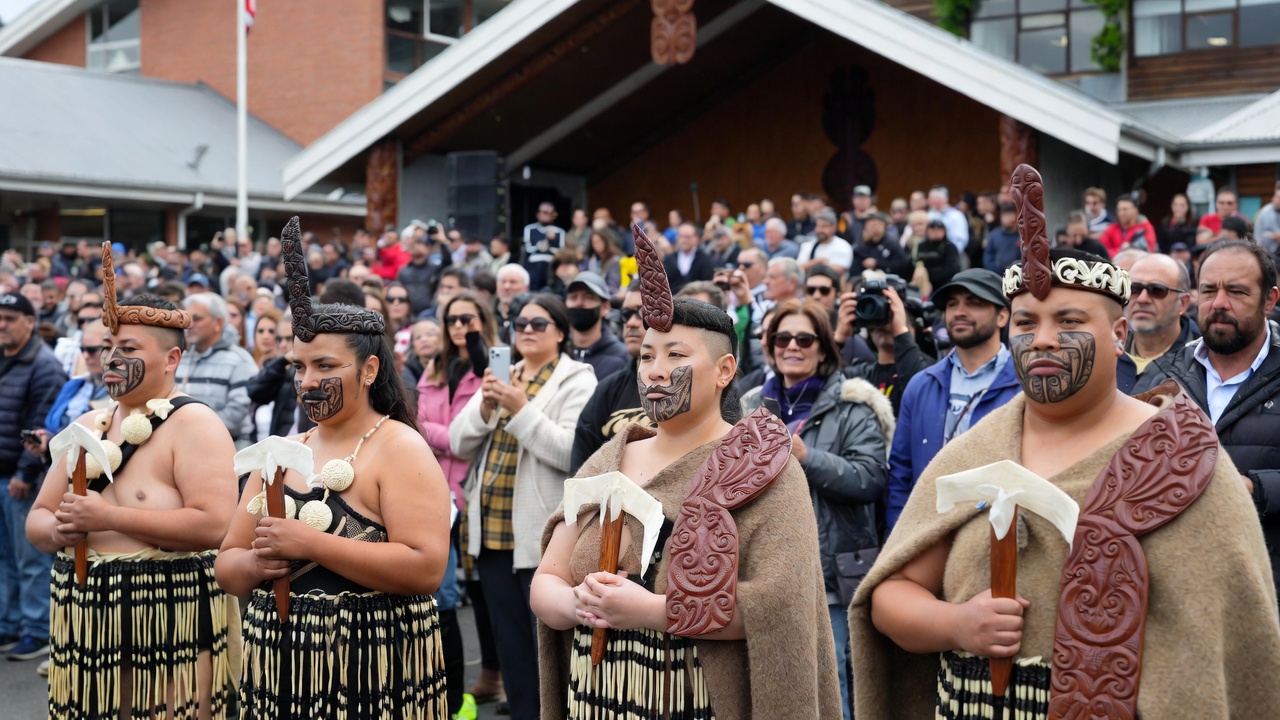
Every February 6th, New Zealand pauses. Flags fly. Speeches echo across sacred grounds. Māori waka glide through the Bay of Islands. This is Waitangi Day—a celebration wrapped in history, pride, and ongoing conversation.
Understanding Waitangi Day: New Zealand’s Most Important Holiday
Waitangi Day is New Zealand’s national day. It marks the anniversary of the Treaty of Waitangi, signed on February 6, 1840. This treaty brought together the British Crown and over 500 Māori chiefs.
Think of it as New Zealand’s founding moment. But unlike many national days, Waitangi Day isn’t just about celebration. It’s a day of reflection. Commemoration. And sometimes, heated debate.
The holiday became official in 1974. Before that, it was called “New Zealand Day” briefly. Today, it stands as the country’s only public holiday with deep bicultural roots.
The History of the Treaty of Waitangi: How New Zealand Was Founded
The Lead-Up to 1840
By the late 1830s, New Zealand was changing fast. European settlers arrived in growing numbers. Lawlessness spread. Māori chiefs grew concerned about losing their lands and authority.
Britain saw an opportunity—and a responsibility. Captain William Hobson sailed to New Zealand with a mission: negotiate a treaty.
The Signing at Waitangi
On February 6, 1840, approximately 40 Māori chiefs gathered at Waitangi in the Bay of Islands. They debated through the night. By morning, many had signed.
Over the following months, the treaty traveled across New Zealand. Eventually, over 500 chiefs added their signatures or marks.
Two Versions, Two Meanings
Here’s where it gets complicated. The treaty exists in two versions:
| Version | Language | Key Differences |
|---|---|---|
| English Text | English | Māori cede “sovereignty” to the Crown |
| Te Tiriti o Waitangi | Māori | Māori retain “tino rangatiratanga” (chieftainship/authority) |
The Māori version used the word “kāwanatanga” for governance—a concept that didn’t fully translate. This difference created tensions that persist today.
Why is Waitangi Day Important to New Zealand?
The Founding Document of a Nation
The Treaty of Waitangi is often called New Zealand’s founding document. It established British law while promising to protect Māori rights. Every New Zealand citizen lives under its legacy.
A Symbol of Partnership
Waitangi Day celebrates the relationship between Māori and Pākehā (New Zealanders of European descent). It represents the bicultural foundation of modern New Zealand.
A Day for National Reflection
Unlike some national holidays focused purely on celebration, Waitangi Day encourages reflection. New Zealanders consider:
- How the treaty’s promises have been kept—or broken
- The ongoing journey toward reconciliation
- What it means to be a treaty partner
How Do New Zealanders Celebrate Waitangi Day?
Official Ceremonies at Waitangi Treaty Grounds
The main celebrations happen where it all began. The Waitangi Treaty Grounds host:
- Dawn ceremony (karakia) – A spiritual blessing at sunrise
- Naval salute – 21 guns fired at noon
- Waka procession – Traditional Māori canoes on the water
- Cultural performances – Kapa haka (Māori performing arts)
- Political speeches – Prime Ministers traditionally attend
Celebrations Across the Country
Beyond Waitangi, New Zealanders mark the day in various ways:
- Community events – Festivals, concerts, and cultural showcases
- Family gatherings – BBQs, beach trips, and picnics
- Citizenship ceremonies – New citizens are welcomed on this symbolic day
- Protests and hui – Some use the day to voice concerns about treaty breaches
The Unique Nature of Waitangi Day Festivities
| Activity | Location | What to Expect |
|---|---|---|
| Main ceremony | Waitangi Treaty Grounds | Formal proceedings, cultural performances |
| Waka launches | Bay of Islands | 100+ traditional canoes on the water |
| Community festivals | Auckland, Wellington, Christchurch | Music, food, family activities |
| Commemorative services | Nationwide | Speeches, flag ceremonies |
Visiting Waitangi Treaty Grounds: A Complete Travel Guide
Where is Waitangi Located?
Waitangi sits in the Bay of Islands, about 3 hours north of Auckland. The region is stunning—think turquoise waters, rolling green hills, and over 140 islands.
What to See at the Waitangi Treaty Grounds
The grounds are a must-visit for anyone exploring New Zealand’s North Island:
- Treaty House – The historic building where the treaty was signed
- Te Whare Rūnanga – A magnificent carved meeting house
- World’s largest war canoe – The 35-meter waka “Ngātokimatawhaorua”
- Museum – Interactive exhibits on treaty history
Best Time to Visit Waitangi
For the full experience: February 6th (expect crowds)
For a quieter visit: Any time of year—the grounds are open daily
Summer months (December–February): Perfect weather for exploring the Bay of Islands
Practical Information for Tourists
| Detail | Information |
|---|---|
| Entry fee | NZD $60 adults (includes guided tour) |
| Opening hours | 9 AM – 5 PM daily |
| Getting there | 3-hour drive from Auckland or domestic flight to Kerikeri |
| Nearby accommodation | Paihia, Russell, Kerikeri |
The Treaty of Waitangi Today: Controversies and Modern Significance
Ongoing Debates About Treaty Interpretation
Waitangi Day isn’t always comfortable. Protests have been part of the day since the 1970s. Key issues include:
- Land rights – Much Māori land was confiscated after 1840
- Treaty settlements – The government continues negotiating compensation
- Constitutional status – Should the treaty be formally enshrined in law?
The Waitangi Tribunal
Established in 1975, the Waitangi Tribunal investigates breaches of the treaty. It has processed hundreds of claims and returned billions of dollars in settlements.
A Living Document
Unlike many historical treaties, Te Tiriti o Waitangi remains active. Courts reference it. Parliament considers it. Schools teach it. It shapes New Zealand’s laws and policies daily.
Waitangi Day vs Other National Days: What Makes It Different?
| Country | National Day | Focus |
|---|---|---|
| New Zealand | Waitangi Day | Treaty signing, bicultural partnership |
| Australia | Australia Day | British arrival (controversial) |
| USA | Independence Day | Declaration of Independence |
| Canada | Canada Day | Confederation |
What sets Waitangi Day apart? It acknowledges complexity. It invites debate. It honors indigenous partnership rather than conquest.
Planning Your Waitangi Day Experience: Tips for Travelers
If You’re Visiting on February 6th
- Book accommodation early – The Bay of Islands fills up fast
- Arrive at the grounds early – Gates open at dawn
- Dress comfortably – You’ll be standing and walking
- Bring sun protection – February is peak summer
- Be respectful – This is a sacred and significant site
Making the Most of Your Bay of Islands Trip
Extend your visit to explore:
- Hole in the Rock cruise – Iconic natural formation
- Russell – New Zealand’s first capital (and once the “hell hole of the Pacific”)
- Cape Reinga – The spiritual tip of the North Island
- Ninety Mile Beach – Endless sand and dramatic scenery
Frequently Asked Questions About Waitangi Day
Is Waitangi Day a Public Holiday in New Zealand?
Yes. Waitangi Day has been a public holiday since 1974. If February 6th falls on a weekend, the following Monday is observed.
What Does “Waitangi” Mean in Māori?
“Waitangi” translates to “weeping waters” or “sounding waters.” The name refers to the waters near the treaty grounds.
Can Tourists Attend Waitangi Day Celebrations?
Absolutely. The Waitangi Treaty Grounds welcome visitors on February 6th. International tourists often find it a moving and educational experience.
Why Do Some New Zealanders Protest on Waitangi Day?
Protests highlight ongoing concerns about treaty breaches, land rights, and systemic inequalities affecting Māori. These demonstrations are part of democratic expression on a day meant for reflection.
How is Waitangi Day Different from ANZAC Day?
Waitangi Day celebrates the treaty signing and national identity. ANZAC Day (April 25) commemorates New Zealand and Australian soldiers who served in wars.
Final Thoughts: Why Waitangi Day Matters to the World
Waitangi Day offers a model. It shows how a nation can honor its indigenous peoples while building a shared future. It proves that national days can be honest—acknowledging both pride and pain.
For travelers, it’s a window into New Zealand’s soul. For New Zealanders, it’s an annual reminder of who they are and who they’re becoming.
Whether you visit the treaty grounds on February 6th or explore them on a quiet Tuesday in October, you’ll feel the weight of history. You’ll understand why this small bay changed a nation.
And you might just rethink what a national day can be.
Have you experienced Waitangi Day? Share your thoughts in the comments below. And if you’re planning a trip to New Zealand, don’t miss the Bay of Islands—history has never looked so beautiful.