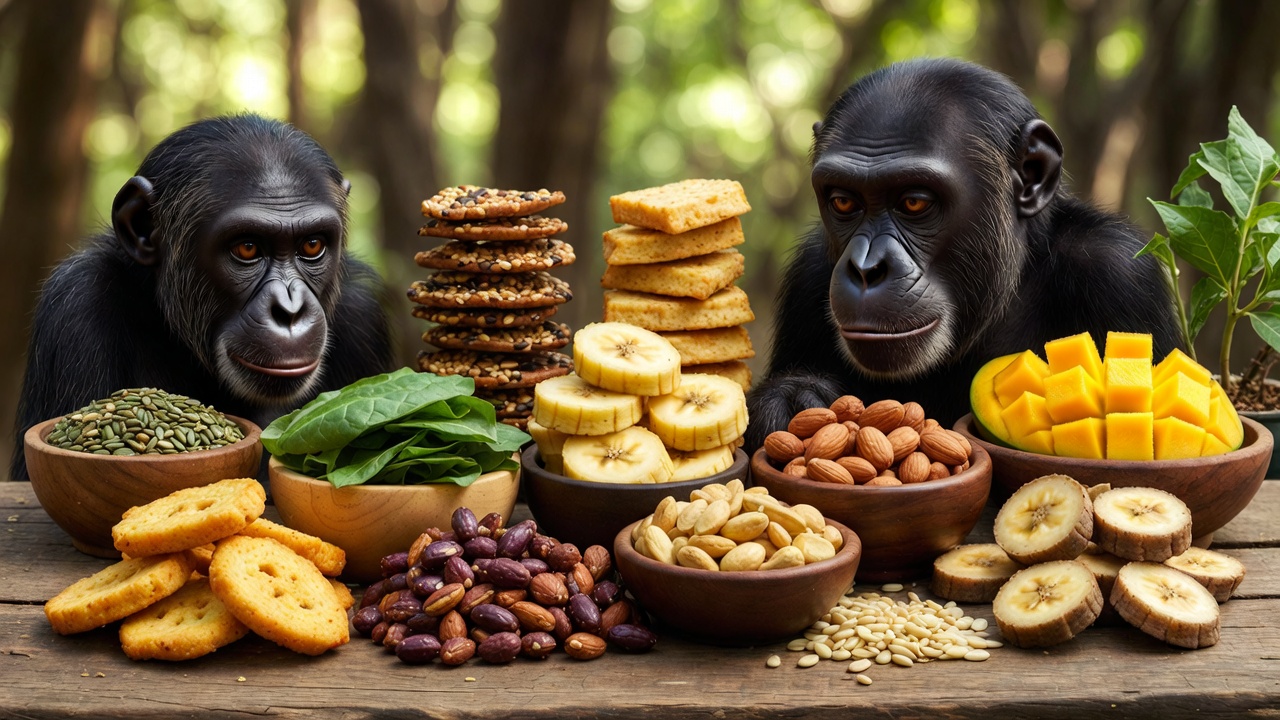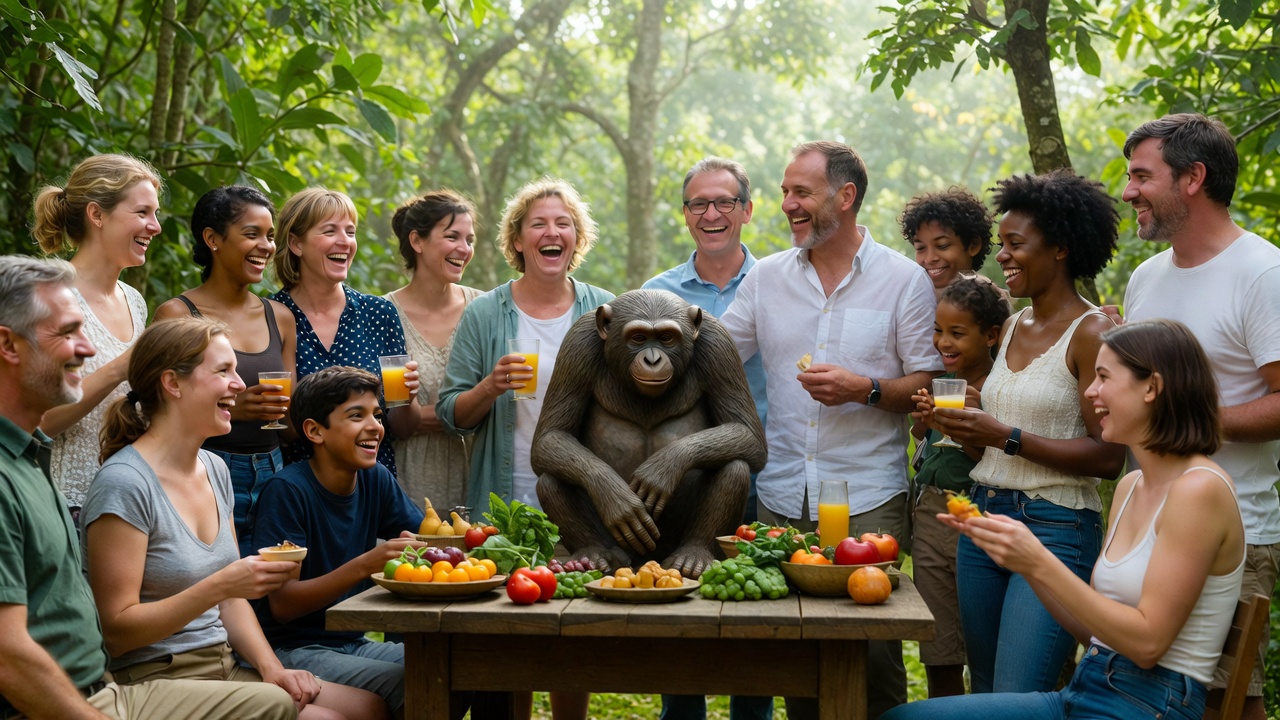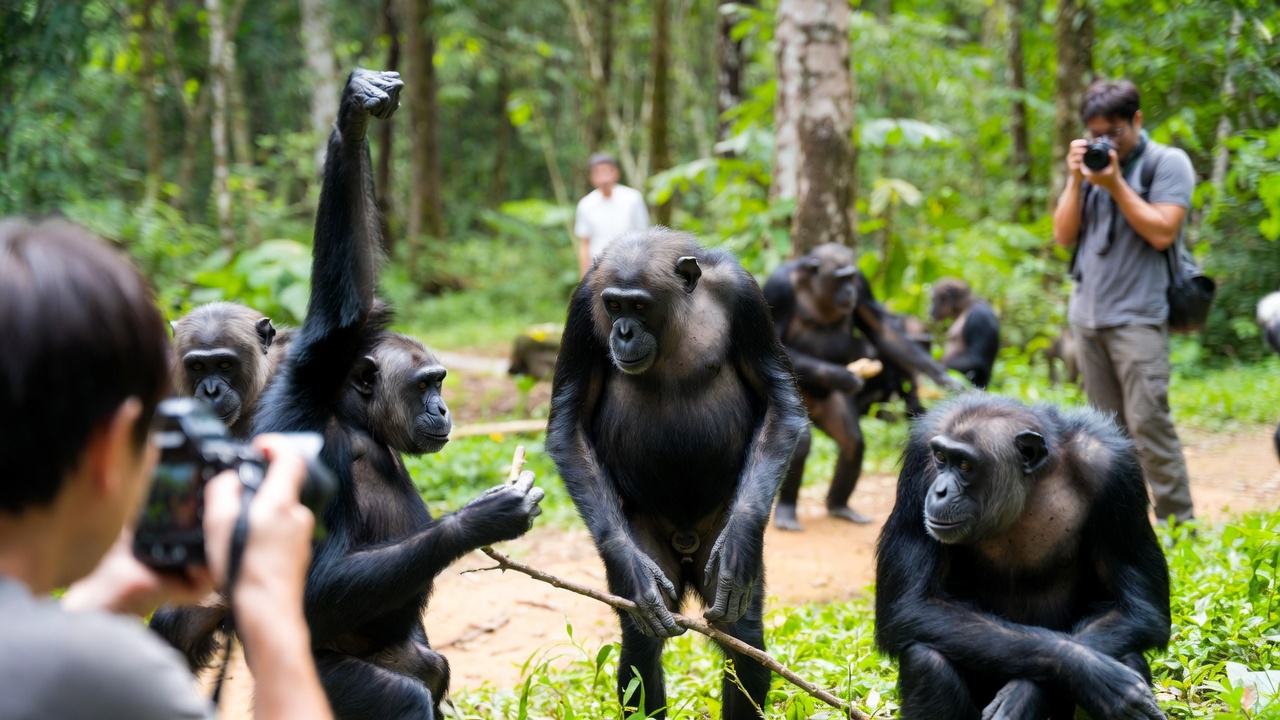
Every February 14, while most of the world exchanges chocolates and roses, a quieter celebration unfolds — one dedicated to the great apes who truly embody love and peace. World Bonobo Day falls on Valentine’s Day for good reason. Bonobos, our closest living relatives, are famously known as the “make love, not war” apes. They resolve conflict through social bonding, not violence. They share food willingly. They comfort the sick. They cherish their young with an intensity that mirrors our own.
Yet most people have never even heard of them.
That is the central problem World Bonobo Day was created to solve. This annual awareness day shines a light on one of Earth’s most remarkable — and most endangered — species. In 2026, on Saturday, February 14, conservation groups, zoos, researchers, and everyday animal lovers around the world will once again rally behind the bonobo’s survival.
Here is everything you need to know about this day, why bonobos matter, and how you can help.
When Is World Bonobo Day 2026 and How Did It Start?
World Bonobo Day is observed every year on February 14. In 2026, that falls on a Saturday, making it an ideal day for community events, zoo visits, and social media campaigns.
The day was founded in 2017 by a coalition of conservation organizations led by the Bonobo Conservation Initiative (BCI) and the Lola ya Bonobo sanctuary. Conservationist Ashley Stone of The Bonobo Project played a key role in bringing organizations together for this inaugural celebration.
The choice of Valentine’s Day was deliberate. Bonobos are among the most affectionate and peaceful of all primates. They greet each other with hugs and kisses. They use physical intimacy to defuse tension. Placing their awareness day on a holiday devoted to love seemed, in the words of the conservation community, like a perfect fit.
Since 2017, World Bonobo Day has grown steadily. Organizations such as the African Wildlife Foundation (AWF), Friends of Bonobos, the International Primate Protection League, and the Pan African Sanctuary Alliance (PASA) all participate in spreading the word.
| Quick Facts: World Bonobo Day | |
|---|---|
| Date | February 14 (every year) |
| Year Founded | 2017 |
| Founded By | Bonobo Conservation Initiative, Lola ya Bonobo, The Bonobo Project |
| Purpose | Raise awareness about bonobos and fund conservation |
| 2026 Date | Saturday, February 14, 2026 |
| Hashtag | #WorldBonoboDay #BonoboLove |
Why Are Bonobos Called Our Closest Living Relatives?
If you have ever wondered what animal shares the most DNA with humans, the answer might surprise you. It is not the gorilla or the orangutan. Bonobos (Pan paniscus) share approximately 98.7% of their genetic makeup with humans, making them — alongside chimpanzees — our closest living relatives on Earth.
Bonobos and chimpanzees diverged from a common ancestor roughly 1.5 to 2 million years ago, when the natural formation of the Congo River split their populations. Bonobos evolved south of the river. Chimpanzees evolved north of it. Over millennia, the two species developed strikingly different social structures and temperaments.
While chimpanzees are often studied for their territorial aggression and hierarchical power struggles, bonobos took a different evolutionary path. They became cooperative, empathetic, and remarkably peaceful. This distinction has fascinated primatologists for decades and offers profound insights into the range of social behavior possible within our own evolutionary lineage.
In a study published in February 2025, scientists determined that bonobos can recognize when humans do not know something — an ability linked to theory of mind, a cognitive skill once thought to be uniquely human. This finding further blurs the line between human and bonobo cognition.
How Do Bonobos Live in the Wild: Behavior and Social Structure
Understanding bonobo society helps explain why conservationists are so passionate about saving them.
A Matriarchal Society Led by Females
Bonobos are one of the few primate species with a matriarchal social structure. Females hold dominant positions within their groups. They form strong alliances with each other and collectively influence decisions about food, travel, and conflict resolution. Males inherit their social rank through their mothers, not through physical dominance.
This is strikingly different from chimpanzee society, where alpha males rule through strength and intimidation.
Conflict Resolution Through Bonding, Not Fighting
Bonobos are famous for resolving disputes through social grooming, play, and physical intimacy rather than aggression. When two groups of bonobos meet in the wild, instead of fighting, they often play together and engage in friendly contact. This behavior has earned them the nickname “hippie chimps.”
Emotional Depth and Empathy
Bonobos display behaviors that suggest deep emotional lives. They have been observed:
- Sharing food willingly with unrelated individuals
- Comforting sick or distressed group members with hugs
- Laughing and smiling during play, much like human children
- Yawning contagiously when watching other apes yawn — a recognized marker of empathy
Ecological Role as Seed Dispersers
Bonobos are not just socially fascinating. They are ecologically essential. According to research cited on Wikipedia, bonobos disperse the seeds of roughly 40% of tree species in their forest habitat. A single bonobo may scatter an estimated 11.6 million seeds over its lifetime. Without bonobos, the composition and health of the Congo rainforest would shift dramatically.
Where Do Bonobos Live: The Congo Basin Rainforest Habitat
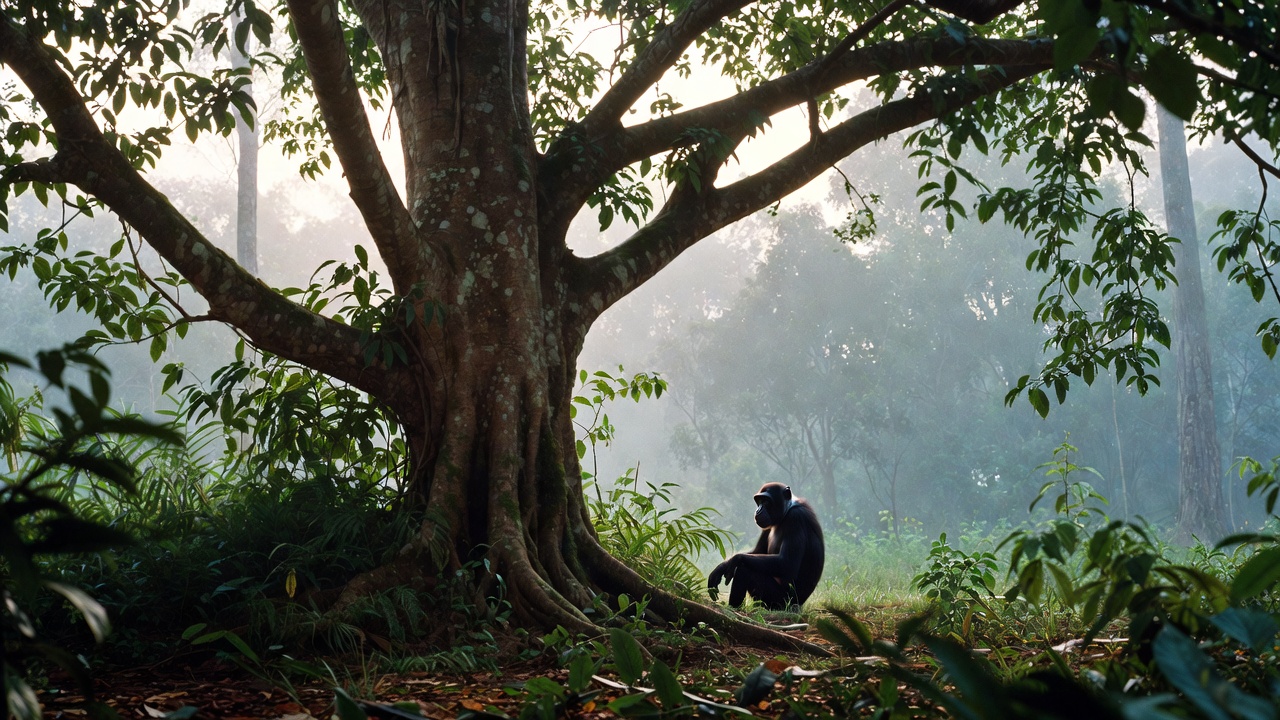
Bonobos are found in only one country on Earth: the Democratic Republic of the Congo (DRC). They live exclusively in the dense tropical forests south of the Congo River, within the Congo Basin — the second-largest rainforest in the world.
This rainforest is home to nearly half of all plant and animal species found on the African continent. It also serves as a massive carbon sink, making it critically important for global climate regulation.
However, the Congo Basin is under enormous pressure from:
- Slash-and-burn agriculture that depletes soil and pushes farming deeper into the forest
- Commercial logging that fragments bonobo habitat
- Coltan mining for minerals used in electronics like smartphones and laptops
- Palm oil expansion — studies show that 99.2% of bonobo territory is suitable for palm oil cultivation, making future habitat loss a serious concern
The political instability that has plagued the DRC for decades compounds every threat. War, poverty, and weak governance have made law enforcement and conservation extremely difficult in remote forest regions.
How Many Bonobos Are Left in the Wild in 2026?
This is a question without a clean answer — and that itself is part of the problem.
Population estimates vary widely. The World Wildlife Fund (WWF) speculates the population at roughly 29,500 to 50,000 individuals, but notes that scientific confidence in this figure is low. The Bonobo Conservation Initiative puts the estimate lower, at 10,000 to 20,000. Friends of Bonobos estimates perhaps 5,000 to 17,000 and warns there may be only three generations left at the current rate of decline.
Why the huge range? Because only about 30% of the bonobo’s historical range has ever been surveyed. Much of their habitat is accessible only by footpath, boat, or small aircraft. Decades of civil conflict in the DRC have further limited research.
A landmark study published in December 2024 by researchers at the Max Planck Institute of Animal Behavior provided some positive news. After combining data from 13 surveys conducted over two decades in Salonga National Park — Africa’s largest protected forest — scientists estimated that 8,000 to 18,000 adult bonobos inhabit the park. The population there has remained stable since 2000, thanks largely to the presence of park rangers and pristine forest habitat.
But Salonga is the exception, not the rule. Outside protected areas, bonobo populations are fragmented and declining.
| Bonobo Population Estimates | Source |
|---|---|
| 29,500 – 50,000 | WWF |
| 10,000 – 20,000 | Bonobo Conservation Initiative |
| 5,000 – 17,000 | Friends of Bonobos |
| 8,000 – 18,000 (Salonga Park only) | Max Planck Institute / ScienceDaily |
IUCN Red List Status: Endangered
What Are the Biggest Threats to Bonobo Survival Today?
The threats facing bonobos are interconnected and deeply rooted in the socioeconomic challenges of the DRC.
1. Bushmeat Hunting and Poaching
This is the single greatest threat to wild bonobos. In a region where more than 90% of residents can afford only one meal per day, people increasingly turn to wild meat for both sustenance and income. Bonobos, due to their large size, are prime targets. Traditional taboos that once protected bonobos in many communities are eroding under economic desperation.
Because bonobos reproduce slowly — one offspring every four to five years — even modest hunting pressure can devastate a population.
2. Habitat Destruction and Deforestation
Slash-and-burn farming, commercial logging, and mining operations eat away at the forest. Only 28% of the bonobo’s historical range remains suitable for habitation, according to recent conservation assessments. As roads and infrastructure expand, hunters gain access to previously remote areas.
3. Political Instability and Armed Conflict
The DRC’s long history of conflict has had devastating effects on bonobos. War drives poverty, which drives hunting. Military groups have sanctioned the killing of bonobos for food. Modern weaponry floods the region, making hunting easier and more lethal.
4. Disease Transmission from Humans
As human contact with bonobos increases, so does the risk of zoonotic disease. Bonobos are susceptible to many of the same illnesses as humans, including respiratory infections and potentially Ebola. The 98.7% genetic overlap that makes bonobos our closest kin also makes them dangerously vulnerable to our pathogens.
5. Coltan Mining and Palm Oil Expansion
Coltan — a mineral used in batteries for smartphones, laptops, and other electronics — is extracted from mines within bonobo habitat. Recycling your electronics is one simple way to reduce demand for newly mined coltan. Meanwhile, as global demand for palm oil grows, the vast majority of bonobo territory faces potential conversion to plantations.
What Conservation Organizations Are Working to Save Bonobos?
Despite the enormous challenges, several organizations are doing remarkable work on the ground in the DRC and internationally.
Bonobo Conservation Initiative (BCI)
Founded in 1998 and based in Washington, D.C., BCI is the only international organization solely dedicated to protecting wild bonobos and their rainforest habitat. Their flagship project, the Bonobo Peace Forest, now spans over 50,000 square miles of community-managed protected land — and it continues to grow. BCI has helped establish nine million acres of officially protected habitat, with two million more on the way.
Friends of Bonobos and Lola ya Bonobo Sanctuary
Friends of Bonobos operates Lola ya Bonobo — the world’s only bonobo sanctuary — located just outside Kinshasa. Founded in 1994 by Claudine André, the sanctuary rescues orphaned bonobos from the illegal wildlife trade, rehabilitates them, and, when possible, returns them to the wild.
The sanctuary’s rewilding program is groundbreaking. At Ekolo ya Bonobo Community Reserve, a 117,000-acre protected rainforest in Équateur Province, approximately 35 bonobos now live freely after being reintroduced from Lola. Ten babies have been born in the wild at this site — a monumental milestone in great ape rehabilitation. No other organization in the world has achieved this with bonobos.
African Wildlife Foundation (AWF)
The AWF has established two vital reserves in the DRC, trained local rangers, and uses advanced technology to map critical habitat. Their community-driven approach generates jobs and tourism revenue while protecting wildlife.
World Wildlife Fund (WWF)
WWF co-manages Salonga National Park with the Congolese Nature Conservation Authority (ICCN). Their efforts include anti-poaching patrols, community training, and biodiversity surveys. A WWF-supported survey notably discovered a previously unknown bonobo population in the Lac Tumba-Lediima region with the highest density of bonobos anywhere in their range.
How to Celebrate World Bonobo Day 2026: Practical Ways to Help
You do not need to travel to the DRC to make a difference on World Bonobo Day. Here are concrete actions anyone can take.
1. Donate to a bonobo conservation organization. Even small contributions sustain critical work. It costs approximately $12–$14 USD per day to care for one bonobo at Lola ya Bonobo sanctuary. Other top-rated organizations include BCI, AWF, and WWF’s Congo Basin programs.
2. Symbolically adopt a bonobo. Many conservation groups offer adoption programs that provide regular updates on a specific bonobo’s well-being. It is a meaningful gift — especially on Valentine’s Day.
3. Spread the word on social media. Use the hashtags #WorldBonoboDay and #BonoboLove. Share facts, videos, and articles. The single biggest challenge facing bonobos is obscurity. Most people simply do not know they exist.
4. Recycle your electronics. Coltan mining destroys bonobo habitat. By recycling old phones, laptops, and tablets, you keep coltan in circulation and reduce demand for new mining.
5. Choose sustainably sourced products. Look for products with RSPO-certified palm oil or choose palm-oil-free alternatives when shopping. This small consumer choice, multiplied across millions of shoppers, can ease pressure on Central African forests.
6. Educate yourself and others. Watch documentaries about bonobos. Read about their behavior. Visit a zoo that houses bonobos and supports conservation programs. Knowledge is the first step toward action.
7. Visit Lola ya Bonobo if you travel to the DRC. The sanctuary offers day tours and overnight eco-lodge stays for visitors to Kinshasa. It is the only place in the world where you can meet bonobos face to face in a semi-wild environment.
What Bonobos Can Teach Humans About Empathy and Cooperation
There is a reason scientists, philosophers, and even policy thinkers keep returning to the bonobo. In a world fractured by conflict, bonobos offer a living example that cooperation is not a weakness — it is a survival strategy.
Their matriarchal societies demonstrate that female leadership and egalitarian power structures can sustain stable, thriving communities. Their approach to conflict — choosing bonding over aggression — challenges assumptions about the inevitability of violence in primate (and human) societies.
As Dr. Richard Carroll, WWF’s Vice President for the Africa Program, has noted: “Bonobos are fascinating creatures and little understood. They have the only great ape society led by females, with a sophisticated social structure that encourages cooperation and peace.”
A 2024 genetics study from University College London revealed that bonobos actually comprise three distinct genetic populations — central, western, and far-western — that have been living separately for tens of thousands of years. Losing any one of these groups would represent a devastating loss to the total genetic diversity of the species. This means conservation efforts must protect all three populations, not just the most accessible ones.
Bonobos vs. Chimpanzees: Key Differences You Should Know
Because bonobos were once classified as a subspecies of chimpanzees, confusion between the two species is common. Here is a clear comparison.
| Trait | Bonobo | Chimpanzee |
|---|---|---|
| Scientific Name | Pan paniscus | Pan troglodytes |
| Social Structure | Matriarchal (female-led) | Patriarchal (male-led) |
| Conflict Resolution | Social bonding, grooming, play | Aggression, territorial warfare |
| Range | DRC only (south of Congo River) | Multiple African countries |
| Physical Build | Smaller, slimmer, longer legs | Larger, more robust |
| Lips | Pink | Dark |
| Hair | Parted, longer on head | Shorter, more uniform |
| DNA Shared with Humans | ~98.7% | ~98.7% |
| IUCN Status | Endangered | Endangered |
Both species are equally related to humans. We did not evolve from either one — rather, humans, bonobos, and chimpanzees share a common ancestor. Studying both species gives us a fuller picture of the evolutionary possibilities within our lineage.
Why Saving Bonobos Also Means Saving the Congo Rainforest
Bonobo conservation is not just about one species. It is about protecting an entire ecosystem that sustains millions of people and regulates the global climate.
The Congo Basin rainforest stores enormous quantities of carbon. Its peatlands alone hold the equivalent of roughly three years’ worth of global fossil fuel emissions. When this forest is destroyed, that carbon enters the atmosphere and accelerates climate change.
Bonobos, as prolific seed dispersers, are architects of this forest. Without them, tree species that depend on animal dispersal would struggle to regenerate. The forest would thin. Biodiversity would collapse. Carbon storage capacity would diminish.
Saving bonobos means saving the trees they plant. And saving those trees means preserving one of our planet’s most powerful natural defenses against climate change.
Frequently Asked Questions About World Bonobo Day
Q: Is World Bonobo Day the same as Valentine’s Day? A: They share the same date — February 14 — but they are separate observances. World Bonobo Day was intentionally placed on Valentine’s Day because of the bonobo’s association with love and peaceful behavior.
Q: Are bonobos the same as chimpanzees? A: No. Bonobos (Pan paniscus) are a separate species from common chimpanzees (Pan troglodytes). They were officially classified as a distinct species in 1933.
Q: Where can I see bonobos? A: Several zoos around the world house bonobos, including the San Diego Zoo, Fort Worth Zoo, and Columbus Zoo in the United States. In the DRC, Lola ya Bonobo sanctuary near Kinshasa offers tours.
Q: How can I help bonobos from home? A: Donate to conservation groups, recycle electronics, choose sustainable products, and spread awareness on social media using #WorldBonoboDay.
Q: Are bonobos really endangered? A: Yes. The IUCN lists bonobos as Endangered, and some conservationists believe the next assessment may move them to Critically Endangered.
Final Thoughts: Why World Bonobo Day Matters More Than Ever in 2026
We live at a turning point. Deforestation in the Congo Basin is accelerating. Climate change is reshaping habitats. Political instability in the DRC continues to make conservation work dangerous and underfunded.
But there is also reason for hope. The Bonobo Peace Forest keeps expanding. Babies are being born in the wild at Ekolo ya Bonobo. New populations are being discovered. Rangers in Salonga are holding the line. And every year, World Bonobo Day brings more people into the fold — people who had no idea that this extraordinary species even existed.
Bonobos are not just another endangered animal on a long list. They are a mirror. Their DNA is nearly identical to ours. Their capacity for empathy, play, and peaceful coexistence challenges us to ask what kind of species we want to be.
This Valentine’s Day, share some love with your closest living relatives. Learn about them. Talk about them. Support the people working to keep them alive.
Because a world without bonobos would be a world that lost something irreplaceable — a part of ourselves.
Want to get involved? Visit Friends of Bonobos, the Bonobo Conservation Initiative, or the African Wildlife Foundation to learn more and donate.