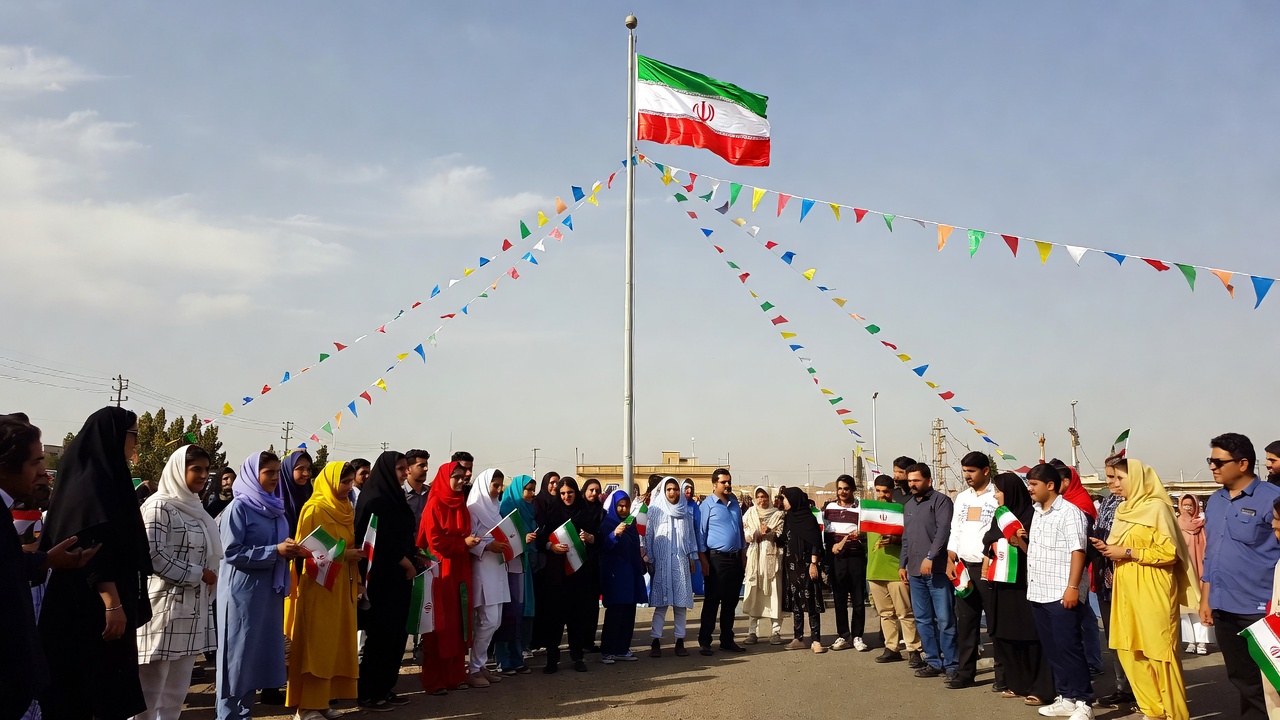
Every year on February 11, millions of Iranians gather across the country to commemorate one of the most significant dates in modern Middle Eastern history. Known as 22 Bahman on the Persian calendar, this day marks the anniversary of the 1979 Islamic Revolution. The largest celebrations take place in Tehran, where crowds traditionally converge on Azadi Square for state-organized rallies and speeches.
But 2026 is unlike any previous year. Recent events have transformed the political landscape of Iran dramatically. This guide provides essential information about the 22 Bahman commemorations while addressing the critical developments that every traveler and observer must understand.
Understanding the Significance of 22 Bahman in Iranian History
The date 22 Bahman holds profound meaning for the Iranian state and its supporters. It corresponds to February 11 in the Gregorian calendar. This day commemorates the culmination of a revolutionary movement that ended over 2,500 years of monarchy in Iran.
On this date in 1979, the armed forces of Iran declared neutrality. This decision effectively ended the reign of Shah Mohammad Reza Pahlavi. The last prime minister under the Shah, Shapour Bakhtiar, resigned that same day. Ayatollah Ruhollah Khomeini, who had returned from exile just ten days earlier, assumed power as the Supreme Leader.
The revolution fundamentally transformed Iran. It established an Islamic republic governed by principles of Shia Islam. The event continues to shape regional politics, international relations, and the daily lives of Iranians to this day.
The Fajr Decade: Ten Days of National Celebration
The 22 Bahman anniversary does not exist in isolation. It serves as the culmination of a ten-day celebration period called the Dahe-ye Fajr, meaning “Ten Days of Dawn.”
This period begins on February 1 (12 Bahman). That date marks Khomeini’s return to Tehran after nearly 15 years in exile. The ten days symbolize the final push toward revolutionary victory.
During this period, the Iranian government traditionally organizes:
- Religious ceremonies at mosques across the country
- Cultural festivals including art exhibitions and poetry readings
- Military displays showcasing defense achievements
- Firework displays on the evening of 22 Bahman
- Political speeches by government officials
The Fajr International Film Festival has been held annually since 1982 during this period. It represents one of the largest cultural events in the country.
How Iran’s Annual February 11 Rallies Typically Unfold
Under normal circumstances, the 22 Bahman rallies follow a well-established pattern that has developed over more than four decades.
The Route to Azadi Square
In Tehran, marchers traditionally proceed along ten designated routes. All paths lead to Azadi Square (meaning “Freedom Square”). This iconic plaza features the Azadi Tower, a 45-meter monument that has become a symbol of the capital city.
The tower was originally commissioned by Shah Mohammad Reza Pahlavi in 1971. It was built to commemorate 2,500 years of the Persian Empire. After the revolution, authorities renamed it from Shahyad (Memorial to the Shah) to Azadi (Freedom).
The square covers approximately 50,000 square meters. It can accommodate enormous crowds for major events. The Iranian government uses aerial photography and video footage to document attendance at the annual rallies.
What Participants Typically Experience
Those attending government-organized 22 Bahman celebrations historically encounter several common elements:
| Element | Description |
|---|---|
| Presidential Address | The sitting president typically delivers a speech at Azadi Square |
| Military Displays | The Defense Ministry showcases weapons and equipment along rally routes |
| Chanting and Slogans | Participants voice support for the Islamic Republic and opposition to perceived foreign enemies |
| Flag Waving | Large displays of the Iranian tricolor flag |
| Security Presence | Heavy security forces throughout Tehran |
The rallies serve multiple purposes for the Iranian government. They provide an opportunity to demonstrate public support. They offer a platform for political messaging. They also serve as a reminder of the revolution’s legacy to younger generations.
Typical Schedule of Events
A standard 22 Bahman celebration day historically follows this pattern:
Morning (8:00 AM – 12:00 PM)
- Marches begin from designated starting points
- Crowds gradually fill Azadi Square
- Street vendors sell refreshments along routes
Midday (12:00 PM – 2:00 PM)
- Main speeches delivered at Azadi Square
- Live broadcasts on state television
- Peak attendance typically occurs
Afternoon (2:00 PM – 6:00 PM)
- Crowds gradually disperse
- Smaller gatherings at local mosques
- State media coverage continues
Evening
- Government-sponsored firework displays
- Commemorative programming on television
Critical Context: The January 2026 Protests and Their Impact
Important Advisory: The situation in Iran changed dramatically in late 2025 and early 2026. Any discussion of the 22 Bahman rallies must acknowledge these developments.
Beginning on December 28, 2025, protests erupted in Tehran. They quickly spread across the country. According to multiple international sources, these demonstrations became some of the largest in Iran’s recent history.
What Sparked the December 2025 Protests
The protests began in Tehran’s Grand Bazaar. Shopkeepers and merchants closed their businesses in response to severe economic conditions. According to Al Jazeera’s reporting, the Iranian rial dropped to 1.42 million against the U.S. dollar. This represented a 56 percent decline in value over just six months.
The economic grievances expanded into broader political demands. Demonstrators voiced opposition to government policies across multiple areas:
- Economic hardship from soaring inflation
- International isolation under sanctions
- Personal freedoms including dress code enforcement
- Government priorities favoring security over welfare
According to Britannica’s coverage, President Masoud Pezeshkian’s proposed budget had increased security spending by nearly 150 percent. Meanwhile, wage increases covered only about two-fifths of the inflation rate.
The Government Response
The Iranian government’s response to the protests was severe. According to the UK House of Commons Library briefing, an internet blackout began on January 8, 2026. This severely limited information flow from inside the country.
Multiple human rights organizations have documented the aftermath. The Human Rights Activists News Agency (HRANA), based in the United States, has tracked casualties. As of early February 2026, HRANA documented over 6,800 confirmed deaths with more than 11,000 additional cases under investigation.
The Iranian government provided different figures. Official sources stated that approximately 3,100 people died, including both civilians and security forces.
International Reactions and Travel Warnings
The events prompted strong international responses. Multiple governments issued their highest-level travel warnings for Iran.
Selected Government Travel Advisories as of February 2026:
| Country | Advisory Level | Key Guidance |
|---|---|---|
| United States | Level 4: Do Not Travel | Leave Iran immediately if present |
| Canada | Avoid All Travel | Leave now if safe to do so |
| Australia | Do Not Travel | Leave as soon as possible |
| Ireland | Do Not Travel | Consider leaving immediately |
| United Kingdom | Advise Against All Travel | High risk of detention |
The Australian Government’s Smartraveller advisory notes that the security situation is “extremely volatile.” It warns of ongoing telecommunications blackouts and severe security force responses to protests.
Travel Safety Guidelines for Visiting Iran in February 2026
Given current conditions, any travel to Iran requires extreme caution. Most Western governments strongly advise against travel. However, understanding the situation is essential for anyone considering the journey.
Current Travel Advisories from Major Countries
The U.S. Department of State maintains Iran as a Level 4: Do Not Travel destination. Key concerns include:
- Arbitrary detention of foreign nationals
- Wrongful imprisonment especially of dual nationals
- Terrorism as Iran is designated a state sponsor of terrorism
- Civil unrest with unpredictable demonstrations
The State Department specifically notes that “demonstrations are common” and “past demonstrations have turned violent.”
Specific Risks for Foreign Nationals
The risks extend beyond general safety concerns. According to the Canadian government travel advisory:
“The Iranian authorities have arrested and/or detained individuals, including foreign and dual nationals, to exert political or diplomatic influence on their governments.”
Key risk factors include:
1. Arbitrary Detention Foreign nationals face heightened risk of detention without clear legal grounds. Iran does not recognize dual nationality. This means citizens who also hold Iranian citizenship cannot receive consular assistance from their other country.
2. Limited Consular Assistance Many embassies have reduced operations. The Australian Embassy suspended operations entirely. The U.S. has no direct diplomatic presence. U.S. citizens must rely on the Swiss Embassy’s Foreign Interests Section.
3. Communications Disruptions Ongoing internet and telecommunications restrictions make it difficult to:
- Contact family abroad
- Access emergency services
- Receive updated information
- Navigate using GPS applications
4. Transportation Uncertainties Multiple airlines cancelled or suspended flights to Iran in January 2026. Flight schedules remain unstable. According to reports, carriers including Turkish Airlines, flydubai, Air India, and IndiGo altered their operations.
Essential Precautions If Travel Is Unavoidable
For those who must travel to Iran despite advisories, these precautions are critical:
Before Departure
- Register with your government’s traveler enrollment program
- Ensure all travel documents are current
- Arrange comprehensive travel insurance (note that many providers exclude Iran)
- Share your itinerary with family or trusted contacts
- Download offline maps and essential information
During Your Stay
- Avoid all public gatherings and demonstrations
- Do not photograph security forces or government buildings
- Maintain a low profile
- Keep your passport with you at all times
- Have multiple copies of important documents stored separately
- Carry adequate cash (international cards do not work)
Communication Strategies
- Install VPN applications before arrival
- Carry a charged backup battery
- Establish check-in schedules with contacts abroad
- Know the emergency contact numbers for your embassy
What the 22 Bahman 2026 Rallies May Look Like
The 2026 commemoration of the Islamic Revolution arrives at an unprecedented moment. The government faces significant challenges to its legitimacy. Attendance and atmosphere may differ dramatically from previous years.
Potential Scenarios for the 2026 Commemorations
Based on available information and historical patterns, several scenarios are possible:
Scenario 1: Heavily Controlled Government Event The government may stage large rallies with increased security presence. Pro-government participants may be organized to demonstrate continued support for the Islamic Republic. State media would emphasize unity and strength.
Scenario 2: Counter-Demonstrations As occurred during the 2024 and 2025 anniversaries, citizens opposing the government may use the occasion to voice dissent. In previous years, “home-chanting” became common. Residents shouted anti-government slogans from their homes during official fireworks displays.
According to Wikipedia’s documentation, during the 2025 anniversary, citizens in multiple cities chanted “Death to the Dictator” and “Death to Khamenei” in response to government celebrations.
Scenario 3: Muted Commemorations Given recent events, the government may scale back public celebrations. This could reduce opportunities for both supporters and opponents to gather in large numbers.
Historical Context of Recent Anniversaries
Recent 22 Bahman anniversaries have shown declining enthusiasm for government celebrations:
2023 (44th Anniversary) Hackers disrupted state television broadcasts. Videos featuring anti-government chants replaced official programming. The Woman, Life, Freedom protests were ongoing following Mahsa Amini’s death.
2024 (45th Anniversary) Many Iranians boycotted official rallies. Social media documented sparse attendance at events. Home-chanting of anti-government slogans continued.
2025 (46th Anniversary) According to Iran International, residents across Tehran, Karaj, Mashhad, Arak, and Kermanshah chanted anti-government slogans during official fireworks. Neighborhoods of varying economic status participated in the demonstrations.
The Cultural and Historical Significance of Azadi Square
Beyond its political function, Azadi Square represents an important piece of Iranian architectural heritage. Understanding its history adds context to the rallies held there.
Architectural Details of Azadi Tower
The Azadi Tower (برج آزادی) stands at the center of the square. Its design combines elements of pre-Islamic and Islamic Persian architecture.
Key Architectural Features:
| Feature | Detail |
|---|---|
| Height | 45 meters (148 feet) |
| Design Inspiration | Blend of Sasanian and Islamic motifs |
| Interior | Museum with artifacts from Iran’s history |
| Material | White marble from Isfahan |
| Architect | Hossein Amanat |
| Completion Year | 1971 |
The tower was designed by Hossein Amanat when he was just 24 years old. He won a competition against 600 other architects. The structure’s geometry draws inspiration from the Sheikh Lotfollah Mosque in Isfahan.
The Square’s Role in Iranian History
Azadi Square has witnessed multiple pivotal moments in modern Iranian history:
Before 1979
- Built to celebrate 2,500 years of Persian monarchy
- Served as a symbol of the Shah’s modernization efforts
During the Revolution
- Site of massive demonstrations against the Shah
- Witnessed the final marches that ended the monarchy
After 1979
- Renamed from Shahyad to Azadi
- Became the symbolic center of revolutionary commemoration
- Hosts the culmination of annual 22 Bahman rallies
The square remains one of Tehran’s most recognizable landmarks. It appears frequently in images representing the capital city.
Understanding Iranian Calendar and Persian Holidays
The date “22 Bahman” reflects Iran’s unique calendar system. Understanding this system helps contextualize Iranian commemorations.
The Solar Hijri Calendar
Iran uses the Solar Hijri calendar (گاهشماری هجری شمسی). This solar calendar differs from both the Gregorian calendar and the Islamic lunar calendar used by most Muslim-majority countries.
Key Features:
- Year 1 corresponds to the Prophet Muhammad’s migration (Hijra) from Mecca to Medina
- Months correspond to the zodiac signs
- New Year (Nowruz) falls on the spring equinox (approximately March 20-21)
- Length matches the tropical year (365 or 366 days)
The Month of Bahman:
- Position: 11th month of the Iranian calendar
- Duration: 30 days
- Gregorian Equivalent: Approximately January 21 to February 19
- Zodiac Correspondence: Aquarius
The date 22 Bahman falls on February 11 in most years. However, slight variations can occur due to astronomical calculations.
Public Holidays During the Fajr Decade
The period surrounding 22 Bahman includes several public holidays:
| Date (Persian) | Date (Gregorian) | Holiday |
|---|---|---|
| 12 Bahman | February 1 | Anniversary of Khomeini’s Return |
| 22 Bahman | February 11 | Islamic Revolution Victory Day |
Both dates are official public holidays in Iran. Government offices, schools, and many businesses close. Banks and financial institutions are not operational.
What Foreign Journalists and Observers Should Know
International media coverage of Iranian events faces significant challenges. Those seeking to report on or observe the 22 Bahman rallies must understand these constraints.
Press Freedom Restrictions in Iran
Iran ranks among the lowest countries globally for press freedom. Foreign journalists face multiple barriers:
Visa Restrictions
- Journalist visas are rarely granted
- Those entering on tourist visas risk severe penalties if discovered reporting
- Social media posting can be classified as unauthorized journalism
In-Country Limitations
- Minders often accompany approved journalists
- Access to government critics is restricted
- Filming security forces is prohibited
- Internet censorship blocks many international platforms
Consequences for Violations
- Arrest and detention
- Charges of espionage
- Extended imprisonment
- Deportation with entry bans
Relying on Alternative Information Sources
Given these restrictions, information about events inside Iran often comes from:
- Diaspora media outlets such as Iran International (based in London)
- Human rights organizations including HRANA, Amnesty International, and Human Rights Watch
- Social media when accessible despite restrictions
- Statements from government sources (requiring verification)
- Wire services with limited access
Information should be cross-referenced across multiple sources. The communications blackout in January 2026 demonstrated how quickly reliable information can become unavailable.
The Role of the Islamic Revolutionary Guard Corps (IRGC)
Any discussion of Iranian political events must address the Islamic Revolutionary Guard Corps (سپاه پاسداران انقلاب اسلامی). This organization plays a central role in both the celebrations and the security response to dissent.
Understanding the IRGC’s Structure
The IRGC was established shortly after the 1979 revolution. Its purpose was to protect the Islamic system against internal and external threats. Today it operates as a parallel military force alongside the regular Iranian armed forces.
Key IRGC Components:
| Division | Function |
|---|---|
| Ground Forces | Internal security and conventional warfare |
| Navy | Naval operations, particularly in Persian Gulf |
| Aerospace Force | Missiles and air defense |
| Quds Force | Foreign operations and proxy relationships |
| Basij | Volunteer militia used for internal security |
The organization controls significant economic interests. It also plays a role in politics, with many senior officials being IRGC veterans.
IRGC Designations by Foreign Governments
Multiple governments have designated the IRGC or its components as terrorist organizations:
- United States: Designated the entire IRGC as a Foreign Terrorist Organization (2019)
- European Union: Designated the IRGC as a terrorist organization (January 2026, following the protest crackdown)
- Canada: Designated the IRGC under terrorism sanctions
- United Kingdom: Designated the IRGC under terrorism legislation
These designations carry legal implications for interactions with IRGC members or organizations.
The Iranian Diaspora and International 22 Bahman Observances
While government celebrations occur inside Iran, the Iranian diaspora marks the date differently. Millions of Iranians living abroad often use the anniversary to voice opposition to the Islamic Republic.
Diaspora Demonstrations in 2026
The January 2026 protests sparked unprecedented diaspora mobilization. According to Wikipedia’s documentation of the diaspora protests, rallies occurred in:
- Canada, including a Toronto gathering with an estimated 150,000 participants
- United States, with approximately 60,000 in Los Angeles
- United Kingdom, Germany, France, and across Europe
- Australia, Israel, and countries worldwide
By late January 2026, Germany alone had hosted 27 separate rallies over ten days.
Common Diaspora Protest Themes
Iranian diaspora demonstrations typically feature:
Symbolic Elements
- The Lion and Sun flag (Iran’s pre-1979 national symbol)
- Photos of protesters and victims
- Signs condemning human rights violations
Slogans and Demands
- Calls for regime change
- Support for political prisoners
- Appeals to international governments for action
- Condemnation of violence against protesters
Political Figures
- Some demonstrators express support for Reza Pahlavi, the exiled son of the last Shah
- Others advocate for secular democratic governance without monarchist restoration
- Divisions exist within the diaspora regarding post-Islamic Republic governance
Practical Information for Understanding Iranian Events
For those studying or following Iranian affairs, certain practical knowledge proves essential.
Key Terminology
| Persian Term | Transliteration | Meaning |
|---|---|---|
| انقلاب اسلامی | Enqelab-e Eslami | Islamic Revolution |
| راهپیمایی | Rahpaymayi | Rally/March |
| آزادی | Azadi | Freedom/Liberty |
| مرگ بر | Marg bar | Death to (common protest phrase) |
| رهبر | Rahbar | Leader (typically refers to Supreme Leader) |
| ولایت فقیه | Velayat-e Faqih | Guardianship of the Jurist (ruling system) |
| سپاه | Sepah | The Corps (referring to IRGC) |
| بسیج | Basij | Mobilization (volunteer militia) |
Time Zone Considerations
Iran Standard Time (IRST) is UTC+3:30. This half-hour offset from standard time zones is shared with only a few countries.
When the 22 Bahman rallies reach their peak around midday Tehran time:
- New York (EST): 3:30 AM
- London (GMT): 8:30 AM
- Sydney (AEDT): 7:30 PM
Currency and Economic Context
Understanding Iran’s economic situation provides context for current events:
- Currency: Iranian rial (IRR)
- Exchange Rate (late 2025): Approximately 1,420,000 IRR to 1 USD
- Inflation Rate: Exceeding 40% annually
- Key Challenge: International sanctions limiting access to global financial systems
The economic hardship directly contributed to the December 2025 protests. The rial’s collapse eroded purchasing power and sparked the initial merchant strikes.
Looking Ahead: The Future of 22 Bahman Commemorations
The 2026 anniversary arrives at a critical juncture. The coming years may see significant changes in how this date is observed.
Potential Trajectories
If Current Government Maintains Control
- Continued official celebrations with heavy security
- Ongoing tension between state events and citizen opposition
- Possible reforms to address some economic grievances
- Sustained international isolation
If Significant Political Change Occurs
- The date’s meaning could be contested or reinterpreted
- Alternative commemorations might emerge
- Monuments and symbols could face reconsideration
- Regional and international relationships would shift
The Ongoing Significance of February 11
Regardless of political developments, February 11 will remain significant in Iranian history. The events of 1979 fundamentally shaped not only Iran but the entire Middle East. Understanding this history remains essential for comprehending the region today.
For the people of Iran, the date carries complex meanings. For some, it represents liberation and national identity. For others, it marks the beginning of decades of hardship. These perspectives will continue to compete in shaping Iran’s future.
Conclusion: Approaching 22 Bahman with Awareness and Caution
The 22 Bahman rallies in Tehran represent one of the most significant annual political events in the Middle East. They commemorate a revolution that transformed Iran and influenced regional dynamics for over four decades.
However, 2026 presents unprecedented circumstances. The tragic events of January 2026 have created an environment of extreme uncertainty. International travel advisories unanimously warn against visiting Iran. Communications remain disrupted. The human cost of recent events continues to be assessed.
For those seeking to understand these events, several approaches prove valuable:
Stay Informed Through Reliable Sources
- Monitor updates from human rights organizations
- Follow diaspora media with appropriate source verification
- Consult government travel advisories regularly
Respect the Complexity
- Recognize that perspectives within Iran are diverse
- Avoid oversimplification of political dynamics
- Acknowledge the suffering of those affected by violence
Prioritize Safety
- Do not travel to Iran under current conditions
- If already present, follow embassy guidance
- Maintain communication with contacts outside the country
The story of 22 Bahman continues to unfold. The 2026 anniversary marks not only 47 years since the Islamic Revolution but also a moment of profound uncertainty about Iran’s future direction.
The Economic Forces Behind Iran’s Political Tensions
Understanding the economic conditions that sparked the December 2025 protests provides essential context for the 2026 22 Bahman commemorations.
Iran’s Economy Under Sanctions
The Iranian economy has operated under various international sanctions for decades. However, the pressure intensified significantly after 2018 when the United States withdrew from the Joint Comprehensive Plan of Action (JCPOA), commonly known as the Iran nuclear deal.
Key Economic Indicators:
| Indicator | Status (Late 2025) |
|---|---|
| Inflation Rate | Exceeding 40% annually |
| Currency Depreciation | Rial lost over 50% value in 6 months |
| Unemployment | Officially 9-10%, higher among youth |
| Oil Exports | Significantly reduced under sanctions |
| Foreign Investment | Severely limited by secondary sanctions |
The sanctions regime has created a dual effect. On one hand, the government maintains that foreign pressure justifies hardship. On the other hand, citizens increasingly question whether government policies worsen their economic situation.
The Grand Bazaar’s Historical Significance
The December 2025 protests began in Tehran’s Grand Bazaar, one of the oldest and largest covered markets in the world. This was no coincidence.
The bazaar merchants (bazaaris) hold unique importance in Iranian politics:
Historical Role:
- 1906 Constitutional Revolution: Bazaari support proved crucial for democratic reforms
- 1953 Coup: Merchant class initially supported Prime Minister Mossadegh
- 1979 Revolution: Bazaar strikes helped paralyze the Shah’s economy
The bazaaris represent a conservative yet economically pragmatic constituency. Their participation in protests signals deep economic distress that transcends typical political divisions.
When merchants close their shops in protest, the symbolism resonates throughout Iranian society. The Grand Bazaar’s closure in December 2025 recalled these historical precedents.
The Impact of the June 2025 Israel-Iran Conflict
The regional security situation contributed to Iran’s economic deterioration. In June 2025, a 12-day military conflict between Israel and Iran caused significant damage.
Consequences of the Conflict:
- Infrastructure damage affecting production and logistics
- Insurance costs rising for Iranian businesses
- Trade disruption as shipping routes became riskier
- Currency pressure as uncertainty increased
- Defense spending consuming larger budget share
According to Britannica’s analysis, this conflict accelerated the rial’s decline. The currency lost over 40 percent of its remaining value in the months that followed.
The government’s response to prioritize military spending over civilian needs intensified public frustration. President Pezeshkian’s budget proposal made this trade-off explicit, contributing to the protest movement.
Media Coverage and Information Access During Iranian Events
Anyone seeking to understand Iranian events must navigate a complex media landscape. Information access remains one of the most challenging aspects of following developments inside Iran.
The Role of State Media
Iranian state media serves as the official voice of the government. The primary outlets include:
Islamic Republic of Iran Broadcasting (IRIB)
- Controls all domestic television and radio
- Operates Persian, Arabic, English, and other language services
- Press TV provides international English-language coverage
- Frequently dismisses protests as foreign-backed riots
State News Agencies
- IRNA (Islamic Republic News Agency)
- Tasnim News Agency (affiliated with IRGC)
- Fars News Agency (semi-official)
- Mehr News Agency
State media coverage of events like the 22 Bahman rallies emphasizes massive attendance and popular enthusiasm. During periods of unrest, coverage typically minimizes protest size and emphasizes “foreign interference” narratives.
Independent and Diaspora Media
Alternative information sources operate primarily from outside Iran:
Iran International Based in London, this Persian-language satellite channel has become a primary source for opposition voices. The Iranian government has accused it of encouraging unrest and imposed sanctions on its journalists.
BBC Persian The British Broadcasting Corporation’s Persian service provides news coverage accessible via satellite and internet. It maintains editorial independence while being funded by the UK government.
Voice of America Persian The U.S. government-funded broadcaster provides Persian-language news and cultural programming.
Social Media Platforms Despite government blocks, Iranians access Twitter (X), Instagram, and other platforms using VPN software. During protests, citizen journalists share real-time documentation.
Internet Restrictions and Blackouts
Iran has developed sophisticated internet control capabilities. During sensitive periods, authorities can:
- Slow connections to make video uploads impractical
- Block specific platforms including social media and messaging apps
- Implement full blackouts cutting all international internet access
- Monitor traffic identifying users who bypass restrictions
The January 2026 internet blackout was among the most comprehensive in Iran’s history. For days, residents could not communicate with the outside world. This isolation enabled events that only emerged gradually as connectivity returned.
Religious and Cultural Dimensions of the Islamic Revolution Anniversary
The 22 Bahman commemorations carry religious significance alongside their political meaning. Understanding this dimension provides fuller context.
Shia Islam and Revolutionary Ideology
The Islamic Republic of Iran is the world’s only theocratic state governed according to Shia Islamic principles. The concept of Velayat-e Faqih (Guardianship of the Islamic Jurist) provides theological justification for clerical rule.
Key Religious Concepts:
| Concept | Significance |
|---|---|
| Velayat-e Faqih | System placing supreme religious authority over the state |
| Marjaʿiyya | Scholarly authority in Shia jurisprudence |
| Ijtihad | Independent religious reasoning |
| Martyrdom (Shahadat) | Dying for religious principles, celebrated in revolutionary context |
The revolution’s religious framing shapes how the government presents the 22 Bahman anniversary. Official rhetoric describes the revolution as a religious duty fulfilled. Opponents are characterized as enemies of Islam.
The Role of Mosques in Revolutionary Commemoration
Mosques serve as key sites for 22 Bahman activities:
- Sermons during the Fajr decade emphasize revolutionary themes
- Gatherings organized through mosque networks
- Friday prayers (Namaz-e Jom’eh) feature political content
- Youth programs transmit revolutionary values
The intertwining of religious and political activities distinguishes Iran’s revolutionary commemoration from secular national holidays elsewhere.
Religious Diversity and the Revolution
While the Islamic Republic bases its legitimacy on Shia Islam, Iran’s population includes religious minorities:
- Sunni Muslims (approximately 5-10% of population)
- Zoroastrians (pre-Islamic Iranian religion)
- Christians (Armenian and Assyrian communities)
- Jews (small but ancient community)
- Bahá’ís (face significant persecution, unrecognized)
The revolutionary narrative emphasizes Islamic unity but minorities often experience marginalization. Sunni-majority regions, particularly Baluchistan and Kurdistan, have historically shown less enthusiasm for revolutionary celebrations.
How Global Powers View Iranian Events
International perspectives on Iran shape global responses to events like the 2026 protests. Understanding these viewpoints provides geopolitical context.
United States Policy Toward Iran
U.S.-Iran relations have been hostile since the 1979 revolution and subsequent hostage crisis. Key elements include:
Sanctions Policy
- Comprehensive economic sanctions targeting multiple sectors
- Secondary sanctions affecting third-party businesses
- Designation of IRGC as terrorist organization
Nuclear Concerns
- Ongoing disputes over Iran’s nuclear program
- JCPOA withdrawal and subsequent tensions
- Negotiations for new agreements periodically attempted
Regional Competition
- Opposition to Iranian influence in Iraq, Syria, Lebanon, and Yemen
- Support for regional allies including Israel and Gulf states
The Trump administration’s January 2026 statements warned against further violence toward protesters. These statements reflected continued U.S. opposition to the Islamic Republic.
European Union Approach
European countries have attempted to balance engagement with human rights concerns:
Economic Interests
- European businesses sought Iran market access
- JCPOA supported as diplomatic achievement
- Sanctions compliance created business difficulties
Human Rights Position
- Criticism of executions and imprisonment of activists
- Support for civil society organizations
- January 2026 designation of IRGC as terrorist organization represented significant escalation
The EU’s January 2026 IRGC designation marked a departure from previous engagement policies. It aligned European positions more closely with U.S. approaches.
Regional Perspectives
Iran’s neighbors view events through different lenses:
Gulf Cooperation Council States
- Saudi Arabia and UAE view Iran as primary regional threat
- Support sanctions and pressure policies
- Concerned about Iranian proxy relationships
Iraq
- Complex relationship given Shia majority and Iranian influence
- Economic ties create interdependence
- Political factions vary in orientation toward Tehran
Turkey
- Pragmatic relationship despite ideological differences
- Trade interests including energy imports
- Refugee concerns if Iranian instability increases
Russia and China Relations
Both countries maintain cooperative relationships with Iran:
Russia
- Military cooperation including in Syria
- Arms sales despite sanctions
- Diplomatic support in international forums
China
- Major purchaser of Iranian oil
- Infrastructure investment through Belt and Road Initiative
- Generally opposes Western sanctions
These relationships provide Iran with alternatives to Western engagement but come with their own complications and dependencies.
Historical Parallels: Previous Iranian Uprisings
The January 2026 protests join a series of major upheavals in modern Iranian history. Understanding these precedents illuminates current dynamics.
The Constitutional Revolution (1905-1911)
Iran’s first modern political uprising sought to limit absolute monarchy through constitutional government:
- Catalyst: Economic grievances and desire for representative governance
- Outcome: Constitutional monarchy established briefly
- Legacy: Established tradition of civil resistance
- Relevance: Bazaari participation was crucial, echoed in 2025
The 1953 Coup and Its Aftermath
The CIA-backed overthrow of Prime Minister Mohammad Mossadegh remains controversial:
- Context: Nationalization of oil industry challenged British interests
- Outcome: Restored Shah’s absolute power
- Legacy: Deep distrust of Western intervention
- Relevance: Regime frequently invokes foreign interference narrative
The 1979 Islamic Revolution
The foundational event that created today’s system:
- Duration: Protests escalated through 1978, culminating in February 1979
- Participation: Broad coalition including Islamists, leftists, nationalists
- Outcome: Shah overthrown, Islamic Republic established
- Relevance: The anniversary being commemorated
The Green Movement (2009)
Following disputed presidential elections, millions protested:
- Catalyst: Alleged electoral fraud favoring Mahmoud Ahmadinejad
- Participation: Urban middle class, youth, reformist supporters
- Response: Violent crackdown, leaders placed under house arrest
- Relevance: Established patterns of modern Iranian protest
The 2017-2018 Protests
Economic grievances sparked nationwide demonstrations:
- Catalyst: Rising food prices, corruption, economic mismanagement
- Spread: From Mashhad to cities across Iran
- Characteristics: Working-class participation, anti-regime slogans
- Outcome: Suppressed after several weeks
The Woman, Life, Freedom Movement (2022-2023)
The death of Mahsa Amini sparked sustained protests:
- Catalyst: Death of young woman detained for improper hijab
- Slogan: “Woman, Life, Freedom” (Zan, Zendegi, Azadi)
- Characteristics: Women-led, youth participation, international solidarity
- Legacy: Permanent shift in public discourse about personal freedoms
The 2025-2026 Protests
The current uprising combines elements of previous movements:
- Economic grievances similar to 2017-2018 protests
- Political demands echoing Green Movement
- Personal freedoms continuing Woman, Life, Freedom themes
- Scale reportedly exceeding previous post-revolutionary protests
The accumulation of grievances and precedents shapes how Iranians interpret current events.
Observing Iranian Events Respectfully and Responsibly
For researchers, journalists, and interested observers, engaging with Iranian events requires ethical consideration.
Avoiding Sensationalism
The situation in Iran involves genuine tragedy and complexity. Responsible coverage should:
- Verify information from multiple independent sources
- Acknowledge uncertainty when facts cannot be confirmed
- Respect victims by not exploiting their suffering for engagement
- Avoid stereotypes that flatten Iranian society’s diversity
Supporting Iranian Voices
Those outside Iran can assist information access by:
- Amplifying credible sources including human rights organizations
- Avoiding sharing unverified content that may spread misinformation
- Protecting source identities when sharing information from inside Iran
- Supporting digital rights organizations working to maintain internet access
Understanding Limitations
Outside observers face inherent constraints:
- Limited access to on-the-ground verification
- Language barriers for non-Persian speakers
- Cultural context that requires deep understanding
- Political complexity that resists simple narratives
Humility about these limitations improves the quality of engagement with Iranian events.
Conclusion: The 2026 22 Bahman Anniversary in Historical Context
The commemoration of Iran’s Islamic Revolution on February 11, 2026, arrives at a moment of profound uncertainty. For 47 years, the Iranian government has used this date to celebrate its founding and demonstrate continued legitimacy.
The events of January 2026 have challenged that narrative more severely than any previous moment since the revolution itself. Thousands of lives have been lost. International condemnation has intensified. The government’s response has drawn comparisons to the darkest chapters of modern history.
For those observing from abroad, the 22 Bahman rallies represent a window into Iranian political dynamics. How the government stages the event, how citizens respond, and how the international community reacts will all provide signals about Iran’s trajectory.
What remains certain is that the Iranian people deserve peace, prosperity, and the opportunity to determine their own future. Whatever one’s views on the Islamic Republic, this fundamental principle should guide engagement with Iranian affairs.
The date 22 Bahman will continue to carry weight regardless of political developments. The events it commemorates changed the Middle East fundamentally. The events unfolding now may prove equally consequential.
As always, those seeking to understand must approach with humility, verify with rigor, and engage with compassion for all those affected by the ongoing situation.