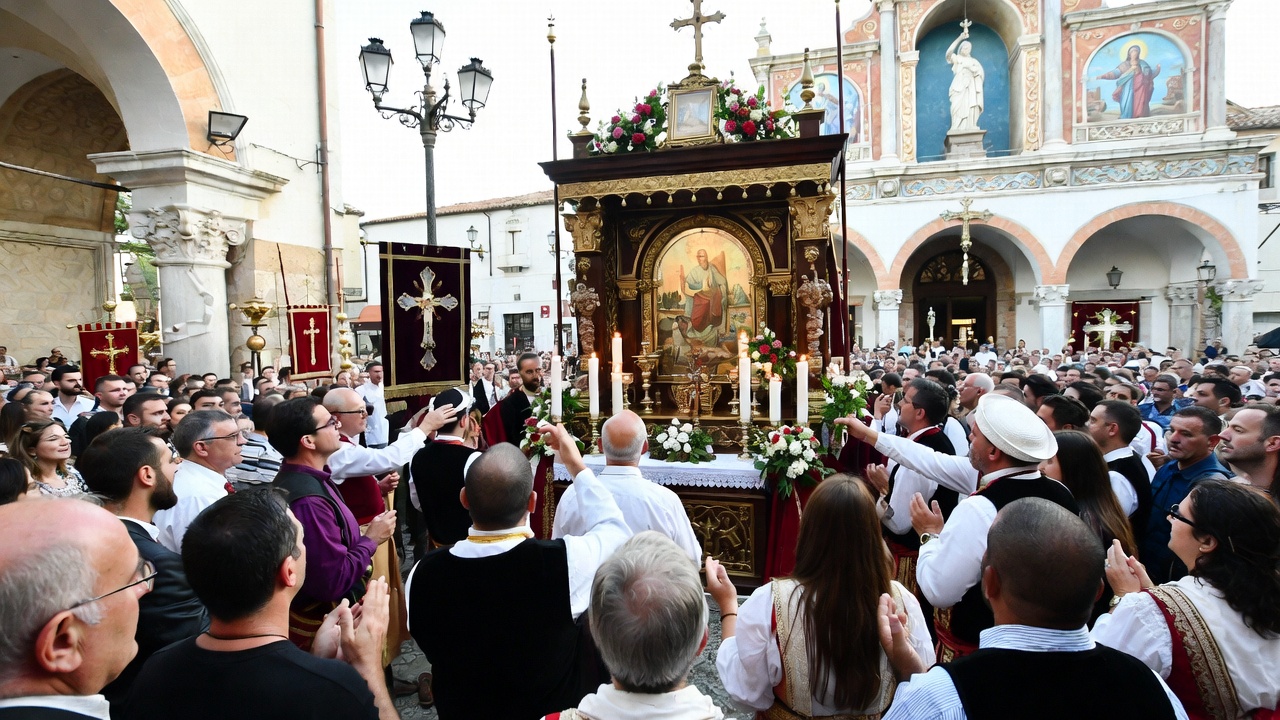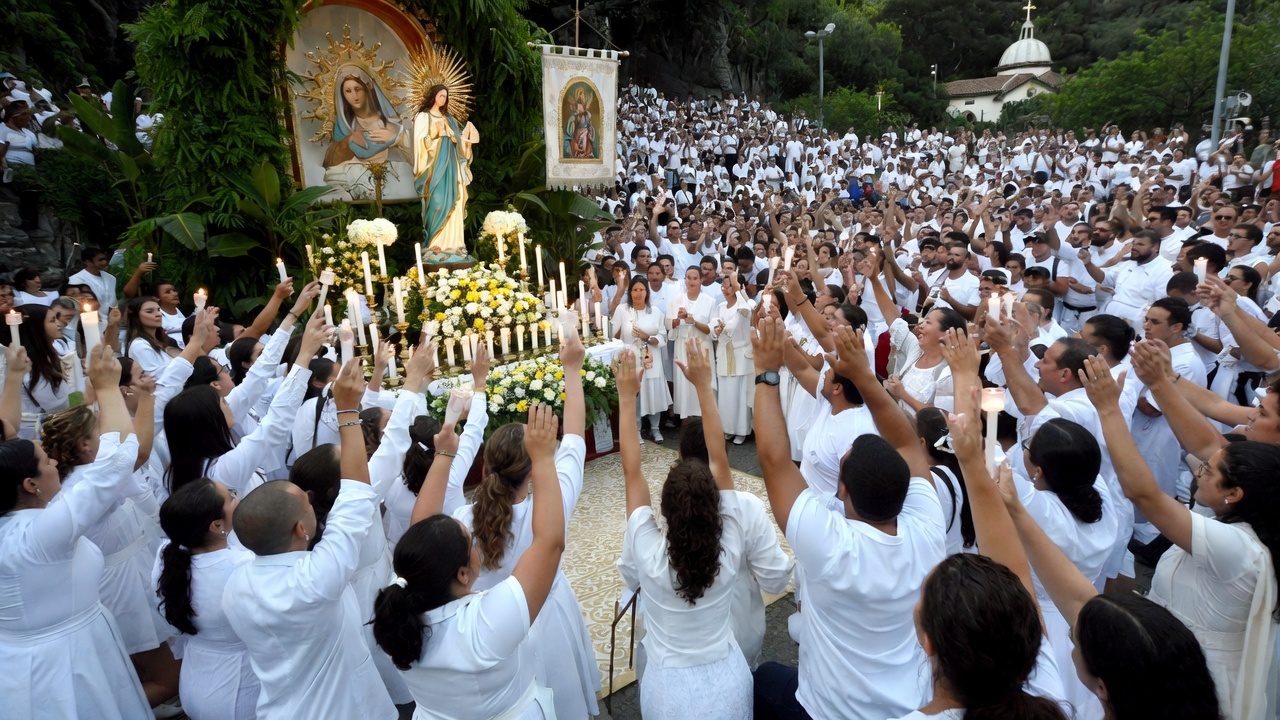
There’s a moment each year when the Christian world pauses—collectively, silently—to confront something most of us spend our days avoiding: our own mortality. That moment arrives on Ash Wednesday, when millions of faithful bow their heads to receive a smudge of ash on their foreheads, accompanied by words that echo through centuries of human experience.
Ash Wednesday 2026 falls on Wednesday, February 18th. This date marks the beginning of Lent, a 40-day journey of prayer, fasting, and reflection that culminates in the celebration of Easter Sunday on April 5, 2026.
But beyond the date lies something far richer—a tradition stretching back over a thousand years, touching every corner of the globe, and carrying profound meaning for the billions who observe it. Whether you’re a lifelong Catholic preparing for another Lenten season, a curious Protestant exploring liturgical traditions, or simply someone who’s wondered why their coworker shows up to the office with a cross on their forehead every winter, this guide will walk you through everything you need to know about Ash Wednesday.
What Is Ash Wednesday and Why Is It Important?
Ash Wednesday is the first day of Lent in the Western Christian calendar. It falls exactly 46 days before Easter Sunday, though only 40 of those days are designated for fasting (Sundays are excluded as they remain celebration days even during Lent).
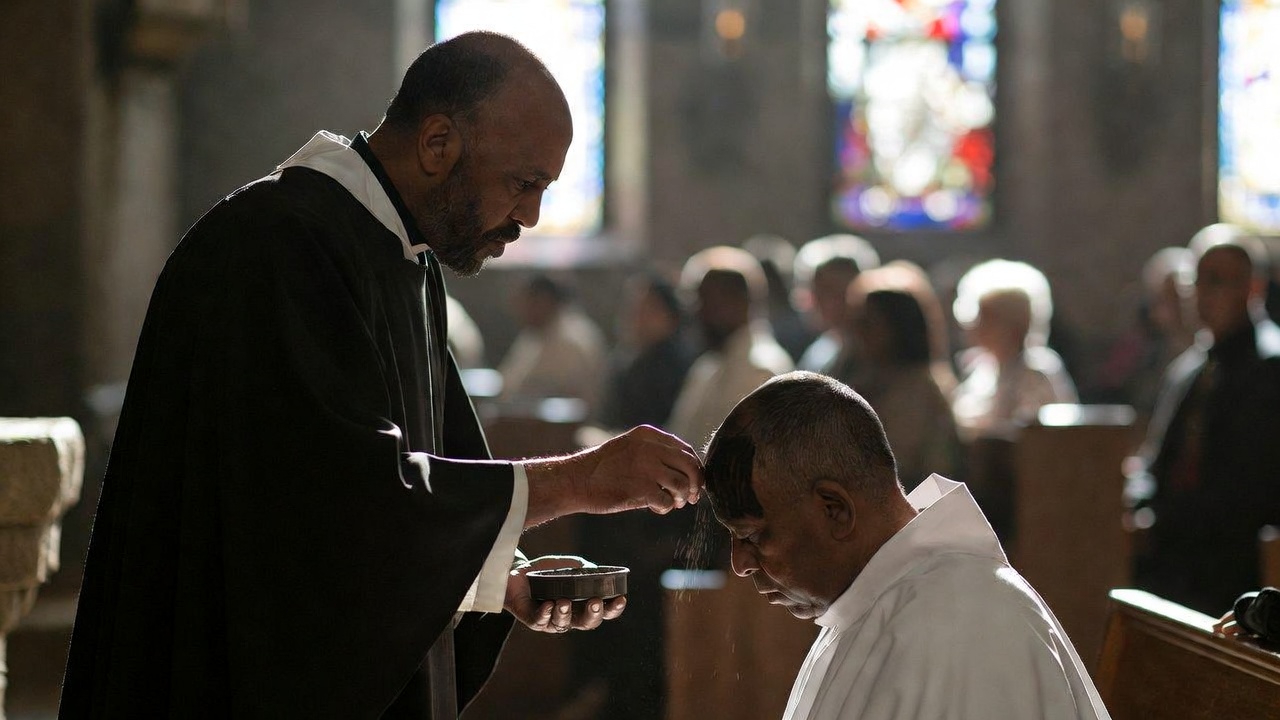
The day derives its name from an ancient practice: the imposition of ashes on the foreheads of the faithful. During special church services held throughout the day, clergy members trace the sign of the cross using ashes while speaking one of two traditional phrases:
“Remember that you are dust, and to dust you shall return.” (Genesis 3:19)
or
“Repent, and believe in the Gospel.” (Mark 1:15)
These words cut to the heart of what Ash Wednesday represents. The first reminds us of human mortality—that our earthly lives are temporary, fragile, fleeting. The second calls us to transformation, to turn away from sin and embrace the teachings of Christ.
The importance of Ash Wednesday lies in its unique ability to combine these two themes: mortality and renewal. It’s a day that asks believers to acknowledge their failings and finite nature while simultaneously pointing toward hope, redemption, and resurrection.
Key Themes of Ash Wednesday
| Theme | Meaning | Expression |
|---|---|---|
| Mortality | Recognition that human life is temporary | “Remember you are dust” |
| Repentance | Turning away from sin | Confession and penance |
| Humility | Acknowledging dependence on God | Fasting and abstinence |
| Preparation | Readying the heart for Easter | 40 days of Lenten discipline |
| Community | Shared experience of faith | Attending Mass together |
Ash Wednesday 2026 Date: When Does Lent Begin This Year?
Ash Wednesday 2026 will be observed on Wednesday, February 18, 2026.
This date falls slightly earlier in the year compared to some years, giving observers a bit more time before the arrival of spring. For those planning church attendance, family gatherings, or personal observances, here are the key dates to mark on your calendar:
Complete Lent 2026 Calendar: Important Dates to Remember
| Date | Day | Observance |
|---|---|---|
| February 17, 2026 | Tuesday | Shrove Tuesday (Mardi Gras/Fat Tuesday) |
| February 18, 2026 | Wednesday | Ash Wednesday – First day of Lent |
| February 22, 2026 | Sunday | First Sunday of Lent |
| March 29, 2026 | Sunday | Palm Sunday |
| April 2, 2026 | Thursday | Holy Thursday (Maundy Thursday) |
| April 3, 2026 | Friday | Good Friday |
| April 4, 2026 | Saturday | Holy Saturday / Easter Vigil |
| April 5, 2026 | Sunday | Easter Sunday |
The timing of Ash Wednesday changes each year because Easter is a moveable feast, calculated based on the lunar calendar. Easter falls on the first Sunday following the first full moon after the spring equinox (March 21). From there, Ash Wednesday is simply counted back 46 days.
When Can Ash Wednesday Occur? Historical Date Range
According to Britannica, Ash Wednesday can fall anywhere between February 4 and March 10, depending on when Easter occurs:
- Earliest possible date: February 4 (when Easter is March 22)
- Latest possible date: March 10 (when Easter is April 25)
Interestingly, since the introduction of the Gregorian calendar in 1582, Ash Wednesday has never fallen on February 29 (Leap Day). According to Wikipedia, this will finally happen for the first time in 2096.
The Rich History of Ash Wednesday: Origins and Development
Understanding Ash Wednesday requires tracing its roots through nearly two millennia of Christian history. The practice we observe today is the result of centuries of development, adaptation, and theological refinement.
Ancient Roots: Ashes in Biblical Times
The use of ashes as a symbol of mourning, repentance, and humility predates Christianity itself. Throughout the Hebrew Bible (Old Testament), we find numerous references to this practice:
- Job 42:6 – “Therefore, I disown what I have said, and repent in dust and ashes.”
- Jonah 3:6 – When the king of Nineveh heard Jonah’s warning, “he rose from his throne, laid aside his robe, covered himself with sackcloth, and sat in ashes.”
- Daniel 9:3 – “I turned to the Lord God, to seek help, in prayer and petition, with fasting, sackcloth, and ashes.”
- Esther 4:1 – Mordecai “tore his clothes and put on sackcloth and ashes” in mourning.
The symbolism was powerful and universally understood in the ancient Near East. Ashes represented the lowest state of human existence—the physical remains after fire consumes everything else. To cover oneself in ashes was to physically embody humility before God.
The Development of Lent: 4th-7th Centuries
The season of Lent developed gradually during the early centuries of Christianity. According to the Museum of the Bible, the First Council of Nicaea in 325 AD mentioned Lent as a period of fasting before Easter, though historians debate whether this applied to all Christians or specifically to those preparing for baptism.
By the 7th century, a significant change occurred. Originally, Lent began six weeks before Easter, providing only 36 days of fasting (excluding Sundays). To achieve the symbolic 40 days—mirroring Jesus’s time of fasting and temptation in the wilderness—four additional days were added before the first Sunday of Lent.
This extension created the Wednesday start that we observe today. According to the Office of Liturgy, ancient Medieval sacramentaries referred to this day as “caput ieunii”—the “beginning of the fast.”
The Birth of Ash Wednesday as We Know It: 6th-11th Centuries
The specific practice of imposing ashes emerged gradually:
6th Century: The Church in Spain began imposing ashes on public penitents at the beginning of Lent. These were individuals who had committed serious sins (murder, adultery, apostasy) and were undergoing a period of public penance before being reconciled to the Church on Holy Thursday.
8th-10th Century: As formal public penance declined, the practice of receiving ashes extended to all members of the congregation. The United Methodist Church notes that the imposition of ashes on the heads of Christians can be traced “at least to the 10th century.”
1091 AD: Pope Urban II issued a decree that formalized and universalized the practice. According to Homeschool Spanish Academy, he proclaimed that “on Ash Wednesday, everyone—clergy and laity, men and women—will receive ashes.”
12th Century: The rule was established that ashes must be made from burning the blessed palm branches from the previous year’s Palm Sunday celebration. This practice continues today, creating a beautiful liturgical connection between the two observances.
Ash Wednesday in the Reformation and Beyond
The Protestant Reformation of the 16th century brought changes to how different Christian communities observed Ash Wednesday:
- Reformed churches historically did not observe Ash Wednesday or Lent, following the “regulative principle of worship” that limited practices to those explicitly commanded in Scripture.
- Lutheran and Anglican churches retained Ash Wednesday observances, maintaining many Catholic traditions.
- Methodist churches experienced a revival of interest in Ash Wednesday during the 20th century. The United Methodist Church first adopted an official ritual involving ashes in 1992.
Today, according to Wikipedia, Ash Wednesday is observed by:
- Catholics (Latin Church)
- Anglicans (Episcopalians)
- Lutherans
- Moravians
- Many Methodists (including Nazarenes and Wesleyans)
- Some Baptists
- Some Presbyterian and Reformed churches
- Various other Protestant denominations
Understanding the Symbolism: What Do the Ashes Mean?
The ashes placed on foreheads during Ash Wednesday services carry multiple layers of meaning that have resonated with believers for centuries.
The Ashes Themselves: Where They Come From
The ashes used on Ash Wednesday are made by burning the palm branches distributed during the previous year’s Palm Sunday celebration. This creates a profound theological connection:
Palm Sunday commemorates Jesus’s triumphal entry into Jerusalem, when crowds waved palm branches and shouted “Hosanna!” just days before his crucifixion. By burning these palms, the Church symbolically links the joy of welcome with the sorrow of sin and the reality of death.
Some churches mix the ashes with a small amount of olive oil or holy water to help them adhere to the skin. The resulting paste is then applied by a priest, deacon, or lay minister.
The Shape: Why a Cross?
In English-speaking countries, ashes are typically applied in the shape of a cross on the forehead. This marking serves as:
- A visible sign of faith – publicly identifying the wearer as a Christian
- A connection to baptism – recalling the sign of the cross made at baptism
- A reminder of Christ’s sacrifice – pointing toward the cross on which Jesus died
However, practices vary around the world. According to Wikipedia, in Italy and many other countries, ashes are sprinkled over the head rather than traced on the forehead. When the Pope participates in Ash Wednesday observances, ashes are sprinkled on his head in keeping with this Italian tradition.
The Two Phrases: A Choice of Focus
When imposing ashes, the minister speaks one of two traditional phrases:
Option 1: “Remember that you are dust, and to dust you shall return.”
This phrase, rooted in Genesis 3:19, emphasizes mortality and humility. God speaks these words to Adam after the Fall, reminding humanity of its origin and destiny. We came from the earth, and our bodies will return to it.
This serves as a memento mori—a reminder of death intended to refocus priorities on what truly matters.
Option 2: “Repent, and believe in the Gospel.”
This phrase, from Mark 1:15, emphasizes transformation and hope. These are among Jesus’s first public words as he began his ministry. The focus here is not on death but on new life through conversion.
The Office of Liturgy notes that the second phrase was introduced following the liturgical reforms of the Second Vatican Council in the 1960s, giving ministers a choice of emphasis.
Ash Wednesday Fasting Rules: What Catholics Need to Know in 2026
One of the most common questions about Ash Wednesday concerns the rules around fasting and abstinence. For Roman Catholics, these requirements are clearly defined by the Church.
The Two Practices: Fasting vs. Abstinence
It’s important to understand that fasting and abstinence are distinct practices:
| Practice | Definition | Who Is Bound | When Required |
|---|---|---|---|
| Fasting | Limiting food intake to one full meal and two smaller meals | Catholics ages 18-59 | Ash Wednesday and Good Friday |
| Abstinence | Refraining from eating meat | Catholics age 14 and older | Ash Wednesday, Good Friday, and all Fridays during Lent |
Detailed Fasting Guidelines for Ash Wednesday 2026
According to the United States Conference of Catholic Bishops (USCCB), here are the specific rules:
Who must fast?
- Catholics from age 18 until age 59 (beginning their 60th year)
- Those in good health
What does fasting allow?
- One full meal during the day
- Two smaller meals (sometimes called “collations”) that together do not equal one full meal
- No snacking between meals
What is permitted during the fast?
- Liquids (water, coffee, tea, juice) do not break the fast
- Medicine may be taken as needed
Who is exempt?
- Those who are ill
- Pregnant or nursing mothers
- Those with physically demanding jobs requiring extra nourishment
- Anyone whose health would be endangered by fasting
Abstinence Rules for Ash Wednesday 2026
Who must abstain from meat?
- All Catholics age 14 and older
- There is no upper age limit for abstinence
What counts as “meat”?
- Meat from mammals (beef, pork, lamb)
- Poultry (chicken, turkey)
What is permitted?
- Fish and seafood
- Eggs
- Dairy products (milk, cheese, butter)
- All vegetables and plant-based foods
This is why fish fries have become such a popular tradition at Catholic parishes throughout Lent—they provide a communal meal option that respects the abstinence requirement while bringing the community together.
Fasting in Other Christian Traditions
While Catholic rules are the most detailed, other Christian denominations also encourage fasting on Ash Wednesday:
- Anglicans: The Book of Common Prayer designates Ash Wednesday as a day of fasting
- Methodists: Many observe fasting as a personal spiritual discipline
- Eastern Christians: Have even stricter fasting traditions, though they begin Lent on Clean Monday rather than Ash Wednesday
In India and Pakistan, according to Wikipedia, many Christians continue the ancient tradition of fasting until sunset on Ash Wednesday and Good Friday.
Ash Wednesday Traditions Around the World: How Different Cultures Observe
One of the beautiful aspects of Ash Wednesday is how it has been adapted and embraced by Christian communities across the globe. While the core elements remain constant, local customs add distinctive flavors to the observance.
United States: A Day of Visible Faith
In America, wearing ashes throughout the day has become a significant way for Christians to witness their faith publicly. According to TIME Magazine, this practice became widespread in the United States during the 1970s, connecting with broader movements toward embodied spirituality.
Many American churches now offer “Ashes to Go” services—opportunities for commuters to receive ashes at train stations, bus stops, and public spaces. While this practice originated in Protestant churches, it has grown increasingly popular as a way to reach people who might not attend a traditional service.
Fish fries held by Catholic parishes on Fridays during Lent have become cultural institutions in many communities, particularly in the Midwest and Northeast.
Latin America: Miércoles de Ceniza
In Latin America, where Catholicism has deep historical roots, Miércoles de Ceniza is observed with particular devotion. The day takes on special significance as it marks the dramatic transition from the exuberant celebrations of Carnival.
According to Homeschool Spanish Academy, each country in the region celebrates somewhat differently, though the core practice of receiving ashes at Mass remains universal.
Italy and the Vatican: The Pope’s Observance
In Rome, Ash Wednesday is marked by a special papal tradition. The Pope participates in a penitential procession from the Church of Saint Anselm on the Aventine Hill to the Basilica of Santa Sabina, one of Rome’s oldest churches.
Following Italian custom, ashes are sprinkled on the Pope’s head rather than traced on his forehead. The Pope then typically presides over Mass and the distribution of ashes to the faithful.
Ireland: National No Smoking Day
In an interesting secular connection, the Republic of Ireland has designated Ash Wednesday as National No Smoking Day. The date was chosen because quitting smoking aligns with the Lenten tradition of giving up luxuries, and the connection between “ash” and smoking provided a natural link.
Iceland: A Unique Children’s Tradition
Iceland has developed a distinctive Ash Wednesday custom. According to Wikipedia, children “pin small bags of ashes on the back of some unsuspecting person,” dress up in costumes, and sing songs in exchange for candy—a tradition reminiscent of Halloween in other countries.
Hungary: Blessing-Sharing Tradition
Hungarian tradition holds that if someone in the village didn’t receive ashes at church, others would “share their blessing” by rubbing their foreheads together. The Csángó people of Moldova even cover pots with ashes to bring good luck. Since dancing was traditionally forbidden on Ash Wednesday, children in Hungary developed special games to mark the day.
England: Historical Theatre Restrictions
During the Victorian era, the Church of England mandated that theatres refrain from presenting costumed shows on Ash Wednesday. Venues would instead offer alternative entertainment appropriate to the solemn day.
India: Vrat Vibhuti
In India, Ash Wednesday is known as व्रत विभूति (Vrat Vibhuti), meaning “the sacred ash of the Holy Fast.” Many Indian Christians maintain the ancient practice of fasting until sunset, reflecting both Christian tradition and cultural resonance with Hindu practices of fasting and ash (vibhuti) as sacred symbols.
What to Expect at an Ash Wednesday Church Service
Whether you’re attending an Ash Wednesday service for the first time or simply need a refresher, here’s what you can expect:
Before the Service
Arrival: Ash Wednesday Masses and services are often held throughout the day to accommodate work schedules. It’s common to find services early in the morning, at noon, and in the evening.
Dress: No special attire is required, though the solemn nature of the day typically inspires modest, respectful dress.
Preparation: Many Catholics choose to go to confession before or around Ash Wednesday to begin Lent with a clean spiritual slate.
During the Service
The Liturgy: Catholic Ash Wednesday Masses follow a specific format, including readings from the prophet Joel (calling for repentance) and Matthew’s Gospel (teaching about fasting, prayer, and almsgiving).
The Imposition of Ashes: At a designated point in the service, attendees approach the altar to receive ashes. You may bow your head or kneel, depending on local custom. The minister will trace a cross on your forehead while speaking one of the traditional phrases.
Who Can Receive Ashes? Unlike Communion, receiving ashes is not restricted to Catholics or even to Christians. According to Catholic Online, “Even non-Christians and the excommunicated are welcome to receive the ashes.”
After the Service
Keeping the Ashes: It is not required to keep the ashes on your forehead for the rest of the day—they may be wiped off after Mass. However, many people choose to wear them as a visible witness of faith throughout the day.
Fasting Continues: Remember that Ash Wednesday is a day of fasting and abstinence. Plan your meals accordingly, and consider how the rest of the day can be spent in reflection and prayer.
Ash Wednesday vs. Lent: Understanding the Relationship
While closely connected, Ash Wednesday and Lent are distinct observances with different purposes.
What Is Lent?
Lent is a 40-day season of preparation before Easter. According to the USCCB, it is “a period of preparation to celebrate the Lord’s Resurrection at Easter.”
The 40 days recall:
- Jesus’s 40 days in the wilderness, where he fasted and was tempted by Satan
- Israel’s 40 years wandering in the desert
- Moses’s 40 days on Mount Sinai
- Noah’s 40 days of rain during the flood
How Ash Wednesday and Lent Connect
| Aspect | Ash Wednesday | Lent |
|---|---|---|
| Duration | One day | 40 days (not counting Sundays) |
| Purpose | Begin the Lenten journey | Sustained spiritual preparation |
| Fasting | Required (for those of age) | Encouraged, especially on Fridays |
| Key Practice | Receiving ashes | Prayer, fasting, and almsgiving |
| Liturgical Color | Purple/Violet | Purple/Violet |
The Three Pillars of Lent
Ash Wednesday inaugurates a season built on three foundational practices:
1. Prayer Lent calls believers to deepen their relationship with God through increased prayer. This might include:
- Attending daily Mass
- Praying the Stations of the Cross (especially on Fridays)
- Lectio Divina (meditative Scripture reading)
- The Rosary
- Personal devotional time
2. Fasting Beyond the required fast days, many Christians:
- Give up a favorite food or habit (“giving something up for Lent”)
- Practice moderation in eating
- Fast from entertainment, social media, or other distractions
3. Almsgiving Lent emphasizes charity and care for the poor through:
- Financial donations to charitable causes
- Volunteering time and talents
- Acts of kindness to neighbors
- Supporting those in need
Is Ash Wednesday a Holy Day of Obligation?
This question comes up frequently, especially for Catholics trying to understand their obligations.
No, Ash Wednesday is not a Holy Day of Obligation. Catholics are not strictly required to attend Mass on this day.
However, here’s the remarkable paradox: Ash Wednesday consistently ranks as one of the most heavily attended Masses of the entire year, second only to Christmas and Easter. Something about this day resonates deeply with believers, drawing them to church even without formal obligation.
According to Catholic Answers, “It marks an earnest beginning to the Lenten season, inviting the faithful to witness to their Catholic faith, and mortality, by receiving ashes on their foreheads.”
Holy Days of Obligation in the United States (2026)
For reference, here are the actual Holy Days of Obligation:
| Holy Day | 2026 Date |
|---|---|
| Solemnity of Mary, Mother of God | January 1 |
| Ascension of the Lord | May 14 |
| Assumption of the Blessed Virgin Mary | August 15 |
| All Saints’ Day | November 1 |
| Immaculate Conception | December 8 |
| Christmas | December 25 |
Frequently Asked Questions About Ash Wednesday
Can I eat meat on Ash Wednesday?
No. Ash Wednesday is a day of abstinence from meat for all Catholics age 14 and older. You may eat fish, eggs, dairy products, and all plant-based foods.
Do I have to keep the ashes on all day?
No. Keeping the ashes on your forehead is optional. Some people wash them off after Mass; others wear them throughout the day as a witness of faith. Both choices are acceptable.
Can non-Catholics receive ashes?
Yes. Receiving ashes is not a sacrament and is open to anyone who wishes to participate, regardless of religious background.
What if I accidentally eat meat on Ash Wednesday?
According to Remitly, “If you genuinely forget and eat meat by accident, it is generally considered a mistake rather than a sin. The intent is what matters. Simply resume the fast and abstinence once you realize.”
Why don’t Orthodox Christians celebrate Ash Wednesday?
Eastern Orthodox churches begin Lent on Clean Monday, the Monday before Ash Wednesday, following a different liturgical calendar. Their Lenten traditions developed separately and do not include the imposition of ashes, which is “not part of their ancient tradition.”
Can you drink coffee or water while fasting?
Yes. Liquids do not break the fast. Water, coffee, tea, and juice are permitted on Ash Wednesday, even during fasting.
What time should I attend Ash Wednesday Mass?
Most Catholic parishes offer multiple Mass times on Ash Wednesday to accommodate various schedules. Check with your local parish for specific times—common options include early morning (6:30-7:30 AM), midday (12:00-12:30 PM), and evening (5:30-7:00 PM).
Do children receive ashes?
Yes. Children of all ages may receive ashes. The practice can be a meaningful way to introduce young people to the traditions of Lent.
Ash Wednesday Dates for Future Years
Planning ahead? Here are the Ash Wednesday dates for the next decade:
| Year | Ash Wednesday | Easter Sunday |
|---|---|---|
| 2026 | February 18 | April 5 |
| 2027 | February 10 | March 28 |
| 2028 | March 1 | April 16 |
| 2029 | February 14 | April 1 |
| 2030 | March 6 | April 21 |
| 2031 | February 26 | April 13 |
| 2032 | February 11 | March 28 |
| 2033 | March 2 | April 17 |
| 2034 | February 22 | April 9 |
| 2035 | February 7 | March 25 |
Preparing Your Heart for Ash Wednesday 2026
As February 18, 2026 approaches, consider how you might prepare spiritually for this meaningful day:
The Day Before: Shrove Tuesday (Fat Tuesday)
February 17, 2026 is Shrove Tuesday—also known as Mardi Gras or Fat Tuesday. Traditionally, this day served two purposes:
- Using up rich foods (meat, eggs, butter, sugar) before the Lenten fast
- Going to confession (being “shriven” or absolved of sins)
The word “Shrove” comes from the old English verb “to shrive,” meaning to confess and receive absolution. Many people use this day for a final “feast” before the austerity of Lent—hence the pancake breakfasts and carnival celebrations associated with the day.
Setting Lenten Intentions
Ash Wednesday is an ideal time to decide:
- What will you give up? Consider a sacrifice that will genuinely challenge you and create space for God.
- What will you add? Perhaps daily Scripture reading, weekly confession, or regular volunteer service.
- What will you give? Plan your Lenten almsgiving to make a real difference for those in need.
Finding a Service Near You
Check your local parish website or call ahead to confirm:
- Service times for Ash Wednesday
- Whether ashes will be distributed outside of Mass
- Special Lenten programs or opportunities
Many dioceses also publish guides to Ash Wednesday services in your area.
The Enduring Power of Ash Wednesday
In a world of constant distraction and endless pursuit of comfort, Ash Wednesday offers something countercultural: an invitation to stop, to remember, to confront the deepest truths of human existence.
The smudge of ash on the forehead is uncomfortable. It’s visible. It sparks questions from coworkers, strangers, children. And perhaps that’s precisely the point.
For one day each year, millions of people publicly acknowledge what society usually asks us to ignore: that we are mortal, that we fail, that we need something beyond ourselves. And in that acknowledgment, paradoxically, there is profound freedom and hope.
Ash Wednesday 2026 falls on February 18th. Whether you’re a lifelong observer or approaching this tradition for the first time, may this day mark a meaningful beginning—a turning of the heart toward renewal, reconciliation, and the resurrection hope that lies ahead.
“Remember that you are dust, and to dust you shall return.”
“Repent, and believe in the Gospel.”
Modern Observances: How Ash Wednesday Has Evolved in the 21st Century
While the core meaning of Ash Wednesday remains unchanged, contemporary Christians have developed new ways to observe this ancient tradition that speak to modern life.
Ashes to Go: Meeting People Where They Are
One of the most significant developments in recent decades has been the “Ashes to Go” movement. Beginning in the early 2000s, clergy members began offering ashes at train stations, street corners, coffee shops, and other public spaces.
The practice recognizes a reality of modern life: many people who want to observe Ash Wednesday cannot take time off work to attend a traditional church service. By bringing ashes to commuters and busy professionals, churches extend hospitality to those who might otherwise miss the observance entirely.
While some traditionalists have questioned whether receiving ashes outside of a liturgical context diminishes their meaning, proponents argue that the practice embodies the Gospel call to go out and meet people where they are.
Digital Observances and Virtual Worship
The COVID-19 pandemic accelerated trends toward online worship that continue to shape how some communities observe Ash Wednesday. Many parishes now livestream their Ash Wednesday services, allowing homebound parishioners, travelers, and those in areas without nearby churches to participate.
Some communities experimented with self-imposition of ashes during pandemic lockdowns—a practice with historical precedent but new to most modern observers. While the Church has returned to normal practices, these experiences have prompted broader conversations about accessibility and inclusion in worship.
Environmental Consciousness and Ash Wednesday
Contemporary observers have also brought environmental awareness to Ash Wednesday practices. Some communities now emphasize:
- Sustainable sourcing of palms for Palm Sunday (which become the next year’s ashes)
- Composting rather than burning other liturgical materials
- Using Lent’s themes of simplicity and sacrifice to reflect on ecological responsibility
- Incorporating creation care into Lenten commitments
This connection makes theological sense: the Genesis passage spoken on Ash Wednesday (“to dust you shall return”) reminds us of our fundamental connection to the earth.
Interfaith Awareness and Ash Wednesday
In our increasingly pluralistic society, Ash Wednesday has become an opportunity for interfaith dialogue and awareness. The visible mark of ashes often prompts questions from neighbors of other faiths or no faith, creating natural opportunities to share the meaning behind the practice.
Some observers have noted interesting parallels:
- Hindu practice of applying vibhuti (sacred ash) to the forehead
- Jewish practices of mourning involving ashes and sackcloth
- Buddhist emphasis on impermanence echoed in the “remember you are dust” phrase
These conversations, undertaken with mutual respect, can build bridges of understanding across religious traditions.
The Theological Significance of Ash Wednesday: A Deeper Exploration
Beyond the practices and rules, Ash Wednesday carries profound theological meaning that has inspired reflection for centuries.
Mortality as a Gift
Our culture works hard to avoid thinking about death. We use euphemisms, hide the elderly and dying from public view, and spend billions trying to preserve youth. Ash Wednesday cuts through this denial with uncomfortable directness: “Remember that you are dust.”
Yet Christian theology sees this reminder not as morbid but as liberating. When we acknowledge our mortality, several things happen:
- Our priorities shift. The things that seemed so important yesterday—career advancement, material possessions, petty conflicts—are revealed in their true proportions.
- Each moment becomes precious. Rather than sleepwalking through life, we’re invited to live fully present to each day.
- We recognize our dependence on God. The illusion of self-sufficiency dissolves before the reality of our creaturely existence.
- We’re freed from anxiety about death. By facing mortality honestly, its power over us diminishes.
The Paradox of the Cross
The shape of the ashes—a cross—introduces a stunning paradox at the heart of Ash Wednesday. The cross is simultaneously:
- A symbol of death (Roman execution instrument)
- A symbol of life (Christ’s victory over death)
- A mark of shame (criminal’s fate)
- A mark of glory (salvation of the world)
When we receive the cross of ashes on our foreheads, we’re participating in this paradox. We acknowledge death even as we proclaim hope. We embrace humility even as we receive a mark of dignity as children of God.
Communal and Personal Dimensions
Ash Wednesday beautifully holds together both communal and personal aspects of faith:
Communally, we participate in a practice observed by billions of Christians across centuries and continents. We stand in line with strangers who become, in that moment, brothers and sisters. We receive the same ashes, hear the same words, begin the same journey.
Personally, the ashes are placed on my forehead, speaking words to my mortality, calling me to repentance. No one can make this journey for me.
This balance reflects the broader Christian understanding that faith is both intensely personal and inherently communal—we’re saved not as isolated individuals but as members of the Body of Christ.
Preparing Children for Ash Wednesday: A Family Guide
For parents and families, Ash Wednesday offers rich opportunities to pass on faith to the next generation.
Age-Appropriate Explanations
For young children (ages 3-7):
- “Today we remember that God made us special, and we want to say thank you.”
- “The ashes make a special mark that shows we love Jesus.”
- “During Lent, we’re getting ready for a big celebration about Jesus coming back to life.”
For older children (ages 8-12):
- Explain the connection between dust/ashes and creation from Genesis
- Discuss what it means to prepare for something important (like Easter)
- Talk about fasting as a spiritual practice, perhaps starting with age-appropriate sacrifices
For teenagers:
- Engage with the deeper themes of mortality, repentance, and transformation
- Discuss how the visible mark of ashes can be a witness to friends
- Explore what meaningful Lenten commitments might look like for them
Family Practices for Ash Wednesday
Consider establishing family traditions around Ash Wednesday:
- Attend Mass or a service together as a family
- Share a simple meal that evening, reflecting the spirit of fasting
- Create a family Lenten calendar marking the days until Easter
- Decide together what the family will give up or add during Lent
- Start a family alms box where everyone contributes throughout Lent
- Plant seeds together, watching them grow during Lent as a symbol of new life
Answering Children’s Questions
Children often ask challenging questions about Ash Wednesday. Here are some common ones:
“Does the ash hurt?” No, it doesn’t hurt at all. The priest or minister gently marks your forehead.
“Why do people stare at the ashes?” Because it’s unusual to see someone with a mark on their forehead! It’s a good reminder that we’re Christians.
“Why do we have to give things up?” When we give something up, it helps us remember what’s really important. It makes space in our hearts for God.
“Will I go to hell if I forget and eat meat?” No. God knows our hearts. If we honestly forget, we can just continue with our fast. What matters is that we’re trying our best.
Spiritual Exercises for Ash Wednesday
To deepen your observance of Ash Wednesday 2026, consider these spiritual practices:
Morning Reflection
Before receiving ashes, spend time in quiet reflection:
- Read Genesis 2:4-7 (God forming humanity from dust)
- Read Genesis 3:17-19 (the consequence of sin)
- Ask: “What in my life needs to die so that new life can emerge?”
- Pray for an open heart to receive whatever God wishes to reveal during Lent
The Examination of Conscience
Ash Wednesday traditionally connects with the practice of confession. Before or after receiving ashes, examine your conscience:
- Have I loved God with my whole heart?
- Have I put other things—money, status, pleasure—before God?
- Have I loved my neighbor as myself?
- Have I failed to help those in need?
- Have I harbored resentment or refused to forgive?
- Have I been honest in my dealings with others?
- Have I taken care of my body as a temple of the Holy Spirit?
Evening Prayer
As Ash Wednesday draws to a close, offer this prayer:
Lord, today I have acknowledged that I am dust, and to dust I shall return. In this humbling truth, let me find not despair but freedom. Free me from the illusion of self-sufficiency. Free me from the tyranny of things that do not last. Free me from the fear of death. As I begin this Lenten journey, walk with me through the wilderness. Lead me to the empty tomb where death itself is swallowed up in victory. Through Christ our Lord, who lives and reigns forever. Amen.
The Connection Between Ash Wednesday and Carnival/Mardi Gras
The relationship between Ash Wednesday and the celebrations that precede it deserves special attention.
Understanding the Contrast
The dramatic contrast between Mardi Gras (Fat Tuesday) and Ash Wednesday is intentional. The Church’s liturgical calendar creates a rhythm of feast and fast, celebration and penitence.
Mardi Gras represents:
- The last day to enjoy foods forbidden during Lent
- A final burst of celebration before solemnity
- The clearing out of the pantry (using up eggs, butter, meat)
- Community gathering before individual spiritual discipline
Ash Wednesday represents:
- The beginning of restraint and discipline
- A turn from external celebration to internal reflection
- The start of a journey toward Easter
Cultural Expressions Around the World
This transition takes different forms globally:
New Orleans, USA: Famous for elaborate parades, masked balls, and street celebrations culminating on Fat Tuesday, followed by the solemn quiet of Ash Wednesday.
Rio de Janeiro, Brazil: The world’s largest Carnival celebration, featuring samba schools, elaborate floats, and massive street parties, dramatically giving way to Ash Wednesday’s penitence.
Venice, Italy: Elaborate masked Carnival traditions that date back centuries, concluding as Lent begins.
Germany: Fasching or Karneval celebrations vary by region, with Cologne, Mainz, and Düsseldorf hosting major festivities.
Trinidad and Tobago: A Caribbean Carnival known for calypso music, steel drums, and colorful costumes.
In each case, the contrast between celebration and penitence serves a spiritual purpose: by fully experiencing both, we understand each more deeply.
Common Mistakes and Misconceptions About Ash Wednesday
Let’s address some frequent misunderstandings:
Misconception: “Ash Wednesday is Catholic only”
Reality: While Ash Wednesday is most strongly associated with Catholicism, it is observed by many Protestant denominations including Episcopalians/Anglicans, Lutherans, Methodists, Presbyterians, and others.
Misconception: “You have to keep ashes on all day to ‘count'”
Reality: There is no requirement to keep ashes on your forehead. The sacramental grace (or spiritual benefit) comes from receiving the ashes and participating in the observance, not from how long you wear them.
Misconception: “Ash Wednesday fasting means no food at all”
Reality: Fasting allows one full meal and two smaller meals. It is not a complete fast from food.
Misconception: “Fish isn’t really different from meat”
Reality: The distinction is traditional and theological rather than nutritional. Historically, meat from warm-blooded land animals was considered more luxurious than fish.
Misconception: “Children don’t participate in Ash Wednesday”
Reality: Children of all ages may receive ashes. Fasting obligations begin at age 18, and abstinence obligations at age 14.
Misconception: “If you can’t get to church, you can’t observe Ash Wednesday”
Reality: While receiving ashes at church is the norm, the essence of Ash Wednesday—repentance, prayer, fasting—can be observed anywhere.