Every year in early February, Mexico slows down to honor the document that shaped its modern identity. Constitution Day, known locally as Día de la Constitución, is far more than a line on the calendar. It is a living tribute to the blood, ideals, and compromises that ended a revolution and built a nation.
If you are planning to visit Mexico in February 2026, or if you simply want to understand one of the country’s most important civic holidays, this guide covers everything you need to know. From the exact dates and Monday observance rules to the best long weekend travel tips, this article walks you through the history, customs, closures, and celebrations that define Constitution Day in Mexico.
And here is a detail that makes 2026 especially interesting: the observed holiday falls on the same day as Día de la Candelaria, a beloved tradition involving tamales, baby Jesus figurines, and centuries of cultural heritage. That overlap makes February 2, 2026, one of the richest days on Mexico’s cultural calendar.
Let’s dig in.
What Is Constitution Day in Mexico and Why Is It Celebrated?
Constitution Day, or Día de la Constitución, commemorates the promulgation of the Political Constitution of the United Mexican States (Constitución Política de los Estados Unidos Mexicanos). This landmark document was approved on February 5, 1917, in the city of Santiago de Querétaro in central Mexico.
The constitution did not appear out of nowhere. It was born from the Mexican Revolution, a fierce armed struggle that began in 1910 to overthrow the decades-long dictatorship of Porfirio Díaz. Díaz had ruled Mexico for over 31 years. He favored wealthy foreign landowners and industrialists while ordinary Mexicans endured poverty, inequality, and political repression.
When opposition leader Francisco Madero challenged Díaz during the 1910 elections, Díaz had him imprisoned and declared himself president again. The result was an eruption of armed resistance across the country. Figures like Emiliano Zapata, Pancho Villa, and Venustiano Carranza rose to lead different factions of the revolution. After years of fighting, assassinations, and political upheaval, Carranza eventually emerged as a unifying leader.
In December 1916, Carranza convened a Constitutional Congress in the city of Querétaro. Delegates from across Mexico — lawyers, professors, journalists, and revolutionary leaders — gathered to draft a new supreme law. Their goal was to replace the outdated 1857 Constitution and enshrine the ideals of the revolution into a binding national framework.
On February 5, 1917, the new constitution was formally promulgated. It was a revolutionary document in every sense of the word.
Why the 1917 Constitution Matters on a Global Scale
The Mexican Constitution of 1917 was the first national constitution in the world to include broad social rights. It did not just guarantee freedom of speech, religion, and legal due process — rights familiar to any student of the U.S. Constitution. It went further. Much further.
Here are its three most groundbreaking articles:
| Article | Subject | Key Provision |
|---|---|---|
| Article 3 | Education | Established the right to free, secular, public education for all citizens |
| Article 27 | Land Reform | Declared that original ownership of lands and waters belongs to the Nation, enabling redistribution of land from wealthy estates to peasant farmers |
| Article 123 | Labor Rights | Introduced the eight-hour workday, the right to strike, minimum wage protections, and safeguards for women and children in the workforce |
These provisions were extraordinarily progressive for their time. The Mexican constitution predated — and directly influenced — both the Russian Constitution of 1918 and the Weimar Constitution of 1919 in Germany. As Office Holidays notes, the government described in the Mexican Constitution is “an activist state, dedicated to bringing about social justice among its citizens.”
More than a century later, the 1917 Constitution remains the governing legal framework of Mexico. It has been amended hundreds of times, but its core principles of social justice, land reform, and workers’ rights continue to anchor the nation’s identity.
When Is Constitution Day Observed in Mexico in 2026?
This is where things get interesting — and where many travelers get confused.
The historical anniversary of the Mexican Constitution is always February 5. In 2026, that date falls on a Thursday. However, the official public holiday is not observed on February 5. Instead, it is observed on Monday, February 2, 2026.
Here is a quick reference:
| Detail | Date in 2026 |
|---|---|
| Official holiday (day off) | Monday, February 2, 2026 |
| Historical anniversary | Thursday, February 5, 2026 |
| Long weekend (puente) | Saturday, January 31 – Monday, February 2 |
The reason for this split between the historical date and the observed holiday is a deliberate reform in Mexican labor law. Understanding this reform is essential for anyone planning travel or business around this date.
Why Is Constitution Day on a Monday? Mexico’s Long Weekend Holiday Reform Explained
Until 2006, Constitution Day was celebrated on February 5 every year, regardless of which day of the week it fell on. If February 5 landed on a Wednesday, that was the holiday. Simple, but not always practical.
In 2005, the Mexican government approved amendments to Article 74 of the Federal Labor Law (Ley Federal del Trabajo). These changes took effect in 2006 and shifted three national holidays to fixed days of the week, creating guaranteed long weekends. The three holidays affected were:
- Constitution Day — moved to the first Monday in February
- Benito Juárez’s Birthday — moved to the third Monday in March
- Revolution Day — moved to the third Monday in November
Other major holidays, such as Independence Day (September 16) and Labor Day (May 1), were considered too historically significant to move.
The goal of this reform was twofold. First, it guaranteed workers at least three long weekends per year, even if the original dates fell on weekends or mid-week. Second, it was designed to stimulate domestic tourism. According to Mexico’s Ministry of Tourism data cited by Hire South, long-weekend holiday periods can boost domestic travel activity by up to 25 percent during peak years.
These extended breaks are known in Mexican culture as puentes — literally, “bridges.” The term originally referred to the informal practice of taking an extra day off to “bridge” a mid-week holiday to the nearest weekend. After the 2006 reform made three-day weekends official, Mexicans simply began calling the long weekends themselves puentes.
As Mexperience explains, the reform has been a boon for colonial towns and beach destinations within easy reach of major cities. Hotels fill up, Airbnb hosts see a boost, and highways out of Mexico City become congested as families escape for a few days of fresh air and relaxation.
However, the reform has also drawn occasional criticism. Some argue that disconnecting holidays from their actual historical dates dilutes their civic meaning. When February 5 falls on a Thursday but the day off is the preceding Monday, the symbolic power of the anniversary itself can feel diminished. Still, for most Mexicans, the puente has become a welcome and deeply established part of the annual rhythm.
Constitution Day 2026 Long Weekend Calendar: Plan Your Puente
For 2026, the Constitution Day puente creates a three-day weekend from Saturday, January 31 through Monday, February 2. Here is how the week looks:
| Day | Date | Status |
|---|---|---|
| Saturday | January 31 | Regular weekend |
| Sunday | February 1 | Regular weekend |
| Monday | February 2 | Federal holiday — Constitution Day |
| Tuesday | February 3 | Regular workday |
| Wednesday | February 4 | Regular workday |
| Thursday | February 5 | Historical anniversary (not a day off) |
| Friday | February 6 | Regular workday |
Some workers may try to extend the break by taking Tuesday, February 3 off as a personal vacation day, creating a four-day weekend. If you are traveling, this means airports and bus stations can be busy starting Friday, January 30, with a return rush on Tuesday evening, February 3.
Pro tip: If you want to experience the actual historical commemorations — speeches, official ceremonies, and cultural events — keep your eye on February 5 as well. In the city of Querétaro, celebrations often extend across the entire week surrounding the anniversary.
What Is Closed on Constitution Day in Mexico? Banks, Schools, and Government Offices
Constitution Day is one of Mexico’s seven statutory federal holidays (días de descanso obligatorio). This means it carries real legal weight. Here is what to expect on Monday, February 2, 2026:
Closed:
- Banks and financial institutions — Most branches will be shut. ATMs remain operational.
- Government offices — Federal, state, and municipal offices close. This includes immigration centers and consulates.
- Schools — Public and private schools, as well as universities, suspend classes.
- Corporate offices — Most non-retail businesses give employees the day off.
Open (with possible reduced hours):
- Retail stores and shopping malls — Most remain open, often with adjusted hours.
- Restaurants and cafés — Open, especially in tourist areas. Expect them to be busier than usual.
- Tourist attractions — Major archaeological sites, theme parks, and outdoor destinations generally stay open.
Important caveat about museums: Many museums in Mexico close on Mondays as their regular weekly rest day. Since Constitution Day always falls on a Monday, this means most public museums will be closed. Plan museum visits for another day during your trip.
For cross-border travelers: If you are crossing the Mexico-U.S. border, expect reduced services at customs checkpoints. As Buckland Customs advised for 2026, many border crossings operate on overtime-only service during the holiday. Overtime requests must be submitted days in advance.
What About Workers Who Must Work on Constitution Day?
Mexican labor law is clear on this point. If an employer requires an employee to work on a statutory holiday, the employee is entitled to triple their daily wage — their regular pay for the holiday plus two additional daily salary rates. This rule applies to all workers employed under formal contracts.
February 2 in Mexico: When Constitution Day Meets Día de la Candelaria
Here is what makes February 2, 2026 uniquely special. The observed Constitution Day holiday falls on the same date as Día de la Candelaria (Candlemas Day), one of Mexico’s most beloved cultural and religious traditions.
Día de la Candelaria is celebrated every year on February 2. It is not a public holiday — banks and offices do not close for it — but it is deeply woven into the fabric of Mexican family life. In 2026, the fact that it coincides with the Constitution Day puente means families will have an entire long weekend to celebrate both occasions.
The Rosca de Reyes Connection: Why February 2 Means Tamales
To understand Día de la Candelaria, you have to go back to January 6 — Día de Reyes (Three Kings Day). On that evening, families share a Rosca de Reyes, a ring-shaped sweet bread with hidden figurines of baby Jesus baked inside.
Here is the tradition: if you find a baby Jesus figurine in your slice of rosca, you take on two responsibilities. First, you become the godparent (padrino or madrina) of the baby Jesus figure for the year. Second, and more deliciously, you are obligated to host a tamales feast on February 2.
This means that every February 2, homes and offices across Mexico fill with the aroma of steaming tamales — wrapped bundles of corn masa stuffed with meats, chilies, cheese, fruits, or sweet fillings. Alongside the tamales, families serve atole, a warm, thick corn-based drink flavored with cinnamon, vanilla, chocolate, or fruit.
The Pre-Hispanic Roots of the Tamales Tradition
The tamales tradition is not just Catholic. It has deep pre-Hispanic roots. February 2 falls near the beginning of the traditional planting season in the Mesoamerican agricultural calendar. Indigenous peoples performed rituals at this time of year to honor Tláloc (the rain god), Chalchiuhtlicue (the water goddess), and Quetzalcóatl, offering corn-based foods to ensure a good harvest.
Corn — maíz — occupies a sacred place in Mesoamerican culture. According to the Popol Vuh, the creation text of the Maya, the gods fashioned human beings from corn itself. So when Mexicans share tamales on February 2, they are participating in a tradition that stretches back thousands of years, long before the arrival of Christianity.
The Spanish colonial era blended these indigenous corn rituals with the Catholic feast of Candlemas, creating the unique fusion that defines Día de la Candelaria today.
The Niño Dios Tradition
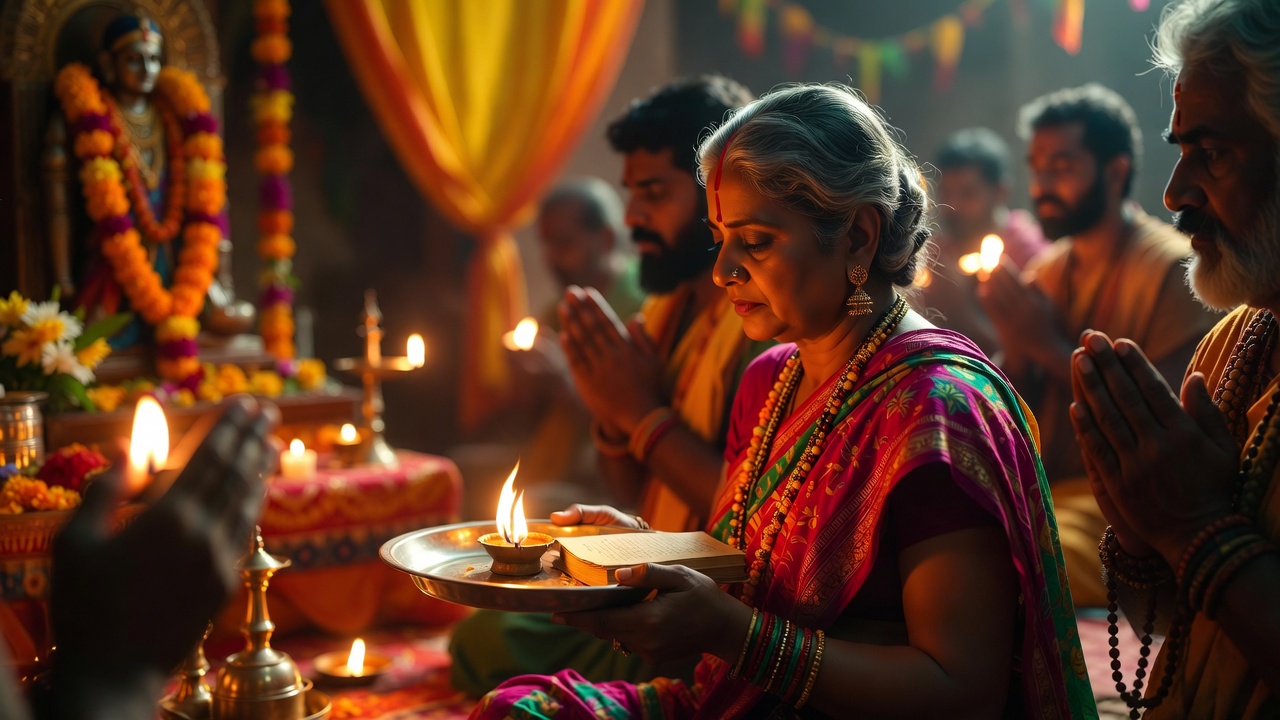
On Candelaria, devout families also dress their baby Jesus figurines in elaborate outfits — tiny suits representing saints, professions, or traditional garments — and take them to church to be blessed by a priest. After the church service, families return home to share their tamales feast. It is a day of faith, food, and togetherness.
In 2026, with the Constitution Day puente providing a long weekend, expect the Candelaria celebrations to be especially lively. Families who might normally squeeze tamales into a busy Monday workday will instead have the freedom to gather, cook, and celebrate at a leisurely pace.
How Is Constitution Day Celebrated Across Mexico?
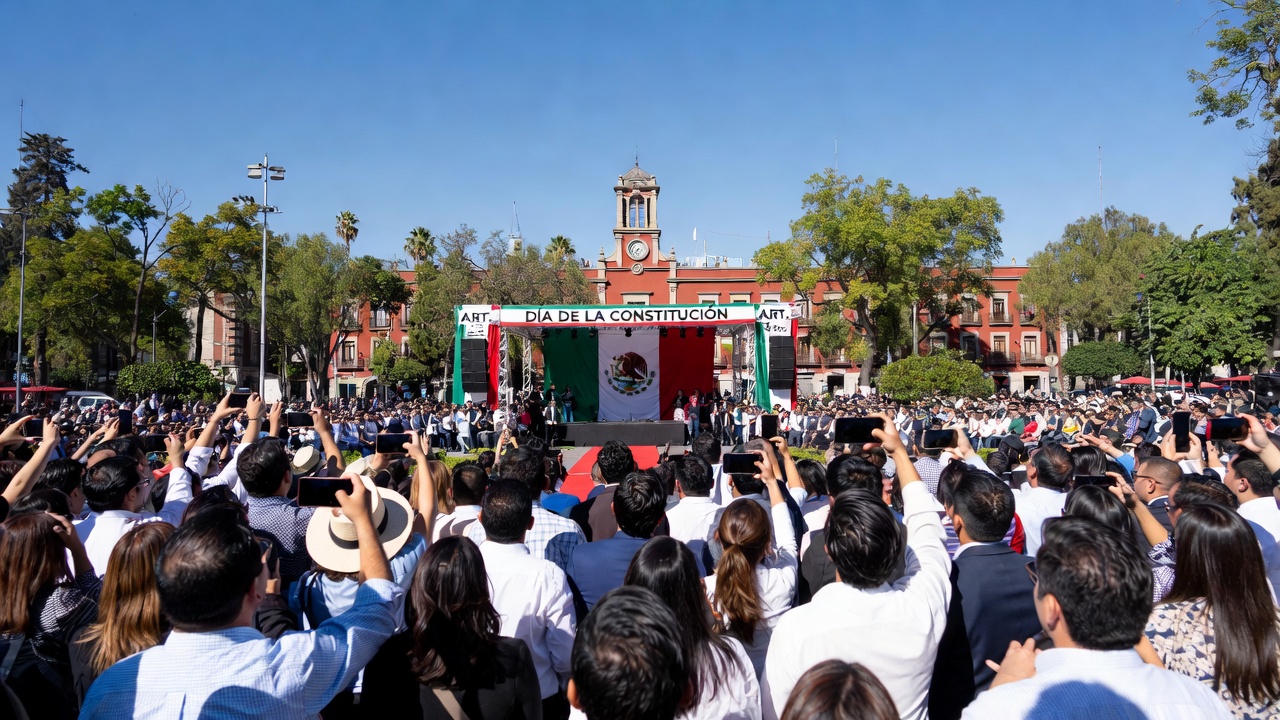
Constitution Day is not celebrated with the explosive energy of Independence Day or Día de los Muertos. There are no fireworks, no face paint, no towering altars. Instead, the celebrations are more measured — civic, communal, and family-oriented.
Official Ceremonies and Presidential Events
The President of Mexico typically leads a formal ceremony, often at the National Palace in Mexico City or in Querétaro, where the constitution was signed. These events feature speeches about the rule of law, democracy, and the importance of civic participation.
Government officials at the state and municipal level hold their own commemorative events. These are often broadcast on national television and covered extensively in the press.
Parades and Community Events
Many cities and towns across Mexico hold parades on or around Constitution Day. These are not the grand military processions of September 16. Instead, they are more modest, featuring:
- Schoolchildren marching in uniform
- Local marching bands playing patriotic music
- Civic organizations carrying banners and flags
- Occasional floats decorated in the national colors of green, white, and red
The atmosphere at these parades is warm and familial. Vendors sell street food — elotes (grilled corn), esquites (corn cups), churros, and, in 2026, plenty of tamales for Candelaria.
Querétaro: The Birthplace of the Constitution
If there is one city that takes Constitution Day seriously, it is Querétaro. As the place where the Constitutional Congress met and the 1917 Constitution was signed, Querétaro holds a special pride of place in this national story.
The city hosts cultural events, concerts, and theatrical reenactments of the constitutional signing throughout the week surrounding February 5. The Teatro de la República, the actual theater where the constitution was debated and approved, is a focal point for many of these events. Visiting Querétaro during this period offers a rare chance to walk the same halls where Mexico’s modern legal framework was forged.
How Most Mexicans Actually Spend the Day
For the average Mexican family, Constitution Day is, above all, a welcome day of rest. The puente creates a three-day weekend, and millions of people use it to:
- Travel to beach destinations like Cancún, Puerto Vallarta, Los Cabos, and Huatulco
- Visit Pueblos Mágicos — Mexico’s network of officially designated “Magic Towns” known for their cultural heritage, natural beauty, and traditional architecture
- Gather with family for tamales and atole (thanks to Candelaria falling on the same day)
- Explore colonial towns like San Miguel de Allende, Guanajuato, Oaxaca, and Taxco
- Simply rest at home, enjoying a rare Monday off
Best Destinations for the Constitution Day Long Weekend in Mexico 2026
The Constitution Day puente is one of the first major domestic travel windows of the year in Mexico. While it is not as crowded as Semana Santa (Holy Week) or the summer holidays, popular destinations still see a noticeable surge in visitors. Here are some top picks for 2026.
Beach Getaways
| Destination | Why Go | Travel Time from Mexico City |
|---|---|---|
| Cancún & Riviera Maya | Turquoise Caribbean waters, Mayan ruins, cenotes | ~2.5 hours by air |
| Puerto Vallarta | Pacific coast charm, whale watching season in February | ~1.5 hours by air |
| Los Cabos | Desert-meets-ocean scenery, world-class resorts | ~2.5 hours by air |
| Huatulco | Quieter Oaxacan coast, nine bays to explore | ~1.5 hours by air |
February is an excellent time for beach travel in Mexico. The dry season is in full swing along both coasts. Temperatures are warm but not sweltering. And the whale watching season is at its peak along the Pacific coast, particularly near Puerto Vallarta and Los Cabos.
Colonial Towns and Pueblos Mágicos
If you prefer cobblestone streets over sandy beaches, Mexico’s colonial heartland is calling. Some standout options:
- San Miguel de Allende — Widely regarded as one of the most beautiful small cities in the Americas. Art galleries, fine dining, hot springs, and stunning architecture. TravelPulse’s 2026 Mexico guide highlights several new hotel openings in the area, including the Pueblo Bonito Vantage San Miguel de Allende.
- Guanajuato — A colorful university city built into a ravine, famous for its underground streets and annual Cervantino festival.
- Querétaro — The constitution’s birthplace. Visit the Teatro de la República, explore the historic center (a UNESCO World Heritage Site), and enjoy the city’s thriving food scene.
- Oaxaca — A foodie paradise with mezcal, mole, tlayudas, and chocolate. The surrounding Zapotec archaeological sites at Monte Albán and Mitla are spectacular.
- Taxco — A silver-mining town built on a hillside, known for its jewelry shops and baroque Santa Prisca church.
Nature and Adventure
February also offers some unique nature experiences:
- Monarch Butterfly Sanctuaries — Located in the mountains west of Mexico City, in the states of Michoacán and Estado de México. Mid-January through late February is the peak viewing season, when the butterflies are most active and visible. Mexperience’s February 2026 newsletter recommends booking a guided tour for the best experience.
- Cenotes of the Yucatán — These natural sinkholes filled with crystal-clear water are perfect for swimming, snorkeling, and diving. February’s dry weather makes access easy.
- Copper Canyon (Barranca del Cobre) — In Chihuahua state, this canyon system is larger and deeper than the Grand Canyon. The El Chepe train ride through the canyons is one of Mexico’s most iconic travel experiences.
Practical Travel Tips for Constitution Day Weekend in Mexico 2026
Planning a trip around the puente? Here is how to make the most of it without getting caught off guard.
Book Accommodations and Transportation Early
Long weekends in Mexico drive a surge in domestic tourism. According to government projections cited by Hire South, the first puente of 2025 (which was also for Constitution Day) generated roughly US $2.45 billion in tourism-related spending, with about 1.5 million tourists staying in hotels — a 5.2% increase over the previous year.
Expect similar or higher numbers in 2026. This means:
- Flights to popular destinations fill up fast. Book at least two to three weeks in advance.
- Bus tickets on major routes (Mexico City to Oaxaca, Guadalajara to Puerto Vallarta, etc.) sell out quickly. Buy through ADO, ETN, or Primera Plus early.
- Hotels and Airbnbs in top destinations raise prices and reach capacity. The sooner you book, the better your options and rates.
Watch Out for Highway Traffic
If you are driving, brace yourself. Highways leaving Mexico City become congested starting Friday afternoon before the long weekend. The return traffic on Monday evening and Tuesday morning can be equally heavy. The toll roads (autopistas) toward Cuernavaca, Querétaro, Puebla, and Toluca are particularly busy.
Tips for road travel:
- Depart early — before 7 a.m. if possible — to beat the worst of the traffic.
- Use the Waze or Google Maps apps for real-time traffic updates.
- Carry cash for tolls (many toll booths accept cards, but not all).
- Drive carefully and patiently. Mexican highways during puentes require extra caution.
Prepare for Closures
On Monday, February 2, expect the following to be closed:
- Banks (ATMs still work)
- Government offices (including immigration)
- Schools and universities
- Most corporate offices
- Most museums (Monday is the standard weekly closing day for museums in Mexico)
Pharmacies, convenience stores (like OXXO), and supermarkets generally remain open.
Bring Cash
While credit and debit cards are widely accepted in tourist areas, it is always wise to carry Mexican pesos. Smaller vendors, street food stalls, market shops, and rural businesses often operate on a cash-only basis. ATMs are available even on the holiday, but lines may be longer than usual.
Stay Connected
If you are a foreign visitor, consider getting a Mexican SIM card or an eSIM for your phone. Reliable mobile data makes navigating, translating, and finding last-minute information much easier — especially when businesses may have irregular holiday hours.
Note for 2026: Mexico has introduced new rules requiring all Mexican cellphone numbers to be registered with verified user information by June 30, 2026. This primarily affects residents with existing prepaid plans, but tourists buying local SIMs should be aware that the process may involve identity verification.
Respect the Holiday’s Civic Meaning
Constitution Day may feel like “just a long weekend” to many visitors, but it carries genuine civic weight. If you find yourself at a parade, a ceremony, or a public gathering, participate with respect. Ask questions. Listen to the speeches, even if your Spanish is limited. The history behind this holiday — revolution, sacrifice, and the birth of a progressive legal framework — is worth understanding.
Constitution Day and Mexican Labor Law: What Workers Need to Know
If you are working in Mexico, whether as a local employee or a foreign professional, understanding the labor law implications of Constitution Day is important.
Your Rights Under Article 74 of the Federal Labor Law
Constitution Day is listed as a mandatory rest day (día de descanso obligatorio) under Article 74 of the Ley Federal del Trabajo. This means:
- All employees are entitled to a paid day off on Monday, February 2, 2026.
- If your employer requires you to work, you must receive triple pay: your regular daily wage plus two additional daily salary rates.
- This applies to all formally employed workers, regardless of industry.
As the legal analysis by Cacheaux, Cavazos & Newton explains, the mandatory rest day is the Monday, not February 5. Employers cannot choose to observe the original historical date instead of the legally mandated Monday.
Employers: Avoid Common Compliance Mistakes
For companies operating in Mexico — especially those managed from abroad — there are a few pitfalls to watch:
- Do not schedule the holiday on February 5. The legal rest day is Monday, February 2 in 2026. Only the legally listed day counts for labor purposes.
- Pay attention to payroll. If employees work on the holiday without receiving triple pay, the company risks penalties during labor inspections.
- Communicate clearly. Some employees, especially in multinational companies, may be confused about whether the holiday is on the historical date or the observed Monday. Send reminders in advance.
A Brief Timeline: The Road from Revolution to Constitution
For history enthusiasts, here is a condensed timeline of the events that led to the 1917 Constitution:
| Year | Event |
|---|---|
| 1876–1911 | Porfirio Díaz rules Mexico as a dictator for over three decades |
| 1910 | Francisco Madero challenges Díaz; the Mexican Revolution begins |
| 1911 | Díaz resigns following the Treaty of Ciudad Juárez; Madero becomes president |
| 1913 | Madero is overthrown and assassinated; Victoriano Huerta seizes power |
| 1913–1914 | Pancho Villa, Emiliano Zapata, and Venustiano Carranza lead revolutionary forces against Huerta |
| 1914 | Huerta is defeated; factions of the revolution begin fighting each other |
| 1916 | Carranza convenes a Constitutional Congress in Querétaro |
| February 5, 1917 | The new constitution is promulgated; Carranza serves as president |
| 1931 | Constitution Day becomes a mandatory national holiday under federal labor law |
| 2006 | The observance is shifted to the first Monday of February under labor law reform |
The revolution claimed hundreds of thousands of lives and reshaped every aspect of Mexican society. The constitution that emerged from it was not a gift from above — it was a hard-won document, forged in the fires of conflict and compromise.
Constitution Day Dates for Future Years: When Is the Next Puente?
Planning ahead? Here are the dates for Constitution Day observance over the next several years:
| Year | Observed Holiday (First Monday of February) |
|---|---|
| 2026 | Monday, February 2 |
| 2027 | Monday, February 1 |
| 2028 | Monday, February 7 |
| 2029 | Monday, February 5 (falls on the historical date!) |
| 2030 | Monday, February 4 |
Note that in 2029, the first Monday of February happens to be February 5 itself. That will be a rare alignment of the observed holiday and the historical anniversary — a good year for extra civic pride.
Frequently Asked Questions About Constitution Day in Mexico
Is Constitution Day the same as Independence Day in Mexico?
No. These are two entirely different holidays. Independence Day (Día de la Independencia) is celebrated on September 16 and marks the start of Mexico’s war against Spanish colonial rule in 1810. Constitution Day celebrates the 1917 Constitution, which was created over a century later as a result of the Mexican Revolution.
Can you buy alcohol on Constitution Day in Mexico?
Generally, yes. Unlike election days, when “Dry Law” (Ley Seca) restrictions often prohibit alcohol sales, Constitution Day does not typically involve alcohol restrictions. However, local municipalities always have the authority to impose their own rules. It is rare, but not impossible, to encounter a dry town during the holiday.
Are tourist attractions open on Constitution Day?
Most major tourist attractions — archaeological sites, beaches, theme parks, and outdoor destinations — remain open. However, museums in Mexico typically close on Mondays, so most public museums will be closed on Constitution Day since it always falls on a Monday. Plan museum visits for another day.
Is Constitution Day a good time to visit Mexico?
Absolutely. February offers warm, dry weather across most of the country. The puente creates a festive atmosphere. Beach destinations, colonial towns, and nature areas are all accessible and enjoyable. Just be prepared for slightly higher prices and busier conditions at popular destinations, and book ahead.
What food is traditional on Constitution Day?
Constitution Day itself does not have a specific traditional food. However, because February 2 is also Día de la Candelaria, the food of the day in 2026 is unquestionably tamales and atole. Expect to find tamales everywhere — sold by street vendors, served in restaurants, and made at home by families fulfilling their Rosca de Reyes obligations.
What Makes the 2026 Constitution Day Puente Unique?
Every year, the Constitution Day puente offers a pleasant long weekend. But 2026 stands out for a few reasons.
First, the overlap with Día de la Candelaria on February 2 creates a cultural double feature. Families will use the day off to both honor the constitution and fulfill the Candelaria tamales tradition. Streets will be filled with the scent of steaming corn husks. Churches will be packed with families bringing their dressed Niño Dios figurines for blessings. And office WhatsApp groups across the country will be buzzing about who owes the tamales this year.
Second, the 2026 FIFA World Cup is coming to Mexico later in the year (with matches scheduled for Mexico City, Guadalajara, and Monterrey). The early-year puente offers a chance for travelers to scout destinations and get a preview of what promises to be an extraordinary year for Mexican tourism and culture.
Third, the Monarch Butterfly season is at its peak in early February 2026. The butterflies overwinter in the Oyamel fir forests of Michoacán and Estado de México, and mid-January through late February is the best time to see them. Combining a butterfly excursion with the Constitution Day weekend is a memorable way to experience Mexico’s natural heritage.
Final Thoughts: Celebrating the Foundation of Modern Mexico
Constitution Day in Mexico is not a holiday defined by spectacle. There are no fireworks lighting up the Zócalo. There is no equivalent of the Grito de Dolores echoing through the night. Instead, the day carries a quieter kind of significance — the kind that lives in the architecture of daily life.
Every time a Mexican worker clocks out after an eight-hour shift, that is Article 123 at work. Every time a child walks into a free public school, that is Article 3. Every time a farmer works land that was once part of a vast private estate, that is Article 27. The 1917 Constitution is not a dusty relic. It is the living framework that shapes rights, protections, and possibilities for over 130 million people.
If you find yourself in Mexico on Monday, February 2, 2026, take a moment to appreciate the layers of meaning beneath the surface. Watch a local parade. Eat a tamal. Visit the Zócalo or the main plaza of whatever town you are in. Talk to the people around you about what the day means to them.
You might be surprised by the pride — quiet, steady, and real — that Mexicans feel for the document that helped build their nation.
¡Feliz Día de la Constitución!