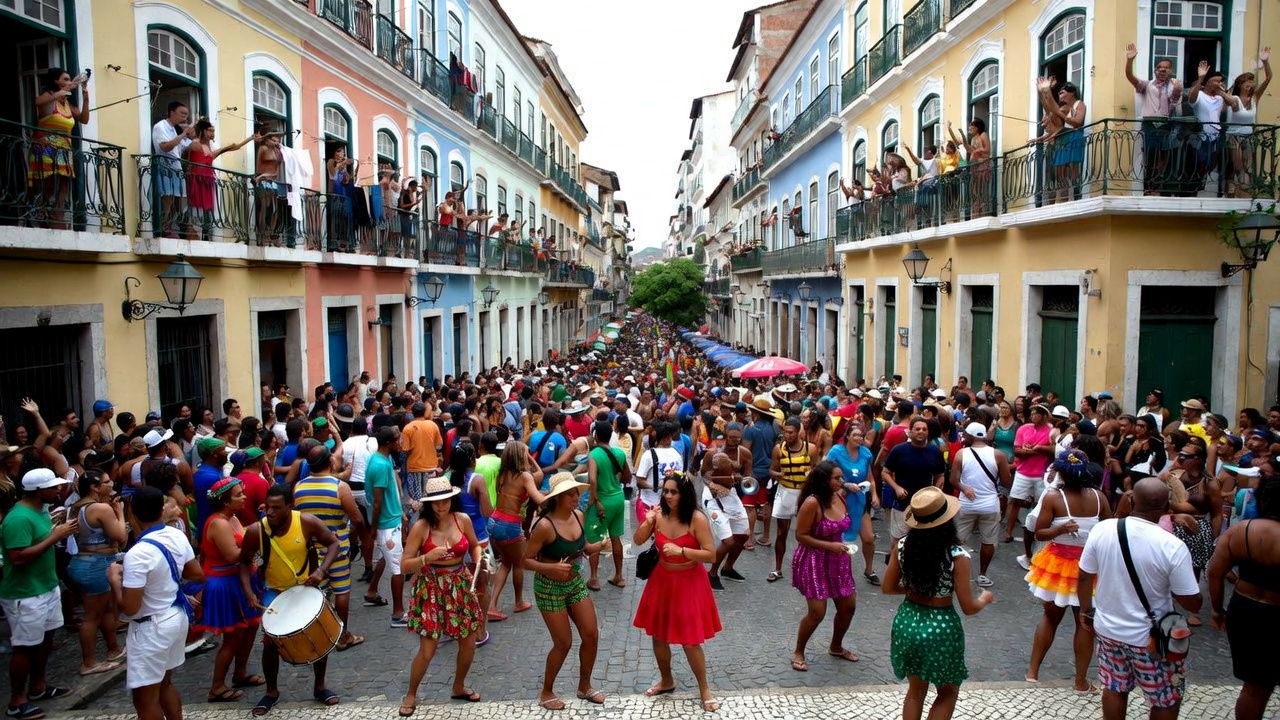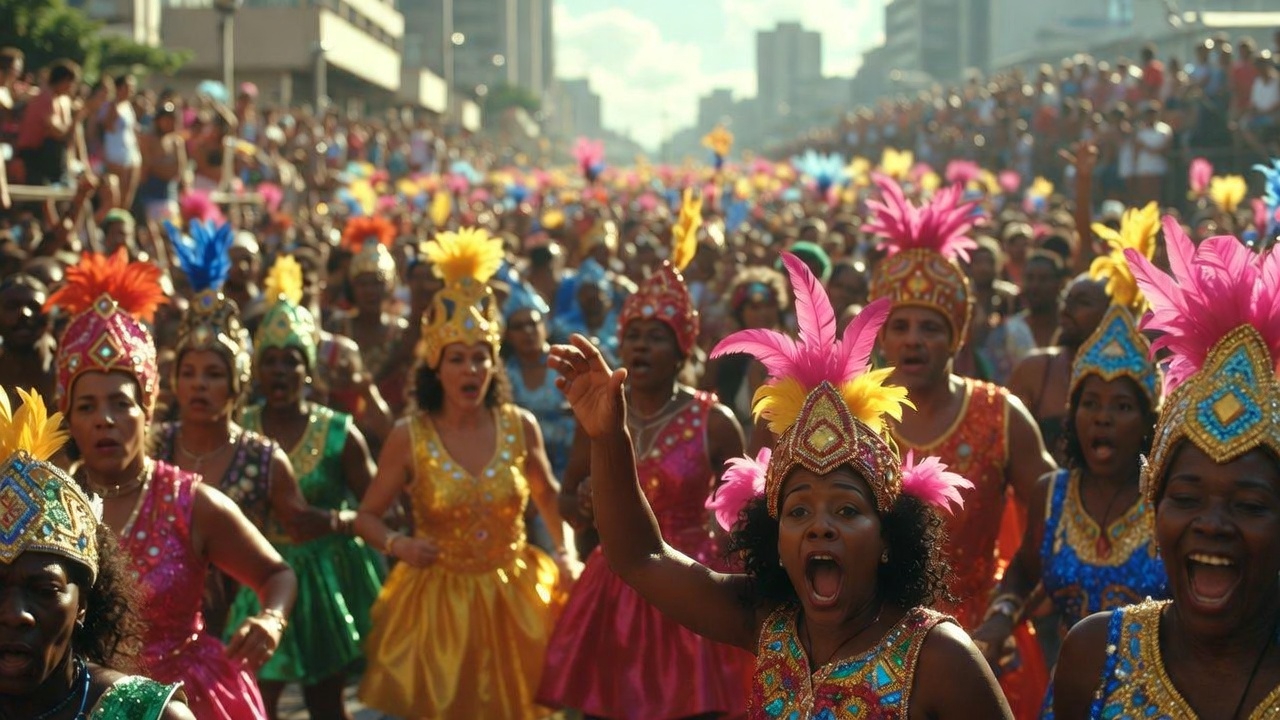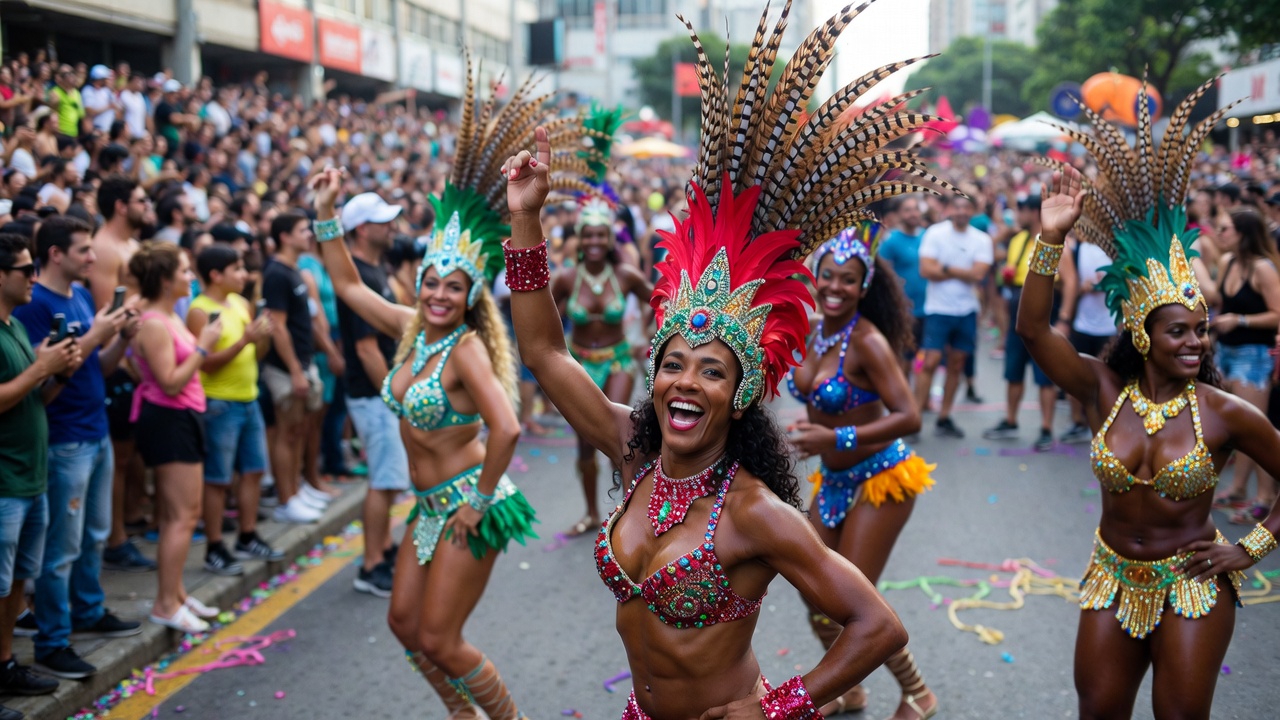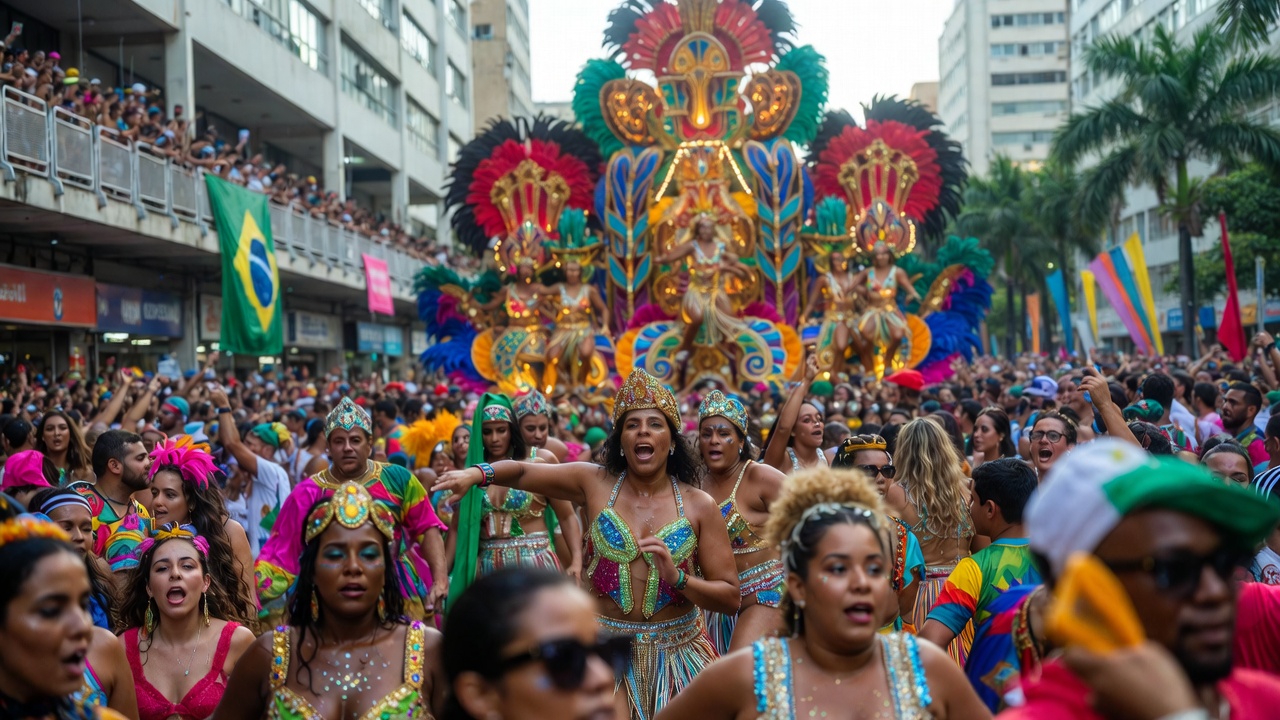
The drums are already warming up in the favelas of Rio de Janeiro. Seamstresses in Samba City are threading thousands of sequins onto costumes that weigh more than the dancers themselves. And somewhere in Mangueira, a composer is perfecting the samba-enredo that might just bring his school their next championship. Rio Carnival 2026 is approaching, and the Cidade Maravilhosa—the Marvelous City—is preparing for another spectacular celebration of rhythm, color, and unbridled joy.
If you’re reading this, chances are you’ve decided that this is your year. The year you finally witness the largest party on Earth. The year you dance in the streets of Copacabana, feel the thunderous pulse of 300 drummers in perfect synchronization, and understand why Brazilians spend an entire year preparing for just five magical days.
But first, you need answers. When exactly is Rio Carnival 2026? What are the official parade dates? How do the blocos work? And most importantly—how do you plan a trip that captures the true essence of this extraordinary cultural phenomenon?
Grab a caipirinha and settle in. This comprehensive guide covers everything you need to know about Rio Carnival 2026, from exact dates and detailed schedules to insider tips that only cariocas—the proud locals of Rio—would know.
Rio Carnival 2026 Official Dates: February 13-21
Let’s start with the most essential information. Rio Carnival 2026 officially runs from Friday, February 13th through Saturday, February 21st, 2026. These nine days encompass the main festivities, though as any Brazilian will tell you, Carnival is less a fixed event than a state of mind that begins weeks earlier and lingers well after Ash Wednesday.
The timing of Carnival is determined by the Christian liturgical calendar, falling 47 days before Easter Sunday. Because Easter is a movable feast, Carnival dates shift each year. In 2026, Easter falls on April 5th, placing Carnival squarely in mid-February—a particularly pleasant time weather-wise, with Rio’s summer offering warm days and balmy evenings perfect for all-night celebrations.
Key Dates for Rio Carnival 2026
| Event | Date | Day |
|---|---|---|
| Carnival Begins | February 13, 2026 | Friday |
| Access Group Parades | February 13-14, 2026 | Friday-Saturday |
| Special Group Parades | February 15-17, 2026 | Sunday-Tuesday |
| Winners Announced | February 18, 2026 | Wednesday (Ash Wednesday) |
| Children’s Parade | February 20, 2026 | Friday |
| Champions’ Parade | February 21, 2026 | Saturday |
Understanding the Rio Carnival Sambadrome Parade Schedule
The heart of Rio Carnival beats at the Sambódromo Marquês de Sapucaí, a purpose-built parade venue that has hosted the world’s most spectacular competition since 1984. Designed by legendary Brazilian architect Oscar Niemeyer, this 700-meter runway accommodates approximately 90,000 spectators who gather to witness samba schools compete for the ultimate prize: the Carnival championship.
The parades are organized into tiers, similar to a football league system. Each night features different schools at different competitive levels, with varying ticket prices and atmospheres.
Access Group Parades: Friday and Saturday, February 13-14
The Série Ouro (formerly known as the Access Group) parades take place on the first two nights of Carnival. These schools represent the second tier of competition—think of them as the championship-caliber teams fighting for promotion to the elite division.
What to expect: Eight schools parade each night, beginning at approximately 9:00 PM and continuing until dawn. While these schools may lack the massive budgets of the Special Group, they compensate with raw passion and hunger for recognition. The energy in the Sambadrome during Access Group nights is electric, with communities pouring their hearts into performances they hope will earn them a spot among the elite.
Best for: Budget-conscious travelers seeking an authentic parade experience, first-time visitors wanting to test the waters, and carnival enthusiasts who appreciate the competitive intensity of schools fighting for promotion.
Special Group Parades: Sunday Through Tuesday, February 15-17
This is the main event. The Grupo Especial features Rio’s twelve most prestigious samba schools—legendary institutions like Mangueira, Beija-Flor de Nilópolis, Portela, Salgueiro, and Unidos da Tijuca. These are the parades that define Rio Carnival in the global imagination.
Sunday, February 15: Four elite schools open the championship competition Monday, February 16: Four more elite schools continue the battle Tuesday, February 17: The final four schools close out the competition (Note: 2025 marked the first year of three Special Group nights, a change from the traditional two-night format)
What to expect: Each school presents approximately 70-80 minutes of pure spectacle. Thousands of participants—sometimes exceeding 4,000 per school—march down the runway in elaborate costumes organized into “alas” (wings) that tell different parts of a unified narrative. Massive allegorical floats rise up to 14 meters high, carrying highlighted figures and mechanical marvels. The bateria (drum section) of 250-300 percussionists provides the thunderous backbone, while the puxador (lead singer) and the crowd sing the samba-enredo at full voice.
Start time: First school typically enters between 9:00 PM and 10:00 PM End time: Parades continue until approximately 5:00-6:00 AM
Best for: First-time visitors wanting the quintessential Rio Carnival experience, photography enthusiasts, and anyone who wants to witness human creativity pushed to its absolute limits.
Winners Announced: Ash Wednesday, February 18
On Wednesday afternoon, the results are announced. Judges evaluate schools across nine official criteria, including:
- Bateria (drum section performance)
- Samba-enredo (theme song)
- Harmonia (harmony between participants and music)
- Evolução (parade flow and energy)
- Enredo (storyline and theme)
- Conjunto (overall visual impact)
- Alegorias e adereços (floats and accessories)
- Fantasia (costumes)
- Comissão de frente (front commission/opening performers)
Thirty-six judges evaluate the schools, with the lowest score in each category discarded. The competition is fierce—championships have been decided by fractions of a point, and a single wardrobe malfunction or timing error can cost a school its title.
Champions’ Parade: Saturday, February 21
The carnival closes with the Desfile dos Campeões, a celebratory encore featuring the top six schools from the Special Group competition. Unlike the competitive parades, this is a pure celebration—no judging, no pressure, just 90,000 people celebrating the artistry they witnessed throughout the week.
Start time: 10:00 PM End time: Approximately 4:00 AM
Best for: Travelers who couldn’t secure tickets to the competitive parades, those who want a more relaxed viewing experience, and anyone looking for tickets at lower prices (typically 20-50% less than Special Group nights).
Best Samba Schools to Watch at Rio Carnival 2026
While every school in the Special Group delivers extraordinary performances, certain institutions carry legendary status that adds extra weight to their presentations. Understanding the history and character of these schools enriches your Carnival experience immeasurably.
Estação Primeira de Mangueira
Colors: Green and Pink Founded: April 28, 1928 Championships: 20 (most recently 2019)
Mangueira holds a sacred place in Brazilian culture. Founded on Mangueira Hill by icons like Cartola (one of Brazil’s most celebrated composers), Carlos Cachaça, and Zé Espinguela, this school represents the very roots of samba. Mangueira is the only school ever awarded the title of “Super Champion” (1984), and their green-and-pink flag is arguably the most recognized symbol in Brazilian carnival culture.
Their parades consistently feature powerful social commentary and deep connections to African-Brazilian heritage. When Mangueira enters the Sambadrome, even supporters of rival schools pause in respect.
Beija-Flor de Nilópolis
Colors: Blue and White Founded: December 25, 1948 Championships: 14 (most recently 2025)
The reigning champions from 2025, Beija-Flor (Hummingbird) is known for innovation and technological wizardry in their floats. Based in Nilópolis, a municipality in Rio’s metropolitan region, Beija-Flor consistently pushes the boundaries of what’s possible in parade design. Under legendary carnival directors like Joãosinho Trinta, they revolutionized the spectacle aspect of Carnival.
Perhaps their most famous moment came in 1989, when authorities banned their float depicting Christ the Redeemer as a beggar. Joãosinho Trinta covered the statue in black plastic with a banner reading “Even if banned, watch over us!”—creating one of Carnival’s most iconic protests.
Portela
Colors: Blue and White Founded: April 11, 1923 Championships: 22 (the most of any school)
The most decorated samba school in history, Portela from Madureira holds 22 championship titles—a record that may never be broken. They are the only school to have participated in every official parade since competitions began. Portela’s legacy represents the pure essence of traditional samba.
Acadêmicos do Salgueiro
Colors: Red and White Founded: March 5, 1953 Championships: 9
Salgueiro pioneered the inclusion of Afro-Brazilian themes in Carnival parades during the 1960s, challenging a landscape that had been dominated by European-influenced narratives. Their red-and-white costumes and emphasis on African heritage make them one of the most culturally significant schools in competition.
Unidos da Tijuca
Colors: Blue, Gold, and White Founded: December 31, 1931 Championships: 4
Known for innovative presentations and willingness to take creative risks, Unidos da Tijuca has produced some of the most memorable parades in recent memory. Their use of technology, lighting effects, and unconventional themes makes them a perennial crowd favorite.
Grande Rio
Colors: Red, Green, and White Founded: March 22, 1988 Championships: 2 (2022, 2024)
One of the younger schools in the elite group, Grande Rio from Duque de Caxias has emerged as a powerhouse in recent years. Their back-to-back championships in 2022 and 2024 demonstrated that they can compete with the traditional giants.
How to Buy Sambadrome Tickets for Rio Carnival 2026
Securing tickets to the Sambadrome parades requires advance planning. Special Group nights sell out months before Carnival, and prices increase as the event approaches. Here’s everything you need to know about ticket types, prices, and where to buy.
Types of Sambadrome Seating
The Sambadrome offers several distinct seating options, each providing a different experience and price point:
Arquibancadas (Grandstands)
Price range: R$180-900 (approximately $35-180 USD)
These concrete bleacher seats offer excellent panoramic views of the parade from elevated positions. Most grandstand tickets are general admission—you choose your seat on a first-come, first-served basis. Sector 9 is the exception, offering numbered grandstand seats with slightly higher prices and dedicated tourist services.
Best for: Budget travelers, those who want to experience the energy of the local crowd, and spectators who enjoy an elevated overview of the entire parade.
Important note: Arrive early to secure the best seats, as choice spots fill quickly.
Frisas (Front Boxes)
Price range: R$1,200-3,500 per person (approximately $240-700 USD)
Open-air boxes positioned at parade level, frisas put you closer to the action than any other seating option. Each box accommodates six people in numbered chairs arranged in rows A through D (closest to farthest from the runway). You can purchase the entire box or share with other groups.
Best for: Groups wanting a semi-private experience, photography enthusiasts wanting close-up shots, and anyone who wants to feel the full impact of the bateria passing mere meters away.
Camarotes (Luxury Suites)
Price range: R$2,500-8,000+ per person (approximately $500-1,600+ USD)
The most exclusive option, camarotes are covered, elevated suites offering all-inclusive packages with open bar, gourmet buffet, private bathrooms, and air conditioning. These suites often host celebrities, politicians, and high-profile visitors.
Popular camarotes include:
- Folia Tropical
- Camarote MAR
- Camarote Verde e Rosa
Best for: Luxury travelers, those seeking VIP amenities, and visitors wanting enhanced security and comfort.
Cadeiras Numeradas (Allocated Chairs)
Price range: R$200-400 (approximately $40-80 USD)
Located primarily in Sectors 12 and 13 near Apotheosis Square (where parades end), these numbered seats offer the most affordable reserved seating option. Views are slightly limited compared to central sectors, but the atmosphere remains electric.
Unique benefit: These sectors are closest to where schools celebrate after completing their parade, and participants sometimes leave behind costume pieces that spectators can claim as souvenirs.
Best Sectors for Watching the Parade
The Sambadrome is divided into numbered sectors along both sides of the parade runway:
| Sector | Location | Best For |
|---|---|---|
| Sectors 3, 5, 7 | Odd side, central | Great views, mixed local/tourist crowds |
| Sectors 2, 4, 6, 8 | Even side, central | Newer facilities, access to live music area |
| Sector 9 | Odd side, central | Tourist-friendly, numbered grandstands, multilingual guides |
| Sectors 10, 11 | Near drummer niche | Excellent bateria views, affordable frisas |
| Sectors 12, 13 | Near Apotheosis Square | Most affordable, relaxed atmosphere |
Pro tip: Sectors near the judges’ area (Sectors 3, 6, 7, and 10) offer the most intense performances, as schools give their absolute best in front of the scorers.
Where to Buy Official Tickets
Official Sambadrome tickets are sold through Ticketmaster Brazil. Key purchase timelines:
- June-October 2025: Initial ticket sales begin
- October-November 2025: Grandstand tickets typically sell out
- December 2025-January 2026: Last-chance availability for remaining seats
Warning: Avoid street vendors and unofficial resellers. Counterfeit tickets are common, and you risk arriving at the Sambadrome only to be denied entry. Purchase only through official channels or established travel agencies with verifiable track records.
Rio Carnival 2026 Blocos: The Free Street Party Experience
While the Sambadrome parades capture global attention, the blocos de rua (street parties) represent the true soul of Carnival for most cariocas. These free, open-air celebrations transform Rio’s neighborhoods into massive outdoor dance parties, with live bands leading crowds that can number in the hundreds of thousands.
What Exactly is a Bloco?
A bloco is essentially a mobile street party organized around a banda (band) or trio elétrico (sound truck). Participants follow the music through designated streets, dancing, singing, and celebrating together. Some blocos have existed for decades with established traditions, while others emerge each year around new themes.
Over 500 blocos are registered for Rio Carnival, with parades happening throughout the city from early morning until late night. The municipal government publishes official bloco schedules approximately 2-3 weeks before Carnival, though social media provides more real-time updates.
Most Famous Blocos at Rio Carnival
Cordão do Bola Preta
When: Carnival Saturday Where: Downtown Rio (Centro) Crowd: 500,000+ participants
The largest bloco in the world, Cordão do Bola Preta has been celebrating since 1918. Participants wear the traditional black-and-white polka dot pattern (the school’s signature), creating a sea of dots that stretches as far as the eye can see. The music blends traditional marchinhas with contemporary samba, and the atmosphere is pure, unadulterated joy.
Warning: This bloco is not for the claustrophobic. The density of the crowd is intense, and personal space becomes a foreign concept.
Banda de Ipanema
When: Multiple dates, beginning two weeks before Carnival Where: Ipanema beachfront Crowd: 30,000-50,000
One of Rio’s most LGBTQ+-friendly blocos, Banda de Ipanema has been celebrating since 1965. Famous for its colorful costumes and drag performances, this bloco offers a joyful, inclusive atmosphere with stunning beach views. The proximity to Ipanema’s lively neighborhood means easy access to restaurants and bars when you need a break.
Bloco das Carmelitas
When: Friday before Carnival and Shrove Tuesday Where: Santa Teresa Crowd: 50,000+
According to local legend, a Carmelite nun once escaped her convent in the hillside neighborhood of Santa Teresa to join Carnival celebrations. Bloco das Carmelitas commemorates this rebellious sister, with many participants dressing as nuns (with decidedly un-nun-like modifications). The narrow cobblestone streets of Santa Teresa create an intimate, bohemian atmosphere distinct from the massive downtown blocos.
Monobloco
When: Typically Carnival Sunday Where: Downtown Rio Crowd: 100,000+
Founded in 2000, Monobloco features a massive percussion section of over 120 musicians performing samba, funk, and various Brazilian genres. Their rehearsals in Lapa throughout the year have become destination events in themselves. Monobloco was given the honor of closing the Sambadrome parade—a testament to their cultural significance.
Sargento Pimenta
When: Carnival Saturday Where: Aterro do Flamengo Crowd: 50,000+
A tribute to The Beatles, Sargento Pimenta reimagines classic Beatles songs through Brazilian rhythms. Hearing “Come Together” performed as a samba or “Yellow Submarine” as a marchinha is an unforgettable cultural fusion. The Flamengo location provides beautiful views of Guanabara Bay and Sugarloaf Mountain.
Simpatia é Quase Amor
When: Carnival Sunday Where: Ipanema Crowd: 50,000+
The name translates to “Friendliness is Almost Love,” and this bloco lives up to its motto with a welcoming, family-friendly atmosphere. Excellent for first-time bloco participants who want to experience the tradition without overwhelming crowds.
Tips for Navigating Blocos
Arrive early. Popular blocos attract tens of thousands of people. Arriving before the official start time helps you find a comfortable position near the band.
Dress lightly and colorfully. Rio in February is hot and humid. Wear breathable fabrics, comfortable shoes you don’t mind getting dirty, and embrace glitter and creative costumes. Fantasy and creativity are celebrated.
Stay hydrated. Alternate alcoholic drinks with water. Street vendors sell bottled water, coconut water, and beverages throughout the bloco routes. Glass bottles are prohibited—purchase drinks in cans or plastic.
Travel light. Bring only essentials: cash, phone, and identification. Use a cross-body bag worn in front, and leave expensive jewelry at your hotel.
Use apps to track schedules. Download the Blocos de Rua app or follow Instagram accounts like @blocosderua and @ocarnavalnuncaacaba for real-time updates on locations and timing.
Have a meeting point. If attending with friends, establish a predetermined meeting location in case you get separated. The crowd density makes finding people nearly impossible once the bloco gets moving.
Rio Carnival Balls: Exclusive Parties and Glamorous Celebrations
For those seeking a more refined Carnival experience, Rio’s legendary bailes (balls) offer glamour, sophistication, and world-class entertainment. These ticketed events range from all-night dance parties to the most exclusive gala in South America.
Baile do Copa at the Copacabana Palace
Date: Saturday, February 14, 2026 Time: 10:00 PM – 5:00 AM Venue: Belmond Copacabana Palace Hotel Tickets: Starting at approximately $750+ USD
The Magic Ball at the Copacabana Palace is the pinnacle of Rio Carnival society events. Held at the iconic 1923 hotel that has hosted royalty, Hollywood stars, and world leaders, this black-tie gala transforms the entire property into a themed wonderland.
The dress code is strictly enforced: men wear tuxedos or black tie, women wear gala gowns, though elaborate luxury costumes are equally welcome. Previous balls have attracted celebrities like Paris Hilton and Gerard Butler alongside Brazilian socialites and international dignitaries.
All tickets include premium open bar (whisky, champagne, gin, vodka, cocktails) and a gourmet buffet curated by the hotel’s executive chef.
What to expect: Professional photographers everywhere, stunning costume displays, live performances by popular bands, and the unmistakable feeling that you’ve stepped into a scene from a glamorous film.
Other Notable Carnival Parties
Beyond the legendary Copa Ball, Rio hosts numerous ticketed events throughout Carnival week:
- Club parties at venues like Marina da Glória and the Museum of Tomorrow
- Gay-friendly events at Carna Pride and other LGBTQ+-focused parties
- Rooftop parties at upscale hotels in Copacabana and Ipanema
- Beach clubs offering daytime Carnival celebrations
Best Neighborhoods to Stay During Rio Carnival 2026
Choosing the right accommodation location significantly impacts your Carnival experience. Proximity to blocos, metro stations, and safe areas should guide your decision.
Copacabana
Best for: First-time visitors, beach lovers, travelers wanting to be in the heart of the action
Rio’s most iconic beach neighborhood offers excellent infrastructure, countless accommodation options at all price points, and direct metro access to the Sambadrome. During Carnival, the Copacabana beachfront hosts numerous blocos, and the famous wave-patterned promenade becomes an open-air party venue.
Pros: Central location, excellent transport links, diverse dining and nightlife, beach access Cons: Higher prices during Carnival, crowded, can be noisy
Iconic stay: The Belmond Copacabana Palace offers the ultimate Carnival experience, with the Magic Ball happening on-site.
Ipanema
Best for: Travelers seeking upscale atmosphere, couples, those wanting slightly calmer surroundings
Adjacent to Copacabana but with a more refined, affluent character, Ipanema attracts visitors who want excellent beach access with less chaos. The neighborhood hosts popular blocos like Banda de Ipanema and Simpatia é Quase Amor, and the area around Praça General Osório becomes a major gathering point.
Pros: Beautiful beach, upscale restaurants and boutiques, slightly calmer than Copacabana Cons: Premium prices, fewer budget accommodation options
Leblon
Best for: Families, luxury travelers, those preferring a quieter base
Rio’s most exclusive residential neighborhood offers beautiful beaches, excellent restaurants, and a more residential atmosphere. While Leblon hosts its own blocos, the vibe is generally more relaxed than Copacabana or Ipanema.
Pros: Safe, upscale, beautiful beach, excellent dining Cons: Highest prices, fewer budget options, less central to major blocos
Santa Teresa
Best for: Bohemian travelers, art lovers, those seeking authentic local atmosphere
This hillside neighborhood of cobblestone streets and colonial architecture offers a unique Carnival experience. Bloco das Carmelitas is the signature event, and the area’s artistic character provides stunning backdrops for Carnival photos.
Pros: Authentic atmosphere, beautiful views, artistic character Cons: Hillside terrain challenging for walking, requires careful safety awareness
Lapa
Best for: Nightlife enthusiasts, younger travelers, those wanting intense Carnival immersion
The historic bohemian district is home to Rio’s most famous nightlife scene, with clubs like Rio Scenarium and Carioca da Gema offering samba year-round. During Carnival, the famous Escadaria Selarón (Selarón Steps) and surrounding streets fill with blocos and parties.
Pros: Best nightlife, authentic samba scene, affordable options Cons: Requires safety awareness, can be overwhelming
Where NOT to Stay
Avoid downtown Rio (Centro) for accommodation. While convenient to the Sambadrome, the area is not recommended for nighttime walking, particularly after the parades end at dawn. The same applies to neighborhoods immediately surrounding the Sambadrome.
How Much Does Rio Carnival 2026 Cost? Budget Planning Guide
Carnival in Rio ranges from budget-friendly to extravagantly expensive, depending on your choices. Here’s a realistic breakdown:
Accommodation Costs
| Category | Regular Season | Carnival Week |
|---|---|---|
| Hostel dorm | $30-50/night | $80-150/night |
| Budget hotel | $60-90/night | $150-250/night |
| Mid-range hotel | $100-180/night | $250-400/night |
| Luxury hotel | $250-400/night | $500-1,000+/night |
Key insight: Hotel prices during Carnival typically increase 200-300% compared to regular season rates. Many properties require minimum stays of 4-5 nights. Book 6-8 months in advance for the best selection and prices.
Sambadrome Ticket Costs
| Ticket Type | Access Group | Special Group | Champions |
|---|---|---|---|
| Grandstand | $35-80 | $100-180 | $50-100 |
| Frisa | $200-400 | $400-700 | $200-400 |
| Camarote | $400-800 | $800-1,600+ | $400-800 |
Daily Expenses
- Meals: $30-80 per day (street food to restaurants)
- Drinks: $20-50 per day (beverages at blocos and venues)
- Transportation: $20-40 per day (metro, ride-sharing)
- Blocos: Free (though you’ll spend on drinks and snacks)
Sample Budgets
Budget traveler (5 nights):
- Hostel: $600
- Special Group grandstand: $150
- Food/drinks: $250
- Transport: $100
- Total: ~$1,100
Mid-range traveler (7 nights):
- Mid-range hotel: $2,100
- Special Group frisa: $500
- Champions’ Parade grandstand: $75
- Food/drinks: $450
- Transport: $200
- Magic Ball (optional): $750+
- Total: ~$3,300-4,000
Luxury traveler (7 nights):
- Luxury hotel: $5,000+
- Camarote tickets (multiple nights): $3,000+
- Magic Ball: $1,500+
- VIP experiences: $1,000+
- Food/drinks/transport: $1,000
- Total: $11,000+
Essential Safety Tips for Rio Carnival 2026
Rio Carnival is remarkably safe for a gathering of this magnitude, but common-sense precautions enhance your experience.
Before You Go
- Register your trip with your country’s embassy or consulate
- Make copies of your passport, leaving originals in your hotel safe
- Purchase travel insurance that covers medical expenses and trip interruption
- Set up device tracking features on your phone
- Share your itinerary with family or friends at home
During Carnival
At blocos:
- Travel in groups when possible
- Avoid displaying expensive watches, jewelry, or electronics
- Use a crossbody bag worn across your chest
- Carry only the cash you need for that day
- Keep your phone secured when not in use
- Stay in well-lit, populated areas
At the Sambadrome:
- Use official transportation or pre-arranged transfers
- Avoid walking in downtown areas late at night
- Stay with the crowd when leaving
- Have your hotel address saved in your phone
General:
- Stay hydrated—Rio in February is hot and humid
- Use high-SPF sunscreen, even on cloudy days
- Take breaks from the intensity when needed
- Trust your instincts—if a situation feels uncomfortable, leave
Transportation During Carnival
The Rio Metro extends its hours during Carnival and is the safest, most reliable transportation option. Stations near the Sambadrome include Praça Onze and Central.
Ride-hailing apps (Uber, 99) work well but expect delays during peak hours due to road closures. Use official pickup points designated by sector.
Avoid: Walking alone in unfamiliar areas at night, accepting rides from unofficial taxis, carrying large amounts of cash.
What to Wear to Rio Carnival 2026
Carnival costumes range from elaborately themed ensembles to simple glitter and comfortable clothing. Here’s guidance for different events:
For Blocos
- Comfortable, closed-toe shoes you don’t mind getting dirty
- Lightweight, breathable fabrics (cotton, linen)
- Bright colors and creative accessories
- Glitter, face paint, temporary tattoos are encouraged
- Small crossbody bag for essentials
- Hat or bandana for sun protection
For the Sambadrome
- Comfortable shoes for sitting/standing for hours
- Layers—nights start warm but can cool toward dawn
- Casual to festive attire—anything goes
- Consider seat comfort—grandstand concrete can be hard
For the Copa Ball
- Men: Black tie/tuxedo or elaborate fantasy costume
- Women: Gala gown or luxury carnival costume
- No flip-flops, shorts, jeans, or tank tops
The Cultural Significance of Rio Carnival
To truly appreciate Rio Carnival, understanding its cultural roots enriches the experience beyond mere spectacle.
African Heritage and the Birth of Samba
Carnival’s heart beats with rhythms brought to Brazil by enslaved Africans. The batuque drum circles that emerged in slave quarters evolved into samba, which first gained recognition in Rio’s port district in the early 20th century. The first recorded samba, “Pelo Telefone,” was registered in 1917.
The samba schools that now dominate Carnival were born in Rio’s favelas and working-class neighborhoods. Deixa Falar, founded in the Estácio neighborhood in 1928, is generally recognized as the first samba school. Mangueira and Portela followed the same year, establishing institutions that continue to anchor community life nearly a century later.
“Carne Vale” – Farewell to Flesh
The word “Carnival” derives from the Latin carne vale, meaning “farewell to meat.” This refers to the period of indulgence before Lent, the 40-day Christian period of fasting and abstinence leading to Easter. For centuries, cultures worldwide have used this pre-Lenten period as an opportunity to celebrate before the solemn season begins.
In Brazil, Portuguese colonizers introduced the tradition, but the unique fusion with African rhythms, indigenous influences, and the Brazilian love of celebration transformed Carnival into something entirely new.
Community, Identity, and Resistance
Samba schools are far more than parade organizations. They serve as community centers, providing social services, education, and cultural identity to their neighborhoods. The months of preparation unite thousands of volunteers—seamstresses sewing costumes, musicians perfecting rhythms, choreographers training dance movements.
Throughout history, Carnival has also served as a vehicle for social commentary and resistance. Schools have addressed themes of racial inequality, political corruption, environmental destruction, and social justice. The parade runway becomes a stage for communities to speak truths that might otherwise go unheard.
Planning Your Trip: Practical Checklist for Rio Carnival 2026
12 Months Before (February 2025)
- [ ] Research and select preferred travel dates
- [ ] Book flights (prices increase significantly closer to Carnival)
- [ ] Research accommodation options and neighborhoods
- [ ] Begin monitoring hotel prices and availability
6-8 Months Before (June-August 2025)
- [ ] Book accommodation (best prices and selection)
- [ ] Monitor official ticket sales announcement
- [ ] Purchase Sambadrome tickets when available
- [ ] Research samba school rehearsals (great pre-Carnival experiences)
3-4 Months Before (October-November 2025)
- [ ] Confirm all reservations
- [ ] Plan bloco schedule based on preliminary calendars
- [ ] Arrange airport transfers
- [ ] Research costume options and purchase materials
1 Month Before (January 2026)
- [ ] Review final bloco schedules (official calendars released)
- [ ] Download useful apps (Blocos de Rua, Moovit, Uber)
- [ ] Arrange travel insurance
- [ ] Register trip with embassy/consulate
- [ ] Prepare packing list
Days Before Departure
- [ ] Check weather forecast
- [ ] Confirm all tickets and reservations
- [ ] Make copies of important documents
- [ ] Set up device tracking
- [ ] Exchange some cash to Brazilian reais
Frequently Asked Questions About Rio Carnival 2026
Q: Is Rio Carnival safe for tourists?
A: Yes, with appropriate precautions. Millions of visitors attend safely each year. Follow standard travel safety practices: travel in groups, avoid displaying valuables, use official transportation, and stay in well-populated areas.
Q: Can children attend Rio Carnival?
A: Absolutely. Many blocos are family-friendly, particularly morning events. The Children’s Parade at the Sambadrome (February 20) specifically features young performers. Note: Children under 5 are prohibited from the Sambadrome due to noise levels. Those 5+ must have tickets and be accompanied by guardians.
Q: Do I need to speak Portuguese?
A: Not necessarily, though learning basic phrases enhances your experience. In tourist areas and at the Sambadrome, you’ll find English speakers. Apps with translation functions help tremendously.
Q: What’s the weather like during Carnival?
A: February is Rio’s summer—hot, humid, and occasionally rainy. Expect temperatures of 25-35°C (77-95°F) with high humidity. Pack light clothing, sunscreen, and don’t forget rain gear for potential afternoon showers.
Q: Can I participate in the parade?
A: Yes! Most samba schools sell “fantasias” (costumes) that allow tourists to march with their school. You’ll typically join one of the less demanding wings. Costs range from $300-1,500+ depending on costume elaborateness. Contact schools or authorized agencies months in advance.
Q: How far in advance should I book?
A: For the best experience, book accommodation 6-8 months ahead, flights 6-12 months ahead, and Sambadrome tickets as soon as they become available (typically June-October for the following year).
Conclusion: Your Rio Carnival 2026 Adventure Awaits
Rio Carnival is more than a party. It’s a testament to human creativity, community resilience, and the transcendent power of rhythm and celebration. For five days each year, one of the world’s most vibrant cities transforms into the greatest stage on Earth.
February 13-21, 2026—mark these dates in your calendar. Whether you’re swaying in the Sambadrome as Mangueira’s bateria thunders past, dancing through Copacabana streets with thousands of strangers who feel like friends, or raising a glass at the Copa Ball surrounded by sequins and dreams, you’ll understand why millions make this pilgrimage year after year.
The greatest show on Earth awaits. All you need to do is show up.
Vai Brasil!
Related Resources: