Understanding New Zealand’s most debated national holiday—and why conversations around it matter
Every year on February 6, New Zealand observes Waitangi Day. It marks the signing of the Treaty of Waitangi in 1840. For many, it’s a day of celebration. For others, it’s a day of protest. And for most New Zealanders, it sits somewhere in between.
So what exactly is the Waitangi Day controversy about? Why do debates intensify each year? Let’s take a balanced look at the modern perspectives shaping this important conversation.
What Is Waitangi Day and Why Does It Matter?
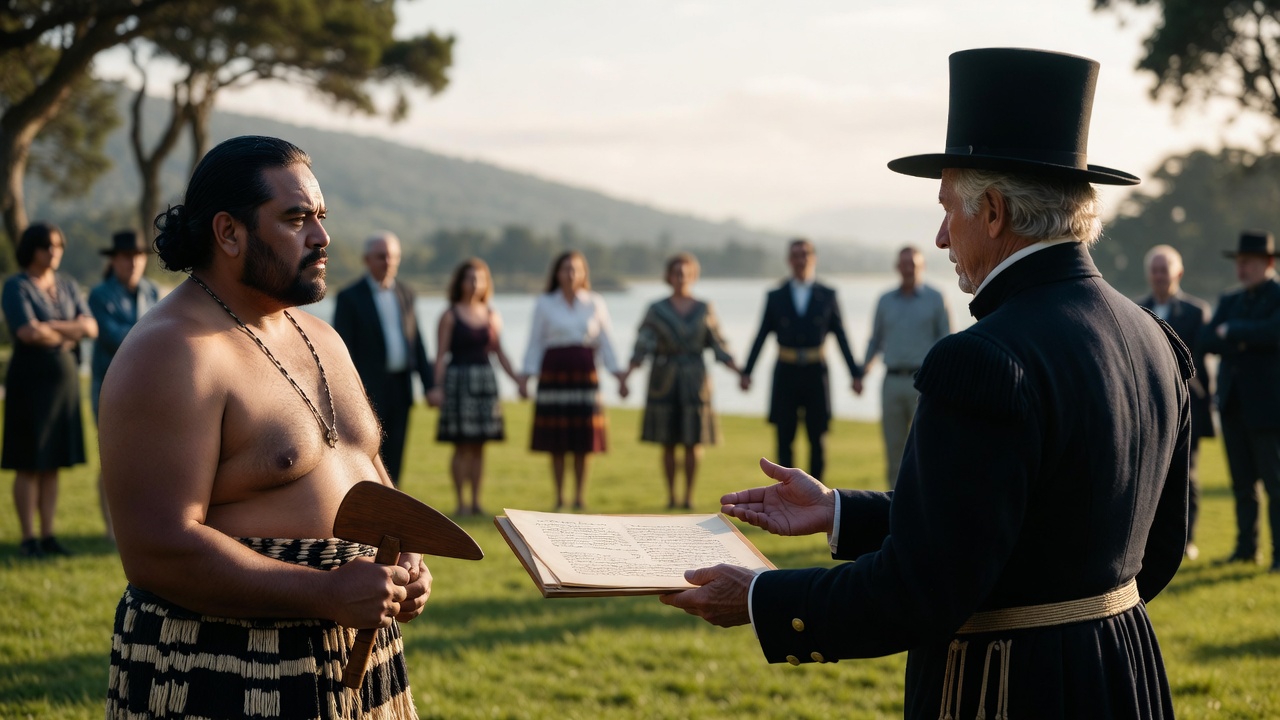
Waitangi Day commemorates the signing of Te Tiriti o Waitangi (the Treaty of Waitangi). This agreement was made between the British Crown and over 500 Māori chiefs (rangatira). It is widely considered New Zealand’s founding document.
The first signing took place at Waitangi in the Bay of Islands. Captain William Hobson represented the British Crown. The treaty was intended to protect Māori rights, establish British governance, and regulate land transactions.
Waitangi Day became a public holiday in 1974. Ceremonies are held at the Treaty Grounds each year. Politicians, iwi leaders, and the public gather to reflect on the nation’s history.
But here’s where things get complicated.
The Translation Problem: English vs. Māori Texts
One of the central reasons Waitangi Day sparks controversy involves translation differences. Two versions of the Treaty exist—one in English and one in te reo Māori. They are not exact translations.
Here’s a breakdown of the key differences:
| Article | English Version | Māori Version |
|---|---|---|
| Article 1 | Māori cede “all the rights and powers of sovereignty” to the Crown | Māori give “kawanatanga” (governance) to the Crown |
| Article 2 | Māori guaranteed “undisturbed possession” of their properties | Māori guaranteed “tino rangatiratanga” (full authority/chieftainship) over their lands, villages, and treasures |
| Article 3 | Māori receive the “rights and privileges of British subjects” | Māori receive the Queen’s protection and “tikanga” (rights/customs) |
The word “sovereignty” has no direct equivalent in te reo Māori. Translators used “kawanatanga” (governance). Many scholars argue this term carried different implications.
Most Māori signed the te reo Māori version. Only 39 rangatira signed the English version.
This translation gap has fueled decades of debate. What exactly did Māori agree to? What did the British understand? These questions remain contested.
What Are the Treaty Principles and Why Are They Contentious?
Since 1975, New Zealand law has referenced “Treaty principles.” The Treaty of Waitangi Act established the Waitangi Tribunal that year. This tribunal investigates Crown breaches of the Treaty.
But here’s the catch: Parliament never formally defined these principles.
Courts and the Waitangi Tribunal developed them over time. They’re often summarized as “the three Ps”:
- Partnership between Māori and the Crown
- Protection of Māori interests
- Participation in decision-making
Some New Zealanders believe these principles have created a fair framework. Others argue they’ve been interpreted too broadly. This debate reached a peak in 2024-2025 with the controversial Treaty Principles Bill.
The Treaty Principles Bill: What Happened in 2024-2025?
The ACT Party introduced the Treaty Principles Bill as part of its coalition agreement with the National Party. ACT leader David Seymour argued the principles should be clearly defined in law.
The proposed principles stated:
- The Government has full power to govern all New Zealanders
- The Crown will honour all New Zealanders’ property rights
- All New Zealanders are equal before the law
Supporters said this would create clarity and equal treatment. Critics warned it would undermine Māori rights built up over 50 years of Treaty jurisprudence.
The bill sparked massive protests. Tens of thousands participated in the Hīkoi mō te Tiriti (March for the Treaty). Young MP Hana-Rawhiti Maipi-Clarke gained international attention when she ripped up a copy of the bill in Parliament and performed a haka.
The Waitangi Tribunal issued a 200-page report recommending the bill be abandoned.
On April 10, 2025, Parliament voted the bill down 112-11. Only ACT MPs supported it through the second reading.
Why Do Protests Happen at Waitangi Every Year?
Waitangi Day celebrations have long served as a platform for Māori to raise concerns. This tradition stretches back generations.
Common issues raised at Waitangi include:
- Treaty settlement delays
- High Māori incarceration rates
- Persistent health and education inequalities
- Land rights and environmental protection
- Government policies affecting Māori autonomy
Protests at the Treaty Grounds can be dramatic. In 2004, then-Opposition Leader Don Brash was hit with mud. Prime Minister Helen Clark avoided attending in 2000 due to protest concerns.
Politicians often face challenging pōwhiri (formal welcomes). Speeches on the marae can be fiery. This is part of tikanga Māori—direct, honest dialogue is valued.
For some observers, these confrontations seem disrespectful. For many Māori, they represent holding the Crown accountable to its Treaty promises.
Different Perspectives: Understanding All Sides
The Waitangi Day controversy isn’t black and white. Here are the main viewpoints you’ll encounter:
Perspective 1: Treaty Principles Have Gone Too Far
Some New Zealanders believe:
- Current Treaty interpretations create race-based policies
- “Co-governance” arrangements undermine democratic equality
- The principles have strayed from the original treaty text
- All citizens should be treated equally regardless of ancestry
This view has been championed by politicians like David Seymour and groups like Hobson’s Pledge.
Perspective 2: The Crown Must Honour Its Promises
Many Māori and their allies argue:
- Historical injustices require ongoing redress
- Tino rangatiratanga (self-determination) was promised in 1840
- Treaty settlements haven’t fully addressed land confiscations
- Māori outcomes remain worse across health, education, and justice
- Partnership means shared decision-making, not just consultation
Perspective 3: We Need Ongoing Dialogue
Others take a middle position:
- The Treaty is a living document that must evolve
- Debate is healthy for democracy
- Both unity and diversity can coexist
- Progress has been made, but challenges remain
- The focus should be on outcomes, not ideology
How Have Māori-Crown Relations Evolved?
Understanding the broader historical context helps explain modern tensions.
Key milestones:
| Year | Event |
|---|---|
| 1840 | Treaty signed at Waitangi |
| 1845-1872 | New Zealand Wars over land |
| 1877 | Chief Justice calls Treaty “a simple nullity” |
| 1975 | Waitangi Tribunal established |
| 1985 | Tribunal’s scope extended to 1840 claims |
| 1990s | Treaty settlement process begins |
| 2010s | Major tribal settlements completed |
| 2024-2025 | Treaty Principles Bill debate |
The Waitangi Tribunal has heard over 2,000 claims. Billions of dollars in settlements have been paid. Yet many iwi (tribes) still await resolution.
In 2014, the Tribunal found that Māori chiefs did not cede sovereignty when they signed the Treaty. This finding added fuel to ongoing debates about what the Treaty actually means.
Waitangi Day 2025: What Happened?
The 2025 commemorations came after a turbulent year for Māori-Crown relations. The Hīkoi mō te Tiriti in late 2024 had brought tens of thousands to Parliament.
Prime Minister Christopher Luxon chose not to attend. This decision itself sparked debate.
Key themes at Waitangi 2025 included:
- Ongoing opposition to the Treaty Principles Bill (which was still under select committee review)
- Calls for the Crown to honour its Treaty obligations
- Discussions about the Regulatory Standards Bill
- Indigenous economic development
- The stalled Ngāpuhi Treaty settlement
The Kīngitanga (Māori King movement) attended in a show of solidarity. Forum discussions at the Treaty Grounds covered topics from rangatahi (youth) issues to constitutional change.
Should Waitangi Day Be Replaced?
Some have suggested replacing Waitangi Day with another national day. Proposals include:
- ANZAC Day (April 25) – already commemorates military service
- New Zealand Day – the holiday’s name from 1973-1976
- A different date – one less associated with controversy
Supporters of change argue Waitangi Day is too divisive to unite the nation.
Opponents counter that:
- Running from difficult history doesn’t heal it
- The Treaty remains foundational regardless of the holiday
- Controversy can be productive when it leads to dialogue
No major political party currently advocates for replacing Waitangi Day.
How to Respectfully Engage With Waitangi Day Debates
Whether you’re a New Zealander or a visitor, here are some tips for thoughtful engagement:
Do:
- Listen to multiple perspectives
- Learn some basic Treaty history
- Attend local commemorations or events
- Acknowledge the complexity
- Ask questions respectfully
Avoid:
- Assuming one side has all the answers
- Dismissing concerns you don’t immediately understand
- Treating it as purely a day off
- Making jokes about serious cultural matters
- Speaking over Māori voices on Māori issues
The best approach is curiosity combined with humility.
Visiting New Zealand on Waitangi Day: What to Expect
Planning a trip to New Zealand in early February? Here’s what visitors should know:
The Treaty Grounds at Waitangi:
- Located in the Bay of Islands, North Island
- Open to visitors year-round
- Special commemorations on February 6
- Expect large crowds during the national day
Events around the country:
- Citizenship ceremonies
- Cultural performances (kapa haka)
- Community festivals
- Concerts and picnics
- Educational events at museums
Most businesses observe the public holiday. If February 6 falls on a weekend, the following Monday is observed instead.
The Future of Waitangi Day: Where Do We Go From Here?
The 2025 defeat of the Treaty Principles Bill doesn’t end the debate. If anything, it has energized both sides.
Looking ahead, key questions remain:
- How will Treaty principles continue to evolve in law?
- What role will Māori play in constitutional reform?
- Can New Zealand find genuine partnership models?
- How will younger generations shape these conversations?
One thing seems certain: Waitangi Day will continue sparking reflection about what it means to be a New Zealander.
The controversy isn’t a bug—it may be a feature. A nation that can debate its origins honestly might be better positioned to build a fair future.
Final Thoughts: Why the Controversy Matters
Waitangi Day controversy reflects deeper questions. Who belongs? What was promised? What is owed? How do we move forward together?
These aren’t easy questions. They don’t have simple answers.
But grappling with them openly—at the Treaty Grounds, in Parliament, around kitchen tables—is part of what makes democracy work.
So this February 6, whether you celebrate, reflect, protest, or simply observe, know that you’re participating in an ongoing national conversation.
That conversation matters. Even when it’s uncomfortable.
Especially when it’s uncomfortable.