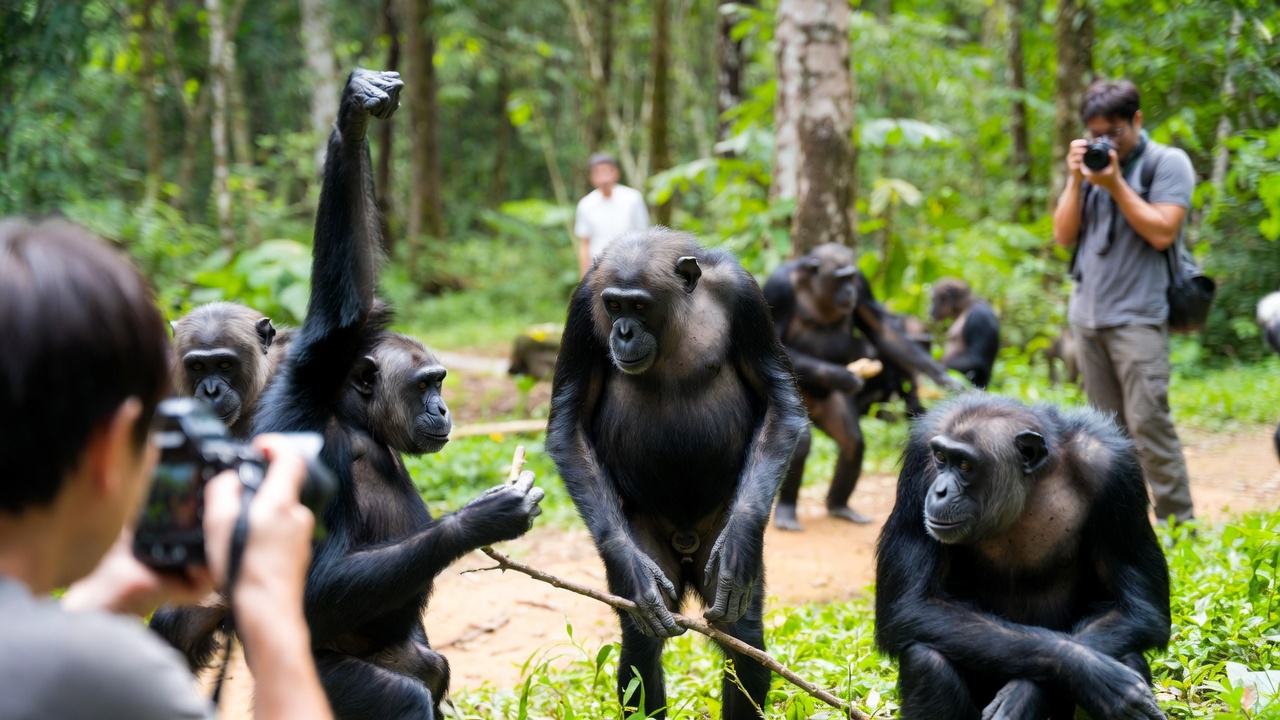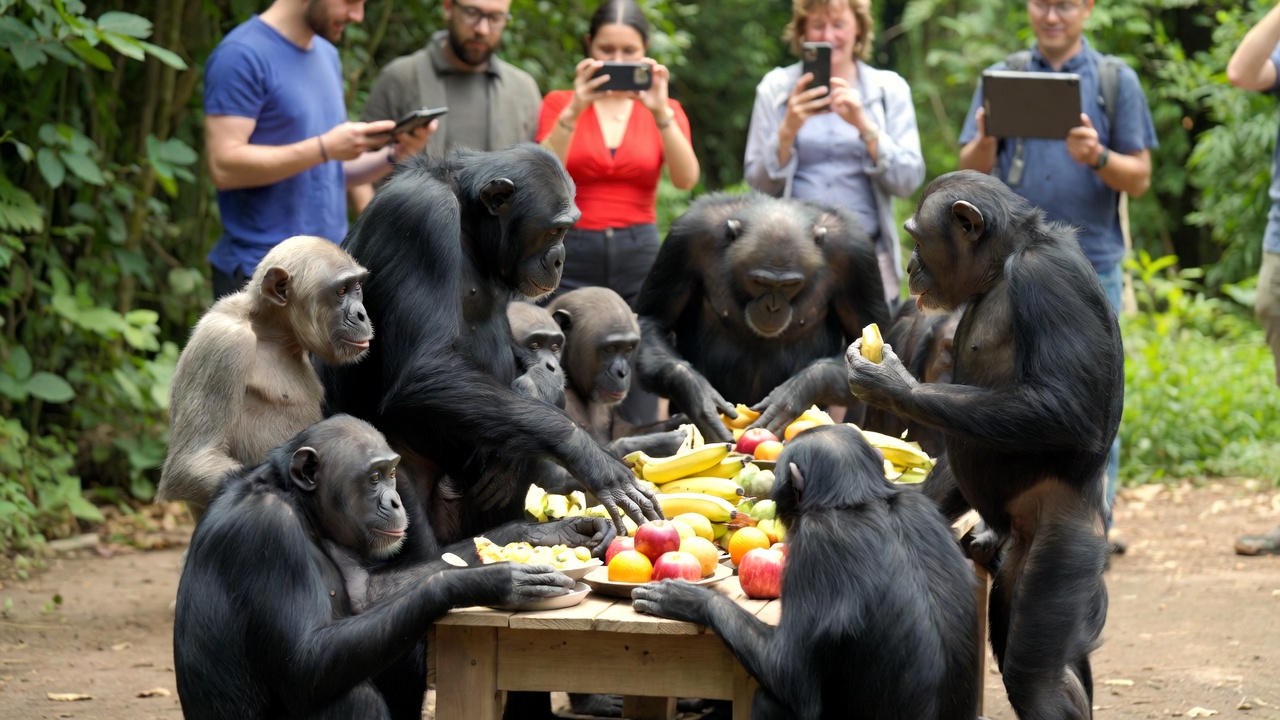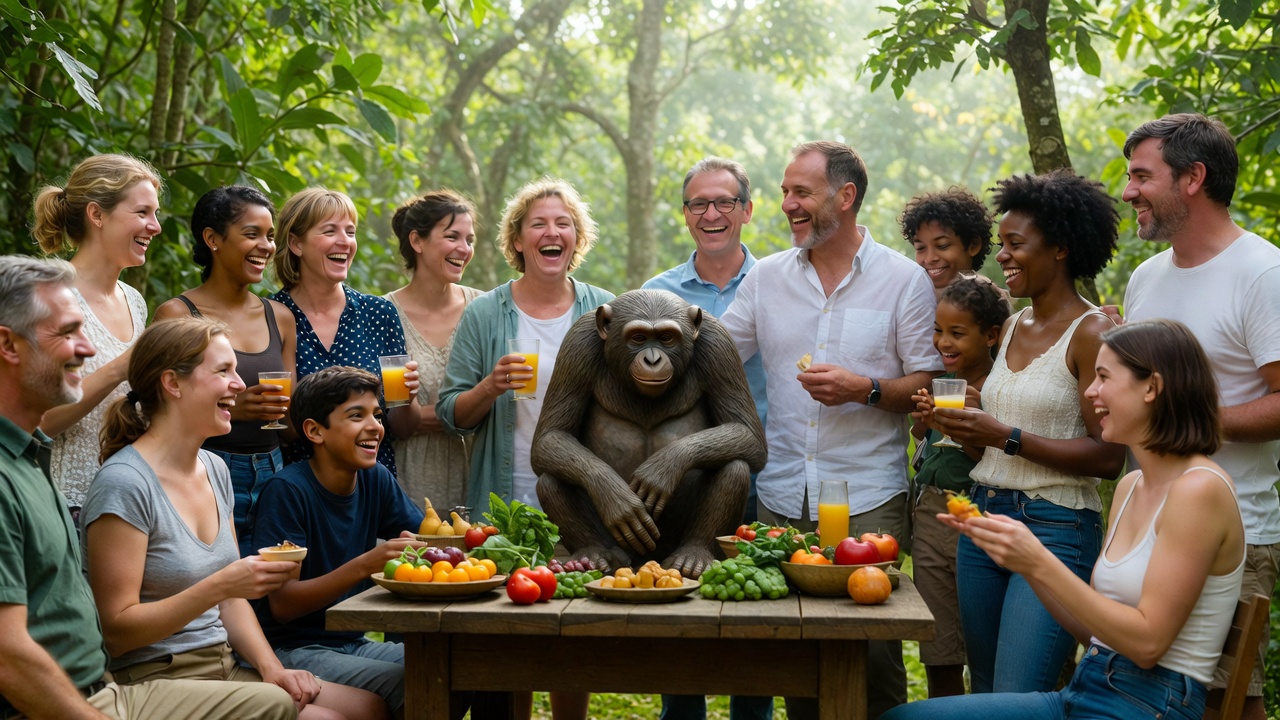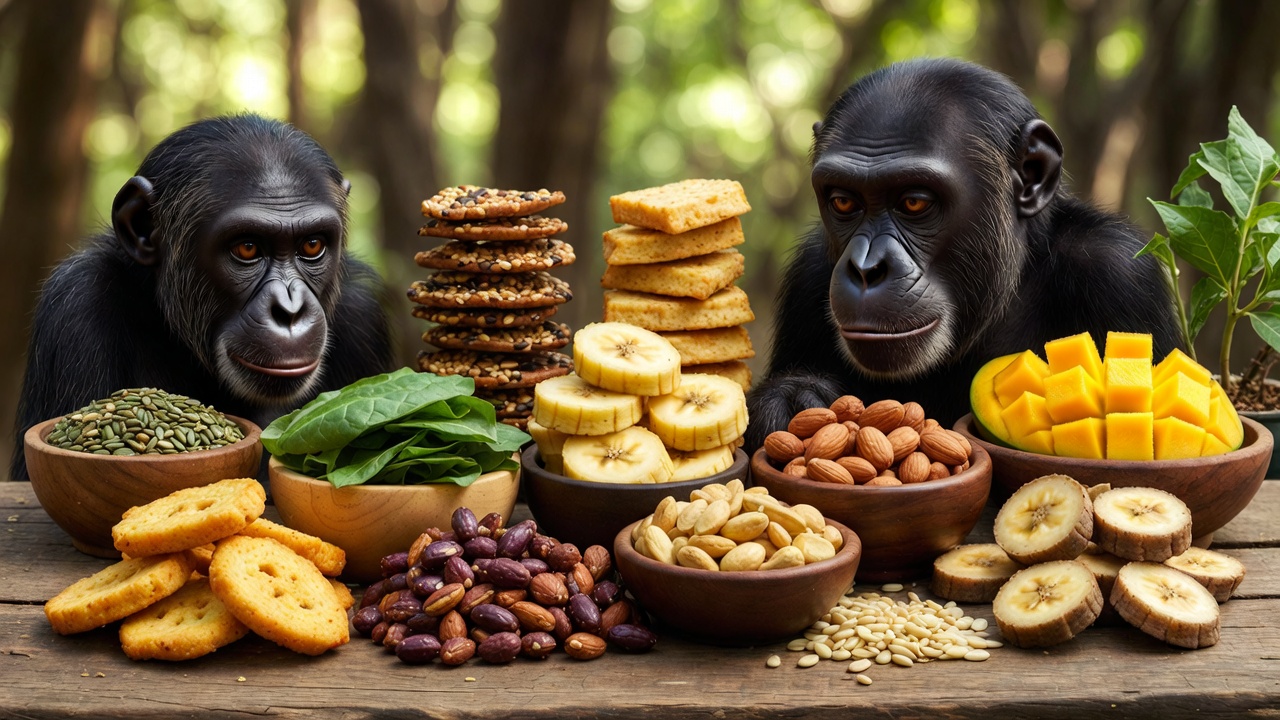
Every year on February 14, the world celebrates more than just romance. It is also World Bonobo Day — a global awareness event honoring one of the most peaceful, loving, and endangered great apes on Earth. Founded in 2017 by the Bonobo Conservation Initiative (BCI), this day shines a light on bonobos (Pan paniscus), the gentle primates who share a remarkable 98.7% of their DNA with humans.
It is no accident that World Bonobo Day falls on Valentine’s Day. Bonobos are often called the “make love, not war” apes because they resolve conflict through social bonding, grooming, and affection rather than aggression. They live in matriarchal societies deep in the rainforests of the Democratic Republic of the Congo (DRC) — the only place on Earth where they are found in the wild.
So how do you throw a party for the planet’s most lovable primates? You start with the food. This guide brings you easy, plant-forward recipes inspired by the actual diet of bonobos and the rich culinary traditions of the Congo Basin. Every dish here is rooted in real science and real culture — no gimmicks, just good eating for a great cause.
What Do Bonobos Eat in the Wild? Understanding the Bonobo Diet
Before we fire up the kitchen, it helps to know what bonobos actually put on their plates — or, more accurately, what they pluck from the trees.
According to the San Diego Zoo Wildlife Alliance, the majority of a bonobo’s diet is made up of plants and fruits. They forage high in the canopy, spending roughly 20% of their day feeding and another 20% traveling and snacking along the way. Researchers estimate that about 57% of the bonobo diet consists of fruit, with the rest filled out by leaves, stems, flowers, bark, seeds, honey, and the occasional protein from insects or small animals.
At Lola ya Bonobo — the world’s only sanctuary for orphaned bonobos, located near Kinshasa — the rescued apes eat a varied menu that includes bananas, watermelon, pineapple, avocado, cucumber, African pear, and palm nuts. The sanctuary’s keepers also prepare protein balls made from lentils, bananas, squash, sesame seeds, and cassava flour to keep the animals healthy and strong.
That sanctuary menu is where many of the recipes below draw their inspiration. If these ingredients are good enough for our closest living relatives, they are certainly good enough for a celebration.
Here is a quick look at the bonobo diet breakdown:
| Food Category | Approximate % of Diet | Examples |
|---|---|---|
| Fruits | ~57% | Figs, wild berries, forest fruits |
| Leaves & stems | ~30% | Terrestrial herbaceous vegetation (THV), young shoots |
| Seeds, bark, flowers | ~10% | Various forest plants |
| Animal protein | ~3% | Insects, earthworms, occasional small mammals |
Source: Kano (1992); Bermejo et al. (1994), as cited by the University of Wisconsin Primate Info Net.
Easy Bonobo-Inspired Snack Recipes for World Bonobo Day Parties
Now for the fun part. The recipes below are designed to be simple, plant-heavy, and packed with the same fruits, nuts, and leafy greens that bonobos love. Each one also tips its hat to the food traditions of the Congo Basin, where bonobos make their home.
These are party snacks — quick to prepare, easy to share, and great conversation starters about bonobo conservation. Let’s get cooking.
Lola ya Bonobo Protein Balls: A Sanctuary-Inspired Energy Bite Recipe
This recipe is directly inspired by the protein balls prepared by keepers at the Lola ya Bonobo sanctuary in Kinshasa. As Friends of Bonobos reports, the sanctuary makes these from a blend of lentils, bananas, squash, sesame seeds, and wheat or cassava flour. Visitors to the sanctuary can even help make them during their stay.
Our home-kitchen version stays true to those core ingredients while making the process accessible for anyone with a food processor.
Prep time: 15 minutes | Cook time: 30 minutes (for lentils) | Yield: About 20 balls
Ingredients
- 1/2 cup red lentils, rinsed
- 2 ripe bananas, mashed
- 1/2 cup cooked and mashed butternut squash (or canned pumpkin)
- 3 tablespoons sesame seeds
- 1/2 cup cassava flour (or whole wheat flour as a substitute)
- 2 tablespoons honey or maple syrup
- 1/4 teaspoon cinnamon
- Pinch of sea salt
Instructions
- Cook the lentils. Place the rinsed red lentils in a small saucepan with 1 cup of water. Bring to a boil, then reduce heat and simmer for about 25 minutes until soft and most water is absorbed. Drain any excess liquid and set aside to cool.
- Combine the base. In a large bowl, mix the cooked lentils, mashed bananas, and mashed squash until well blended.
- Add dry ingredients. Stir in the sesame seeds, cassava flour, cinnamon, and salt. Add honey and mix until the dough holds together. If the mixture is too wet, add a tablespoon more flour. If too dry, add a splash of water.
- Shape the balls. Scoop tablespoon-sized portions and roll them between your palms into smooth balls.
- Chill. Place on a parchment-lined tray and refrigerate for at least 30 minutes to firm up.
- Serve and share. Present them on a platter with a small sign explaining their origin at the bonobo sanctuary. Store leftovers in an airtight container in the fridge for up to five days.
Why this matters: Every bite connects you to the real nutrition science behind bonobo care. Plus, lentils and sesame seeds are powerhouse foods — rich in plant protein, fiber, and iron.
Tropical Fruit Platter with Congolese Pili Pili Dip for Bonobo Day
Bonobos are frugivores at heart. When wild bonobos stumble upon a tree heavy with ripe fruit, researchers have observed them falling into what scientists describe as a state of excitement — they eat fast, chase each other, and vocalize loudly. This platter channels that same joyful energy.
The dip pays tribute to pili pili, the fiery chili sauce that is a staple across the DRC. In Congolese homes and nganda restaurants alike, pili pili accompanies almost everything. Our version pairs it with sweet tropical fruit for a contrast that is both surprising and addictive.
Prep time: 15 minutes | Yield: Serves 6–8
For the Fruit Platter
- 1 ripe pineapple, peeled and sliced into spears
- 2 ripe mangoes, peeled and sliced
- 1 small watermelon, cut into triangles or cubes
- 3 ripe bananas, peeled and sliced on the diagonal
- 1 papaya, seeded and sliced
- 1 cup fresh coconut chunks (optional)
For the Pili Pili Fruit Dip
- 2 tablespoons lime juice
- 1 tablespoon honey
- 1/2 teaspoon scotch bonnet pepper, finely minced (adjust to taste — this is very hot)
- 1 tablespoon passion fruit pulp (or orange juice)
- Pinch of sea salt
Instructions
- Arrange the fruit on a large platter or wooden board. Group each fruit type together for a colorful, inviting display.
- Make the dip. Whisk together the lime juice, honey, minced scotch bonnet, passion fruit pulp, and salt in a small bowl.
- Serve with caution. Place the dip in a small bowl in the center of the platter. Label it clearly — a little goes a long way. Pili pili is not for the faint of heart.
Cultural note: The scotch bonnet pepper, rated between 100,000 and 350,000 on the Scoville Scale, is the backbone of pili pili sauce throughout Central Africa. In Kinshasa, it is as common at the dinner table as salt and pepper are in Western kitchens.
Banana and Peanut Butter Bites: A Bonobo-Friendly No-Bake Snack
Peanuts and bananas are two of the most common foods across Central Africa. In the DRC, peanut-based sauces and stews — like the beloved moambe chicken, the national dish of both Congos — form the backbone of everyday cooking. This no-bake snack strips those flavors down to their simplest form.
Bonobos at the San Diego Zoo eat bananas, apples, oranges, grapes, and yams as part of their daily diet. Bananas, in particular, are a hit at zoos and sanctuaries worldwide.
Prep time: 10 minutes | Yield: About 16 bites
Ingredients
- 2 large ripe bananas
- 1/2 cup natural peanut butter (no sugar added)
- 1 cup rolled oats
- 2 tablespoons roasted peanuts, roughly chopped
- 1 tablespoon cocoa powder (optional, for a chocolate twist)
- 1 tablespoon maple syrup
Instructions
- Mash the bananas thoroughly in a mixing bowl.
- Stir in the peanut butter until smooth and well combined.
- Add the oats, chopped peanuts, cocoa powder (if using), and maple syrup. Mix until a thick, sticky dough forms.
- Roll into balls — about one tablespoon each — and place on a parchment-lined plate.
- Chill in the refrigerator for at least 20 minutes before serving.
Party tip: Stick a small toothpick flag into each bite with a bonobo fact printed on it. Here is one to start with: “Bonobos are one of only two species in the genus Pan. The other is the common chimpanzee.”
Sweet Potato Leaf Chips Inspired by Congolese Matembele
This recipe is a love letter to the DRC. Matembele — sweet potato leaves — are one of the most popular vegetables in Congolese cooking. At Lola ya Bonobo, the sanctuary grows sweet potato leaves on its own farm to feed the resident bonobos. In Lingala, the language widely spoken in Kinshasa, a cooked version of these leaves is a household staple.
Since sweet potato leaves can be hard to find outside of Central Africa, this recipe uses regular sweet potatoes sliced thin and baked into crispy chips. They capture the spirit of the ingredient, even if the exact leaf is not available in your local grocery store.
Prep time: 10 minutes | Cook time: 20 minutes | Yield: Serves 4
Ingredients
- 2 medium sweet potatoes, scrubbed clean
- 2 tablespoons palm oil or olive oil
- 1/2 teaspoon smoked paprika
- 1/4 teaspoon cayenne pepper (optional)
- 1/2 teaspoon sea salt
- Squeeze of fresh lime juice
Instructions
- Preheat the oven to 375°F (190°C).
- Slice the sweet potatoes into very thin rounds using a mandoline or sharp knife. Aim for about 1/8 inch thick.
- Toss the slices in a bowl with the oil, paprika, cayenne, and salt until evenly coated.
- Spread in a single layer on two parchment-lined baking sheets. Do not overlap the slices.
- Bake for 18–22 minutes, flipping once halfway through, until the edges are crispy and golden.
- Finish with a squeeze of lime juice while still warm.
Serving suggestion: Pair these with the pili pili dip from the tropical fruit platter recipe above for an authentically Congolese flavor combination.
Congolese-Style Fried Plantains for Your World Bonobo Day Menu
No celebration in the Congo Basin is complete without fried plantains. These golden, caramelized slices appear beside nearly every main dish in Congolese cooking — from moambe chicken to grilled fish with pondu (cassava leaf stew). Plantains are also part of the broader great ape diet, and bonobos eat them readily in captivity.
In the DRC, plantains are fried in palm oil, which gives them a distinctive reddish hue and a slightly nutty flavor. You can use palm oil or substitute with coconut oil or a neutral vegetable oil.
Prep time: 5 minutes | Cook time: 8 minutes | Yield: Serves 4
Ingredients
- 3 ripe plantains (yellow with some black spots — not green)
- 3 tablespoons palm oil or coconut oil
- Pinch of sea salt
- Optional: sprinkle of ground cinnamon or drizzle of honey for a sweet version
Instructions
- Peel the plantains and slice them on the diagonal into pieces about 1/2 inch thick.
- Heat the oil in a large skillet over medium heat.
- Fry the slices in a single layer for about 3–4 minutes per side, until deep golden and slightly caramelized.
- Drain on paper towels and sprinkle with salt immediately.
- Serve warm. For a sweet party snack, add a light dusting of cinnamon or a drizzle of honey.
Cultural note: In Kinshasa’s nganda restaurants — informal eateries often run by women — fried plantains are served alongside baked fish and cassava bread. These establishments are a cornerstone of Congolese social life and a testament to the entrepreneurial spirit of Congolese women — a fitting parallel to the female-led bonobo societies.
Avocado and Palm Nut Dip: A Plant-Based Bonobo Day Appetizer
Avocados and palm nuts are two of the foods served to bonobos at the Lola ya Bonobo sanctuary. This dip combines them with garlic and lime for a spread that works equally well with the sweet potato chips, plantain slices, or simple crackers.
Palm nut cream (also called palm butter or sauce moambe) is the base of many Congolese stews. It has a rich, savory flavor that is completely different from the more familiar coconut cream. If you cannot find canned palm nut cream, a tablespoon of unrefined red palm oil stirred into the avocado will give you a similar depth of flavor.
Prep time: 10 minutes | Yield: About 1.5 cups
Ingredients
- 2 ripe avocados, halved and pitted
- 2 tablespoons palm nut cream (or 1 tablespoon red palm oil)
- 1 clove garlic, minced
- 2 tablespoons lime juice
- 1/4 teaspoon smoked paprika
- Salt and pepper to taste
- Fresh cilantro or parsley for garnish
Instructions
- Scoop the avocado flesh into a bowl and mash with a fork to your desired consistency — chunky or smooth.
- Stir in the palm nut cream, garlic, lime juice, paprika, salt, and pepper.
- Taste and adjust the seasoning. Add more lime or salt as needed.
- Garnish with fresh herbs and a light drizzle of palm oil on top for color.
- Serve immediately with sweet potato chips, plantain slices, or raw vegetable sticks.
How to Host a World Bonobo Day Party with Ape-Themed Snacks
Putting together a World Bonobo Day celebration is easier than you might think. Here is a simple party plan that combines the recipes above with some awareness-building activities.
Your World Bonobo Day Party Checklist
| Task | Details |
|---|---|
| Set the menu | Choose 3–4 recipes from this post. The protein balls, fruit platter, and plantains are a strong trio. |
| Decorate | Print photos of bonobos and fun facts. Use green and brown colors to evoke the Congo rainforest. |
| Share facts | Create small table cards with bonobo trivia — such as the fact that bonobos can smile, laugh, and even kiss. |
| Watch a documentary | Screen a bonobo documentary during the party. Many are available on streaming platforms. |
| Donate | Set up a donation link to Friends of Bonobos, the Bonobo Conservation Initiative, or the African Wildlife Foundation. Even small contributions help fund sanctuary operations and anti-poaching patrols. |
| Adopt a bonobo | Several conservation organizations offer symbolic bonobo adoptions that make a thoughtful Valentine’s Day gift. |
Why Celebrating World Bonobo Day 2026 Matters for Conservation
The recipes and the party are fun. But the reason behind them is serious.
Bonobos are endangered. According to the African Wildlife Foundation, only an estimated 10,000 to 20,000 bonobos remain in the wild in the DRC. Their numbers continue to decline due to poaching for bushmeat, habitat loss from logging and agriculture, civil conflict, and diseases like Ebola. A staggering 99.2% of their range is also suitable for palm oil production, which poses a growing future threat.
Organizations on the ground are fighting to change this trajectory. The African Wildlife Foundation has established two reserves in the DRC and trains local rangers to manage protected areas. Friends of Bonobos runs Lola ya Bonobo sanctuary, where orphaned bonobos are rehabilitated and — when possible — released back into the wild. The Bonobo Conservation Initiative works with local Congolese communities to create community-managed reserves.
Every World Bonobo Day party, every shared recipe, and every conversation about these animals helps push the needle. Awareness is the first step. As the Earth.com team wrote on World Bonobo Day 2025: saving bonobos is about more than protecting a single species — it is about preserving an entire ecosystem and recognizing our responsibility to safeguard the planet’s biodiversity.
Printable World Bonobo Day Recipe Cards and Meal Prep Tips
Want to make your party prep even smoother? Here are a few practical tips for getting these dishes ready ahead of time.
Make-ahead friendly:
- Protein balls can be made up to 5 days in advance and stored in the fridge.
- Pili pili dip keeps well for 3 days in a sealed jar.
- Sweet potato chips are best fresh but can be baked the morning of your party and stored in an open container at room temperature.
- Plantains are best fried just before serving, but you can peel and slice them a few hours ahead and keep them in water with a squeeze of lemon to prevent browning.
- Avocado dip should be made no more than 2 hours before serving. Press plastic wrap directly onto the surface to prevent browning.
Dietary notes:
- All recipes in this post are naturally gluten-free if you use cassava flour in the protein balls (rather than wheat).
- All recipes are dairy-free.
- The protein balls, sweet potato chips, and avocado dip are vegan if you swap honey for maple syrup.
- The peanut butter bites can be made nut-free by substituting sunflower seed butter for peanut butter.
Frequently Asked Questions About World Bonobo Day Recipes
When is World Bonobo Day 2026? World Bonobo Day falls on Saturday, February 14, 2026. It is celebrated annually on February 14, coinciding with Valentine’s Day, because bonobos are known for their peaceful and loving nature.
What foods do bonobos eat? Bonobos are omnivorous frugivores. About 57% of their diet is fruit. They also eat leaves, stems, seeds, bark, flowers, honey, and small amounts of animal protein from insects and earthworms. At sanctuaries, they eat bananas, watermelon, pineapple, avocado, and leafy greens.
Are these recipes kid-friendly? Yes. The protein balls, banana peanut butter bites, and fried plantains are especially popular with children. Skip the pili pili dip for younger guests — the scotch bonnet pepper is extremely hot.
How can I support bonobo conservation? You can donate to organizations like Friends of Bonobos, the Bonobo Conservation Initiative, or the African Wildlife Foundation. You can also symbolically adopt a bonobo, recycle your old electronics (coltan mining for phone batteries threatens bonobo habitat), and spread awareness on social media using #WorldBonoboDay and #BonoboLove.
Can I use these recipes for a classroom activity? Absolutely. The Lola ya Bonobo protein balls recipe, in particular, connects directly to real conservation science. Pair it with a lesson on great ape biology, the Congo Basin ecosystem, or endangered species for a hands-on educational experience.
Final Thoughts: Cook, Share, and Protect Our Closest Relatives
World Bonobo Day is a celebration of love — not just the romantic kind, but the deep, cooperative, empathetic love that bonobos model every day in the forests of the Congo. When you serve a platter of tropical fruit or hand someone a lentil-banana protein ball, you are doing more than feeding your guests. You are starting a conversation about a species that most people have never heard of but that shares nearly all of our genetic code.
Bonobos remind us of what we could be at our best: peaceful, generous, and deeply connected to each other and to the natural world. This February 14, set a place at your table for our closest relatives. Cook something inspired by their world. Share the story. And if you can, send a little love their way through a donation or a symbolic adoption.
Mbote! — as they say in Lingala. Hello, and welcome to the celebration.