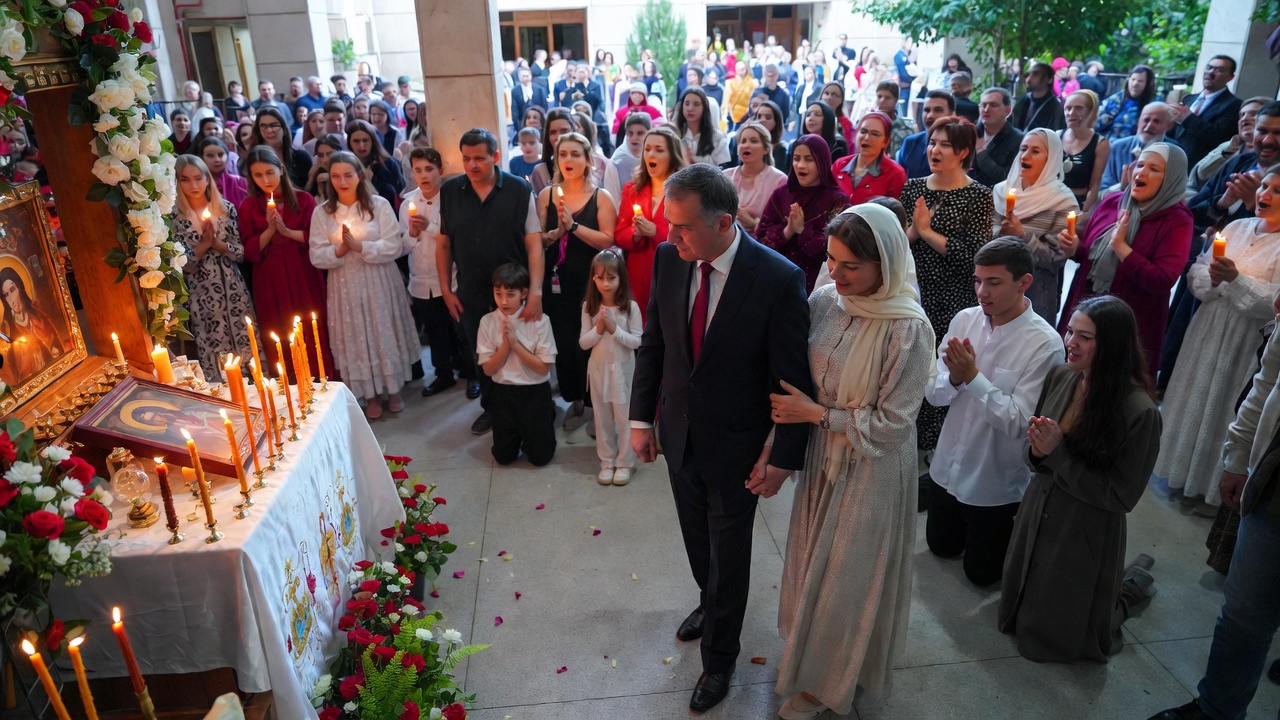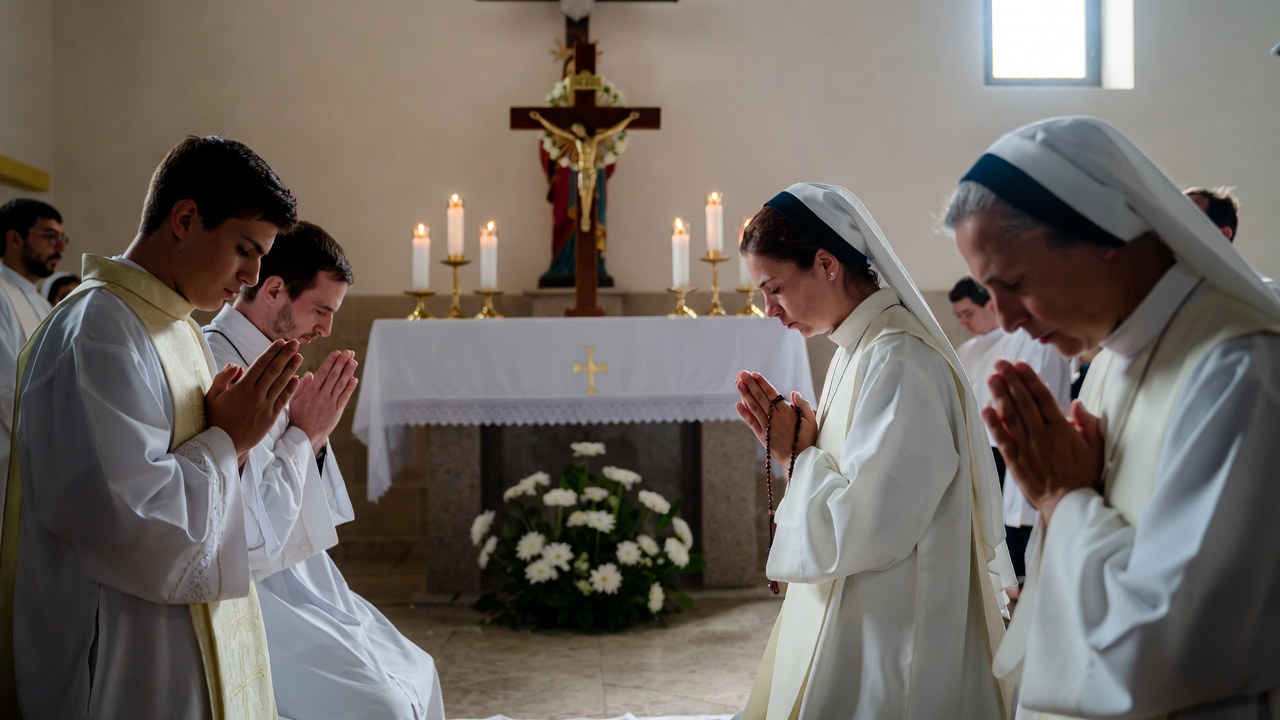
Every February, a small town at the foot of the French Pyrenees becomes the spiritual center of the Catholic world. On February 11, 2026, the universal Church celebrates the 34th World Day of the Sick. This date also marks the Feast of Our Lady of Lourdes, the anniversary of the first time the Virgin Mary appeared to a 14-year-old miller’s daughter named Bernadette Soubirous in 1858.
This year carries special weight. Pope Leo XIV has chosen a theme that speaks directly to anyone who has ever sat at the bedside of a suffering loved one: “The compassion of the Samaritan: loving by bearing another’s pain.” The Sanctuary of Lourdes itself is launching a brand-new three-year spiritual journey based on the Gospel of Saint Luke. The year 2026 opens with the theme of the Annunciation — a year of welcome, listening, and saying “yes.”
Whether you are planning your first trip to this sacred corner of France or returning for the hundredth time, this guide covers everything you need to know. From the history behind the day to the best way to reach Lourdes in February, from what happens inside the Grotto to where to find a warm bowl of garbure after a cold afternoon of prayer, we have you covered.
Let us walk together.
What Is World Day of the Sick and Why Is It Celebrated on February 11
The World Day of the Sick is an annual observance of the Roman Catholic Church. It was established in 1992 by Pope John Paul II, who had been diagnosed with Parkinson’s disease the year before. His personal experience of illness shaped the day’s purpose: to encourage the faithful to pray for those who suffer and for the caregivers who accompany them.
The date — February 11 — was no accident. It coincides with the liturgical Feast of Our Lady of Lourdes, the memorial of the first apparition at the Grotto of Massabielle. John Paul II understood that Lourdes, more than any other place on earth, represented the Church’s commitment to the sick. By linking the two celebrations, he created a day that unites prayer, solidarity, and the hope for healing — physical, emotional, and spiritual.
Since then, every pope has issued a special message for the occasion. The celebration rotates among major Marian shrines around the world, though Lourdes remains its spiritual home.
Key facts at a glance:
| Detail | Information |
|---|---|
| Official name | 34th World Day of the Sick |
| Date | February 11, 2026 |
| Established by | Pope John Paul II (1992) |
| 2026 Theme | “The compassion of the Samaritan: loving by bearing another’s pain” |
| 2026 Solemn celebration | Shrine of Nuestra Señora de la Paz, Chiclayo, Peru |
| Papal Envoy | Cardinal Michael Czerny, S.J. |
| Liturgical feast | Our Lady of Lourdes |
World Day of the Sick 2026 Theme: The Compassion of the Good Samaritan Explained
Pope Leo XIV’s chosen theme for 2026 draws from one of the most beloved parables in the Christian tradition — the Good Samaritan (Luke 10:25–37). A traveler is beaten and left on the road. A priest and a Levite pass by without stopping. A Samaritan — a social outsider — is the one who kneels down, bandages the man’s wounds, and carries him to an inn.
In his message released on January 20, 2026, Pope Leo XIV wrote: “To serve one’s neighbor is to love God through deeds.” The pope emphasized that compassion is not merely an emotion. It must translate into concrete gestures — a hand held at a hospital bed, a meal cooked for a homebound neighbor, a policy that ensures healthcare reaches the poorest communities.
The theme also draws on Pope Francis’ 2020 encyclical Fratelli Tutti, which used the parable of the Good Samaritan as a framework for rethinking human brotherhood. Pope Leo XIV builds on that legacy, urging the faithful to recognize that “the pain that moves us to compassion is not the pain of a stranger; it is the pain of a member of our own body.”
Cardinal Michael Czerny, the Prefect of the Dicastery for Promoting Integral Human Development, spoke at the Vatican press conference on January 20. He reminded listeners that everyone — regardless of faith — can discover something powerful through service. “By worrying about it less and reaching out to someone who needs you, you will discover that there’s more life than you imagined,” he told journalists at the Holy See Press Office.
Why the 2026 Celebration Is in Chiclayo, Peru
The main solemn celebration for the 34th World Day of the Sick takes place at the Shrine of Nuestra Señora de la Paz in the Diocese of Chiclayo, Peru. This location holds special meaning for Pope Leo XIV, whose earlier episcopal ministry was connected to the region. By choosing a Latin American venue, the Vatican is honoring that continent’s deep tradition of communal solidarity and care for the vulnerable.
However, the day is observed in churches, hospitals, and shrines around the world. And no place observes it more intensely than Lourdes, France — the spiritual birthplace of the celebration itself.
The History of Lourdes: How a Small Pyrenean Town Became the World’s Greatest Healing Shrine
To understand what makes a February pilgrimage to Lourdes so profound, you need to know the story of the girl who started it all.
Bernadette Soubirous and the 18 Apparitions of 1858
Bernadette Soubirous was born on January 7, 1844, in Lourdes, a small market town in the Hautes-Pyrénées department of southwestern France. Her family were millers, and though they lived comfortably at first, financial ruin pushed them into poverty. By 1858, the family of six was living in a single room of a former jail cell — a grim space the locals called “le Cachot” (the dungeon).
On February 11, 1858, Bernadette was gathering firewood near the Grotto of Massabielle along the river Gave de Pau. She was 14 years old, small for her age, asthmatic, and barely literate. That afternoon, she saw a figure dressed in white with a blue sash and a golden rose on each foot. The figure appeared in a niche of the rock above the grotto.
Over the next five months, the figure appeared to Bernadette 18 times. During the ninth apparition, the lady told Bernadette: “Go and drink at the spring and wash yourself there.” No spring was visible. Bernadette dug into the muddy ground with her bare hands. The water that seeped out was initially brown and dirty, but within days it ran clear. It has never stopped flowing since.
On March 25, 1858, the Feast of the Annunciation, Bernadette asked the lady her name. The answer came in the local Occitan dialect: “Que soy era Immaculada Concepciou” — “I am the Immaculate Conception.” This was a theological title that the uneducated Bernadette could not possibly have invented. It sent shockwaves through the local church and beyond.
The apparitions were declared authentic by the Bishop of Tarbes in 1862. Bernadette later became a nun at the convent of Saint-Gildard in Nevers, where she died on April 16, 1879, at the age of 35. She was canonized in 1933 by Pope Pius XI. Her feast day is celebrated on February 18 in France and April 16 elsewhere.
From Village Grotto to Global Sanctuary
What began as a muddy stream and a teenage girl’s vision has become one of the most visited sacred sites on Earth. The Sanctuary of Our Lady of Lourdes now spans 50 hectares and includes three major basilicas, the Grotto of the Apparitions, the Baths, multiple chapels, a Way of the Cross, hospitals, and pastoral centers.
An estimated 200 million people have visited the shrine since 1860. Each year, between five and six million pilgrims arrive from every continent. On a busy summer day, the Grotto can see 10,000 visitors in a single 24-hour period.
Lourdes has more hotel rooms per square kilometer than any city in France — except Paris. The town’s resident population is only about 15,000, but its hospitality infrastructure rivals cities many times its size.
How Many Miracles Have Been Recognized at Lourdes: The 72 Officially Verified Healings
One of the most frequently asked questions about Lourdes concerns its miracles. Here is what the data shows.
Since 1858, the Bureau of Medical Observations — established in 1883 and now led by Dr. Alessandro de Franciscis — has recorded more than 7,000 dossiers of reported cures. Of these, 72 have been officially recognized as miraculous by the Catholic Church.
The process is rigorous. A cure must first be declared medically inexplicable by the Bureau’s independent physicians. It must be sudden, complete, and lasting. Only after this medical verdict does the patient’s local bishop conduct a separate canonical investigation. The entire process can take years, sometimes decades.
The most recent recognized miracle occurred in 2009 and was officially proclaimed on April 16, 2025. Italian woman Antonietta Raco, who suffered from primary lateral sclerosis (PLS), was cured during a pilgrimage to Lourdes with the Italian organization UNITALSI. After bathing in the sanctuary’s pools, she returned home and began walking independently. The effects of the disease, which had caused severe walking difficulties, dysphagia, and dysarthria, disappeared immediately and permanently. Bishop Vincenzo Carmine Orofino of Tursi-Lagonegro officially declared the miraculous nature of the healing.
Timeline of milestone Lourdes miracles:
| Year of Cure | Patient | Condition | Year Recognized |
|---|---|---|---|
| 1858 | Catherine Latapie | Deformed hand from accident | 1862 |
| 1923 | John Traynor | WWI veteran with paraplegia | 2024 |
| 2009 | Antonietta Raco | Primary lateral sclerosis | 2025 |
It is important to note that the Church distinguishes between “miracles” (the 72 canonical recognitions) and the thousands of reported “cures” or “extraordinary healings” that have not undergone the full verification process. Many pilgrims speak of emotional, psychological, and spiritual healings that resist medical measurement but are no less real to those who experience them.
What Is New in Lourdes in 2026: The Three-Year Spiritual Journey with Mary
The year 2026 marks the beginning of an exciting new chapter for the Sanctuary of Lourdes. The Sanctuary has announced a three-year pastoral program based on the Gospel of Saint Luke, titled “A Journey into the Heart of Mary.”
The three years are structured as follows:
- 2026 — The Annunciation: “Hail, full of grace, the Lord is with you” (Luke 1:28). This is the year of welcome, of listening, and of the “yes” that changed everything.
- 2027 — The Visitation: “In those days Mary set out and went with haste…” (Luke 1:39). This is the year of service, of joyful charity, and of reaching out to others.
- 2028 — The Magnificat: “His mercy is for those who fear him from generation to generation” (Luke 1:50). This is the year of praise, gratitude, and celebrating God’s wonders. It also marks the 170th anniversary of the apparitions.
For pilgrims visiting in 2026, this means that homilies, spiritual exercises, guided reflections, and even the Sanctuary’s liturgical decorations will revolve around the theme of the Annunciation. The emphasis on welcome and listening resonates beautifully with the World Day of the Sick theme of compassionate presence.
February 11 Feast of Our Lady of Lourdes: What Happens at the Sanctuary on This Day
February 11 is the most sacred day on the Lourdes calendar. It marks the anniversary of the first apparition in 1858 and is celebrated as the Feast of Our Lady of Lourdes throughout the Catholic world.
At the Sanctuary itself, the day begins with special morning Masses in multiple languages. The Grotto of Massabielle — where Bernadette first saw the Lady — becomes the focal point. Pilgrims queue in single file to touch the smooth rock of the Grotto wall, which has been polished by the hands of millions of visitors over more than a century and a half.
Typical schedule of events on February 11 at the Sanctuary:
- Morning: Special Masses in the chapels and basilicas (French, English, Italian, Spanish, and other languages)
- 9:30 a.m.: Stations of the Cross led by Sanctuary priests
- Midday: Angelus prayer at the Grotto
- Afternoon: Water Gesture at the Baths (pilgrims wash hands and face with the spring water)
- 5:00 p.m.: Eucharistic Procession with the Blessing of the Sick
- 9:00 p.m.: Candlelight Marian Procession (weather permitting; schedule may be reduced in winter)
Because February is winter in the Pyrenees, the crowd on February 11 is smaller and more intimate than the massive summer pilgrimages. Many longtime pilgrims consider this the most meaningful time to visit. The cold air, the quiet grounds, and the sense of being among a faithful few create an atmosphere that is hard to replicate during the busy summer season.
How to Get to Lourdes France: Complete Travel Guide by Train, Plane, and Car
Lourdes sits in the Hautes-Pyrénées department of the Occitanie region in southwestern France. Despite its small size, it is well connected to the rest of Europe by air, rail, and road.
Flying to Lourdes: Nearest Airports
Tarbes-Lourdes-Pyrénées Airport (LDE) is the closest airport, located about 10 kilometers north of Lourdes. It primarily serves pilgrimage charter flights and seasonal routes. Airlines that operate from LDE include Ryanair (from London Stansted and Milan Bergamo) and seasonal services from other European hubs.
Pau-Pyrénées Airport (PUF) is about 35 kilometers northwest of Lourdes. It offers Air France connections from Paris-Orly and Paris-Charles de Gaulle, along with seasonal flights from Amsterdam and Dublin.
Toulouse-Blagnac Airport (TLS), the largest airport in the region, is about 190 kilometers northeast. From there, you can rent a car or take a train to Lourdes.
Taking the Train to Lourdes from Paris and Other Cities
The train is the most popular way to reach Lourdes from within France. The Gare de Lourdes is a well-served station on the Toulouse–Bayonne railway line.
| Route | Train Type | Approximate Travel Time | Frequency |
|---|---|---|---|
| Paris Montparnasse → Lourdes | TGV inOUI (direct) | ~5 hours | 4 times daily |
| Toulouse → Lourdes | TER / Intercités | ~2 hours | Multiple daily |
| Bordeaux → Lourdes | TGV / Intercités | ~2.5–3 hours | Several daily |
| Lyon → Lourdes | TGV (with connection) | ~6–7 hours | Several daily |
Booking tip: Train tickets from Paris to Lourdes typically cost between €35 and €180 depending on how far in advance you book. Prices go on sale three to six months before the travel date. Booking early with SNCF or through platforms like Trainline or Omio can save significant money.
A night train also operates from Paris, departing in the late evening and arriving in Lourdes early the next morning. This can be a practical option for pilgrims who want to save on a night’s accommodation.
Driving to Lourdes
Lourdes is accessible via the A64 motorway (also called La Pyrénéenne), which connects Toulouse and Bayonne. From Bordeaux, take the A63 south and then exit onto the A64. From Paris, the drive takes approximately 8 hours via the A10 and A62/A64 motorways.
Parking in Lourdes is readily available. Several large car parks near the Sanctuary offer hourly and daily rates. Some hotels also provide private parking.
Bus Options
Both BlaBlaCar Bus and FlixBus operate services to Lourdes from Paris and other cities. The journey from Paris takes approximately 12 hours and costs between €35 and €90. This is the budget option, but the travel time is significant.
Best Hotels and Accommodation Near the Sanctuary of Lourdes for Pilgrims
Lourdes has an extraordinary density of accommodation. The town offers everything from budget pilgrim hostels to elegant four-star hotels within walking distance of the Sanctuary. Here is a breakdown of your options.
Hotel Accommodation by Category
| Category | Examples | Approximate Price (Feb 2026) | Distance to Sanctuary |
|---|---|---|---|
| 4-star | Grand Hotel Gallia & Londres, Hotel Eliseo | €80–€150/night | 3–5 min walk |
| 3-star | Hotel Padoue, Hotel Saint Louis de France, Hotel Jeanne d’Arc | €50–€90/night | 3–8 min walk |
| 2-star / Budget | Hotel de Nevers, Hotel du Commerce | €38–€60/night | 5–10 min walk |
| Pilgrim hostels | Cité Saint-Pierre, Accueil Notre-Dame | Donation-based / €6–€15 | Within Sanctuary grounds |
The Grand Hotel Gallia & Londres is a Belle Époque gem built in the 19th century by Bernadette’s own niece. It offers panoramic views of the Château Fort and the Sanctuary. Hotel La Solitude is beloved by repeat pilgrims for its location just three minutes from the Sanctuary gates and its terrace views of the river and castle.
Budget and Pilgrim-Friendly Accommodation
For travelers on a tight budget, the Cité Saint-Pierre is a remarkable resource. Run by Secours Catholique, it provides accommodation and meals for pilgrims who cannot afford hotel stays. It operates from late January through early December and can house several hundred guests.
The Sanctuary itself maintains dedicated facilities for sick and disabled pilgrims, including the Accueil Notre-Dame, which is designed specifically for those who arrive as part of organized pilgrimage groups. Carers, or hospitaliers, stay in nearby houses to remain close to the people they serve.
February Accommodation Tips
February is off-season in Lourdes. This means lower prices and greater availability compared to the peak months of April through October. However, some smaller hotels close during winter. Always confirm that your chosen hotel is open before booking.
The Feast of Our Lady of Lourdes on February 11 can cause a brief spike in demand, so booking a few weeks ahead is wise for that specific date.
What to See and Do During a Lourdes Pilgrimage: Top Sacred Sites and Spiritual Activities
A pilgrimage to Lourdes is not a sightseeing trip — it is an experience of faith, community, and encounter. Here are the essential sites and activities that every pilgrim should know about.
The Grotto of Massabielle: Heart of the Sanctuary
The Grotto of Massabielle is the exact spot where Bernadette saw the Virgin Mary 18 times in 1858. It is the emotional and spiritual center of the entire Sanctuary. Pilgrims line up to walk past the rock face, touching it lightly with their fingertips. Above the natural alcove where the apparitions occurred stands a white marble statue of Our Lady of Lourdes, created by sculptor Joseph-Hugues Fabisch in 1864.
The spring that Bernadette uncovered during the ninth apparition still flows. Its water is channeled to the taps along the side of the Grotto, where pilgrims can drink, wash their hands and faces, or fill bottles to take home. The water has been analyzed repeatedly by scientists. It has no special mineral or medicinal properties — it is ordinary mountain spring water. And yet, for millions of people, it is anything but ordinary.
The Grotto is open 24 hours a day, year-round, and there is no admission charge.
The Three Basilicas of Lourdes
The Sanctuary contains three major churches, built in succession as pilgrim numbers grew:
Basilica of the Immaculate Conception (Upper Basilica): Completed in 1871, this neo-Gothic church sits directly above the Grotto. Its stained-glass windows depict scenes from the life of the Virgin Mary and the story of Bernadette. It is intimate and vertical, reached by a dramatic ramp.
Basilica of Our Lady of the Rosary (Lower Basilica): Built between 1883 and 1889 in a Romano-Byzantine style, this church features stunning mosaics depicting the 15 Mysteries of the Rosary. The golden mosaics glow in the candlelight and are among the most beautiful religious artworks in France.
Basilica of Saint Pius X (Underground Basilica): Consecrated in 1958 for the centenary of the apparitions, this is one of the largest churches in the world. It can hold 25,000 people and is built almost entirely underground. Its vast, open-plan interior hosts the major international Masses and special celebrations. The sheer scale can take your breath away.
The Baths and the Water Gesture
For many pilgrims, the most powerful moment at Lourdes is the encounter with the water. The Baths (also called the pools) allow pilgrims to immerse themselves in water fed by Bernadette’s spring. Volunteers assist visitors — including those who are elderly, disabled, or seriously ill — with care and gentleness.
During the pilgrimage season (Easter through October), the Baths operate from 9:00 a.m. to 11:30 a.m. and 2:00 p.m. to 4:30 p.m. In winter, availability may be reduced, but the Water Gesture — a simpler ritual of washing the hands and face — is available year-round at the fountains near the Grotto.
The Stations of the Cross
The Espélugues Way of the Cross is one of the most beautiful in the world. Set on a wooded hillside overlooking the Grotto, it features life-size cast-iron statues at each of the 14 stations. The walk takes about 90 minutes and offers both spiritual reflection and stunning views of the Sanctuary and the Pyrenees beyond.
Guided Stations of the Cross are offered daily (except Sunday) starting at 9:30 a.m., led by Sanctuary priests or religious sisters, in multiple languages.
The Candlelight Marian Procession
The nightly candlelight procession is, for many, the defining experience of Lourdes. Pilgrims gather on the Rosary Esplanade at 9:00 p.m., each holding a lit candle shielded by a paper lantern. They process together, singing the Ave Maria in Latin and French, while a statue of the Virgin Mary is carried at the head of the procession.
In winter, the procession schedule may be reduced or moved to a smaller route, depending on weather and attendance. Check with the Sanctuary Information Centre for the current schedule.
Walking in the Footsteps of Bernadette
The Sanctuary offers a guided walking tour that follows the path of Bernadette’s life in Lourdes. Key stops include:
- The Boly Mill: The house where Bernadette was born on January 7, 1844.
- Le Cachot: The cramped former jail cell where her impoverished family lived during the time of the apparitions.
- The Parish Church of the Sacred Heart: Where Bernadette was baptized.
- The Hospice: Where she attended school and received her First Communion.
These walking tours depart from the Sanctuary Information Centre and take about 90 minutes. They are available in French, English, Italian, and Spanish.
Visiting Lourdes in February: Weather, Crowds, and Practical Tips for Winter Pilgrims
February is deep winter in the Pyrenees. Visiting Lourdes at this time of year requires some preparation, but it also offers rewards that the summer season cannot match.
February Weather in Lourdes
| Condition | Detail |
|---|---|
| Average high temperature | 10–13°C (50–55°F) |
| Average low temperature | 1–3°C (34–37°F) |
| Rainfall | Moderate to high; rain is common year-round in the Pyrenees |
| Daylight hours | Approximately 10 hours |
| Snow | Possible, especially in the surrounding mountains |
What to pack: Bring warm layers, a waterproof jacket, comfortable walking shoes with good grip, an umbrella, and gloves. The Grotto is outdoors and partially exposed. If you plan to participate in the Water Gesture, bring a small towel.
Why February Is a Special Time to Visit Lourdes
The Sanctuary is open year-round, but the formal pilgrimage season runs from Easter through October. February falls outside this period, which means:
- Smaller crowds. You will not wait long to approach the Grotto. The atmosphere is quieter and more reflective.
- Lower prices. Hotel rates drop significantly in winter. A three-star hotel room that costs €90 in July may cost €50 or less in February.
- More personal encounters. With fewer pilgrims, you are more likely to have meaningful conversations with Sanctuary staff, priests, and fellow travelers.
- The February 11 Feast. The Feast of Our Lady of Lourdes draws a dedicated crowd of pilgrims who are there specifically for the anniversary. There is a palpable sense of shared purpose.
The trade-off is that some services are reduced. The Baths may operate on a limited schedule. Fewer restaurants and souvenir shops will be open. Some guided tours may not run daily. But the core of the Lourdes experience — the Grotto, the Masses, the spring water, the processions — is available all year.
Practical Information for Pilgrims
Language: French is the local language, but Lourdes is one of the most multilingual places in France. Staff at the Sanctuary, hotels, and major shops speak English, Italian, Spanish, German, and Dutch. English Mass is celebrated daily at the Chapel of Saints Cosmas and Damian at 11:00 a.m. during the pilgrimage season.
Currency: The euro (€). Major hotels and shops accept credit cards. Carry some cash for smaller establishments and donations at the Sanctuary.
Tipping: Not obligatory in France, but appreciated. A tip of 5–10% for good restaurant service is customary.
Safety: Lourdes is a very safe town. Use common sense in crowded areas, as you would anywhere.
Accessibility: The Sanctuary is designed to welcome pilgrims with disabilities. The site is largely wheelchair accessible. Loaner wheelchairs and specially designed carts (voitures) are available. Designated seating is provided during Masses and processions.
Sanctuary Information Centre: Located inside the Sanctuary grounds. Open Monday, Tuesday, Thursday, and Friday from 9:30 a.m. to 12:00 p.m. and 2:00 p.m. to 5:00 p.m. (winter hours). Phone: +33 (0)5 62 42 20 08.
Lourdes Pilgrimage Planning Checklist: What to Bring, What to Know Before You Go
Planning a pilgrimage is different from planning a holiday. The purpose is spiritual, but the logistics are practical. Here is a checklist to help you prepare.
Before You Leave Home
- Confirm your hotel is open. Some Lourdes hotels close in winter. Call or email ahead.
- Book train tickets early. TGV tickets from Paris sell out at the best prices months in advance.
- Check your passport and visa. France is part of the Schengen Area. Citizens of the EU, USA, UK, Canada, Australia, and many other countries do not need a visa for stays under 90 days.
- Get travel insurance. European healthcare can be expensive for non-EU visitors. Travel insurance that covers medical emergencies is strongly recommended.
- Download the Sanctuary’s mobile app. The “Praying with Lourdes” app provides daily prayers, event schedules, and a map of the Sanctuary.
- Bring intentions. Many pilgrims carry written prayer intentions from family and friends who could not make the trip. It is a beautiful tradition to place these at the Grotto.
What to Pack
- Warm, layered clothing (wool sweaters, thermal base layers)
- A waterproof jacket and umbrella
- Comfortable walking shoes with non-slip soles
- A small towel (for the Water Gesture)
- A water bottle (to fill at the Grotto taps)
- A rosary or prayer book
- A candle or lantern (available for purchase at the Sanctuary) for the evening procession
- A small daypack for daily outings
- A journal for personal reflections
During Your Stay
- Attend Mass at least once at the Grotto. There is nothing quite like celebrating the Eucharist in the open air, just meters from where Bernadette knelt.
- Spend time in silence. The Grotto is most peaceful in the early morning (before 8:00 a.m.) or late at night. The Sanctuary is open 24 hours.
- Visit the Bureau of Medical Observations. The exhibition about the recognized miracles is fascinating and open to all visitors.
- Walk the Stations of the Cross. Allow 90 minutes and wear good shoes — the path is steep in places.
- Light a candle. The Chapel of Light, near the Grotto, burns thousands of candles left by pilgrims. You can purchase candles in various sizes at the Sanctuary.
- Try the local food. See our food guide below.
Traditional Food and Local Cuisine in Lourdes: What to Eat During Your Pilgrimage
A pilgrimage feeds the soul, but the body needs nourishment too. Lourdes sits in the Bigorre region of the Pyrenees, a land of hearty mountain cooking, fine cheeses, and robust wines.
Must-Try Dishes in Lourdes
Garbure: The queen of Pyrenean soups. This thick, warming stew is made with cabbage, white beans, root vegetables, and confit duck or pork. Every family has their own recipe. On a cold February evening after hours at the Grotto, a bowl of garbure is nothing short of sacramental.
Confit de canard: Duck leg slow-cooked in its own fat until the meat falls off the bone. It is served with sautéed potatoes and a simple green salad. This is the Pyrenees on a plate — rich, honest, and unforgettable.
Poule au pot: Henry IV, who was born in nearby Pau, famously wished that every family in his kingdom could afford a chicken in the pot every Sunday. This dish — a whole chicken poached with vegetables — remains a Sunday tradition in the region.
Fromage des Pyrénées: The mountain pastures produce exceptional sheep’s milk cheese. Look for Ossau-Iraty, an AOC-protected cheese with a nutty, slightly sweet flavor. Pair it with local cherry jam (confiture de cerises noires) for a perfect afternoon snack.
Tourte des Pyrénées: A light, airy sponge cake flavored with orange blossom or anise, often dusted with powdered sugar. It is the traditional dessert of the region.
Where to Eat
Most restaurants in Lourdes are clustered along the Avenue de la Grotte and the Rue de la Grotte, the main streets leading to the Sanctuary. In February, not all will be open. A few reliable recommendations:
- Le Magret — Traditional Pyrenean cuisine, generous portions, reasonable prices. Popular with pilgrims.
- Le Chalet de Biscaye — Just outside the town center, this restaurant offers mountain specialties in a cozy chalet setting.
- Restaurant Alexandra — In the Hotel Alba, overlooking the river Gave. Known for its duck dishes.
Note on dining times: French restaurants typically serve lunch from 12:00 to 2:00 p.m. and dinner from 7:30 to 9:30 p.m. Outside these hours, options are limited. Plan accordingly.
Day Trips from Lourdes: Exploring the French Pyrenees and Surrounding Towns
If your pilgrimage allows time for exploration, the area around Lourdes is spectacularly beautiful. The Pyrenees in winter are dramatic, snow-capped, and largely empty of tourists.
Pau (35 km from Lourdes)
The elegant capital of the Béarn region, Pau was the birthplace of King Henry IV. Visit the Château de Pau, stroll the Boulevard des Pyrénées with its famous panoramic views of the mountain chain, and warm up with a hot chocolate at one of the city’s grand cafés.
Cauterets (30 km from Lourdes)
A thermal spa town and ski resort nestled in the Pyrenees National Park. In February, you can combine a morning at the Grotto with an afternoon of skiing or snowshoeing. The town has a charming Belle Époque atmosphere and excellent thermal baths.
Gavarnie (52 km from Lourdes)
Home to the Cirque de Gavarnie, a UNESCO World Heritage Site and one of the most dramatic natural amphitheaters in Europe. Victor Hugo called it “the Colosseum of nature.” In winter, the great waterfall freezes into a towering column of ice — a sight of almost supernatural beauty.
Bagnères-de-Bigorre (22 km from Lourdes)
A small, quiet spa town known for its thermal waters and gentle charm. It makes for a relaxing half-day trip and a change of pace from the intensity of the Sanctuary.
Lac de Lourdes (3 km from the town center)
For a gentle walk without leaving town, the glacial lake of Lourdes offers a 6-kilometer circular path through peaceful scenery. It is a popular spot for a morning or late-afternoon stroll.
Organized Lourdes Pilgrimage Tours in 2026: Options for Groups and Independent Travelers
Many pilgrims prefer to travel with an organized group, especially for a first visit. Several reputable organizations offer Lourdes pilgrimage tours:
Major Pilgrimage Organizations
Order of Malta Federal Association: The Order of Malta runs one of the most respected Lourdes pilgrimages. The 2026 pilgrimage runs from April 30 to May 6, departing from Baltimore. The group includes Knights, Dames, volunteers, and 48 sick pilgrims (Malades), who are cared for throughout the week. More information at orderofmaltafederal.org.
Knights of Columbus — Warriors to Lourdes: This pilgrimage is designed for U.S. military personnel, including wounded, ill, and injured service members. The 2026 pilgrimage takes place May 19–25, coinciding with the 66th International Military Pilgrimage (May 22–24). The 2026 theme is “Sentinels of Peace.”
Society of Our Lady of Lourdes (SOLL): The SOLL pilgrimage runs from May 22–29, 2026, departing from the UK and Ireland. It welcomes assisted pilgrims, helper pilgrims, medical volunteers, and praying pilgrims. Registration details at soll-lourdes.co.uk.
Catholic Journeys Pilgrimages: Offers multi-day Lourdes tours with spiritual directors, airport transfers, guided visits, and hotel accommodation. Tours can be booked for 2026 at catholicjourneys.com.
206 Tours: A well-established Catholic pilgrimage company offering 8-day Lourdes itineraries with daily Mass, guided tours, and free time for personal prayer. Details at 206tours.com.
Independent Pilgrimage
You do not need to join a group to have a meaningful experience in Lourdes. The Sanctuary provides all the resources an independent pilgrim needs:
- Daily Masses in multiple languages
- Guided tours and Stations of the Cross
- The Sanctuary’s official film (shown daily at the Information Centre, 40 minutes)
- Volunteers who can answer questions and offer companionship
- A free map and pilgrimage guide available at the Information Centre
For pilgrims who cannot afford hotel accommodation, the Cité Saint-Pierre offers beds and meals on a donation basis. It operates from late January through early December.
How World Day of the Sick Is Celebrated Around the World: Beyond Lourdes
While Lourdes is the spiritual epicenter of the World Day of the Sick, the celebration extends far beyond southwestern France.
In Parishes and Hospitals Worldwide
The Dicastery for Promoting Integral Human Development produces pastoral resources each year to help parishes observe the day. These include a liturgical guide, homily suggestions, prayers, and activities for young people, children, and adults.
Many parishes hold special Masses for the Anointing of the Sick on or around February 11. Hospital chaplains organize prayer services, distribute communion to patients, and facilitate the Sacrament of the Sick. Catholic healthcare organizations around the world — including the Catholic Health Association of the United States — use the day to reflect on their mission of healing.
In Chiclayo, Peru — The 2026 Solemn Celebration
As the designated host for the 34th World Day of the Sick, the Shrine of Nuestra Señora de la Paz in Chiclayo will hold the main global celebration. Cardinal Michael Czerny will preside as the Pope’s special envoy. The choice of Peru highlights Latin America’s tradition of communal care and solidarity. It also reflects Pope Leo XIV’s personal connection to the region.
In Your Own Community
You do not need to be in Lourdes or Chiclayo to observe the World Day of the Sick. Here are some ways to participate wherever you are:
- Visit a sick or homebound person. Bring a meal, a prayer, or simply your presence.
- Light a candle. Many churches keep a candle burning for the sick on February 11.
- Pray the Rosary. The Joyful Mysteries, which include the Annunciation, connect beautifully with the 2026 Lourdes theme.
- Donate to a healthcare charity. Organizations like Caritas, the Order of Malta, and the Catholic Health Association do vital work year-round.
- Read the Pope’s message. The full text of Pope Leo XIV’s message for the 2026 World Day of the Sick is available on the Vatican website.
Frequently Asked Questions About World Day of the Sick 2026 and Lourdes Pilgrimage
Q: Is the World Day of the Sick a public holiday? A: No. The World Day of the Sick is a Catholic observance, not a civil holiday. Businesses, schools, and government offices remain open on February 11.
Q: Do I need to be Catholic to visit Lourdes? A: Absolutely not. The Sanctuary welcomes visitors of all faiths and none. Many non-Catholic and non-religious visitors find the experience moving and meaningful.
Q: Is the Lourdes water really miraculous? A: The water from the spring at the Grotto has been analyzed by scientists multiple times. It contains no special minerals or medicinal compounds. The Catholic Church does not claim the water has inherent physical healing properties. Rather, the water is a sign of faith. The 72 recognized miracles are attributed to divine intervention, not to the chemical composition of the water.
Q: Can I bring Lourdes water home? A: Yes. Pilgrims are welcome to fill bottles at the taps near the Grotto. You can also purchase containers at shops near the Sanctuary. There are no restrictions on carrying Lourdes water in checked luggage on flights, though airline liquid restrictions apply to carry-on bags.
Q: Is Lourdes wheelchair accessible? A: Yes. The Sanctuary has made extensive efforts to accommodate pilgrims with disabilities. Most areas are wheelchair accessible. Loaner wheelchairs are available. The Baths are designed to assist people with limited mobility.
Q: What is the best month to visit Lourdes? A: That depends on what you seek. February offers intimacy, lower costs, and the Feast of Our Lady of Lourdes. May through October is the full pilgrimage season, with all services running and warm weather. August is the busiest month. April and September offer a good balance of pleasant weather and moderate crowds.
Q: How many days should I spend in Lourdes? A: Most pilgrimage tours spend 3 to 5 days in Lourdes. This allows time for the major spiritual activities, the walking tour, the Stations of the Cross, and at least one day trip to the surrounding Pyrenees. Even a single day at the Grotto can be transformative, but a longer stay allows the experience to deepen.
A Personal Reflection: Why Pilgrims Keep Coming Back to Lourdes Year After Year
I have spent the better part of two decades studying festivals and pilgrimages on every continent. I have walked the kora around Mount Kailash in Tibet. I have danced at carnival in Salvador da Bahia. I have sat in silence at the Western Wall in Jerusalem. Each of these places has marked me.
But Lourdes is different.
It is not the grandeur that stays with you. The basilicas are beautiful, but they are not the Sistine Chapel. The town itself is modest — a Pyrenean market town with more souvenir shops than any one person could ever need. The water tastes like… water.
What stays with you is the people.
It is the elderly woman in a wheelchair, wrapped in blankets, being pushed through the rain by a teenage volunteer who could be doing a hundred other things with her spring break. It is the soldier from the Warriors to Lourdes pilgrimage, sitting alone in front of the Grotto at midnight, his face lit only by a votive candle. It is the family from Nigeria who saved for years to bring their sick child to the Baths. It is the atheist friend who came along “just for the trip” and wept during the candlelight procession without understanding why.
Lourdes is not a place of easy answers. Not everyone who comes seeking a miracle receives one — at least not the miracle they expected. But something happens here. The armor we wear in our daily lives softens. The distance between strangers shrinks. The act of kneeling beside someone in pain — of “bearing another’s pain,” as the 2026 theme puts it — changes something in the one who kneels.
Bernadette herself was never cured of her asthma. She suffered greatly for most of her short life. When asked if she found it unfair that the spring healed others but not her, she is said to have replied: “The spring was not meant for me.”
Perhaps the real miracle of Lourdes is not in the water. It is in the willingness to stop, to kneel, to stay.
Like the Samaritan on the road.
Quick Reference: World Day of the Sick 2026 and Lourdes Pilgrimage at a Glance
| Information | Details |
|---|---|
| Date | February 11, 2026 |
| Event | 34th World Day of the Sick / Feast of Our Lady of Lourdes |
| 2026 Theme | “The compassion of the Samaritan: loving by bearing another’s pain” |
| Pope | Pope Leo XIV |
| Solemn Celebration Location | Chiclayo, Peru |
| Papal Envoy | Cardinal Michael Czerny, S.J. |
| Sanctuary Pastoral Theme | The Annunciation (Year 1 of 3-year journey) |
| Recognized Miracles at Lourdes | 72 (as of April 2025) |
| Annual Pilgrims to Lourdes | 5–6 million |
| Nearest Airport | Tarbes-Lourdes-Pyrénées (LDE) |
| Train from Paris | ~5 hours via TGV from Montparnasse |
| February Weather | 1–13°C, rain likely |
| Sanctuary Website | lourdes-france.com |
| Sanctuary Phone | +33 (0)5 62 42 20 08 |
Whether you are making the journey to the Pyrenees this February or observing the World Day of the Sick in your own parish or hospital room, the message of 2026 is the same. Compassion is not a feeling. It is a decision. It is the decision to stop walking past, to kneel down, and to stay.
See you at the Grotto.