A Complete Guide to the UN’s Annual Celebration of Religious Tolerance and Peace
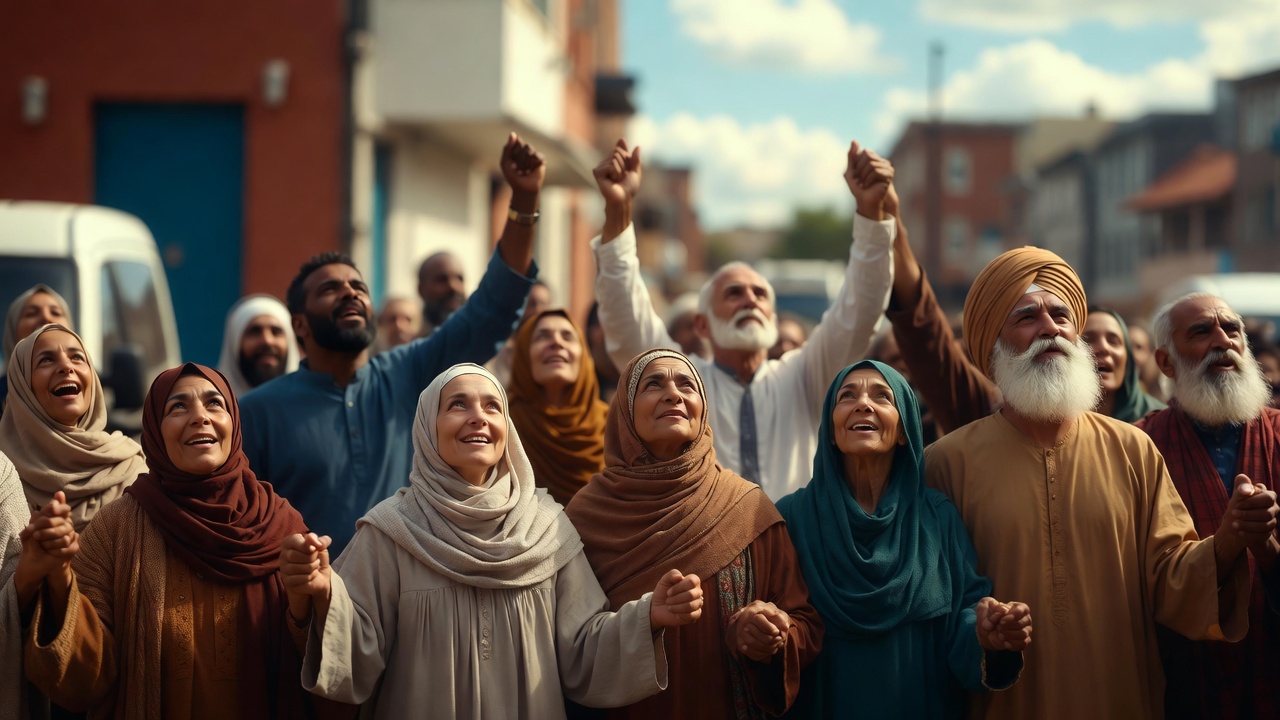
Every February, the world pauses to recognize something beautiful. From February 1 to 7, communities across the globe come together for World Interfaith Harmony Week. This United Nations observance reminds us that despite our differences in faith and belief, we share common values of love, compassion, and neighborliness.
In 2026, this observance carries special significance. Our world faces ongoing conflicts, rising polarization, and deep divisions. Yet interfaith movements continue to grow stronger. Over 1,180 events were held during World Interfaith Harmony Week in 2024 alone, demonstrating the power of this grassroots movement.
This guide explores everything you need to know about World Interfaith Harmony Week 2026. We cover its history, the 2026 theme, practical ways to participate, and why interfaith dialogue has never been more important.
What Is World Interfaith Harmony Week and When Does It Take Place?
World Interfaith Harmony Week is an annual United Nations observance celebrated during the first week of February (February 1-7). The UN General Assembly established this week in 2010 through Resolution A/RES/65/5. Its purpose is to promote harmony among people of all faiths and beliefs.
The week encourages dialogue, understanding, and cooperation among different religious communities. It also welcomes people who hold no religious beliefs but embrace values of goodwill and neighborliness.
| Key Details | Information |
|---|---|
| Official Name | World Interfaith Harmony Week |
| Dates | February 1-7 (annually) |
| Established | October 20, 2010 |
| Proposed By | King Abdullah II of Jordan |
| UN Resolution | A/RES/65/5 |
| Founding Principle | “Love of God and Love of Neighbor” or “Love of Good and Love of Neighbor” |
The observance builds on two fundamental principles that appear across virtually all faith traditions. These are:
- Love of God (or Love of the Good, for those without religious beliefs)
- Love of Neighbor
These twin commandments form the theological and ethical foundation of the week. They provide common ground for believers and non-believers alike.
World Interfaith Harmony Week 2026 Theme: Creating Sacred Space and Awakening the Heart
For World Interfaith Harmony Week 2026, the Charter for Compassion has announced a powerful theme: “Creating Sacred Space: Awakening the Heart.”
This theme invites participants to explore how compassion, wisdom, and spiritual insight live at the center of all faith traditions. The focus is on creating both inner and outer spaces where all people feel welcome, respected, and able to flourish.
What Does “Creating Sacred Space” Mean for 2026?
The 2026 theme acknowledges that our world often feels shaken by division and uncertainty. In response, World Interfaith Harmony Week offers what organizers call “a sanctuary—a sacred space we create together.”
The theme encompasses several key ideas:
- Listening and learning from other faith traditions
- Honoring one another as an act of healing
- Softening the edges of our differences
- Expanding our circles to include people of diverse backgrounds
- Awakening what is most humane and hopeful within ourselves
As the Charter for Compassion states: “Whether you join us for a conversation, a moment of silence, a story from another tradition, or a practice that opens your heart just a little wider, you are helping build the beloved community we long for.”
How the 2026 Theme Connects to Global Challenges
The theme responds directly to current global realities. According to the UN’s official observance page, our world continues to face:
- Rising conflicts and intolerance
- Increasing numbers of refugees and internally displaced persons
- Messages of hate spreading discord among communities
- Climate crises that demand cooperative responses
Previous years have addressed similar challenges through their themes. In 2022, the theme was “Harmony in a World in Crisis.” In 2019, it was “Sustainable Development through Interfaith Harmony.” Each theme responds to the pressing needs of its moment while maintaining focus on universal values.
The Complete History of World Interfaith Harmony Week: How Jordan’s King Created a Global Movement
The story of World Interfaith Harmony Week begins with a letter. In October 2007, 138 Muslim scholars, clerics, and intellectuals released “A Common Word Between Us and You.” This historic document addressed Christian leaders worldwide. It marked the first time since the days of the Prophet Muhammad that Muslim leaders from all denominations came together for such a statement.
The Common Word Initiative: Foundation of Interfaith Harmony Week
Prince Ghazi bin Muhammad of Jordan authored “A Common Word.” The document identified shared ground between Christianity and Islam. Both faiths emphasize love of God and love of neighbor as their central commandments.
The letter stated: “Muslims and Christians together make up well over half of the world’s population. Without peace and justice between these two religious communities, there can be no meaningful peace in the world.”
Responses came quickly from major Christian leaders worldwide. Pope Benedict XVI, the Archbishop of Canterbury Dr. Rowan Williams, and leaders from Orthodox, Protestant, and Evangelical traditions all engaged with the initiative. Within its first year, “A Common Word” became the world’s leading interfaith dialogue effort between Muslims and Christians.
King Abdullah II’s Proposal at the United Nations (2010)
Building on this momentum, King Abdullah II of Jordan addressed the 65th UN General Assembly on September 23, 2010. He proposed creating a dedicated week for interfaith harmony.
In his speech, King Abdullah said:
“It is [also] essential to resist forces of division that spread misunderstanding and mistrust especially among peoples of different religions. The fact is, humanity everywhere is bound together, not only by mutual interests, but by shared commandments to love God and neighbour; to love the good and neighbour.”
The King’s proposal extended beyond Muslim-Christian dialogue. It embraced people of all faiths and those with no religious beliefs. The modified principle—”Love of the Good and Love of the Neighbor”—made the initiative truly universal.
Unanimous Adoption by the UN General Assembly
Prince Ghazi bin Muhammad presented the formal resolution to the UN General Assembly on October 20, 2010. The resolution passed unanimously, making World Interfaith Harmony Week an official UN observance.
The resolution received support from 29 co-sponsoring nations across six continents. These included Albania, Egypt, Morocco, Russia, Saudi Arabia, and many others. This broad support demonstrated that interfaith harmony transcends regional and political boundaries.
The Text of UN Resolution A/RES/65/5: What It Actually Says
The UN resolution establishing World Interfaith Harmony Week contains several important elements worth understanding:
Recognition statements:
- The resolution acknowledges “the imperative need for dialogue among different faiths and religions in enhancing mutual understanding, harmony and cooperation among people.”
- It recalls previous UN resolutions on promoting cultures of peace and interreligious dialogue.
- It recognizes that “the moral imperatives of all religions, convictions and beliefs call for peace, tolerance and mutual understanding.”
Core declarations:
- The resolution “reaffirms that mutual understanding and interreligious dialogue constitute important dimensions of a culture of peace.”
- It “proclaims the first week of February of every year the World Interfaith Harmony Week between all religions, faiths and beliefs.”
- It “encourages all States to support, on a voluntary basis, the spread of the message of interfaith harmony and goodwill in the world’s churches, mosques, synagogues, temples and other places of worship during that week.”
The phrase “on a voluntary basis” is significant. The UN does not mandate participation. Instead, it provides a framework that communities worldwide can embrace on their own terms.
Jordan’s Broader Interfaith Legacy Under King Abdullah II
World Interfaith Harmony Week is just one part of Jordan’s comprehensive interfaith efforts. King Abdullah II has championed multiple initiatives:
The Amman Message (2004): This declaration brought together leading Muslim scholars to clarify what Islam is and is not. It denounced extremism and terrorism while emphasizing Islam’s core values of peace and tolerance.
The Amman Interfaith Message (2005): This extended the dialogue to include Christian and Muslim scholars, establishing principles for mutual respect between the faiths.
A Common Word Initiative (2007): As discussed above, this historic letter from Muslim scholars to Christian leaders established theological common ground.
The Hashemite Custodianship: Jordan’s royal family has historically served as custodians of Islamic and Christian holy sites in Jerusalem. This role reinforces the country’s commitment to protecting religious diversity.
For these efforts, King Abdullah II has received numerous international honors. He was awarded the 2019 Templeton Prize for his promotion of interfaith dialogue. The Templeton Foundation recognized that his work springs from “deeply-held religious convictions” about human flourishing.
The King also received the 2019 Lamp of Peace award in Assisi, Italy. UN Secretary-General António Guterres praised how the King’s “promotion of peace within Islam, and between Muslims and people of other beliefs, has contributed to global peace and progress in many ways.”
Timeline of World Interfaith Harmony Week Milestones
| Year | Milestone |
|---|---|
| 2007 | “A Common Word Between Us and You” released by 138 Muslim scholars |
| 2008 | First major “A Common Word” conference held at Yale University |
| 2010 | King Abdullah II proposes World Interfaith Harmony Week at UN |
| 2010 | UN General Assembly unanimously adopts Resolution A/RES/65/5 |
| 2011 | First official World Interfaith Harmony Week observed globally |
| 2012 | First observance at UN headquarters in General Assembly Hall |
| 2015 | British musician Sami Yusuf releases “The Gift of Love” interfaith anthem |
| 2019 | King Abdullah II receives Templeton Prize for interfaith work |
| 2024 | Over 1,180 events held worldwide during the week |
Why Christians, Muslims, and People of All Faiths Should Care About Interfaith Dialogue
Religious diversity shapes our modern world in profound ways. Understanding this diversity—and finding common ground within it—has become essential for peaceful coexistence.
Global Religious Demographics: Understanding Our Diverse World
According to Pew Research Center data released in 2025, the world’s religious composition continues to evolve:
| Religion | Percentage of World Population (2020) | Total Adherents |
|---|---|---|
| Christianity | 28.8% | ~2.3 billion |
| Islam | 25.6% | ~2.0 billion |
| Unaffiliated | 24.2% | ~1.9 billion |
| Hinduism | 14.9% | ~1.2 billion |
| Buddhism | 4.1% | ~324 million |
| Folk Religions | ~6% | ~400 million |
| Other Religions | 2.2% | Various |
| Judaism | 0.2% | ~15 million |
These numbers tell an important story. Christians and Muslims together comprise over 54% of the world’s population. When we add other religious communities, roughly three-quarters of humanity identifies with a faith tradition.
The remaining quarter—those religiously unaffiliated—represents the third-largest group globally. This category includes atheists, agnostics, and those who simply don’t identify with organized religion.
Why Interfaith Harmony Matters for Global Peace
The founders of “A Common Word” made a simple but powerful observation. They wrote: “If Muslims and Christians are not at peace, the world cannot be at peace.”
This statement reflects demographic reality. In an interconnected world, religious tensions in one region affect communities everywhere. Conversely, positive interfaith relationships create ripple effects of peace and cooperation.
Key reasons why interfaith harmony matters:
- Conflict prevention: Many violent conflicts involve religious or ethnic dimensions. Interfaith dialogue helps prevent misunderstandings from escalating.
- Community resilience: Communities with strong interfaith relationships recover more quickly from disasters and crises.
- Social cohesion: In diverse societies, interfaith cooperation helps different groups live together peacefully.
- Shared challenges: Issues like climate change, poverty, and public health require cooperation across religious lines.
- Personal growth: Learning about other faiths deepens our understanding of our own beliefs.
The Spiritual Case for Interfaith Engagement
Every major faith tradition contains teachings that support interfaith harmony. Consider these examples:
Christianity teaches: “Love your neighbor as yourself” (Mark 12:31). Jesus made no distinctions about which neighbors deserve love.
Islam commands: “O mankind! We created you from a male and a female, and made you into nations and tribes, that you may know each other” (Quran 49:13).
Judaism instructs: “The stranger who resides with you shall be to you as one of your citizens; you shall love him as yourself” (Leviticus 19:34).
Hinduism declares: “The entire world is one family” (Vasudhaiva Kutumbakam).
Buddhism counsels: “Hatred is never appeased by hatred in this world. By non-hatred alone is hatred appeased. This is a law eternal” (Dhammapada 1:5).
These teachings suggest that interfaith dialogue isn’t just a modern necessity. It reflects the deepest wisdom of our spiritual traditions.
The Growing Religious “Nones” and Why They Matter to Interfaith Dialogue
An important demographic trend affects interfaith work. According to Pew Research Center’s 2025 global religious landscape report, religiously unaffiliated people—sometimes called “nones”—now represent 24.2% of the global population.
This group grew by 270 million people between 2010 and 2020, reaching 1.9 billion worldwide. In North America, the unaffiliated population increased by 13 percentage points in that decade alone.
Why does this matter for interfaith harmony?
First, any meaningful dialogue about peace and coexistence must include those without religious beliefs. The principle “Love of the Good and Love of the Neighbor” deliberately accommodates this reality.
Second, religious communities benefit from understanding why some people choose to leave organized religion. Research shows that “switching” out of religion—particularly among Christians—drives much of this growth.
Third, many “nones” still hold spiritual beliefs or values that align with interfaith principles. They may not identify with organized religion but often embrace compassion, justice, and care for neighbors.
World Interfaith Harmony Week explicitly welcomes people who hold “no set religious belief” but who embrace goodwill and neighborliness. This inclusive approach ensures the observance remains relevant as demographic patterns shift.
Why Muslim-Christian Relations Are Central to World Peace
The founders of “A Common Word” made a demographic argument that remains powerful. Christians and Muslims together comprise more than 54% of humanity. When these two communities are in conflict, peace becomes impossible for the majority of the world’s people.
Consider the numbers:
- Christianity: approximately 2.3 billion adherents
- Islam: approximately 2.0 billion adherents
- Combined: over 4.3 billion people, more than half of humanity
These populations are increasingly interconnected. Historically, most Christians lived in Europe and the Americas while most Muslims lived in the Middle East, North Africa, and South Asia. Today, both religions have spread to every continent.
In many Western countries, Muslim communities have grown significantly through immigration. In many traditionally Muslim countries, Christian minorities continue ancient traditions. Global cities like London, New York, Toronto, Sydney, and Paris host vibrant communities of both faiths.
This interconnection creates both opportunities and challenges. Misunderstandings can escalate into conflicts that affect millions. But positive relationships can model peaceful coexistence for the world.
Interfaith Harmony in Challenging Political Climates
Some of the most important interfaith work happens in difficult circumstances. Several World Interfaith Harmony Week prize winners have come from regions experiencing conflict or tension.
Zamboanga, Philippines (2014): After devastating armed conflict between government forces and separatist groups, the Silsilah Dialogue Movement worked to rebuild trust between Muslim and Christian communities. Their patient, sustained dialogue earned the first prize.
Yemen: Despite ongoing civil war, Charter for Compassion Yemen has organized World Interfaith Harmony Week events. In 2019, they provided food baskets to families suffering from the conflict. Their work demonstrates that interfaith cooperation can continue even in dire circumstances.
Nigeria: Organizations like Global Peace Foundation Nigeria navigate religious tensions by bringing together leaders from Christianity, Islam, and Hinduism. Their advocacy visits to peace commissions and radio programs spread messages of tolerance.
These examples show that interfaith harmony isn’t just a pleasant ideal for peaceful times. It becomes most crucial precisely when tensions rise and conflict threatens.
How to Participate in World Interfaith Harmony Week 2026: Practical Ideas and Activities
World Interfaith Harmony Week welcomes participation at every scale. From intimate gatherings of a few friends to city-wide marches with thousands, all activities that uphold peace are fitting celebrations.
Simple Ways Individuals Can Celebrate Interfaith Harmony Week
You don’t need to organize a major event to participate meaningfully. Here are accessible activities for individuals and small groups:
Learn about another faith:
- Read a book about a religion different from your own
- Watch documentaries about religious traditions
- Visit the United Religions Initiative resource page for educational materials
Practice the “7-Day Kindness Challenge”: The official World Interfaith Harmony Week website suggests doing one simple act each day from February 1-7:
- Hand-write a note to someone from another tradition
- Invite someone of a different faith for tea
- Share a meal with neighbors of diverse backgrounds
- Plant a flower and dedicate it to peace
- Help a neighbor regardless of their beliefs
Visit a place of worship different from your own: Many religious communities welcome respectful visitors. Call ahead to ask about appropriate times and customs.
Share on social media: Use hashtags like #WIHW2026 and #InterfaithHarmony to spread awareness and connect with the global movement.
Community Events and Activities for Interfaith Harmony Week 2026
For those looking to organize group activities, here are proven event formats from past celebrations:
Interfaith Dialogue Events: Invite speakers from various faiths to share insights about their traditions. Focus on common values rather than theological differences.
Community Service Projects: Work together with people of different religions on a shared cause. Past successful projects include:
- Cleaning up local parks or beaches
- Planting trees or community gardens
- Refurbishing community centers
- Preparing meals for those in need
Interfaith Prayer or Meditation Gatherings: Representatives from different faiths can offer prayers, chants, or guided meditations. This format allows participants to experience the spiritual practices of other traditions.
Interfaith Art Exhibits: Invite local artists to contribute works inspired by their faith traditions. Art transcends language barriers and speaks directly to the heart.
Interfaith Potluck Dinners: Food brings people together. Ask participants to bring dishes significant to their cultural or religious heritage.
Youth Workshops: Bring together young people from different faith communities to explore shared values. Have them co-design a service project.
Digital Story Wall: Create an online platform where people from different faiths share short videos or photos about “moments of kindness” in their traditions.
Organizing Successful Interfaith Events: Lessons from Past Celebrations
After more than a decade of World Interfaith Harmony Week observances, best practices have emerged for organizing effective events.
Start with relationships: The most successful events build on existing interfaith relationships rather than starting from scratch. If you don’t have connections to other faith communities, begin by reaching out to local religious leaders. Many will welcome the opportunity to participate.
Focus on shared humanity: Events that emphasize common ground tend to be more impactful than those that highlight differences. Questions like “What does your tradition teach about caring for the vulnerable?” invite meaningful conversation.
Include food: Shared meals create natural opportunities for conversation. Food also carries cultural and religious significance that participants can explain to each other.
Make space for stories: Personal testimonies about faith journeys resonate more than abstract theological discussions. Invite participants to share specific experiences of how their beliefs have shaped their lives.
Involve youth: Young people bring energy and fresh perspectives to interfaith work. Events specifically designed for youth often create lasting connections that extend beyond World Interfaith Harmony Week.
Document and share: Take photos and videos. Write reports. Share on social media. Documentation helps spread awareness and can inspire others to organize their own events.
Plan follow-up: A single event is valuable, but sustained relationships create lasting change. Use World Interfaith Harmony Week as a launching point for ongoing interfaith cooperation.
Virtual and Hybrid Events for World Interfaith Harmony Week 2026
The COVID-19 pandemic accelerated the adoption of virtual interfaith events. These formats continue to offer benefits for 2026:
Benefits of virtual events:
- Participants can join from anywhere in the world
- Travel barriers are eliminated
- Recording allows wider distribution
- Scheduling flexibility accommodates different time zones
- Accessibility features can be incorporated
Effective virtual formats:
- Webinars with speakers from different traditions
- Virtual interfaith prayer services
- Online workshops and discussion groups
- Social media campaigns and challenges
- Digital art exhibitions
Hybrid approaches: Many organizations now combine in-person gatherings with virtual components. This allows local community building while maintaining global connections.
The Charter for Compassion’s 14-day “Living Wisdom” workshop series exemplifies effective virtual programming. Each day features a different faith tradition offering prayers, chants, meditations, and visualizations. Participants can join live or access recordings later.
Creating Inclusive Events: Accommodating Diverse Needs
Thoughtful event planning ensures all participants feel welcome:
Physical accessibility: Choose venues with wheelchair access. Provide seating options. Consider mobility limitations when planning activities.
Dietary accommodations: If serving food, label ingredients clearly. Accommodate kosher, halal, vegetarian, vegan, and allergy requirements. Ask participants about dietary needs in advance.
Language considerations: In diverse communities, consider translation services or multilingual programs. Written materials can be translated more easily than live interpretation.
Sensory needs: Provide quiet spaces for those who need breaks from stimulation. Consider lighting and noise levels. Describe visual elements verbally for those with visual impairments.
Cultural sensitivity: Research appropriate dress codes for different religious traditions. Understand customs around physical contact and gender interaction. When in doubt, ask community members for guidance.
Timing and scheduling: Be aware of religious observances, prayer times, and Sabbath requirements. Avoid scheduling events during times when some participants would be unable to attend due to their practices.
Registering Your Event for the King Abdullah II Prize
Organizations that host World Interfaith Harmony Week events can register for the HM King Abdullah II UN World Interfaith Harmony Week Prize. Prizes of $25,000, $15,000, and $5,000 are awarded annually.
For 2026, prize eligibility dates run from January 30 to March 1, 2026.
Judges consider:
- Excellence of efforts
- Collaboration between different groups
- Impact on communities
- Efforts made despite limited resources
- Events held in challenging political or social climates
- Consistency of efforts over multiple years
Notable World Interfaith Harmony Week Events and Prize Winners Throughout History
Since 2011, thousands of organizations worldwide have hosted World Interfaith Harmony Week events. Some have become models for interfaith cooperation.
First Prize Winner Examples That Inspire Global Interfaith Cooperation
2025 First Prize: International Islamic Academy of Uzbekistan The Academy hosted a week of scientific, cultural, educational, and sports events. Their report highlighted how diverse programming can engage different audiences in interfaith learning.
2024 Notable Events:
- Over 1,180 events held globally
- “Gift of LOVE” interfaith art performance in Plovdiv, Bulgaria, brought together 56 youth from Armenian, Muslim, Christian Orthodox, Catholic, Buddhist, and Pagan traditions
- Pikes Peak Habitat for Humanity in Colorado held an interfaith challenge focused on affordable housing
2014 First Prize: Silsilah Dialogue Movement (Philippines) After devastating conflict in Zamboanga, this organization helped rebuild interfaith relationships through sustained dialogue and community action.
Regional Celebrations Around the World
World Interfaith Harmony Week is truly global. Here are examples from different regions:
North America:
- Houston’s Interfaith Ministries hosts annual events at their Plaza of Respect
- Pikes Peak Interfaith Coalition in Colorado combines dialogue with service
- Nashville held its first-ever “Interfaith Crawl” in 2025
Europe:
- “Bridges – Eastern European Forum for Dialogue” in Bulgaria creates youth programs
- Interfaith meetings between Muslims and Catholics in Ljubljana, Slovenia
Middle East:
- Charter for Compassion Yemen provides food baskets to families affected by conflict
- Jordan hosts the annual prize ceremony
Asia:
- Seeds of Peace Pakistan organizes community events
- Global Peace Foundation India hosts observances across multiple cities
- China’s World Hung Mun organizations participate through cultural events
Africa:
- AcrossFaiths Foundation Ghana held the country’s first observance in 2025
- Cape Town Interfaith Initiative won the 2019 first-place prize for prayers in troubled locations
Spotlight on Innovative World Interfaith Harmony Week Programs
Some organizations have developed distinctive approaches worth highlighting:
Hawaii Baha’i Community (United States): This community combines interfaith dialogue with Hawaiian cultural practices. They host “kani ka pila” musical sessions (jam sessions) that bring together people of different faiths through music. Workshops on “Ancestral Healing” address both spiritual and cultural dimensions of human experience.
Religions for Peace UK: Their 2025 panel discussion focused on “The Importance of Interfaith Collaboration.” By bringing together established interfaith organizations, they model how different groups can amplify each other’s work rather than duplicating efforts.
Kurdistan Region (Iraq): In this religiously diverse region, Interfaith Week events bring together representatives from seven different religious communities. The programming emphasizes dialogue, understanding, and tolerance as essential for peaceful coexistence.
International Communications Organization (China): Partnering with the World Hung Mun organizations, they coordinate World Interfaith Harmony Week activities across China. This demonstrates that even in contexts where religious freedom faces challenges, interfaith dialogue can proceed.
Interreligious Network of Women Fostering Encounter: This global online event brought together women from different faith traditions for intergenerational dialogue. By focusing specifically on women’s voices and experiences, they address an often-underrepresented dimension of interfaith work.
The Role of Educational Institutions in Interfaith Harmony
Schools and universities play crucial roles in promoting interfaith understanding:
Religious literacy programs: Many educational institutions now include religious literacy in their curricula. Understanding different faiths helps students navigate an increasingly diverse world.
Interfaith student organizations: College campuses host interfaith student groups that organize dialogue events, service projects, and educational programs. These experiences shape future leaders.
Academic study of interfaith relations: Institutions like Hartford International University offer graduate programs in Interreligious Studies. Scholarly research advances understanding of what makes interfaith dialogue effective.
Teacher training: Educators need preparation to handle religious diversity in classrooms. Professional development programs help teachers address religious topics sensitively and accurately.
World Interfaith Harmony Week in schools: Many schools use the week as an opportunity for age-appropriate interfaith education. Activities might include learning about different religions’ holidays, reading stories from various traditions, or inviting community members to share about their faiths.
The Connection Between World Interfaith Harmony Week and UN Sustainable Development Goals
World Interfaith Harmony Week doesn’t exist in isolation. It connects directly to the United Nations’ broader mission of promoting peace and sustainable development.
How Interfaith Dialogue Supports the 2030 Sustainable Development Agenda
The UN launched the 2030 Sustainable Development Goals (SDGs) in 2016. Several of these goals relate directly to interfaith harmony:
| SDG | Connection to Interfaith Harmony |
|---|---|
| Goal 16: Peace, Justice, and Strong Institutions | Interfaith dialogue prevents conflict and builds trust |
| Goal 10: Reduced Inequalities | Religious literacy combats discrimination |
| Goal 4: Quality Education | Interfaith education promotes understanding |
| Goal 11: Sustainable Cities and Communities | Diverse communities require interfaith cooperation |
| Goal 17: Partnerships for the Goals | Faith-based organizations are essential partners |
The 2019 World Interfaith Harmony Week theme, “Sustainable Development through Interfaith Harmony,” made this connection explicit. Events that year focused on how faith communities contribute to achieving the SDGs.
Faith-Based Organizations as Partners in Development
Faith-based organizations often reach communities that other institutions cannot. They provide:
- Educational services in underserved areas
- Healthcare through hospitals and clinics
- Humanitarian aid during crises
- Social services for vulnerable populations
- Environmental stewardship programs
When faith communities work together, their combined impact multiplies. World Interfaith Harmony Week helps catalyze these partnerships.
Interfaith Cooperation on Climate Change and Environmental Stewardship
Environmental issues increasingly bring faith communities together. Most religious traditions include teachings about caring for creation or maintaining harmony with nature.
Religious perspectives on environmental stewardship:
Christianity: The concept of stewardship emphasizes that humans are caretakers, not owners, of the Earth. Pope Francis’s encyclical “Laudato Si'” called for urgent action on climate change.
Islam: The Quran describes humans as “khalifah” (trustees or stewards) of the Earth. Islamic principles prohibit waste (israf) and encourage balance (mizan) in resource use.
Hinduism: The principle of “ahimsa” (non-violence) extends to all living beings. The concept of “dharma” includes duties toward the natural world.
Buddhism: Interdependence (pratityasamutpada) teaches that all phenomena arise together in mutually dependent webs of cause and effect. This understanding naturally promotes environmental consciousness.
Judaism: The principle of “bal tashchit” (do not destroy) prohibits needless destruction, including of the natural environment.
Indigenous spiritualities: Many indigenous traditions emphasize deep connection to land and responsibility for its protection. Their voices have become increasingly prominent in interfaith environmental dialogues.
Interfaith environmental initiatives:
- Faith-based climate action networks coordinate responses across traditions
- Interfaith declarations on climate change bring moral weight to policy discussions
- Joint environmental service projects (tree planting, clean-ups, conservation efforts) build relationships while addressing ecological needs
- Religious leaders’ statements on environmental ethics influence millions of believers
World Interfaith Harmony Week provides an annual opportunity to strengthen these collaborations.
Interfaith Cooperation in Humanitarian Response
Faith-based organizations deliver a significant portion of humanitarian aid worldwide. Interfaith cooperation enhances this work:
Disaster response: When disasters strike, faith communities often respond quickly because they have established local presence. Interfaith coordination prevents duplication and ensures comprehensive coverage.
Refugee assistance: Religious organizations provide resettlement services, language training, employment support, and community integration. Working across faith lines allows them to serve refugees of all backgrounds.
Food security: Food banks, soup kitchens, and nutrition programs operated by faith communities feed millions. Interfaith partnerships expand reach and resources.
Healthcare: Faith-based hospitals and clinics provide significant portions of healthcare in many developing countries. Interfaith cooperation improves access and quality.
Advocacy: Faith leaders’ voices carry moral authority in public debates. United interfaith statements on humanitarian issues can influence policy makers.
Common Questions About World Interfaith Harmony Week Answered
Does World Interfaith Harmony Week Promote Religious Syncretism?
No. The judges of the King Abdullah II Prize explicitly state that they “did not reward movements towards religious syncretism but rather rewarded events which respect” each tradition’s distinctiveness.
King Abdullah II has emphasized that interfaith harmony “is not a call to water down one’s faith.” Instead, it asks participants to “respect our differences and personal beliefs” while uniting around shared values.
Each tradition maintains its unique identity, practices, and beliefs. Interfaith dialogue means conversation and cooperation, not merger or compromise of core convictions.
Who Can Participate in World Interfaith Harmony Week?
Everyone. The week welcomes:
- Believers of all religions
- Spiritual seekers exploring various traditions
- Non-religious people who share values of goodwill and neighborliness
- Individuals, families, and communities
- Religious institutions and secular organizations
- Governments and civil society groups
The principle “Love of the Good and Love of the Neighbor” intentionally includes those without religious beliefs.
How Many Events Take Place During World Interfaith Harmony Week?
The number varies each year and continues to grow. In 2024, over 1,180 events were registered on the official website. Many more informal gatherings and personal observances likely occur without registration.
The first year (2011) saw approximately 200 events. This growth demonstrates expanding awareness and commitment to interfaith cooperation.
Is World Interfaith Harmony Week Only for Religious Leaders?
Absolutely not. While religious leaders play important roles, the week emphasizes grassroots participation. Prince Ghazi bin Muhammad specifically designed the week to engage “the silent majority of preachers” and ordinary believers.
Anyone can organize or attend an event. Some of the most impactful activities involve everyday people sharing meals, serving communities, or simply having honest conversations across religious lines.
How Can Business and Professional Organizations Participate?
Workplace interfaith initiatives are growing. Here’s how businesses and professional organizations can engage:
Workplace observances:
- Host lunch-and-learn sessions about different religious traditions
- Create interfaith employee resource groups
- Accommodate religious observances and dietary needs
- Recognize World Interfaith Harmony Week in company communications
Corporate sponsorship:
- Support local interfaith organizations financially
- Provide venues for interfaith events
- Offer employee volunteer time for interfaith service projects
- Partner with interfaith groups on community initiatives
Professional associations:
- Include interfaith themes in conferences and publications
- Facilitate networking across religious lines
- Address religious diversity in professional ethics discussions
- Provide continuing education on religious literacy
What Challenges Do Interfaith Organizers Face?
Honest assessment of challenges helps organizers prepare:
Finding common ground: Not all theological differences can be bridged. Effective interfaith work focuses on shared values and practical cooperation rather than resolving all disagreements.
Navigating power dynamics: In any community, some religious groups have more resources, visibility, and influence than others. Organizers must ensure minority traditions have meaningful voice and participation.
Avoiding superficiality: “Interfaith lite”—events that only scratch the surface—can feel unsatisfying. Balance accessibility with depth by offering multiple entry points.
Sustaining momentum: Many interfaith initiatives peak during special occasions but struggle to maintain ongoing engagement. Building lasting relationships requires consistent effort.
Addressing internal resistance: Some members of religious communities oppose interfaith engagement on theological grounds. Organizers may need to address concerns about compromise or relativism.
Managing conflicts: Sometimes interfaith events surface tensions rather than resolving them. Skilled facilitation helps navigate difficult moments constructively.
How Has World Interfaith Harmony Week Grown Over Time?
The growth trajectory demonstrates expanding global engagement:
| Year | Approximate Events Registered |
|---|---|
| 2011 | ~200 |
| 2015 | ~500 |
| 2019 | ~800 |
| 2024 | ~1,180 |
Note that these figures only count events formally registered on the official website. Many more informal observances, personal commitments, and unregistered events occur worldwide.
Geographic expansion has also been significant. What began with strong participation from Muslim-majority countries and Western interfaith organizations now includes robust engagement from Africa, East Asia, Latin America, and the Pacific.
Resources and Links for World Interfaith Harmony Week 2026 Participants
Official Websites and Registration
- World Interfaith Harmony Week Official Website: Register events, view past reports, and access resources
- United Nations Observance Page: Official UN information and background
- Charter for Compassion 2026 Events: Theme information and partner activities
Interfaith Organizations and Networks
- United Religions Initiative: Global network of interfaith cooperation circles
- Parliament of the World’s Religions: Resources and event ideas
- Universal Peace Federation: Sample prayers and activity guides
Educational Resources
- A Common Word Initiative: Background on the theological foundations
- Hartford International University: Academic perspectives on interfaith dialogue
Looking Forward: The Future of Interfaith Harmony in an Interconnected World
World Interfaith Harmony Week enters its 16th year in 2026. The observance has grown from a proposal into a global movement. Thousands of communities now participate annually.
Emerging Trends in Interfaith Cooperation
Several developments shape the future of interfaith work:
Digital engagement allows people to participate regardless of location. Virtual events expanded dramatically during the COVID-19 pandemic and continue to supplement in-person gatherings.
Youth leadership is rising. Programs specifically target young people, recognizing that they will carry interfaith work into future generations.
Climate cooperation brings faith communities together around environmental stewardship. Many traditions share teachings about caring for creation.
Trauma healing and reconciliation work applies interfaith principles in post-conflict societies.
The Ongoing Need for Interfaith Dialogue
Our world’s challenges make interfaith harmony more relevant, not less. Religious tensions contribute to conflicts in multiple regions. Polarization threatens social cohesion in diverse societies. Climate change demands cooperative responses across all boundaries.
Yet hope persists. Every year, more communities join the World Interfaith Harmony Week movement. More people discover that their neighbors of different faiths share fundamental values. More bridges are built across religious divides.
As the UN observance page notes: “The need for spiritual guidance has never been greater. It is imperative that we double our efforts to spread the message of good neighborliness based on our common humanity.”
Conclusion: Making World Interfaith Harmony Week 2026 Meaningful in Your Community
World Interfaith Harmony Week 2026 offers an opportunity. For one week, we can intentionally focus on what unites us across religious and philosophical lines.
The 2026 theme—“Creating Sacred Space: Awakening the Heart”—invites us to:
- Create spaces where all people feel welcome
- Listen to and learn from different traditions
- Renew our commitment to understanding and kindness
- Take concrete actions for peace in our communities
Whether you host a major event or simply share a meal with a neighbor of different faith, you contribute to this global movement.
King Abdullah II called World Interfaith Harmony Week “a ready-made vehicle” for the majority who desire peace and harmony. The vehicle is ready. The invitation is open. The destination—a more harmonious world—awaits our collective journey.
This article was written for educational purposes about World Interfaith Harmony Week. For the most current information about 2026 events and registration, please visit the official World Interfaith Harmony Week website.