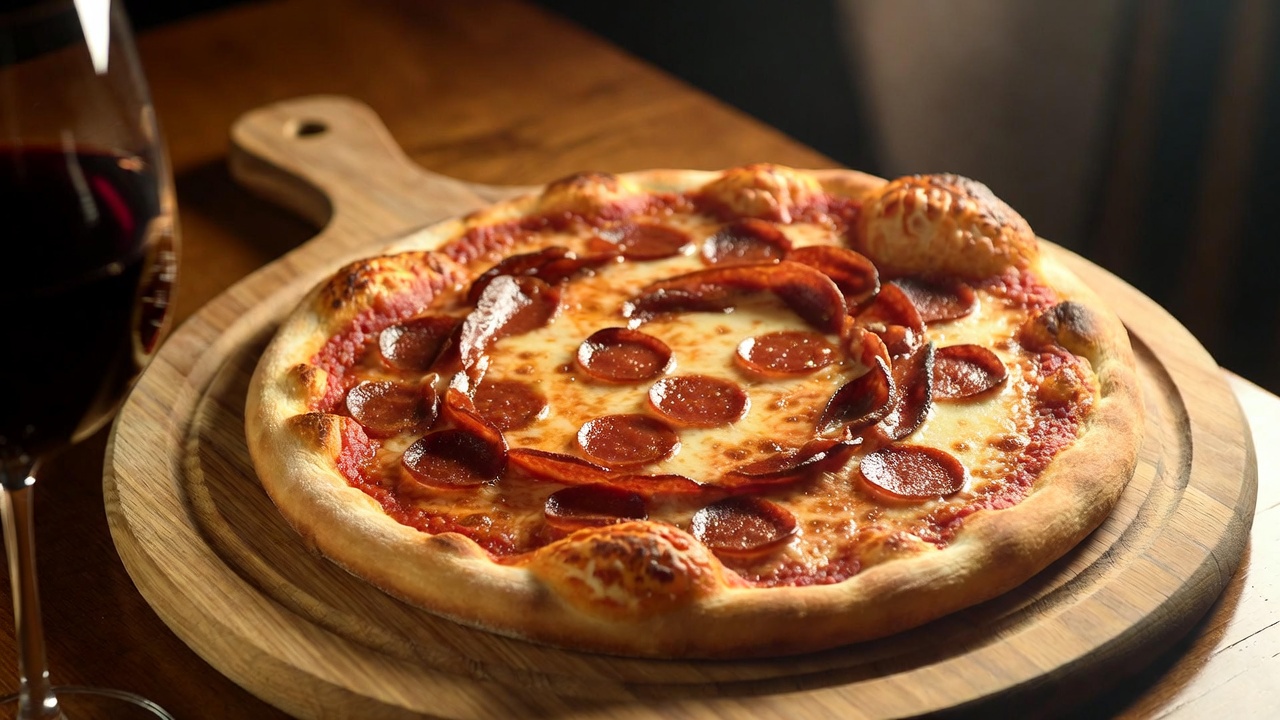
February 9, 2026 is National Pizza Day — America’s favorite excuse to fire up the oven, stretch some dough, and celebrate the food that has become as American as apple pie. Every year on this date, pizza lovers across the United States honor the cheesy, saucy, endlessly customizable dish that has captured the nation’s heart since returning GIs brought the craving home from Italy after World War II.
But this celebration is about far more than cheese and tomato sauce. Pizza sits at the intersection of history, identity, and community. It is a dish born in the narrow lanes of eighteenth-century Naples, carried across the Atlantic by Italian immigrants, and remade in every American city it touched — from the coal-fired ovens of New Haven to the deep-dish pans of Chicago. Making pizza at home on National Pizza Day is not just cooking. It is a small act of participation in a food tradition that UNESCO recognized in 2017 when it inscribed the Art of Neapolitan Pizzaiuolo on its Intangible Cultural Heritage list — and that America then took and made its own.
In this guide, you will find ten easy homemade pizza recipes — from a classic Margherita that honors Neapolitan tradition to a Korean-inspired barbecue pie that shows how far pizza has traveled across America’s diverse kitchen tables. Every recipe uses ingredients you can find at a regular U.S. grocery store. Every recipe can be made in a home oven. And every recipe comes with the cultural backstory that makes the first bite a little richer.
Why National Pizza Day Matters: The History of Pizza in America
Before we talk dough, let us talk story.
Pizza’s origin is humble. In the 1700s, the working poor of Naples needed food that was cheap, filling, and fast. Street vendors sold flatbreads topped with garlic, lard, and salt. The tomato — a New World fruit still regarded with suspicion by wealthier Europeans — found its way onto these flatbreads because it was inexpensive and abundant in the Campanian soil.
The dish stayed regional for more than a century. It was not until Italian immigrants arrived in the United States in the late 1800s that pizza crossed the Atlantic. Lombardi’s, widely considered the first pizzeria in America, opened on Spring Street in Manhattan in 1905. But pizza remained mostly an Italian-American neighborhood food for decades. The real explosion came after World War II, when American GIs who had been stationed in southern Italy came home craving the dish they had discovered overseas. That craving fueled a pizza boom that turned a Neapolitan street food into an American obsession.
Today, that obsession drives a massive industry. The U.S. pizza market reached approximately $39 billion in 2025, according to IMARC Group, and is projected to grow to $50.7 billion by 2034. Americans eat roughly 3 billion pizzas every year — about 350 slices every single second. There are over 75,000 pizzerias operating across the country, according to IBISWorld, and the pizza industry employs more than one million Americans.
National Pizza Day on February 9 emerged in the early 2000s as a grassroots celebration among American pizza fans. Its exact origin is not documented, but it has grown into one of the largest single-day food holidays in the country. In 2026, National Pizza Day falls on a Monday — but that has never stopped Americans from finding a reason to eat pizza on any day of the week. According to a National Today survey, 43% of Americans rank pizza as their favorite food, and only 2% say they do not like it at all.
The UNESCO recognition in December 2017 added global prestige to the craft behind every pie. The inscription honors not the pizza itself but the craft of making it — the four phases of dough preparation, the hand-stretching, and the rapid baking in a wood-fired oven that Neapolitan pizzaiuoli have passed from master to apprentice for generations. Around 3,000 professional pizzaiuoli practice this craft in Naples today. When the news broke, pizza makers in the city handed out free slices on the streets to celebrate.
Making pizza at home on National Pizza Day is a way to honor both that Italian lineage and the uniquely American tradition of reinventing pizza in our own kitchens. You do not need a wood-fired oven or imported Italian tomatoes. You just need your hands, some flour, a hot oven, and a willingness to try.
How to Make the Best Homemade Pizza Dough from Scratch
Great pizza starts with great dough. Here is a simple, all-purpose pizza dough recipe that works for most of the ten pizzas in this guide. It requires no special equipment — just a bowl, a spoon, and your hands.
Basic Homemade Pizza Dough
| Ingredient | Amount | Notes |
|---|---|---|
| All-purpose flour (or bread flour) | 500 g (about 4 cups) | Bread flour gives a chewier texture |
| Warm water | 325 ml (about 1⅓ cups) | Around 105–110°F / 40–43°C |
| Active dry yeast | 7 g (1 packet / 2¼ tsp) | Or instant yeast |
| Olive oil | 2 tablespoons | Extra-virgin for flavor |
| Fine sea salt | 10 g (2 tsp) | Adjusts fermentation and flavor |
| Sugar | 1 teaspoon | Feeds the yeast |
Instructions:
- Dissolve the sugar and yeast in the warm water. Let it sit for 5–10 minutes until it becomes foamy.
- In a large bowl, combine the flour and salt. Make a well in the center.
- Pour in the yeast mixture and olive oil. Stir with a wooden spoon until a shaggy dough forms.
- Turn the dough out onto a lightly floured surface. Knead for 8–10 minutes until smooth and elastic.
- Shape the dough into a ball. Place it in a lightly oiled bowl, cover with a damp towel or plastic wrap, and let it rise in a warm spot for 1–2 hours, or until it has doubled in size.
- Punch down the dough. Divide it into 2–4 portions depending on the pizza size you want. Each portion can be rolled or stretched by hand.
Pro tip: For deeper flavor, let the dough rise slowly in the refrigerator for 24–72 hours. This cold fermentation develops complex flavors and a more digestible crust — a technique used by many professional pizzaioli and top American pizzerias alike. The dough keeps well in the fridge for up to three days.
This dough recipe yields two large pizzas or four personal-sized pies. Now, let us put it to use.
Recipe 1: Classic Margherita Pizza — The Original Neapolitan Recipe Made Easy at Home
No list of homemade pizza recipes can begin anywhere else. The Margherita is the foundation, the benchmark, and the soul of pizza.
The legend goes like this: In 1889, King Umberto I and Queen Margherita of Italy visited Naples. A local baker named Raffaele Esposito prepared three pizzas for the royal couple. The queen’s favorite was topped with tomatoes, mozzarella, and fresh basil — its colors mirroring the Italian flag. The pizza was named in her honor.
That same recipe crossed the ocean with Italian immigrants and became the starting point for every American pizza style that followed.
What you need:
- 1 ball of pizza dough (see recipe above)
- 200 g (¾ cup) crushed San Marzano tomatoes (or any good-quality canned whole tomatoes, hand-crushed)
- 150 g (5 oz) fresh mozzarella, sliced or torn into pieces
- Fresh basil leaves (8–10)
- 1 tablespoon extra-virgin olive oil
- A pinch of fine sea salt
How to make it:
- Preheat your oven to the highest setting — ideally 500°F (260°C) or higher. If you have a pizza stone or baking steel, place it in the oven at least 30 minutes before baking.
- Stretch your dough into a round shape on a floured surface or parchment paper. Aim for about 12 inches in diameter. Do not use a rolling pin if you can avoid it; pressing with your fingertips gives you a more authentic, puffy rim (cornicione).
- Spread the crushed tomatoes evenly over the surface, leaving a half-inch border.
- Distribute the mozzarella pieces across the pizza. Drizzle with olive oil and add a pinch of salt.
- Slide the pizza onto the hot stone (or bake on a sheet pan) and cook for 8–12 minutes, until the crust is golden and the cheese is bubbling and lightly charred in spots.
- Remove from the oven. Scatter fresh basil leaves on top. Let it rest for 2 minutes before slicing.
Why it works for beginners: The Margherita uses only five ingredients beyond the dough. Its beauty lies in restraint. There is nothing to hide behind — the quality of your tomatoes and cheese does all the talking.
Recipe 2: Easy Pepperoni Pizza for Kids and Family Pizza Night
Pepperoni is the most popular pizza topping in the United States. According to data compiled by the National Today pizza survey, approximately 43% of Americans rank pizza as their favorite food — and pepperoni sits firmly on top of most of those pies. It is the quintessential American pizza topping, even though pepperoni itself is an Italian-American invention that does not exist in Italy.
This recipe is designed for family pizza night on National Pizza Day. It is fast, kid-friendly, and endlessly customizable.
What you need:
- 1 ball of pizza dough
- 120 ml (½ cup) pizza sauce (store-bought or homemade — see quick sauce recipe below)
- 200 g (2 cups) shredded low-moisture mozzarella
- 60–80 slices of pepperoni (regular or turkey)
- Dried oregano, to taste
- Red pepper flakes (optional)
Quick homemade pizza sauce (5 minutes, no cooking):
Combine one 14 oz can of crushed tomatoes with 1 tablespoon olive oil, 1 minced garlic clove, 1 teaspoon dried oregano, ½ teaspoon salt, and a pinch of sugar. Stir. Done.
How to make it:
- Preheat your oven to 450°F (230°C).
- Stretch the dough into a 12-inch circle on parchment paper or a greased baking sheet.
- Spread the pizza sauce evenly. Sprinkle the mozzarella over the sauce.
- Arrange pepperoni slices on top. They can overlap — as the pepperoni bakes, the edges will curl up into little cups that hold pockets of rendered fat. This is a good thing.
- Sprinkle with oregano and pepper flakes if desired.
- Bake for 10–14 minutes, until the cheese is melted and bubbly and the crust is golden brown.
Family pizza night tip: Set up a topping station. Put out bowls of sliced olives, mushrooms, bell peppers, diced ham, and extra cheese. Let each family member build their own half or quarter. Kids who help make the pizza are more likely to eat the pizza — a truth every American parent discovers sooner or later.
Recipe 3: Detroit-Style Deep Dish Pizza with Crispy Cheese Edges
Detroit-style pizza is one of the hottest pizza trends in America right now. The 2026 Pizza Industry Trends Report from Pizza Today highlighted the growing popularity of Detroit-style and Roman-style pizzas at competitions and on restaurant menus across the country. What was once a regional secret of the Motor City has gone national.
Detroit-style pizza was born in 1946 at Buddy’s Rendezvous (now Buddy’s Pizza) on Six Mile Road in Detroit, Michigan. Gus Guerra and his wife Concetta “Connie” Piccinato baked a Sicilian-inspired dough in repurposed blue steel automotive parts trays. The result: a thick, airy, rectangular pizza with caramelized cheese edges — the hallmark “frico” crust that makes this style irresistible. It is a pizza born in the heart of American manufacturing — and it tastes like it.
What you need:
- 1 ball of pizza dough (the standard recipe above works, but use bread flour for extra chew)
- 2 tablespoons olive oil (for the pan)
- 250 g (2½ cups) shredded cheese — a blend of mozzarella and cheddar, or Wisconsin brick cheese if you can find it
- 120 ml (½ cup) thick pizza sauce or marinara
- Pepperoni slices (optional but traditional)
How to make it:
- Generously oil a 9×13-inch metal baking pan. Do not use glass — the metal pan is essential for achieving the crispy bottom and frico edges.
- Press the dough into the pan, stretching it to fill the corners. If the dough springs back, cover it and let it rest for 20–30 minutes, then try again.
- Cover the pan and let the dough rise for 1–2 hours at room temperature until puffy.
- Preheat your oven to 500°F (260°C) (or as high as it will go).
- Sprinkle the cheese all over the dough, making sure to push cheese into the edges where the dough meets the pan. This cheese will melt, drip down, and caramelize against the hot metal. That is the magic.
- Add pepperoni on top of the cheese if using.
- Dollop the sauce in two thick lines (“racing stripes”) down the length of the pizza. Do not spread it edge to edge.
- Bake for 12–18 minutes, until the cheese is deeply golden and the edges are dark and crispy.
- Run a knife or spatula around the edges immediately. Let the pizza rest for 3 minutes in the pan, then slide it onto a wire rack to prevent the bottom from steaming.
Cut into squares, not triangles. That is the Detroit way.
Recipe 4: No-Knead Focaccia Pizza for Beginners with No Experience
If the idea of kneading dough intimidates you, this recipe is your entry point. No-knead focaccia pizza requires almost zero effort. You stir the ingredients together, walk away, and let time do the work.
This style is inspired by the pizza al taglio tradition of Rome, where thick, rectangular pizza is baked in large pans and sold by weight. But it has found a comfortable home in American kitchens because it is practically foolproof — perfect for National Pizza Day first-timers.
What you need:
- 400 g (3¼ cups) all-purpose flour
- 350 ml (1½ cups) warm water
- 7 g (1 packet) instant yeast
- 8 g (1½ tsp) salt
- 3 tablespoons olive oil (plus more for the pan)
- Toppings of your choice (see suggestions below)
How to make it:
- In a large bowl, whisk together the flour, yeast, and salt. Pour in the water and olive oil. Stir with a spoon or spatula until everything is combined into a wet, shaggy dough. Do not knead.
- Cover the bowl with plastic wrap. Let it sit at room temperature for 8–18 hours. The dough will more than double in size and become bubbly and stretchy. (This is a great make-it-the-night-before recipe — mix it Sunday night, bake it for National Pizza Day on Monday.)
- Pour 3 tablespoons of olive oil into a rimmed baking sheet or 9×13-inch pan. Scrape the dough into the pan. Use oiled fingers to gently stretch and dimple the dough to fill the pan. If it resists, let it rest for 15 minutes and try again.
- Let the dough rest in the pan for 30–60 minutes until slightly puffy again.
- Preheat the oven to 425°F (220°C).
- Add your toppings. For a classic version: halved cherry tomatoes, thin-sliced red onion, olives, and a generous drizzle of olive oil. For a cheesy version: spread pizza sauce and scatter mozzarella.
- Bake for 20–25 minutes, until the top is golden and the bottom is crisp.
Why beginners love this: No kneading. No shaping. No special equipment. Just stir and wait. The long, slow rise develops wonderful flavor, and the generous olive oil creates a golden, almost fried bottom crust that is hard to mess up.
Recipe 5: White Pizza (Pizza Bianca) with Ricotta and Garlic
Not every pizza needs tomato sauce. Pizza bianca — “white pizza” — is proof of that. This sauceless style is hugely popular along the American East Coast, from the ricotta-topped white pies of New York to the clam pizzas of New Haven, Connecticut.
The homemade version here layers ricotta, garlic, and mozzarella over a simple dough for a rich, creamy, deeply savory pie.
What you need:
- 1 ball of pizza dough
- 250 g (1 cup) whole-milk ricotta cheese
- 150 g (1½ cups) shredded mozzarella
- 3 cloves garlic, thinly sliced
- 2 tablespoons extra-virgin olive oil
- ¼ teaspoon red pepper flakes
- Salt and freshly ground black pepper
- Fresh arugula (for topping after baking — optional but wonderful)
- Grated Parmigiano-Reggiano or Pecorino Romano (for finishing)
How to make it:
- Preheat the oven to 475°F (250°C) with a pizza stone or inverted baking sheet inside.
- Stretch the dough into a 12-inch round on a floured surface.
- In a small bowl, stir together the ricotta with a pinch of salt, a few grinds of black pepper, and the red pepper flakes.
- Spread the ricotta mixture over the dough, leaving a 1-inch border. Scatter the mozzarella and sliced garlic on top. Drizzle with olive oil.
- Slide the pizza onto the hot stone. Bake for 8–12 minutes, until the crust is puffed and golden and the cheese is bubbling.
- Remove from the oven. Top with a handful of fresh arugula and a generous shower of grated hard cheese. The heat of the pizza will slightly wilt the arugula — this is exactly what you want.
American regional note: If you are in the New York tri-state area, white pizza is a staple at nearly every neighborhood pizzeria. In New Haven, the famous Frank Pepe’s serves a legendary white clam pie — no tomato sauce, no mozzarella, just clams, garlic, olive oil, oregano, and grated Pecorino. It has been on their menu since the 1960s and remains one of the most celebrated pizzas in America.
Recipe 6: BBQ Chicken Pizza — A True American Crowd-Pleaser Recipe
This pizza has no Italian pedigree whatsoever — and that is exactly what makes it great. It was invented in the 1980s by Ed LaDou, a chef at Wolfgang Puck’s Spago restaurant in Hollywood, California. LaDou later helped create the original menu for California Pizza Kitchen (CPK), where the BBQ chicken pizza became a signature dish that introduced millions of Americans to the idea that pizza toppings had no limits.
It is a reminder that pizza in America is a living, evolving tradition. It does not belong to any one country anymore. It belongs to anyone willing to make it.
What you need:
- 1 ball of pizza dough
- 120 ml (½ cup) barbecue sauce (your favorite brand — smoky varieties work best)
- 200 g (about 1½ cups) cooked, shredded chicken (rotisserie chicken from the grocery store deli works perfectly)
- 150 g (1½ cups) shredded mozzarella
- 60 g (½ cup) shredded smoked gouda or sharp cheddar
- ½ small red onion, thinly sliced
- Fresh cilantro, chopped (for topping)
How to make it:
- Preheat the oven to 450°F (230°C).
- Toss the shredded chicken with half of the barbecue sauce in a bowl. Set aside.
- Stretch the dough into a 12-inch round on parchment paper or a greased baking sheet.
- Spread the remaining barbecue sauce over the dough as your base (in place of tomato sauce).
- Sprinkle both cheeses over the sauce. Arrange the BBQ chicken pieces and red onion slices on top.
- Bake for 12–15 minutes, until the crust is golden and the cheese is melted and starting to brown.
- Remove from the oven. Scatter fresh cilantro generously over the top. Slice and serve.
Why it works: The sweetness and smokiness of the barbecue sauce play beautifully against the melted cheese. The red onion adds a sharp bite. The cilantro brings freshness. It is bold, unapologetic, and deeply American — born in California, loved from coast to coast.
Recipe 7: Greek-Style Pizza with Feta, Olives, and Sun-Dried Tomatoes
Pizza and the Mediterranean go way back. The ancient Greeks baked flatbreads called plakous topped with oil, herbs, and cheese — a dish that some food historians consider a distant ancestor of modern pizza. In America, Greek-style pizza has its own proud tradition, especially in New England, where Greek immigrants opened many of the region’s earliest pizzerias. The style they developed — baked in an oiled pan with a chewy, almost bread-like crust — is still a beloved part of the Massachusetts and Connecticut pizza landscape.
This recipe takes those Mediterranean flavors and brings them to your National Pizza Day table.
What you need:
- 1 ball of pizza dough
- 120 ml (½ cup) pizza sauce or crushed tomatoes
- 100 g (1 cup) shredded mozzarella
- 80 g (½ cup) crumbled feta cheese
- 50 g (¼ cup) sun-dried tomatoes, drained and roughly chopped
- 60 g (⅓ cup) Kalamata olives, pitted and halved
- ½ small red onion, thinly sliced
- 1 teaspoon dried oregano
- Fresh spinach leaves (a handful)
- Extra-virgin olive oil, for drizzling
How to make it:
- Preheat the oven to 450°F (230°C).
- Stretch the dough and place on parchment or a greased sheet.
- Spread the pizza sauce. Scatter the mozzarella over the sauce.
- Arrange the feta, sun-dried tomatoes, olives, red onion, and spinach on top. Sprinkle with oregano.
- Drizzle lightly with olive oil.
- Bake for 10–14 minutes, until the crust is golden and the feta is slightly softened.
American regional note: If you have ever ordered a pizza in Worcester, Lowell, or other New England cities with strong Greek-American communities, you have likely tasted a version of Greek-style pan pizza without even knowing it. The style uses a well-oiled pan that gives the crust an almost fried quality — crispy on the outside, pillowy soft on the inside. It is one of America’s lesser-known but deeply rewarding pizza traditions.
Recipe 8: Spicy Korean BBQ Pizza with Gochujang and Pickled Vegetables
America’s pizza landscape has never been more diverse. From the taco pizzas of the Southwest to the poke-topped pies of Hawaii, American pizza makers are drawing from every corner of the nation’s multicultural kitchen. This recipe draws on the Korean-American kitchen, reflecting the massive influence that Korean cuisine has had on American food culture in recent years.
Gochujang — a fermented red chili paste that is sweet, spicy, and deeply savory — replaces the traditional tomato sauce base. You can find it at most major American grocery chains like Trader Joe’s, Whole Foods, H Mart, or in the international aisle of your local supermarket.
What you need:
- 1 ball of pizza dough
- 3 tablespoons gochujang paste
- 1 tablespoon soy sauce
- 1 tablespoon honey or brown sugar
- 1 tablespoon sesame oil
- 200 g (about 7 oz) thinly sliced cooked beef or pork (bulgogi-style works great, or use leftover grilled meat)
- 150 g (1½ cups) shredded mozzarella
- 3–4 tablespoons store-bought or homemade pickled radish (danmuji) or quick-pickled cucumbers
- 2 green onions (scallions), thinly sliced
- Sesame seeds, for garnish
- Kimchi (optional, for topping)
How to make the gochujang base sauce:
In a small bowl, stir together the gochujang, soy sauce, honey, and sesame oil until smooth.
How to make it:
- Preheat the oven to 450°F (230°C).
- Stretch the dough and place on parchment or a greased sheet.
- Spread the gochujang sauce evenly over the dough.
- Layer the mozzarella, then the sliced meat.
- Bake for 10–14 minutes, until the crust is golden and the cheese is bubbly.
- Remove from the oven. Top with pickled vegetables, sliced green onions, sesame seeds, and a few spoonfuls of kimchi if desired.
Why this recipe matters for National Pizza Day: America has always been a nation of immigrants who bring their flavors to the table. When Korean flavors meet Italian-American dough, neither tradition is diminished. Both are expanded. This is what American pizza has always done best — take the best of everywhere and make it something new.
Recipe 9: Veggie Lovers’ Garden Pizza with Seasonal Vegetables
Plant-based eating is not a passing trend in America. The pizza industry has taken notice. The 2026 Pizza Industry Trends Report noted growing interest in specialty toppings including roasted butternut squash, matcha-goat cheese sauce, and creative vegetable combinations at pizzerias across the country. American consumers are increasingly looking for pizzas that are both indulgent and nourishing.
This recipe celebrates whatever is fresh at your local farmers’ market or grocery store. The ingredient list below is a suggestion — swap freely based on what is in season in your part of the country.
What you need:
- 1 ball of pizza dough
- 120 ml (½ cup) pizza sauce or pesto (basil or sun-dried tomato)
- 150 g (1½ cups) shredded mozzarella
- 1 small zucchini, sliced into thin rounds
- 1 small bell pepper (any color), thinly sliced
- 100 g (about 1 cup) mushrooms, sliced (cremini, button, or oyster)
- ½ small red onion, thinly sliced
- A handful of cherry tomatoes, halved
- Fresh basil or thyme leaves
- 1 tablespoon extra-virgin olive oil
- Salt, pepper, and garlic powder, to taste
How to make it:
- Preheat the oven to 450°F (230°C).
- In a bowl, toss the zucchini, bell pepper, mushrooms, and onion with olive oil, a pinch of salt, pepper, and garlic powder.
- Stretch the dough and place it on parchment or a greased sheet.
- Spread the sauce or pesto over the dough. Layer the mozzarella.
- Arrange the vegetables on top in an even layer. Scatter the cherry tomato halves.
- Bake for 12–15 minutes, until the vegetables are tender and lightly charred and the crust is golden.
- Finish with fresh herbs.
Seasonal variations for every part of the U.S.:
| Season | Suggested Toppings |
|---|---|
| Spring | Asparagus, peas, ramps (if you are in the Northeast), artichoke hearts, goat cheese |
| Summer | Zucchini, sweet corn, cherry tomatoes, fresh basil, burrata |
| Autumn | Roasted butternut squash, caramelized onions, sage, fontina |
| Winter | Roasted beets, kale, Brussels sprouts, pecorino, walnuts |
Recipe 10: Sweet Dessert Pizza with Nutella, Fruit, and Mascarpone
Pizza does not have to be savory. In Naples, pizza dolce (sweet pizza) has a long history. Bakeries sell deep-fried pizza fritta dusted with powdered sugar. And in American pizzerias from coast to coast, dessert pizzas have been a menu staple for years — from the cinnamon sticks at Pizza Hut to the cookie-dough pies at local shops.
This dessert pizza is a crowd-favorite that takes less than 20 minutes to make. It is perfect for ending a National Pizza Day feast or for making with children who want to be part of the celebration.
What you need:
- 1 ball of pizza dough (or store-bought pizza dough from the grocery store for convenience)
- 4–5 tablespoons Nutella or any chocolate-hazelnut spread
- 250 g (1 cup) mascarpone cheese (or whipped cream cheese)
- Fresh fruit: sliced strawberries, bananas, blueberries, raspberries, or a mix
- 2 tablespoons powdered sugar
- A drizzle of honey
- Chopped pistachios or hazelnuts (optional)
- Fresh mint leaves (optional)
How to make it:
- Preheat the oven to 400°F (200°C).
- Roll or stretch the dough into a thin round or rectangle (about ¼-inch thick). Place on parchment paper on a baking sheet.
- Brush the dough lightly with a tiny bit of olive oil or melted butter.
- Par-bake the crust for 8–10 minutes, until it is puffed, set, and lightly golden. Remove from the oven.
- While the crust is still warm, spread the Nutella evenly over the surface.
- Dollop spoonfuls of mascarpone across the top. Arrange the fresh fruit.
- Drizzle with honey. Dust with powdered sugar. Scatter pistachios and mint if using.
- Slice and serve immediately. This pizza does not wait well — eat it fresh.
Serving tip: This dessert pizza pairs wonderfully with a scoop of vanilla ice cream on the side, a cup of strong coffee, or — if you are feeling fancy — a glass of Italian Moscato d’Asti.
Essential Tips for Baking the Perfect Homemade Pizza Every Time
Even with a great recipe, technique matters. Here are the tips that will make the biggest difference in your home pizza on National Pizza Day and beyond:
Get your oven as hot as possible. Most American home ovens top out at 500–550°F. Use that full heat. A pizza stone or baking steel, preheated for at least 30 minutes, mimics the floor of a professional pizza oven and produces a significantly crispier crust.
Do not overload your pizza with toppings. This is the most common home-baker mistake. Too many toppings release too much moisture, making the center soggy. Three to four toppings is plenty. Let each one shine.
Use weight measurements, not volume. Baking is chemistry. A kitchen scale costs less than a pizza delivery and will improve every dough you ever make.
Let the dough come to room temperature before stretching. Cold dough fights back. Pull your dough from the fridge at least 30–60 minutes before you plan to shape it.
Stretch by hand, not with a rolling pin. A rolling pin pushes out all the air bubbles that yeast worked so hard to create. Use your fingers and gravity to gently stretch the dough outward from the center, letting the edges stay thick.
Finish with fresh ingredients after baking. Fresh basil, arugula, a drizzle of good olive oil, a squeeze of lemon, or shaved Parmigiano should be added after the pizza comes out of the oven. Heat kills delicate flavors. Let them arrive fresh.
How to Celebrate National Pizza Day 2026 at Home: A Complete Party Guide
February 9, 2026 falls on a Monday. That means for most Americans, the pizza celebration will happen in the evening after work or school. Here is how to make the most of it:
Plan ahead on the weekend. Mix your dough on Sunday night and let it cold-ferment in the fridge. By Monday evening, it will be ready to stretch and bake — no waiting required.
Make it a party. Set up a pizza-making station with rolled-out dough rounds, bowls of toppings, and sauces. Let everyone build their own pie. This works beautifully for families, roommates, or small get-togethers.
Try one new recipe. If you always make pepperoni, try the Korean BBQ pizza or the white pizza this year. National Pizza Day is the perfect excuse to step outside your comfort zone.
Share on social media. The hashtags #NationalPizzaDay and #PizzaDay trend every year on February 9. Share your homemade creations. The pizza community is one of the warmest corners of the internet.
Look for deals. Many pizzerias across the United States offer special discounts and promotions on February 9, including buy-one-get-one deals, free slices, and special limited-edition pies. Even if you are making pizza at home, it never hurts to pick up a backup pie from your favorite local shop and support small business at the same time.
Watch a pizza documentary. Pizza: A Love Story (2019) profiles the legendary pizza culture of New Haven, Connecticut. Ugly Delicious on Netflix devotes an entire episode to pizza’s journey across America and the world. Either makes a perfect companion to your homemade slice.
Note: In 2026, National Pizza Day and Super Bowl Sunday fall within close proximity on the calendar, according to Pizza Today. Combined, these two events make early February one of the biggest pizza consumption windows of the entire year. Stock up on flour and cheese.
Homemade Pizza Nutrition Facts: Is Making Pizza at Home Healthier Than Ordering?
One of the best reasons to make pizza at home is control over ingredients. A single slice of delivery pepperoni pizza from a major chain can contain over 300 calories and more than 600 mg of sodium. When you make it yourself, you decide how much cheese goes on, what kind of flour you use, and whether to add vegetables.
Here is a general nutritional comparison:
| Factor | Typical Delivery Slice | Homemade Slice (Margherita) |
|---|---|---|
| Calories | 280–350 | 200–250 |
| Sodium | 600–800 mg | 300–400 mg |
| Saturated Fat | 5–8 g | 3–5 g |
| Sugar | 3–5 g | 1–2 g |
| Fiber | 1–2 g | 2–3 g (with whole wheat flour) |
These figures are approximate and will vary based on specific ingredients and portion sizes.
Simple swaps for a healthier homemade pizza:
- Replace half the white flour with whole wheat flour for more fiber.
- Use part-skim mozzarella to reduce saturated fat.
- Load up on vegetable toppings — mushrooms, peppers, spinach, and artichokes add nutrients without many calories.
- Make your own sauce to control sodium and sugar.
- Try a cauliflower crust or chickpea flour crust for a gluten-free or higher-protein alternative.
According to data from the U.S. Department of Agriculture, approximately 13% of Americans eat pizza on any given day. Making even a small shift toward homemade versions can add up to meaningful health benefits over time.
Pizza Trends Shaping National Pizza Day in 2026 and Beyond
Pizza in America is not standing still. Here are the trends shaping the way Americans eat and make pizza right now:
Sourdough crusts are rising. Home baking exploded during the pandemic, and sourdough starters have stayed in American kitchens ever since. Sourdough pizza dough offers better digestibility, a more complex flavor, and the satisfaction of using a living culture you have nurtured yourself. Many of the recipes in this guide can be adapted to sourdough by replacing the commercial yeast with 100–150 g of active sourdough starter and adjusting hydration accordingly.
Regional American styles are going mainstream. Detroit-style, New Haven-style (coal-fired, charred, thin), and Grandma-style (a Long Island pan pizza tradition) have moved from local specialties to national phenomena. The International Pizza Expo in Las Vegas — the world’s largest pizza trade show, held annually in March — has showcased this trend for several years running, with the 2026 show scheduled for March 24–26.
Global flavor fusion is accelerating across America. From the gochujang pizza in this guide to tikka masala pizza in New Jersey and elote-topped pies in Los Angeles, American pizza makers are drawing from the nation’s incredible diversity of immigrant food traditions. This is not appropriation. This is what American pizza has always done — absorb the flavors of whoever is making it.
Sustainability matters more. Younger American consumers are asking questions about where their cheese comes from, whether their flour is responsibly milled, and how their delivery arrives. Electric delivery vehicles, recyclable packaging, and locally sourced toppings are all part of the 2026 pizza conversation.
Home pizza ovens have become affordable. Countertop pizza ovens from brands like Ooni and Roccbox can reach temperatures above 850°F, producing Neapolitan-quality pizza in 60–90 seconds. Prices have dropped steadily, with entry-level models now available for under $300. If you are serious about homemade pizza, a dedicated oven is a worthwhile investment — and the perfect National Pizza Day gift.
Frequently Asked Questions About National Pizza Day and Homemade Pizza
When is National Pizza Day 2026? National Pizza Day is celebrated on February 9, 2026 — a Monday. It is observed annually on February 9 across the United States. Many American pizzerias offer special deals and promotions on this day.
Is National Pizza Day only celebrated in the United States? National Pizza Day on February 9 originated in the U.S. and is primarily an American observance, though pizza lovers in other countries have adopted it as well. Italy celebrates its own World Pizza Day on January 17, the feast day of Saint Anthony the Abbot, patron saint of bakers and pizza makers.
Can I make pizza dough without yeast? Yes. You can use baking powder (add 2 teaspoons per 250 g of flour) for a quick-rise dough, or use sourdough starter for a naturally leavened option. The texture will be different from yeast-risen dough, but still delicious.
How long does homemade pizza dough last in the fridge? Properly wrapped or stored in an airtight container, pizza dough lasts up to 3 days in the refrigerator. It can also be frozen for up to 3 months. Thaw in the fridge overnight before using.
What temperature should I bake homemade pizza? As hot as your oven goes. For most American home ovens, that is 450–550°F (230–290°C). Higher heat means a crispier crust and better rise at the edges.
Can I use store-bought dough for these recipes? Absolutely. Most grocery stores — including Trader Joe’s, Whole Foods, Publix, and Kroger — sell fresh pizza dough in the bakery or refrigerated section for around $2–4. Store-bought dough works with every recipe in this guide.
What is the best flour for homemade pizza? For a chewy, slightly crisp crust, bread flour (like King Arthur Bread Flour) is ideal. For a tender, cracker-like crust, use all-purpose flour. For authentic Neapolitan-style pizza, look for Italian “00” flour (such as Caputo brand), which produces an exceptionally smooth, elastic dough. You can find it at specialty stores or order it online.
Final Thoughts: Why Making Pizza at Home Is the Best Way to Celebrate National Pizza Day
Pizza is simple. Flour, water, salt, yeast, tomato, cheese. Yet from these humble ingredients, America has built a food tradition that is simultaneously Italian, entirely American, and endlessly local. It feeds a $39 billion industry and five-year-olds at birthday parties with equal ease.
On National Pizza Day 2026, I encourage you to skip the delivery app — at least for one pie. Get your hands in some dough. Burn the roof of your mouth on a slice that is too hot to eat but too good to wait for. Let your kitchen smell like a neighborhood pizzeria for an evening.
Pizza in America is not about perfection. It is about the act of making something with your hands and sharing it with people you care about. That is why the UNESCO committee honored the pizzaiuolo tradition — not because of how the pizza tastes, but because of what the practice of making it means to the community. And that spirit is alive in every American kitchen that smells like baking dough on February 9.
Your Margherita does not need to look like it came from a Michelin-starred restaurant. Your Detroit-style does not need a vintage blue steel pan. Your gochujang pizza does not need anyone’s permission or approval.
It just needs to be made with care, eaten with joy, and shared with someone you love.
Happy National Pizza Day, America. Now go make some pizza.
Have a favorite homemade pizza recipe that we missed? Share it in the comments below. And if you make any of the recipes in this guide, tag us on social media with #NationalPizzaDay — we would love to see your creations.