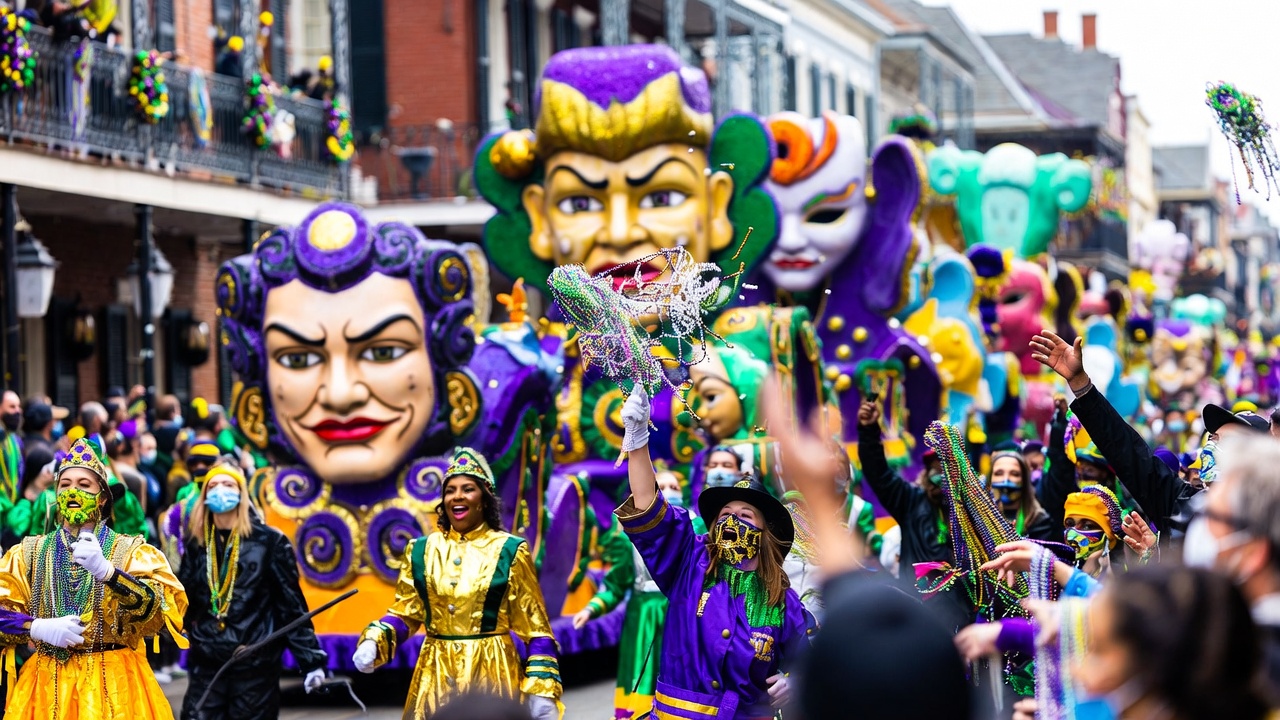
Mardi Gras 2026 falls on Tuesday, February 17, the final day of a Carnival season that begins on January 6. The biggest parades roll in the last two weeks, building to Fat Tuesday.
This guide lays out the Mardi Gras 2026 calendar: when the major New Orleans parades start, the key dates to plan around, and how the season builds toward its finale.
When Is Mardi Gras 2026 in New Orleans?
Fat Tuesday lands on February 17, 2026. Carnival season officially kicks off on January 6 (Twelfth Night) and builds toward the grand finale.
Here’s a quick look at the key dates:
| Event | Date |
|---|---|
| Twelfth Night (Season Opens) | Monday, January 6, 2026 |
| First Float Parades Begin | Friday, February 6, 2026 |
| Super Krewe Weekend | February 14, 15, 2026 |
| Lundi Gras | Monday, February 16, 2026 |
| Mardi Gras Day | Tuesday, February 17, 2026 |
Pro Tip: Mardi Gras 2026 coincides with Presidents’ Day Weekend. Book your hotels early. Rooms disappear fast.
Why Is Mardi Gras Early in 2026?
The date changes every year. Here’s why.
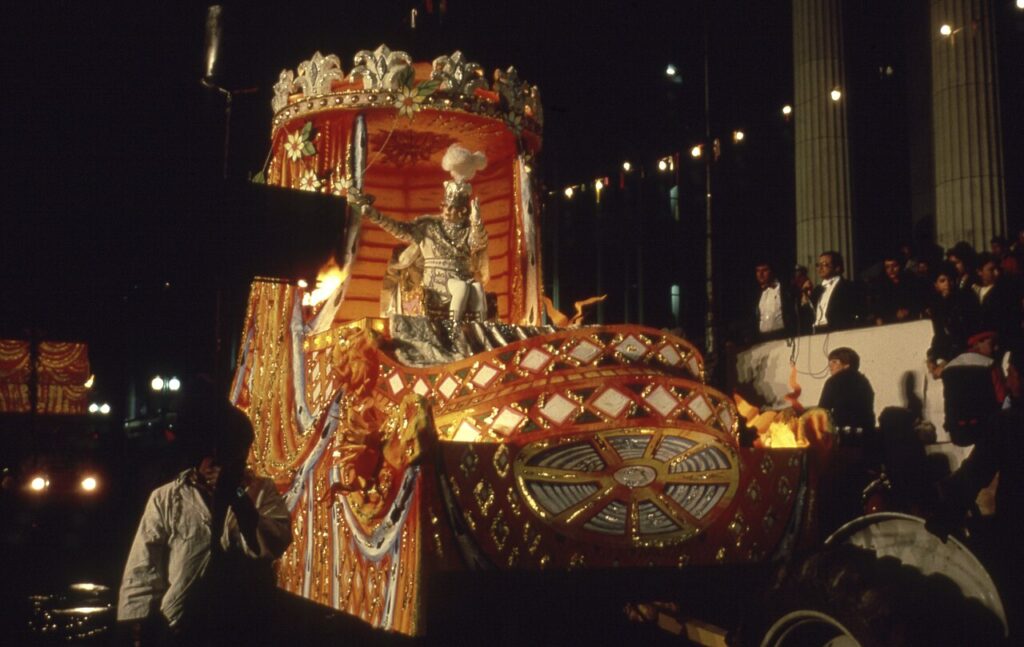
Fat Tuesday is tied to Easter. Specifically, it falls exactly 47 days before Easter Sunday. Easter itself depends on the lunar calendar, it’s the first Sunday after the first full moon following the spring equinox.
In 2026, Easter falls on April 5. That pushes Mardi Gras to February 17.
The takeaway? The 2026 Carnival season is shorter than usual. Every parade matters more. Plan accordingly.
Mardi Gras 2026 Parade Schedule: Complete Day-by-Day Guide
Below is the full schedule for New Orleans Mardi Gras 2026 parades. Focus on the final weekend through Fat Tuesday, that’s when the biggest spectacles roll.
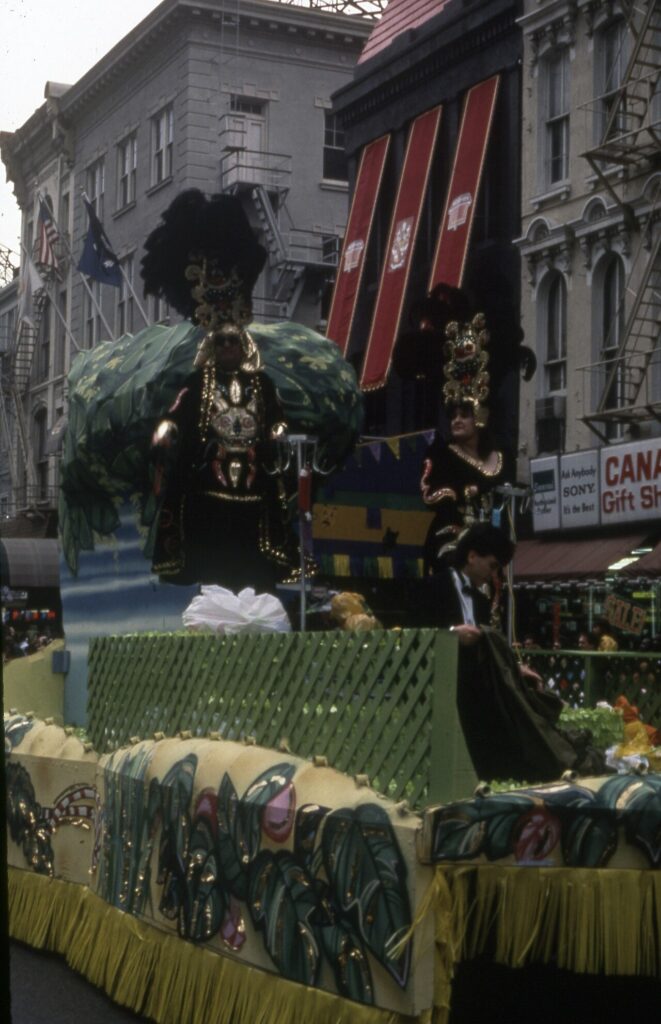
Thursday, February 12 , Muses Night
Thursday before Fat Tuesday is legendary. The Krewe of Muses draws massive crowds.
| Krewe | Time | Route | Highlights |
|---|---|---|---|
| Krewe of Muses | 6:30 PM | Uptown/St. Charles | All-female krewe famous for hand-decorated high-heel shoe throws |
Muses is known for its wit, creativity, and highly coveted signature throws. Arrive early to secure your spot along St. Charles Avenue.
Friday, February 13 , Parade Friday Night
The weekend begins. Three parades roll back-to-back Friday evening.
| Krewe | Time | Route |
|---|---|---|
| Krewe of Hermes | 5:30 PM | Uptown |
| Krewe d’Etat | 6:30 PM | Uptown |
| Krewe of Morpheus | 7:00 PM | Uptown |
Hermes is one of New Orleans’ oldest traditional krewes. d’Etat brings sharp political satire. Morpheus closes the night with dazzling floats.
Saturday, February 14 , Endymion Saturday (Super Krewe Night)
This is the crown jewel of Mardi Gras Saturday parades. Endymion is massive.
| Krewe | Time | Route | Details |
|---|---|---|---|
| Krewe of Iris | 11:00 AM | Uptown | All-female krewe, family-friendly |
| Krewe of Tucks | 12:00 PM | Uptown | Irreverent, bawdy humor, toilet paper throws |
| Krewe of Endymion | 4:00 PM | Mid-City to Superdome | Largest parade, 3,200+ riders, celebrity monarchs |
Why Endymion Matters: With over 3,200 riders and celebrity royalty, Endymion is the largest parade in New Orleans. The route runs through Mid-City and ends at the Mercedes-Benz Superdome, where the famous Endymion Extravaganza after-party awaits.
The 365-foot Pontchartrain Beach superfloat alone is worth the trip.
Sunday, February 15 , Bacchus Sunday
The second super krewe takes the stage. Bacchus brings celebrity power and jaw-dropping floats.
| Krewe | Time | Route | Details |
|---|---|---|---|
| Krewe of Okeanos | 11:00 AM | Uptown | Family-friendly morning parade |
| Krewe of Mid-City | Follows Okeanos | Uptown | Beloved local krewe |
| Krewe of Thoth | 12:00 PM | Uptown | Rolls through areas hospitals serve |
| Krewe of Bacchus | 5:15 PM | Uptown | Massive animated floats, celebrity king |
What Makes Bacchus Special: Founded in 1968, Bacchus revolutionized Mardi Gras with celebrity monarchs and massive theme floats. Look for the Kong family of giant gorillas, the Bacchasaurus dinosaur, and the segmented Bacchawhoppa whale.
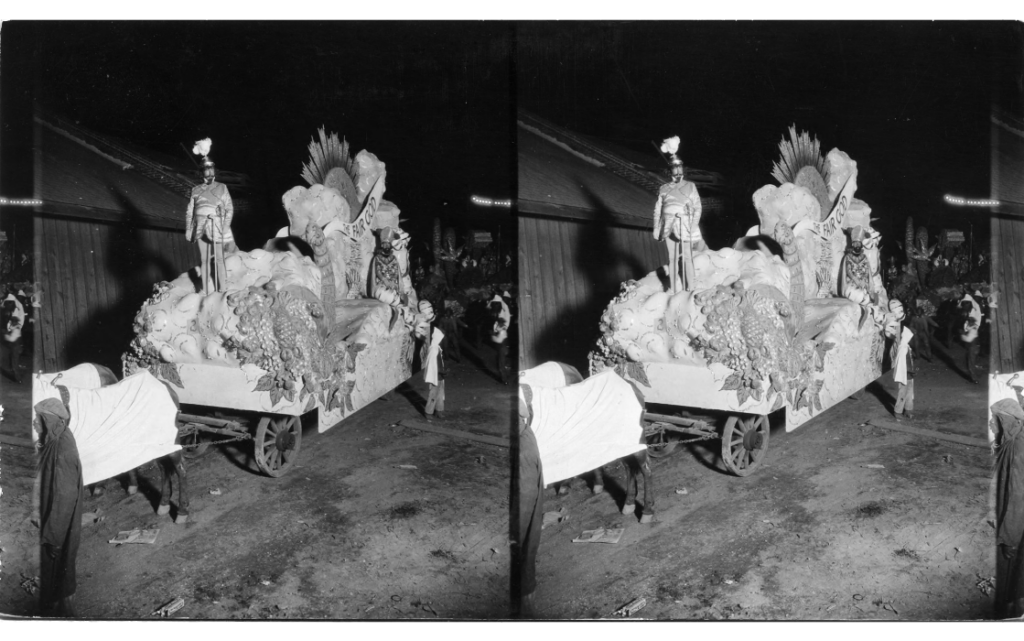
Shaquille O’Neal served as king in 2025. The 2026 celebrity monarch is always a closely guarded secret until parade day.
Monday, February 16 , Lundi Gras (Fat Monday)
The Monday before Fat Tuesday is called Lundi Gras. Two prestigious parades close out the evening.
| Krewe | Time | Route | Details |
|---|---|---|---|
| Krewe of Proteus | 5:15 PM | Uptown | Second-oldest parading krewe (founded 1882) |
| Krewe of Orpheus | 6:00 PM | Uptown | Founded by Harry Connick Jr., celebrity members |
Lundi Gras Tradition: The kings of Zulu and Rex arrive by riverboat at the foot of Canal Street during the day. An all-day party with music, dancing, and New Orleans cuisine celebrates their arrival.
Tuesday, February 17 , Mardi Gras Day Parade Times
This is it. Fat Tuesday. The grand finale.
Celebrations start at dawn and run until midnight. Here’s the Mardi Gras Day parade schedule:
| Krewe | Time | Route | Details |
|---|---|---|---|
| Krewe of Zulu | 8:00 AM | Uptown/St. Charles | Famous hand-painted coconut throws |
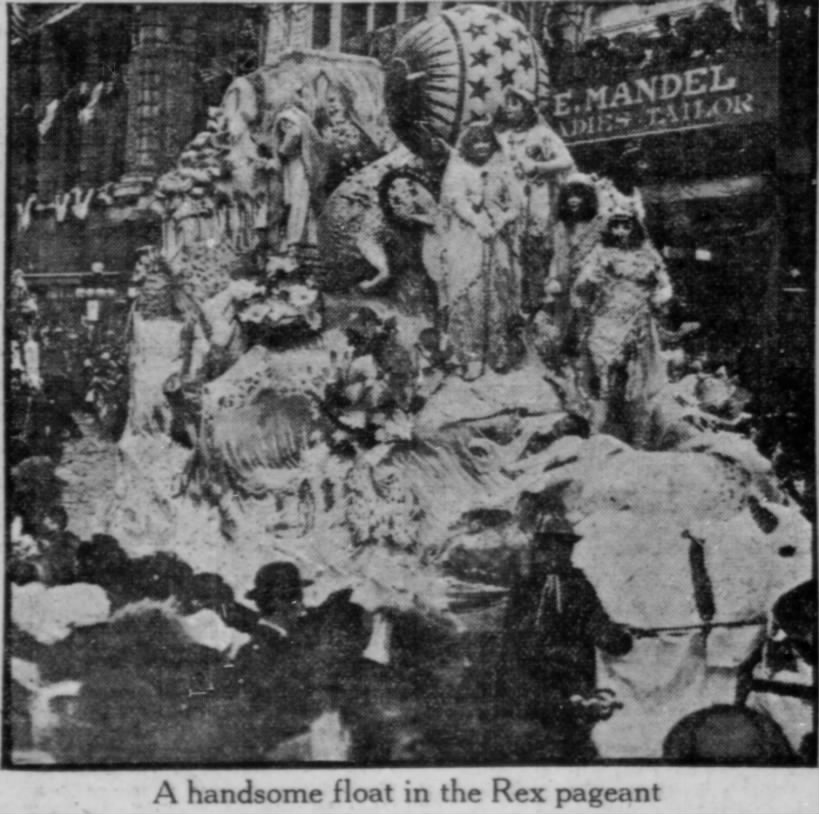
| Krewe of Rex | 10:30 AM | Uptown/St. Charles | King of Carnival, founded 1872 |
| Krewe of Elks Orleans | Follows Rex | Uptown | Truck floats continue the party |
| Krewe of Crescent City | Follows Rex | Uptown | Closes out the float parades |
The Zulu Coconut: The most coveted throw in Mardi Gras history. Hand-painted coconuts from the Zulu Social Aid & Pleasure Club are legendary. Position yourself early along the route if you want one.
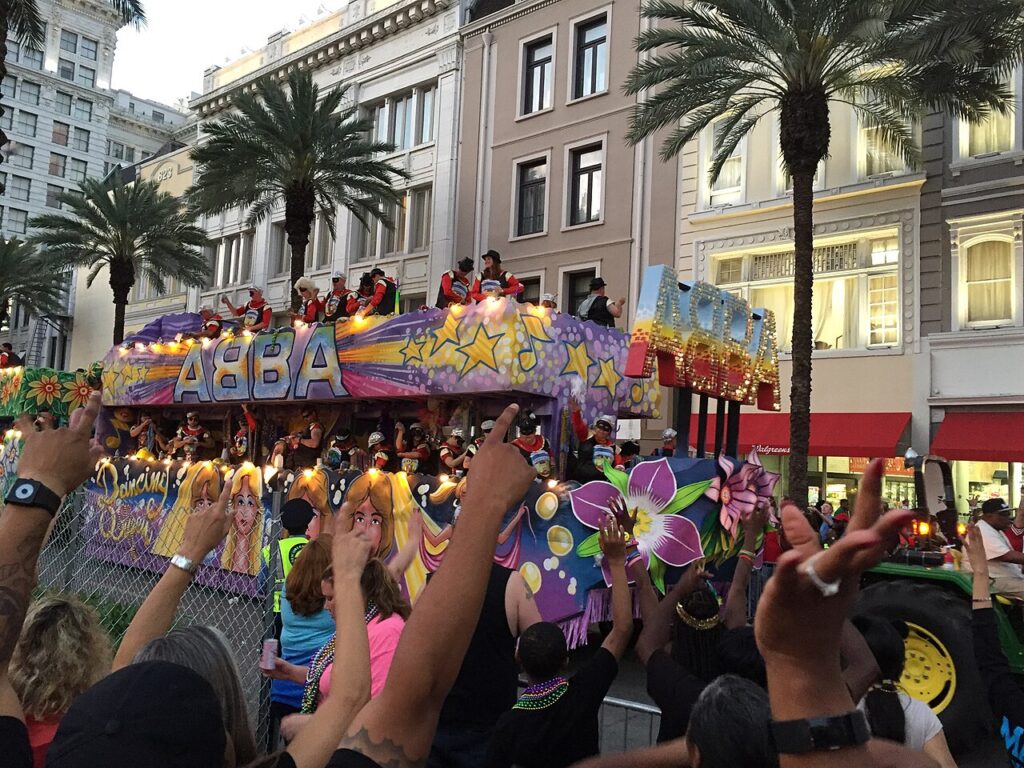
Rex , King of Carnival: Rex established the official Mardi Gras colors in 1872: purple (justice), green (faith), and gold (power). The Rex parade remains the symbolic heart of Carnival.
Best Mardi Gras 2026 Parade Viewing Spots
Where you stand matters. Here are the best spots to catch beads and throws:
St. Charles Avenue (Napoleon to Louisiana)
- Local favorite with authentic neighborhood atmosphere
- Less crowded than downtown
- Nearby bars offer restroom access
Napoleon Avenue Near the Parade Start
- See floats fresh with full throws
- Riders haven’t depleted their beads yet
Lee Circle
- Floats slow down at this turning point
- Excellent throw-catching opportunity
Canal Street Near the End
- High energy, massive crowds
- Grandstand seating available for purchase
Uptown Near Audubon Park
- Perfect for families with kids
- Parades originate here, so maximum throws remain
Mardi Gras Beyond New Orleans: Mobile and Galveston 2026
New Orleans isn’t the only Gulf Coast city throwing a party.
Mobile, Alabama Mardi Gras 2026
Mobile claims to be the birthplace of American Mardi Gras (1703). Over 40 parades roll through downtown.
| Detail | Information |
|---|---|
| Celebration Dates | January 30 , February 17, 2026 |
| First Parade | Krewe de La Dauphine (Dauphin Island, January 17) |
| Signature Throw | MoonPies |
Galveston, Texas Mardi Gras 2026
Texas brings its own Carnival flavor with beach-side parades.
| Detail | Information |
|---|---|
| Celebration Dates | February 6 , 17, 2026 |
| Main Areas | Downtown Entertainment District + Seawall Boulevard |
| Family-Friendly Option | Family Gras (final Sunday) |
Mardi Gras 2026 Planning Tips
When Should You Arrive in New Orleans?
Most visitors arrive Friday, February 13 to catch the full weekend of festivities. Want to see everything? Arrive Thursday night for Muses.
What to Wear to Mardi Gras Parades
- Comfortable walking shoes (you’ll stand for hours)
- Layers (February temperatures range from 50, 70°F)
- Costumes encouraged but not required
- Leave valuables at the hotel
Is Mardi Gras Family-Friendly?
Yes, especially Uptown parades. Daytime parades along St. Charles Avenue welcome families. Avoid the French Quarter after dark with children.
Are Mardi Gras Parades Free?
Street viewing is completely free. Grandstand seats and balcony rentals are optional paid upgrades.
The Bottom Line: When to See the Biggest Mardi Gras 2026 Parades
Here’s your quick reference for the can’t-miss parades:
| Parade | Date | Time | Why It Matters |
|---|---|---|---|
| Krewe of Muses | Thursday, Feb 12 | 6:30 PM | Best throws, all-female krewe |
| Krewe of Endymion | Saturday, Feb 14 | 4:00 PM | Largest parade, Superdome finale |
| Krewe of Bacchus | Sunday, Feb 15 | 5:15 PM | Celebrity king, spectacular floats |
| Krewe of Orpheus | Monday, Feb 16 | 6:00 PM | Star-studded, founded by Harry Connick Jr. |
| Krewe of Zulu | Tuesday, Feb 17 | 8:00 AM | Coconut throws, cultural icon |
| Krewe of Rex | Tuesday, Feb 17 | 10:30 AM | King of Carnival, historic tradition |
Mardi Gras 2026 promises a shorter but more intense Carnival season. The parades will roll. The beads will fly. The good times will absolutely roll.
How the Mardi Gras Date Is Calculated
Mardi Gras does not fall on a fixed calendar date because it is tied directly to Easter, which itself moves from year to year. Easter Sunday is set as the first Sunday after the first full moon on or after the spring equinox (March 21 in the church calendar). Because that full moon can land anywhere from late March to late April, Easter shifts across a roughly five week window, and Mardi Gras shifts right along with it.
The link runs through Lent, the 40 day period of fasting and reflection observed before Easter in many Christian traditions. Lent begins on Ash Wednesday, and Mardi Gras Day, also called Fat Tuesday, is the day immediately before. If you count backward from Easter Sunday, Ash Wednesday lands 46 days earlier (the 40 days of Lent plus the six Sundays, which are not counted as fast days). That puts Fat Tuesday exactly 47 days before Easter. Once you know the year’s Easter date, the math is simple: subtract 47 days, and you have Mardi Gras.
This is why Mardi Gras can arrive as early as the first week of February or as late as early March. In 2026 it falls on Tuesday, February 17, which is on the earlier side. The table below lists the dates for the years ahead so you can plan trips well in advance.
| Year | Mardi Gras Day (Fat Tuesday) |
|---|---|
| 2027 | February 9 |
| 2028 | February 29 |
| 2029 | February 13 |
| 2030 | March 5 |
| 2031 | February 25 |
| 2032 | February 10 |
Note the leap year quirk in 2028, when Fat Tuesday lands on February 29. The 2030 date in early March is one of the latest in the coming decade, while 2027 and 2032 sit at the early end. If you prefer milder weather, the later dates tend to bring slightly warmer afternoons in New Orleans.
The Full Carnival Season, From Epiphany to Fat Tuesday
Mardi Gras Day is only the finale. The wider celebration, known as Carnival, begins every year on January 6, the feast of Epiphany, also called Twelfth Night or Kings’ Day. That start date never moves, so the length of Carnival season changes each year depending on how early or late Fat Tuesday falls. A late Mardi Gras means a long season with many weekends of parades; an early one, like 2026, compresses everything into a tighter run.
Epiphany commemorates the visit of the Magi to the infant Jesus, and in New Orleans it kicks off the king cake tradition. King cakes, ring shaped and decorated in the Carnival colors of purple, green, and gold, are sold and shared from Twelfth Night onward, with a small plastic baby hidden inside. Whoever finds the baby is traditionally expected to host or buy the next cake. On Twelfth Night itself, the Phunny Phorty Phellows ride a streetcar down St. Charles Avenue to announce that Carnival has officially begun.
The season builds gradually. Early weeks bring smaller neighborhood parades and walking clubs. The pace picks up sharply in the final two weeks, when the largest organizations roll on consecutive nights. The last five days, from the Friday before Fat Tuesday through Mardi Gras Day itself, hold the marquee parades and the biggest crowds. Then, at the stroke of midnight on Fat Tuesday, the season ends. Ash Wednesday arrives, Lent begins, and the city shifts abruptly from celebration to quiet observance.
What Are Super Krewes?
The parading organizations behind Mardi Gras are called krewes, and they range from tiny walking groups to massive operations with thousands of riders. The term “super krewe” describes the largest and most elaborate of these, the ones that emerged in the modern era with bigger budgets, longer parades, celebrity monarchs, and floats built on a grand scale. They reshaped what people expect from the Mardi Gras calendar.
The super krewe era began in 1969 with the founding of Bacchus, which broke from tradition by inviting a national celebrity to reign as king rather than a local society figure, and by hosting an open dinner rather than a closed ball. Endymion followed and grew into one of the largest parades anywhere, while Orpheus, founded in 1993 with musician Harry Connick Jr. among its organizers, rounded out the trio that now anchors the final weekend. These three are the names most visitors recognize.
What sets super krewes apart is scale. Their signature floats have become legends in their own right, including Endymion’s multi unit tandem floats and Bacchus’s themed giants like the Bacchasaurus and the King Kong family. They carry hundreds of riders, throw enormous quantities of beads and specialty items, and book major musical acts. Because they need wide streets and long staging areas, super krewes shaped the modern parade route and the scheduling of the season’s climactic days.
New Orleans Weather in February
Because Mardi Gras usually falls in February, visitors should plan for cool and changeable conditions rather than the warm, humid New Orleans of summer postcards. February is one of the coolest months of the year in the city, and parade weather can swing widely from one day to the next.
Typical daytime highs sit in the low to mid 60s Fahrenheit, with nighttime lows often dropping into the mid 40s. Since most of the biggest parades roll in the evening, the temperature can fall noticeably while you are standing on the route waiting. Cold snaps that push lows near freezing do happen, and so do mild stretches that feel almost like spring. Rain is also common, as February is one of the wetter months, and parades generally roll in light rain (only severe weather forces a cancellation or schedule change).
A few practical points for dressing and packing:
- Dress in layers you can add or remove as the evening cools.
- Bring a packable rain jacket or poncho rather than an umbrella, which is awkward in a crowd.
- Wear comfortable, closed shoes; you will stand and walk for hours, and streets get littered with beads.
- Check the forecast the morning of each parade, since conditions can change quickly.
Parade Route Rules and Logistics
Mardi Gras parading has its own customs and rules, and knowing them ahead of time makes the experience smoother and safer. The classic Uptown route runs along St. Charles Avenue and turns onto Canal Street, a stretch lined with families, longtime locals, and visitors for miles. Understanding how the route works helps you choose the right spot.
The Neutral Ground and Ladders
New Orleanians call the median strip in the center of a boulevard the “neutral ground,” and along St. Charles Avenue it becomes prime parade real estate. Families stake out spots there hours or even days early. A familiar sight is the parade ladder, a stepladder with a built in seat box on top so children can watch over the crowd and catch throws. City rules require ladders to be set back from the curb (typically six feet) and not chained to trees or poles, and they must be no wider than they are tall.
Family Zones Versus Bourbon Street
There is a real difference between the parade route and the French Quarter party scene, and the two attract different crowds. The Uptown route along St. Charles Avenue is family friendly, with kids on ladders and coolers spread on the grass. It is the place to bring children and to actually catch beads from the floats.
Bourbon Street in the French Quarter is a different scene entirely. Large parades do not roll down Bourbon Street because it is too narrow, so the activity there is the street party rather than the floats. The Bourbon Street atmosphere skews adult, crowded, and rowdy, and it is not the setting for young children. Decide which experience you want before you go, and consider seeing the parades Uptown earlier in the day before heading toward the Quarter at night if you want both.
Catching Throws Safely
Riders toss beads, doubloons, plush toys, and specialty items from the floats, and reaching for them is half the fun. A few safety habits matter: never reach down for an item that has landed near or under a float, since the wheels are dangerous, and wait for it to settle on the ground clear of traffic. Make eye contact and raise your hands to get a rider’s attention rather than crowding the barricades. Keep an eye on children near the curb, and respect the spots that families have set up. Following these basic courtesies keeps the route enjoyable for everyone.
A Short History of Mardi Gras Parade Organizations
Organized parading in New Orleans is younger than the holiday itself. The turning point came in 1857, when six men formed the Mistick Krewe of Comus and staged a torchlit night procession built around a single artistic theme. Comus introduced themed floats, costumed maskers, and the very word “krewe,” and it set the template that every later group would copy.
The next milestones arrived quickly. The Twelfth Night Revelers paraded for the first time in 1870 and helped popularize the king cake tradition at their ball. In 1872 the Krewe of Rex was created to honor a visiting Russian grand duke, and Rex gave Carnival many of its lasting symbols. Rex named the King of Carnival, chose purple, green, and gold as the official colors (standing for justice, faith, and power), and adopted “If Ever I Cease to Love” as the season’s anthem. In 1909 the Zulu Social Aid and Pleasure Club staged its first parade, becoming the most prominent of the African American krewes and famous for its hand-decorated coconut throws.
The modern era began in the late 1960s with the rise of the super krewes. Endymion (1967) and Bacchus (1968) broke from the old, closed membership model by opening their ranks, recruiting hundreds of riders, and inviting celebrity monarchs. Orpheus followed in 1993, co-founded by musician Harry Connick Jr. These organizations turned Carnival into a large-scale public spectacle, with double-deck floats, marching bands from across the country, and crowds numbering in the hundreds of thousands.
How to Track Parade Times and Routes in Real Time
Parade schedules can shift on the day itself because of weather, float breakdowns, or a backup of multiple krewes sharing the same route. A little preparation keeps you in the right place at the right time.
- Start with the official sources. Each krewe posts its roll-out time, and the City of New Orleans publishes a consolidated parade calendar with start points and step-off times.
- Use a local station tracker. New Orleans broadcasters such as WDSU and WWL run live parade trackers during the season, with updated positions and on-air coverage of major rides.
- Download a parade-tracker app. Several smartphone apps show floats’ live GPS location along the route, so you can see how far a parade is from your corner before it arrives.
- Arrive early to claim a spot. The neutral ground (the median strip down the center of avenues like St. Charles) is prime viewing, and good positions fill up well before step-off.
- Follow the social accounts. The @MardiGras account and individual krewe pages post real-time delays, route changes, and step-off confirmations faster than printed schedules can be updated.
Combining two or three of these tools works best. Check an official schedule the night before, set an app to follow the krewe you most want to see, and keep a station tracker open on the day so a sudden delay does not leave you standing on an empty corner for an hour.
More Mardi Gras & Carnival Guides
Explore the rest of our Mardi Gras coverage, and Carnival celebrations in other cities:
- Mardi Gras 2026: The Ultimate Guide (Start Here)
- 20 Traditional Mardi Gras Foods to Try
- Creative Mardi Gras Party Ideas
- DIY Mardi Gras Decorations: Purple, Green & Gold
- What to Wear to Mardi Gras: Costume Ideas
- Is Mardi Gras Family-Friendly? Best Spots
- Why We Throw Beads: Mardi Gras Traditions
- Mardi Gras vs. Fat Tuesday: The Difference
- The Best Authentic King Cake Recipe
- What Is King Cake? Meaning of the Baby and Colours
- Rio Carnival 2026: Complete Guide (Brazil)
- Venice Carnival 2026: Complete Guide (Italy)
- Quebec Winter Carnival 2026: Full Guide (Canada)
- Nice Carnival 2026 Guide (France)
Frequently Asked Questions
When is Mardi Gras 2026?
Mardi Gras (Fat Tuesday) 2026 falls on Tuesday, February 17. The Carnival season begins on January 6 (Twelfth Night).
When do the biggest New Orleans parades happen?
The largest parades roll during the final two weekends before Fat Tuesday, including Endymion, Bacchus, Zulu, and Rex.
How long does Mardi Gras last?
The Carnival season lasts from January 6 until Fat Tuesday, but the main parade period is roughly the last two weeks.
Why does the Mardi Gras date change each year?
Mardi Gras falls the day before Ash Wednesday, which is tied to the date of Easter, so it moves each year.