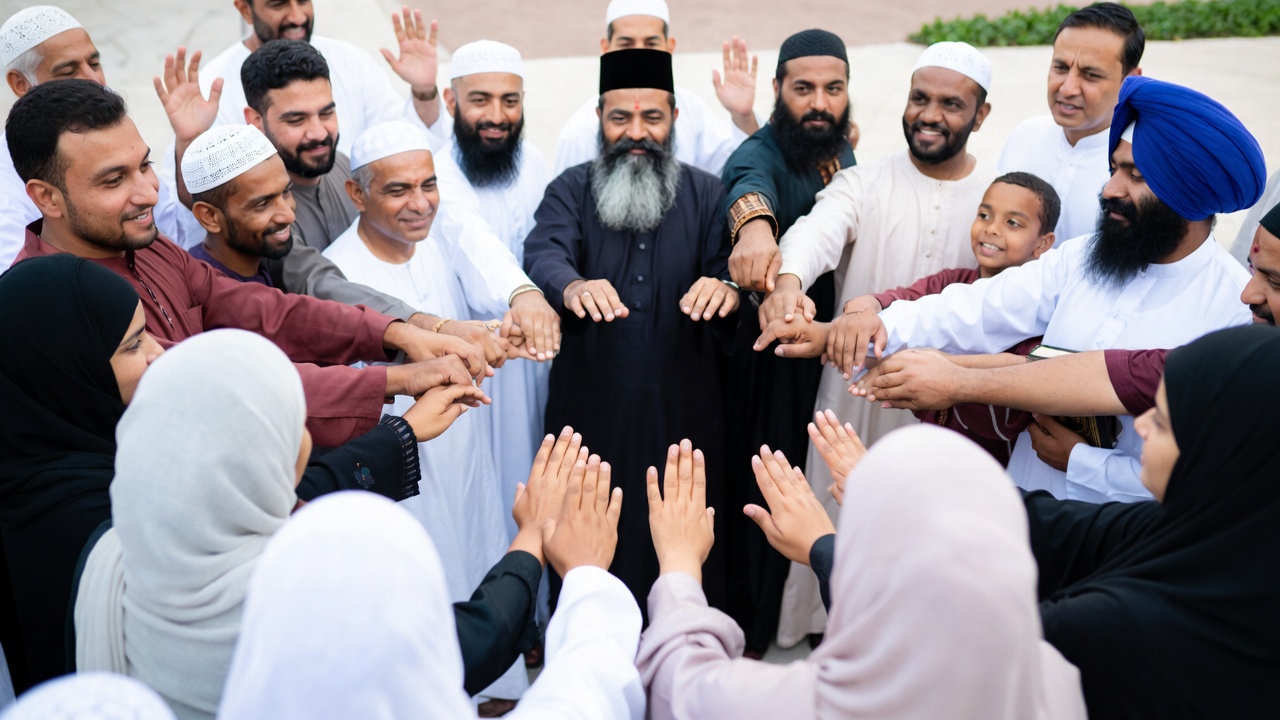
Practical ideas and inspiring activities to bring people of all faiths together during the first week of February
The first week of February marks a significant moment on the global calendar. Communities across the world pause to celebrate World Interfaith Harmony Week. This United Nations-recognized observance brings together people of all faiths, beliefs, and backgrounds. The goal is simple yet profound: to foster mutual understanding and respect among diverse religious communities.
Since its establishment in 2010, this annual celebration has grown into a powerful movement. Over 1,300 events were held worldwide during the 2025 observance alone. From small neighborhood gatherings to large-scale conferences, communities everywhere are discovering the transformative power of interfaith dialogue.
But what makes this week so important? And how can your community participate in meaningful ways? This comprehensive guide explores ten impactful strategies to celebrate World Interfaith Harmony Week. Each approach is designed to build lasting bridges between faith communities while honoring the unique traditions that make each one special.
What Is World Interfaith Harmony Week and Why Does It Matter for Local Communities?
World Interfaith Harmony Week emerged from a vision of global peace through religious understanding. The initiative was first proposed by His Majesty King Abdullah II of Jordan at the United Nations General Assembly on September 23, 2010. The proposal received unanimous support. Less than a month later, on October 20, 2010, the UN General Assembly officially adopted Resolution 65/5, declaring the first week of February as World Interfaith Harmony Week.
The timing was intentional. The founders recognized that lasting peace requires more than political agreements. It demands understanding at the grassroots level. People must know their neighbors. They must understand different traditions. They must find common ground while respecting differences.
The Foundation: Love of God, Love of Neighbor, Love of the Good
The week builds upon The Common Word initiative, which began in 2007. This groundbreaking effort identified shared principles between major world religions. The foundational message centers on two universal commandments:
- Love of God (or the Good, for those of secular orientation)
- Love of Neighbor
These principles transcend specific religious boundaries. They appear in Christianity, Islam, Judaism, Hinduism, Buddhism, and countless other traditions. They also resonate with people who hold no particular religious affiliation but embrace ethical living.
| Core Principle | How It Appears Across Traditions |
|---|---|
| Love of the Divine/Good | Prayer, meditation, ethical living, pursuit of truth |
| Love of Neighbor | Charity, hospitality, community service, compassion |
| Mutual Respect | Honoring others’ sacred spaces, traditions, and beliefs |
| Peace and Harmony | Conflict resolution, dialogue, shared celebrations |
Why Local Communities Hold the Key
National policies and international agreements matter. But real change happens at the community level. When neighbors from different faith backgrounds share meals together, understanding grows. When children learn about various traditions from actual practitioners, stereotypes dissolve. When people of different beliefs work side by side on service projects, lasting bonds form.
According to Pew Research Center, the world contains remarkable religious diversity. Different regions show varying patterns of this diversity. Some communities include followers of nearly every major world religion living in close proximity. These diverse settings present both challenges and opportunities.
The challenge lies in overcoming misunderstanding, prejudice, and fear of the unfamiliar. The opportunity lies in discovering shared values, building meaningful relationships, and creating stronger communities through diversity.
How to Organize an Interfaith Potluck Dinner That Builds Authentic Connections
Few activities build community faster than sharing food together. Interfaith potluck dinners have become one of the most popular and effective ways to celebrate World Interfaith Harmony Week. The concept is beautifully simple. Yet its impact can be profound.
Interfaith America describes potlucks as “a celebration of pluralism”. They rely on contributions from a diverse community. If everyone brings the same dish, the experience becomes bland. But when each person brings something unique from their tradition, the table becomes a feast of cultural richness.
Planning Your Interfaith Potluck Step by Step
Step 1: Build Your Planning Team
Start by gathering representatives from different faith communities. This ensures diverse perspectives from the beginning. Include:
- Leaders or members from local churches, mosques, synagogues, temples, and gurdwaras
- Representatives from secular humanist or ethical culture societies
- Members of interfaith councils or organizations, if one exists in your area
- Young people and elders who can bridge generational gaps
Step 2: Choose an Appropriate Venue
Select a neutral, welcoming space. Options include:
- Community centers
- University common areas
- Public library meeting rooms
- Rotating between different houses of worship
- Outdoor parks or pavilions (weather permitting)
Consider accessibility. Ensure people with mobility challenges can participate fully. Think about parking, public transportation access, and building entrance points.
Step 3: Handle Dietary Considerations Thoughtfully
This step requires careful attention. Different traditions maintain various dietary laws and customs:
| Tradition | Common Dietary Considerations |
|---|---|
| Judaism | Kosher requirements, no mixing of meat and dairy |
| Islam | Halal requirements, no pork or alcohol |
| Hinduism | Many practitioners are vegetarian; no beef |
| Buddhism | Many practitioners are vegetarian |
| Jainism | Strict vegetarianism; avoidance of root vegetables |
| Sikhism | Vegetarian food in langar (community kitchen) |
| Various | Allergies (nuts, gluten, dairy, etc.) |
Create clear labeling systems. Use cards that indicate ingredients. Mark dishes as vegetarian, vegan, contains nuts, contains dairy, etc. Consider forgoing pork products entirely to ensure broader inclusivity.
Step 4: Create Meaningful Program Elements
A successful interfaith potluck goes beyond eating. Include structured elements:
- Welcome and Gratitude: Acknowledge all traditions present. Express thanks for the shared meal.
- Dish Presentations: Invite attendees to briefly share the story behind their dish. How does it connect to their family, culture, or faith tradition?
- Dialogue Prompts: Provide conversation starters at each table. Questions might include:
- “What value from your tradition do you try to live by daily?”
- “What’s a misconception about your faith you wish you could correct?”
- “How has your tradition shaped your understanding of hospitality?”
Step 5: Follow Up for Lasting Impact
The potluck is not an end point. It’s a beginning. Collect contact information (with permission). Share photos and highlights. Plan the next gathering. The goal is ongoing relationship-building, not a one-time event.
Real-World Success Story
The Dufferin County Interfaith Forum in Canada hosts an annual potluck dinner specifically for World Interfaith Harmony Week. Representatives from Muslim, Sikh, Jewish, Buddhist, and Christian communities gather at Trinity United Church in Shelburne. Each year, the event strengthens community bonds while honoring diverse traditions.
Best Community Service Projects for Interfaith Volunteer Groups During Harmony Week
Service projects bring people together around shared purpose. When individuals from different faith backgrounds work side by side, something powerful happens. Conversations flow naturally. Stereotypes break down. Friendships form.
Interfaith Action demonstrates this principle effectively. The organization brings together volunteers from diverse faith and spiritual communities to address poverty and its root causes. Their work includes tutoring programs, food distribution, and housing assistance.
High-Impact Service Project Ideas
1. Food Bank or Pantry Support
Hunger affects every community. Organizing an interfaith volunteer day at local food banks accomplishes multiple goals:
- Provides direct help to those in need
- Creates space for natural conversation among volunteers
- Demonstrates shared commitment to addressing community challenges
- Can be scaled to any group size
2. Habitat for Humanity Builds
Pikes Peak Habitat for Humanity won recognition in the 2024 King Abdullah II Prize for their interfaith celebration. They organized a weeklong campaign combining interfaith engagement, dialogue, and volunteerism. Participants explored how neighborliness translates across faith traditions while advocating for affordable housing.
3. Environmental Cleanup Initiatives
Care for creation appears across virtually all faith traditions. Organizing a park cleanup, river restoration project, or community garden workday provides:
- Hands-on collaborative activity
- Connection to shared environmental values
- Visible improvement to the community
- Opportunity for ongoing partnership
4. Meal Preparation for Homeless Shelters
Interfaith Works coordinates volunteers to prepare and serve meals at emergency shelters. Groups can sign up to bring prepared meals for shelter residents. This tangible act of service embodies the “love of neighbor” principle central to World Interfaith Harmony Week.
5. Senior Support Programs
Interfaith Volunteers focuses on helping seniors remain in their homes. Activities include:
- Building wheelchair ramps
- Providing transportation to medical appointments
- Making companionship visits
- Performing minor home repairs
These services create meaningful intergenerational connections while addressing real community needs.
Organizing Tips for Success
Pre-Project Planning
- Partner with established organizations rather than creating programs from scratch
- Ensure adequate supervision and training
- Prepare for various physical ability levels
- Create opportunities for conversation, not just work
During the Project
- Begin with a brief gathering acknowledging all traditions present
- Mix volunteers from different backgrounds in work teams
- Include break times for informal conversation
- Take photos (with permission) to share later
Post-Project Reflection
- Gather the group for shared reflection before dispersing
- Ask: “What did you notice today?” “What surprised you?” “What will you carry forward?”
- Plan the next opportunity for engagement
How to Plan Meaningful Interfaith Dialogue Sessions in Diverse Neighborhoods
Dialogue lies at the heart of interfaith understanding. But meaningful dialogue requires more than putting people in a room together. It demands thoughtful planning, skilled facilitation, and genuine commitment to listening.
The United Religions Initiative offers valuable guidance for designing effective interfaith dialogue. Their recommendations emerge from years of practice across diverse contexts worldwide.
Understanding Different Types of Interfaith Dialogue
Not all dialogue serves the same purpose. Understanding the different types helps you choose the right approach:
1. Dialogue of Life
This happens naturally when people of different faiths live as neighbors. It involves sharing daily experiences, celebrating together, grieving together, and simply being present in each other’s lives.
2. Dialogue of Action
People from different traditions work together on common projects or concerns. The focus is on collaboration rather than theological discussion. Service projects fall into this category.
3. Dialogue of Theological Exchange
Religious leaders and scholars engage in deeper discussion of beliefs, practices, and sacred texts. This requires more preparation and specialized knowledge.
4. Dialogue of Religious Experience
Participants share personal spiritual experiences. This intimate form of dialogue builds deep understanding but requires high trust levels.
Creating Safe Space for Authentic Conversation
Establish Clear Ground Rules
Before beginning any dialogue, co-create agreements with participants. The Institute for Christian & Jewish Studies emphasizes the importance of establishing ground rules for fruitful interaction. Common agreements include:
- Speak from personal experience using “I” statements
- Listen without planning your response
- Ask questions from genuine curiosity, not to debate
- Maintain confidentiality about personal stories shared
- Recognize that everyone speaks from their tradition, not for their entire tradition
Select Thoughtful Prompts
The quality of questions determines the quality of conversation. Effective prompts invite reflection without creating defensiveness:
- “What does your tradition teach about caring for those who are suffering?”
- “How do you understand the relationship between faith and action in your tradition?”
- “What practice from your tradition brings you the most peace?”
- “How has your faith shaped your understanding of what makes a good neighbor?”
Avoid questions that imply one tradition is superior or that put participants in the position of defending their entire faith.
Use Small Groups Strategically
Large group discussions often favor the most confident speakers. Small groups of 4-6 people allow quieter voices to emerge. Intentionally mix participants from different backgrounds in each small group.
Scriptural Reasoning: A Specific Approach
Scriptural reasoning brings together texts from different traditions around a common theme. For example, participants might explore what Judaism, Christianity, and Islam teach about hospitality. Each tradition offers relevant texts. Participants read them together, noticing similarities and differences.
This approach:
- Centers conversation in sacred texts rather than personal opinions
- Reveals unexpected common ground
- Highlights differences without forcing agreement
- Creates deeper understanding of each tradition’s sources
Virtual Dialogue Options
Geography need not limit dialogue. Online platforms enable conversations across distances. Generation Global connects students worldwide in video-conference dialogue. Similar approaches work for adult interfaith conversations.
Benefits of virtual dialogue include:
- Connecting with communities not present locally
- Reducing transportation barriers
- Enabling participation from those with mobility challenges
- Creating documentation for future reference
Creative Ways to Visit Different Houses of Worship and Sacred Spaces Respectfully
Sacred space visits offer powerful learning experiences. Stepping into an unfamiliar house of worship engages all the senses. Architecture, artwork, sounds, and smells communicate what words cannot fully express.
Yet these visits require careful planning. Different traditions have specific expectations for visitors. Respectful engagement honors these expectations while creating genuine learning opportunities.
Before You Visit: Research and Preparation
Contact Leadership in Advance
Never simply show up unannounced at an unfamiliar house of worship. Youth and Community Diversity Coalition recommends contacting the house of worship in advance to see if they welcome visitors. Many communities have specific times set aside for educational visits.
When making contact:
- Explain the purpose of your visit
- Ask about appropriate times to visit
- Inquire about dress expectations
- Ask if photography is permitted
- Clarify any participation expectations (sitting, standing, removing shoes, covering heads, etc.)
Prepare Your Group
Before the visit, gather your group to discuss:
- What to expect during the visit
- Appropriate dress and behavior
- Questions to avoid or approach sensitively
- The difference between observing and participating
Dress Code Guidelines by Tradition
| Tradition | Common Expectations |
|---|---|
| Mosques | Remove shoes; women typically cover hair; modest dress for all |
| Synagogues | Men may need to wear kippah (head covering); modest dress |
| Hindu Temples | Remove shoes; modest dress; some temples restrict entry to certain areas |
| Sikh Gurdwaras | Remove shoes; cover head (cloths usually provided); no tobacco or alcohol |
| Buddhist Temples | Remove shoes; modest dress; respect meditation areas |
| Christian Churches | Expectations vary widely by denomination |
During the Visit: Engagement Guidelines
Be an Observer First
Your primary role as a visitor is to observe and learn. Unless explicitly invited, refrain from participating in rituals. Watch how regular attendees behave and follow their lead on matters like standing, sitting, or silence.
Ask Thoughtful Questions
After the service or tour, ask questions that show genuine interest:
- “What does this practice mean to those who participate?”
- “How does the architecture of this space reflect your beliefs?”
- “What aspects of your tradition do you wish more people understood?”
Express Genuine Appreciation
Thank your hosts sincerely. Acknowledge what you found meaningful or beautiful. A follow-up note of thanks strengthens the relationship for future engagement.
Creating Reciprocal Visits
The most meaningful interfaith learning happens through reciprocity. If your faith community hosts visitors, consider organizing return visits to their spaces. This mutual exchange builds ongoing relationships rather than one-sided observation.
Youth Interfaith Education Programs That Promote Religious Tolerance in Schools
Young people represent the future of interfaith relations. Their attitudes form during childhood and adolescence. Education and positive experiences during these formative years shape lifelong perspectives.
Interfaith Philadelphia’s Youth Initiatives demonstrate effective approaches. They create welcoming spaces where young people build interfaith relationships and dialogue skills. Programs include workshops, cohort experiences, and summer programs serving students from elementary through college levels.
School-Based Approaches
Multifaith Panels
Invite representatives from various faith traditions to address students studying world religions. Real people sharing personal experiences make academic content come alive. Students can ask questions they might never have the opportunity to ask otherwise.
Passport to Understanding Sessions
Interactive workshops help students explore identity and build dialogue skills. Activities include:
- Sharing personal identity maps
- Practicing active listening
- Discussing how to respectfully disagree
- Role-playing interfaith scenarios
Service-Learning Projects
Combine community service with structured reflection. Students from different backgrounds work together on projects while processing their experiences through an interfaith lens.
Curriculum Resources
The Fraser Centre’s Interfaith Project compiles curriculum resources for schools and youth groups. Available materials include:
- Golden Rule Poster Series: Comparing how the Golden Rule appears across traditions
- Difference Differently: Interactive learning activities exploring diversity
- Compassion Games: Cooperative games promoting compassionate action
The Religious Diversity Journeys Model
The Religious Diversity Journeys program in Detroit enables seventh-grade students to visit houses of worship from multiple faith traditions. Students visit mosques, temples, churches, and synagogues over several sessions. The program includes pre-visit preparation and post-visit reflection.
Program elements include:
- Video introductions to each tradition
- Structured observation guides
- Student journals for reflection
- Dialogue sessions with faith community members
College and University Programs
AAC&U’s Interfaith Leadership in Higher Education initiative partners with colleges nationwide. Programs help institutions create campus environments that support interfaith cooperation. Participating schools have developed:
- Interfaith dialogue training for student leaders
- Religious diversity considerations for dining services
- Apps connecting students with information about diverse religious holidays
- Advisory boards for Black student spiritual support
- Faculty workshops on interfaith learning
Art and Music Initiatives That Celebrate Religious Diversity and Cultural Heritage
Artistic expression transcends language barriers. Music, visual art, and performance create emotional connections that intellectual discussion alone cannot achieve. Many communities have discovered the power of arts-based interfaith engagement.
Interfaith Art Performances
The 2024 King Abdullah II Prize recognized an interfaith art performance in Bulgaria. “Bridges – Eastern European Forum for Dialogue” Association organized “Gift of LOVE” within the historic Bishop’s Cathedral in Plovdiv. The event demonstrated how artistic expression can embody interfaith values.
Ideas for Arts-Based Celebrations:
- Sacred music concerts featuring choral traditions from multiple faiths
- Visual art exhibits exploring common themes across traditions
- Storytelling evenings sharing wisdom tales from different cultures
- Dance performances representing various cultural expressions of faith
- Poetry readings from diverse spiritual traditions
- Collaborative mural projects where community members create together
Music as Common Ground
Music appears in virtually every religious tradition. While specific forms vary widely, the human impulse to express the sacred through sound is universal. Interfaith music events might include:
- Chanting circles incorporating elements from various traditions
- Instrument sharing where practitioners demonstrate traditional instruments
- Collaborative compositions creating new works that honor multiple traditions
- Listening sessions where participants share meaningful sacred music from their traditions
Film Screenings and Discussion
Interfaith America suggests film screenings as effective interfaith events. Choose films that explore ideas around religion or identity in nuanced, thoughtful ways. Follow the screening with facilitated discussion.
Guidelines for effective film events:
- Preview the film to ensure it presents traditions respectfully
- Prepare discussion questions in advance
- Include representatives from any tradition portrayed
- Allow time for small group and large group conversation
Creative Writing Workshops
Writing workshops invite participants to explore their spiritual experiences through language. Prompts might include:
- “Describe a moment when you felt connected to something larger than yourself”
- “Write about an object that holds spiritual significance for you”
- “Share a story from your tradition that has shaped who you are”
Participants can share their writing with the group, creating intimate connection through personal narrative.
How to Use Social Media and Digital Platforms for Interfaith Awareness Campaigns
Digital tools extend interfaith engagement beyond physical gatherings. Social media campaigns can reach audiences who might never attend an in-person event. Online platforms enable connection across geographic distances.
Photo Campaigns
Photo campaigns create visual representations of interfaith harmony. Approaches include:
- Pose and Share: Participants photograph themselves with signs answering questions like “What do you value?” or “Why are we better together?”
- Photo Collages: Compile images into a single visual representation of community diversity
- Hashtag Campaigns: Create a shared hashtag for participants to use when posting
Social Media Best Practices for Interfaith Content
Share Stories, Not Just Statistics
Personal narratives resonate more than abstract information. Share stories of:
- Friendships across faith lines
- Collaborative projects and their impact
- Personal journeys of understanding
- Community celebrations and gatherings
Highlight Common Ground Without Erasing Difference
Effective interfaith content shows what traditions share while respecting what makes each unique. Avoid:
- Claiming “all religions are the same”
- Ignoring real differences in belief and practice
- Oversimplifying complex traditions
Engage Respectfully with Questions
Social media invites interaction. Be prepared to:
- Answer sincere questions with patience
- Correct misunderstandings graciously
- Refrain from engaging with hostile commenters
- Direct people to authoritative sources
Virtual Events and Webinars
The COVID-19 pandemic accelerated adoption of virtual interfaith programming. Many communities discovered that online events offer unique advantages:
- Broader Geographic Reach: Include speakers and participants from anywhere
- Accessibility: Enable participation from those with mobility challenges
- Recording and Sharing: Create resources others can access later
- Lower Barriers to Entry: Some people more comfortable joining virtually first
Virtual programming options include:
- Panel discussions with religious leaders
- Q&A sessions about specific traditions
- Online dialogue circles using video conferencing
- Webinars on interfaith topics
Creating Digital Resources
Develop materials that others can use and share:
- Holiday calendars including major observances from multiple traditions
- Glossaries explaining terms from various faiths
- Resource guides for further learning
- Interview videos with local faith leaders
- Infographics about religious diversity
Local Government and Civic Organization Partnerships for Interfaith Events
Partnerships with local government and civic organizations amplify interfaith efforts. These collaborations demonstrate that interfaith harmony matters beyond religious communities themselves.
Mayoral and City Council Proclamations
Many communities obtain official proclamations recognizing World Interfaith Harmony Week. These declarations:
- Raise public awareness
- Signal official support for interfaith initiatives
- Provide media opportunities
- Create momentum for programming
Contact your mayor’s office or city council to request a proclamation. Provide background information about the UN observance and planned local activities.
Library Programs
Public libraries serve as neutral community spaces. Partner with your local library to:
- Display books about world religions
- Host interfaith dialogue sessions
- Present film screenings and discussions
- Organize author talks on interfaith topics
- Create educational displays during Harmony Week
Chamber of Commerce Engagement
Business communities benefit from interfaith understanding. Workers and customers come from diverse backgrounds. Religious holidays affect commerce. Educated business leaders make more inclusive decisions.
Approach your local chamber about:
- Workplace diversity training including religious awareness
- Business leader dialogues about faith in the workplace
- Recognition of interfaith initiatives at business events
School District Collaboration
Public schools can engage with interfaith education while maintaining constitutional boundaries. Approaches include:
- Teaching about religions (academic study, not devotional practice)
- Inviting speakers to share cultural perspectives
- Acknowledging diverse holidays on school calendars
- Creating inclusive environments for students of all backgrounds
Healthcare Institution Partnerships
Hospitals and healthcare organizations increasingly recognize the importance of spiritual care for patients from diverse backgrounds. Partner with healthcare chaplaincy programs to:
- Provide training on religious considerations in patient care
- Create educational materials for healthcare workers
- Support chaplains serving diverse patient populations
Entering the King Abdullah II World Interfaith Harmony Week Prize Competition
The King Abdullah II World Interfaith Harmony Week Prize recognizes outstanding events that promote the goals of the observance. Established by the Royal Aal al-Bayt Institute for Islamic Thought, the prize rewards excellence in interfaith programming.
Understanding the Prize Criteria
Judges evaluate entries based on:
- Excellence of Efforts: Quality and thoughtfulness of programming
- Collaboration: Meaningful partnerships across faith lines
- Impact: Measurable effects on participants and community
- Resource Consideration: Accomplishments relative to available resources
- Consistency: Sustained effort over multiple years
- Alignment with UN Resolution: Conformity with the original intent of the observance
Importantly, judges reward events that respect each religion as it is. They do not reward movements toward religious syncretism or blending traditions together. The goal is harmony among distinct traditions, not homogenization.
Previous Winners and What They Did Right
2024 Prize Winners included:
Bridges – Eastern European Forum for Dialogue (Bulgaria) Organized an interfaith art performance in a historic cathedral, combining cultural heritage with interfaith message.
Pikes Peak Habitat for Humanity (USA) Ran a weeklong campaign combining interfaith engagement, dialogue, and volunteerism around affordable housing.
Multiple Educational Institutions Hosted forums, seminars, and training programs developing interfaith skills among young people.
How to Submit Your Event
- Register your event on the World Interfaith Harmony Week website
- Document thoroughly through photos, videos, and written records
- Submit a detailed report following the prize guidelines
- Meet the deadline (typically early March following the February observance)
Tips for Strong Submissions
- Tell a compelling story about your event’s development and impact
- Provide evidence of participation from multiple faith traditions
- Quantify when possible (number of participants, traditions represented, etc.)
- Include participant testimonials about the event’s meaning
- Describe plans for continuation beyond the single event
Sustaining Interfaith Relationships and Dialogue Throughout the Year
World Interfaith Harmony Week provides a focal point. But lasting interfaith understanding requires year-round engagement. The most successful communities treat the first week of February as a launch point, not an endpoint.
Building Ongoing Structures
Interfaith Councils
Many communities establish interfaith councils that meet regularly throughout the year. These bodies:
- Coordinate community responses to local crises
- Organize ongoing programming
- Represent diverse faith perspectives on civic issues
- Maintain relationships between religious leaders
Monthly or Quarterly Gatherings
The Dufferin County Interfaith Forum previously hosted monthly “Second Saturdays” events. Regular gatherings build relationships that deepen over time. Options include:
- Monthly dialogue dinners
- Quarterly service projects
- Seasonal celebrations honoring different traditions
- Annual larger events
Ongoing Study Groups
Some communities maintain regular interfaith study groups. These might:
- Read books together about different traditions
- Study parallel texts from various scriptures
- Discuss current events through interfaith lenses
- Explore theological questions across traditions
Responding to Community Challenges Together
Interfaith partnerships prove their value during difficult times. When tragedy strikes, when conflict emerges, or when prejudice appears, established interfaith relationships enable rapid, unified response.
Prepared communities can:
- Issue joint statements condemning hate
- Organize solidarity vigils
- Visit affected communities to show support
- Provide accurate information combating misinformation
- Model civil discourse during contentious times
Measuring Long-Term Impact
How do you know if your interfaith efforts make a difference? Consider tracking:
- Participation Trends: Are more people engaging over time?
- Diversity of Participation: Are new traditions joining?
- Relationship Development: Are participants forming ongoing connections?
- Community Perception: How do community members view interfaith relations?
- Incident Response: How does the community handle interfaith challenges?
Passing the Torch to New Leadership
Sustainable interfaith work requires leadership development. Established leaders should:
- Identify and mentor emerging interfaith champions
- Create pathways for young people to lead
- Document institutional knowledge and best practices
- Build structures that don’t depend on any single person
Conclusion: Your Community’s Role in Building Global Harmony
World Interfaith Harmony Week represents more than a single week on the calendar. It embodies a vision of human community where diversity strengthens rather than divides. Where people of different faiths, beliefs, and backgrounds find common ground while honoring their unique traditions. Where love of neighbor becomes a lived reality, not merely a theological concept.
The ten approaches outlined in this guide offer practical starting points:
- Interfaith potluck dinners build community through shared meals
- Service projects unite people around common purpose
- Dialogue sessions create space for authentic conversation
- Sacred space visits offer immersive learning experiences
- Youth programs shape the next generation of interfaith leaders
- Arts initiatives express shared values through creative expression
- Digital engagement extends reach beyond physical gatherings
- Civic partnerships demonstrate broader community support
- Prize competition recognizes and inspires excellence
- Year-round engagement sustains relationships over time
Each community will find its own path. Local contexts vary. Available resources differ. The faith traditions present in one neighborhood may differ from another. But the core principles remain constant: respect, curiosity, hospitality, and genuine commitment to understanding.
As the Parliament of the World’s Religions notes, World Interfaith Harmony Week encourages grassroots events that link people together in a global wave of understanding, respect, and action. Your community’s participation, however small, contributes to this worldwide movement.
The work is not always easy. Deep differences exist between traditions. Historical wounds require healing. Misunderstandings persist. But every conversation across faith lines, every shared meal, every collaborative project chips away at the walls that divide. Over time, these small efforts accumulate into transformed communities.
As you plan your community’s World Interfaith Harmony Week celebration, remember that perfection is not the goal. Beginning is. Start where you are, with whoever is willing. Do what you can, with the resources available. Trust that genuine effort, however modest, makes a difference.
The world needs communities that demonstrate peaceful coexistence across religious lines. Your community can be one of them. This February, take the first step—or the next step—on the journey toward interfaith harmony.
Frequently Asked Questions About World Interfaith Harmony Week
When is World Interfaith Harmony Week celebrated?
World Interfaith Harmony Week is observed annually during the first week of February (February 1-7). The United Nations General Assembly established this date in October 2010.
Who started World Interfaith Harmony Week?
His Majesty King Abdullah II of Jordan proposed the initiative at the UN General Assembly on September 23, 2010. Prince Ghazi bin Muhammad of Jordan co-sponsored the proposal.
What is the purpose of World Interfaith Harmony Week?
The observance promotes harmony between people of different faiths and beliefs based on the common principles of love of God (or the Good) and love of neighbor.
How many events are held during World Interfaith Harmony Week?
Participation has grown significantly since 2011. Over 1,300 events were held globally during the 2025 observance.
Can secular or non-religious people participate?
Yes. The initiative extends the message to include “Love of the Good” specifically to welcome people of secular orientation. All people of goodwill are invited to participate.
How do I register my event for World Interfaith Harmony Week?
Create an account on the official World Interfaith Harmony Week website and add your event to the global calendar.
What is the King Abdullah II Prize?
The prize recognizes three events each year that best promote the goals of World Interfaith Harmony Week. Events registered during the first week of February may submit reports for consideration.