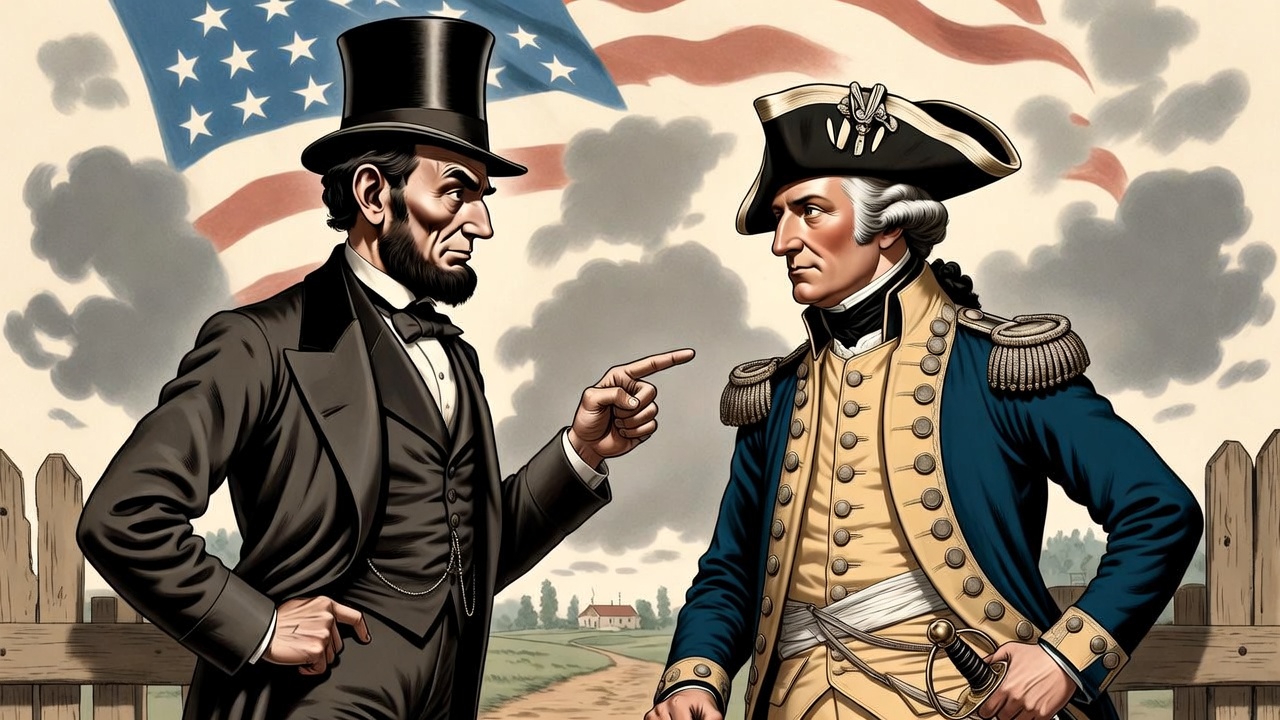
Presidents’ Day, officially Washington’s Birthday, is a US federal holiday on the third Monday of February, honoring the nation’s presidents and especially George Washington and Abraham Lincoln. In 2026 it falls on Monday, February 16.
This guide explains Presidents’ Day: its history, why it is linked to both Washington and Lincoln, the difference between the official and common names, and how Americans observe it.
What Is Presidents’ Day and When Is It Celebrated?
Here’s the short answer: Presidents’ Day falls on the third Monday of February every year.
In 2026, that’s February 16th.
But here’s where it gets interesting. The holiday was never officially renamed to “Presidents’ Day” at the federal level. Technically? It’s still called Washington’s Birthday on the books.
Wild, right?
The confusion started in 1971 when Congress passed the Uniform Monday Holiday Act. They moved Washington’s Birthday celebration from February 22nd to the third Monday of February. The goal was simple: give Americans more three-day weekends.
Smart move, Congress. I’m not complaining.
The History of Presidents’ Day: From One President to Many
How Did Presidents’ Day Originally Start?
Washington’s Birthday became a federal holiday way back in 1879. He was the only president honored with a national holiday for nearly a century.
Then retailers got creative.
Since Lincoln’s birthday (February 12th) fell close to Washington’s (February 22nd), stores started marketing “Presidents’ Day” sales to honor both men. The name stuck in popular culture, even though the federal government never officially adopted it.
Why Do We Celebrate Lincoln and Washington Together?
Simple: timing and legacy.
Both birthdays land in February. Both men are considered among America’s greatest leaders. It made natural sense for Americans to honor them together.
Some states actually list the holiday as “Washington and Lincoln Day.” Others just call it “Presidents’ Day” and leave it vague enough to honor all commanders-in-chief.
Here’s how different states handle it:
| State | Official Holiday Name |
|---|---|
| Federal Government | Washington’s Birthday |
| California | Presidents’ Day |
| Illinois | Lincoln’s Birthday (separate holiday!) |
| Alabama | Washington and Jefferson Day |
| Arkansas | Washington’s Birthday and Daisy Gatson Bates Day |
I told you it was complicated.
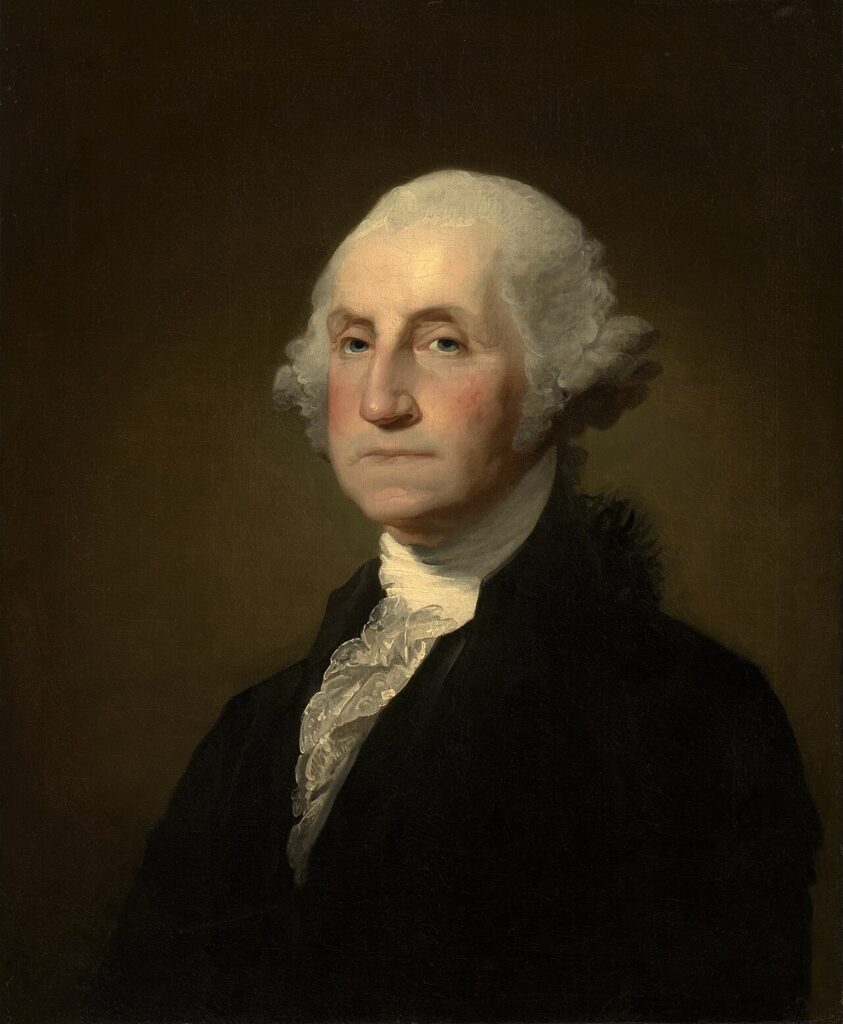
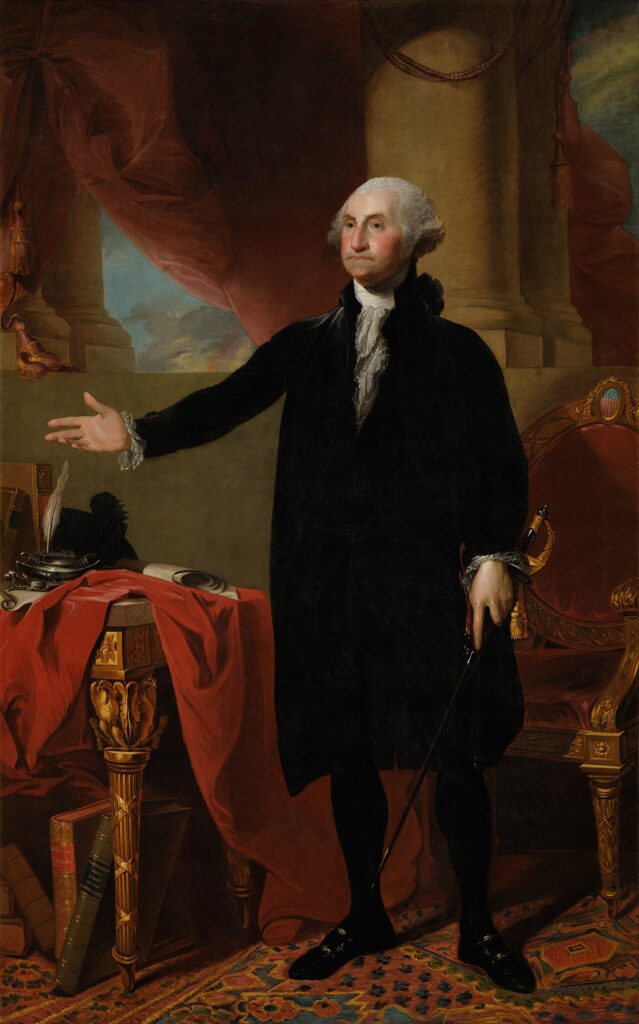
George Washington: The Father of Our Country
Who Was George Washington and Why Is He Important?
Let me paint you a picture.
It’s 1789. The brand-new United States needs a leader. There’s really only one choice: George Washington.
He’d already led the Continental Army to victory. He’d presided over the Constitutional Convention. The man practically invented what it meant to be an American leader.
Here’s what makes Washington legendary:
- First President of the United States (1789-1797)
- Commander-in-Chief during the Revolutionary War
- Voluntarily stepped down after two terms (setting a precedent that lasted until FDR)
- Never sought power, power sought him
That last point matters. Washington could have been king. People offered. He said no.
That’s character.
Where Was George Washington Born and Raised?
Washington was born in Westmoreland County, Virginia on February 22, 1732. He grew up along the Potomac River, learning surveying, farming, and military tactics.
If you’re planning a Presidents’ Day road trip, I highly recommend visiting:
- Mount Vernon, Virginia , Washington’s beloved plantation home
- Valley Forge, Pennsylvania , Where his army endured that brutal winter
- Washington Crossing, Pennsylvania , Site of the famous Delaware River crossing
I’ve visited Mount Vernon three times now. Each visit reveals something new about the man behind the myth.
Abraham Lincoln: The Great Emancipator
Who Was Abraham Lincoln and What Did He Accomplish?
Okay. I’ll admit it.
Lincoln is my personal favorite president. Not because of politics, because of story.
Here’s a man born in a one-room Kentucky log cabin who taught himself law by candlelight. He failed in business. Lost multiple elections. Battled depression his entire life.
And then he saved the Union and freed four million enslaved people.
If that’s not an American story, I don’t know what is.
Lincoln’s major accomplishments include:
- Preserved the Union during the Civil War
- Issued the Emancipation Proclamation (1863)
- Delivered the Gettysburg Address, 272 words that changed everything
- Passed the 13th Amendment, abolishing slavery forever
- First Republican president elected to office
Where Was Abraham Lincoln Born?
Lincoln entered this world on February 12, 1809 in a tiny cabin near Hodgenville, Kentucky.
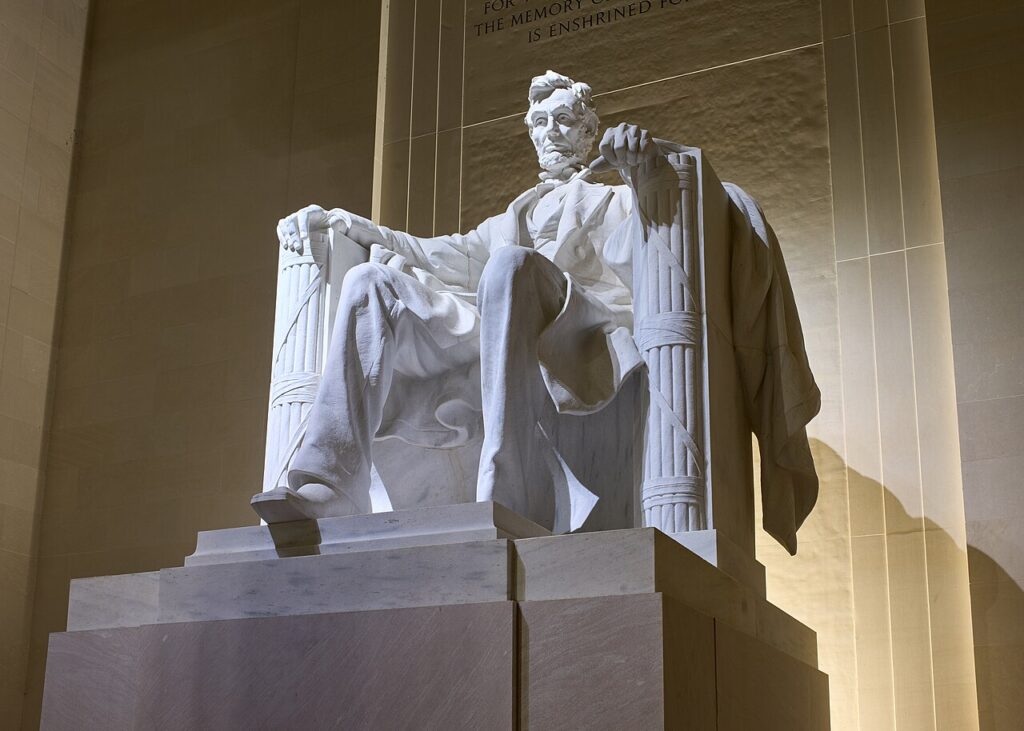
My favorite Lincoln sites to visit:
- Lincoln Memorial, Washington D.C. , Stunning at sunrise
- Lincoln Birthplace National Historical Park, Kentucky , See a replica of that famous cabin
- Ford’s Theatre, Washington D.C. , Where tragedy struck
- Springfield, Illinois , Lincoln’s hometown and final resting place
Standing inside the Lincoln Memorial at dawn, with hardly anyone around, remains one of my most profound travel experiences. The silence hits different there.
Lincoln vs. Washington: A Side-by-Side Comparison
So how do these two legendary leaders actually stack up? Let me break it down:
| Category | George Washington | Abraham Lincoln |
|---|---|---|
| Born | February 22, 1732 | February 12, 1809 |
| Birthplace | Virginia | Kentucky |
| Presidency | 1st President (1789-1797) | 16th President (1861-1865) |
| Terms Served | 2 terms | Elected twice (assassinated early in 2nd) |
| Major Crisis | Revolutionary War | Civil War |
| Key Achievement | Founded the nation | Preserved the nation |
| Famous Quote | “Liberty, when it begins to take root, is a plant of rapid growth” | “A house divided against itself cannot stand” |
| Monument | Washington Monument | Lincoln Memorial |
| On Currency | $1 bill, quarter | $5 bill, penny |
| Nickname | Father of His Country | The Great Emancipator |
| Education | Largely self-educated | Largely self-educated |
| Height | 6’2″ | 6’4″ |
| Death | December 14, 1799 (natural causes) | April 15, 1865 (assassination) |
Here’s what strikes me most: both were largely self-educated. Both faced impossible odds. Both chose country over personal comfort.
That’s the thread connecting them across 77 years of history.
How Do Americans Celebrate Presidents’ Day?
Traditional Presidents’ Day Activities
Let’s be real: most Americans celebrate with a long weekend and maybe some shopping.
But there are more meaningful ways to honor the day:
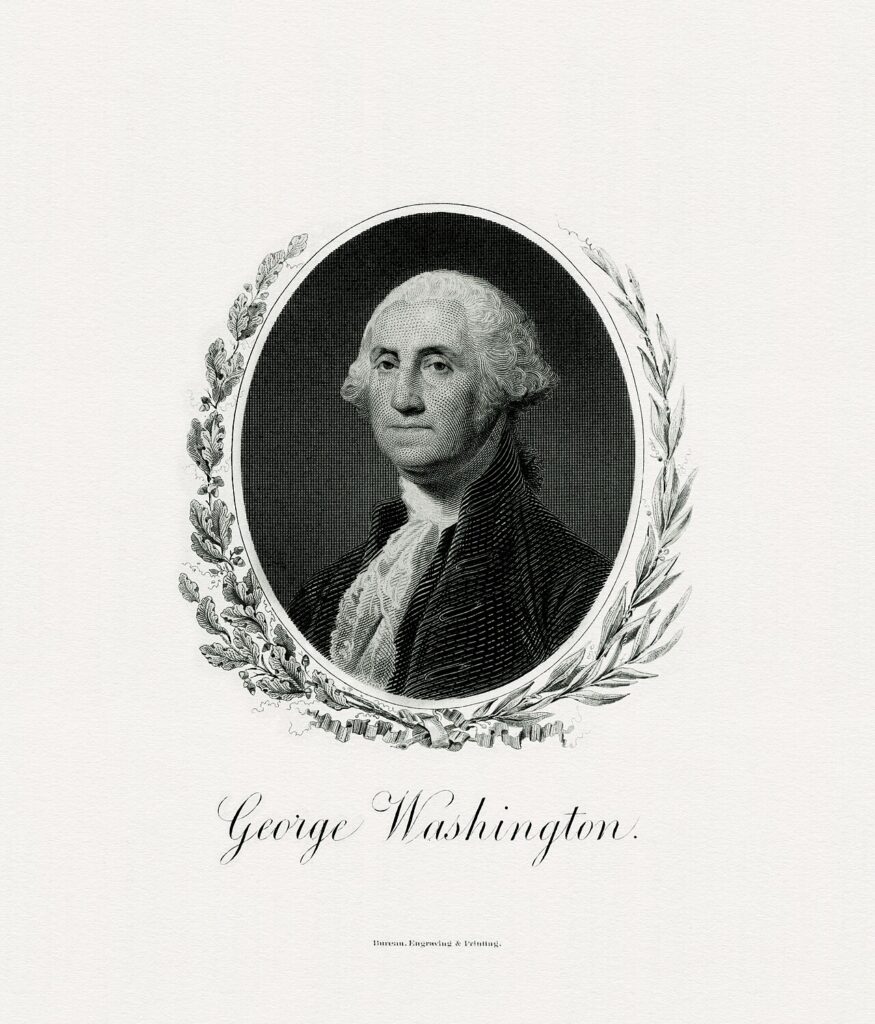
Educational Activities:
- Visit a presidential library or museum
- Watch a documentary about Washington or Lincoln
- Read a biography (I recommend Ron Chernow’s Washington and Doris Kearns Goodwin’s Team of Rivals)
- Take kids to a living history event
Patriotic Traditions:
- Attend a flag ceremony
- Visit a national monument
- Volunteer for a civic organization
- Learn about lesser-known presidents
Family Fun:
- Bake a cherry pie (yes, the Washington myth lives on!)
- Have a presidential trivia night
- Visit historic sites in your state
- Create a family “presidents” bracket tournament
Best Presidents’ Day Sales and Deals
I won’t pretend this isn’t part of the holiday now. It absolutely is.
Historically, these categories see the biggest discounts:
- Mattresses (up to 50% off at major retailers)
- Appliances (Presidents’ Day weekend is huge for this)
- Cars (dealerships love the long weekend)
- Winter clothing clearance
- Electronics
My advice? If you need a big-ticket item, Presidents’ Day weekend genuinely offers solid deals. Just don’t let shopping replace learning about the holiday’s meaning.
Why Presidents’ Day Matters in American Culture
Here’s what I’ve learned after 30 years studying American holidays:
We need heroes.
Not perfect heroes. Washington owned enslaved people, a moral failing we must acknowledge. Lincoln held views on race that evolved throughout his life but still reflected his era’s limitations.
But both men rose to impossible moments. Both sacrificed personal comfort for public good. Both helped shape what “American” even means.
Presidents’ Day reminds us that leadership matters. That ordinary people can do extraordinary things. That the American experiment requires constant tending.
That’s worth celebrating.
Two Founders of Different Eras: Comparing Washington and Lincoln
George Washington and Abraham Lincoln are the two presidents most closely tied to the February holiday, yet they led the country in very different circumstances. Washington (1732 to 1799) was a Virginia planter, surveyor, and military officer who commanded the Continental Army during the Revolutionary War. After the colonies won independence, he presided over the Constitutional Convention of 1787 and then served as the first president of the United States from 1789 to 1797. His decision to step down after two terms set an informal limit on presidential service that lasted until the 22nd Amendment made it law in 1951.
Lincoln (1809 to 1865) came from a far humbler background. Born in a one-room Kentucky log cabin, he had almost no formal schooling and worked as a rail-splitter, store clerk, and self-taught lawyer before entering politics in Illinois. He became the 16th president in 1861, just as Southern states began to leave the Union. His presidency was consumed by the Civil War, the issuing of the Emancipation Proclamation in 1863, and the push to abolish slavery through the 13th Amendment. He was assassinated in April 1865, only days after the war effectively ended.
The two men are often paired because each is credited with preserving the nation at a founding moment. Washington helped create the United States, and Lincoln helped keep it from breaking apart. Their leadership styles differed sharply. Washington was reserved, formal, and conscious of setting precedents that future presidents would follow. Lincoln was a gifted writer and speaker whose short addresses, including the Gettysburg Address, remain among the most quoted words in American history.
How Washington’s Birthday Became a Federal Holiday
Celebrations of Washington’s birthday began informally while he was still alive and grew into public observances after his death in 1799. For decades these were local or state events rather than a national day off. The federal recognition came in 1879, when Congress made Washington’s Birthday a holiday for federal workers in the District of Columbia. In 1885 the holiday was extended to cover all federal employees across the country, making it one of the first federal holidays in the United States honoring a specific individual.
For most of the next century the holiday fell on February 22, Washington’s actual birth date under the modern calendar. Because it landed on a fixed date, the day of the week changed from year to year, which sometimes placed it midweek and broke up the working schedule.
The Uniform Monday Holiday Act and the Move to a Monday
The shape of the holiday changed with the Uniform Monday Holiday Act, which Congress passed in 1968 and which took effect in 1971. The law moved several federal holidays to fixed Mondays in order to create reliable three-day weekends. Under this change, Washington’s Birthday was set on the third Monday of February rather than on February 22.
One result of this scheduling is that the holiday can never actually fall on February 22. The third Monday of February always lands somewhere between February 15 and February 21, so the federal holiday now occurs on a date that is close to, but never exactly, Washington’s birthday. In 2026, for example, the holiday falls on Monday, February 16.
Where the Name “Presidents’ Day” Came From
The name “Presidents’ Day” is widely used in everyday speech, but it is not the official federal name. The holiday on the books remains Washington’s Birthday. Several factors pushed the popular name into common use. The third Monday of February falls between Lincoln’s birthday on February 12 and Washington’s on February 22, which made it convenient to think of the day as honoring both men, and presidents in general.
Retail advertising did much of the work in spreading the name. Stores promoting February sales found “Presidents’ Day” a broader and catchier label than “Washington’s Birthday,” and the phrase appeared in advertisements, calendars, and school materials until it became the standard term for most Americans. There is also a long-running disagreement over spelling and punctuation, since the apostrophe can appear as “Presidents’ Day,” “President’s Day,” or “Presidents Day” depending on the source. Because it is not an official title, there is no single government-approved form.
Lincoln’s Birthday Was Never a Separate Federal Holiday
A common assumption is that Presidents’ Day was created to honor both Washington and Lincoln together, or that it absorbed an existing Lincoln holiday. Neither is accurate at the federal level. Lincoln’s Birthday, February 12, was observed in many states and was treated as a holiday in places such as Illinois, but it was never established as a federal holiday. Proposals to combine the two birthdays into a single national observance were discussed during debate over the Uniform Monday Holiday Act, but Congress did not adopt that idea, and the federal name stayed as Washington’s Birthday.
So while many people now think of the day as a tribute to Lincoln as much as Washington, the federal holiday has never officially carried Lincoln’s name. His connection to the day grew through the calendar coincidence and through popular usage rather than through any act of Congress.
How Different States Name and Observe the Day
States are free to name and observe the day as they choose, which has produced a patchwork of titles across the country. The federal government uses Washington’s Birthday, but individual states have adopted a range of names and meanings.
- Some states officially call it Presidents’ Day and treat it as a day honoring all who have held the office.
- Some states keep the focus on Washington alone, matching the federal name.
- Several states honor both Washington and Lincoln, sometimes naming the holiday after both men.
- A few states add other figures. Some pair Washington with Thomas Jefferson, whose birthday is in April, while others have used the day to recognize additional leaders.
- A small number of states do not observe the day at all as a paid holiday, and some that once marked Lincoln’s Birthday separately have folded it into other observances.
Because of this variation, the name printed on a calendar or a government office door can differ depending on the state, even though the federal closure happens on the same Monday everywhere.
Common Misconceptions About the Holiday
Because the holiday has shifted in date and picked up an unofficial name, several myths surround it. Clearing these up helps explain why the day looks the way it does.
- The federal holiday is officially Presidents’ Day. In fact, the legal federal name is still Washington’s Birthday.
- The holiday falls on Washington’s actual birthday. It cannot, because the third Monday of February never reaches February 22.
- The day was created to honor Lincoln and Washington jointly. Lincoln’s birthday was never a federal holiday, and his link to the day came mainly through the calendar and popular usage.
- The day honors every president by law. At the federal level it specifically honors Washington, even if many people and some states treat it more broadly.
- There is a correct way to write the name. Since it is unofficial, the spelling and apostrophe vary from source to source.
How Americans Observe Presidents’ Day Today
For most Americans, the day functions primarily as a federal holiday and a long weekend. Federal offices, banks, post offices, and the stock and bond markets close, and many schools either close or schedule a winter break around the date. Mail is not delivered. Private businesses vary, and many remain open for normal trading.
The holiday is strongly associated with retail sales. Stores promote large discounts on goods such as furniture, appliances, mattresses, and cars, and Presidents’ Day weekend has become one of the busier shopping periods of the late winter. Alongside the commercial side, there are civic and educational observances. Schools often teach lessons about Washington, Lincoln, and the presidency, patriotic groups hold ceremonies, and some communities organize events at presidential sites such as Mount Vernon, Washington’s Virginia home. Each year a reading of Washington’s Farewell Address is delivered in the United States Senate, a tradition that keeps the day connected to its original honoree.
In practice the day blends three roles at once. It is an official tribute to Washington, a popular celebration of the presidency and of Lincoln, and a fixed three-day weekend that many people use for travel, rest, or shopping. That mix explains why the holiday can feel both deeply historical and very modern at the same time.
Presidents Born in February
One reason Presidents’ Day feels so naturally tied to February is that several notable presidents were born during the month. George Washington was born on February 22, 1732, and Abraham Lincoln on February 12, 1809, placing the two most celebrated figures of the era just ten days apart on the calendar. They are not alone. Ronald Reagan was born on February 6, 1911, and William Henry Harrison, the ninth president, was born on February 9, 1773. With four presidents sharing the same birth month, February developed a strong association with presidential history long before the modern holiday took its current shape.
This clustering helped reinforce the timing of the holiday. When the Uniform Monday Holiday Act moved the observance to the third Monday of February, the new date fell neatly between the Lincoln and Washington birthdays, making it easy for the public to view the day as a tribute to presidents in general rather than to a single individual. The proximity of these February birthdays gave the popular “Presidents’ Day” label a logic that felt intuitive, even though the holiday remains officially named Washington’s Birthday. The accident of so many leaders being born in the same short stretch of winter turned February into a kind of unofficial presidential season in the American calendar.
The birthdays of Washington and Lincoln in particular were celebrated separately for many years, with Lincoln’s Birthday observed in a number of states and Washington’s Birthday recognized as a federal holiday. Folding these commemorations into one February observance reflected both practical scheduling and the public’s tendency to think of the month as a time to honor the nation’s leaders together.
Presidents’ Day Quick Facts
- It is a federal holiday observed on the third Monday of February each year.
- Federal offices, banks, and post offices are closed for the day.
- The holiday is officially called Washington’s Birthday under federal law.
- It has become a popular retail-sale and long-weekend holiday, with major discounts on cars, furniture, and appliances.
- Because it falls on the third Monday, the date ranges from February 15 to February 21 depending on the year.
More Presidents’ Day Guides
Explore the rest of our Presidents’ Day coverage, from its history to travel and shopping:
- Washington’s Birthday Traditions
- Best Presidents’ Day Getaways
- Presidents’ Day Sales: What to Buy and Skip
Frequently Asked Questions About Presidents’ Day
Is Presidents’ Day a Federal Holiday?
Yes! It’s one of eleven federal holidays. Banks close. Mail doesn’t run. Federal employees get the day off.
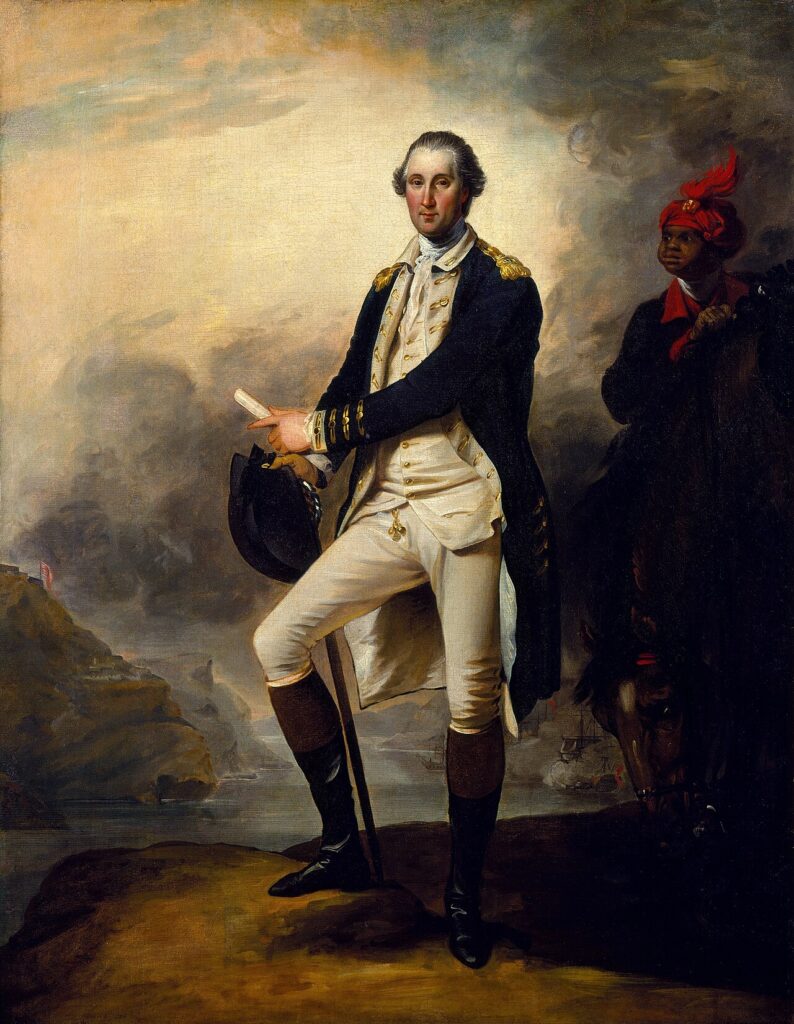
Do All Presidents Get Honored on Presidents’ Day?
Unofficially, yes. Officially, the holiday still honors Washington specifically. But most Americans now view it as honoring all 46 presidents.
Why Is Presidents’ Day in February?
Because both Washington (February 22) and Lincoln (February 12) were born in February. The third Monday placement ensures it always falls between their birthdays.
What’s Open on Presidents’ Day?
Most retail stores stay open, many with sales! Museums, restaurants, and entertainment venues typically operate. Government offices, banks, and schools usually close.
How Do Schools Teach About Presidents’ Day?
Many schools hold special assemblies, craft projects, or history lessons about Washington and Lincoln in the days leading up to the holiday. It’s a great teaching moment about American leadership.
Final Thoughts: Honoring the Office and the Men
I’ve stood at Washington’s tomb at Mount Vernon. I’ve touched the walls inside Lincoln’s memorial. Both experiences moved me deeply.
These weren’t perfect men. No president is. No person is.
But they answered when their country called. They led through impossible circumstances. They helped build something worth preserving.
This Presidents’ Day, I hope you’ll take a moment, between the sales and the sleeping in, to reflect on what leadership means. What sacrifice means. What America means.
And maybe plan a road trip to Mount Vernon or Springfield.
It’s worth the drive.
Happy Presidents’ Day, friends. See you on the road.