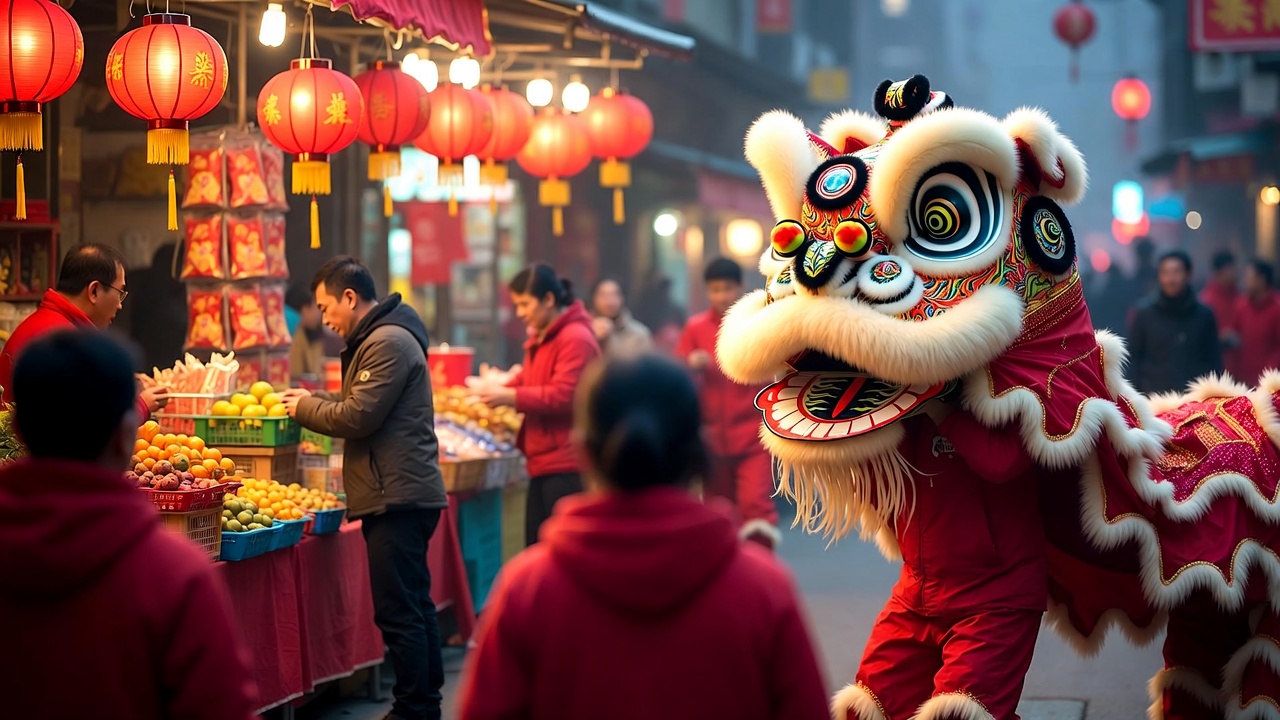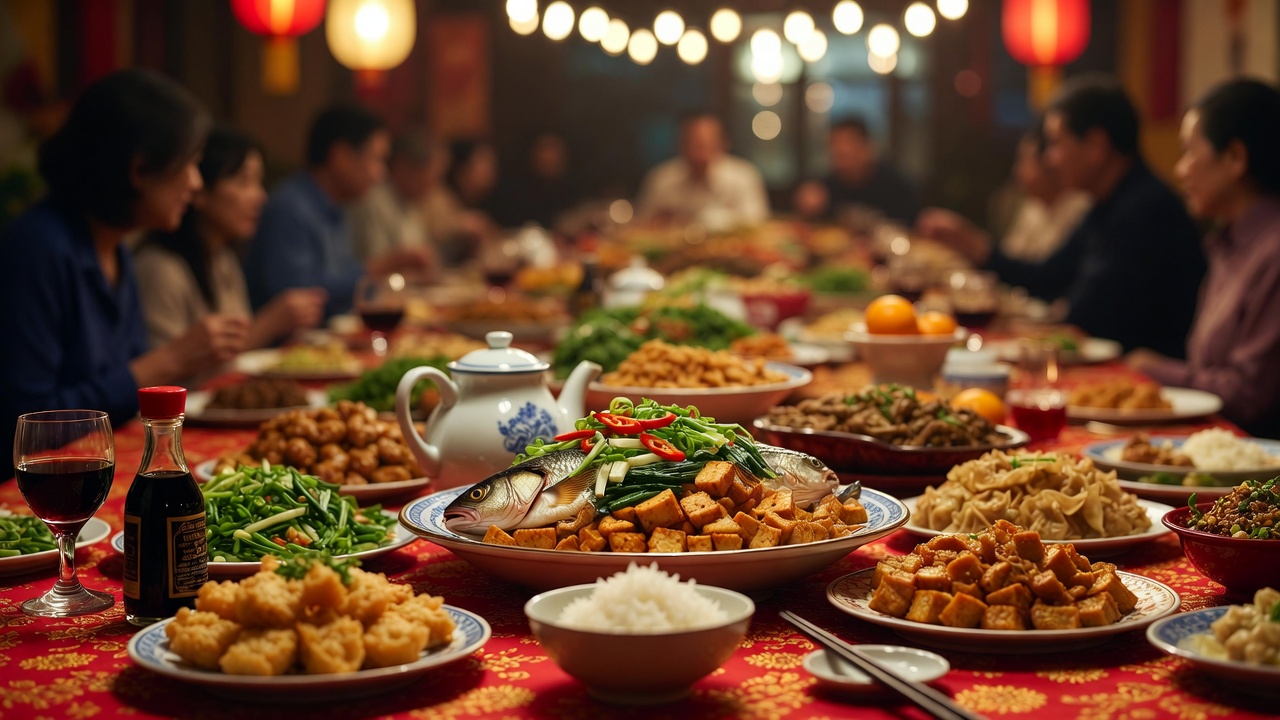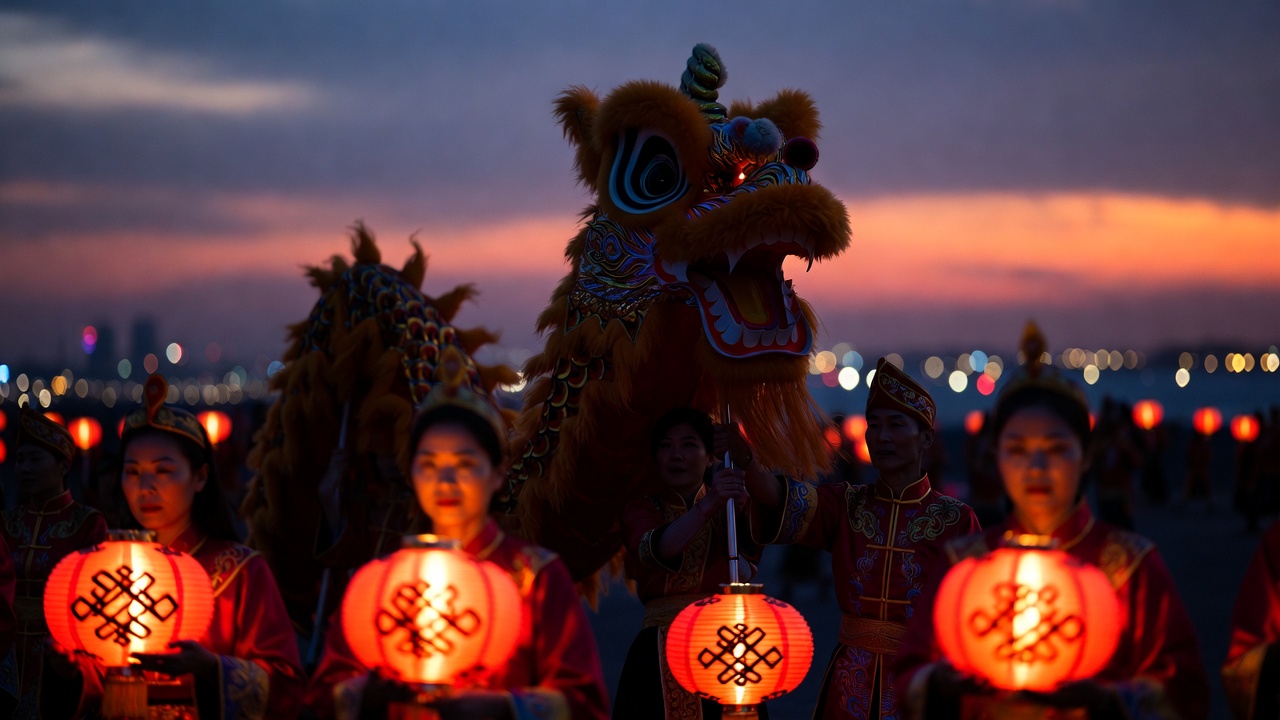

In the heart of winter, when the rest of the world settles into post-holiday routines, China awakens with the most spectacular celebration on Earth. Red lanterns cascade down ancient streets. Fireworks paint the sky in bursts of crimson and gold. Families gather around steaming pots of dumplings. The air fills with the rhythmic thunder of lion dances. This is Chinese New Year 2026, and this year is unlike any other.
For the first time in history, China has announced a nine-day Spring Festival holiday, running from February 15 to February 23, 2026. This makes 2026 the longest Chinese New Year holiday ever recorded. Combined with China’s expanded visa-free policy for 46 countries, there has never been a better time for foreign travelers to experience this ancient festival firsthand.
Whether you dream of watching ice sculptures glow under neon lights in Harbin or wandering through flower markets in subtropical Guangzhou, this comprehensive guide will help you navigate every aspect of your journey. From visa requirements to mobile payment apps, from temple fair traditions to surviving the world’s largest human migration, consider this your passport to the Year of the Fire Horse.
When Is Chinese New Year 2026 and What Are the Official Holiday Dates?
Chinese New Year 2026 falls on Tuesday, February 17. This date marks the first day of the first lunar month in the traditional Chinese calendar. It signals the beginning of the Year of the Fire Horse (丙午年), ushering in a period that Chinese tradition associates with energy, ambition, and bold new beginnings.
The festival follows a lunisolar calendar rather than the Gregorian system used in the West. This means dates shift each year, always landing somewhere between January 21 and February 20. The calculation aligns with the second new moon after the winter solstice.
Key Dates for Chinese New Year 2026
| Event | Date | Significance |
|---|---|---|
| Chinese New Year’s Eve | Monday, February 16 | Family reunion dinner |
| Chinese New Year’s Day | Tuesday, February 17 | First day of Year of the Horse |
| Official Holiday Start | Sunday, February 15 | Government holiday begins |
| Official Holiday End | Monday, February 23 | Government holiday ends |
| Lantern Festival | Tuesday, March 3 | Traditional end of celebrations |
| Chunyun Period | February 2 – March 13 | Spring Festival travel rush |
According to the General Office of the State Council of China, the 2026 Spring Festival holiday will last nine days in total. This represents the longest Spring Festival break in Chinese history. Previous years typically offered seven to eight days.
The significance extends beyond dates. Traditional celebrations begin well before New Year’s Day itself. Preparations start around the Laba Festival on the eighth day of the twelfth lunar month. Homes undergo thorough cleaning. Families stock up on traditional foods. Red decorations transform even the most modern apartments into temples of good fortune.
Why 2026 Is the Year of the Fire Horse and What It Means for Your Visit
The Chinese zodiac operates on a twelve-year cycle. Each year corresponds to one of twelve animals: Rat, Ox, Tiger, Rabbit, Dragon, Snake, Horse, Goat, Monkey, Rooster, Dog, and Pig. But the system goes deeper. A sixty-year cycle combines these animals with five elements: Wood, Fire, Earth, Metal, and Water.
2026 is a Fire Horse year. This specific combination occurs only once every sixty years.
Understanding the Fire Horse
In Chinese tradition, the Horse symbolizes freedom, energy, and forward momentum. Horses represent those who charge ahead without fear. When combined with the Fire element, these qualities intensify.
The Fire Horse is associated with:
- Passion and enthusiasm — a year favoring bold action over cautious waiting
- Dynamic energy — transformation and rapid change
- Confidence and vitality — an ideal time for new beginnings
- Truth and clarity — according to tradition, deceptions become harder to maintain
For travelers, this symbolism carries practical meaning. The Year of the Fire Horse is considered especially auspicious for adventure and exploration. Chinese culture views it as a time to embrace new experiences and step outside comfort zones.
Traditional Greetings for 2026
When visiting China during this period, knowing a few Horse-themed greetings will delight your hosts:
| Chinese | Pinyin | Meaning |
|---|---|---|
| 马到成功 | Mǎ dào chéng gōng | Instant success |
| 龙马精神 | Lóng mǎ jīng shén | The vigor of the dragon-horse (vitality) |
| 马上有钱 | Mǎ shàng yǒu qián | May you have money immediately |
| 马上有福 | Mǎ shàng yǒu fú | May good fortune come at once |
These phrases play on the word 马上 (mǎshàng), which literally means “on horseback” but colloquially translates to “immediately.” You will see these puns everywhere during the holiday, from decorations to social media posts.
China Visa-Free Policy 2026: Which Countries Can Enter Without a Visa?
One of the most significant developments for international travelers is China’s expanded visa-free entry policy. As of November 2025, China extended its unilateral visa exemption for 46 countries through December 31, 2026.
This policy allows visitors from eligible nations to enter China for tourism, business, family visits, or transit for up to 30 days without obtaining a visa in advance. For many travelers, this eliminates weeks of paperwork and embassy appointments.
Complete List of Visa-Free Countries for China in 2026
European Countries (35):
- Andorra, Austria, Belgium, Bulgaria, Croatia, Cyprus, Denmark, Estonia, Finland, France, Germany, Greece, Hungary, Iceland, Ireland, Italy, Latvia, Liechtenstein, Luxembourg, Malta, Monaco, Montenegro, Netherlands, North Macedonia, Norway, Poland, Portugal, Romania, Slovakia, Slovenia, Spain, Sweden, Switzerland
Asia-Pacific (4):
- Brunei, Malaysia, Singapore, South Korea
Oceania (2):
- Australia, New Zealand
Middle East (4):
- Bahrain, Kuwait, Oman, Saudi Arabia
South America (5):
- Argentina, Brazil, Chile, Peru, Uruguay
Russia: Ordinary passport holders can enter visa-free from September 15, 2025 to September 14, 2026.
Canada: As of January 2026, China announced plans to add Canada to the visa-free list following diplomatic discussions.
Important Requirements for Visa-Free Entry
Even without a visa, you must meet these conditions:
- Valid passport — Must remain valid for at least six months beyond your planned departure from China
- Purpose of visit — Must be tourism, business, family visits, or transit (not employment or study)
- Maximum stay — 30 days per entry
- Return or onward ticket — Immigration officers may request proof of onward travel
Countries Still Requiring a Visa
Notably, several major countries are not included in the visa-free policy:
- United States — Americans can use the 240-hour (10-day) visa-free transit option if traveling to a third country
- United Kingdom — Same transit option applies
- Indonesia — Not on the unilateral list
- Czech Republic, Lithuania, Ukraine — Also require visas
If your country is not on the list, consider the 240-hour visa-free transit policy. This allows stays of up to 10 days if you enter through one of 65 designated ports and travel to a third country (not your origin). Hong Kong, Macau, and Taiwan count as separate destinations for this purpose.
How to Survive Chunyun: China’s Spring Festival Travel Rush
Every year, China witnesses the largest annual human migration on Earth. It has a name: Chunyun (春运). Understanding this phenomenon is essential for any foreigner planning travel during Chinese New Year.
What Is Chunyun and Why Does It Matter?
Chunyun refers to the 40-day travel period surrounding the Spring Festival. In 2026, Chunyun runs from February 2 to March 13. During this window, hundreds of millions of Chinese workers, students, and families travel to their ancestral hometowns for reunion celebrations.
According to China’s National Development and Reform Commission (NDRC), the 2026 Chunyun expects a record 9.5 billion inter-regional passenger trips. The breakdown includes:
| Transport Mode | Expected Trips | Percentage |
|---|---|---|
| Self-driving | ~7.6 billion | 80% |
| Railway | 540 million | ~5.7% |
| Civil aviation | 95 million | ~1% |
| Other (bus, ship) | ~1.3 billion | ~13.3% |
Both railway and aviation sectors anticipate breaking historical records for daily peak volumes.
The “Empty City” Phenomenon
For foreign tourists, Chunyun creates a paradox. The travel rush occurs before and after the holiday itself, not during it.
What happens: Millions of migrant workers and students leave major cities like Beijing, Shanghai, Shenzhen, and Guangzhou to return to their hometowns. During the actual holiday week, these metropolises become noticeably quieter. The phenomenon is called the “Empty City” effect.
Advantages for tourists:
- Famous attractions like the Forbidden City may have fewer crowds than usual
- Traffic congestion in major cities often decreases
- Some hotels offer better availability
Challenges:
- Many small, family-run restaurants close as owners return home
- Local neighborhood shops may shut for a week or more
- Some tour guides take vacation
Large shopping malls, chain hotels, and major tourist attractions remain open. The holiday actually brings enhanced festivities to these venues.
Practical Survival Tips for Chunyun 2026
Book transportation early. If you need to travel between cities during Chunyun, book trains and flights at least two to three months in advance. Popular routes sell out quickly.
Avoid peak travel days. The most congested days are:
- Around February 12-14 — Workers returning home before the holiday
- Around February 22-25 — Workers returning to cities after the holiday
Consider “reverse travel.” Instead of traveling away from major cities, travel into them. Many locals leave Beijing, Shanghai, and Shenzhen during the holiday. These cities empty out rather than fill up.
Arrive at stations early. Railway stations during Chunyun are extraordinarily crowded. Arrive at least 1.5 hours before departure to navigate security screening, ticket verification, and boarding.
Pack light. Dragging heavy luggage through crowded stations creates difficulties. Use a backpack or small rolling case if possible.
Best Places to Visit in China During Chinese New Year 2026
China’s vast geography means each region celebrates Spring Festival with distinct traditions, climates, and festivities. Your choice of destination shapes your entire experience.
Beijing: Temple Fairs and Imperial Grandeur
Climate in February: Cold, with temperatures ranging from -5°C to 5°C (23°F to 41°F). Snow is possible.
Beijing transforms during Chinese New Year. The capital’s ancient temples host some of China’s most famous temple fairs (庙会), featuring traditional performances, street food, and handicrafts.
Must-experience activities:
- Ditan Park Temple Fair — Beijing’s most renowned temple fair since 1985. Expect lion dances, Beijing opera performances, and traditional snacks like tanghulu (sugar-coated hawthorn).
- Forbidden City at Night — Special evening lighting creates a magical atmosphere rarely seen during regular hours.
- Hutong Walks — Ancient alleyways decorated with red lanterns and spring couplets offer authentic neighborhood celebrations.
- Summer Palace Temple Fair — Traditional performances against the backdrop of imperial gardens.
Beijing suits travelers seeking authentic Chinese cultural immersion combined with world-class historical sites.
Shanghai: Modern Festivities Meet Traditional Lanterns
Climate in February: Cold and damp, with temperatures around 2°C to 10°C (36°F to 50°F).
Shanghai blends cosmopolitan glamour with traditional celebration. The city’s signature event takes place at Yu Garden (豫园), where elaborate lantern displays transform this Ming Dynasty garden into a fairyland.
Highlights:
- Yu Garden Lantern Festival — Intricate lanterns depicting zodiac animals, folk tales, and auspicious symbols illuminate the garden complex.
- City God Temple — Adjacent to Yu Garden, this temple becomes a center of festive activity.
- The Bund — Art deco buildings along the waterfront glow with holiday lighting.
- Nanjing Road — Shanghai’s premier shopping street features extended hours and special promotions.
Shanghai offers the best balance of modern comfort and traditional celebration for first-time China visitors.
Hong Kong: Fireworks Over Victoria Harbour
Climate in February: Mild, with temperatures around 14°C to 19°C (57°F to 66°F). The warmest major destination.
Hong Kong celebrates Chinese New Year with unparalleled spectacle. The territory’s famous harbor becomes the stage for some of the world’s most impressive fireworks displays.
Don’t miss:
- Victoria Harbour Fireworks — The second night of the New Year (February 18, 2026) features a 20-minute pyrotechnic display launched from boats in the harbor.
- Night Parade in Tsim Sha Tsui — Elaborate floats, international performers, and cultural groups process through the streets.
- Flower Markets — Multi-day fairs selling auspicious plants and flowers pack neighborhoods throughout the territory.
- Dim Sum Feasts — Hong Kong’s tea houses serve celebratory meals throughout the holiday.
Hong Kong is ideal for travelers wanting festival energy without harsh winter weather and with easier language accessibility.
Chengdu: Pandas and Sichuan Tradition
Climate in February: Cool and often overcast, with temperatures around 5°C to 12°C (41°F to 54°F).
Chengdu offers something no other Chinese city can match: the chance to celebrate New Year alongside giant pandas. The Chengdu Research Base of Giant Panda Breeding remains open throughout the holiday.
Unique experiences:
- Panda Research Base — Pandas symbolize peace and good fortune in Chinese culture, making this an auspicious New Year activity.
- Bian Lian (Face-Changing) Shows — Sichuan Opera’s signature art form features performers who switch masks instantaneously.
- Jinli Ancient Street — Traditional architecture hosts New Year markets, performances, and some of Sichuan’s best snacks.
- Hotpot Feasts — Sichuan’s famous spicy hotpot represents warmth and togetherness during the holiday.
Chengdu appeals to families and animal lovers seeking a gentler, more relaxed New Year experience.
Xi’an: Ancient Capital Illuminated
Climate in February: Cold, with temperatures around -3°C to 7°C (27°F to 45°F).
Xi’an, the ancient Tang Dynasty capital, celebrates with particular grandeur. The city’s intact Ming Dynasty City Wall hosts one of China’s most spectacular lantern festivals.
Highlights:
- City Wall Lantern Fair — Thousands of artistic lanterns line the 14-kilometer wall for three weeks around New Year.
- Bell and Drum Towers — Traditional bell-ringing ceremonies welcome the New Year.
- Muslim Quarter — Xi’an’s historic Islamic neighborhood offers distinctive New Year foods and celebrations.
- Tang Paradise — This reconstructed Tang Dynasty garden hosts elaborate evening performances.
Xi’an suits travelers interested in Chinese history and ancient civilization alongside festive celebration.
Harbin: Ice and Fire
Climate in February: Extremely cold, with temperatures ranging from -25°C to -10°C (-13°F to 14°F).
For travelers seeking something completely different, Harbin in northeastern China hosts the world’s largest ice and snow festival. The timing perfectly overlaps with Chinese New Year.
Experiences:
- Harbin Ice and Snow World — Full-scale buildings constructed entirely from ice blocks, illuminated with colored lights after dark.
- Sun Island Snow Sculptures — Massive artistic creations carved from compacted snow.
- Central Street — Russian colonial architecture decorated for both Christmas and Chinese New Year.
- Winter Activities — Ice skating, skiing, dog sledding, and ice fishing.
Important: Temperatures can feel brutal to unprepared visitors. Proper thermal gear is essential.
Harbin offers unmatched visual spectacle for those willing to brave extreme cold.
Guangzhou: Flower Markets in the South
Climate in February: Mild, with temperatures around 12°C to 20°C (54°F to 68°F).
Subtropical Guangzhou celebrates with flowers rather than snow. The city’s famous flower fairs (花市) rank among China’s most beautiful New Year traditions.
Highlights:
- Flower Markets — Massive outdoor markets sell auspicious plants, from kumquat trees (symbolizing wealth) to chrysanthemums (symbolizing prosperity).
- Cantonese Cuisine — Guangzhou’s culinary heritage shines during New Year, with dim sum feasts and celebratory banquets.
- Chen Clan Ancestral Hall — Traditional architecture hosts special exhibitions during the holiday.
- Shamian Island — Colonial-era architecture provides pleasant walking amid festival atmosphere.
Guangzhou suits travelers seeking pleasant weather and botanical beauty during their New Year visit.
How to Pay in China as a Foreigner: Mobile Payment Guide 2026
China has become one of the world’s most cashless societies. In major cities, over 80% of daily transactions occur through mobile payment apps. Street food vendors, taxi drivers, and even some temple donation boxes accept only digital payment.
The good news: Foreign visitors can now access China’s payment ecosystem more easily than ever.
WeChat Pay vs Alipay: Which Mobile Payment App Should You Use?
Two platforms dominate: Alipay (支付宝) and WeChat Pay (微信支付). Most merchants accept both. Setting up both apps gives you maximum flexibility.
| Feature | Alipay | WeChat Pay |
|---|---|---|
| Primary function | Payment platform | Messaging app with payments |
| Foreign card support | Strong | Good |
| English interface | Yes | Limited |
| Best for | Larger purchases, travel bookings | Social features, small purchases |
| TourCard option | Yes | No |
How to Set Up Alipay as a Foreigner
- Download the app — Available on both Apple App Store and Google Play. Download before arriving in China.
- Register with your phone number — International phone numbers work for verification.
- Verify your identity — Upload your passport photo and complete facial recognition.
- Link your international card — Alipay accepts Visa, Mastercard, JCB, Diners Club, and Discover.
- Start paying — Scan QR codes at merchants or show your payment code.
TourCard Option: Alipay offers a prepaid “TourCard” that you can top up with funds. This works at more merchants than direct card linking but charges a small service fee.
How to Set Up WeChat Pay as a Foreigner
- Download WeChat — Search for “WeChat” (not “Weixin”) in your app store.
- Create an account — Use your international phone number.
- Get verified — You may need another WeChat user to verify your account.
- Navigate to Services — Tap “Me” → “Services” → “Wallet” → “Cards.”
- Link your card — Add your international credit or debit card.
Note: WeChat Pay settings may only become fully available once you’re physically in China.
Transaction Fees for Foreign Cards
Both platforms assess currency conversion fees when using international cards. Expect approximately 3% for transactions over 200 RMB. Smaller transactions often have fees waived.
To minimize fees:
- Use a travel-oriented credit card with no foreign transaction fees
- Consider a Wise (formerly TransferWise) card to hold Chinese Yuan directly
- Top up Alipay’s TourCard to avoid per-transaction conversions
Should You Still Carry Cash?
Yes. Despite China’s digital dominance, cash remains useful in specific situations:
- Small rural towns and traditional markets
- Emergency backup when apps malfunction
- Giving red envelopes (红包) to children or elders
When withdrawing cash from ATMs, machines typically dispense 100 RMB notes. Major banks like Bank of China, ICBC, and China Construction Bank have ATMs with English-language options. Withdrawal fees vary; check with your home bank before traveling.
Chinese New Year Customs and Traditions Every Traveler Should Know
Understanding Spring Festival traditions enriches your experience and shows respect for your hosts.
The Legend of Nian
Chinese New Year traditions trace back to an ancient myth. A terrible monster named Nian (年) — which also means “year” in Chinese — would emerge from the sea each winter to terrorize villages. Villagers eventually discovered that Nian feared three things: the color red, loud noises, and fire.
This legend explains many New Year customs:
- Red decorations — Lanterns, banners, and couplets ward off evil
- Firecrackers — The explosive sounds frighten away bad luck
- Staying up late — Keeping watch through New Year’s Eve protects the family
Essential Customs to Observe
Wearing Red During the holiday, wearing red clothing or accessories brings good luck. This is especially important for those born in a Horse year (1978, 1990, 2002, 2014), who are experiencing their Ben Ming Nian (本命年) — their zodiac year.
Red Envelopes (红包) Cash gifts in red envelopes are traditional. Married adults give them to children and unmarried younger people. If someone gives you a red envelope, accept it with both hands and express gratitude. Open it later, not in front of the giver.
Reunion Dinner (团圆饭) New Year’s Eve centers on a feast with family. If you’re invited to join a Chinese family’s dinner, this is an extraordinary honor. Bring gifts — fruit, pastries, or quality tea — but avoid these taboos:
- Clocks — The phrase “gifting a clock” sounds like “attending a funeral” in Chinese
- Pears — The word sounds like “separation”
- Sharp objects — Scissors or knives symbolize cutting ties
Symbolic Foods Every dish carries meaning:
| Food | Chinese | Symbolism |
|---|---|---|
| Dumplings | 饺子 (jiǎozi) | Shaped like ancient gold ingots; represent wealth |
| Fish | 鱼 (yú) | Sounds like “surplus”; brings abundance |
| Rice cakes | 年糕 (niángāo) | Sounds like “higher year”; represents progress |
| Spring rolls | 春卷 (chūnjuǎn) | Resemble gold bars; bring prosperity |
| Longevity noodles | 长寿面 (chángshòumiàn) | Uncut noodles symbolize long life |
Things to Avoid During Chinese New Year
Traditional taboos help ensure a lucky year:
- Don’t sweep on New Year’s Day — You might sweep away good fortune
- Avoid breaking things — Broken glass or ceramics bring bad luck
- Don’t use negative words — Words like “death,” “lose,” or “broken” are inauspicious
- Avoid black and white clothing — These colors are associated with funerals
- Don’t wash your hair on New Year’s Day — Hair sounds like “prosperity” in some dialects; washing it away removes luck
What to Pack for Chinese New Year in China: Complete Checklist
Proper preparation makes your trip comfortable and culturally appropriate.
Clothing Essentials
Northern China (Beijing, Xi’an, Harbin):
- Thermal underwear (essential)
- Insulated winter coat
- Waterproof boots with good traction
- Warm hat covering ears
- Insulated gloves
- Scarf or neck gaiter
- Red clothing or accessories for good luck
Southern China (Guangzhou, Hong Kong):
- Layerable clothing
- Light jacket or sweater
- Comfortable walking shoes
- Rain jacket or umbrella
- Red clothing or accessories
Technology Checklist
| Item | Purpose |
|---|---|
| Smartphone | Payment apps, navigation, translation |
| Portable charger | Battery dies quickly in cold weather |
| Universal power adapter | China uses Type A, C, and I outlets |
| VPN (if needed) | Some foreign websites are blocked in mainland China |
| Offline maps | Download Chinese cities before arrival |
Documents
- Passport (valid for 6+ months)
- Printed hotel reservations
- Return or onward flight confirmation
- Travel insurance documents
- Emergency contact information
- Photocopies of passport stored separately
Health and Comfort
- Any prescription medications (bring originals in labeled containers)
- Basic first aid supplies
- Hand sanitizer
- Tissues (public restrooms may not provide paper)
- Face masks (still common in crowded spaces)
Practical Travel Tips for Foreigners Visiting China During Spring Festival
Language and Communication
Mandarin Chinese is the official language. In major tourist areas, you will find some English speakers. However, in smaller cities, local neighborhoods, and during authentic festival activities, English is rare.
Helpful apps:
- Pleco — Comprehensive English-Chinese dictionary with character recognition
- Google Translate — Download Chinese for offline use (note: Google services may require VPN)
- Baidu Translate — Chinese alternative that works without VPN
Key phrases:
| English | Chinese | Pinyin |
|---|---|---|
| Happy New Year | 新年快乐 | Xīn nián kuài lè |
| Thank you | 谢谢 | Xièxiè |
| How much? | 多少钱? | Duōshǎo qián? |
| I don’t understand | 我不明白 | Wǒ bù míngbái |
| Can I pay by card? | 可以刷卡吗? | Kěyǐ shuākǎ ma? |
Transportation Booking
High-speed trains: Book through 12306.cn (official railway website) or the Trip.com app. Foreign passport holders can book online but must collect tickets at stations with passport in hand.
Flights: Domestic flights are widely available through Trip.com, Ctrip, or airline websites. Book early for Chunyun travel.
Ride-hailing: Didi (Chinese Uber equivalent) works well in cities. The app has English options and accepts international cards.
Accommodation
Hotels: Major international chains and domestic hotels remain open during the holiday. Book well in advance for popular destinations.
Homestays: Platforms like Airbnb operate in China with some restrictions. Local alternatives include Tujia.
Pro tip: Request a room on a higher floor away from the street. Fireworks celebrations can be loud throughout the night.
Safety Considerations
China is generally very safe for tourists. However, take standard precautions:
- Beware of pickpockets in crowded temple fairs
- Keep valuables secure during Chunyun travel
- Follow local guidance regarding firework safety
- Register with local police within 24 hours of arrival if staying at non-hotel accommodation
Internet Access
China’s internet operates behind the “Great Firewall.” Many Western services — including Google, Facebook, Instagram, YouTube, and WhatsApp — are blocked.
Options:
- Install a reliable VPN before arriving
- Use Chinese alternatives: WeChat for messaging, Baidu for search, Weibo for social media
- Hotel Wi-Fi may provide limited VPN functionality
Chinese New Year 2026 Calendar: Day-by-Day Festival Guide
Traditional celebrations extend beyond the single-day Western concept of “New Year.” Here’s how the 15-day festival unfolds:
Before New Year (Preparation Period)
Laba Festival (腊八节) — January 26, 2026 The unofficial start of New Year preparations. Families eat Laba porridge (腊八粥), a rice congee with beans, nuts, and dried fruits.
Little New Year (小年) — February 8, 2026 A day to honor the Kitchen God and begin serious house cleaning. Families start putting up decorations.
New Year’s Eve (除夕) — February 16, 2026 The most important day. Families gather for reunion dinner, exchange red envelopes, and stay up past midnight to welcome the New Year.
The Fifteen Days of Celebration
| Day | Date | Chinese Name | Traditional Activities |
|---|---|---|---|
| Day 1 | Feb 17 | 正月初一 | Wear new clothes, visit elders, avoid sweeping |
| Day 2 | Feb 18 | 正月初二 | Married daughters visit parents |
| Day 3 | Feb 19 | 正月初三 | Day to stay home; considered bad luck to visit |
| Day 4 | Feb 20 | 正月初四 | Welcome the Kitchen God back |
| Day 5 | Feb 21 | 正月初五 | Break the taboo day; businesses reopen |
| Day 6 | Feb 22 | 正月初六 | Send away the God of Poverty |
| Day 7 | Feb 23 | 正月初七 | “Everyone’s Birthday” |
| Day 8 | Feb 24 | 正月初八 | Auspicious day for business |
| Days 9-14 | Feb 25-Mar 2 | — | Continued celebrations |
| Day 15 | Mar 3 | 正月十五 | Lantern Festival — marks festival end |
Lantern Festival (元宵节) deserves special attention. On this final day, families eat sweet rice balls called tangyuan (汤圆), watch lantern displays, and sometimes release paper lanterns into the sky.
Budget Planning: How Much Does a Chinese New Year Trip to China Cost?
Costs vary dramatically based on your travel style and destinations. Here’s a realistic breakdown for a 10-day trip in February 2026:
Budget Traveler ($50-100/day)
| Category | Daily Cost (USD) |
|---|---|
| Hostel accommodation | $15-25 |
| Street food and local restaurants | $15-20 |
| Public transportation | $5-10 |
| Basic attractions | $10-15 |
| Miscellaneous | $5-15 |
| Daily Total | $50-85 |
Mid-Range Traveler ($150-250/day)
| Category | Daily Cost (USD) |
|---|---|
| 3-4 star hotel | $60-100 |
| Restaurant meals | $30-50 |
| Taxis and ride-sharing | $15-25 |
| Major attractions with guides | $30-50 |
| Miscellaneous and shopping | $20-30 |
| Daily Total | $155-255 |
Luxury Traveler ($400+/day)
| Category | Daily Cost (USD) |
|---|---|
| 5-star hotel | $150-300+ |
| Fine dining | $80-150 |
| Private transportation | $50-100 |
| Private tours and experiences | $100-200 |
| Shopping and premium experiences | $50-100+ |
| Daily Total | $430-850+ |
Additional Costs to Consider
- Flights: International flights vary widely; book 3-6 months ahead for best prices
- Domestic flights: $50-200 depending on route and timing
- High-speed train: $15-100 depending on distance and class
- Travel insurance: $30-80 for two weeks of coverage
- Red envelopes: Budget $50-100 in small bills for cultural gift-giving
Sample Itineraries for Chinese New Year in China 2026
7-Day Classic Experience: Beijing and Shanghai
Day 1-2: Beijing
- Arrive, settle into hotel
- Evening: Stroll Wangfujing Street decorated for New Year
Day 3: Beijing (New Year’s Eve)
- Morning: Forbidden City
- Afternoon: Temple of Heaven
- Evening: New Year’s Eve dinner (book restaurant in advance)
- Night: Watch fireworks from your hotel or designated viewing area
Day 4: Beijing (New Year’s Day)
- Morning: Ditan Park Temple Fair
- Afternoon: Summer Palace
- Evening: Hutong walk with lantern viewing
Day 5: Travel to Shanghai
- Morning: High-speed train to Shanghai (4.5 hours)
- Afternoon: Check into hotel
- Evening: The Bund illuminated walk
Day 6: Shanghai
- Morning: Yu Garden and Lantern Festival
- Afternoon: Old City Temple area
- Evening: Nanjing Road shopping
Day 7: Shanghai
- Morning: French Concession neighborhood
- Afternoon: Shopping and departure
10-Day Adventure: South China Winter Escape
Day 1-2: Hong Kong
- Arrive, explore Victoria Peak
- New Year’s Eve celebrations in Tsim Sha Tsui
Day 3: Hong Kong
- Night Parade viewing
- Victoria Harbour fireworks
Day 4-5: Guangzhou
- Train to Guangzhou (2 hours)
- Flower market exploration
- Cantonese dim sum feasting
Day 6-7: Guilin
- Flight to Guilin
- Li River cruise
- Yangshuo countryside
Day 8-10: Chengdu
- Flight to Chengdu
- Panda Research Base
- Sichuan opera performance
- Hotpot farewell dinner
14-Day Comprehensive Cultural Immersion
Days 1-3: Beijing — Temple fairs, Forbidden City, Great Wall Days 4-5: Xi’an — City Wall lanterns, Terracotta Warriors Days 6-7: Chengdu — Pandas, Sichuan culture Days 8-9: Guilin — Natural beauty, rural celebrations Days 10-11: Guangzhou — Flower markets, Cantonese cuisine Days 12-14: Hong Kong — Fireworks, parades, departure
Frequently Asked Questions About Chinese New Year Travel in China
Is it a good idea to visit China during Chinese New Year?
Yes, with preparation. Visiting during Spring Festival offers cultural experiences unavailable at any other time. Temple fairs, family celebrations, and festive decorations create unforgettable memories. However, you must book transportation and accommodation early and accept that some services may be reduced.
Will everything be closed during Chinese New Year?
Not everything. Major tourist attractions, hotels, shopping malls, and chain restaurants remain open. Many have extended hours. However, small family-run businesses, local restaurants, and some neighborhood shops close as owners travel home.
How crowded will it be?
It depends on where and when. During Chunyun travel days (immediately before and after the holiday), transportation hubs are extremely crowded. During the actual holiday week, major cities like Beijing and Shanghai may feel emptier than usual due to the “reverse migration” effect.
Can I find vegetarian food during Chinese New Year?
Yes, but plan ahead. Buddhist restaurants remain open and serve vegetarian cuisine. However, traditional New Year foods heavily feature meat and fish. Communicate dietary restrictions clearly: “我吃素” (Wǒ chī sù) means “I eat vegetarian.”
Are fireworks legal?
Regulations vary by location. Many cities ban fireworks within urban cores but allow them in designated areas. Beijing, for example, restricts fireworks to specific zones. Your hotel can advise on local rules. Never purchase or light fireworks yourself — leave this to locals who understand the regulations.
What if I’m traveling alone?
Solo travel is absolutely possible. Many restaurants offer small-portion dishes. Hotels welcome single travelers. You may find locals especially welcoming during the festival, as the holiday emphasizes connection and community.
Conclusion: Embrace the Year of the Fire Horse
The 2026 Chinese New Year represents a once-in-a-lifetime opportunity. The longest Spring Festival holiday in Chinese history coincides with expanded visa-free access for dozens of countries. The Year of the Fire Horse beckons travelers to charge boldly into new adventures.
Whether you choose to bundle up for Beijing’s temple fairs, warm yourself in Guangzhou’s flower markets, or marvel at Harbin’s frozen wonderland, China awaits with 5,000 years of celebration traditions ready to share.
Book early. Download your payment apps. Pack your warmest (and reddest) clothes. And prepare to experience the world’s grandest cultural celebration firsthand.
祝你马到成功,新年快乐! May you achieve instant success. Happy New Year!
This guide was researched and written for the 2026 Spring Festival season. Information regarding visa policies, dates, and practical details was accurate at the time of publication. Always verify official requirements through Chinese government sources before traveling.