The air is getting crisper. Red lanterns are starting to appear in shop windows from Beijing to Bangkok, from San Francisco’s Chinatown to London’s Soho. Chinese New Year 2026 falls on Tuesday, February 17, and this year’s celebration carries an extra spark of excitement. We are welcoming the Year of the Fire Horse — a rare zodiac-element pairing that last occurred in 1966 and will not return until 2086.
As the Smithsonian Institution notes, the Horse represents hard work, bravery, and energy in the Chinese zodiac. When you add the Fire element, you get a year bursting with passion, boldness, and forward momentum.
Whether you call it Spring Festival (春节, Chūnjié), Lunar New Year, or simply “the biggest party in Asia,” this 15-day celebration deserves a proper countdown. The festival was even added to the UNESCO Intangible Cultural Heritage of Humanity list in 2024, giving even more reason to honor its traditions with care.
So how do you build anticipation for such a monumental event? Below are 50 creative, culturally respectful, and genuinely fun ways to count down to the Chinese New Year — blending time-honored customs with fresh ideas for 2026.
How Long Is the Chinese New Year Countdown and When Does It Start?
Before we jump in, let’s get the timeline straight. Chinese New Year is not a single day — it is a season. Here are the key dates for 2026:
| Event | Date (2026) | What Happens |
|---|---|---|
| Laba Festival (腊八节) | January 26 | Traditional start of Spring Festival preparations; Laba porridge is served |
| Little New Year (小年) | February 9 | Kitchen God sent off to heaven; deep cleaning begins |
| Spring Festival Preparations | February 9–16 | Shopping, decorating, cooking, and family travel |
| Chinese New Year’s Eve (除夕) | February 16 | Reunion dinner; staying up until midnight |
| Chinese New Year’s Day (春节) | February 17 | Fireworks at midnight; red envelopes given |
| Public Holiday (Mainland China) | February 15–23 | 9-day holiday — the longest Spring Festival break to date |
| Lantern Festival (元宵节) | March 3 | Final day of celebrations; lanterns, riddles, and tangyuan |
The countdown effectively begins on January 26 with the Laba Festival and intensifies from February 9 (Little New Year) onward. That gives you roughly three weeks of building excitement.
Traditional Chinese New Year Countdown Activities That Honor Ancient Customs (Ways 1–10)
The best place to start any countdown is with the traditions that have shaped this festival for over 4,000 years. These are not dusty museum relics. They are living, breathing practices observed by billions of people today.
1. Cook Laba Porridge (腊八粥) on January 26
The Laba Festival marks the unofficial beginning of the Spring Festival season. Families prepare Laba porridge (Laba Zhou) — a warm, sweet congee made with eight ingredients, such as glutinous rice, red beans, lotus seeds, dates, and nuts. Each ingredient carries its own blessing. The number eight symbolizes prosperity in Chinese culture. Cooking this porridge together is a gentle, meditative way to begin the countdown.
2. Deep Clean Your Home to “Sweep Away Bad Luck”
In Mandarin, the word for dust (尘, chén) sounds like the word for “old” or “past.” So when Chinese families scrub their homes from floor to ceiling before the new year, they are symbolically sweeping out the old year’s misfortune and making room for fresh blessings. Assign each family member a room. Turn on some festive music. Make it an event.
3. Send Off the Kitchen God (灶神) on Little New Year
On February 9 (Little New Year, or Xiaonian), families honor the Kitchen God, Zao Jun, who is believed to report each household’s behavior to the Jade Emperor. The tradition involves offering sweet foods — often maltose candy — to “sweeten” the Kitchen God’s report. Some families smear sugar on the lips of a paper Kitchen God image before burning it, sending him on his way to heaven with only good things to say.
4. Paste Spring Couplets (春联) on Your Front Door
Spring couplets are pairs of poetic phrases written in black ink on red paper and pasted on either side of the front door. They express wishes for prosperity, health, and happiness. Writing your own couplets is a wonderful countdown activity. You don’t need perfect calligraphy — the intention is what matters. For 2026, look for couplets that reference the Horse’s energy, such as 马到成功 (Mǎ Dào Chéng Gōng), meaning “instant success upon the Horse’s arrival.”
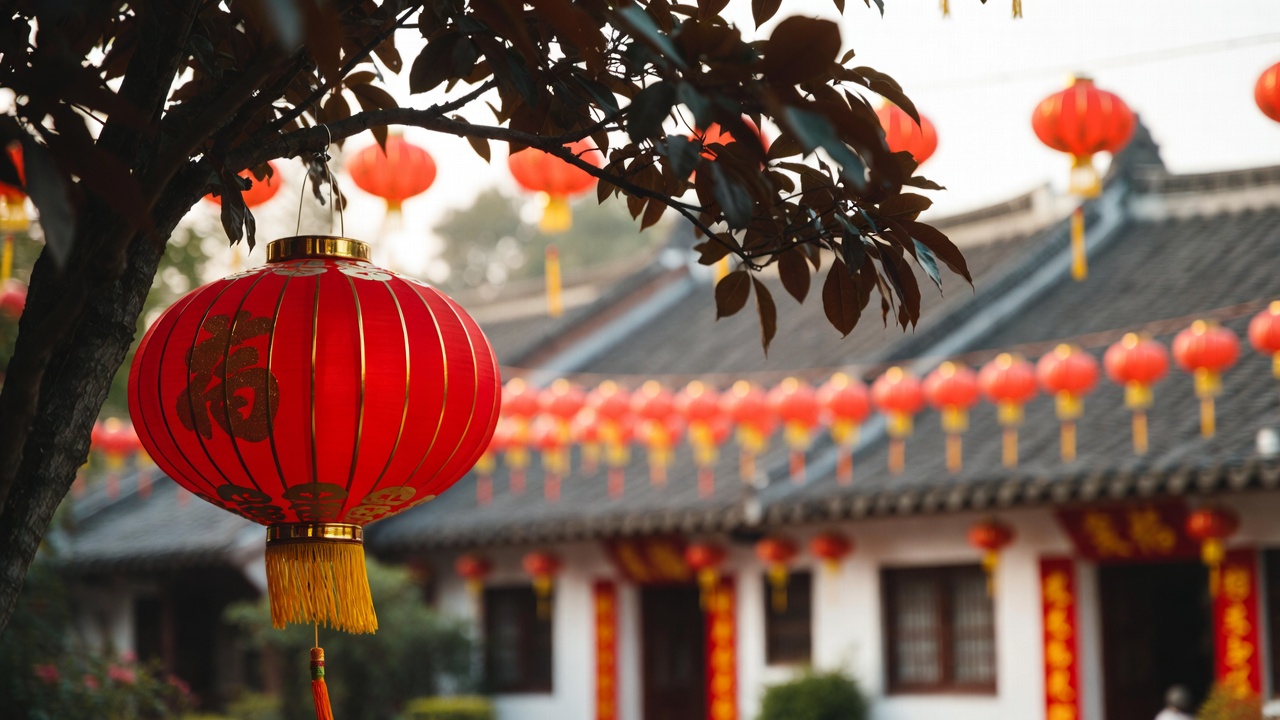
5. Hang Red Lanterns and Paper Cuttings
Red is the color of fortune, energy, and protection in Chinese culture. Hanging red lanterns (红灯笼) and intricate paper cuttings (窗花) on windows and doorframes transforms your home into a festive sanctuary. In 2026, horse-themed paper cuttings will be especially popular, as the zodiac animal appears on decorations throughout the festival season.
6. Shop at a Chinese New Year Street Market
In cities across China, Taiwan, and Southeast Asia, New Year street markets (年货市场) pop up weeks before the festival. These bustling bazaars sell dried meats, candied fruits, red envelopes, firecrackers, new clothes, and seasonal decorations. Even outside of Asia, many Chinatowns host similar markets. Walking through one is an immersive, sensory countdown experience.
7. Prepare a Traditional Snack Box (全盒, Chuen Hap)
The Hong Kong Tourism Board describes the chuen hap as a must-have for entertaining guests. This round or octagonal box, usually with an odd number of compartments, is filled with treats that carry auspicious meanings. Candied lotus seeds symbolize the bearing of children. Winter melon candy represents a good year from start to finish. Melon seeds symbolize fertility and abundance. Assembling your snack box is a countdown ritual in itself.
8. Buy New Clothes — Especially Something Red
Wearing new clothes for the new year symbolizes a fresh start. Many people choose red garments — shirts, dresses, socks, or even underwear — to attract good fortune. This is especially important for people born in the Year of the Horse (1954, 1966, 1978, 1990, 2002, 2014), as 2026 is their Ben Ming Nian (本命年), or zodiac birth year, traditionally believed to bring challenges. Red clothing is thought to ward off that bad luck.
9. Visit Your Ancestors’ Graves Before New Year’s Eve
Honoring the dead is one of the oldest Chinese New Year traditions. Many families visit their ancestors’ graves in the days leading up to the festival. They offer sacrifices of meat, wine, incense, and joss paper, inviting ancestral spirits to share in the celebration and asking for their blessings in the year ahead.
10. Stock Up on Fireworks and Firecrackers
The legend of the monster Nian (年) is central to the festival’s origin story. Nian feared loud noises, bright lights, and the color red. Setting off firecrackers at midnight on New Year’s Eve continues this ancient tradition of driving away evil and ringing in good fortune. While many Chinese cities have restricted fireworks in urban areas for safety reasons, electronic firecrackers have become a popular and eco-friendly alternative.
Fun Chinese New Year Countdown Ideas for Families with Kids (Ways 11–20)
Getting children involved in the countdown builds lasting memories and passes cultural knowledge to the next generation. These activities work whether your family is deeply rooted in Chinese tradition or simply curious about the world.
11. Make a Chinese New Year Countdown Calendar
Just like an Advent calendar for Christmas, create a Spring Festival countdown calendar starting from the Laba Festival (January 26). Behind each day’s flap, place a small treat, a fun fact about the festival, or a mini task — like “learn to say ‘Happy New Year’ in Mandarin today” (新年好, Xīnnián hǎo).
12. Read the Legend of Nian Together
The story of the beast Nian, who terrorized villagers every New Year’s Eve until an old man discovered it feared red, fire, and loud noise, is the perfect bedtime story during the countdown. It explains why we hang red decorations, light firecrackers, and stay up late on New Year’s Eve. Several beautifully illustrated children’s books retell this legend.
13. Learn the 12 Zodiac Animals Through Crafts
Have kids create their own zodiac animal masks, puppets, or paintings. Focus on the Horse for 2026, but teach all 12 animals in their correct order: Rat, Ox, Tiger, Rabbit, Dragon, Snake, Horse, Goat, Monkey, Rooster, Dog, and Pig. Discuss the personality traits associated with each animal.
14. Practice Writing “福” (Fú — Good Fortune) in Calligraphy
This single character is one of the most important symbols of the season. Families paste it on their front doors — sometimes upside down, because the word for “upside down” (倒, dào) sounds like the word for “arriving” (到, dào). So an upside-down “福” means “fortune has arrived.” Give each child a brush, some ink, and red paper, and let them practice.
15. Fold Red Envelopes (红包) from Scratch
While store-bought red envelopes are beautiful, making your own adds a personal touch. Use red paper, stamps, glitter, and horse-themed stickers for 2026. Kids can decorate envelopes for grandparents, parents, siblings, and friends. Explain that the money inside is called lucky money (压岁钱, yāsuì qián) and is meant to transfer good wishes from giver to receiver.
16. Create a Paper Lantern or Dragon Puppet
Paper lanterns are simple to make with red cardstock, scissors, and string. For something more adventurous, build a miniature dragon puppet from paper cups, tissue paper, and popsicle sticks. These crafts double as decorations for your home.
17. Host a Chinese New Year Storytime Night
Gather the family and share traditional tales — the Jade Emperor’s Great Race (which determined the order of the zodiac animals), the story of the Kitchen God, or the tale of the Nian. Add hot tea, tangerines, and peanut candies for atmosphere.
18. Watch a Kid-Friendly Chinese New Year Documentary
Streaming platforms now offer several documentaries and specials about the Spring Festival. Watching one together helps kids see how billions of people celebrate the same holiday in different ways — from ice sculpture festivals in Harbin to flower markets in Guangzhou.
19. Plant Lucky Kumquat or Narcissus Bulbs
In Cantonese tradition, kumquat trees (金桔) symbolize wealth and good luck. Narcissus bulbs (水仙花) represent prosperity and are timed to bloom right on New Year’s Day. Planting these with your kids 2–3 weeks before the festival teaches patience and gives them a living countdown clock.
20. Set Up a “Wishing Wall” at Home
Hang a red poster or corkboard in a common area. Give each family member slips of paper to write their wishes, goals, and blessings for the Year of the Fire Horse. Pin them to the wall and read them together on New Year’s Eve.
Creative Chinese New Year Food and Cooking Countdown Ideas (Ways 21–30)
Food is the soul of the Spring Festival. Every dish on the reunion dinner table tells a story, carries a wish, and connects the present to centuries of tradition.
21. Learn to Wrap Dumplings (饺子) as a Family
In northern China, wrapping dumplings on New Year’s Eve is as essential as the countdown itself. Dumplings (jiǎozi) are shaped like ancient Chinese gold ingots, so they symbolize wealth and prosperity. The act of wrapping them together — flour on every surface, laughter over imperfect pleats — is as important as the eating. Start practicing before New Year’s Eve so everyone is ready for the big night.
22. Bake Nian Gao (年糕) — Sticky Rice Cake
Nian Gao sounds like 年高, meaning “year high,” symbolizing a rise in fortune, income, or status with each passing year. This sweet, sticky rice cake is a must-have in southern Chinese households. Baking it from scratch during the countdown period fills the house with a wonderful, sweet aroma.
23. Make Tangyuan (汤圆) — Sweet Glutinous Rice Balls
These round, chewy balls served in warm syrup or soup represent togetherness and family harmony — their round shape echoing the full moon and the concept of reunion (团圆, tuányuán). Traditional fillings include black sesame paste, red bean, and peanut. Making tangyuan together is a gentle, satisfying countdown activity.
24. Prepare the Eight-Treasure Rice Pudding (八宝饭)
This elaborate dessert, studded with dried fruits, nuts, and sweet red bean paste, is a festive showpiece. The “eight treasures” echo the auspicious number eight. Preparing it a day or two before New Year’s Eve lets the flavors meld and gives you one less thing to worry about on the big day.
25. Host a Chinese New Year Tea Tasting
Chinese tea culture is deeply intertwined with the festival. Set up a tasting with pu’er tea (symbolizing aged wisdom), chrysanthemum tea (for health), and longan red date tea (for warmth and vitality). Explain the significance of each variety. Serve with melon seeds and dried fruits.
26. Cook a Practice Reunion Dinner
The New Year’s Eve reunion dinner (年夜饭, niányè fàn) is the most important meal of the entire year. Don’t leave it all to the last night. Cook a “practice round” during the countdown week. Include the key dishes: whole steamed fish (for surplus), chicken (for luck), spring rolls (for wealth), and longevity noodles (for a long life).
27. Learn the Meaning Behind Every Dish
Turn your meals into mini cultural lessons during the countdown:
| Dish | Symbolism | Why It’s Served |
|---|---|---|
| Whole Fish (鱼) | Surplus & abundance | The word for fish (yú) sounds like the word for “surplus” |
| Dumplings (饺子) | Wealth | Shaped like gold ingots |
| Nian Gao (年糕) | Rising prosperity | “Nian gao” sounds like “year higher” |
| Spring Rolls (春卷) | Wealth | Their golden color resembles gold bars |
| Tangyuan (汤圆) | Family unity | Round shape = togetherness |
| Longevity Noodles (长寿面) | Long life | Uncut noodles symbolize a long lifespan |
| Whole Chicken (鸡) | Prosperity & togetherness | Served whole to symbolize family completeness |
| Oranges & Tangerines | Good luck | In Cantonese, orange (橙) sounds like “success” (成) |
28. Bake Fortune Cookies with Personalized Messages
Fortune cookies are actually an American invention, not a traditional Chinese food — but they have become a beloved cross-cultural symbol. Bake your own and slip in handwritten messages: New Year’s wishes, inside jokes, or goals for the Year of the Horse.
29. Organize a Hot Pot Night
Hot pot (火锅) is one of the most communal meals in Chinese cuisine. Everyone gathers around a bubbling pot of broth, cooking their own meats, vegetables, and noodles. It is the perfect countdown meal — social, warm, and endlessly customizable. Choose a spicy Sichuan broth for Fire Horse energy.
30. Create a Chinese New Year Baking Challenge
Challenge your family or friends to a baking competition featuring traditional treats: sesame balls (芝麻球), egg tarts (蛋挞), pineapple cakes (凤梨酥), or almond cookies. Award prizes in red envelopes.
Best Ways to Decorate Your Home for the Chinese New Year Countdown (Ways 31–37)
Decoration is not mere aesthetics in Chinese culture — it is a form of prayer, protection, and intention-setting.
31. Create a Horse-Themed Zodiac Display
Since 2026 is the Year of the Fire Horse, create a centerpiece display featuring horse figurines, paintings, or sculptures. The famous Chinese idiom 龙马精神 (Lóng Mǎ Jīng Shén), meaning “Dragon-Horse Spirit,” is a powerful blessing for vitality and energy. Write it on a banner and hang it prominently.
32. String Up Homemade Red Lantern Garlands
Buy or make small red lanterns and string them across your living room, patio, or front porch. Alternate them with gold tassels and small firecrackers (decorative, not real). The warm red glow transforms any space into a festive haven.
33. Paste Door Gods (门神) on Your Front Entrance
Door Gods — traditionally depicted as the Tang Dynasty generals Qin Qiong and Yuchi Gong — guard the home against evil spirits. Pasting their images on your front door is a centuries-old tradition that adds a powerful, protective energy to your entryway.
34. Set Up a Blooming Flower Display
Flowers play a major role in Cantonese New Year celebrations. Peach blossoms symbolize romance and prosperity. Orchids represent refinement and fertility. Lucky bamboo stands for resilience. Arranging these flowers during the countdown brings natural beauty and good fortune into your home.
35. Hang a Red “福” Character — Upside Down
As mentioned earlier, hanging the character 福 (fortune) upside down is a beloved pun. Display it on your front door, walls, or windows. For 2026, consider printing it in gold on red paper, surrounded by horse motifs.
36. Display a Tray of Prosperity (五果盘)
Arrange a tray with five types of auspicious fruit: tangerines (luck), pomelos (abundance), apples (peace — 苹果 sounds like 平, meaning “peace”), grapes (abundance), and persimmons (good things are coming). Place it on your dining table or living room as a symbolic countdown offering.
37. Build a Fire Horse-Themed Centerpiece
Get creative with red, orange, and gold elements — a nod to the Fire element of 2026. Use candles (safely enclosed), metallic horse figurines, red silk flowers, and gold coins. This centerpiece can serve as the visual anchor for your countdown celebrations.
Digital and Modern Chinese New Year Countdown Ideas for 2026 (Ways 38–44)
Tradition meets technology. The Spring Festival has evolved beautifully into the digital age, and 2026 is no exception.
38. Send Digital Red Envelopes via WeChat or Alipay
The tradition of giving red envelopes (红包) has gone digital. Platforms like WeChat and Alipay allow users to send digital red envelopes to friends and family instantly. During the Spring Festival season, these platforms roll out special Fire Horse-themed digital envelope designs. It is a quick, meaningful way to share blessings across distances.
39. Watch the CCTV Spring Festival Gala (春晚)
The CCTV New Year’s Gala, first broadcast in 1983, is one of the most-watched television events in the world. It begins at 8 PM on New Year’s Eve and runs until after midnight, featuring singing, dancing, acrobatics, comedy skits, and a dramatic countdown to the stroke of twelve. In 2026, expect Horse-themed performances, celebrity appearances, and spectacular production values. You can stream it online from anywhere in the world.
40. Start a Social Media Countdown with Daily Traditions
Post a daily tradition, fun fact, or personal story on your social media channels leading up to February 17. Use hashtags like #ChineseNewYear2026, #YearOfTheFireHorse, and #SpringFestival2026 to connect with a global community of celebrants.
41. Host a Virtual Reunion Dinner
For families separated by distance — and during the massive Chunyun (春运) travel season, when an estimated 9 billion trips are expected in 2026 — a virtual reunion dinner over video call ensures no one is left out. Set up your camera at the dinner table and share the meal across time zones.
42. Create a Chinese New Year Playlist
Build a Spotify or Apple Music playlist featuring classic and modern Chinese New Year songs. Include traditional favorites like 恭喜恭喜 (Gōngxǐ Gōngxǐ) — a song originally written to celebrate the end of World War II that has become synonymous with the festival — alongside contemporary Mandopop hits.
43. Play an Online Zodiac Compatibility Quiz
Many websites now offer interactive Chinese zodiac quizzes. Gather your friends and family to check everyone’s zodiac sign and their 2026 Fire Horse year fortune. It sparks great conversations and teaches younger generations about the zodiac system’s history.
44. Design Digital New Year Cards with Horse Motifs
Use free design tools like Canva to create personalized Year of the Horse e-cards. Share them via email, messaging apps, or social media. Include traditional greetings like:
- 新年快乐 (Xīnnián kuàilè) — Happy New Year
- 恭喜发财 (Gōngxǐ fācái) — Wishing you prosperity
- 马到成功 (Mǎ dào chénggōng) — Success at the Horse’s arrival
- 龙马精神 (Lóng mǎ jīngshén) — Wishing you Dragon-Horse vitality
Community and Travel Countdown Experiences to Celebrate Chinese New Year Around the World (Ways 45–50)
Chinese New Year is not just a Chinese celebration anymore. It is a global phenomenon celebrated across continents.
45. Attend a Lunar New Year Parade in Your City
Major cities around the world host spectacular parades. San Francisco’s Chinese New Year Parade, one of the largest outside Asia, draws hundreds of thousands of spectators. London’s West End, Sydney’s Chinatown, Paris’s 13th arrondissement, and Singapore’s Chinatown all host impressive festivities. In 2026, many parades will feature Fire Horse floats and performances.
46. Visit a Temple Fair (庙会) in Beijing or Across China
Temple fairs are among the most authentically immersive Chinese New Year experiences. Originally a form of religious worship, they have evolved into lively carnivals featuring traditional performances, crafts, folk art, and street food. Beijing’s temple fairs — held in major parks from New Year’s Day through the Lantern Festival — are legendary. You will find everything from diabolo spinning and shadow puppetry to candied hawthorn sticks and lamb skewers.
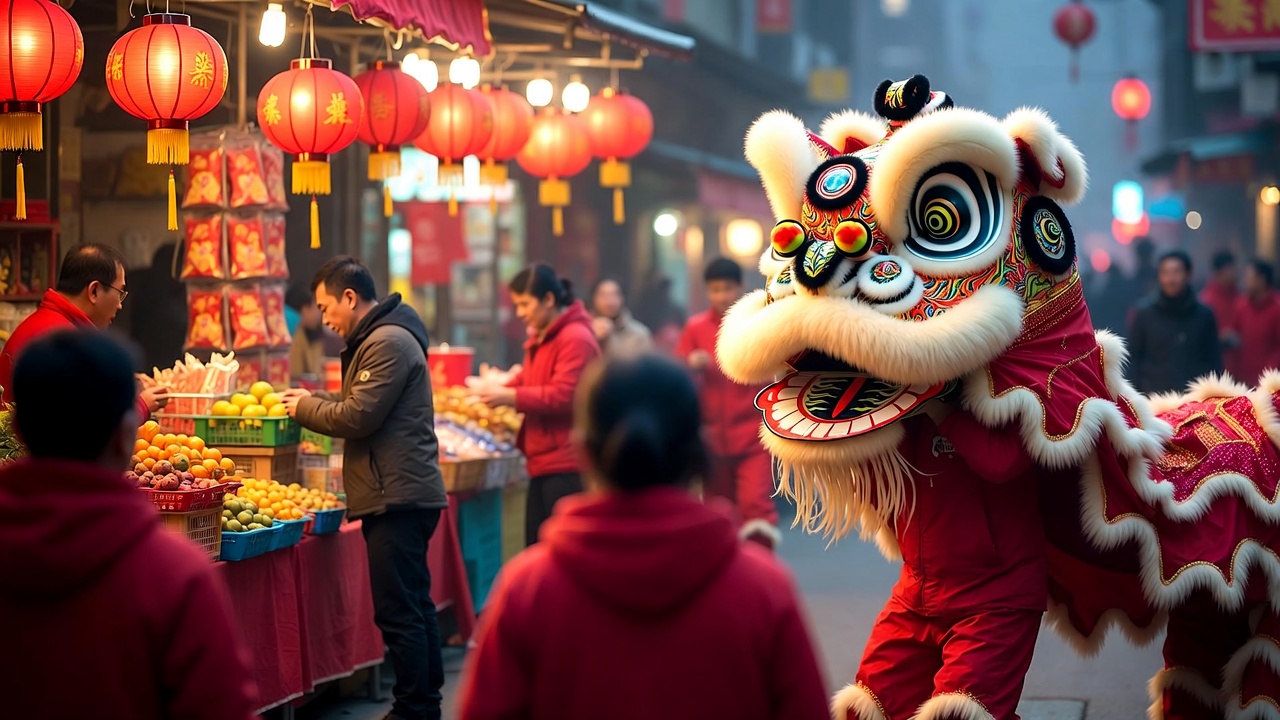
47. Watch a Lion or Dragon Dance Live
Lion dances and dragon dances are performed to bring prosperity and good luck for the coming year. The rhythmic drumming, clashing cymbals, and acrobatic lions leaping between poles are thrilling to witness. Many Chinatowns worldwide host these dances during the festival period. In Hong Kong, the dances are especially spectacular.
48. Join the Lam Tsuen Wishing Tree Festival in Hong Kong
Every year, visitors flock to Lam Tsuen in Hong Kong’s New Territories to participate in the Wishing Tree Festival. Write your wish on a card, tie it to a mandarin orange, and toss it onto the branches of the wishing tree. If it stays, your wish is believed to come true. It is one of the most photogenic and hopeful countdown rituals you will ever experience.
49. Experience Chunyun — the World’s Largest Annual Human Migration
The Spring Festival travel rush, known as Chunyun (春运), is the largest annual migration on Earth. Hundreds of millions of Chinese workers and students travel home to reunite with their families. In 2026, Chinese authorities expect approximately 9 billion passenger trips during the 40-day Chunyun period. If you happen to be in China during this time, witnessing the energy at a major train station — the joy, the chaos, the determination to get home — is unforgettable.
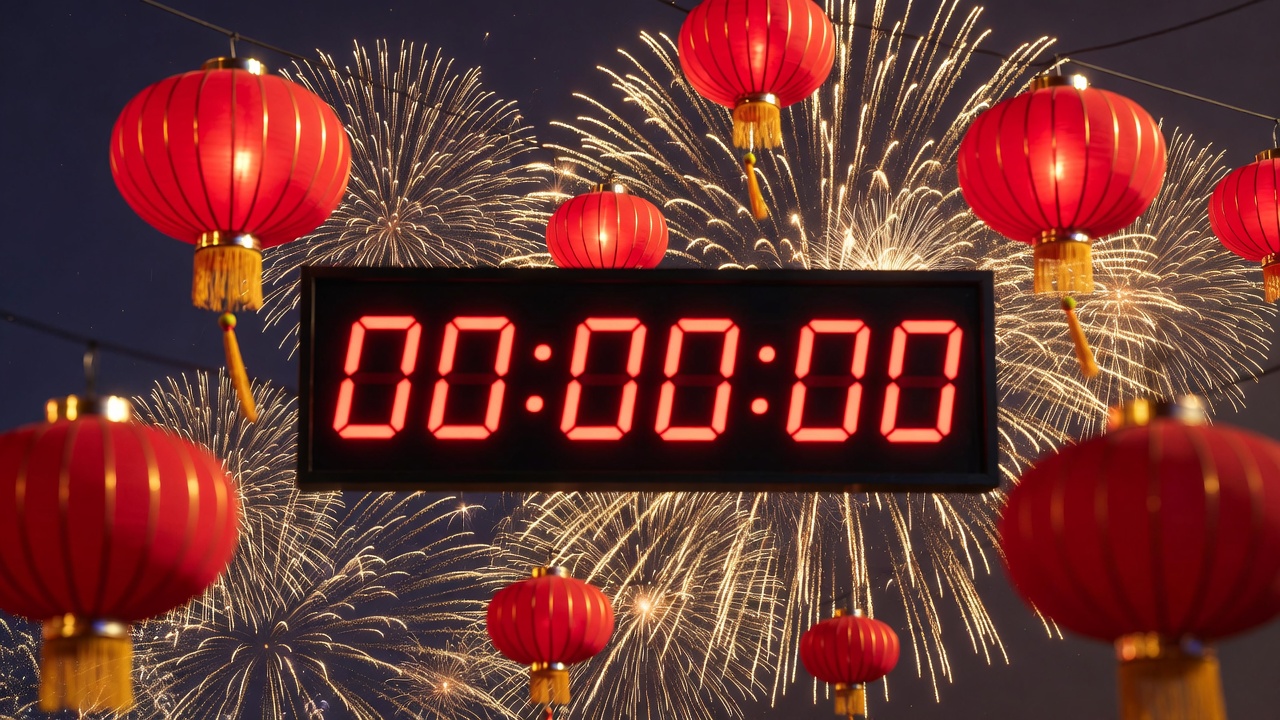
50. Light Fireworks at Midnight and Welcome the Fire Horse
This is it. The final moment. On the night of February 16, 2026 (New Year’s Eve), families across China and around the world will stay up until midnight — a tradition called shousui (守岁). As the clock strikes twelve, the sky erupts. Billions of fireworks and firecrackers fill the air with light, sound, and smoke. It is the moment when the old year dies and the new one is born. In the Year of the Fire Horse, that midnight sky will feel even more electric.
Step outside. Look up. Welcome the Horse.
马到成功 — may success arrive at a gallop.
Your Quick-Reference Chinese New Year 2026 Countdown Checklist
Here is a printable summary to keep your countdown on track:
| When | What to Do |
|---|---|
| January 26 | Cook Laba porridge; begin thinking about gifts |
| Late January – Early February | Shop for decorations, new clothes, and groceries |
| February 1–8 | Deep clean the house; write spring couplets; prepare snack boxes |
| February 9 (Little New Year) | Send off the Kitchen God; start hanging decorations |
| February 10–15 | Wrap dumplings; bake nian gao; plant narcissus; finalize travel plans |
| February 16 (New Year’s Eve) | Reunion dinner; watch the Gala; stay up until midnight; light fireworks |
| February 17 (New Year’s Day) | Give red envelopes; visit elders; say 新年快乐; wear new clothes |
| February 17 – March 3 | Visit family; attend temple fairs; watch lion dances; enjoy the holiday |
| March 3 (Lantern Festival) | Eat tangyuan; solve lantern riddles; watch the full moon |
Frequently Asked Questions About the Chinese New Year 2026 Countdown
When is Chinese New Year 2026? Chinese New Year 2026 falls on Tuesday, February 17, 2026. New Year’s Eve is February 16.
What animal is Chinese New Year 2026? 2026 is the Year of the Horse, specifically the Fire Horse (丙午年). The Fire Horse is a rare combination that occurs only once every 60 years.
How long do Chinese New Year celebrations last? Traditional celebrations last 16 days, from New Year’s Eve (February 16) through the Lantern Festival (March 3, 2026). The public holiday in mainland China runs from February 15 to February 23 — a record-setting 9-day break.
What is Chunyun? Chunyun (春运) is the Spring Festival travel rush — the world’s largest annual human migration. In 2026, an estimated 9 billion passenger trips are expected during the 40-day travel period.
What should I wear for Chinese New Year 2026? Wear new clothes, preferably with red accents for good luck. People born in the Year of the Horse should wear red clothing throughout 2026, as it is their zodiac birth year (Ben Ming Nian) and red is believed to ward off bad luck.
What are the best greetings for Chinese New Year 2026?
- 新年快乐 (Xīnnián kuàilè) — Happy New Year
- 恭喜发财 (Gōngxǐ fācái) — Wishing you wealth and prosperity
- 马到成功 (Mǎ dào chénggōng) — May success arrive swiftly (Horse-specific)
- 龙马精神 (Lóng mǎ jīngshén) — Wishing you Dragon-Horse vitality and spirit
Final Thoughts: Making Every Day of the Countdown Count
The Chinese New Year countdown is not just about waiting for a date on the calendar. It is about actively preparing your home, your heart, and your relationships for a fresh start. Every couplet you paste, every dumpling you fold, every red envelope you fill is an act of hope. It is a conversation with your ancestors and a promise to the future.
The Year of the Fire Horse asks us to be brave, energetic, and honest. It invites bold action. It rewards those who move forward with clarity and purpose.
So start your countdown today. Cook, clean, decorate, gather, and celebrate. By the time midnight strikes on February 16, you will be ready — not just for a new year, but for the galloping possibilities that come with it.
恭喜发财! 马到成功!
Wishing you prosperity! May success arrive at a gallop!
Enjoyed this guide? Share it with someone who’s counting down to the Year of the Fire Horse. And if you’ve celebrated Chinese New Year in a creative way not listed here, we’d love to hear about it in the comments below.