The Year of the Fire Horse gallops in on February 17, 2026, bringing with it China’s longest Spring Festival holiday in recorded history. For the first time ever, Chinese workers and visitors alike will enjoy a remarkable nine consecutive days off work—from February 15 to February 23. This extended holiday creates an extraordinary opportunity for international tourists to experience the world’s most celebrated cultural festival.
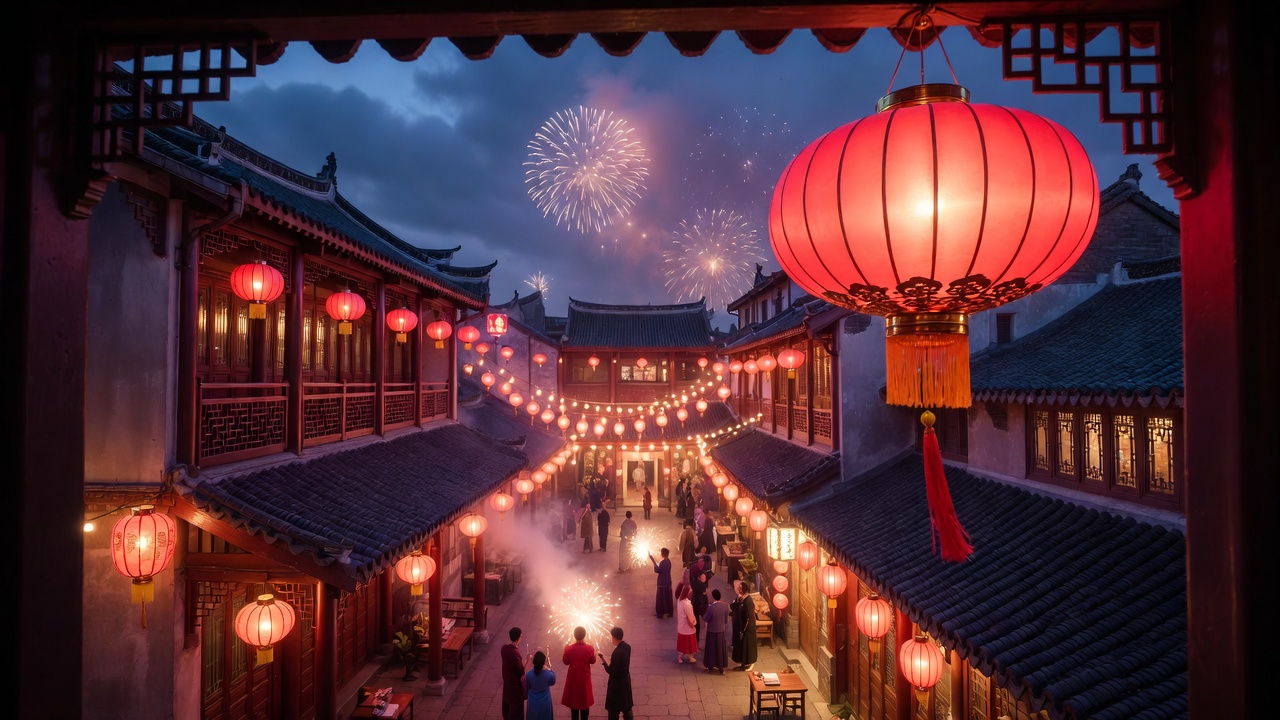
As a folklore researcher who has spent two decades studying festival traditions across Asia, I can confidently say that witnessing Chinese New Year in China is a transformative experience. The red lanterns illuminating ancient alleyways. The thunderous crack of firecrackers at midnight. The warmth of families gathering around steaming pots of dumplings. These moments capture the essence of Chinese civilization itself.
This guide will help you navigate the complexities of traveling during this peak season. I will share the best destinations for experiencing authentic celebrations, practical tips for avoiding crowds, and cultural insights that will enrich your journey.
Understanding Chinese New Year 2026: Key Dates and the Year of the Fire Horse
Chinese New Year, known locally as Chūn Jié (春节) or the “Spring Festival,” follows the traditional lunisolar calendar. The date shifts each year, falling somewhere between January 21 and February 20 on the Gregorian calendar. In 2026, the celebration begins on February 17, marking the start of the Year of the Horse—specifically, the Fire Horse.
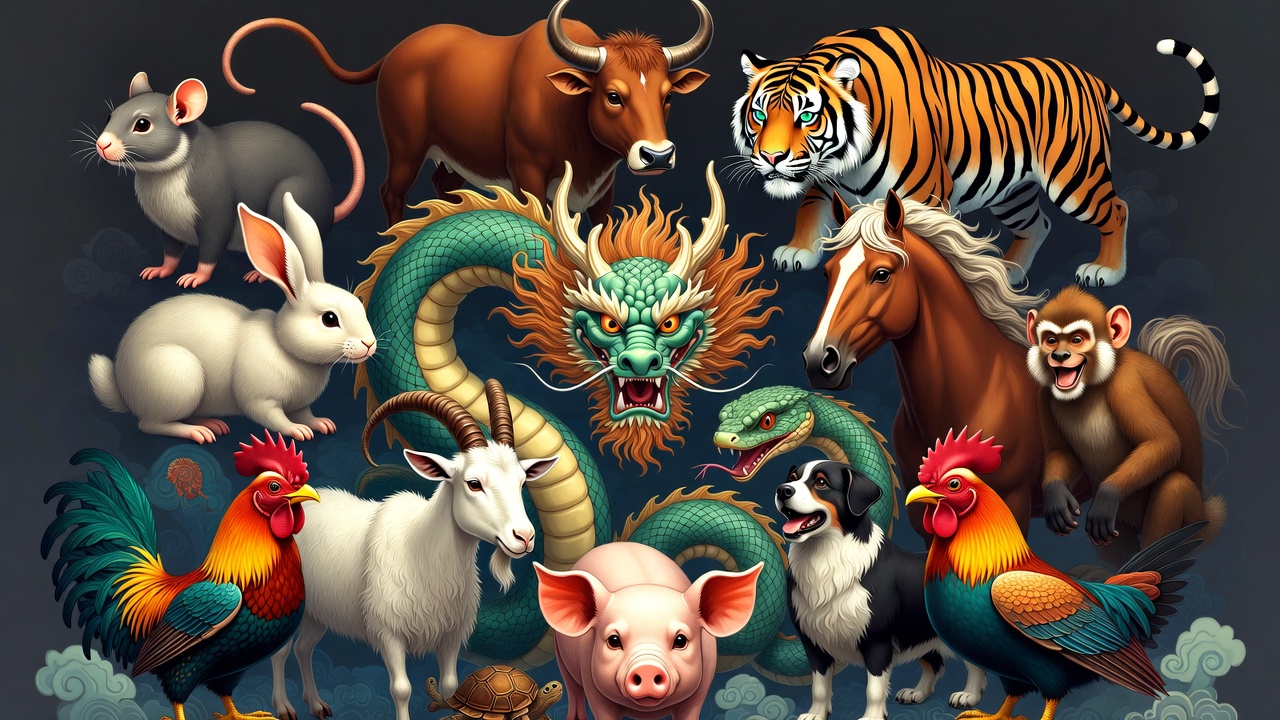
According to China Highlights, the Horse is the seventh animal in the 12-year Chinese zodiac cycle. It represents wisdom, intuition, and elegance in Chinese culture. The Fire element adds energy and passion to these characteristics. People born in previous Horse years (2014, 2002, 1990, 1978) will experience their zodiac birth sign year, known as benmìngnián, which traditional belief considers to be a year requiring extra caution and red clothing for protection.
2026 Spring Festival Official Holiday Calendar
| Date | Day | Significance |
|---|---|---|
| February 14 (Sat) | Makeup Workday | Working Saturday to compensate |
| February 15 (Sun) | Holiday Begins | Start of 9-day break |
| February 16 (Mon) | Chinese New Year’s Eve | Family reunion dinner (Chuxi) |
| February 17 (Tue) | Chinese New Year’s Day | Year of the Horse begins |
| February 18 (Wed) | Day 2 | Return to maternal family |
| February 19 (Thu) | Day 3 | Visiting relatives continues |
| February 20 (Fri) | Day 4 | Welcoming the Kitchen God |
| February 21 (Sat) | Day 5 | Breaking taboos day |
| February 22 (Sun) | Day 6 | Sending off the God of Poverty |
| February 23 (Mon) | Holiday Ends | Last official day off |
| February 28 (Sat) | Makeup Workday | Working Saturday to compensate |
| March 3 (Tue) | Lantern Festival | Final celebration of New Year |
The China Briefing reports that this nine-day holiday is the longest Spring Festival break in Chinese history. The extension results from the Chinese New Year falling on a Tuesday, allowing the government to bridge the weekend before into one continuous break.
Why Travel to China During Chinese New Year: Pros and Cons for International Visitors
Many travel advisors tell tourists to avoid China during Spring Festival. They cite massive crowds and limited services. However, this conventional wisdom misses a crucial point: the Spring Festival is the only time to witness China at its most culturally vibrant.
Compelling Reasons to Visit During Spring Festival
Cultural Immersion Beyond Compare
No other time of year offers such deep access to Chinese traditions. Temple fairs feature ancient performances rarely seen otherwise. Families welcome guests with genuine warmth. Cities transform into seas of red and gold decorations. You will see dragon and lion dances, hear traditional opera in public spaces, and smell incense wafting from busy temples.
Surprisingly Manageable Crowds in Major Cities
Here is a counterintuitive truth: Beijing, Shanghai, and Guangzhou actually become less crowded during Spring Festival. According to Better Roaming, millions of residents leave these cities to return to their ancestral hometowns. This exodus creates a unique window when major tourist attractions have shorter queues than during summer months.
Special Events and Performances
The Spring Festival brings exclusive experiences unavailable at any other time. Temple fairs date back hundreds of years. Lantern festivals illuminate ancient streets. Fireworks displays rival any celebration in the world. These events represent living cultural heritage that China deliberately preserves and celebrates.
Challenges to Consider
The Chunyun Travel Rush
The Spring Festival travel period, called Chunyun (春运), is the world’s largest annual human migration. According to Xinhua News Agency, authorities expect 9.5 billion passenger trips during the 40-day Chunyun period in 2026 (February 2 to March 13). This figure includes approximately 540 million railway trips and 95 million air passenger trips.
Price Increases
Hotels in popular destinations raise rates substantially. Domestic flights within China become more expensive. Restaurant prices in tourist areas increase. Budget travelers should prepare to pay 30-50% more than usual during peak dates.
Service Limitations
Some small businesses close entirely. Factory workers return home, causing potential shipping delays for souvenirs. Banks and government offices operate on reduced schedules. However, tourist-focused businesses generally remain open and often extend hours.
Best Time to Visit China During Chinese New Year: Strategic Planning for the 9-Day Holiday
The nine-day holiday period offers distinct phases, each with different advantages for international tourists.
Pre-Holiday Period (February 10-15): The Calm Before the Storm
Arriving one week before Chinese New Year’s Day provides the best balance of festive atmosphere and manageable crowds. Cities are already decorated. Markets bustle with holiday shoppers. Yet the main travel rush has not peaked.
Advantages:
- Lower hotel prices than during the actual holiday
- Full access to all tourist services
- Experience preparation rituals like house cleaning and shopping
- Witness the famous Spring Festival flower markets in Guangzhou
Chinese New Year’s Eve and Day 1-3 (February 16-19): Peak Festivity
This period represents the cultural climax. Families gather for reunion dinners on the Eve. Fireworks explode at midnight. Streets fill with red-clad celebrants exchanging greetings of “Xīnnián kuàilè” (新年快乐, Happy New Year) and “Gōngxǐ fācái” (恭喜发财, Wishing you prosperity).
What to Expect:
- Many restaurants fully booked for reunion dinners
- Public transportation extremely crowded on the Eve
- Spectacular midnight celebrations in major cities
- Some attractions closed or operating reduced hours on Day 1
- Temple fairs in full swing from Day 1
Mid-Holiday (February 20-22): Sweet Spot for Tourism
By the fourth through sixth days, many local families have completed their obligatory visits. Tourist attractions begin returning to normal operations. This period offers the festive decorations and atmosphere with fewer crowds.
Post-Holiday (February 23-March 3): Extended Festivities
The official holiday ends on February 23, but celebrations continue until the Lantern Festival on March 3. This extended period offers reduced prices and crowds while maintaining much of the festive atmosphere.
Top Destinations to Experience Authentic Chinese New Year Celebrations in China
Choosing the right destination determines the quality of your Spring Festival experience. Each region celebrates with distinct customs, food, and traditions. Based on my research and interviews with cultural experts across China, here are the top destinations for international tourists.
Beijing: Traditional Temple Fairs and Imperial Heritage Make for the Ultimate New Year Experience
Beijing remains the premier destination for experiencing authentic northern Chinese New Year traditions. As China’s capital for centuries, Beijing has preserved the most elaborate and historically significant Spring Festival customs.
Why Beijing Excels During Spring Festival
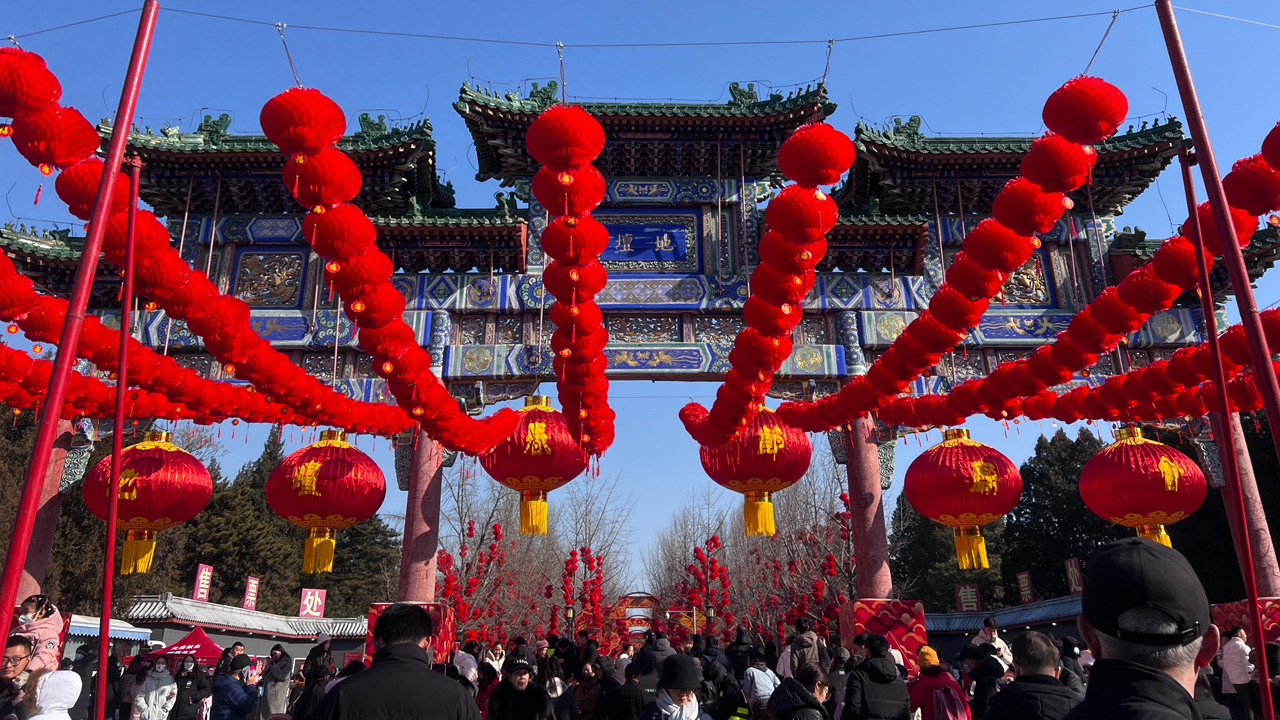
The city’s temple fairs (miào huì, 庙会) represent living heritage dating back hundreds of years. According to Travel China Guide, the Ditan Park Temple Fair has operated since 1985 and remains the most time-honored in Beijing. Here you can witness traditional performances, sample festival foods, and purchase handcrafted decorations.
Must-Visit Beijing Spring Festival Experiences
- Ditan Temple Fair — Features traditional snacks, handicrafts, Peking opera, martial arts demonstrations, and acrobatics. The fair typically runs from the first to the last day of the lunar new year.
- Longtan Park Fair — Known for elaborate folk performances including stilt walking, yangko dancing, and waist drum performances. Less crowded than Ditan, equally authentic.
- Dongyue Temple Fair — Offers a more spiritual experience with incense burning, prayer rituals, and traditional blessing ceremonies.
- The Great Wall — Surprisingly accessible during Spring Festival. The Badaling and Juyongguan sections host special lantern displays. Winter scenery adds dramatic beauty to photographs.
- Forbidden City — Opens during the holiday with special exhibitions. The red walls and golden roofs contrast magnificently with possible winter snow.
Practical Beijing Tips
- Book hotels in the Dongcheng or Xicheng districts for easy access to temple fairs
- Temple fairs open around 8:30 AM; arrive early to avoid afternoon crowds
- Carry cash for street vendors and smaller stalls
- Dress warmly; February temperatures range from -5°C to 5°C (23°F to 41°F)
Hong Kong: World-Famous Fireworks and Night Parade Create Spectacular International Celebrations
Hong Kong offers the most accessible Chinese New Year experience for international visitors. The city combines Chinese traditions with world-class infrastructure and English-language services.
The Three Signature Hong Kong Events
According to the Hong Kong Tourism Board, Hong Kong’s celebrations center on three major events that draw hundreds of thousands of spectators.
1. Cathay International Chinese New Year Night Parade (February 17)
The parade through Tsim Sha Tsui features 60 floats and performing groups from around the world. Globe Newswire reports that the 2026 parade theme is “Best Fortune. World Party.” Expect colorful dragons, international dance troupes, elaborate LED displays, and traditional drummers.
Viewing Options:
- Seated spectator stands at Hong Kong Cultural Centre (HK$450-600, on sale from February 7)
- Free street viewing along Canton Road, Haiphong Road, and Nathan Road
- Premium hotel packages at The Peninsula, Regent, or InterContinental
2. Victoria Harbour Fireworks Display (February 18, 8:00 PM)
The Hong Kong government has confirmed a spectacular 23-minute display themed “Prosperity Gallops Across Hong Kong.” The show will feature 31,888 pyrotechnic shells launched from barges in the harbor.
Best Viewing Locations:
- Tsim Sha Tsui Promenade — Most popular spot; arrive by 5 PM for good position
- Central Harbourfront — Less crowded; excellent views toward Kowloon
- Victoria Peak — Elevated panoramic views; reach via Peak Tram
- Harbour cruises — Various operators offer dining packages on the water
3. Chinese New Year Horse Racing (Sha Tin Racecourse)
Hong Kong’s unique gambling tradition continues with special racing events. The atmosphere combines traditional Chinese betting customs with modern sporting excitement.
Unique Hong Kong Traditions
Hong Kong emphasizes flower symbolism more than mainland China. During the pre-holiday period, flower markets fill Victoria Park and other locations. Each flower carries specific meaning:
| Flower | Symbolic Meaning |
|---|---|
| Peach Blossom | Romance and marriage luck |
| Kumquat Tree | Wealth and prosperity |
| Narcissus | Good fortune and prosperity |
| Orchid | Fertility and elegance |
| Lucky Bamboo | Resilience and growth |
Wong Tai Sin Temple becomes exceptionally busy as locals seek blessings for the new year. The temple welcomes visitors of all backgrounds who wish to participate respectfully.
Xi’an: Ancient City Walls Transform Into Magnificent Lantern Wonderland
Xi’an offers the most historically immersive Chinese New Year experience. This ancient capital of thirteen dynasties preserves traditions dating back millennia.
The City Wall Lantern Festival
The Xi’an City Wall Lantern Fair runs for approximately three weeks around Spring Festival. According to China Odyssey Tours, the ancient walls transform into a canvas of illuminated art, featuring lanterns depicting folktales, zodiac animals, and traditional scenes.
Walking the illuminated walls at night feels like stepping into a Tang Dynasty painting brought to life.
Key Xi’an Experiences
- City Wall Lantern Fair — Thousands of artistic lanterns line the 14-kilometer wall perimeter. Evening visits offer the most dramatic experience.
- Giant Wild Goose Pagoda Bell-Ringing Ceremony — Traditional midnight bell ringing on New Year’s Eve brings blessings for the coming year.
- Daming Palace Site Park — Features song and dance performances alongside local shehuo folk traditions.
- Yongxingfang Food Street — Sample authentic Xi’an snacks including roujiamo (Chinese hamburger), biangbiang noodles, and yangrou paomo (lamb soup with bread).
- Tang West Market — Temple fair atmosphere with traditional performances and handicraft demonstrations.
The Terracotta Warriors
The famous Terracotta Army remains open during Spring Festival. Crowds may actually be lighter than during summer peak season, offering better viewing opportunities.
Xi’an Weather Considerations
February temperatures range from -3°C to 8°C (27°F to 46°F). The dry continental climate means cold but clear days are common. Pack layers and a warm jacket for evening lantern viewing.
Harbin: Ice and Snow Festival Combines With Spring Festival for Magical Winter Celebration
Harbin offers a completely unique proposition: experiencing Chinese New Year amid the world’s largest ice and snow festival. This northeastern city transforms into a frozen wonderland each winter.
The Harbin International Ice and Snow Sculpture Festival
The festival runs from January 5 through late February, perfectly overlapping with Spring Festival. According to Top China Travel, it ranks among the world’s four largest ice festivals alongside Japan’s Sapporo Snow Festival, Canada’s Quebec Winter Carnival, and Norway’s Holmenkollen Ski Festival.
Festival Venues
- Ice and Snow World — The headline attraction features massive illuminated ice sculptures, ice slides, skating rinks, and snow activities. Evening visits showcase spectacular LED lighting frozen into the ice structures.
- Sun Island Snow Sculpture Art Expo — Features enormous snow sculptures created by artists from Russia, Japan, Canada, France, and other countries. The scale defies imagination—some sculptures reach five stories tall.
- Zhaolin Park Ice Lantern Expo — Combines traditional lantern artistry with ice sculpture. The park becomes a fantasy landscape of illuminated frozen art.
Practical Harbin Considerations
Temperature Warning: Harbin experiences extreme cold, with temperatures potentially dropping to -30°C (-22°F) in January and February. Essential preparations include:
- Thermal underwear and multiple insulating layers
- Waterproof outer shell jacket and pants
- Insulated boots rated for extreme cold
- Face covering, hat, and lined gloves
- Hand and toe warmers
Unique Benefit: Alibaba Party notes that fewer domestic tourists venture north during Chunyun, making Harbin potentially less crowded than central or southern destinations.
Combining Ice Festival With Chinese New Year
The juxtaposition creates unforgettable memories. Imagine walking through illuminated ice castles, then warming up with traditional Northeastern huǒguō (hotpot) while fireworks celebrate the lunar new year outside.
Guangzhou: Flower Markets and Cantonese Traditions Offer Warm Southern Alternative
Guangzhou provides the best warm-weather Chinese New Year experience. This southern metropolis maintains distinct Cantonese customs that differ significantly from northern celebrations.
The Spring Festival Flower Markets
Cantonese culture places exceptional emphasis on flowers during New Year. The famous flower markets open approximately one week before Chinese New Year’s Day. Families browse through acres of blooming plants, selecting specimens believed to bring luck in specific areas:
- Peach blossoms for unmarried individuals seeking romance
- Kumquat trees for businesses wanting prosperity
- Orchids for families hoping for children
- Lucky bamboo for students seeking academic success
The Xīguān (West Gate) area hosts the most traditional markets. The atmosphere combines carnival excitement with serious cultural significance.
Canton Tower Light Shows
The iconic 600-meter tower hosts special illumination displays during Spring Festival. The surrounding Zhujiang (Pearl River) area features coordinated drone and light spectacles creating patterns visible across the city.
Cantonese New Year Food
Southern Chinese New Year cuisine differs substantially from northern traditions:
| Dish | Cantonese Name | Significance |
|---|---|---|
| Turnip Cake | Lo Bak Gou | Prosperity and advancement |
| Glutinous Rice Cake | Nian Gao | Higher achievements each year |
| Oyster Dishes | Ho Si | Good things and good fortune |
| Fat Choy with Dried Oysters | Ho Si Fat Choy | Good business and prosperity |
| Whole Steamed Fish | Jing Yu | Surplus and abundance |
Weather Advantage
Guangzhou enjoys mild February weather with temperatures around 13-20°C (55-68°F). This pleasant climate allows comfortable outdoor exploration without heavy winter gear.
Shanghai: Modern Metropolis Blends Contemporary Spectacle With Traditional Customs
Shanghai demonstrates how ancient traditions adapt to contemporary urban life. The city’s Chinese New Year celebrations combine traditional elements with cutting-edge technology and international influences.
The Bund and Lujiazui
Shanghai’s famous waterfront transforms during Spring Festival. The historic Bund buildings and futuristic Pudong skyscrapers compete with special lighting displays. While Shanghai typically does not host large-scale fireworks over the Huangpu River for safety reasons, the illuminated skyline creates spectacular photography opportunities.
Yu Garden and Old City
The Yu Garden area represents Shanghai’s connection to traditional Chinese culture. During Spring Festival, the garden and surrounding streets fill with:
- Traditional lantern displays
- Temple fair activities
- Street food vendors
- Folk performances
- Lion and dragon dances
The Chenghuang Miao (City God Temple) adjacent to Yu Garden sees heavy traffic from worshippers seeking new year blessings.
Shanghai’s Unique Position
For tourists with limited time, Shanghai offers efficient access to Chinese New Year atmosphere combined with world-class infrastructure. The city’s international character means English services remain widely available even during the holiday.
Hidden Gems: Lesser-Known Destinations for Authentic Spring Festival Without Crowds
Experienced travelers seeking deeper cultural immersion should consider destinations beyond the major cities.
Pingyao Ancient City, Shanxi Province
This UNESCO World Heritage site preserves the most complete traditional Chinese New Year customs in northern China. The ancient walled city transforms into a living museum of Spring Festival traditions.
According to Travel China Guide, Pingyao offers experiences unavailable elsewhere:
- Traditional courtyard inn stays where guests participate in dumpling-making, paper-cutting, and couplet-pasting with local families
- Shehuo parades featuring costumed performers, yangko dancers, stilt walkers, and dragon dances through narrow Ming Dynasty streets
- Authentic atmosphere without the commercial polish of larger cities
Yunnan Province: Ethnic Minority Celebrations
Yunnan’s diverse ethnic populations—including Naxi, Yi, Bai, and Dai peoples—celebrate Chinese New Year with unique regional traditions. China Odyssey Tours highlights bonfire parties, traditional music, and distinctive foods found nowhere else in China.
The cities of Dali and Lijiang offer stunning natural scenery combined with cultural richness. The warm climate provides relief from northern winter cold.
Xiamen and Fujian Province
Fujian’s Hokkien traditions strongly influence Chinese New Year celebrations throughout Southeast Asia. Visiting Xiamen offers insight into the roots of customs practiced in Singapore, Malaysia, and the Philippines. The coastal city enjoys mild winter weather and relatively manageable crowds.
Essential Travel Tips for International Tourists Visiting China During Spring Festival 2026
Successful Spring Festival travel requires careful preparation. These practical tips will help ensure a smooth and enjoyable experience.
China Visa-Free Entry: Which Nationalities Can Visit Without a Visa
China has dramatically expanded visa-free access for international tourists. According to the National Immigration Administration, citizens of 46 countries can enter China without a visa for stays up to 30 days through December 31, 2026.
Visa-Free Countries Include:
Europe: Austria, Belgium, Bulgaria, Croatia, Cyprus, Denmark, Estonia, Finland, France, Germany, Greece, Hungary, Iceland, Ireland, Italy, Latvia, Liechtenstein, Luxembourg, Malta, Monaco, Montenegro, Netherlands, North Macedonia, Norway, Poland, Portugal, Romania, Russia, Slovakia, Slovenia, Spain, Sweden, Switzerland
Asia-Pacific: Australia, Japan, South Korea, New Zealand, Brunei, Singapore, Malaysia
Middle East: Saudi Arabia, Oman, Kuwait, Bahrain
Americas: Brazil, Argentina, Chile, Peru, Uruguay
Important Notes:
- Maximum stay is 30 days
- Entry must be for tourism, business, family visits, or transit
- Employment activities are strictly prohibited
- Citizens of the United States, Canada, and United Kingdom currently require visas
According to China Briefing, Canada may soon be added to the visa-free list, though no specific date has been confirmed.
Booking Flights and Trains: How Early Should You Reserve Transportation
Transportation bookings require exceptional advance planning for Spring Festival travel.
International Flights
Book international flights to China at least 3-4 months in advance for best prices. January and February represent peak season, with fares significantly higher than shoulder months.
Domestic Flights Within China
Domestic flights during Chunyun experience extreme demand. Global Times reports that airlines expect to operate approximately 19,400 flights daily during peak periods—a 5% increase from 2025. Despite this expansion, flights sell out rapidly.
Book domestic flights 6-8 weeks ahead at minimum.
Train Tickets
Train travel during Chunyun presents the greatest challenge. According to Travel China Guide, obtaining tickets becomes extremely difficult as the holiday approaches.
Train Booking Strategy:
- Tickets release 15 days before departure
- Use the official 12306.cn website or Trip.com for English service
- Book immediately when tickets become available
- Consider first-class or business class for better availability
- Have backup dates and routes prepared
Hotel Reservations: Where to Stay and When to Book
Hotel availability and pricing vary dramatically by location and timing.
Booking Timeline:
- Premium hotels: 2-3 months ahead
- Mid-range hotels: 6-8 weeks ahead
- Budget accommodations: Book as early as possible; limited options
Location Strategy:
Choose hotels near public transportation hubs. During Chunyun, traffic congestion makes taxi travel unreliable. Proximity to metro stations ensures reliable mobility.
Price Expectations:
Expect rates 30-50% higher than normal during peak dates (February 16-19). Prices moderate somewhat during the latter half of the holiday period.
Essential Apps for Navigating China During Chinese New Year
Technology significantly eases travel challenges in modern China.
Must-Have Apps:
- WeChat — Essential for communication, payments, and translations. Register before arrival and link a payment method if possible.
- Alipay — Increasingly supports international credit cards. Useful for purchases where vendors prefer mobile payment.
- Baidu Maps — Works better than Google Maps in China. Offers English interface and real-time navigation.
- Trip.com (Ctrip) — English-language booking platform for hotels, flights, and trains.
- Didi — China’s ride-hailing app. More reliable than traditional taxis during busy periods.
Internet Access Consideration
Major international websites and apps—including Google, Facebook, WhatsApp, and many news sites—are blocked in mainland China. International tourists have options:
- Install a VPN before arriving (check current regulations)
- Purchase a travel eSIM with international data
- Use hotel WiFi services
- Download China’s domestic alternatives
Note: These restrictions do not apply in Hong Kong or Macau.
Money and Payments: Cash vs. Mobile Payments in Modern China
China has become nearly cashless in major cities. However, tourists face unique considerations.
Mobile Payments:
WeChat Pay and Alipay dominate daily transactions. Recent updates have improved support for international credit cards, though functionality varies.
Cash Remains Important:
Carry Chinese yuan (RMB) for:
- Temple fair vendors and street food stalls
- Smaller shops in less touristy areas
- Tipping (though not expected in most situations)
- Backup when technology fails
ATMs are widely available in cities. Major banks include ICBC, Bank of China, and China Construction Bank.
Staying Healthy: Medical Considerations and Health Insurance
Travel Insurance:
Purchase comprehensive travel insurance covering medical evacuation. Quality healthcare exists in major Chinese cities, but insurance provides essential protection.
Medications:
Bring adequate supplies of prescription medications in original packaging with documentation. Some common Western medications are unavailable or difficult to obtain in China.
Air Quality:
Winter air quality in northern Chinese cities can be poor. Consider packing N95 masks for days with elevated pollution levels.
Food Safety:
Street food is generally safe at busy stalls with high turnover. Avoid raw or undercooked items. Bottled water is readily available and recommended over tap water.
Chinese New Year Food Guide: Traditional Dishes Every Visitor Should Try
Food represents the heart of Chinese New Year celebrations. Each dish carries symbolic meaning extending back centuries.
Northern Chinese New Year Foods
Northern China centers celebrations around wheat-based dishes and hearty warming foods.
Jiǎozi (饺子) — Dumplings
The quintessential northern Chinese New Year food. Families gather on New Year’s Eve to make dumplings together. Their shape resembles ancient Chinese gold ingots, symbolizing wealth. Some families hide a coin inside one dumpling—whoever receives it will have exceptional luck in the coming year.
Niángāo (年糕) — Sticky Rice Cake
The name sounds like “year higher,” representing advancement and improvement. Northern versions are often steamed plain and dipped in sugar.
Yúròu (鱼肉) — Fish
Whole fish must be served at the reunion dinner. The word for fish (yú) sounds identical to the word for surplus or abundance. Traditionally, diners leave some fish uneaten to symbolize abundance carrying into the new year.
Southern and Cantonese Specialties
Southern Chinese cuisines emphasize different ingredients and symbolic meanings.
Pén Cài (盆菜) — Treasure Pot
A Cantonese specialty featuring layered ingredients in a large pot. Premium versions include abalone, dried scallops, sea cucumber, and other luxury seafood. The layered arrangement symbolizes abundance accumulating.
Tāngyuán (汤圆) — Sweet Rice Balls
Round glutinous rice balls in sweet soup symbolize family reunion and completeness. Their round shape represents the full moon and family togetherness.
Fā Cài (发菜) — Black Moss
This hair-like seaweed sounds like “prosperity” in Cantonese. It appears in numerous dishes, often combined with dried oysters for the phrase “ho si fat choy” (good things and prosperity).
Regional Specialties Worth Seeking
| Region | Dish | Description |
|---|---|---|
| Sichuan | Hot Pot | Communal spicy broth perfect for cold weather gathering |
| Xi’an | Roujiamo | Braised meat in flatbread, Xi’an’s famous “Chinese burger” |
| Shanghai | Spring Rolls | Crispy rolls symbolizing gold bars and wealth |
| Fujian | Popiah | Fresh spring rolls with various fillings |
| Yunnan | Crossing the Bridge Noodles | Elaborate rice noodle soup with numerous ingredients |
Cultural Etiquette: Respectful Behavior During Chinese New Year Celebrations
Understanding cultural expectations helps visitors integrate respectfully into celebrations.
Greetings and Wishes
Learn basic Chinese New Year greetings:
- Xīnnián kuàilè (新年快乐) — Happy New Year
- Gōngxǐ fācái (恭喜发财) — Wishing you prosperity
- Wànshì rúyì (万事如意) — May everything go as you wish
- Shēntǐ jiànkāng (身体健康) — Wishing you good health
Locals genuinely appreciate foreign visitors making the effort to speak even basic phrases.
Red Envelope Etiquette
Hóngbāo (红包), or red envelopes containing money, are central to Chinese New Year gift-giving. Understanding the etiquette prevents awkward situations.
When Receiving:
- Accept with both hands
- Do not open in front of the giver
- Express thanks graciously
As a Visitor: You are not expected to give red envelopes. However, if you wish to participate:
- Use new, unwrinkled bills
- Include even amounts (avoid number 4)
- Give to children or service staff who assist you significantly
Taboos and Superstitions
Traditional beliefs hold that behavior during New Year affects luck for the entire year. Visitors should be aware of common taboos:
Avoid:
- Using scissors or knives on New Year’s Day (cuts good fortune)
- Sweeping floors on Day 1 (sweeps away luck)
- Wearing black or white clothing (funeral colors)
- Mentioning death, illness, or misfortune
- Breaking dishes or glasses
- Crying or arguing
Embrace:
- Wearing red clothing
- Using positive language
- Displaying generosity
- Expressing optimism about the new year
Temple Visit Protocol
Many visitors attend temples during Spring Festival. Basic respectful behavior includes:
- Dress modestly (cover shoulders and knees)
- Remove hats before entering halls
- Avoid pointing at Buddha images
- Speak quietly inside temple buildings
- Ask permission before photographing worshippers
- Make a small donation if you participate in rituals
Sample Itineraries: Suggested Routes for Different Travel Styles
7-Day Classic Chinese New Year Experience
Destination Focus: Beijing
| Day | Activities |
|---|---|
| Day 1 | Arrive Beijing; explore Wangfujing pedestrian street |
| Day 2 | Forbidden City and Temple of Heaven |
| Day 3 | Great Wall at Juyongguan or Mutianyu |
| Day 4 | New Year’s Eve: Ditan Temple Fair; evening preparations |
| Day 5 | New Year’s Day: Temple visits; Longtan Park Fair |
| Day 6 | Summer Palace; Nanluoguxiang hutong area |
| Day 7 | Departure or extension to Xi’an |
10-Day Multi-City Cultural Journey
Destinations: Beijing → Xi’an → Shanghai
| Day | Location | Activities |
|---|---|---|
| Day 1-2 | Beijing | Temple fairs, Forbidden City |
| Day 3 | Beijing | Great Wall |
| Day 4 | Transit | High-speed train Beijing-Xi’an (4.5 hours) |
| Day 5-6 | Xi’an | City Wall lanterns, Terracotta Warriors |
| Day 7 | Transit | High-speed train Xi’an-Shanghai (6 hours) |
| Day 8-9 | Shanghai | Yu Garden, the Bund, Nanjing Road |
| Day 10 | Shanghai | Departure |
5-Day Hong Kong Focused Experience
| Day | Activities |
|---|---|
| Day 1 | Arrive Hong Kong; explore Tsim Sha Tsui |
| Day 2 | Victoria Peak; Star Ferry; flower markets |
| Day 3 | New Year’s Day: International Parade evening |
| Day 4 | Day 2: Fireworks display; Wong Tai Sin Temple |
| Day 5 | Shopping; departure |
12-Day Adventure Route
Destinations: Hong Kong → Guangzhou → Guilin → Kunming
This route combines Chinese New Year celebrations with natural scenery, moving northward from Hong Kong into less-traveled regions.
Frequently Asked Questions About Chinese New Year Travel in China
Q: Will tourist attractions be open during Chinese New Year?
A: Yes, major tourist attractions generally remain open, though some may have modified hours on New Year’s Day itself. Temple fairs and special events actually provide additional attractions available only during this season.
Q: Is it safe to travel during Chunyun?
A: Yes, China maintains high safety standards for transportation. The main challenges are crowds and availability rather than safety concerns.
Q: Do I need to speak Chinese?
A: In major tourist destinations, English signage and services are available. However, learning basic phrases significantly enhances the experience. Translation apps help bridge communication gaps.
Q: Should I bring gifts if invited to a Chinese family’s home?
A: Yes, bringing gifts shows respect. Appropriate options include fruit baskets, quality tea, chocolates, or specialties from your home country. Avoid items in sets of four (unlucky number) and never bring clocks as gifts (associated with death).
Q: How early should I start planning?
A: Begin serious planning 4-6 months ahead. Book international flights 3-4 months early. Make hotel reservations at least 2 months before arrival.
Q: Can I still experience Chinese New Year if I arrive after the holiday starts?
A: Absolutely. Celebrations continue for 15 days until the Lantern Festival. Even arriving in the latter half of the holiday offers wonderful experiences with potentially smaller crowds.
Conclusion: Embracing the Spirit of Chinese New Year as an International Visitor
The 2026 Chinese New Year presents an unprecedented opportunity for international visitors. The extended nine-day holiday, combined with expanded visa-free access for 46 countries, opens China’s greatest cultural celebration to more travelers than ever before.
Yes, you will encounter crowds. Yes, prices will be higher than other seasons. Yes, planning requires more effort than a typical vacation.
But the rewards justify every challenge. You will witness traditions stretching back thousands of years, still vibrant and meaningful in the 21st century. You will taste foods prepared with symbolic significance accumulated over generations. You will see cities transform into seas of red and gold, celebrating humanity’s eternal hopes for prosperity, health, and happiness.
The Chinese people call this season Chūnjié—the Spring Festival. Even as cold winds blow through northern cities, the celebration represents renewal, hope, and the promise of warmer days ahead. In participating, you join billions of people worldwide in welcoming a new beginning.
Xīnnián kuàilè. Happy Year of the Horse.