Ask someone their Chinese zodiac sign and you are really asking which of twelve animals ruled the year they were born. But behind that simple question sits one of the oldest and most elaborate systems of timekeeping in the world, a cycle that weaves together animals, elements, and the movement of the planets. This guide traces where the Chinese zodiac came from, how it actually works, and the special place the Horse holds within it, the sign that governs 2026.
The Great Race: How the Animals Got Their Order
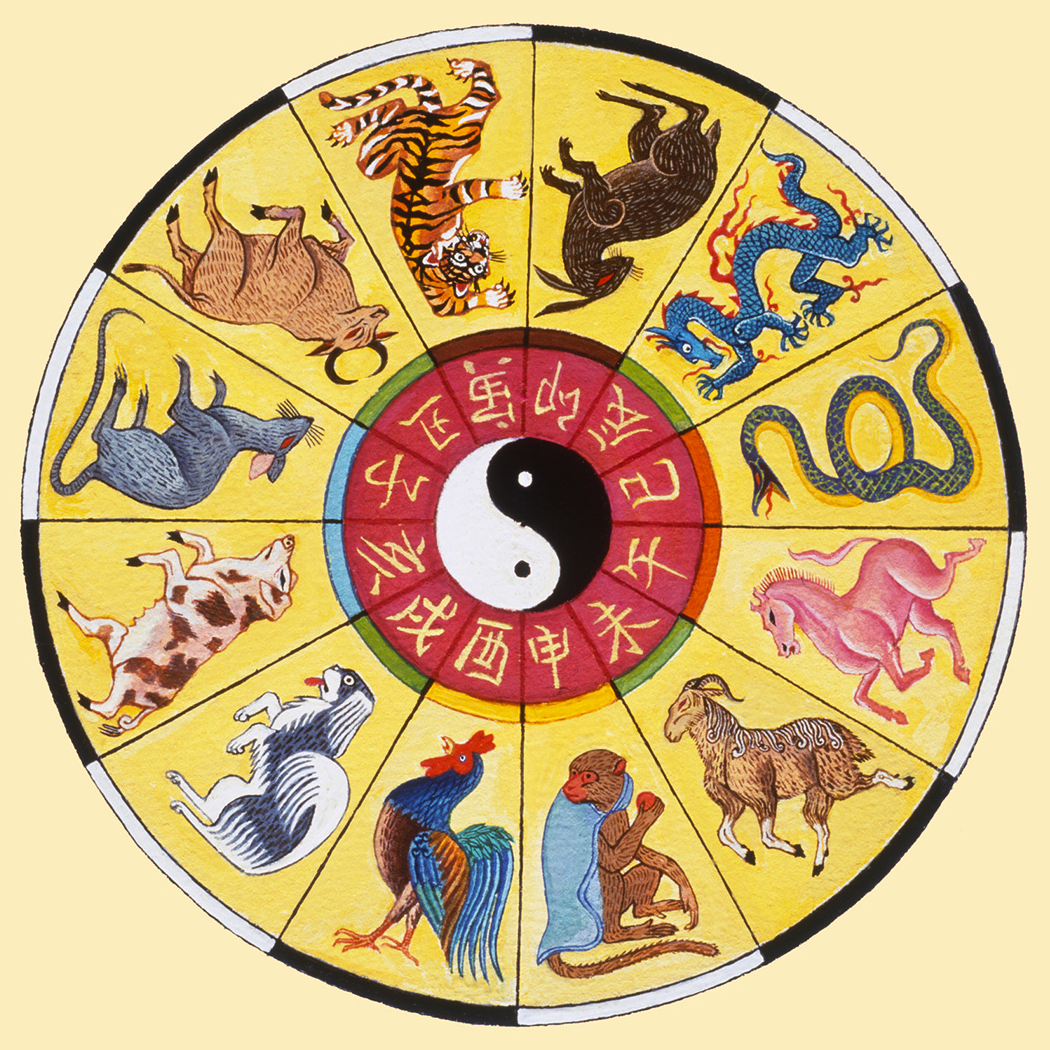
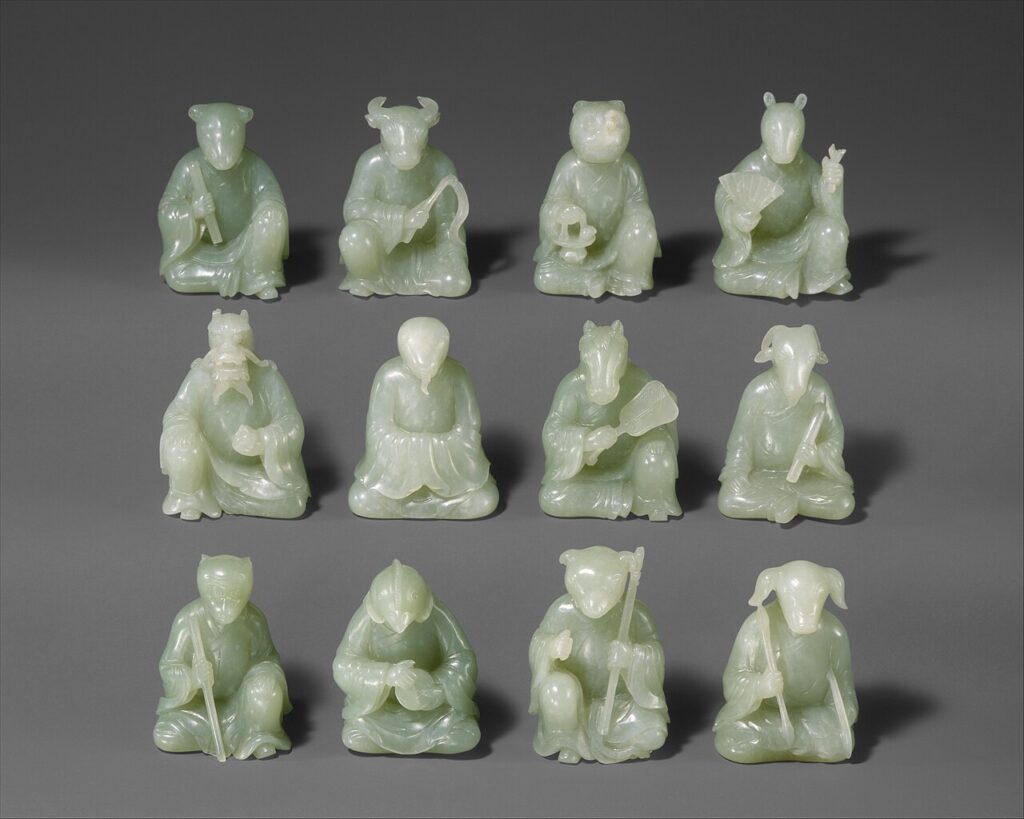
The best-loved explanation for the zodiac’s order is the legend of the Great Race. The Jade Emperor, ruler of heaven, announced a race across a great river and declared that the twelve animals who finished would each be given a year, in the order they arrived. The Rat, small and clever, hitched a ride on the back of the strong, steady Ox, then leapt ahead at the finish to take first place. The Ox came second, followed by the Tiger and Rabbit, with the Dragon fifth, having stopped to bring rain to a village. The Snake startled the Horse to slip into sixth, pushing the Horse into seventh. The Goat, Monkey, and Rooster worked together on a raft to come next, the Dog was distracted by a bath, and the Pig, who stopped to eat and nap, arrived last. The cat, in the versions that include it, was tricked by the Rat and missed the race entirely, which is why no year bears its name in China.
The story is a teaching tale as much as an origin myth, rewarding cleverness, cooperation, and persistence, and it conveniently fixes the order every Chinese child learns: Rat, Ox, Tiger, Rabbit, Dragon, Snake, Horse, Goat, Monkey, Rooster, Dog, Pig.
How the Chinese Zodiac Actually Works
Beneath the legend lies a real astronomical and calendrical system. The twelve-year animal cycle is widely linked to the orbit of Jupiter, which circles the sun in roughly twelve years, so that each year corresponds to one segment of Jupiter’s journey. Each year is assigned one of the twelve animals, formally called the earthly branches, and the cycle repeats every twelve years.
Your sign is set by the year of your birth in the lunisolar calendar, which carries one important catch: the year does not turn on January 1 but at Chinese New Year, in late January or February. Anyone born in the weeks before the festival belongs to the previous zodiac year, not the calendar year, a detail that trips up many people who simply read their sign off their birth year. To learn exactly when the new year begins and how the calendar is calculated, see our complete guide to Chinese New Year.
The Five Elements and the Sixty-Year Cycle
The animals are only half of the system. Each sign is also paired with one of the five elements: wood, fire, earth, metal, and water. The element changes every two years and cycles through all five, so that it takes sixty years, twelve animals multiplied by five elements, for any exact animal-and-element combination to come around again. This is the sexagenary cycle, the traditional sixty-year count formed by combining ten heavenly stems with the twelve earthly branches.
The practical result is that no two people born sixty years apart share quite the same astrological signature, and that each Horse year has a distinct flavour. A Wood Horse differs in character from a Fire Horse or a Water Horse. The year 2026 is a Fire Horse year, the pairing of the Horse with the Fire element, which last occurred in 1966 and will not return until 2086.
The Horse in the Zodiac
The Horse is the seventh of the twelve signs and one of the most admired. It sits at the midday position in the daily cycle, between eleven in the morning and one in the afternoon, the hours when the sun is at its height and yang energy is strongest, which fits the animal’s bright, active reputation. People born in Horse years are traditionally described as energetic, independent, warm-hearted, and quick-witted, lovers of freedom and movement who chafe at restriction. The same restlessness is said to make them impatient and prone to acting before thinking, the shadow side of all that vitality.
When Are the Years of the Horse?
Because the animal cycle repeats every twelve years, the recent and upcoming Horse years are easy to list: 1930, 1942, 1954, 1966, 1978, 1990, 2002, 2014, 2026, and 2038. Reading down the column, each is also coloured by its element. The 1990 Horse was a Metal Horse, the 2002 a Water Horse, the 2014 a Wood Horse, and 2026 is a Fire Horse, the same pairing as 1966.
The Fire Horse and the Events of 1966
The Fire Horse carries a reputation unlike any other year, and the clearest evidence of its grip comes from Japan. An old superstition held that women born in a Fire Horse year would be strong-willed and difficult, bringing misfortune to their husbands. The belief was potent enough that in 1966, the last Fire Horse year, Japan recorded a sharp, deliberate drop in its birth rate, as couples avoided having children, especially daughters, that year. The episode is a striking real-world example of how seriously zodiac beliefs were once taken, and it is often raised in discussions of what the 2026 Fire Horse year might mean.
The Horse in Chinese Art and Symbolism
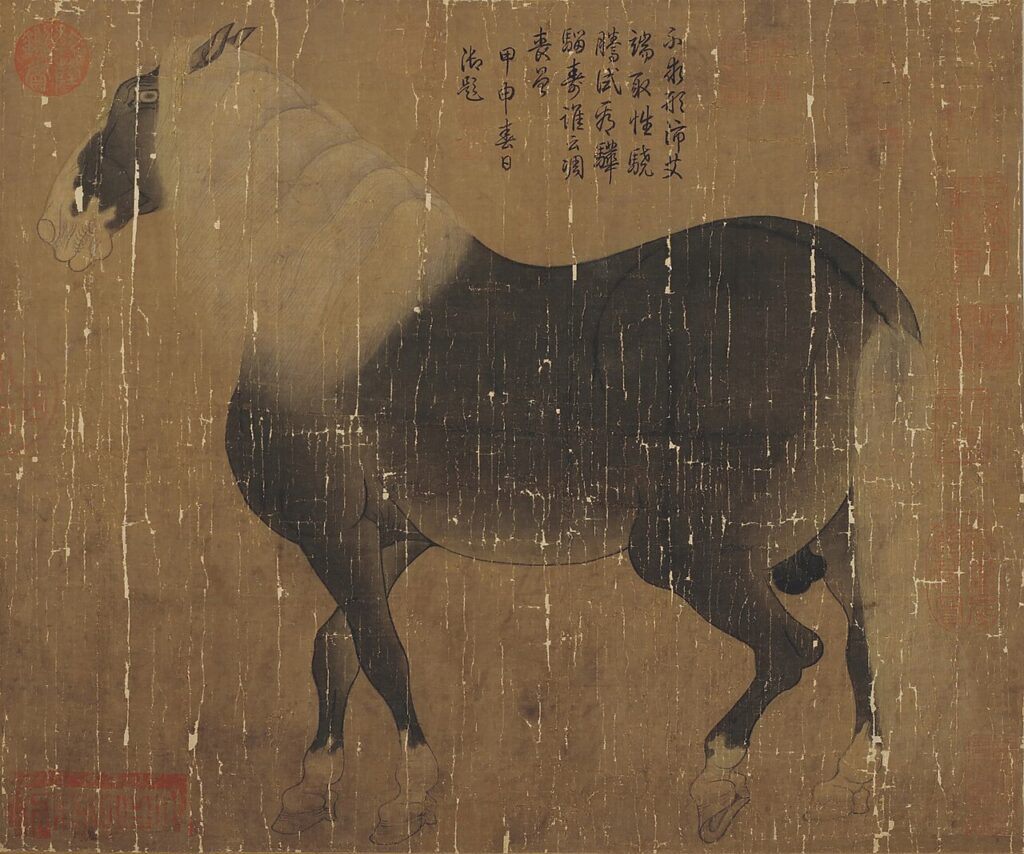
Few animals appear more often in Chinese art than the horse, a symbol of speed, strength, loyalty, and success. The Tang-dynasty painter Han Gan became legendary for his horses, said to be so lifelike they might step off the silk, and centuries later the court painter Giuseppe Castiglione produced sweeping handscrolls of horses for the Qing emperors.

The horse also lives in the language. The four-character phrase mǎ dào chéng gōng (马到成功), literally “the horse arrives, success follows,” is one of the most popular New Year blessings, wishing the recipient swift and certain success. Horses pulled the chariots of kings, carried armies, and in legend drew the carriage of the sun, so the animal has long stood for ambition realised at speed, an especially fitting emblem for the energy of a Horse year.
How the Zodiac Still Shapes Life Today
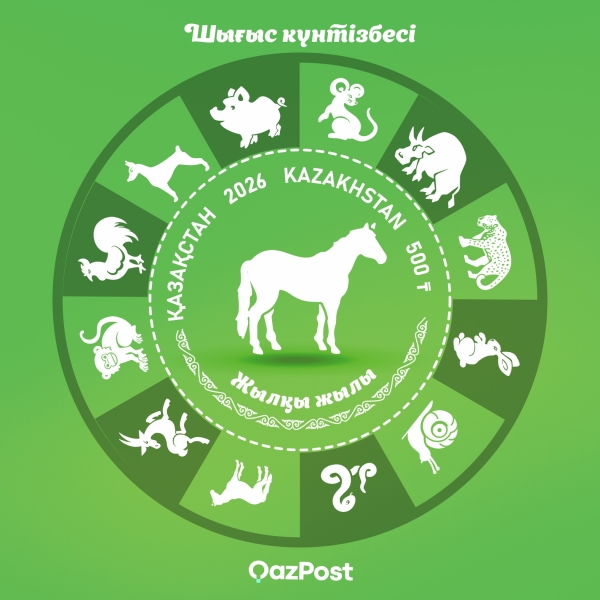
The zodiac is far from a museum piece. Many people still check sign compatibility before a serious relationship or marriage, consult the animal of the year when timing a wedding or the launch of a business, and feel a quiet pull toward having a child in an auspicious year, with Dragon years in particular producing visible baby booms. Brands release zodiac-themed products each New Year, and even national postal services around the world issue Year of the Horse stamps.
For most, the zodiac today is less a rigid belief than a cultural language, a way of talking about character, fate, and timing that connects the present to a tradition thousands of years old. If you want to know what the system says about you personally, our guide to the Year of the Horse personality, fortune, and love compatibility reads the signs for 2026.
The Twelve Animals at a Glance
Each of the twelve signs carries a cluster of traits that Chinese tradition associates with people born in its years. Here is the full roster, in order:
- Rat: clever, resourceful, and quick, with a talent for spotting opportunity; can be restless and opportunistic.
- Ox: diligent, dependable, and patient, a steady worker; can be stubborn and slow to change.
- Tiger: brave, confident, and competitive, a natural leader; can be impulsive and headstrong.
- Rabbit: gentle, elegant, and kind, sensitive to others; can be timid and conflict-averse.
- Dragon: ambitious, charismatic, and lucky, the most prestigious sign; can be proud and demanding.
- Snake: wise, intuitive, and graceful, a deep thinker; can be private and hard to read.
- Horse: energetic, independent, and warm, a lover of freedom; can be impatient and impulsive.
- Goat: gentle, artistic, and compassionate, calm under pressure; can be indecisive and a worrier.
- Monkey: clever, playful, and inventive, endlessly curious; can be mischievous and easily bored.
- Rooster: observant, hardworking, and honest, with an eye for detail; can be blunt and critical.
- Dog: loyal, honest, and protective, a true friend; can be anxious and quick to worry.
- Pig: generous, sincere, and easy-going, a peacemaker; can be naive and over-trusting.
What the Five Elements Mean
The element attached to a sign shades its character, and each of the five carries its own associations. Wood stands for growth, creativity, and cooperation; Fire for passion, energy, and leadership; Earth for stability, patience, and practicality; Metal for determination, discipline, and ambition; and Water for wisdom, adaptability, and intuition. A Fire Horse therefore reads as doubly energetic, while a Water Horse would seem more reflective and a Metal Horse more driven.
The elements also interact through two famous cycles. In the productive cycle, each element gives rise to the next: wood feeds fire, fire forms earth as ash, earth yields metal, metal carries water, and water nourishes wood. In the controlling cycle, each element checks another: water quenches fire, fire melts metal, metal cuts wood, wood parts earth, and earth dams water. These relationships underpin much of Chinese astrology and traditional medicine, and they are why practitioners pay attention not just to your animal but to how its element sits with the element of a given year.
The Zodiac and the Twelve Hours
The same twelve animals also divide the day. Traditional Chinese timekeeping split the day into twelve two-hour periods, each ruled by one of the zodiac animals. The Horse governs the hours from eleven in the morning to one in the afternoon, the brightest part of the day, while the Rat rules the dark hours around midnight. This is why the Horse is so firmly linked to yang energy, sunlight, and vigour: its place in the daily cycle is high noon itself, the moment of greatest light and warmth.
Famous People Born in Horse Years
Horse years have produced a long list of notable figures across every field. Among those born in the years of the Horse are the actors Harrison Ford and Denzel Washington, the musicians Paul McCartney and Aretha Franklin, the boxer Muhammad Ali, the broadcaster Oprah Winfrey, and the martial artist and actor Jackie Chan. More recent Horse years count Emma Watson and Jennifer Lawrence among them. Whether or not their lives reflect the sign, the breadth of the list fits the Horse’s reputation for energy, independence, and a drive to be seen.
How to Read Your Own Sign Correctly
Finding your sign is mostly a matter of your birth year, but two traps catch people out. The first is the calendar boundary: because the zodiac year begins at Chinese New Year, not on January 1, anyone born in January or the first weeks of February needs to check the exact date of that year’s festival. A person born on February 10 in a given year may belong to the previous animal, not the one most charts would assign from the calendar year alone. The second is the element. To know whether you are a Wood, Fire, Earth, Metal, or Water version of your animal, you pair the animal with the element of your birth year in the sixty-year cycle, which is why two people who share an animal can still have noticeably different astrological profiles.
Traditional astrology goes further still, assigning a secondary animal based on the month of birth and even an “hour animal” based on the two-hour period of birth, building a fuller portrait than the birth-year sign alone. For most people, though, the year animal and its element are all they ever need to know.
The Zodiac Beyond China
The Chinese zodiac travelled with Chinese culture across Asia and took on local variations along the way. Vietnam uses almost the same twelve animals but replaces the Rabbit with the Cat and emphasises the Water Buffalo over the Ox. Japan and Korea both adopted the same twelve signs, though Japan now attaches them to the Gregorian year rather than the lunar one. Thailand, Cambodia, and other societies in the region carry their own versions as well. These differences are part of the larger story of how the Lunar New Year itself varies from country to country, which we cover in our guide to Lunar New Year versus Chinese New Year.
The Horse in Idiom and Spirit
The horse gallops through the Chinese language in a way few animals do. The phrase lóngmǎ jīngshén (龙马精神), the “spirit of the dragon-horse,” is a New Year wish for vigour and vitality, invoking a mythical creature that combines the power of the dragon with the energy of the horse. Yìmǎ dāngxiān (一马当先) describes someone who takes the lead and charges ahead, while mǎdào chénggōng (马到成功) wishes swift and certain success. Even the everyday word for “immediately,” mǎshàng (马上), literally means “on horseback,” a reminder of an age when nothing was faster than a galloping horse. In legend, King Mu of Zhou was said to travel the world in a chariot drawn by eight famous steeds, and horses have stood ever since for speed, loyalty, ambition, and the swift arrival of good fortune.
The Zodiac in Feng Shui and Daily Decisions
Beyond describing character, the zodiac is a working tool in traditional decision-making. The Chinese almanac, the Tong Sheng, uses the animal of the day and its interaction with a person’s own sign to identify auspicious and inauspicious dates for important events, from weddings and moving house to opening a business or signing a contract. Feng shui practitioners weigh zodiac compatibility when advising on partnerships and family matters, and many people still quietly consult a sign’s fortunes before a major commitment. The system also feeds the desire to time births well: parents may hope for a child in a year whose animal is considered fortunate or compatible with their own.
Why Some Zodiac Years See Baby Booms
The belief that the year of your birth shapes your luck has real demographic effects. Dragon years, considered the most auspicious of all, reliably produce a noticeable rise in births across East Asian societies, as couples try to give their children the Dragon’s supposed advantages. The Fire Horse works in the opposite direction: the superstition that Fire Horse women are difficult led to a measurable drop in Japan’s births in 1966, the last Fire Horse year. These swings show that the zodiac is not merely decorative; for many families it still carries enough weight to influence one of life’s biggest decisions, which is part of why each new animal year arrives with so much commentary about what it will bring.
From Bronze Age Roots to a Global Symbol
The system did not appear all at once. Its building blocks, the earthly branches and heavenly stems, are very old, appearing in inscriptions from ancient China where they were used to count days long before they were tied to animals. The familiar twelve-animal scheme came together and spread widely during the Han dynasty, after which it became the everyday way ordinary people understood the year of their birth. Two thousand years later it has gone global: Lunar New Year stamps featuring the year’s animal are issued by postal services from Kazakhstan to the United States, and the question “what’s your Chinese sign?” is asked far beyond Asia, a small but durable export of one of the world’s oldest calendrical traditions.
An Ancient System, Still Turning
From a mythical river race to the orbit of Jupiter, the Chinese zodiac has carried a remarkable amount of meaning across the centuries, ordering time, describing character, and shaping the small and large decisions of daily life. The Horse that gallops into 2026 brings with it not just a year but a whole history of speed, freedom, and the promise that success is on its way.
Frequently Asked Questions
How did the Chinese zodiac originate?
The zodiac is a twelve-year cycle in which each year is represented by an animal. Folklore explains the order through the legend of the Great Race held by the Jade Emperor, while the twelve-year span itself is widely linked to the roughly twelve-year orbit of Jupiter.
What is the order of the Chinese zodiac animals?
The fixed order is Rat, Ox, Tiger, Rabbit, Dragon, Snake, Horse, Goat, Monkey, Rooster, Dog, and Pig. The Horse is the seventh sign and governs 2026.
Why is there no cat in the Chinese zodiac?
In the most popular version of the Great Race legend, the Rat tricked the Cat so that it missed the race entirely and was left out of the cycle. Vietnam, however, does include a Cat in place of the Rabbit.
What is the Year of the Fire Horse?
Each zodiac animal is also paired with one of the five elements. A Fire Horse year combines the Horse with the Fire element, a pairing that occurs once every sixty years. The year 2026 is a Fire Horse year, the first since 1966.
How is my Chinese zodiac sign determined?
Your sign is set by the year of your birth in the lunisolar calendar. Because the year turns at Chinese New Year rather than on January 1, anyone born in the weeks before the festival belongs to the previous zodiac year.
What is the sixty-year cycle?
Combining the twelve animals with the five elements produces a sixty-year cycle, known as the sexagenary cycle, after which an exact animal-and-element combination repeats. It is formed from ten heavenly stems and twelve earthly branches.