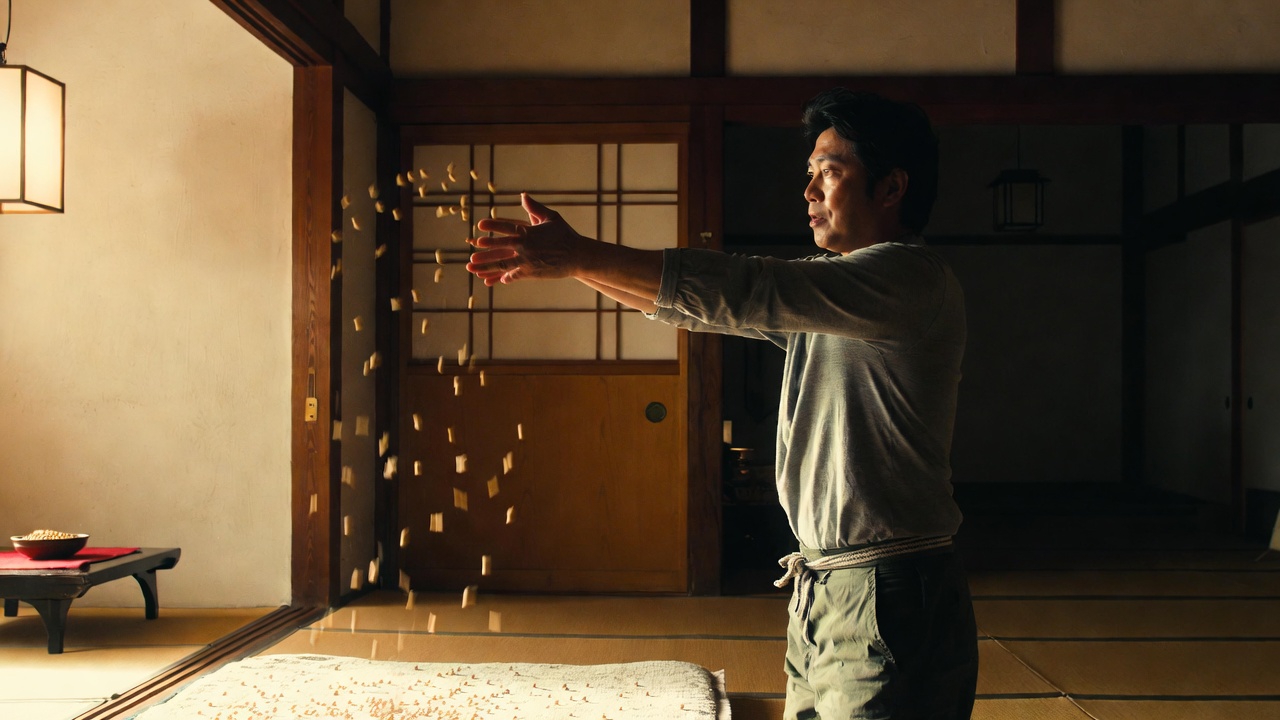
Every year on February 3, millions of Japanese families open their front doors and hurl roasted soybeans into the cold night air. They shout a phrase that has echoed through Japanese homes for centuries: “Oni wa soto! Fuku wa uchi!” — Demons out! Good fortune in!
This is mamemaki (豆まき), the beloved bean-throwing ritual at the heart of Setsubun (節分), Japan’s seasonal celebration that marks the symbolic end of winter and the threshold of spring. In 2026, Setsubun falls on Tuesday, February 3, and the lucky direction — called eho (恵方) — is south-southeast. The zodiac animal for the year is the Horse (午, Uma), making this a particularly energetic and auspicious year in the traditional Japanese calendar.
But here is the thing most travel guides leave out: you do not need to visit a grand shrine in Kyoto or a famous temple in Tokyo to celebrate Setsubun properly. Mamemaki was born as a household ritual. Its roots run deepest in the living rooms, kitchens, and entryways of ordinary family homes. Whether you live in Osaka, Ontario, Oregon, or anywhere else in the world, you can bring this centuries-old tradition to life under your own roof.
This guide walks you through every detail. From the history behind the beans to the correct chanting sequence, from making your own oni mask to preparing ehomaki sushi rolls — this is everything you need for a successful, respectful, and joyful home mamemaki in 2026.
What Is Setsubun and Why Does Japan Celebrate It Every February?
The word Setsubun (節分) translates literally as “seasonal division.” It refers to the day just before Risshun (立春), the first day of spring in the traditional Japanese lunisolar calendar. While the term historically applied to all four seasonal transitions — spring, summer, autumn, and winter — modern Japan celebrates only the spring Setsubun. This is because the arrival of spring was once considered the start of a new year under the old calendar, making it the most spiritually significant seasonal shift.
In the ancient Japanese worldview, the boundary between seasons was a moment of vulnerability. People believed that the gap between winter and spring allowed oni (鬼) — fearsome demon-like creatures representing misfortune, disease, and disaster — to slip into the human world. Setsubun rituals developed as a way to seal that gap, cleanse the household of lingering bad luck, and invite fresh blessings for the months ahead.
Setsubun is not a national holiday in Japan. Schools and offices remain open. Yet the celebration is deeply embedded in everyday life. From mid-January onward, supermarkets and convenience stores across the country fill their shelves with bags of roasted soybeans, paper oni masks, and pre-made ehomaki sushi rolls. Children craft demon masks at kindergartens and daycare centers. Families gather at home in the evening for mamemaki. It is one of those quiet, warm traditions that reveals how Japanese culture treats the ordinary rhythms of the year with genuine care.
Setsubun 2026 Key Facts at a Glance
| Detail | 2026 Information |
|---|---|
| Date | Tuesday, February 3 |
| Lucky direction (eho) | South-southeast |
| Zodiac animal | Horse (午 / Uma) — Year of the Fire Horse |
| Main ritual | Mamemaki (bean throwing) |
| Traditional food | Ehomaki, roasted soybeans, grilled sardines |
| Common chant | “Oni wa soto! Fuku wa uchi!” |
The History and Origins of Mamemaki Bean Throwing in Japan
Understanding mamemaki’s origins helps you practice the ritual with proper awareness. This is not a random custom. It carries centuries of spiritual thought and cultural meaning.
From Ancient China to the Japanese Imperial Court
Setsubun traces its roots to a Chinese court ceremony called Tsuina (追儺), a ritual designed to drive away evil spirits and plague. According to the Shoku Nihongi, a classical Japanese historical text, Tsuina was first performed in Japan in the year 706, during the Nara period. At that time, the ceremony took place at the imperial palace on New Year’s Eve. Court officials used peach-wood bows and reed arrows to symbolically banish demonic forces — no beans were involved yet.
The figure who performed the exorcism was called the Hōsōshi (方相氏), a fearsome-looking shaman. Over time, people began to confuse the shaman’s terrifying appearance with the demons he was supposed to drive away. This misunderstanding is believed to be one reason that oni imagery became permanently linked with Setsubun rituals.
Beans Enter the Picture in the Muromachi Period
The practice of throwing beans specifically became established during the Muromachi period (1336–1573). According to the Ainōshō, a dictionary compiled during this era, the custom originated from a legend set in the 10th century, during the reign of Emperor Uda. The story describes a monk on Mount Kurama who defeated a demon by throwing roasted soybeans at its eyes.
By the Edo period (1603–1867), mamemaki had spread from aristocratic and samurai households to common people across Japan. Temples, shrines, and family homes all adopted the custom. It was also during this period that the tradition of placing grilled sardine heads on holly branches at house entrances became widespread.
Why Soybeans? The Wordplay Behind the Beans
The choice of soybeans is not accidental. It comes from a deeply Japanese love of word association and pun. The Japanese word for beans — mame (豆) — can also be written with characters meaning “demon’s eyes” (魔目, mame). Furthermore, the pronunciation echoes the word mametsu (魔滅), meaning “to destroy evil.” So the act of throwing beans literally enacts the destruction of demons through their own eyes.
The beans must be roasted, not raw. This is important. Raw beans that sprout after being thrown were traditionally considered unlucky — a sign that evil had taken root rather than been expelled. Roasting ensures the beans are purified by fire and will never grow.
Step-by-Step Guide: How to Do Mamemaki at Home the Traditional Way
Now we arrive at the practical heart of this guide. Below is a step-by-step walkthrough for conducting mamemaki at home in 2026, following traditional Japanese customs as closely as possible.
Step 1: Gather Your Mamemaki Supplies
You will need the following items:
- Roasted soybeans (fukumame / 福豆): These are sold in bags at every Japanese supermarket and convenience store during the Setsubun season. They are often packaged with a paper oni mask. If you live outside Japan, look for roasted soybeans (also called soy nuts) at Asian grocery stores or online retailers. You can also roast dried soybeans at home by baking them at 180°C (350°F) for about 20–25 minutes until golden and crunchy.
- An oni mask: Store-bought paper masks are the easiest option. You can also make one using a paper plate, colored paper, toilet paper rolls for horns, and yarn for wild hair. Homemade masks are a wonderful craft activity for children.
- A masu box (optional): A small square wooden box called a masu (枡) is the traditional container for holding beans during mamemaki. Originally used for measuring rice and serving sake, the masu adds an authentic touch. Any small bowl or container will also work.
Tip for those living outside Japan: If Japanese roasted soybeans are unavailable, you may use unshelled peanuts as a substitute. Families in Hokkaido, Tohoku, and parts of Kyushu commonly use peanuts instead of soybeans. The shells keep the beans sanitary even after being thrown on the floor, and they are much easier to find in the snow — a practical concern in Japan’s northern regions.
Step 2: Decide Who Plays the Oni and Who Throws the Beans
In Japanese families, mamemaki is usually a group activity. Here is the traditional arrangement:
- The bean thrower: Tradition holds that the person who throws the beans should be the toshiotoko (年男) — a man born in the same zodiac year as the current year. Since 2026 is the Year of the Horse, any man in the household born in a Horse year (2002, 1990, 1978, 1966, etc.) would be the ideal thrower. If there is no toshiotoko, the male head of the household traditionally performs the role. In modern practice, any family member can throw the beans. Many families let children take the lead, which makes the event especially fun and memorable for young ones.
- The oni: Someone wears the demon mask and pretends to enter the house, bringing bad luck. This role is usually played by the father, which creates the comical scenario of children pelting their dad with soybeans. The oni player should be dramatic — growling, stomping, and generally acting fearsome to make the ritual exciting.
Step 3: Wait Until Evening — Oni Come at Night
This detail is often overlooked, but it matters. Traditionally, mamemaki should be performed in the evening. According to Japanese folklore, oni are creatures of darkness. They emerge at night, which is when homes are most vulnerable. Performing the ritual after sunset follows the original spiritual logic of the tradition.
Gather all family members at home before starting. The whole household should participate for the ritual to be complete.
Step 4: Open All Doors and Windows
Before you begin throwing beans, open every door and window in your home. The purpose of mamemaki is to drive demons out. If exits are sealed, the oni have nowhere to go. Opening the house creates a clear path for the evil spirits to leave.
Step 5: Throw the Beans and Chant the Words
Now comes the main event. The bean thrower (or the entire family) takes a handful of roasted soybeans and begins the ritual:
- Start at the entrance or any door leading outside. Throw beans outward through the open door while shouting: 「鬼は外!」 (Oni wa soto!) — “Demons out!”
- Immediately close the door after throwing, to prevent the expelled demons from sneaking back in.
- Move to the interior of the house. Throw beans inward — into rooms, toward corners — while shouting: 「福は内!」 (Fuku wa uchi!) — “Good fortune in!”
- Repeat this process room by room, moving from the back of the house toward the front, or from upper floors downward. The goal is to sweep evil out and seal good luck in.
If someone is playing the oni with a mask, the rest of the family chases them through the house, pelting them with soybeans. The oni retreats toward the door, gets driven out, and the door is slammed shut behind them before the demons can recover. This is the classic home mamemaki scene — loud, chaotic, and full of laughter.
Step 6: Eat Your Age in Beans for Good Health
Once the bean throwing is complete, sit down together as a family and eat roasted soybeans. The rule is simple: eat one bean for each year of your age, plus one extra for good luck in the coming year. This tradition, called toshitori-mame (年取り豆), is believed to bring good health and protection from illness.
For older family members who find it difficult to eat dozens of hard beans, there is an alternative: fuku-cha (福茶), or “fortune tea.” Place three lucky beans (three is a fortunate number in Japanese culture), a piece of salted kombu kelp, and an umeboshi pickled plum in a cup. Pour hot water over them. This warm, simple drink is said to carry the same protective benefits as eating the beans.
Step 7: Clean Up Thoroughly
After mamemaki, pick up every bean. This is not just about tidiness — it is part of the tradition. As noted by travel guide MATCHA, beans left out on the ground were traditionally considered unlucky because they might sprout. Gathering them all ensures no trace of the ritual turns into a symbol of lingering misfortune.
Regional Mamemaki Variations: How Different Parts of Japan Throw Beans
One of the most charming aspects of Setsubun is how each region of Japan puts its own stamp on the celebration. If you are adapting mamemaki for your home, these regional differences may inspire creative variations.
Peanuts Instead of Soybeans in Hokkaido and Tohoku
In Japan’s snowy northern regions — particularly Hokkaido, Tohoku, Niigata, and Fukushima prefectures — families throw peanuts in their shells instead of soybeans. The reason is wonderfully practical: soybeans thrown outside in deep snow vanish and become impossible to collect. Peanut shells are larger, easier to spot against white snow, and more hygienic since the edible nut stays protected inside the shell. Some areas in southern Kyushu, such as Kagoshima and Miyazaki, also use peanuts because the region is a major peanut-growing area.
Unique Chants Across Japan
While “Oni wa soto! Fuku wa uchi!” is the standard nationwide chant, many communities have developed their own versions:
| Region/Temple | Chant | Meaning |
|---|---|---|
| Most of Japan | Oni wa soto! Fuku wa uchi! | Demons out! Fortune in! |
| Aizuwakamatsu, Fukushima | Oni no medama buttsubuse! | Blind the demons’ eyes! |
| Naritasan Shinshoji Temple | Fuku wa uchi! (only) | Fortune in! (No “demons out” — the temple’s deity is believed to reform demons rather than banish them) |
| Some temples enshrining Kannon | Fuku wa uchi! (only) | Same reasoning — it is believed there are no oni in the presence of Kannon Bodhisattva |
The Watanabe Family Exception
Here is a fascinating piece of Setsubun trivia. Families with the surname Watanabe (渡辺) have traditionally been exempt from mamemaki. Why? Because Watanabe no Tsuna, a legendary samurai retainer of Minamoto no Yorimitsu during the Heian period, is famous for vanquishing the most powerful oni in Japanese folklore — including Shuten-dōji and Ibaraki-dōji. The belief holds that oni are so terrified of anyone named Watanabe that they avoid their homes entirely. With roughly 1.08 million people bearing the Watanabe surname in Japan, that is a lot of households where the demons never dare knock.
How to Make Hiiragi Iwashi: The Sardine and Holly Demon Ward for Your Front Door
Mamemaki drives the demons out. But how do you keep them from coming back? That is where Hiiragi Iwashi (柊鰯) comes in — one of Setsubun’s oldest and most visually striking traditions.
What Is Hiiragi Iwashi?
Hiiragi Iwashi is a protective charm made by skewering a grilled sardine head onto a sprig of holly and placing it near the front entrance of a home. The charm works on two fronts: the sharp, spiky holly leaves are believed to prick the eyes of approaching oni, while the pungent smell of the grilled sardine repels them. Together, these elements form a powerful spiritual barrier.
The tradition dates back to at least the Heian period. The earliest known reference appears in the Tosa Nikki (Tosa Diary), written by the poet Ki no Tsurayuki around 935 CE. At that time, the charm used a mullet head rather than a sardine, and it was attached to a shimenawa (sacred rope) hung over the gate during New Year celebrations. Over the centuries, the custom evolved into its current sardine-and-holly form.
How to Make Hiiragi Iwashi at Home
Materials:
- 1–2 whole sardines (iwashi)
- A sprig of holly with leaves attached (hiiragi)
- String or thin wire (optional, for securing)
Steps:
- Grill the sardines whole on a stove-top grill, oven broiler, or open flame until the skin is charred and the head is cooked through. The stronger the smell, the better — you want the aroma to ward off demons.
- Eat the sardine body as part of your Setsubun dinner. Sardines grilled with salt pair beautifully with rice and miso soup.
- Save the head. Pierce the sardine head through the eye or gill onto the tip of the holly branch.
- Place the hiiragi iwashi next to your front door, facing outward. Some families attach it to the doorframe; others place it in a small vase or tie it to a nail.
This custom is most common in western Japan, particularly in the Nara and Kansai regions, though it can be seen in parts of Kanto as well. In Kyoto, the practice is actually quite rare in modern times, though neighboring Nara still has many households that display it.
Modern alternative: If you cannot obtain sardines or holly where you live, you can create a symbolic version using craft materials. The act of making the charm together as a family carries its own meaning, connecting your household to centuries of Japanese protective tradition.
How to Eat Ehomaki for Good Luck on Setsubun Night 2026
No modern Setsubun celebration is complete without ehomaki (恵方巻き) — the “lucky direction sushi roll” that has become one of Japan’s most popular seasonal foods. While ehomaki is a relatively recent nationwide tradition compared to mamemaki, it has firmly established itself as an essential part of the February 3 experience.
What Is Ehomaki and Where Did It Come From?
Ehomaki is a thick, uncut sushi roll (futomaki) traditionally filled with seven ingredients, each representing one of the Seven Lucky Gods (Shichifukujin / 七福神) of Japanese folklore. The custom of eating ehomaki on Setsubun originated in the Kansai region, particularly in the Osaka area, where it was practiced among merchants and geisha communities as early as the Edo to Meiji periods. The tradition remained a regional curiosity until the 1990s, when major convenience store chains — beginning with 7-Eleven’s nationwide campaign — turned ehomaki into a national phenomenon.
Today, every supermarket, convenience store, and department store food hall in Japan sells ehomaki in the days leading up to Setsubun. In 2026, retailers like 7-Eleven, Lawson, and FamilyMart are offering expanded lineups that include traditional rolls alongside modern variations like Korean-style kimbap rolls, salad ehomaki, and even dessert versions made with sponge cake and fruit.
The Three Rules for Eating Ehomaki
Eating ehomaki is not quite like eating ordinary sushi. There are three important rules you must follow for the luck to work:
- Face the lucky direction (eho) for the year. In 2026, the lucky direction is south-southeast. This direction is determined by the position of Toshitokujin (歳徳神), the deity of good fortune for the year. Use a compass app on your phone to find it precisely.
- Eat the entire roll without cutting it. The uncut roll symbolizes unbroken fortune. Slicing the ehomaki is believed to “cut” your luck for the year. Hold the full roll in both hands and eat it from one end.
- Eat in complete silence. Do not speak while eating. Focus your mind on a wish for the coming year. It is believed that speaking aloud allows your luck to escape. Eat the entire roll in silence, concentrating on your heart’s desire.
Traditional Seven Ingredients for Ehomaki
The number seven is considered lucky in Japanese culture, and ehomaki traditionally contains seven fillings. While there are no strict rules about which ingredients to use, the following are the most classic choices:
| Ingredient | Japanese Name | Symbolic Meaning |
|---|---|---|
| Cucumber | Kyūri (きゅうり) | Named for “nine benefits” (kyū-ri, 九利) |
| Eel (conger or freshwater) | Unagi / Anago | Rising success (eels swim upstream) |
| Sweetened egg omelet | Tamagoyaki (玉子焼き) | Gold and wealth (golden color) |
| Dried gourd strips | Kanpyō (干瓢) | Long life and strong bonds |
| Shiitake mushroom | Shiitake (椎茸) | Protection from harm |
| Pink fish flakes | Sakura denbu (桜でんぶ) | Celebration and beauty |
| Shrimp | Ebi (海老) | Longevity (the curved shape resembles an elderly person’s bent back) |
You are free to customize your fillings. Modern ehomaki in Japan feature everything from grilled wagyu beef to avocado and cream cheese. The important thing is that the roll contains seven different ingredients and remains uncut.
Making Ehomaki at Home
If you want to make ehomaki from scratch, here is a simplified approach:
- Prepare sushi rice. Cook short-grain Japanese rice and season it with rice vinegar, sugar, and salt while it is still warm.
- Prepare your seven fillings. Cut ingredients into long strips that will run the full length of the roll.
- Lay a sheet of nori (seaweed) on a bamboo rolling mat (makisu). Spread the sushi rice evenly over the nori, leaving about 2 cm bare at the top edge.
- Arrange the fillings in a line across the center of the rice.
- Roll tightly using the bamboo mat, pressing firmly. Seal the edge with a little water.
- Do not cut. Serve the roll whole.
Alternatively, buying a pre-made ehomaki from a Japanese grocery store is perfectly acceptable. As noted by FUN! JAPAN, store-bought rolls carry the same symbolic value as homemade ones.
Setsubun Safety Tips: Mamemaki with Young Children and Elderly Family Members
Setsubun is a family-friendly celebration, but there are real safety considerations that responsible households should know about.
Soybean Choking Hazard for Young Children
Japan’s Consumer Affairs Agency and the National Center for Child Health and Development issue warnings every year about the risk of young children choking on roasted soybeans during mamemaki. Hard, round soybeans can lodge in the airway of small children who do not yet have the molars needed to chew them properly.
As reported by Japan Today, health officials warn that a soybean can become lodged in a child’s bronchial tract and remain undetected for one or two days. Tragically, in 2020, a four-year-old child in Shimane Prefecture died after choking on a soybean during a Setsubun event at a childcare center.
Safety recommendations:
- Children under five years old should not eat whole roasted soybeans. Let them participate in throwing, but supervise them closely and do not allow them to eat the beans.
- Consider using individually wrapped small snacks or candies instead of loose soybeans for the throwing portion. This is a common modern adaptation in many Japanese households.
- Peanuts in shells are a safer alternative for throwing, as the shells make accidental swallowing less likely.
- If you have toddlers, keep loose beans off the floor during and after the event. Crawling babies can find and mouth stray soybeans.
Ehomaki Choking Risk
The tradition of eating an entire ehomaki roll without stopping can also pose a choking risk, particularly for elderly family members or anyone with swallowing difficulties. Encourage older adults to eat slowly and take small bites. Having water or tea nearby is wise. The spirit of the tradition matters more than rigid adherence — cutting the roll into smaller pieces for safety is a kindness, not a violation.
How to Make an Oni Mask at Home: A Fun Setsubun Craft for Kids
Half the fun of mamemaki is the oni. While store-bought paper masks are readily available in Japan’s convenience stores, crafting your own demon mask at home adds a personal and creative element to the celebration — especially for children.
Simple Oni Mask Using a Paper Plate
Materials:
- A sturdy paper plate
- Red, blue, or green paint or construction paper
- Toilet paper rolls or cardboard cones (for horns)
- Yarn or curled paper strips (for wild hair)
- Markers or crayons
- Glue, tape, scissors
- Elastic string or a chopstick to hold the mask
Steps:
- Paint the plate in a bold color. Traditional oni are most commonly red (aka-oni) or blue (ao-oni), but green, yellow, and black oni also appear in Japanese folklore. Each color carries a different symbolic meaning — red represents greed and desire; blue represents anger and hatred.
- Cut out eye holes.
- Attach horns to the top of the plate using toilet paper rolls wrapped in yellow or gold paper. Oni typically have one or two horns.
- Draw a fierce face with thick eyebrows, sharp teeth, and a wide snarl. The more intimidating, the better.
- Add wild hair using yarn, ribbon, or curled strips of paper in dark colors.
- Attach elastic string through holes on either side so the mask can be worn, or glue a chopstick to the bottom as a handle.
In Japanese kindergartens and daycare centers, mask-making is one of the most popular Setsubun activities. Children take immense pride in their creations, and the mask often becomes a cherished keepsake from the celebration.
What to Eat on Setsubun Night: Traditional Foods Beyond Ehomaki
While ehomaki gets the most attention in modern media, Setsubun has a rich array of regional foods that families across Japan prepare for the evening of February 3.
Grilled Sardines (Iwashi)
Sardines are the protective food of Setsubun. The strong smell of grilled sardines is believed to repel oni. Many families grill whole sardines with salt as part of their Setsubun dinner, then use the heads for hiiragi iwashi decorations. Sardines are also a nutritious choice — rich in omega-3 fatty acids, calcium, and vitamin D — making them a wholesome start to the new season.
Setsubun Soba (Toshikoshi Soba)
In parts of Nagano Prefecture and the Izumo region, families eat soba noodles on Setsubun night. Since Setsubun was once considered a kind of New Year’s Eve under the old calendar, eating soba — a New Year’s Eve tradition in Japan — made perfect sense. The long, thin noodles symbolize longevity and the clean cutting of misfortune.
Kenchin-jiru (Root Vegetable Soup)
In the Kanto region, a hearty soup called kenchin-jiru is a Setsubun staple. This vegetable-packed soup features tofu, daikon radish, carrot, burdock root, taro, and konnyaku simmered in a soy sauce-seasoned broth. It warms the body at the tail end of winter and provides a nourishing base for the evening’s festivities.
Shōgazake (Ginger Sake)
A lesser-known Setsubun tradition is drinking shōgazake (生姜酒), a warming sake infused with fresh ginger. This custom is rooted in the belief that ginger’s heat drives away cold — both the winter chill and the spiritual cold of lingering misfortune. If you do not drink alcohol, a simple ginger tea captures the same spirit.
Regional Food Traditions Across Japan
| Region | Traditional Setsubun Food |
|---|---|
| Hokkaido / Tohoku | Peanuts (for both throwing and eating) |
| Kanto | Kenchin-jiru, shimotsukare |
| Kansai | Ehomaki, sardines, kelp tea |
| Shikoku | Konjac (konnyaku) |
| San’in | Whale meat |
| Oki Islands | Sea cucumber |
| Nagano / Izumo | Setsubun soba |
Modern Ways to Celebrate Setsubun at Home in 2026
Setsubun is a living tradition, and it continues to evolve. Here are some contemporary ideas that Japanese families are incorporating into their celebrations in 2026 — ideas that translate beautifully for households anywhere in the world.
Family-Friendly Mamemaki with Wrapped Snacks
Many modern Japanese families now use individually wrapped snacks, small candies, or chocolate balls for mamemaki instead of (or in addition to) loose soybeans. This solves two problems: cleanup is easier, and there is no choking risk for small children. The ritual retains its meaning — you are still driving out bad luck and welcoming good fortune — while adapting to the realities of family life.
Pet-Friendly Setsubun
In a delightful modern twist, Japanese pet supply stores and lifestyle shops like 3COINS now sell Setsubun costumes for dogs and cats — tiny oni horns, demon capes, and miniature masks. Dressing up a pet as the household oni has become a popular trend on social media, complete with the hashtag #節分 (Setsubun). If your pet is patient enough, this makes for memorable photos.
Virtual Setsubun for International Families
If you live outside Japan and want to celebrate Setsubun with friends or family back in the homeland, consider hosting a virtual mamemaki over video call. Everyone prepares their own beans and masks at home, and the family counts down to throw beans simultaneously from different time zones. It is a small act, but it keeps the tradition alive across borders.
Setsubun at Japanese Cultural Centers Abroad
Japanese cultural organizations around the world host Setsubun events for their communities. In 2026, the Japanese Canadian Cultural Centre in Toronto is hosting a Setsubun Open Studio and Mamemaki event featuring contemporary Nikkei artists alongside traditional bean-throwing. The Japanese Friendship Garden in San Diego is holding a public mamemaki with mask-making and performances. Searching for “Setsubun 2026” along with your city name may reveal similar events near you.
Setsubun Decorations and Where to Find Supplies Outside Japan
Creating the right atmosphere at home enhances the experience. Here is what to look for.
Essential Setsubun Items
- Fukumame (roasted soybeans): Available at Japanese grocery stores worldwide, or roast your own dried soybeans.
- Oni mask: Craft your own, print a template from a Japanese education website, or purchase from a Japanese store.
- Masu box: Can be found at Japanese homeware stores or online. A small wooden sake cup works as a substitute.
- Holly sprigs: Available at florists in many countries. Look for Osmanthus heterophyllus (hiiragi), the Japanese holly.
- Sardines: Available at any fish market or supermarket.
- Nori, sushi rice, fillings: For homemade ehomaki.
Shopping in Japan
If you happen to be in Japan during the Setsubun season, you will find an abundance of supplies. 100-yen shops like DAISO and Seria stock Setsubun-themed items starting in early January. Lifestyle store 3COINS offers stylish decorations, oni costumes, and festive tableware. Convenience stores (7-Eleven, Lawson, FamilyMart) sell complete Setsubun sets with beans, masks, and ehomaki.
Common Mamemaki Mistakes to Avoid for Best Results
Even simple traditions have nuances. Here are pitfalls to watch for:
- Throwing beans during the day. Oni come at night. Perform mamemaki in the evening for proper timing.
- Keeping doors and windows shut. The demons need an escape route. Open up before you start throwing.
- Using raw beans. Always use roasted soybeans. Raw beans that sprout bring bad luck.
- Forgetting to close the door after the outward throw. Once you shout “Oni wa soto!” and throw beans out, close the door immediately to prevent demons from re-entering.
- Cutting the ehomaki. An uncut roll symbolizes unbroken fortune. Resist the urge to slice.
- Talking while eating ehomaki. Silence is essential. Focus on your wish.
- Leaving beans on the floor. Clean up every bean to prevent any symbolic bad luck from lingering.
- Facing the wrong direction while eating ehomaki. In 2026, the direction is south-southeast. Double-check with a compass.
The Deeper Meaning: Why Mamemaki Still Matters in 2026
In a world of streaming entertainment and digital convenience, why would a family stand in their doorway on a cold February night and throw soybeans into the dark?
The answer lies in what Setsubun represents at its core. It is a ritual of transition. Winter ends. Spring begins. The old year’s misfortunes are acknowledged, confronted, and physically expelled from the home. Then the door closes. The family gathers. They eat together. They share a quiet wish for health, safety, and happiness.
There is something profoundly grounding about marking seasonal change with your hands, your voice, and your family beside you. Mamemaki does not require expensive equipment, special skills, or elaborate preparation. It asks only that you pause, pay attention to the turning of the seasons, and take one small, deliberate action to welcome a better future.
This is the heart of Japanese seasonal culture — what the Japanese call shiki (四季), the awareness of four seasons, and kisetsukan (季節感), the felt sense of seasonal change. Mamemaki distills that awareness into a single evening of joyful, physical participation.
Whether you are a Japanese family continuing a tradition passed down through generations, an international family discovering Setsubun for the first time, or a solo traveler who picked up a bag of fukumame out of curiosity — the beans in your hand connect you to the same hope that has driven this ritual for centuries.
Spring is coming. Throw the beans. Slam the door. Let the good fortune in.
Frequently Asked Questions About Mamemaki and Setsubun 2026
Q: What date is Setsubun in 2026? A: Setsubun falls on Tuesday, February 3, 2026.
Q: What is the lucky direction (eho) for eating ehomaki in 2026? A: The lucky direction for 2026 is south-southeast.
Q: Can I use peanuts instead of soybeans for mamemaki? A: Yes. Families in Hokkaido, Tohoku, and parts of Kyushu traditionally use peanuts. They are easier to clean up and safer for young children.
Q: Do I have to eat the exact number of beans as my age? A: Tradition says to eat one bean per year of your age, plus one extra for good luck. But if that is too many, you can drink fuku-cha (fortune tea) with three beans instead.
Q: Can women perform mamemaki, or is it only for men? A: While tradition favored the toshiotoko (zodiac-year man) or the male head of household, modern practice welcomes everyone. Women, children, and all family members regularly participate.
Q: What if I live in an apartment? Can I still do mamemaki? A: Absolutely. Many Japanese families living in apartments throw beans from their balcony or simply within their rooms. Be mindful of neighbors and clean up any beans that land in shared areas.
Q: Is Setsubun a public holiday in Japan? A: No. Setsubun is not a national holiday. Schools and businesses operate normally. The celebration takes place in the evening at home, or during daytime at temples and shrines.
Q: What zodiac year is 2026 in Japan? A: 2026 is the Year of the Horse (午年, Uma-doshi), specifically the Fire Horse (丙午, Hinoe-uma), which occurs once every 60 years.
May the beans fly true, the demons flee fast, and the fortune pour in. Wishing you a warm, healthy, and prosperous start to spring — Fuku wa uchi!