If you have ever bitten into a warm, pillowy glutinous rice ball and felt the rich black sesame filling ooze out like sweet lava, you already know why tangyuan holds a special place in Chinese food culture. If you haven’t — you are about to learn how to create that experience in your own kitchen.
Tangyuan (汤圆, tāngyuán) are soft, chewy dumplings made from glutinous rice flour, typically served in a warm, fragrant broth. They are one of the oldest traditional desserts in Chinese cuisine, with roots stretching back over a thousand years. The word tang (汤) means “soup” and yuan (圆) means “round.” But this humble name carries deep meaning — the pronunciation closely echoes tuányuán (团圆), the Chinese word for family reunion.
That symbolism is why tangyuan appear at nearly every major Chinese celebration. From the Lantern Festival (March 3, 2026 this year) to the Winter Solstice (December 22, 2026) and Chinese New Year, these little balls of rice flour represent togetherness, wholeness, and hope for the year ahead.
This guide walks you through everything a beginner needs to know — from choosing the right flour to shaping your first rice ball to serving it in a ginger-infused sweet broth. No prior kitchen experience required. Let’s get started.
What Is Tangyuan and Why Do Chinese Families Eat Glutinous Rice Balls?
Before we start cooking, it helps to understand what makes tangyuan so meaningful.
Tangyuan are round dumplings made from glutinous rice flour (糯米粉, nuòmǐfěn) mixed with water. They can be small and plain, or large and stuffed with sweet fillings such as black sesame paste, red bean paste, peanut butter, or crushed walnut. Some regions also make savory versions with minced pork and vegetables.
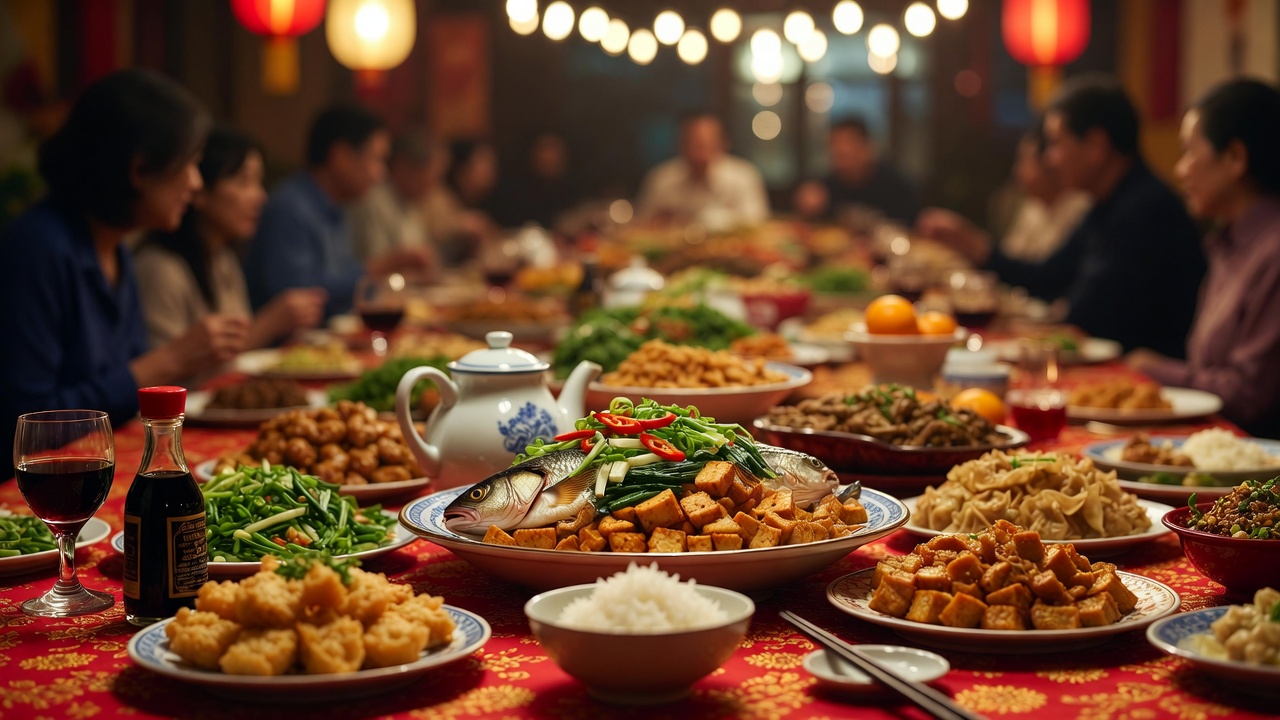
The round shape is central to their cultural importance. In Chinese tradition, circles represent completeness and unity. When a family gathers around a steaming bowl of tangyuan, the act itself becomes a symbol — everyone together, the circle unbroken.
Key occasions when Chinese families eat tangyuan include:
| Festival | 2026 Date | Significance |
|---|---|---|
| Chinese New Year (Spring Festival) | February 17, 2026 | Welcoming the new lunar year |
| Lantern Festival (Yuanxiao Jie) | March 3, 2026 | Marking the first full moon; end of Spring Festival |
| Winter Solstice (Dongzhi) | December 22, 2026 | Celebrating the return of longer daylight |
| Weddings & birthdays | Year-round | Symbolizing harmony and good fortune |
Beyond festivals, tangyuan is a beloved everyday dessert across China, Taiwan, and Southeast Asian Chinese communities. Walk into any dessert shop in Chengdu, Taipei, or Singapore, and you will find tangyuan on the menu in some form — sometimes with fermented rice wine (jiǔniàng, 酒酿), sometimes deep-fried, sometimes served with shaved ice in summer.
Tangyuan vs. Yuanxiao: What Is the Difference Between These Glutinous Rice Balls?
If you have looked into this topic before, you have probably seen two names: tangyuan (汤圆) and yuanxiao (元宵). Many people use them interchangeably, but they are actually made in different ways.
Tangyuan is the southern Chinese method. You knead glutinous rice flour into a dough, flatten a piece, place filling inside, then wrap and roll it into a ball — similar to how you would make a dumpling.
Yuanxiao is the northern Chinese method. You take a solid ball of filling, dip it in water, then roll it repeatedly in dry glutinous rice flour until enough layers build up to form the outer shell.
Here is a quick comparison:
| Feature | Tangyuan (南方/Southern) | Yuanxiao (北方/Northern) |
|---|---|---|
| Method | Wrapping dough around filling | Rolling filling in dry flour |
| Texture | Smoother, softer skin | Slightly rougher, chewier skin |
| Filling | Sweet or savory | Traditionally sweet only |
| Shelf life | Freezes well for months | Best eaten within a few days |
| Cooking | Boiled, fried, or steamed | Usually boiled |
For home cooks and beginners, the tangyuan (wrapping) method is far easier and more forgiving. That is the method we will use in this recipe. The dough is simple to work with, and if it cracks, a drop of water and a gentle press will fix it right away.
Essential Ingredients for Homemade Tangyuan: What You Need to Know
One of the best things about making tangyuan at home is how short the ingredient list is. You can make a basic batch with just two ingredients: glutinous rice flour and water. The filling and broth add a few more items, but nothing exotic.
The Dough
- Glutinous rice flour (糯米粉) — 200 g (about 1½ cups). This is the only flour that works. Do not substitute regular rice flour or all-purpose flour. Despite the name “glutinous,” this flour is 100% gluten-free — the word refers to its sticky, chewy texture when cooked. Common brands you can find at Asian grocery stores include Erawan (green packaging, from Thailand) and Mochiko (from Koda Farms in the USA). The Thai-style wet-milled flour tends to produce a silkier dough.
- Water — about 150–160 ml (⅔ cup). A mix of boiling water and room-temperature water gives the best texture. The hot water begins to gelatinize the starch, making the dough more elastic and easier to shape.
Black Sesame Filling (Most Popular)
- Roasted black sesame seeds — 100 g
- Granulated sugar or powdered sugar — 40 g
- Unsalted butter or lard — 40 g (this melts during cooking to create the signature “lava” center)
Sweet Ginger Broth
- Water — 1 liter (4 cups)
- Fresh ginger — 3–4 slices
- Rock sugar or brown sugar — 50–80 g (adjust to taste)
- Pandan leaves — 2 leaves, knotted (optional, but adds a lovely fragrance)
Tip for beginners: If making filling from scratch feels like too much for your first attempt, you can buy ready-made black sesame paste or red bean paste at any Asian grocery store. It comes in cans or vacuum-sealed packs and works perfectly.
Step-by-Step Tangyuan Recipe: How to Make Glutinous Rice Balls at Home
This recipe makes about 15–18 tangyuan, enough for 4 servings. Total time is approximately 45–60 minutes including filling preparation.
Step 1: Prepare the Black Sesame Filling
If you are using store-bought filling, skip to Step 2.
- Toast the sesame seeds. Place 100 g of black sesame seeds in a dry pan over medium heat. Stir frequently for 5–6 minutes until they become fragrant and start to pop slightly. Remove from heat and let cool completely.
- Grind the seeds. Add the cooled sesame seeds and 40 g of sugar to a food processor. Pulse until you get a fine, slightly oily powder. Do not over-process — you want a coarse texture, not a paste.
- Mix in the fat. Transfer the powder to a bowl and add 40 g of softened unsalted butter (or lard for a more traditional flavor). Mix with a fork until everything holds together.
- Shape and freeze. Scoop out teaspoon-sized portions (about 8–10 g each) and roll them into small balls. Place them on a parchment-lined plate. Freeze for at least 30 minutes until solid. This step is essential — frozen filling is much easier to wrap.
Step 2: Make the Glutinous Rice Dough
- Start with hot water. Place 200 g of glutinous rice flour in a large mixing bowl. Pour in about 80 ml of freshly boiled water while stirring with chopsticks or a spatula. The hot water will cook some of the starch and make the dough more pliable.
- Add room-temperature water gradually. Slowly add another 70–80 ml of room-temperature water, a little at a time. Stir, then begin kneading by hand.
- Knead until smooth. Knead for 2–3 minutes until you have a soft, smooth dough that feels like Play-Doh. It should not stick to your hands. If too dry, add water one teaspoon at a time. If too sticky, dust with a tiny bit more flour.
Pro tip from experienced cooks: Unlike wheat-based dough, glutinous rice dough contains no gluten, so you cannot over-knead it. This makes it very beginner-friendly. If the dough cracks, just wet the area and press it together.
Step 3: Assemble the Tangyuan (Wrapping the Filling)
- Divide the dough. Pinch off pieces of dough about the size of a large marble (approximately 20 g each). Roll each piece into a ball.
- Flatten into a disc. Take one dough ball and press it flat in the palm of your non-dominant hand, forming a round disc about 5 cm (2 inches) wide and 3–4 mm thick.
- Add the filling. Place one frozen sesame ball in the center of the disc.
- Wrap and seal. Gently draw the edges of the dough up and around the filling, pinching to seal at the top. Roll the ball between your palms until smooth and round.
- Set aside. Place finished tangyuan on a plate lined with parchment paper. Cover with a damp cloth or plastic wrap to prevent drying.
Common mistakes to avoid:
- Filling too warm → It will ooze out while wrapping. Always use frozen filling.
- Dough too thick → The tangyuan will be heavy and doughy. Aim for a thin, even wrapper.
- Cracks in the seal → The tangyuan will burst open during cooking. Pinch and smooth any seams before boiling.
Step 4: Cook the Tangyuan in Boiling Water
- Bring a pot of water to a rolling boil. Use a large pot with plenty of water so the tangyuan have room to move.
- Gently lower the tangyuan in. Use a slotted spoon or lower them one by one. Stir gently right after adding them to prevent sticking to the bottom.
- Reduce to a gentle simmer. A violent boil can break the tangyuan apart. Keep the water at a soft, steady simmer.
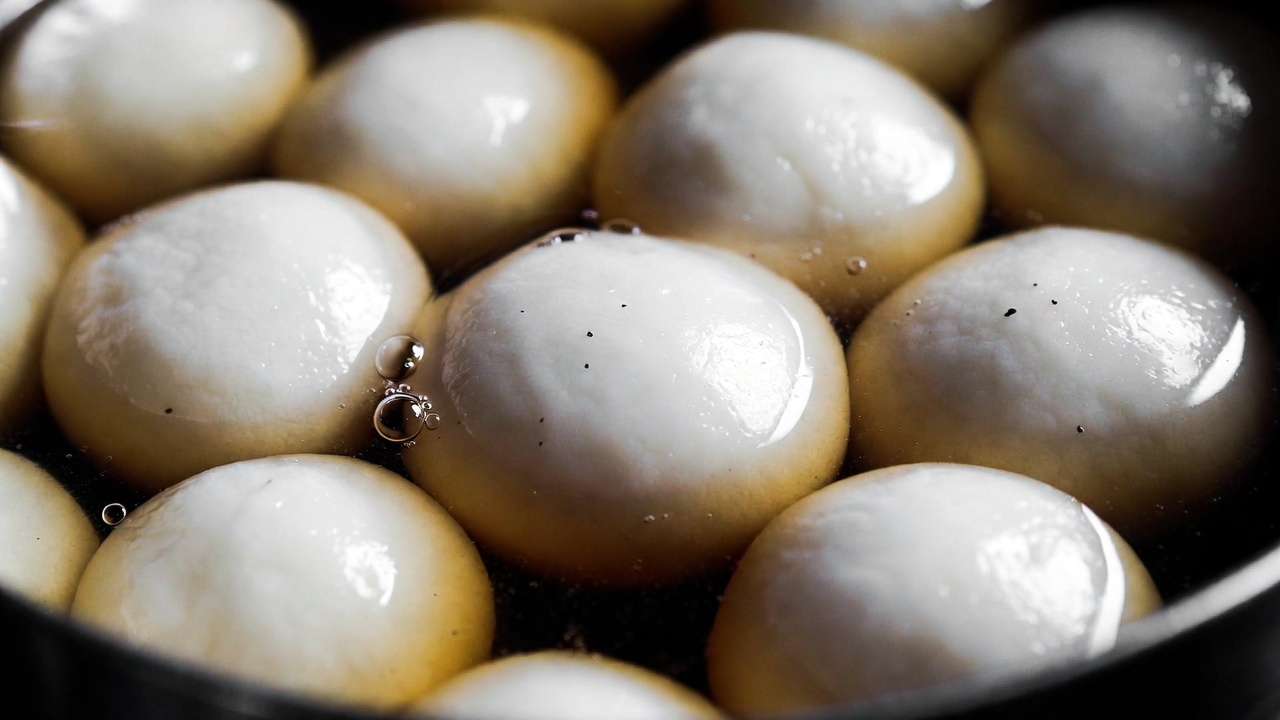
- Wait for them to float. The tangyuan are done when they float to the surface and puff up slightly — usually about 3–5 minutes. Large, filled tangyuan may need an extra 1–2 minutes after floating.
- Remove with a slotted spoon. Transfer directly into your prepared sweet broth.
Step 5: Prepare the Sweet Ginger Broth
You can make this while the filling is freezing or while the tangyuan boil.
- Combine 1 liter of water, 3–4 slices of fresh ginger, and 2 knotted pandan leaves (if using) in a medium pot.
- Bring to a boil, then reduce heat to low. Simmer for 20–30 minutes to infuse the flavors.
- Add 50–80 g of rock sugar or brown sugar. Stir until dissolved. Taste and adjust sweetness.
- Remove the ginger slices and pandan leaves before serving.
Ladle the warm broth into bowls, add 3–5 tangyuan per bowl, and serve immediately.
Best Tangyuan Fillings for Beginners: Sweet, Savory, and Creative Ideas
Black sesame is the classic choice, but tangyuan is incredibly versatile. Here are popular fillings ranked by difficulty:
| Filling | Flavor Profile | Difficulty |
|---|---|---|
| No filling (plain) | Subtle, sweet from broth | ⭐ Easiest |
| Store-bought red bean paste | Sweet, earthy | ⭐ Easy |
| Black sesame paste | Nutty, rich, lava-like | ⭐⭐ Moderate |
| Crushed peanut & sugar | Sweet, crunchy | ⭐⭐ Moderate |
| Savory pork & vegetables | Umami, savory | ⭐⭐⭐ Advanced |
| Purple sweet potato | Naturally sweet, colorful | ⭐⭐ Moderate |
| Matcha white chocolate | Modern fusion, creamy | ⭐⭐ Moderate |
For absolute beginners: Start with plain, unfilled tangyuan. Just roll small dough balls (marble-sized) and cook them in ginger broth or with fermented rice wine (jiǔniàng). This lets you master the dough before tackling fillings.
For adventurous cooks: In recent years, creative tangyuan fillings have exploded in popularity across China and Taiwan. Flavors like salted egg yolk, durian, taro, and even chocolate have appeared in bakeries and on social media. Some home cooks add natural colorings to the dough — matcha powder for green, beetroot juice for pink, butterfly pea flower for blue — to create visually stunning presentations.
How to Store and Freeze Tangyuan: Tips to Keep Glutinous Rice Balls Fresh
One of the great advantages of tangyuan is that they freeze beautifully — which means you can make a large batch and enjoy them for months.
Freezing uncooked tangyuan (recommended):
- Arrange assembled, uncooked tangyuan in a single layer on a parchment-lined baking tray. Make sure they do not touch each other.
- Place the tray in the freezer for 2–3 hours until completely solid.
- Transfer the frozen tangyuan to a zip-lock bag or airtight container. They will keep for up to 6 months.
- Cook from frozen — do not thaw first. Drop them directly into simmering water and add an extra 1–2 minutes of cooking time.
Storing cooked tangyuan (not ideal):
Cooked tangyuan are best eaten immediately. If you must store leftovers, place them in broth in an airtight container and refrigerate for up to 2 days. Be aware that the texture will become harder and less chewy after refrigeration. Reheat gently in simmering broth.
Important: Never freeze cooked tangyuan. The texture becomes unpleasantly tough and grainy after thawing.
Regional Tangyuan Traditions Across China and the Chinese Diaspora
Tangyuan is not a single dish — it is a family of dishes that changes character from region to region. Understanding these variations can inspire you to experiment with your own versions.
Sichuan — Lai Tangyuan (赖汤圆): Chengdu’s most famous street-food version, named after a vendor from the early 20th century. The filling is typically black sesame, and the tangyuan is served in a simple clear broth. This style emphasizes a thin skin and generous filling.
Shanghai & Zhejiang — Jiǔniàng Yuánzi (酒酿圆子): Small, unfilled rice balls served in a warm, mildly alcoholic soup made from fermented sweet rice wine, dried osmanthus flowers, and goji berries. This is comfort food at its finest — light, floral, and gently sweet.
Guangdong & Hong Kong — Tong Yuen: Cantonese-style tangyuan often features ginger-infused sugar syrup and pandan-scented broth. Families serve this at weddings and during the Winter Solstice, known locally as Dōng Zhì (冬至).
Taiwan — Savory Tangyuan (鹹湯圓): In southern Taiwan and among Hakka communities, tangyuan is also a savory dish. Plain rice balls are served in a rich broth with dried shrimp, shiitake mushrooms, Chinese sausage, daikon radish, and fried shallots. This version is particularly popular during the Winter Solstice.
Southeast Asia — Tangyuan in Pandan Gula Melaka: In Malaysia and Singapore, Chinese communities serve tangyuan in a fragrant broth sweetened with palm sugar (gula Melaka) and coconut milk, reflecting the tropical flavors of the region.
Frequently Asked Questions About Making Tangyuan at Home
Is glutinous rice flour the same as regular rice flour? No. Glutinous rice flour (糯米粉) is made from short-grain sticky rice and produces a soft, chewy texture. Regular rice flour (粘米粉) is made from long-grain rice and will not give you the right consistency. Always check that the package says “glutinous” or “sweet rice flour.”
Is tangyuan gluten-free? Yes. Despite the word “glutinous” in the name, glutinous rice contains zero gluten. The term refers to the sticky, glue-like texture of the cooked starch, not the protein gluten found in wheat. Tangyuan is naturally gluten-free, though you should always check the filling ingredients for any wheat-based additives.
Can I make tangyuan without filling? Absolutely. Plain tangyuan — small, marble-sized balls with no filling — are traditional in many regions. They are the easiest version for beginners and taste wonderful in a sweet ginger broth or with fermented rice wine soup.
Why did my tangyuan crack or fall apart while cooking? This usually happens for one of three reasons: the dough was too dry, there were unsealed cracks in the wrapper, or the water was boiling too vigorously. Make sure the dough is moist and pliable, seal all seams carefully, and cook in gently simmering (not rapidly boiling) water.
Can I use a different fat in the filling instead of butter or lard? Yes. Coconut oil is a popular substitute for a vegan version. The key is to use a fat that is solid at room temperature so the filling holds its shape when frozen, then melts into a smooth paste when cooked.
How many tangyuan is a normal serving? A typical serving is 4–6 filled tangyuan or 8–10 small plain ones per person. Keep in mind that tangyuan is quite calorie-dense due to the glutinous rice flour and sweet filling — four sesame-filled tangyuan contain roughly the same calories as a bowl of rice.
Tips for Making Perfect Tangyuan: Expert Advice for First-Time Cooks
After years of making tangyuan and observing how home cooks across different regions approach this dish, here are the tips that make the biggest difference:
- Use hot water for part of the dough. Starting with boiling water activates the starch in glutinous rice flour, a process called gelatinization. This makes the dough stretchier and less likely to crack. Add the remaining water at room temperature to bring the dough to the right consistency.
- Keep everything covered. Glutinous rice dough dries out fast. Always cover your dough and finished tangyuan with a damp cloth or plastic wrap while you work.
- Freeze the filling first. Warm or soft filling is nearly impossible to wrap neatly. Hard, frozen filling balls slide right into the dough wrapper without sticking or oozing.
- Simmer, don’t boil. A gentle simmer keeps your tangyuan intact. Rolling boil water will tear them apart, especially filled ones.
- Serve immediately. Tangyuan is at its best within minutes of cooking. The dough firms up as it cools and loses its signature soft, mochi-like chewiness. If you are serving guests, cook the tangyuan last.
- Dust your workspace. A light coating of glutinous rice flour on your plate and hands prevents sticking. Do not use all-purpose flour for this — it will change the texture.
- Make it a family activity. In Chinese households, making tangyuan is a group effort. Parents, grandparents, and children sit around the table together, each rolling and wrapping. The imperfect, lumpy ones made by small hands are always the most cherished. Invite your family or friends to join — it turns cooking into connection.
Celebrate the Lantern Festival 2026 with Homemade Tangyuan
The 2026 Lantern Festival falls on March 3 — just days away as this article publishes. Known as Yuánxiāo Jié (元宵节), this festival marks the first full moon of the lunar new year and the grand finale of the Spring Festival season. It is also the single most closely associated occasion for eating tangyuan.
On this night, streets across China, Taiwan, Malaysia, Singapore, and Chinatowns around the world come alive with colorful lanterns, riddle games, lion dances, and dragon performances. And in kitchens everywhere, families are gathered around the table doing exactly what this guide teaches — mixing dough, rolling filling, wrapping rice balls, and sharing a warm bowl of tangyuan together.
The tradition of eating tangyuan during the Lantern Festival is believed to have become widespread during the Song Dynasty (960–1279 CE) and grew in popularity through the Ming and Qing Dynasties. The round shape of both the tangyuan and the full moon overhead mirrors the same wish: may our family remain whole, together, and happy.
Whether you are celebrating the Lantern Festival for the first time or continuing a tradition passed down through generations, homemade tangyuan is one of the simplest and most meaningful ways to mark the occasion.
A Simple Printable Tangyuan Recipe Card for Your Kitchen
Here is a condensed version you can save or print:
Classic Black Sesame Tangyuan Makes 15–18 pieces · Serves 4 · Total time: 50 min
Filling:
- 100 g roasted black sesame seeds
- 40 g sugar
- 40 g unsalted butter, softened
Dough:
- 200 g glutinous rice flour
- 150–160 ml water (80 ml boiling + 70–80 ml room temp)
Broth:
- 1 L water
- 3–4 slices fresh ginger
- 50–80 g rock sugar or brown sugar
- 2 pandan leaves, knotted (optional)
Method:
- Grind sesame seeds with sugar. Mix in butter. Roll into small balls. Freeze 30 min.
- Mix flour with hot water first, then add room-temp water. Knead until smooth.
- Flatten dough pieces, wrap around frozen filling, seal and roll smooth.
- Simmer broth ingredients for 20–30 min. Sweeten to taste.
- Cook tangyuan in simmering water until they float (3–5 min).
- Serve in warm broth. Eat immediately.
Final Thoughts: Why Making Tangyuan at Home Is Worth the Effort
You can buy tangyuan frozen at any Asian supermarket. Brands like Wanchai Ferry (湾仔码头) and Sanquan (三全) offer dozens of flavors in the freezer aisle, and they are perfectly good for a quick treat.
But there is something about making tangyuan from scratch — the soft dough yielding under your palms, the messy kitchen, the laughter when someone’s rice ball turns out lopsided — that a frozen bag simply cannot replicate.
Tangyuan is not just a dessert. It is a ritual of togetherness. The act of sitting with people you love, working together with your hands toward something simple and sweet — that is the whole point. The food tastes better because of who you made it with.
So this Lantern Festival, or this Winter Solstice, or on any quiet evening when you want something warm and comforting, try making tangyuan at home. Start simple. Make it messy. Bring people to the table.
The circle will take care of itself.