By a lifelong festival and travel culture researcher who has spent countless evenings in the bleachers of Koshien, Tokyo Dome, and beyond.
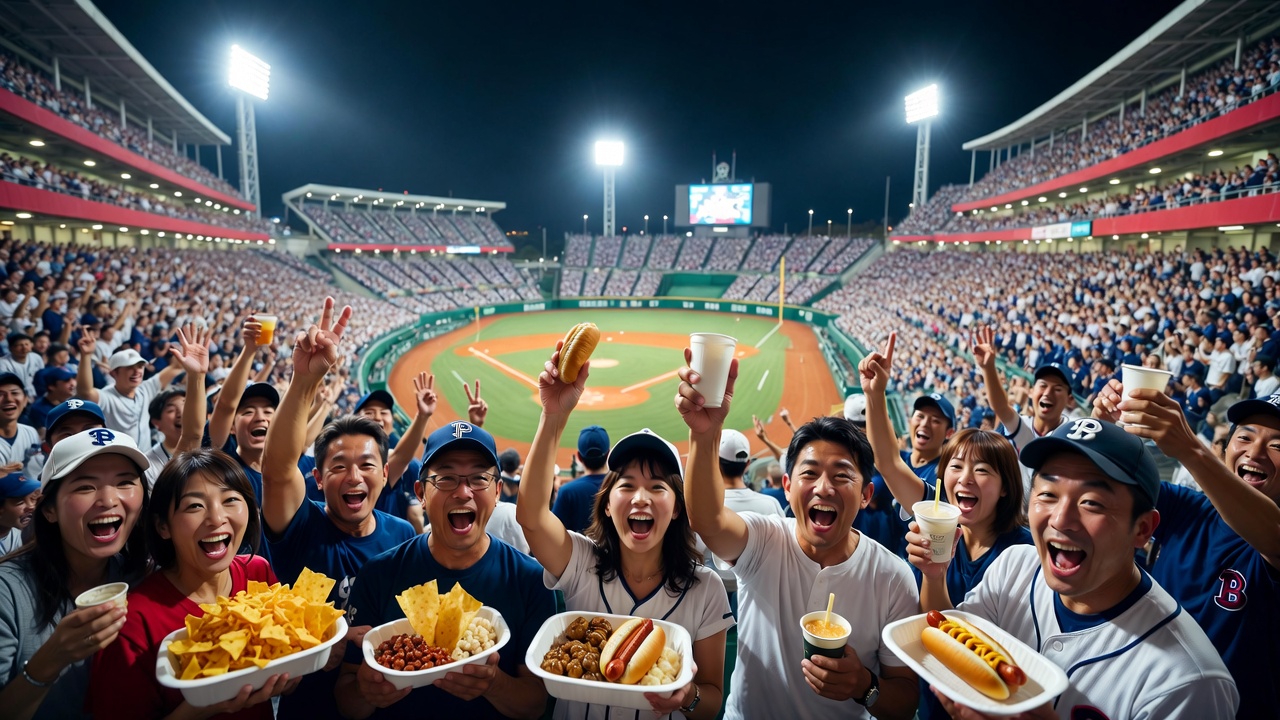
Forget everything you know about baseball. The hot dogs, the polite clapping, the lazy seventh-inning stretch — leave it all at the gate. In Japan, baseball is not just a sport. It is a festival. The stadiums pulse with organized chanting from the first pitch to the last out. The concourses smell of sizzling yakitori, steaming curry rice, and grilled takoyaki. Beer arrives at your seat on the back of a smiling vendor before you even raise your hand. And when the Lucky Seventh rolls around, tens of thousands of jet balloons shriek into the night sky in unison.
This is Nippon Professional Baseball (NPB) — the highest level of baseball in Japan, locally called Pro Yakyu (プロ野球). The league has 12 teams split across two conferences, the Central League and the Pacific League. The regular season runs from late March through October, with postseason play culminating in the annual Nippon Series. In 2025, the Fukuoka SoftBank Hawks claimed the championship title after defeating the Hanshin Tigers.
Whether you are planning a trip to Japan during the 2026 baseball season or simply curious about what makes this experience so different from anything in the West, this guide will walk you through every bite, sip, chant, and tradition you need to know.
What Makes Japanese Baseball Different from MLB: A Cultural Overview
At first glance, the rules of Japanese baseball look familiar. Nine innings. Three outs. Balls and strikes. But the similarities end there. NPB has its own rhythm, shaped by over 150 years of cultural adaptation since American teacher Horace Wilson first introduced the game in Japan in 1872.
Games can end in a tie. If the score remains level after 12 innings during the regular season, both teams simply shake hands and go home. This would be unthinkable in Major League Baseball, but in Japan, it reflects a cultural preference for harmony — the concept of wa (和) — over endless confrontation.
Players are rarely traded. Loyalty between a player and a team runs deep. Fans follow their favorite athletes for entire careers, and that bond shows up in the most personal way possible: every batter has a unique cheering song composed just for them, sung by thousands of fans each time they step to the plate.
The ball is slightly smaller, the strike zone a touch different, and the style of play leans heavily on fundamentals. Sacrifice bunts happen as early as the second batter of the game. Speed, small-ball strategy, and precise pitching take center stage.
But the biggest difference? The fan experience. A night at an NPB stadium is closer to a European football match or a Brazilian carnival than it is to a quiet afternoon at Dodger Stadium. The atmosphere is electric, organized, and deeply communal.
How Japanese Baseball Fans Cheer: Understanding the Oendan Tradition
The heartbeat of every NPB stadium is the oendan (応援団), which translates roughly to “cheering squad.” These are organized groups of dedicated fans who lead the entire stadium in coordinated songs, chants, and rhythmic clapping throughout the game. They are not cheerleaders in the Western sense. There are no acrobatics or pom-poms. The oendan is about mass participation, unity, and noise.
The Structure of an Oendan
Each NPB team has its own oendan. The group typically stations itself in the outfield bleachers — the home team’s oendan occupies the right-field stands, while the visiting team’s supporters gather in left field. A leader stands at the front, blowing a whistle and directing the crowd with arm movements. Behind the leader, a brass band of trumpets and drums provides the melody.
The cheers follow a strict structure:
- When your team is batting, you stand, sing, clap, and cheer continuously.
- When the opposing team is batting, you sit down and rest. The other team’s fans take over.
- There is no heckling. Unlike Western sports, taunting the opposition is frowned upon. The focus is entirely on supporting your own players.
This turn-taking system is remarkably polite. It reflects the Japanese cultural value of respect, even in the middle of a roaring stadium.
Player-Specific Cheering Songs in Japanese Baseball
One of the most remarkable aspects of NPB cheering is that each batter has a personalized fight song. When a player steps into the batter’s box, the oendan launches into that player’s unique melody. The lyrics often reference the player’s name, hometown, or playing style. Fans in the outfield bleachers know dozens of these songs by heart.
The songs change depending on the situation too. There are different chants for:
| Situation | Type of Cheer |
|---|---|
| Regular at-bat | Player’s personal song |
| Runner in scoring position | “Chance theme” — a more urgent, faster melody |
| Team falling behind | Rallying chant, often with the phrase ganbare! (頑張れ, “hang in there!”) |
| Pitcher in trouble | Encouraging call: Ganbare, ganbare, [pitcher’s name]! |
| Seventh inning | Team fight song + jet balloon release |
| Victory | Victory song + ceremonial handclap |
At Jingu Stadium in Tokyo, home of the Yakult Swallows, fans wave miniature plastic umbrellas during a special dance set to “Tokyo Ondo,” a traditional folk song. This umbrella-waving tradition is one of the most visually striking customs in all of Japanese sports.
How the Oendan Traces Its Roots to University Baseball
The history of the oendan stretches back over a century. In 1905, Waseda University sent its baseball team on a landmark tour of the United States. During games against Stanford and other West Coast colleges, the Japanese players witnessed American marching bands for the first time. They brought that inspiration home, and organized cheering sections soon became a staple of Japanese university athletics.
By the mid-1920s, the fierce Sōkeisen rivalry between Waseda and Keio universities had turned oendan into elaborate cultural performances. When Japan’s first professional baseball league formed in 1936, the tradition migrated naturally into the pro game. By the 1950s, dedicated fan-based oendan groups had formed for every NPB team, and the practice has only grown more sophisticated since.
Best Stadium Food at Japanese Baseball Games: A Complete Eating Guide
If the cheering is the soul of Japanese baseball, the food is its stomach. NPB stadiums offer a culinary experience that puts most Western ballparks to shame. Forget the rubbery nachos and lukewarm pretzels of American sports venues. Japanese stadium food is fresh, regional, and surprisingly affordable.
Must-Try Japanese Baseball Stadium Snacks and Meals
Here is a breakdown of the most popular foods you will encounter at NPB stadiums across the country:
Bento Boxes (弁当) — The quintessential Japanese ballpark meal. A compartmentalized box filled with rice, grilled fish or meat, pickled vegetables, and seasonal sides. Many stadiums sell team-themed bento featuring dishes “sponsored” by specific players. At Tokyo Dome, home of the Yomiuri Giants, you can find bento boxes designed around individual players’ favorite flavors.
Karaage (唐揚げ) — Japanese-style fried chicken, marinated in soy sauce, ginger, and garlic before being deep-fried to a golden crunch. This is one of the most popular bar snacks in Japan, and it pairs perfectly with a cold stadium beer. At Jingu Stadium, the local version is called Jin-Kara (“Jingu Fried Chicken”) and has a loyal following.
Yakitori (焼き鳥) — Skewered grilled chicken, brushed with tare sauce or seasoned with salt. You will find yakitori vendors at virtually every stadium in the country. The smoky aroma is often the first thing that hits you when you walk through the gates.
Yakisoba (焼きそば) — Stir-fried noodles with cabbage, pork, and a tangy sauce. At Tokyo Dome, the famous Giants Helmet Cup Yakisoba serves a generous portion of yakisoba inside a miniature plastic Giants batting helmet — a souvenir and a meal in one.
Takoyaki (たこ焼き) — Golden balls of batter filled with diced octopus, drizzled with mayonnaise and sweet sauce, topped with bonito flakes. This snack originated in Osaka and is especially popular at Koshien Stadium, where the Hanshin Tigers play.
Curry Rice (カレーライス) — A thick, savory Japanese curry served over short-grain white rice. Japanese curry has its own distinct flavor — sweeter and milder than Indian or Thai curries. At Tokyo Dome, the Rookie Curry stand in the Gourmet Street section offers fast-casual options with toppings like sausage, ground beef, and eggs.
Edamame (枝豆) — Boiled and salted soybeans in their pods. A simple, healthy, and classic accompaniment to beer at any stadium.
Gyoza (餃子) — Pan-fried dumplings with a crispy bottom and juicy filling. At Yokohama Stadium, the Bay Gyoza is made in collaboration with restaurants from the city’s famous Chinatown district.
Omu-Rice (オムライス) — Fried rice wrapped in a thin omelet, usually topped with ketchup. This comfort food classic shows up in bento boxes at several stadiums.
Average Price Range for Japanese Stadium Food
One pleasant surprise for international visitors is that NPB stadium food is reasonably priced compared to Western sports venues. Here is a rough guide:
| Item | Approximate Price (JPY) | Approximate Price (USD) |
|---|---|---|
| Bento box | ¥800 – ¥1,500 | $5 – $10 |
| Karaage set | ¥600 – ¥900 | $4 – $6 |
| Yakisoba (helmet cup) | ¥1,000 – ¥1,200 | $7 – $8 |
| Takoyaki (6-8 pieces) | ¥500 – ¥700 | $3.50 – $5 |
| Curry rice | ¥800 – ¥1,200 | $5 – $8 |
| Draft beer (cup) | ¥700 – ¥900 | $5 – $6 |
| Soft drink | ¥300 – ¥500 | $2 – $3.50 |
Prices reflect 2025–2026 estimates and may vary by stadium.
These prices are comparable to eating at a casual restaurant in Japan, and significantly cheaper than what you would pay at an MLB stadium in the United States.
Regional Ballpark Food Specialties at Every NPB Stadium
One of the most delightful aspects of eating at Japanese baseball stadiums is that each park celebrates the culinary identity of its home region. A tour of NPB stadiums is, in many ways, a tour of Japan’s diverse food culture.
Tokyo: Tokyo Dome and Jingu Stadium
Tokyo Dome (Yomiuri Giants) is the largest indoor baseball venue in Japan. The concourse features dozens of concession stands offering everything from beef bowls to Italian-style pasta. The player-themed bento boxes are a signature attraction. Outside the dome, you will find the global chains — Shake Shack sits just steps from the entrance, and the famous Ippudo Ramen restaurant operates nearby.
Jingu Stadium (Yakult Swallows) is Tokyo’s other major baseball venue. Built in 1926, it is one of the oldest ballparks still in use in Asia. The food options inside are more limited due to the stadium’s age, so many regulars recommend arriving early and grabbing food from the vendors and convenience stores along the walk from Gaienmae Station. Inside, the Jin-Kara fried chicken and Jin-Lemo lemon sour are the standout local items.
Osaka and Kobe: Koshien Stadium and Kyocera Dome
Koshien Stadium (Hanshin Tigers) is known as the sacred ground of Japanese baseball. Built in 1924, it is the oldest professional baseball stadium in Japan and hosts the legendary high school baseball tournaments each summer. The food here is heavily influenced by Kansai cuisine. Takoyaki is everywhere, both inside and outside the stadium. Current and past Tigers players “sponsor” specific dishes on the menu — a tradition that gives fans a personal connection to their heroes through food.
The walkway leading to Koshien is lined with outdoor food stalls, souvenir booths, and activity areas. This festive approach transforms the pre-game walk into an experience that feels more like a Japanese matsuri (festival) than a simple commute to a stadium.
Kyocera Dome (Orix Buffaloes) in Osaka is a nine-story vertical structure with food and drink outlets on multiple floors. Oden — a comforting stew of daikon radish, boiled eggs, and fish cakes — is a popular choice here, especially on cool evenings.
Hiroshima: Mazda Zoom-Zoom Stadium
Mazda Zoom-Zoom Stadium (Hiroshima Toyo Carp) opened in 2009 and is widely regarded as one of the best ballparks in Japan. Its food scene is anchored by Hiroshima-style okonomiyaki — a savory layered pancake with cabbage, pork, egg, and yakisoba noodles, topped with tangy sauce and bonito flakes. Unlike the Osaka version, which mixes all the ingredients together, the Hiroshima style builds them in distinct layers. This dish alone is worth the trip.
The stadium also features unique seating options inspired by American ballparks, including barbecue terraces and sand-covered “beach seats” in the outfield — a nod to the Carp’s creative approach to fan engagement.
Hokkaido: ES CON Field
ES CON Field Hokkaido (Hokkaido Nippon-Ham Fighters) is the newest jewel in the NPB stadium crown. This state-of-the-art facility, which opened in 2023, features a retractable roof, natural grass, and a food experience designed to rival the best sports venues in the world. Local Hokkaido specialties like soup curry, fresh seafood bowls, and Hokkaido milk soft-serve ice cream are prominently featured.
Fukuoka: PayPay Dome
Fukuoka PayPay Dome (Fukuoka SoftBank Hawks) is the home of one of the most consistently dominant teams in NPB. The dome features Hakata-style ramen — rich, milky tonkotsu broth with thin noodles — along with mentaiko (spicy cod roe) rice balls, a Fukuoka delicacy.
Can You Bring Your Own Food to a Japanese Baseball Game?
Yes. This is one of the most pleasant surprises for international visitors. Unlike most American stadiums, which prohibit outside food and drink, Japanese baseball stadiums generally allow fans to bring their own meals. Bento boxes purchased from convenience stores like 7-Eleven, Lawson, or FamilyMart are a common sight in the stands during evening games.
There is one important rule to follow: canned and glass-bottled drinks are not permitted inside the stadium. If you bring beverages, they must be in plastic bottles. Some stadiums provide plastic cups at the entrance where you can pour out the contents of cans before entering. There will be a bag inspection at the gates, so plan accordingly.
This bring-your-own-food culture reflects the practical, fan-friendly approach that defines Japanese ballpark hospitality. It also means you can create your own personalized ballgame meal with items from the outstanding convenience stores that line every street near every stadium in the country.
The Uriko: Japan’s Famous Baseball Beer Vendors
No guide to Japanese baseball would be complete without discussing the uriko (売り子), the stadium beer vendors who are as iconic as the oendan cheering squads. The word uriko simply means “seller” or “sales person,” but in the context of NPB, it refers specifically to the young vendors — predominantly women — who carry small kegs of draft beer strapped to their backs and serve fans directly at their seats.
How the Uriko Beer Service Works
The uriko navigate the stadium aisles with remarkable speed and grace, bending low to pour each cup without blocking the view of the spectators behind them. Each vendor wears a brightly colored uniform featuring the logo of the beer brand they represent — Asahi, Sapporo, Kirin, or Suntory. The uniform tells you exactly which beer is on offer.
You can identify the vendors by the artificial flowers in their hair tucked beneath high-brimmed caps. To order, simply raise your hand or make eye contact. The vendor will be at your seat within moments.
A cup of draft beer from an uriko typically costs around ¥750 to ¥900 (roughly $5–$6 USD). At Tokyo Dome, vendors reportedly sell an average of about 20,000 glasses of beer during a single night game.
The History of Beer Vendors at Japanese Stadiums
The uriko tradition has evolved significantly over the decades. Until the 1980s, most stadium beer vendors in Japan were men who sold beer from flat trays hung around their necks. The shift to backpack-mounted kegs — and the predominantly female vendor workforce — happened gradually and is now deeply embedded in NPB culture.
The work is physically demanding. Each keg weighs roughly 13 kilograms (about 30 pounds), and vendors change kegs approximately 10 to 12 times during a game. Support staff refill kegs in underground stations with pit-stop efficiency.
Beyond beer, some uriko also sell chuhai (shochu-based cocktails), soda, iced tea, and even ice cream. In recent years, you can also find highball vendors and sake sellers at certain stadiums.
The Lucky Seventh Balloon Release at Japanese Baseball Stadiums
If there is one moment that captures the magic of Japanese baseball in a single image, it is the Lucky Seventh jet balloon release.
In American baseball, the seventh-inning stretch involves standing up and singing “Take Me Out to the Ball Game.” In Japan, the tradition is dramatically different. As the seventh inning approaches, fans throughout the stadium begin inflating long, narrow balloons in their team’s color. These balloons, sold by uriko and at concession stands, are sometimes called jet balloons or rocket balloons.
How the Balloon Release Tradition Works
The visiting team’s fans go first. As the top of the seventh inning ends, their section erupts into their team’s fight song. At the song’s climax, everyone releases their balloons simultaneously. The inflated-but-untied balloons shoot into the air with a high-pitched whistling shriek, spiraling upward before deflating and drifting back down.
Then it is the home team’s turn. The bottom of the seventh begins with the home fans singing their own anthem, waving their balloons overhead, and releasing them together. In a packed stadium of 40,000 or more, the visual effect is breathtaking — a sky filled with tens of thousands of colored balloons screaming into the night.
During the COVID-19 pandemic, the tradition was temporarily suspended due to concerns about airborne droplets during balloon inflation. The SoftBank Hawks were among the first teams to bring balloons back in 2023, with the modification that fans use small hand pumps instead of inflating the balloons with their mouths. Many stadiums have since adopted this approach, and the tradition is now fully restored across NPB.
NPB Teams and Their Unique Cheering Styles: Team-by-Team Breakdown
Each of the 12 NPB teams has cultivated its own distinct identity when it comes to cheering, food, and fan culture. Here is a quick overview:
Central League Teams
| Team | Home Stadium | City | Known For |
|---|---|---|---|
| Yomiuri Giants | Tokyo Dome | Tokyo | Japan’s most popular team; player-themed bento; massive fan base |
| Yakult Swallows | Jingu Stadium | Tokyo | Umbrella-waving “Tokyo Ondo” tradition; open-air atmosphere |
| Hanshin Tigers | Koshien Stadium | Nishinomiya, Hyogo | Most passionate fans in NPB; legendary Kansai-dialect chanting |
| Hiroshima Toyo Carp | Mazda Zoom-Zoom Stadium | Hiroshima | Community-owned team; Hiroshima-style okonomiyaki; red-clad fans |
| Chunichi Dragons | Vantelin Dome Nagoya | Nagoya | Miso katsu and other Nagoya delicacies at the stadium |
| Yokohama DeNA BayStars | Yokohama Stadium | Yokohama | Chinatown-influenced Bay Gyoza; lively nightlife scene after games |
Pacific League Teams
| Team | Home Stadium | City | Known For |
|---|---|---|---|
| Fukuoka SoftBank Hawks | PayPay Dome | Fukuoka | Dominant dynasty; Hakata ramen; elaborate between-inning shows |
| Hokkaido Nippon-Ham Fighters | ES CON Field | Kitahiroshima, Hokkaido | Newest stadium in NPB; Hokkaido specialties; innovative fan zones |
| Orix Buffaloes | Kyocera Dome | Osaka | Oden and Osaka street food; diverse cheering song library |
| Chiba Lotte Marines | ZoZo Marine Stadium | Chiba | Famously loud visiting fans; creative chants; seaside atmosphere |
| Saitama Seibu Lions | Belluna Dome | Tokorozawa, Saitama | Unique hillside stadium; blue jet balloons at Lucky Seventh |
| Tohoku Rakuten Eagles | Rakuten Mobile Park | Sendai | Ferris wheel beyond left field; gyutan (beef tongue), a Sendai specialty |
The Hanshin Tigers and Chiba Lotte Marines fans deserve special mention. Tigers supporters at Koshien are legendary for their intensity. The left-field bleachers at Koshien are famous for raw, unfiltered Kansai-dialect chanting — colorful, loud, and relentless. Marines fans, meanwhile, are known for their creative and boisterous cheering even when vastly outnumbered at away games.
How to Buy Tickets for a Japanese Baseball Game as a Foreign Tourist
One of the biggest challenges for international visitors is purchasing tickets. The process can be confusing if you do not read Japanese or have a Japanese phone number and payment method.
Ticket Purchasing Options for Foreign Visitors
Here are the main ways to get tickets:
1. Team websites — Most NPB teams sell tickets through their official websites. Some teams have English-language ticketing pages, but many are Japanese-only. You may need a Japanese address and phone number to complete the purchase.
2. Convenience store kiosks — Tickets can be purchased at ticketing terminals inside 7-Eleven, Lawson, and FamilyMart stores. The machines are primarily in Japanese, which can be challenging without language assistance.
3. Stadium box office — For less popular games, you can often buy tickets directly at the stadium on game day. Arrive early, as popular matchups sell out.
4. Third-party services for tourists — Services like Japan Sports Ticket and JapanBall specialize in helping international visitors secure tickets and navigate the process in English.
Tips for Choosing Your Seats
Seat selection matters more in Japan than in most countries, because your seat determines which team you support. Fans are divided by team allegiance. If you sit in the home team’s cheering section, do not wear visiting team gear. If you want to simply enjoy the atmosphere without committing to a side, the infield reserved seats behind home plate offer a neutral vantage point.
For the full cheering experience, sit in the outfield bleachers on the home team’s side (typically right field). Just be prepared to stand, sing, and cheer for the entire duration of the game.
What to Wear and Bring to a Japanese Baseball Game
The dress code at Japanese baseball games is enthusiastic. Fans show their support through team merchandise. Here is a practical packing list:
Essentials to bring:
- Team jersey or T-shirt — Available at stadium shops and nearby stores. Wearing one signals your allegiance and helps you fit in.
- Towel or scarf in team colors — Used for waving during cheers. Some teams sell rally towels specifically for game days.
- Megaphone or plastic bat noisemakers — Small plastic bats called kachi-kachi bat are banged together to create rhythm during chants.
- Cash — While Japan is becoming more cashless, many stadium vendors still prefer cash. Bring plenty of coins and small bills.
- Clear bag — Some stadiums have bag size restrictions. A clear or small bag speeds up the security inspection process.
Leave at home:
- Opposing team merchandise (if sitting in the home cheering section)
- Glass bottles and canned drinks
- Large umbrellas (compact ones are fine)
- Noisemakers that are not team-approved (air horns, vuvuzelas, etc.)
Japanese Baseball Game Day Etiquette: Unwritten Rules Every Fan Should Know
Japanese baseball culture is governed by a set of unwritten social norms that reflect the country’s broader values of respect, community, and consideration for others.
Stand when your team bats, sit when they field. In the cheering sections, everyone follows this rhythm. Sitting during your team’s at-bat — or standing during the opposing team’s turn — disrupts the flow and draws disapproving looks.
Do not start your own chant. Follow the oendan. The cheering is organized, not spontaneous. Shouting random encouragement during a coordinated chant breaks the group harmony.
Clean up after yourself. There are no janitors sweeping through the stands during the game. Japanese fans carry their own trash to the bins. Leaving garbage at your seat is considered extremely rude. Many stadiums provide trash bags at the entrance.
Bow when receiving service. When an uriko serves you a beer, a brief nod or bow is appropriate. This small gesture of gratitude is deeply embedded in Japanese social etiquette and goes a long way in making the experience feel genuinely communal.
Do not block the aisle. If you need to leave your seat during play, wait for a pause in the action. Japanese fans are acutely aware of not obstructing others’ views.
Respect the opposing fans’ space. While there is spirited rivalry between fan bases, Japanese baseball culture strongly discourages hostility. Trash-talking, heckling, and confrontational behavior are rare and unwelcome.
The 2026 NPB Season: What to Expect for First-Time Visitors
The 2026 NPB season follows the familiar schedule: preseason games begin in late February, with the regular season kicking off in late March and running through October. The postseason culminates in the Nippon Series, usually held in late October or November.
Key Stadiums to Visit in 2026
Jingu Stadium — The 2026 season brings a slight increase in rare day games (eight scheduled, up from four in 2025). These daytime fixtures fall on weekends and holidays and are expected to be in extremely high demand. Jingu’s open-air atmosphere, combined with its location within the leafy grounds of Meiji Jingu Gaien, makes it one of the most charming ballpark experiences in Japan.
ES CON Field Hokkaido — Still relatively new, the Fighters’ home continues to draw attention for its modern design and innovative fan experience. If you are visiting Sapporo, a game here is a must.
Koshien Stadium — The cathedral of Japanese baseball. Note that the Tigers are forced to play home games at alternate venues (usually Kyocera Dome in Osaka) during the high school baseball tournaments in spring and summer, a period called the “Road of Death” by Tigers fans. Plan your visit accordingly.
High School Baseball at Koshien: A Summer Tradition
If your visit coincides with the National High School Baseball Championship in August, attending a game at Koshien is an unforgettable experience — even if you have no connection to the teams. The tournament features the best high school players from across Japan, and the atmosphere is pure, raw emotion. Student brass bands play fight songs, parents weep in the stands, and young athletes leave everything on the dirt of what they call the “sacred ground.” Participating players even scoop small handfuls of the infield dirt into bags as keepsakes.
How to Get to Major Japanese Baseball Stadiums by Train
Japan’s rail network makes getting to baseball stadiums remarkably easy. Here is a quick transit guide for the most popular venues:
| Stadium | Nearest Station | Walking Time | Rail Line |
|---|---|---|---|
| Tokyo Dome | Suidobashi or Korakuen | 5 min | JR Chuo/Sobu Line or Metro Marunouchi Line |
| Jingu Stadium | Gaienmae | 5 min | Tokyo Metro Ginza Line |
| Koshien Stadium | Koshien | 3 min | Hanshin Main Line |
| Mazda Zoom-Zoom Stadium | Hiroshima | 10 min | JR Sanyo Line |
| Yokohama Stadium | Kannai | 3 min | JR Negishi Line |
| PayPay Dome | Tojinmachi | 15 min | Fukuoka City Subway |
| ES CON Field | Kitahiroshima | 10 min | JR Chitose Line |
Most stadiums are located in or near major city centers, making them easy to incorporate into a broader sightseeing itinerary. If you have a Japan Rail Pass, it covers travel to many of these stations.
Best Japanese Beers to Try at a Baseball Stadium
Beer and baseball are inseparable in Japan. The major brands served at NPB stadiums are:
Asahi Super Dry — The best-selling beer in Japan. Crisp, clean, and refreshing. Its dry finish makes it a perfect companion for fried stadium food.
Sapporo Premium — Slightly maltier than Asahi, with a smooth, balanced flavor. Especially prominent at stadiums in Hokkaido, where the brand originated.
Kirin Ichiban — Brewed using only first-press wort, giving it a fuller body and richer taste. A solid all-rounder.
Suntory The Premium Malt’s — Considered a step above the standard beers in terms of quality. Popular at upscale stadium bars.
Yebisu — A premium lager from the Sapporo Brewery family. Richer and more complex than standard offerings.
You will also find chuhai (a shochu-and-soda cocktail, often fruit-flavored), highballs (whisky and soda), and non-alcoholic options like green tea and ramune (a carbonated soft drink sealed with a glass marble).
Some stadiums have even introduced frozen beer foam — a layer of slushie-like beer foam that acts as an insulating lid, keeping your drink cold longer in the summer heat. It is as clever as it is delicious.
Planning a Japanese Baseball Food and Culture Trip: Itinerary Tips
For travelers who want to combine baseball with broader cultural exploration, here is a suggested framework for a 7-day baseball itinerary across Japan:
Day 1–2: Tokyo — Catch a game at Tokyo Dome (Giants) or Jingu Stadium (Swallows). Visit the Japanese Baseball Hall of Fame and Museum inside Tokyo Dome. Explore Asakusa, Shibuya, and Akihabara on non-game days.
Day 3: Day trip to Yokohama — Watch the BayStars at Yokohama Stadium. Wander through Yokohama’s Chinatown afterward — one of the largest in the world — for a post-game feast.
Day 4–5: Osaka and Koshien — Take the shinkansen to Osaka. See the Tigers at Koshien Stadium and dedicate time to exploring Osaka’s street food scene in Dotonbori. Try authentic takoyaki and okonomiyaki outside the stadium context too.
Day 6: Hiroshima — Visit the Peace Memorial Park and Museum in the morning. Attend a Carp game at Mazda Zoom-Zoom Stadium in the evening. Order the Hiroshima-style okonomiyaki at the ballpark.
Day 7: Return to Tokyo or continue to Fukuoka — Depending on the schedule, catch one final game at PayPay Dome in Fukuoka or head back to Tokyo for departure.
This itinerary can be adjusted based on the 2026 NPB schedule. Games are played nearly every day during the regular season, so there is almost always a match available somewhere.
Frequently Asked Questions About Japanese Baseball Food and Cheering
Q: Do I need to speak Japanese to enjoy a Japanese baseball game? No. The visual spectacle, the energy of the crowd, and the food speak for themselves. Many stadiums display cheering lyrics on the jumbotron, and you can follow along by watching the fans around you. Pointing at menu photos works perfectly at concession stands.
Q: Are Japanese baseball games family-friendly? Absolutely. Japanese baseball games are a popular family outing. The atmosphere is festive but safe. Alcohol-related incidents are extremely rare, and the organized cheering keeps the mood positive throughout.
Q: How long does a typical NPB game last? Most games last around three hours, similar to MLB. However, the game clock moves a bit faster in Japan due to fewer pitching changes and a general emphasis on pace.
Q: Can I leave the stadium and re-enter during the game? Policies vary by stadium, but many NPB venues allow re-entry with a stamp or ticket scan. Check at the gate before exiting.
Q: What time do gates open? Gates typically open two hours before first pitch. Arriving early is strongly recommended. It gives you time to explore the food options, soak in the pre-game atmosphere, and find your seat before the cheering begins.
Q: Are credit cards accepted at stadium food vendors? Increasingly yes, especially at larger stadiums like Tokyo Dome and ES CON Field. However, many smaller vendors and some older stadiums still operate on a cash-only basis. Bring yen to be safe.
Why Japanese Baseball Is the Best Live Sports Experience in the World
Travel writers and sports journalists have said it many times, but it bears repeating: attending a Japanese baseball game is one of the most memorable live entertainment experiences on the planet. It does not matter if you are a lifelong baseball fan or someone who has never watched a single inning.
The magic lies in how Japan has taken an American sport and woven it into the fabric of its own culture. The oendan transforms a spectator sport into a collective performance. The food celebrates regional identity and craftsmanship. The uriko exemplify the Japanese commitment to omotenashi (hospitality). The balloon release at the Lucky Seventh turns a simple tradition into a shared moment of pure joy.
And at the center of it all is wa — harmony. Home fans and visiting fans take turns. Nobody throws garbage. People clean up their own seats. Vendors bow when they serve you. Strangers share balloons with tourists who forgot to buy their own. In a world of increasingly fractious sports culture, Japanese baseball offers something rare: a communal celebration where competition and courtesy exist side by side.
So when you plan your next trip to Japan — whether it is for the cherry blossoms, the temples, or the ramen — make room for a night at the ballpark. Buy a bento box from a convenience store. Order a beer from a smiling uriko. Learn the words to at least one cheering song. Release a balloon at the Lucky Seventh. And when the game is over, pick up your trash, bow to the fans around you, and walk out into the neon-lit streets knowing you have just experienced something that does not exist anywhere else in the world.
Play ball. Or as they say in Japan: プレイボール (purei bōru)!