Rwanda, often called the “Land of a Thousand Hills,” has emerged as one of Africa’s most remarkable destinations for cultural tourism. Every year on February 1st, the nation observes National Heroes’ Day (Umunsi w’Intwari), a profound celebration honoring individuals who shaped the country’s destiny through sacrifice and patriotism. For travelers seeking an authentic Kigali experience during Heroes’ Day, this comprehensive one-day itinerary will guide you through the capital’s most significant cultural landmarks while immersing you in the spirit of this important national holiday.
Whether you’re a first-time visitor or a returning traveler, experiencing Kigali during Heroes’ Day offers a unique window into Rwandan culture, history, and national identity. This guide provides everything you need to plan the perfect day exploring Rwanda’s capital while participating in one of the country’s most meaningful commemorations.
Understanding Rwanda Heroes’ Day: Why February 1st Matters to Rwandans
Before embarking on your Kigali adventure, understanding the significance of Heroes’ Day in Rwanda enriches the entire experience. This national holiday, observed annually on February 1st, serves as a powerful tribute to remarkable individuals who demonstrated extraordinary patriotism, unity, and sacrifice for their country.
According to the Government of Rwanda, the Chancellery for Heroes, National Orders and Decorations of Honour (CHENO) was established to identify, honor, and celebrate Rwandan citizens or foreigners who distinguish themselves through heroism and acts of bravery. These individuals serve as role models for future generations.
The Three Categories of Rwandan Heroes
Rwanda’s heroes are classified into three distinct categories, each representing different levels of sacrifice and achievement:
| Category | Kinyarwanda Name | Description | Notable Examples |
|---|---|---|---|
| Highest Order | Imanzi | Heroes of supreme sacrifice who gave their lives for the nation | Major General Fred Gisa Rwigema, The Unknown Soldier |
| Second Order | Imena | Heroes known for extraordinary acts characterized by sacrifice and high importance | King Mutara III Rudahigwa, Agathe Uwilingiyimana, ESP Nyange Students |
| Third Order | Ingenzi | Living heroes recognized for remarkable achievements | Various recipients honored for ongoing contributions |
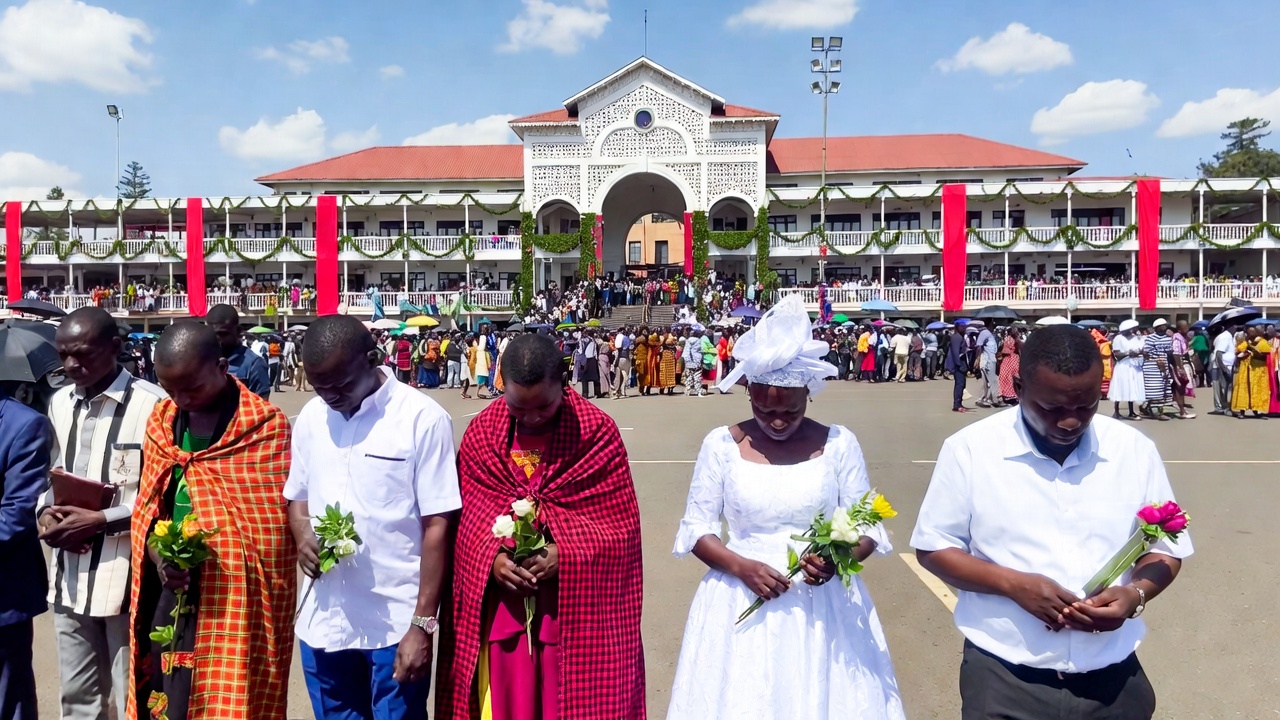
The 2025 Heroes’ Day celebrations were observed under the theme “Heroism and Unity for Rwanda’s Development,” emphasizing the connection between individual sacrifice and national progress. As Xinhua reported, President Paul Kagame and First Lady Jeannette Kagame laid wreaths at the National Heroes Mausoleum, joined by senior government officials and families of fallen heroes.
Best Time to Visit Kigali for Heroes’ Day Celebrations
Planning your visit around Heroes’ Day festivities requires understanding both the official events and practical considerations for travelers.
Heroes’ Week Activities Before February 1st
The celebration extends beyond a single day. The week preceding Heroes’ Day features numerous activities throughout Kigali and across Rwanda:
- Public discussions about heroic values and Rwandan history
- Sports competitions including soccer, basketball, sitting volleyball, and cycling
- Cultural performances featuring traditional dance and music
- Evening concerts organized in Kigali
- Educational programs at schools and universities
Weather Considerations for February Travel
February falls within Rwanda’s short dry season, making it an excellent time for exploring Kigali’s outdoor landmarks. Expect:
- Temperatures: 15-27°C (59-81°F)
- Rainfall: Minimal precipitation
- Sunshine: Pleasant conditions for walking tours
- Crowds: Moderate tourist numbers with increased local activity during celebrations
Your Complete One-Day Kigali Itinerary for Heroes’ Day
This carefully crafted itinerary balances solemn commemoration with cultural exploration, ensuring you experience the best of Kigali while honoring the spirit of Heroes’ Day.
Morning (7:00 AM – 12:00 PM): Heroes’ Commemoration and Historical Sites
7:00 AM – Start with Rwandan Coffee at Question Coffee
Begin your day in true Rwandan fashion at Question Coffee in Gishushu. This remarkable café trains women coffee farmers while promoting Rwanda’s exceptional coffee culture. Enjoy a locally sourced latte while watching the city awaken on Heroes’ Day morning.
Why visit Question Coffee:
- Ethical sourcing supporting women farmers
- Premium Rwandan Arabica beans
- Peaceful terrace with morning calm
- Fresh pastries and light breakfast options
8:30 AM – National Heroes Mausoleum: The Heart of Heroes’ Day Celebrations
The National Heroes Mausoleum in Remera serves as the focal point for Heroes’ Day commemorations. Located next to Amahoro Stadium in Gasabo District, this sacred site is where Rwanda’s recognized heroes are laid to rest under the management of CHENO.
According to Africa Press, the mausoleum features a serene, green environment with tombs arranged according to the three categories of heroes. The premises are separated by road bricks allowing visitors to navigate among the tombs.
What to See at the National Heroes Mausoleum:
| Section | Heroes Interred | Significance |
|---|---|---|
| Upper Level (Imanzi) | Major General Fred Rwigema, Unknown Soldier | Supreme sacrifice for liberation |
| Lower Level (Imena) | King Mutara III Rudahigwa, Michel Rwagasana, Agathe Uwilingiyimana, Félicité Niyitegeka, ESP Nyange Students | Extraordinary acts of patriotism |
| Symbol of Heroism | Central monument | Represents selfless sacrifice |
Important Visitor Information:
- Admission: Free for all visitors
- Opening Hours: Generally daylight hours; most significant on February 1st
- Photography: Permitted with respect
- Dress Code: Conservative, respectful attire required
- Duration: Allow 45-60 minutes
Travel Tip: On Heroes’ Day itself, expect official ceremonies in the morning with dignitaries laying wreaths. Arrive early or plan to visit after the official program concludes around midday.
10:30 AM – Kigali Genocide Memorial: Understanding Rwanda’s Journey
No visit to Kigali is complete without experiencing the Kigali Genocide Memorial in Gisozi. This profound site serves as the final resting place for over 250,000 victims of the 1994 Genocide against the Tutsi while educating visitors about Rwanda’s extraordinary journey toward healing and reconciliation.
As noted by Visit Rwanda, the memorial was inaugurated in 2004 on the tenth anniversary of the genocide. It has since become one of Africa’s most important educational sites, ranked among the top ten landmarks to visit on the continent by Tripadvisor’s Travellers’ Choice awards.
The Three Permanent Exhibitions:
- ‘Jenoside’ (Main Exhibition)
- Explores Rwanda’s history before the genocide
- Documents the 100 days of genocide
- Chronicles the aftermath, justice, and reconciliation
- Features eyewitness video testimonies
- ‘Tomorrow Lost’ (Children’s Memorial)
- Life-sized photographs of children murdered during the genocide
- Personal details including favorite toys, foods, and last words
- A devastating yet essential tribute
- ‘Wasted Lives’
- Examines the Holocaust and other 20th-century genocides
- Provides global context for understanding mass atrocities
Practical Information for Visiting:
| Detail | Information |
|---|---|
| Location | Gisozi, northwest Kigali (10-15 minutes from city center) |
| Opening Hours | 9:00 AM – 5:00 PM (last entry 4:00 PM), 7 days/week |
| Admission | Free; Ubumuntu Package available ($30 international, $20 East African) |
| Audio Guide | Available for hire; approximately 1 hour duration |
| Recommended Time | Minimum 1.5-2 hours |
| Age Restriction | Children under 12 not permitted |
| Umuganda Exception | Opens 1:00 PM on last Saturday of each month |
According to the Kigali Genocide Memorial website, visitors should dress and behave respectfully. Photography is permitted outdoors but not inside the museum exhibitions without special permission from the Ministry of National Unity and Civic Engagement.
The Memorial Gardens:
The beautifully landscaped grounds surrounding the memorial provide spaces for quiet contemplation:
- Gardens of Unity, Division & Reconciliation
- Rose Gardens with dedications from bereaved families
- Garden of Self Protection
- Provinces of Rwanda Garden
- Flower of Life Garden
- Forest of Memory
- Wall of Names (ongoing work documenting victims)
Cultural Note: Visiting the Kigali Genocide Memorial on Heroes’ Day holds special significance. Many Rwandan heroes gave their lives protecting others during the genocide or fighting to stop it. The connection between remembrance and heroism runs deep in Rwandan national consciousness.
Midday (12:00 PM – 2:00 PM): Traditional Rwandan Lunch Experience
After an emotionally profound morning, nourish yourself with authentic Rwandan cuisine—an essential part of understanding local culture.
Option 1: Heaven Restaurant (Fine Dining)
Heaven Restaurant represents Rwanda’s remarkable post-genocide recovery through hospitality. According to Heaven Rwanda, this establishment has trained over 3,000 Rwandans in hospitality and culinary skills since 2008.
Why Choose Heaven:
- Modern African cuisine using local Rwandan ingredients
- Open-air terrace with expansive Kigali views
- On-site art gallery and traditional banana wine experience
- Made in Rwanda retail boutique
- Direct support for local farmers and artisans
Signature Dishes to Try:
- Plantain gnocchi
- Slow-cooked goat
- Locally seasoned grilled meats
- Fresh vegetable platters featuring matoke (green bananas)
Option 2: Repub Lounge (Authentic Rwandan)
For a more traditional experience, Repub Lounge in Kimihurura serves authentic, high-quality Rwandan cuisine in a modern African-styled setting.
Must-Try Traditional Dishes:
| Dish | Description |
|---|---|
| Liboke | Chicken or fish cooked in banana leaves |
| Isombe | Pounded cassava leaves with peanuts and spices |
| Sambaza | Small fried fish from Lake Kivu |
| Matoke | Traditional green banana stew |
| Nyama Choma | Grilled meat, especially goat |
| Brochettes | Grilled meat skewers |
| Ugali | Maize flour staple served with beans (Gishyimbo) |
| Agatogo | Hearty vegetable stew with plantains |
| Ibihaza | Pumpkin stew |
Option 3: The Hut (Scenic Traditional)
The Hut restaurant offers stunning views of Kigali combined with authentic Rwandan dishes. Its relaxed, open-air setting makes it ideal for processing the morning’s experiences while enjoying traditional cuisine.
Afternoon (2:00 PM – 6:00 PM): Art, Culture, and Local Life
The afternoon invites exploration of Kigali’s vibrant contemporary culture and traditional neighborhoods.
2:00 PM – Inema Arts Center: Rwanda’s Contemporary Art Hub
Inema Arts Center in Kacyiru has established itself as the foremost modern art gallery in Kigali since its founding in 2012. According to Lonely Planet, this dynamic collective of artists has become a beacon for cultivating creative expression in Rwanda.
The Founding Story:
Brothers and self-taught painters Innocent Nkurunziza and Emmanuel Nkuranga established Inema to:
- Tap the untapped potential of art in Rwanda
- Use creative expression to bring the community alive
- Provide exposure and opportunities for underserved communities
- Create sustainable livelihoods through creativity
What to Experience at Inema:
| Offering | Description |
|---|---|
| Art Gallery | Paintings, sculptures, mixed media from 10+ resident artists |
| Live Art | Watch artists creating in their studios |
| Inema Dance | Youth dance troupe performances |
| Art with a Mission | Children’s art education program (Saturday afternoons) |
| Nziza Workshop | Women’s jewelry, linens, and leatherworks |
| Inema Café | Authentic Rwandan coffee and light refreshments |
| Art Jam Sessions | Weekly collaborative painting opportunities |
Visitor Information:
- Location: Kacyiru neighborhood, short drive from city center
- Admission: Free to browse
- Art Purchases: Available with international shipping
- Programs: Yoga classes, painting sessions, guided tours
- Best Time: Afternoon for quiet appreciation; weekends for events
Artist Spotlight: Emmanuel Nkuranga creates remarkable sculptures from e-waste, transforming discarded electronics into powerful art pieces—a testament to Rwandan innovation and creativity.
4:00 PM – Nyamirambo Walking Tour: The Soul of Old Kigali
The Nyamirambo Women’s Center Walking Tour offers one of Kigali’s most authentic cultural experiences. As described by the Nyamirambo Women’s Center, this tour weaves through one of Kigali’s oldest and most vibrant neighborhoods.
Tour Highlights:
- Welcome at the Women’s Center
- Traditional snack introduction
- Quick Kinyarwanda language lesson
- Overview of the cooperative’s activities
- Neighborhood Exploration
- Women’s hairdressing salon (free braid for the adventurous!)
- Family compound for cassava leaf pounding demonstration
- Two mosques reflecting the Muslim community
- Panoramic lookout view over Kigali
- Tailor shop featuring colorful African fabrics
- Traditional Lunch
- Home-cooked meal at Aminatha’s house
- Six authentic Rwandan dishes
- Cultural exchange with local families
Why Nyamirambo Matters:
Often called “Old Kigali” or the city’s “coolest neighborhood,” Nyamirambo represents where the capital’s story began. This bustling area never sleeps:
- Grocery stores open all night
- Vibrant street life day and night
- Rich cultural diversity
- Strong Muslim community presence
- Colorful wall paintings and street art
- Car-free zones for community gathering
Tour Options and Prices:
| Tour Type | Duration | Inclusions |
|---|---|---|
| Walking Tour | 3-4 hours | Snacks, neighborhood walk, traditional lunch |
| Mount Kigali Hike | 5-6 hours | Women’s Center visit + hillside hiking |
| Cooking Class | 4-5 hours | Market shopping, hands-on cooking with Aminatha |
| Basket Weaving | 2-3 hours | Learn traditional Rwandan craft |
Important Notes:
- Tours support local women’s economic empowerment
- Available in English, French, and Kinyarwanda
- Advance booking recommended
- Wear comfortable walking shoes
- Bring camera for street art and views
Evening (6:00 PM – 9:00 PM): Market Visit and Sunset Dining
6:00 PM – Kimironko Market: Kigali’s Vibrant Heart
No Kigali itinerary is complete without experiencing Kimironko Market, the city’s largest and most colorful local market. Located in Remera, this bustling marketplace offers an authentic glimpse into Rwandan daily life.
What to Find at Kimironko Market:
| Section | Products |
|---|---|
| Fresh Produce | Tropical fruits, vegetables, spices |
| Textiles | Kitenge fabrics, traditional cloth |
| Crafts | Handwoven baskets, wood carvings |
| Household Items | Kitchen supplies, home goods |
| Souvenirs | Unique gifts and memorabilia |
Shopping Tips:
- Bargaining is expected—start at 50-60% of asking price
- Evening visits offer cooler temperatures
- Interact with vendors—they’re friendly and enjoy practicing English
- Sample fresh produce—try local fruits like tree tomatoes
- Purchase Agaseke baskets—traditional woven treasures
7:30 PM – Sunset Dinner at Inzora Rooftop Café
End your Heroes’ Day Kigali experience with dinner at Inzora Rooftop Café, located atop a charming bookshop. This beloved establishment combines stunning panoramic views with excellent food.
Menu Highlights:
- Fresh salads and creative sandwiches
- Premium Rwandan coffee
- Local juice options
- Traditional Rwandan desserts
- Chocolate cake and pastries
The Perfect Ending:
Sit on the terrace as the sun sets over Kigali’s hills. Reflect on the day’s experiences—from honoring heroes at the mausoleum to learning about reconciliation at the genocide memorial, from appreciating contemporary art to immersing in neighborhood life. This city, built on a thousand hills, has risen from tragedy to become one of Africa’s most inspiring destinations.
Essential Practical Information for Kigali Visitors
Getting Around Kigali on Heroes’ Day
Understanding transportation options ensures smooth navigation throughout your itinerary.
Transportation Options:
| Mode | Description | Cost Range | Best For |
|---|---|---|---|
| Licensed Taxis | White vehicles with orange stripe | Negotiate before journey | Safe, comfortable transport |
| Moto Taxis | Motorcycle taxis | 1,000-2,500 RWF per trip | Quick, short distances |
| Yego Cab/Uber | Ride-hailing apps | Varies by distance | Convenience, set pricing |
| City Buses | Blue public buses | Very affordable | Budget travelers |
| Private Driver | Hired for full day | $50-100/day | Comprehensive sightseeing |
Recommended Approach for This Itinerary:
For the best Heroes’ Day experience, consider hiring a private driver for the full day. Benefits include:
- Flexible scheduling around official ceremonies
- Local knowledge and insights
- Comfortable rest between emotionally intense sites
- Easy transport between spread-out locations
According to U.S. State Department guidance, travelers should use only official Kigali city buses and licensed taxis (orange striped) and confirm fares before departure.
Safety Considerations for Rwanda Travel
Kigali’s Safety Reputation:
Rwanda’s capital consistently ranks as one of Africa’s safest cities. As noted by the Australian Government’s Smartraveller, petty crime is rare, though standard precautions apply:
- Keep valuables out of sight
- Use hotel safes for important documents
- Stay aware in crowded areas
- Use registered taxis after dark
- Lock vehicle doors when driving
Heroes’ Day Specific Considerations:
- Increased security presence around memorial sites
- Road closures possible near official venues
- Public gatherings at village level nationwide
- Respectful behavior expected at all commemorative events
Cultural Etiquette for Heroes’ Day
Showing respect for Rwandan culture enhances your experience and honors your hosts.
Essential Cultural Guidelines:
- At Memorial Sites
- Dress conservatively (shoulders and knees covered)
- Speak quietly and respectfully
- Ask permission before photographing people
- Do not step on graves at memorial sites
- Turn off mobile phone sounds
- Genocide Sensitivity
- Approach discussions with extreme respect
- Never refer to people by ethnicity
- Listen more than you speak
- Understand that many still carry trauma
- Support reconciliation efforts
- General Rwandan Etiquette
- Greet people warmly—”Muraho” (Hello)
- Accept offered beverages graciously
- Use right hand for giving/receiving
- Ask permission before photographing locals
- Dress neatly—Rwandans take pride in appearance
What to Pack for Your Kigali Heroes’ Day Visit
Proper preparation ensures comfort throughout your cultural exploration.
Essential Packing List:
| Category | Items |
|---|---|
| Clothing | Conservative attire, layers for cool mornings, comfortable walking shoes |
| Sun Protection | Sunscreen, hat, sunglasses |
| Rain Gear | Light jacket or umbrella (occasional showers possible) |
| Documentation | Passport, visa (if required), travel insurance details |
| Health | Hand sanitizer, basic medications, mosquito repellent |
| Technology | Camera, phone, power bank, adaptor (Type C/J outlets) |
| Cash | Rwandan Francs for markets and small vendors |
| Tissues | Memorial visits can be emotional |
Extending Your Stay: What Else to See Near Kigali
If Heroes’ Day inspires you to explore more of Rwanda, these nearby attractions complement your cultural journey.
Day Trip Options from Kigali
| Destination | Distance | Highlights |
|---|---|---|
| Nyamata Church Memorial | 30km south | Genocide memorial site |
| Ntarama Church Memorial | 30km south | Another powerful memorial |
| King’s Palace Museum, Nyanza | 85km south | Traditional royal residence, Inyambo cattle |
| Ethnographic Museum, Huye | 130km south | One of Africa’s finest collections |
| Lake Muhazi | 60km east | Peaceful lakeside relaxation |
Multi-Day Extensions
For travelers with more time, Rwanda offers extraordinary experiences:
- Volcanoes National Park: Mountain gorilla trekking
- Akagera National Park: Classic African safari
- Nyungwe Forest: Chimpanzee tracking and canopy walks
- Lake Kivu: Scenic lakefront towns and boat tours
Budget Planning for Your Kigali Heroes’ Day Itinerary
Understanding costs helps plan an enjoyable visit at any budget level.
Estimated Daily Budget Breakdown
| Category | Budget | Mid-Range | Luxury |
|---|---|---|---|
| Accommodation | $20-40 | $60-120 | $150-400+ |
| Meals | $15-25 | $30-50 | $60-100+ |
| Transportation | $15-25 | $30-50 | $80-150 |
| Attractions | $0-20 | $20-50 | $50-100 |
| Tours/Activities | $25-50 | $50-100 | $100-200 |
| DAILY TOTAL | $75-160 | $190-370 | $440-950+ |
Money-Saving Tips:
- Many memorial sites offer free admission
- Local restaurants serve excellent meals at low prices
- Public buses cost a fraction of taxis
- Walking tours support local communities affordably
- February offers good value before peak gorilla season
Frequently Asked Questions About Visiting Kigali During Heroes’ Day
Is Heroes’ Day a Public Holiday in Rwanda?
Yes. Heroes’ Day on February 1st is an official public holiday for both public and private sectors in Rwanda. If February 1st falls on a weekend, the following Monday becomes a public holiday, though official ceremonies still occur on February 1st.
Can Tourists Visit the National Heroes Mausoleum?
Absolutely. The National Heroes Mausoleum is open and free of charge to all Rwandans and foreigners. Visitors should behave respectfully and dress conservatively.
Is the Kigali Genocide Memorial Free to Visit?
Yes. Entrance to the memorial is free. However, the Ubumuntu Package ($30 international visitors, $20 East African residents) includes a guided tour, rose to lay at burial sites, “Champion Humanity” pin, and WiFi access.
What Language Is Spoken in Kigali?
Kinyarwanda is the national language. English and French are widely spoken, especially in tourist areas. Most guides and service providers communicate effectively in English.
Is Kigali Safe for Solo Travelers?
Yes. Kigali is considered one of Africa’s safest capital cities, with low crime rates and friendly residents. Women traveling alone generally report positive experiences. Standard precautions apply.
What Currency Is Used in Rwanda?
The Rwandan Franc (RWF) is the official currency. US dollars are accepted at many tourist establishments. ATMs are widely available in Kigali. Credit cards are accepted at hotels and upscale restaurants but less common at markets and small shops.
Do I Need a Visa to Visit Rwanda?
Visa requirements vary by nationality:
- Many countries qualify for visa-on-arrival or e-visa
- The East Africa Tourist Visa allows multi-country travel
- Check current requirements at the Rwanda Directorate General of Immigration
What Should I Wear to the Genocide Memorial?
Dress respectfully with shoulders and knees covered. Avoid revealing clothing, shorts, or sleeveless tops. Comfortable walking shoes are essential for the gardens and grounds.
Final Thoughts: Why Kigali During Heroes’ Day Transforms Travelers
Visiting Kigali during Heroes’ Day offers far more than typical tourism. This experience connects you with a nation’s deepest values—courage, sacrifice, unity, and resilience. You’ll witness a country that has transformed unimaginable tragedy into a model of reconciliation and progress.
The National Heroes Mausoleum teaches you that ordinary people can accomplish extraordinary things through sacrifice. The Kigali Genocide Memorial shows how remembrance fuels healing. Inema Arts Center demonstrates creativity’s power to rebuild. Nyamirambo’s streets reveal the warmth and energy that define modern Rwanda.
As you depart Kigali, you carry more than photographs and souvenirs. You carry stories of heroes who gave everything for their country. You carry appreciation for a people who chose forgiveness over vengeance. You carry inspiration to recognize heroism in your own community.
Rwanda’s journey from darkness to light offers profound lessons for our divided world. Heroes’ Day reminds us all that heroism isn’t about grand gestures—it’s about choosing courage, unity, and service over fear, division, and self-interest.
Book your Kigali trip, honor Rwanda’s heroes, and let this remarkable country transform your perspective on what’s possible when a nation commits to building peace together.
Plan Your Kigali Heroes’ Day Trip Now
Ready to experience Rwanda’s most meaningful holiday?
- ✅ Book flights to Kigali International Airport (KGL)
- ✅ Reserve accommodation in Kacyiru or Kimihurura for easy access
- ✅ Arrange a private driver for comfortable sightseeing
- ✅ Schedule your Nyamirambo Walking Tour in advance
- ✅ Pack respectful attire for memorial visits
- ✅ Bring tissues—the memorials move everyone deeply
- ✅ Open your heart to Rwanda’s extraordinary story
Heroes’ Day in Kigali awaits. Will you answer the call?
Deep Dive: The Story of Major General Fred Rwigema and Rwanda’s Liberation Heroes
Understanding the individuals honored on Heroes’ Day adds profound meaning to your visit. Major General Fred Gisa Rwigema stands as perhaps the most revered figure among Rwanda’s national heroes, and his story illustrates why Heroes’ Day resonates so deeply with Rwandans.
The Life and Legacy of Fred Rwigema
Born in 1957, Fred Rwigema grew up as a refugee after his family fled anti-Tutsi violence in Rwanda. His journey from refugee child to liberation hero exemplifies the sacrifices that define the Imanzi category of Rwandan heroes.
Key moments in Rwigema’s heroic journey:
- Exile and Early Life: Grew up in Uganda as a Rwandan refugee
- Military Service: Rose through ranks in the Ugandan army
- RPF Leadership: Became commander of the Rwandan Patriotic Front
- Ultimate Sacrifice: Died on October 2, 1990, the second day of the liberation war
His tomb at the National Heroes Mausoleum features distinctive white paint, positioned prominently in the upper level designated for Imanzi heroes. Adjacent lies the Tomb of the Unknown Soldier, representing all fallen liberation fighters whose individual stories may never be known.
The Unknown Soldier: Honoring Nameless Courage
The concept of the Unknown Soldier holds special significance in Rwandan commemoration. This symbolic tomb represents:
- Soldiers who died during the liberation struggle
- Heroes whose bodies were never recovered
- Fighters whose identities remain undocumented
- All who gave their lives anonymously for Rwanda’s freedom
The symbol at the mausoleum depicting a person with stretched arms pouring “water of life” into another’s bowl represents the essence of supreme sacrifice—giving everything, even one’s own life, for others regardless of who they are.
The ESP Nyange Students: Youth Heroism During Genocide
Among the most moving stories honored at the mausoleum is that of the S6 students of ESP Nyange, young people who demonstrated extraordinary courage during the genocide. When Interahamwe militia members demanded they separate into Hutu and Tutsi groups, these students refused, choosing unity over division even at the cost of their lives.
Their sacrifice represents:
- The power of unity over ethnic division
- Youth leadership in crisis
- Moral courage against overwhelming threat
- Hope for Rwanda’s future through its young people
Visiting their symbolic tomb during Heroes’ Day connects you with the heart of Rwanda’s reconciliation message: that unity and shared identity transcend the artificial divisions that once tore the nation apart.
Additional Cultural Landmarks to Enhance Your Kigali Experience
While our primary itinerary covers the essential Heroes’ Day sites, several additional landmarks warrant attention for travelers with extra time or specific interests.
Kandt House Museum: Colonial History and Natural Heritage
The Kandt House Museum occupies the former residence of Dr. Richard Kandt, the first German colonial Resident of Rwanda who named Kigali as the capital in 1907. According to Google Arts & Culture, this museum provides an essential overview of Rwanda’s social, economic, and political systems before and during the German colonial period.
Museum Sections:
| Area | Focus |
|---|---|
| Pre-Colonial Rwanda | Life before European contact |
| Colonial Period | German and Belgian rule |
| Natural History | Live reptiles, geological specimens |
| City Foundation | Kigali’s establishment as capital |
Visitor Information:
- Location: Central Kigali
- Duration: 1-2 hours
- Highlights: Traditional crafts, live snakes (safely behind glass)
- Connection to Heroes’ Day: Understanding colonial history contextualizes liberation efforts
Camp Kigali Belgian Peacekeepers Memorial
A somber reminder of international involvement during the genocide, the Camp Kigali Memorial marks where 10 Belgian UN peacekeepers were murdered on the first day of the genocide. They had been deployed to protect Prime Minister Agathe Uwilingiyimana (herself honored at the Heroes Mausoleum) but were disarmed by Presidential Guard soldiers and killed.
The 10 stone columns at this site serve as:
- Memorial to international sacrifice
- Reminder of the UN’s tragic limitations during the genocide
- Honor to soldiers who died while trying to protect others
- Connection between international and Rwandan heroism
Rwanda Art Museum: Art for Peace and Healing
Located in Kanombe, the Rwanda Art Museum houses artworks acquired from African artists focusing on themes of healing, reconciliation, tolerance, and peace. The permanent exhibition “Art for Peace” showcases over 120 pieces from more than 60 continental artists.
Why Visit:
- Witness how art contributes to post-genocide healing
- See African artistic responses to trauma and recovery
- Experience creativity as a reconciliation tool
- Connect artistic expression with national rebuilding
Presidential Palace Museum: A Different Historical Perspective
The former Presidential Palace on Kigali’s eastern outskirts offers a unique museum experience. While exhibits are limited, exploring the grounds reveals:
- “Secret” rooms and hidden spaces
- Historical architecture from Rwanda’s past
- Context for understanding the genocide’s political origins
- The physical setting where history unfolded
Understanding Umuganda: Rwanda’s Monthly Community Service
If your Heroes’ Day visit extends through the last Saturday of the month, you’ll encounter Umuganda, Rwanda’s remarkable monthly community service program. This practice reflects the same values of collective effort and national unity celebrated on Heroes’ Day.
What Is Umuganda?
Umuganda translates roughly to “coming together in common purpose to achieve an outcome.” On the last Saturday of every month:
- All able-bodied citizens participate in community work
- Activities run from approximately 8:00 AM to 11:00 AM
- Projects include cleaning, construction, and community improvement
- Businesses and transportation services pause during Umuganda
Impact on Travelers
If you’re in Kigali during Umuganda Saturday:
| Affected Service | Umuganda Hours | After 11:00 AM |
|---|---|---|
| Taxis/Motos | Not running | Resume normally |
| Public Buses | Suspended | Resume normally |
| Shops | Closed | Most reopen |
| Museums | May have limited access | Normal hours |
| Restaurants | Limited service | Full service |
Travel Tip: The Kigali Genocide Memorial opens at 1:00 PM on Umuganda Saturdays rather than 9:00 AM. Plan accordingly.
Participating in Umuganda
Some visitors choose to participate in Umuganda alongside Rwandans. If interested:
- Contact your hotel for local participation options
- Wear practical clothes suitable for physical work
- Bring water and sun protection
- Embrace the community spirit
This experience provides authentic insight into the collective values that drive Rwandan society—values deeply connected to the heroism honored on February 1st.
Photography Guide: Capturing Kigali’s Cultural Landmarks
Documenting your Heroes’ Day journey requires understanding both technical considerations and cultural sensitivities.
Memorial Site Photography Guidelines
Kigali Genocide Memorial:
- Outdoor photography: Permitted and free
- Indoor photography: Requires special government permit
- Mass graves: Permitted with utmost respect
- Other visitors: Ask permission before including in photos
National Heroes Mausoleum:
- General photography: Permitted
- Official ceremonies: Ask permission from organizers
- Tombs: Photograph respectfully
Best Photography Spots in Kigali
| Location | Best Time | Subject |
|---|---|---|
| Mount Kigali viewpoint | Sunrise/Sunset | City panorama |
| Inema Arts Center | Midday | Art and artists |
| Nyamirambo streets | Golden hour | Street life |
| Memorial Gardens | Any time | Quiet contemplation |
| Kimironko Market | Morning | Vibrant colors |
| Kandt House | Afternoon | Architecture |
Respectful Photography Practices
When photographing in Rwanda, especially during commemorative occasions:
- Always ask permission before photographing individuals
- Never photograph children without guardian consent
- Avoid intrusive behavior at memorial sites
- Put cameras away during solemn moments
- Respect “no photography” signs absolutely
- Share images thoughtfully on social media
Connecting with Local Communities: Responsible Tourism in Kigali
Heroes’ Day celebrates individuals who served their communities. Visitors can honor this spirit through responsible tourism practices that benefit local Rwandans.
Community-Based Tourism Options
| Experience | Organization | Community Benefit |
|---|---|---|
| Walking Tours | Nyamirambo Women’s Center | Women’s economic empowerment |
| Art Purchases | Inema Arts Center | Artist livelihoods |
| Coffee Tours | Question Coffee | Women farmer training |
| Craft Shopping | Kimironko vendors | Direct family income |
| Local Dining | Family restaurants | Small business support |
Supporting Genocide Survivors
Several organizations work directly with genocide survivors. Consider:
- Purchasing from memorial gift shops (proceeds support survivor programs)
- Donating to survivor organizations through the Aegis Trust
- Staying at community-run accommodations
- Booking tours led by survivors who share their stories
Environmental Responsibility
Rwanda is famous for its environmental consciousness:
- Plastic bags are banned nationwide—bring reusable bags
- Dispose of waste properly in designated bins
- Support eco-friendly businesses where possible
- Participate in or donate to conservation efforts
Planning Your Trip: Month-by-Month Kigali Travel Calendar
While Heroes’ Day falls specifically on February 1st, understanding Rwanda’s annual calendar helps you plan extended stays or return visits.
Rwanda’s Major Events and Commemorations
| Month | Event | Significance |
|---|---|---|
| January | Heroes’ Week preparations | Community discussions, sports |
| February 1 | Heroes’ Day | Main commemorations |
| April 7 – July 4 | Kwibuka (Remembrance Period) | Genocide commemoration |
| July 4 | Liberation Day | End of genocide, national celebration |
| August | Umuganura | Harvest thanksgiving festival |
| September | Kwita Izina | Gorilla naming ceremony |
| December | End-of-year festivities | Holiday celebrations |
Best Times to Visit Kigali
| Season | Months | Weather | Crowds | Price |
|---|---|---|---|---|
| Long Dry | June-September | Pleasant, cool | Moderate-High | Higher |
| Short Rains | October-November | Occasional rain | Lower | Moderate |
| Short Dry | December-February | Warm, dry | Moderate | Moderate |
| Long Rains | March-May | Heavy rainfall | Lowest | Lower |
Heroes’ Day Advantage: February falls in the short dry season, offering comfortable weather with moderate tourist numbers before peak gorilla trekking season begins.
Accommodation Guide: Where to Stay in Kigali for Heroes’ Day
Choosing the right accommodation enhances your cultural exploration. Consider these neighborhoods based on your priorities.
Neighborhood Breakdown
| Area | Character | Best For | Price Range |
|---|---|---|---|
| Kacyiru | Residential, diplomatic | Art lovers (near Inema) | Mid-range to luxury |
| Kimihurura | Upscale, restaurants | Foodies, nightlife | Mid-range to luxury |
| Kiyovu | Central, historic | Walking exploration | Budget to mid-range |
| Nyamirambo | Local, vibrant | Cultural immersion | Budget |
| Remera | Commercial, accessible | Market visits | Budget to mid-range |
Recommended Accommodation Types
For Cultural Immersion:
- Guesthouses and B&Bs in Nyamirambo
- Community-run hostels
- Homestay experiences
For Comfort and Convenience:
- Boutique hotels in Kimihurura
- Heaven Restaurant’s rooms
- Mid-range hotels in Kacyiru
For Luxury Experience:
- Kigali Serena Hotel
- Radisson Blu (near Convention Centre)
- The Retreat at Heaven
Health and Wellness: Staying Safe During Your Visit
Proper preparation ensures you can fully engage with Kigali’s cultural offerings without health concerns.
Pre-Travel Health Preparations
Recommended Vaccinations:
| Vaccine | Requirement Level |
|---|---|
| Yellow Fever | Required if traveling from endemic area |
| Hepatitis A | Recommended |
| Typhoid | Recommended |
| Meningococcal | Consider for dry season |
| Rabies | Consider if extensive outdoor activities planned |
| Routine Vaccines | Ensure up-to-date |
Malaria Considerations:
As noted by the CDC, malaria is present in Rwanda, particularly in lower-altitude areas including Kigali. Consult your doctor about prophylactic medication well before travel.
During Your Visit
Water Safety:
- Drink bottled or purified water only
- Use bottled water for brushing teeth
- Avoid ice in drinks unless from reputable establishments
- Eat fruits you can peel yourself
Sun and Heat:
- Apply high SPF sunscreen regularly
- Wear hats during midday hours
- Stay hydrated throughout the day
- Take breaks in shade during outdoor activities
Emotional Wellness:
Visiting genocide memorials can be emotionally overwhelming. Prepare yourself:
- Take breaks when needed
- Process feelings with travel companions
- Journaling can help work through emotions
- Don’t feel obligated to see everything
- Memorial staff are trained to support visitors
Learning Kinyarwanda: Essential Phrases for Cultural Connection
Learning basic Kinyarwanda phrases demonstrates respect and enhances interactions throughout your Heroes’ Day experience.
Essential Greetings and Courtesies
| English | Kinyarwanda | Pronunciation |
|---|---|---|
| Hello | Muraho | moo-RAH-ho |
| How are you? | Amakuru? | ah-mah-KOO-roo |
| I’m fine | Ni meza | nee MAY-zah |
| Thank you | Murakoze | moo-rah-KOH-zay |
| Please | Mbabarira | m-bah-bah-REE-rah |
| Yes | Yego | YEH-go |
| No | Oya | OH-yah |
| Goodbye | Murabeho | moo-rah-BAY-ho |
| Excuse me | Mbabarira | m-bah-bah-REE-rah |
Useful Travel Phrases
| English | Kinyarwanda |
|---|---|
| How much? | Ni angahe? |
| Where is…? | …iri he? |
| I don’t understand | Sinumva |
| Please speak slowly | Vuga buhoro |
| Beautiful | Byiza cyane |
| Delicious | Biryoshye |
Heroes’ Day Specific
| English | Kinyarwanda |
|---|---|
| Heroes’ Day | Umunsi w’Intwari |
| Hero | Intwari |
| Courage | Ubutwari |
| Unity | Ubumwe |
| Peace | Amahoro |
| Rwanda | U Rwanda |
Using even a few Kinyarwanda words—especially “Muraho” and “Murakoze”—opens doors and hearts throughout your journey.