
A Complete Guide to Celebrating Tibetan New Year with Authentic Blessings, Traditional Customs, and Heartfelt Messages
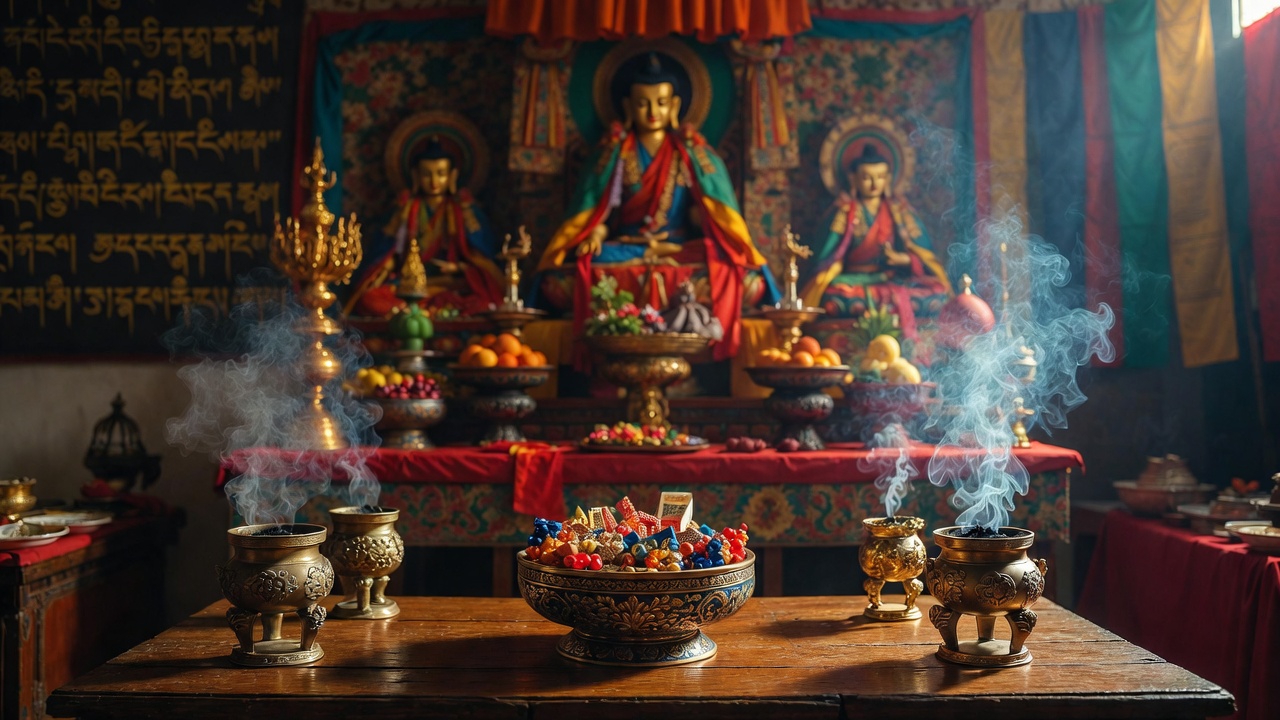
The crisp mountain air carries the scent of juniper smoke. Prayer flags flutter against an impossibly blue sky, their colors—blue, white, red, green, and yellow—representing the five elements that compose our universe. In homes across the Tibetan Plateau, from the ancient streets of Lhasa to exile communities in Dharamsala, families gather to welcome a new beginning. This is Losar, the Tibetan New Year, and the air vibrates with one of humanity’s most beautiful greetings: Tashi Delek.
I have spent nearly two decades documenting festivals across the Himalayan region, from the frozen passes of Ladakh to the subtropical valleys of Bhutan. Yet every time I hear those two words—Tashi Delek—spoken with genuine warmth during Losar celebrations, I am reminded why this holiday holds such a special place in the tapestry of world festivals. It is not merely a new year celebration; it is a profound renewal of spiritual commitment, family bonds, and hope for all sentient beings.
In this comprehensive guide, we will explore everything you need to know about Losar greetings and wishes, from the traditional Tashi Delek messages to the deeper cultural significance behind each blessing. Whether you are planning to attend Losar celebrations, have Tibetan friends you wish to honor, or simply want to understand this beautiful tradition, this article will serve as your complete resource.
What Is Losar and Why Is Tibetan New Year Celebrated?
Losar (བོད་ལོ་གསར་), which literally translates to “new year” (lo meaning year and sar meaning new), is the most important festival in the Tibetan calendar. Unlike the Gregorian New Year fixed on January 1st, Losar follows the lunisolar Tibetan calendar, typically falling between late January and early March.
The celebration spans fifteen days, though the first three days hold the greatest significance. Each day carries specific rituals, and the entire period represents a time of:
- Spiritual renewal and purification
- Family reunification and ancestral remembrance
- Community bonding through shared customs
- Hopeful intention-setting for the year ahead
The Ancient Origins of Losar Festival
The origins of Losar predate Buddhism in Tibet by several centuries. According to historical accounts preserved in Tibetan texts, the celebration began during the reign of the ninth Tibetan king, Pude Gungyal, when Tibetans developed advanced agricultural practices. The festival initially marked the flowering of apricot trees in the Yarlung Valley, signifying the end of winter and the promise of harvest.
When Buddhism arrived in Tibet during the 7th century CE, the festival absorbed deeper spiritual meanings. The great Buddhist master Padmasambhava (Guru Rinpoche) is said to have performed miraculous feats during this period, and many Losar rituals now incorporate Buddhist practices of purification, offering, and merit-making.
When Is Losar 2024 and Losar 2025?
The date of Losar varies each year based on the Tibetan lunisolar calendar. Here are the dates for upcoming celebrations:
| Year | Losar Date | Tibetan Year | Animal Sign |
|---|---|---|---|
| 2024 | February 10 | 2151 | Wood Dragon |
| 2025 | February 28 | 2152 | Wood Snake |
| 2026 | February 17 | 2153 | Fire Horse |
| 2027 | February 6 | 2154 | Fire Sheep |
The Tibetan calendar operates on a sixty-year cycle combining twelve animals with five elements (wood, fire, earth, metal, and water), creating a rich astrological system that influences how each year is approached.
Understanding Tashi Delek: The Meaning Behind Tibetan New Year Greetings
No phrase is more synonymous with Tibetan culture than Tashi Delek (བཀྲ་ཤིས་བདེ་ལེགས་). This beautiful expression serves as the cornerstone of Losar greetings and carries layers of meaning that transcend simple translation.
What Does Tashi Delek Mean in English?
The phrase breaks down as follows:
- Tashi (བཀྲ་ཤིས་): Auspiciousness, good fortune, blessings
- Delek (བདེ་ལེགས་): Wellness, happiness, goodness
Together, Tashi Delek conveys a wish for “auspicious blessings and happiness” or “may all good things come to you.” However, reducing it to a simple translation misses its cultural depth. When Tibetans say Tashi Delek, they are invoking an entire worldview where material success, spiritual progress, and communal harmony interweave.
How to Pronounce Tashi Delek Correctly
Proper pronunciation shows respect for the culture. Here is a phonetic guide:
Tashi Delek: TAH-shee deh-LEK
- The “Tashi” sounds like “tah-shee” with emphasis on the first syllable
- The “Delek” sounds like “deh-lek” with a soft ‘k’ at the end
- The entire phrase flows smoothly, almost like a single word when spoken naturally
When you greet someone with this phrase, maintain eye contact and speak with warmth. Tibetans deeply appreciate when non-Tibetans make the effort to learn their traditional greeting.
When to Use Tashi Delek During Losar Celebrations
Tashi Delek is appropriate throughout the Losar period but carries special weight during:
- Losar morning greetings when family members first encounter each other
- Visiting neighbors and relatives during the first three days
- Receiving or giving gifts (khata scarves especially)
- Entering monasteries or attending religious ceremonies
- Meeting friends after the new year begins
The phrase is never wrong to use, but during Losar, it carries the added significance of wishing someone a blessed new year.
Traditional Losar Greetings: Complete Tibetan New Year Wishes
While Tashi Delek serves as the foundational greeting, Tibetans employ numerous other phrases during Losar that convey specific blessings. Learning these traditional Tibetan New Year wishes allows for deeper cultural connection.
Essential Losar Greetings in Tibetan Language
| Tibetan Script | Transliteration | Meaning | When to Use |
|---|---|---|---|
| བོད་ལོ་གསར་པའི་བཀྲ་ཤིས་བདེ་ལེགས། | Bod Lo Sarpi Tashi Delek | Happy Tibetan New Year | General new year greeting |
| ལོ་གསར་ལ་བཀྲ་ཤིས་བདེ་ལེགས། | Losar La Tashi Delek | Blessings for the New Year | First three days of Losar |
| བཀྲ་ཤིས་བདེ་ལེགས་ཕུན་སུམ་ཚོགས། | Tashi Delek Phunsum Tshok | Complete auspicious blessings | Formal occasions |
| སྐུ་གཟུགས་བདེ་ཐང་། | Ku Zug De Thang | May you be healthy | Wishing wellness |
| བསམ་དོན་འགྲུབ་པར་ཤོག། | Sam Don Drub Par Shok | May your wishes be fulfilled | Aspirational blessing |
Losar Greeting for Family Members
The Tibetan family unit, or kyimtsang, holds paramount importance during Losar. Family greetings often incorporate:
For elders: Show respect by using honorific language and bowing slightly. The greeting might be:
“Ama-la, Tashi Delek. Lo sarpi kuzu depo yinpey. Sam don kun drup shog.” (Mother, auspicious greetings. May you be healthy in the new year. May all your wishes be fulfilled.)
For younger family members: Blessings focus on education, growth, and good character:
“Tashi Delek, bu/bumo. Lo sar la loptra yagpo dang kuzu depo yong shog.” (Auspicious greetings, son/daughter. May you have good studies and health in the new year.)
For siblings and cousins: A more casual but still warm approach:
“Lo sarpi tashi delek! Deng lo yang kyipo yong shog.” (Happy New Year! May this year also be joyful.)
Best Tashi Delek Messages for Tibetan New Year 2024
Crafting the perfect Losar message requires balancing tradition with personal warmth. Below are carefully curated messages appropriate for various relationships and occasions.
Heartfelt Losar Wishes for Friends
Message 1:
Tashi Delek, dear friend! As the Wood Dragon year awakens, may it bring you strength like the mountains, wisdom like the ancient texts, and joy like the spring flowers blooming across the plateau. May our friendship continue to grow through another blessed year. Losar Tashi Delek!
Message 2:
As juniper smoke rises and prayer flags flutter, I send you my warmest Losar wishes. May the new year fill your path with light, your heart with compassion, and your life with meaningful connections. Tashi Delek Phunsum Tshok!
Message 3:
Happy Tibetan New Year! In this season of renewal, may you release the burdens of the past and embrace the possibilities ahead. Like the snow lion on our flag, may you be brave, pure, and joyful. Bod Lo Sarpi Tashi Delek!
Formal Losar Greetings for Business and Professional Relationships
Message 1:
On the auspicious occasion of Losar 2024, please accept our heartfelt greetings. May the Year of the Wood Dragon bring prosperity to your endeavors, harmony to your workplace, and success beyond measure. Tashi Delek!
Message 2:
As we welcome the Tibetan New Year, we extend our warmest wishes for your continued success and wellbeing. May this year strengthen our professional relationship and bring mutual growth. Losar La Tashi Delek!
Losar Messages for Social Media Posts
Short Instagram/Facebook caption:
🙏 Tashi Delek! Welcoming the Year of the Wood Dragon with gratitude and hope. May all beings find peace, prosperity, and enlightenment. #Losar2024 #TashiDelek #TibetanNewYear #WoodDragon
Longer social media message:
As the Tibetan New Year dawns, I’m reminded that every ending carries the seed of a new beginning. Losar teaches us to purify our minds, honor our ancestors, and step forward with intention. May this Year of the Wood Dragon awaken our courage and creativity. Tashi Delek to all! 🐉✨ #HappyLosar #TibetanCulture #NewBeginnings
Religious and Spiritual Losar Blessings
For those with Buddhist practice or deep spiritual connections, these messages incorporate traditional prayers:
Message 1:
Om Mani Padme Hum. On this sacred Losar, may the blessings of the Three Jewels—Buddha, Dharma, and Sangha—illuminate your path. May you cultivate wisdom, generate compassion, and progress toward liberation for the benefit of all sentient beings. Tashi Delek!
Message 2:
As we enter this new year, may you have the courage of Chenrezig, the wisdom of Manjushri, and the protective power of Vajrapani. May all obstacles be cleared and all positive conditions arise. Sarva Mangalam—may everything be auspicious!
How to Wish Happy Losar: Cultural Etiquette and Customs
Understanding how to properly wish someone a happy Losar involves more than memorizing phrases. The cultural context transforms a simple greeting into a meaningful exchange.
The Art of Presenting Khata Scarves During Losar
The khata (ceremonial silk scarf) is inseparable from Tibetan greetings. During Losar, offering a khata with your Tashi Delek elevates the blessing significantly.
Proper khata presentation follows these steps:
- Fold the khata lengthwise into thirds or halves
- Hold it in both hands with the opening facing the recipient
- Bow slightly as you extend the scarf
- Speak your greeting as you present it
- For high lamas or elders: drape the khata over their extended hands without placing it around their neck
- For equals or juniors: you may place it around their neck
Khata colors carry meaning:
| Color | Significance | When to Use |
|---|---|---|
| White | Purity, sincerity | Most common, appropriate for all occasions |
| Yellow/Gold | Religious, spiritual | Offering to lamas and monasteries |
| Blue | Wisdom, the sky | Academic or artistic occasions |
| Green | Activity, energy | Business or new ventures |
| Red | Protection, power | Special ceremonies |
Physical Greetings and Body Language
Tibetan greeting etiquette differs from Western customs:
- Avoid direct handshakes initially; a slight bow with hands together is preferred
- Eye contact should be warm but not prolonged or intense
- Lower your head slightly when greeting elders or religious figures
- Receive gifts or khatas with both hands to show respect
- Avoid pointing your feet toward religious objects or people
Timing of Losar Greetings
The first three days of Losar have specific protocols:
Day One (Lama Losar):
- Reserved for spiritual practice and monastery visits
- Greetings focus on religious teachers and spiritual community
- Families perform private rituals
Day Two (Gyalpo Losar):
- Secular celebrations begin
- Visit relatives and community members
- Exchange gifts and formal greetings
Day Three (Choe-kyong Losar):
- Honor protector deities
- Hang new prayer flags
- Continue visiting and celebration
Losar Celebration Traditions: Understanding the Festival Context
To fully appreciate Tibetan New Year greetings, understanding the surrounding customs provides essential context.
Gutor: The Cleansing Rituals Before Losar
The two days preceding Losar, known as Gutor, involve intensive cleaning and purification rituals. This is when Tibetans:
- Thoroughly clean their homes to sweep away the old year’s negative energies
- Settle all debts to begin fresh without financial burdens
- Prepare special foods for the celebrations ahead
- Create ritual dough balls (gutuk) for a divination ceremony
- Perform smoke offerings to purify the space
The famous Gutor soup contains small dough balls with hidden items—paper, coal, salt, chili, wool—that predict the finder’s fortune for the coming year. This playful tradition brings laughter and anticipation to Losar eve.
Losar Foods and Their Symbolic Meanings
Food plays a central role in Losar celebrations, and understanding the symbolism enriches your appreciation of the holiday.
Traditional Losar Foods:
| Food Item | Tibetan Name | Symbolic Meaning |
|---|---|---|
| Khapse (fried pastries) | ཁ་ཟས | Abundance, ear-shaped to “hear” good news |
| Dre-si (sweet rice) | འབྲས་སིལ | Sweetness and prosperity |
| Changkol (barley wine) | ཆང | Celebration and social bonding |
| Losar Kabse tower | བཀྲ་ཤིས་སྣོད | Good fortune structure |
| Chemar (barley offering) | ཕྱེ་མར | Auspicious first offering |
The Significance of Prayer Flags During Tibetan New Year
Replacing prayer flags (lung ta) is essential to Losar tradition. Tibetans believe:
- Old flags have absorbed negative energies throughout the year
- New flags carry fresh blessings to be spread by the wind
- The five colors represent: blue (sky/space), white (air/wind), red (fire), green (water), yellow (earth)
- Mantras printed on flags benefit all beings as they flutter
The best time to hang new flags is early Losar morning, preferably when the sun first touches the mountaintops.
Regional Variations in Tibetan New Year Celebrations
While Tashi Delek remains universal, Losar celebrations vary across Tibetan regions and diaspora communities.
Losar in Lhasa and Central Tibet (U-Tsang)
The historical heart of Tibetan culture celebrates Losar with elaborate monastery ceremonies and the famous Monlam Chenmo (Great Prayer Festival) that follows. Key features include:
- Large-scale torma offerings at Jokhang Temple
- Cham dances (sacred masked dances) at major monasteries
- Government officials’ formal greetings during the pre-1959 period
- Extensive family visiting protocols lasting many days
Losar Traditions in Amdo Region
The Amdo region (northeastern Tibet, including parts of Qinghai and Gansu provinces) maintains distinct traditions:
- Horse racing festivals often accompany celebrations
- Nomadic communities adapt rituals for tent-dwelling life
- Strong emphasis on livestock blessings
- Unique dialect variations in greetings
Kham Region Losar Customs
Eastern Tibet’s Kham region is known for:
- Warrior traditions and martial demonstrations
- Elaborate traditional costumes with heavy jewelry
- Strong musical traditions including unique folk songs
- Extended celebrations sometimes lasting weeks
Losar in the Tibetan Diaspora
For the over 150,000 Tibetans living in exile, Losar carries additional emotional weight:
In Dharamsala, India:
- His Holiness the Dalai Lama addresses the community
- The Tibetan Institute of Performing Arts presents cultural shows
- Political statements about Tibetan independence accompany celebrations
In Nepal:
- The Boudhanath Stupa becomes a focal point
- Large Tibetan refugee communities in Kathmandu celebrate publicly
- Strong Buddhist monastery participation
In Western Countries:
- Tibetan community associations organize gatherings
- Cultural preservation becomes central to celebrations
- Many non-Tibetans participate, spreading awareness
Losar Greetings for Different Relationships and Situations
How to Greet a Tibetan Lama During Losar
Greeting religious teachers (lamas) requires special protocol:
- Approach with humility and slight bow
- Present a khata with both hands, opening facing up
- Do not place the khata around their neck; they will either take it or bless and return it
- Say: “Lama-la, Losar Tashi Delek zhus” (Teacher, I offer Losar greetings)
- Receive any blessing with head bowed and hands together
Losar Wishes for Neighbors and Community
In traditional Tibetan communities, visiting neighbors during Losar strengthens social bonds:
“Khyim-tshang kun-la Losar Tashi Delek! Lo sar di’i nang thun mong gi lam du bsam pa kun ‘grub par shog.” (Tashi Delek to your whole household! May all our collective wishes be fulfilled this year.)
Condolence-Aware Losar Greetings
If someone has experienced loss in the past year, modify your greeting with sensitivity:
“Tashi Delek. Lo sar di’i nang sempa kyong po dang zhi ba yong shog.” (Tashi Delek. May this new year bring you courage and peace.)
Modern Ways to Share Losar Greetings and Wishes
While traditional face-to-face greetings remain most valued, modern technology has expanded Losar communication.
Losar E-cards and Digital Greetings
Many Tibetan organizations offer free digital resources:
- Tibet House websites provide downloadable greeting cards
- Tibetan language apps offer greeting templates
- Social media graphics spread across platforms during Losar
Video Call Etiquette for Losar Greetings
For diaspora families separated by distance:
- Dress appropriately in traditional or nice clothing
- Have a khata ready to symbolically present on camera
- Ensure good lighting and stable connection
- Include multiple family members when possible
- Exchange greetings formally before casual conversation
WhatsApp and WeChat Losar Messages
For quick digital greetings, these abbreviated messages work well:
“🙏 Losar Tashi Delek! 🐉 May the Year of the Dragon bring you joy!”
“བོད་ལོ་གསར་པའི་བཀྲ་ཤིས་བདེ་ལེགས། Wishing you and your family a prosperous new year!”
Losar Activities and How They Connect to Greetings
Losar Morning Rituals and First Greetings
The first words spoken on Losar morning hold special power. Traditional families follow this sequence:
- Before dawn, the eldest person rises first
- They make smoke offerings (sang) at the household altar
- The first greeting goes to the altar and protector deities
- Then family members are awakened with “Tashi Delek”
- The Chemar ceremony begins the day’s blessings
The Chemar Offering Ceremony
The Chemar box—a decorated container holding roasted barley flour (tsampa) and wheat—is central to Losar greetings.
The ritual proceeds:
- Host presents the Chemar to each guest
- Guest takes a pinch of tsampa with right hand
- Guest throws three pinches into the air with the words: “Tashi Delek! Phun sum tshogs! Amala phebst!” (Auspiciousness! Abundance! May the gods descend!)
- Guest then tastes a bit of tsampa
- Host responds with blessings
This exchange combines greeting with offering, demonstrating how Tibetan culture interweaves social and spiritual practices.
Why Losar Greetings Matter: Cultural Preservation and Global Understanding
Losar as UNESCO Intangible Cultural Heritage
While Losar itself is not yet on UNESCO’s list, related Tibetan traditions have received recognition. The continued practice of traditional greetings and customs contributes to:
- Cultural continuity across generations
- Identity preservation in diaspora communities
- Intercultural understanding with global neighbors
Supporting Tibetan Culture Through Authentic Celebration
When non-Tibetans learn and use proper Losar greetings, they:
- Honor living traditions rather than exoticizing them
- Build genuine cross-cultural bridges
- Support preservation efforts by showing global interest
- Avoid cultural appropriation through education and respect
Teaching Children About Losar Greetings
Simple Tashi Delek for Kids
For children learning Tibetan greetings:
Activity 1: Greeting Practice
“Can you say Tashi Delek? It means ‘I wish you happiness and good luck!’ Let’s practice together: TAH-shee deh-LEK!”
Activity 2: Khata Presentation Game
Use a simple white scarf to practice offering with both hands and a small bow while saying the greeting.
Losar Coloring Pages and Learning Materials
Many organizations provide free educational resources:
- Tibetan Children’s Village materials
- Tibet House cultural packets
- Library of Tibetan Works and Archives educational programs
Frequently Asked Questions About Losar Greetings
Is It Appropriate for Non-Tibetans to Say Tashi Delek?
Absolutely yes. Tibetans generally warmly appreciate when non-Tibetans learn their greetings. It shows respect and genuine interest in their culture. The key is to:
- Learn correct pronunciation
- Understand basic meaning
- Use the greeting with sincerity
- Be open to gentle correction
Can I Wish Tashi Delek Even If It’s Not Losar?
Yes! Tashi Delek is appropriate year-round as a general greeting or farewell. During Losar, it simply carries additional new year significance. It’s similar to how “Happy New Year” can be said anytime but means more in January.
What If I Mispronounce Tashi Delek?
Don’t worry excessively. The intention matters most. Tibetans appreciate the effort and will often help you with pronunciation. A genuine attempt at their greeting will always be received kindly.
Is Losar the Same as Chinese New Year?
No. While both follow lunisolar calendars, they are distinct cultural celebrations:
| Aspect | Losar | Chinese New Year |
|---|---|---|
| Cultural origin | Tibetan Plateau | Han Chinese regions |
| Calendar system | Tibetan lunisolar | Chinese lunisolar |
| Dating calculation | Often different dates | Based on Chinese calendar |
| Religious context | Tibetan Buddhism/Bön | Confucian/Taoist traditions |
| Key greeting | Tashi Delek | Gong Xi Fa Cai |
This distinction matters particularly for Tibetans preserving their unique identity.
Losar 2024: Year of the Wood Dragon Special Messages
The Year of the Wood Dragon carries special energy and significance that can be incorporated into greetings.
Dragon Year Characteristics in Tibetan Astrology
The Dragon (Druk) holds special significance in Tibetan culture—Bhutan even calls itself “Land of the Thunder Dragon.” Dragon years are associated with:
- Power and dynamism
- Transformation and change
- Creativity and innovation
- Success in new ventures
- Spiritual awakening
The Wood element adds qualities of:
- Growth and expansion
- Flexibility and adaptability
- New beginnings
- Environmental harmony
Dragon Year-Specific Losar Messages
“Tashi Delek! In this Year of the Wood Dragon, may you embody the dragon’s courage, wisdom, and transformative power. May your dreams take flight like the sacred Druk soaring through mountain clouds!”
“As the Wood Dragon year awakens, may it bring you the strength of deep roots and the freedom of vast skies. May your actions benefit all beings, and may peace prevail everywhere. Losar Tashi Delek!”
Planning Your Losar Celebration: Putting Greetings Into Practice
Losar Celebration Checklist
Use this guide to prepare for authentic celebrations:
One Week Before Losar:
- [ ] Learn key greetings and practice pronunciation
- [ ] Purchase or make khatas for offering
- [ ] Clean your home thoroughly (continuing Gutor tradition)
- [ ] Settle any outstanding debts or disputes
- [ ] Prepare or purchase traditional foods
Losar Eve:
- [ ] Complete final cleaning
- [ ] Prepare the household altar
- [ ] Make the Chemar offering box ready
- [ ] Reflect on the past year and set intentions
Losar Morning:
- [ ] Wake early, ideally before sunrise
- [ ] Make offerings at your altar
- [ ] Greet family members with Tashi Delek
- [ ] Perform Chemar ceremony
- [ ] Wear new or best clothes
- [ ] Begin visiting friends and family
Creating Your Own Meaningful Losar Greeting
To craft a personal Losar message, include:
- The traditional greeting: Tashi Delek or Losar Tashi Delek
- Reference to the year: Wood Dragon, specific Tibetan year number
- Specific blessings: health, prosperity, spiritual growth
- Personal connection: shared memories or hopes
- Closing blessing: traditional phrase or personal wish
Template:
“[Traditional greeting], [name]! As we welcome the [Year] of the [Animal], I [personal reflection/memory]. May this new year bring you [specific wishes]. [Closing blessing]!”
Conclusion: The Enduring Power of Tashi Delek
In a world increasingly marked by division and misunderstanding, the Tibetan greeting Tashi Delek offers something precious: a sincere wish for another’s complete wellbeing. It asks nothing in return. It assumes the best of both speaker and recipient. It connects individuals to a cultural tradition stretching back centuries.
As you prepare to celebrate Losar or simply wish your Tibetan friends a happy new year, remember that these greetings are more than words. They are carriers of intention, bridges between cultures, and affirmations of our shared humanity.
Whether you master the perfect pronunciation of Tashi Delek or simply offer a heartfelt “Happy Losar,” your participation in this ancient festival honors a living tradition. The Tibetan community, both on the plateau and scattered across the globe, maintains these customs not as museum pieces but as vital expressions of identity, hope, and spiritual aspiration.
So as the new year dawns, as incense smoke rises from rooftops across the Himalayas, and as prayer flags begin their endless prayer on the wind, join me in saying:
བོད་ལོ་གསར་པའི་བཀྲ་ཤིས་བདེ་ལེགས།
Bod Lo Sarpi Tashi Delek!
Happy Tibetan New Year to all!
May the Year of the Wood Dragon bring you courage, the Year of the Wood Snake bring wisdom, and all years bring you closer to peace, happiness, and enlightenment. May your life be filled with auspiciousness, and may all your noble wishes be fulfilled.
Tashi Delek Phunsum Tshok!