Half the joy of Chinese New Year is in the saying of it. The festival comes with a rich vocabulary of greetings and four-character blessings, each tuned to a particular wish, a particular person, or a particular dialect. Knowing the right words, and to whom to say them, turns a simple “happy new year” into something warmer and more meaningful. This guide collects the essential Chinese New Year greetings in both Mandarin and Cantonese, grouped by occasion, with their meanings and the etiquette of using them.
The Two Greetings You Must Know
Two phrases will carry you through almost any New Year encounter. The first is Xīnnián kuàilè (新年快乐), simply “Happy New Year,” appropriate for everyone. The second is Gōngxǐ fācái (恭喜发财), which means “wishing you wealth and prosperity” rather than a literal happy new year. In Cantonese this same wish is the famous Gung Hei Fat Choi, heard throughout Hong Kong and the southern diaspora. Children sometimes add, cheekily, hóngbāo ná lái (“now hand over the red envelope”). Between these two greetings you can wish anyone well, whether you are aiming for warmth or for the festival’s signature wish for prosperity.
Greetings for Family and Friends
For those close to you, warm general blessings suit the occasion:
- Wànshì rúyì (万事如意): may all your wishes come true.
- Xīnxiǎng shìchéng (心想事成): may everything you hope for be achieved.
- Hé jiā xìngfú (阖家幸福): happiness for your whole family.
- Suìsuì píng’ān (岁岁平安): peace year after year.
- Jíxiáng rúyì (吉祥如意): good luck and may things go as you wish.
Greetings for Wealth and Prosperity
The New Year’s most enthusiastic wishes are for money and success, voiced in a cluster of four-character idioms:
- Gōngxǐ fācái (恭喜发财): wishing you wealth and prosperity.
- Cáiyuán guǎngjìn (财源广进): may wealth flow in from all directions.
- Zhāocái jìnbǎo (招财进宝): bringing in wealth and treasure.
- Shēngyì xīnglóng (生意兴隆): may your business flourish.
- Cáiyùn hēngtōng (财运亨通): may your financial luck be smooth and abundant.
Greetings for Health and Longevity
For elders especially, blessings of health and long life are most valued:
- Shēntǐ jiànkāng (身体健康): good health to you.
- Lóngmǎ jīngshén (龙马精神): the spirit of the dragon and horse, a wish for energy and vigour, especially fitting in a Horse year.
- Fú shòu shuāngquán (福寿双全): may you have both fortune and long life.
- Chángmìng bǎisuì (长命百岁): may you live a hundred years.
Greetings for Children and Students
Younger family members receive wishes for growth and success in school:
- Xuéyè jìnbù (学业进步): progress in your studies.
- Cōngmíng línglì (聪明伶俐): bright and clever.
- Kuài gāo zhǎngdà (快高长大): grow up tall and fast.
- Jīnbǎng tímíng (金榜题名): success in exams.
Greetings for Business and Career
In professional settings, success-focused blessings are exchanged with colleagues, clients, and partners:
- Shēngyì xīnglóng (生意兴隆): may your business thrive.
- Bùbù gāoshēng (步步高升): may you rise step by step, in promotions and rank.
- Mǎdào chénggōng (马到成功): instant success, literally “the horse arrives and success follows,” a favourite in the Year of the Horse.
- Dàjí dàlì (大吉大利): great luck and great profit.
Year of the Horse Greetings for 2026
Each zodiac year brings greetings that play on the year’s animal, and 2026, the Year of the Horse, is especially rich because the horse already features in popular blessings:
- Mǎdào chénggōng (马到成功): swift and certain success.
- Lóngmǎ jīngshén (龙马精神): vigour and high spirits.
- Yìmǎ dāngxiān (一马当先): to take the lead and charge ahead.
- Mǎ nián dàjí (马年大吉): great luck in the Year of the Horse.
The meaning of the year itself, and what it is said to hold, is explored in our guide to the Year of the Horse.
Cantonese Greetings
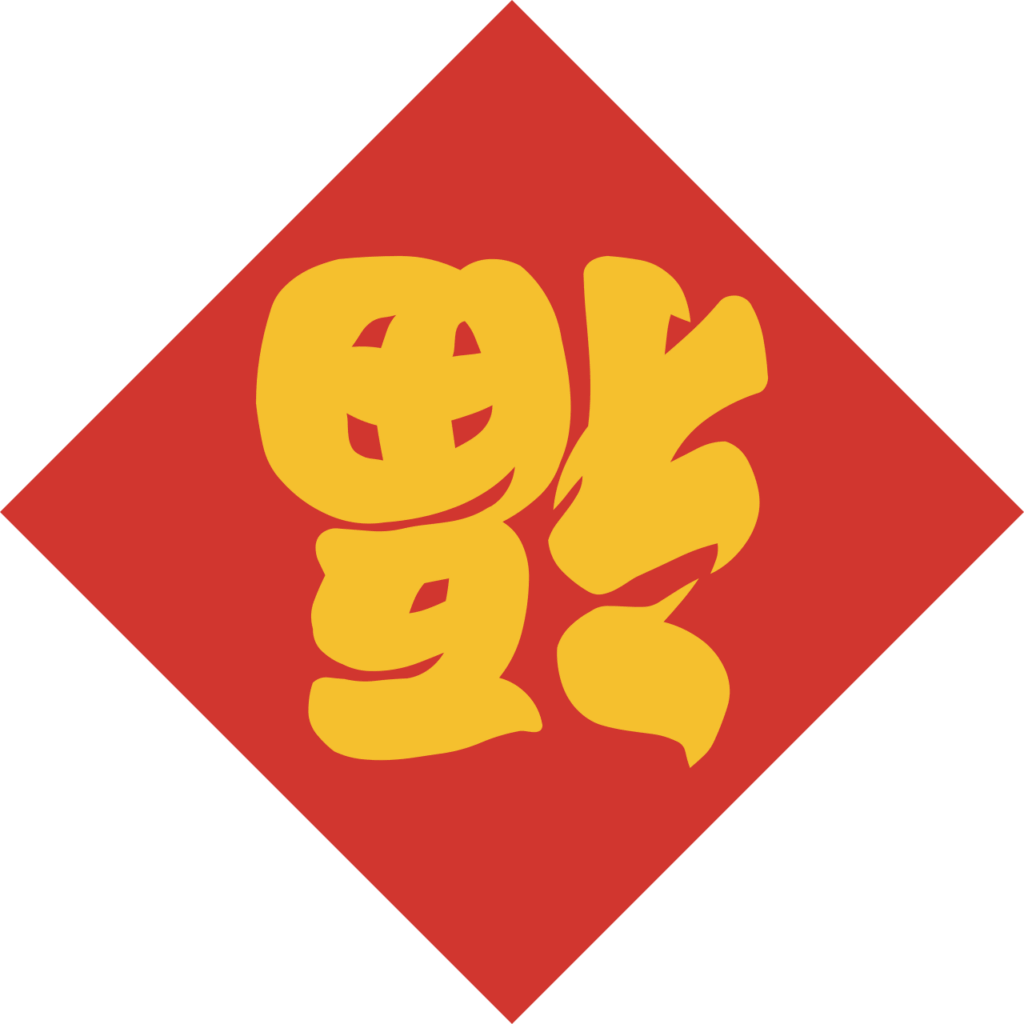
In Hong Kong, Macau, Guangdong, and much of the diaspora, greetings are spoken in Cantonese, which gives the festival a distinct sound. The headline phrase is Gung Hei Fat Choi (恭喜發財), the Cantonese form of the prosperity wish. Others include San Nin Faai Lok (新年快樂) for “happy new year,” Sun Tai Gin Hong (身體健康) for good health, Sang Yi Hing Lung (生意興隆) for a thriving business, and the playful Lei Si Dau Loi (利是逗來), a child’s request for a red envelope. The same wishes, in a different voice.
The Four-Character Idioms, Explained
Many of the best greetings are chéngyǔ, four-character idioms that pack a complete wish into four syllables. Their economy is the point: Wànshì rúyì compresses “may all ten thousand things go as you wish” into four characters, while Mǎdào chénggōng tells a whole image of a horse arriving in victory. This compactness makes them ideal for couplets, cards, and quick spoken blessings, and learning even a handful lets you greet people with a fluency that goes well beyond a simple “happy new year.” Many of the same idioms appear on the spring couplets pasted beside front doors.
The Etiquette of Greeting (Bai Nian)
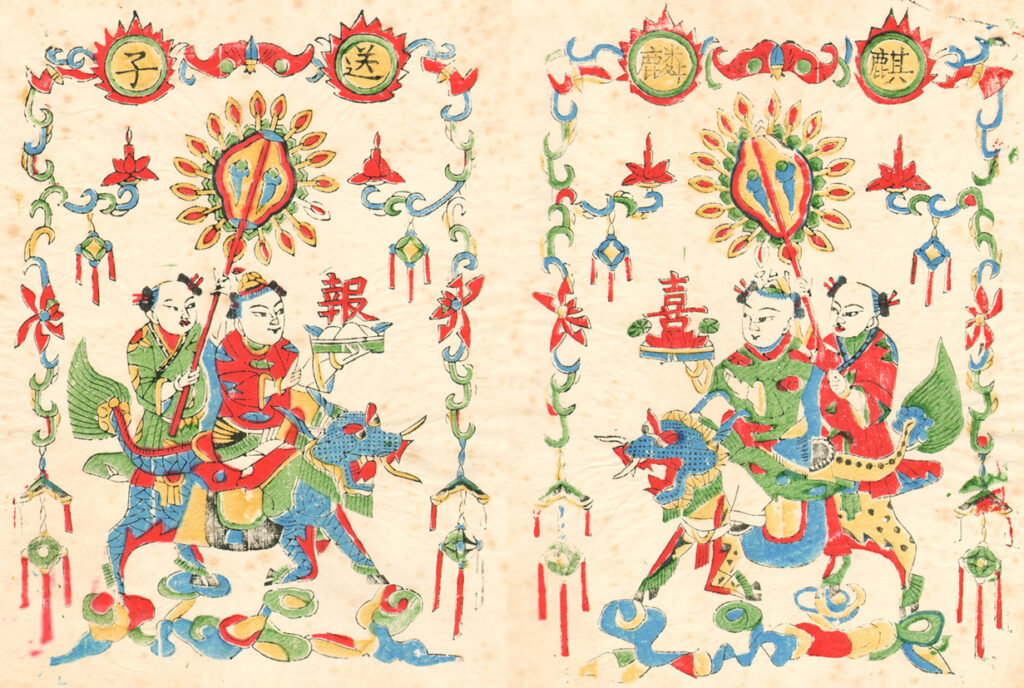
Giving New Year greetings is itself a custom, called bàinián, “paying a New Year call.” Traditionally, younger people greet their elders first, often with a slight bow and, in the old style, a cupped-hand salute with the right fist wrapped in the left palm. Children offer wishes to their elders and receive red envelopes in return. When visiting, guests greet the household with auspicious phrases on arrival, and gifts are exchanged with both hands. The greeting is not a throwaway pleasantry but a small ritual of respect, which is why knowing the right words for the right person matters.
Words to Avoid at the New Year
Just as some words invite luck, others are kept out of New Year conversation. Anything connected to death, illness, poverty, or loss is avoided, lest speaking it call it into the year. The number four is shunned because it sounds like the word for death. Negative talk, complaints, and arguments are set aside, especially on the first day, in favour of warm and positive speech. If something unlucky is said or a dish is broken, a quick auspicious phrase such as suìsuì píng’ān is used to turn it around.
Sending Greetings in the Modern Age
Today many New Year greetings travel by phone. Messaging apps overflow with festive stickers, animated cards, and the same four-character blessings typed into group chats, often paired with a digital red envelope. The wording stays traditional even as the medium changes, and a thoughtful personal message, naming the specific wish you have for someone, still stands out among the mass-forwarded greetings. Whether spoken across a table or sent across an ocean, the blessings carry the same intent.
Greetings for Special Relationships and Occasions
Beyond the general blessings, certain situations call for tailored wishes. For a married couple or newlyweds, bǎinián hǎohé (百年好合) wishes a hundred years of harmony together, and xīnhūn yúkuài a happy marriage. For a family expecting or welcoming a baby, wishes for healthy children and many descendants are offered. For someone who has just moved, qiáoqiān zhīxǐ congratulates them on a new home. For a traveller, yílù shùnfēng wishes a smooth journey. Matching the blessing to the person’s stage of life shows real thought, and turns a generic greeting into one that genuinely fits the moment.
How to Combine Greetings into a Flowing Blessing
In practice, New Year greetings are rarely delivered one at a time; they are strung together into a warm cascade of good wishes. A typical spoken blessing to an elder might run: “Happy New Year, may you be healthy and live long, may all your wishes come true, and may the whole family be happy.” To a working friend, you might wish a happy new year, a thriving career, wealth flowing in, and step-by-step promotion. The art is to lead with the most appropriate wish for that person, health for the old, success for the ambitious, study for the young, and let the rest follow. Stacking the blessings this way is not excessive; it is exactly how the greetings are meant to be given.
Writing a New Year Card or Message
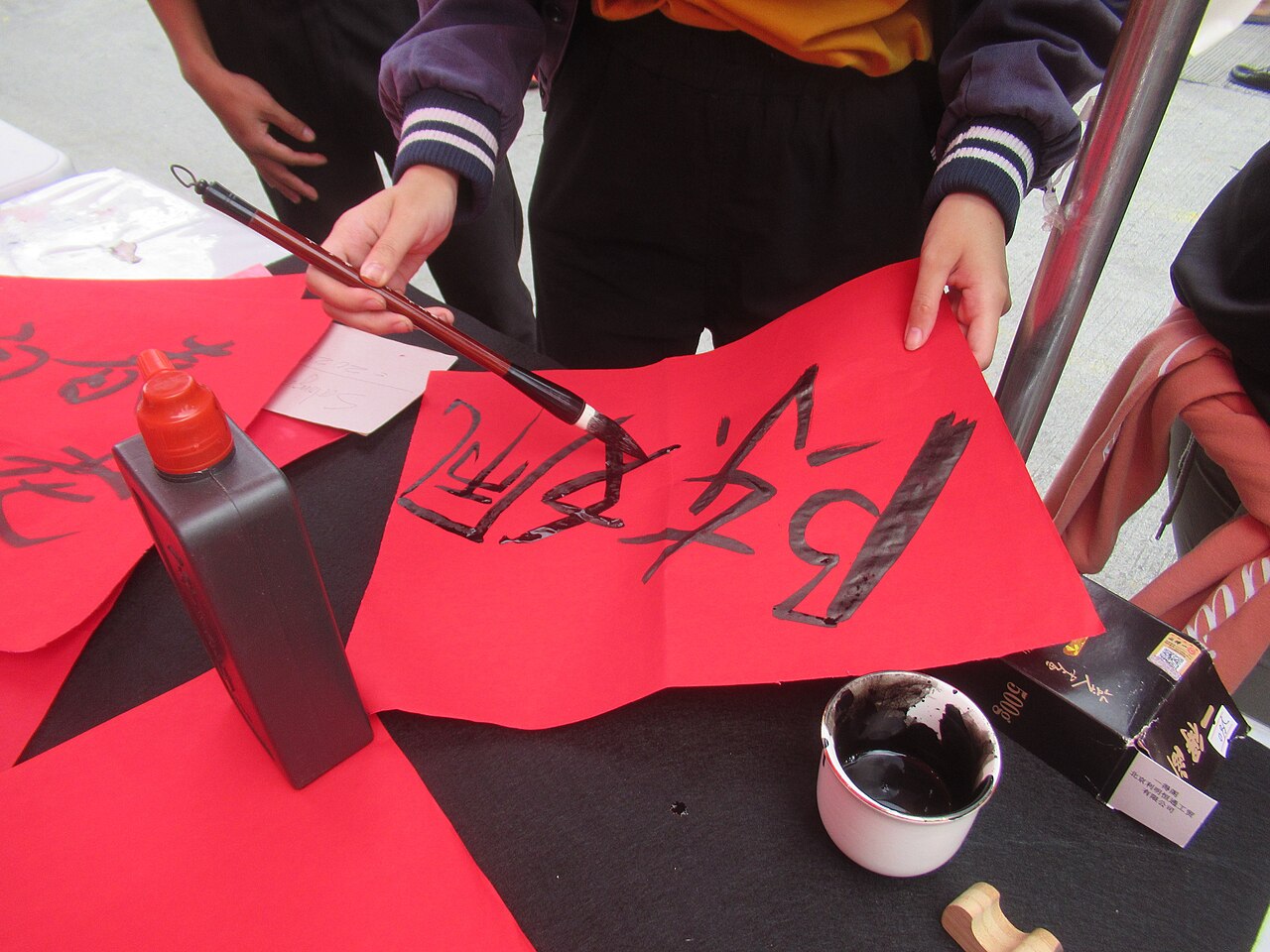
A written greeting follows a simple structure. Open with the recipient’s name and a warm address, offer the main New Year wish, add one or two blessings suited to them, and close with your own name and good wishes. On a physical card, red and gold are the colours of choice, and a hand-brushed or printed four-character idiom makes an elegant centrepiece. The same shape works for a digital message, where a personal line naming your specific hope for the person stands out far more than a forwarded sticker. Whether on paper or a screen, sincerity and a wish chosen for the reader are what make the greeting land.
More Four-Character Idioms, Unpacked
The festival’s four-character blessings repay a little unpacking, because each compresses an image. Niánnián yǒuyú (年年有余), “surplus year after year,” puns on the word for fish, which is why a fish sits on the table. Wǔfú línmén (五福临门) wishes that the “five blessings”, long life, wealth, health, virtue, and a natural death, may all visit your door. Jíxiáng rúyì (吉祥如意) pairs auspiciousness with the wish that things go as you please. Tiantian xiàngshàng encourages daily improvement. Learning the literal sense behind the idiom makes it far more than a memorised phrase; it becomes a small picture you are handing to someone.
A Note on Pronunciation and Tones
Chinese is a tonal language, and the tones matter to being understood, but New Year greetings are forgiving for beginners. The key phrases are short and widely recognised, so even an approximate Gōngxǐ fācái or Xīnnián kuàilè will be warmly received, and the effort is appreciated regardless of accent. If you want to refine your pronunciation, focus on the four most common greetings first, listen to a native speaker, and practise the rising and falling tones; but never let uncertainty about tones stop you from offering the wish. The gesture matters more than the perfection.
Greetings in Other Dialects
China’s many dialects give the New Year a chorus of sounds beyond Mandarin and Cantonese. In Hokkien, widely spoken in Fujian, Taiwan, and across Southeast Asia, Sin-nî khoài-lo̍k and Kiong-hí huat-châi echo the familiar wishes. Teochew, Hakka, and Shanghainese each have their own forms of “happy new year” and “wishing you wealth,” carrying the same meanings in distinct voices. Among the diaspora, the dialect of one’s ancestral home often surfaces precisely at the New Year, when families greet one another in the language of their grandparents. Offering a greeting in someone’s home dialect, if you can, is an especially warm gesture.
Ready-to-Use Greetings You Can Borrow
For those who want phrases to use straight away, a few complete greetings cover most situations. To anyone: “Xinnian kuaile! Wishing you a happy and prosperous Year of the Horse.” To an elder: “Wishing you good health, long life, and happiness for the whole family.” To a colleague or boss: “May your career rise step by step and your business flourish this year.” To a child: “Study well, grow up healthy and clever, and here is your red envelope.” To a friend far away: “Thinking of you at the New Year, may all your wishes come true.” Each can be shortened, lengthened, or mixed, and each carries the festival’s warmth.
The Custom of Paying New Year Calls
The exchange of greetings is rooted in the old custom of bàinián, in which families would visit relatives and neighbours in person during the first days of the year to offer good wishes, the younger calling on the elder. In the past this could mean a careful round of house visits in order of seniority, with set phrases for each household. Today the calls are often made by phone or message, and the great Spring Festival migration brings families together for the most important greetings in person, but the underlying idea endures: that the New Year is the moment to reach out, renew bonds, and wish one another well, face to face wherever possible. The greetings are the spoken thread that ties the whole festival of reunion together.
Greetings in the Workplace
The New Year reaches into professional life, and the right greeting there is its own small skill. To a boss or senior colleague, blessings of advancement suit best: bùbù gāoshēng, may you rise step by step, or a wish for the company’s continued success. Among peers, a warm gōngxǐ fācái and a wish for a smooth and prosperous year are enough. To clients and business partners, greetings that pair prosperity with continued cooperation are ideal, often exchanged along with the first red envelopes of the working year. The tone stays warm but a touch more formal than among family, and as always the gesture of offering a wish at all is what counts most.
Common Mistakes When Greeting
A few errors are worth sidestepping. The most common is using a wealth-focused greeting where a health-focused one would land better, wishing an elderly relative riches, for instance, when a blessing of long life and health would mean far more. Another is forgetting the order of respect, greeting a younger person before an elder in the room. Mixing in any unlucky word, or a number four, jars against the festive mood. And delivering the greeting flatly, as a formality, misses the point: these are wishes, meant to be offered with genuine warmth. Match the blessing to the person, lead with respect, keep it positive, and mean it.
Why the Words Carry So Much Weight
It is worth asking why a festival invests so much in a handful of spoken phrases. The answer lies in the Chinese belief, woven through the whole New Year, that words have power, that to speak a wish at the threshold of the year is to help bring it about. This is the same logic that bans unlucky words and prizes auspicious ones; the greetings are the positive side of that coin, spoken blessings meant to seed the year with good fortune. To greet someone at the New Year is therefore not small talk but a small act of goodwill made real in language, a wish placed deliberately into the new year on another person’s behalf. Say them often during the festival, to family, friends, and strangers alike, and you take part in one of the warmest customs the New Year offers: a whole society, for a few days each year, going deliberately out of its way to wish one another well. There is something quietly moving in a culture that pauses to speak its hopes aloud for everyone around it. Learn even a handful of these phrases and offer them sincerely, and you will find they open doors and warm rooms in a way that reaches well beyond the festival itself, which is exactly why, after thousands of years, the words still matter as much today as they ever have. That is what gives these short phrases their surprising weight, and why learning a few of them is a genuine kindness.
The Right Words for the Year
A New Year greeting is a small gift in itself, a wish chosen and offered out loud. With a handful of these phrases you can match your words to the person and the moment: prosperity for a shopkeeper, health for a grandparent, good grades for a student, and a galloping mǎdào chénggōng for the Year of the Horse. To put the greetings in the context of the wider celebration, see our complete guide to Chinese New Year, and to learn the etiquette of the red envelopes that so often accompany these wishes, our guide to red envelopes.
Frequently Asked Questions
How do you say Happy New Year in Chinese?
In Mandarin, “Happy New Year” is Xinnian kuaile. The other essential greeting is Gongxi facai, a wish for wealth and prosperity, which in Cantonese is the well-known Gung Hei Fat Choi.
What does Gong Hei Fat Choi mean?
Gung Hei Fat Choi is the Cantonese greeting that wishes someone wealth and prosperity in the new year. It is not a literal “happy new year” but a wish for becoming rich, and it is the most recognisable Cantonese New Year phrase.
What is a good Year of the Horse greeting?
Greetings that play on the horse are especially fitting in 2026: Madao chenggong (swift and certain success), Longma jingshen (vigour and high spirits), Yima dangxian (to take the lead), and Ma nian daji (great luck in the Year of the Horse).
What words should be avoided at Chinese New Year?
Avoid anything connected to death, illness, poverty, or loss, since speaking it might call it into the year. The number four is avoided because it sounds like the word for death, and negative talk and arguments are set aside, especially on the first day.
What is bai nian?
Bai nian means paying a New Year call. Younger people greet their elders first with auspicious wishes, traditionally with a slight bow or a cupped-hand salute, and children receive red envelopes in return.