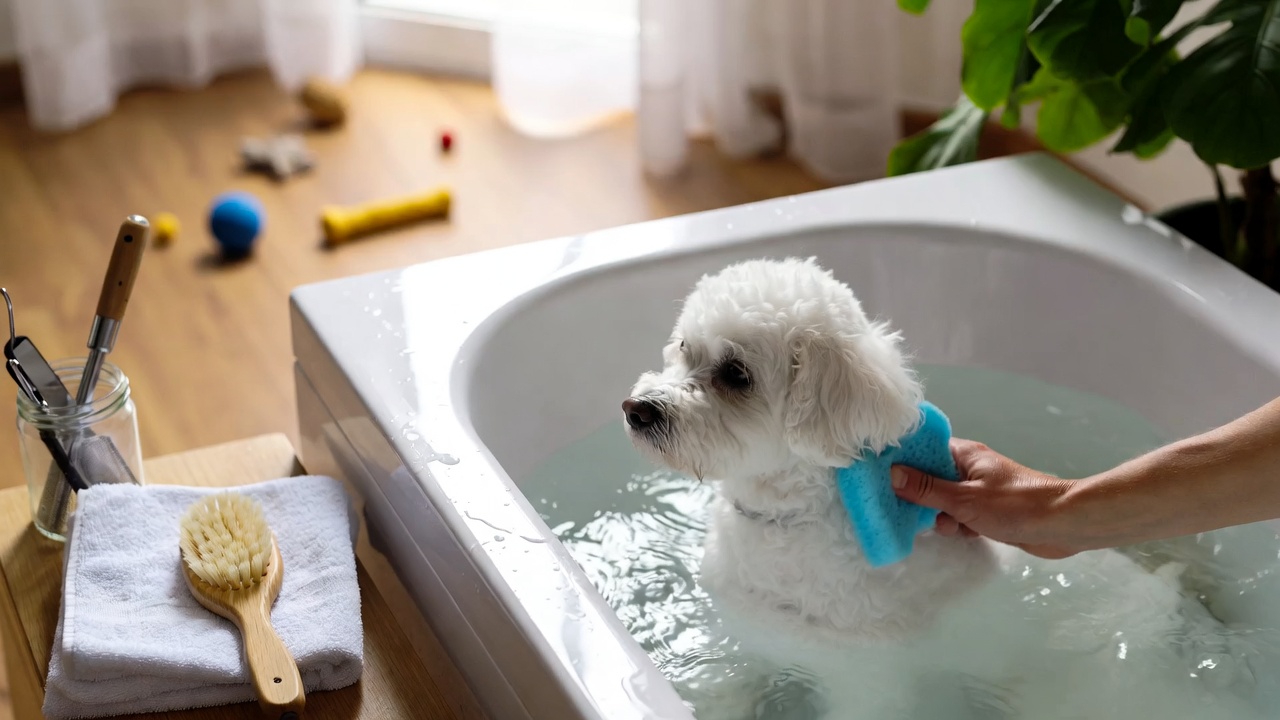
Transform your bathroom into a five-star wellness retreat for your furry best friend
There’s something magical about watching your dog’s tail wag with pure contentment. As pet parents, we constantly seek ways to show our four-legged companions just how much they mean to us. While professional grooming salons offer excellent services, creating a luxury pet spa day at home has become an increasingly popular way to bond with your dog while saving money and reducing their stress.
According to the American Pet Products Association, Americans spent over $8.1 billion on pet grooming and boarding services in 2023 alone. But what if you could recreate that pampering experience in your own home? This comprehensive guide will walk you through everything you need to know about DIY dog spa treatments, from selecting the right products to mastering professional grooming techniques.
Whether you have a high-maintenance Poodle or a laid-back Labrador, every dog deserves a day of relaxation. Let’s dive into the world of at-home pet pampering.
Why You Should Create a DIY Dog Spa Experience at Home
The Benefits of Home Pet Grooming for Anxious Dogs
Many dogs experience significant anxiety when visiting professional groomers. The unfamiliar environment, strange sounds, and presence of other animals can trigger stress responses. Creating a calming spa environment at home eliminates these stressors entirely.
Key benefits include:
- Reduced anxiety and stress for nervous pets
- Complete control over products used on your dog’s skin
- Deeper bonding between you and your pet
- Cost savings of $50-$150 per grooming session
- Flexibility to groom on your schedule
- Early detection of skin issues, lumps, or parasites
A study published in the Journal of Veterinary Behavior found that dogs groomed by their owners showed lower cortisol levels compared to those groomed by strangers. This scientific evidence supports what many pet parents intuitively know: home grooming is less stressful.
Understanding Your Dog’s Grooming Needs Based on Breed
Different breeds have vastly different grooming requirements. Understanding your dog’s specific needs is the foundation of a successful spa day.
| Breed Type | Coat Type | Grooming Frequency | Special Considerations |
|---|---|---|---|
| Poodle, Bichon Frise | Curly | Every 4-6 weeks | Prone to matting; requires regular brushing |
| Golden Retriever, Collie | Double coat | Every 6-8 weeks | Heavy shedding seasons; needs undercoat care |
| Beagle, Boxer | Short coat | Every 8-12 weeks | Minimal brushing; focus on skin health |
| Yorkshire Terrier, Maltese | Silky | Every 4-6 weeks | Tangles easily; needs gentle detangling |
| Husky, Malamute | Thick double coat | Every 8-10 weeks | Never shave; requires deshedding tools |
Essential Supplies for a Professional Pet Spa at Home
Best Dog Grooming Tools for Beginners
Before you begin your at-home dog grooming session, gather all necessary supplies. Having everything within arm’s reach ensures a smooth, uninterrupted experience for both you and your pet.
Must-Have Grooming Tools:
- Slicker brush – Removes loose fur and prevents matting
- Bristle brush – Adds shine and distributes natural oils
- Dematting comb – Gently works through tangles
- Nail clippers or grinder – Maintains healthy nail length
- Ear cleaning solution – Prevents infections
- Grooming scissors – For precision trimming
- Non-slip bath mat – Ensures safety during bathing
- Absorbent towels – Microfiber works best
- Hair dryer – Pet-specific with cool settings
Pro tip: Invest in a grooming table with an arm if you plan to make home spa days a regular occurrence. This ergonomic setup prevents back strain and keeps your dog secure.
Choosing the Right Natural Dog Shampoo for Sensitive Skin
The products you use on your dog’s coat matter tremendously. Dogs have a skin pH between 6.2 and 7.4, which is more neutral than human skin. Using human shampoo can disrupt their skin barrier and cause irritation.
Look for shampoos containing:
- Oatmeal – Soothes itchy, irritated skin
- Aloe vera – Provides cooling hydration
- Coconut oil – Adds moisture and shine
- Chamomile – Calms sensitive skin
- Tea tree oil (in safe concentrations) – Natural antibacterial properties
Avoid products with:
- Artificial fragrances
- Parabens
- Sulfates
- Artificial dyes
- Alcohol
The ASPCA recommends always checking ingredient lists and consulting your veterinarian if your dog has known allergies or skin conditions.
How to Give Your Dog a Relaxing Bath at Home
Step-by-Step Guide to Bathing Your Dog Like a Professional
The bath is the centerpiece of any luxury dog spa day. Done correctly, it can be a soothing, enjoyable experience. Done poorly, it becomes a wrestling match neither of you will enjoy.
Pre-Bath Preparation:
- Brush thoroughly before getting your dog wet
- Remove all mats and tangles – They tighten when wet
- Place cotton balls loosely in ears to prevent water entry
- Gather all supplies within arm’s reach
- Test water temperature – Lukewarm is ideal (around 100°F/38°C)
The Bathing Process:
- Wet your dog completely, starting from the neck down
- Apply shampoo in a line down the back
- Massage gently in circular motions, working into the undercoat
- Pay special attention to often-neglected areas: under the tail, between toes, and behind ears
- Rinse thoroughly – Residue causes itching
- Apply conditioner if your dog has a long coat
- Rinse again until water runs completely clear
- Squeeze excess water from the coat gently
Important: Never spray water directly on your dog’s face. Instead, use a damp washcloth to clean around the eyes, muzzle, and ears.
Creating a Calming Bath Environment for Dogs Who Hate Water
Some dogs simply don’t enjoy bath time. For these water-averse pups, creating a calming atmosphere can make all the difference.
Strategies for nervous bathers:
- Play calming music – Studies show classical music reduces stress in dogs
- Use aromatherapy – Lavender is safe and soothing for most dogs
- Speak in soft, reassuring tones throughout the process
- Offer high-value treats at each stage
- Keep sessions short initially, gradually increasing duration
- Never force – If your dog is extremely distressed, try again another day
Consider using a lick mat with peanut butter stuck to the shower wall. This distraction technique keeps anxious dogs focused on something positive while you work.
Luxury Dog Massage Techniques for Stress Relief
How to Massage Your Dog to Reduce Anxiety and Muscle Tension
Massage isn’t just for humans. Canine massage therapy has gained recognition as a valuable wellness practice that offers both physical and psychological benefits.
Benefits of regular dog massage:
- Improves circulation and lymphatic drainage
- Reduces muscle tension and stiffness
- Decreases anxiety and promotes relaxation
- Strengthens the bond between pet and owner
- Helps identify lumps, bumps, or sore spots early
- Supports joint health in senior dogs
Basic Massage Techniques:
| Technique | How to Perform | Best For |
|---|---|---|
| Effleurage | Long, gentle strokes following muscle direction | Warming up; overall relaxation |
| Petrissage | Gentle kneading motions | Releasing muscle tension |
| Circular pressure | Small circles with fingertips | Specific tight areas |
| Compression | Gentle pressing and releasing | Improving circulation |
| Range of motion | Gently moving limbs through natural range | Joint health; senior dogs |
Step-by-Step Relaxation Massage:
- Start at the head – Gently stroke from between the eyes to the back of the skull
- Move to the ears – Dogs have many nerve endings here; gentle rubbing is very soothing
- Work down the neck – Use circular motions along the sides
- Address the shoulders – Many dogs carry tension here
- Stroke along the spine – Never press directly on vertebrae
- Massage the hindquarters – Particularly beneficial for active dogs
- Finish with the paws – If your dog tolerates it, gentle toe massage is deeply relaxing
Duration: A full-body massage takes approximately 15-20 minutes. Watch your dog’s body language – if they seem uncomfortable, move to a different area or stop entirely.
Professional Nail Care Tips for Dog Owners
How to Trim Your Dog’s Nails Safely Without Causing Pain
Nail trimming is often the most dreaded part of grooming for both dogs and owners. However, overgrown nails can cause serious problems, including pain, difficulty walking, and even spinal issues from altered gait.
Signs your dog’s nails need trimming:
- Clicking sounds on hard floors
- Nails touching the ground when standing
- Visible curving of the nails
- Snagging on carpets or fabric
Identifying the Quick:
The quick is the blood vessel and nerve inside each nail. Cutting it causes pain and bleeding. In dogs with light-colored nails, the quick appears as a pink area inside the nail. For dogs with dark nails, trim small amounts at a time and look for a chalky white ring indicating you’re approaching the quick.
Nail Trimming Step-by-Step:
- Choose your tool – Guillotine clippers, scissor clippers, or a nail grinder
- Get comfortable – Both you and your dog should be relaxed
- Hold the paw firmly but gently
- Identify the quick if possible
- Cut at a 45-degree angle below the quick
- Trim small amounts for dark nails
- Smooth rough edges with a nail file or grinder
- Reward generously with treats and praise
If You Cut the Quick:
- Stay calm – your stress will transfer to your dog
- Apply styptic powder or cornstarch immediately
- Maintain pressure for several minutes
- The bleeding will stop; your dog will be fine
The American Kennel Club recommends trimming nails every 3-4 weeks for most dogs, though active dogs who walk on pavement may naturally wear down their nails.
Ear Cleaning and Dental Care for Dogs
Safe Methods for Cleaning Your Dog’s Ears at Home
Ear health is crucial, especially for breeds with floppy ears like Basset Hounds, Cocker Spaniels, and Beagles. These dogs are prone to ear infections due to reduced air circulation.
Signs of ear problems:
- Excessive scratching at ears
- Head shaking
- Redness or swelling
- Unusual odor
- Dark discharge
- Sensitivity when ears are touched
How to Clean Dog Ears:
- Gather supplies – Veterinarian-approved ear cleaner, cotton balls, treats
- Examine the ear – Check for redness, discharge, or odor
- Apply cleaner – Fill the ear canal generously
- Massage the base – You should hear a squishing sound
- Let your dog shake – This brings debris up
- Wipe gently – Use cotton balls to remove visible debris
- Never insert anything deep into the ear canal
Warning: Never use cotton swabs (Q-tips) in your dog’s ears. You risk pushing debris deeper or damaging the eardrum.
Dog Dental Care Routine for Fresh Breath and Healthy Teeth
Dental disease affects approximately 80% of dogs over age three, according to the American Veterinary Medical Association. Yet many pet parents overlook dental care during grooming sessions.
Benefits of regular dental care:
- Prevents periodontal disease
- Eliminates bad breath
- Reduces risk of heart, liver, and kidney problems
- Saves money on veterinary dental procedures
At-Home Dental Care:
| Method | Effectiveness | Frequency |
|---|---|---|
| Brushing with dog toothpaste | Highest | Daily |
| Dental chews | Moderate | Daily |
| Water additives | Low-moderate | Daily |
| Dental wipes | Moderate | Daily |
| Professional cleaning | Highest | Annually |
Teeth Brushing Tips:
- Use only pet-safe toothpaste – Human toothpaste is toxic to dogs
- Start slowly – Let your dog taste the toothpaste first
- Use a finger brush initially for easier control
- Focus on the gum line where plaque accumulates
- Brush in circular motions
- Aim for the outer surfaces – Saliva naturally cleans inner surfaces
- Make it positive – Pair brushing with treats and praise
Coat Care and Styling for Different Dog Breeds
Best Brushing Techniques for Long-Haired Dogs
Proper brushing is the foundation of a healthy coat. It distributes natural oils, removes dead hair, prevents matting, and stimulates the skin.
Brushing Frequency Guidelines:
| Coat Type | Recommended Frequency | Best Brush Type |
|---|---|---|
| Short, smooth | 1-2 times weekly | Rubber curry brush, bristle brush |
| Short, wiry | 2-3 times weekly | Slicker brush, stripping comb |
| Medium length | 3-4 times weekly | Pin brush, slicker brush |
| Long, silky | Daily | Pin brush, wide-tooth comb |
| Curly | Daily | Slicker brush, dematting comb |
| Double coat | Daily during shedding; 2-3 times weekly otherwise | Undercoat rake, slicker brush |
Proper Brushing Technique:
- Work in sections – Divide the coat into manageable areas
- Brush in the direction of hair growth
- Start from the ends and work toward the skin for long coats
- Use a detangling spray for stubborn mats
- Be gentle around sensitive areas (belly, armpits, groin)
- Check for parasites as you brush
Dealing with Mats:
- Apply detangling spray and let it sit for several minutes
- Use your fingers to gently separate the mat
- Work from the outer edges inward
- For severe mats, consider using a mat splitter
- Some mats may need to be carefully cut out – Seek professional help if uncertain
How to Keep Your Dog’s Coat Shiny and Healthy
A lustrous, healthy coat is often a sign of overall good health. Dull, dry coats may indicate nutritional deficiencies, allergies, or underlying health issues.
Tips for a shiny coat:
- Feed high-quality food with appropriate omega fatty acids
- Keep your dog hydrated – Dehydration affects coat quality
- Supplement if needed – Fish oil is excellent for coat health
- Regular brushing distributes natural oils
- Don’t over-bathe – This strips natural oils
- Use a conditioning spray between baths
- Address allergies with your veterinarian
Creating the Ultimate Pet Spa Atmosphere at Home
Setting Up a Relaxing Spa Environment for Your Dog
The environment you create significantly impacts your dog’s spa experience. Professional spas invest heavily in atmosphere for good reason.
Elements of a Calming Space:
- Warm temperature – Dogs can get cold quickly when wet
- Non-slip surfaces – Essential for safety and confidence
- Soft lighting – Avoid harsh fluorescent lights
- Calming music – Studies recommend classical or reggae for dogs
- Pleasant scents – Dog-safe lavender or chamomile
- Minimal distractions – Other pets and children should be elsewhere
Recommended Setup:
| Area | Requirements | Optional Upgrades |
|---|---|---|
| Bathing station | Non-slip mat, handheld sprayer, warm water | Elevated tub, water temperature gauge |
| Drying area | Absorbent towels, pet dryer | Grooming table, drying stand |
| Massage zone | Comfortable surface, good lighting | Heated pad, calming diffuser |
| Nail station | Good lighting, steady surface | Paw holder, nail grinder |
DIY Luxury Dog Spa Treatments Using Natural Ingredients
Elevate your spa day with homemade treatments using ingredients you likely already have at home.
Oatmeal Soothing Bath Soak:
- 1 cup finely ground oatmeal (colloidal oatmeal works best)
- 1 tablespoon coconut oil
- 2 cups warm water
Blend ingredients until smooth. Add to bathwater for a soothing, anti-itch treatment perfect for dogs with sensitive or dry skin.
Coconut Oil Deep Conditioning Treatment:
- 2 tablespoons organic virgin coconut oil
- 1 tablespoon honey
Warm slightly (not hot). Apply to coat after bathing, focusing on dry areas. Leave for 5-10 minutes before rinsing thoroughly.
Chamomile Calming Rinse:
- 4 chamomile tea bags
- 4 cups boiling water
- Let steep until cool
Use as a final rinse after shampooing. Do not rinse out. The chamomile soothes skin and naturally repels fleas.
Paw Balm for Dry Pads:
- 2 tablespoons shea butter
- 2 tablespoons coconut oil
- 1 tablespoon beeswax
- Optional: 2 drops lavender essential oil
Melt ingredients together, pour into a small container, and let cool. Apply to dry or cracked paw pads regularly.
Post-Spa Care and Maintaining Results
How to Keep Your Dog Clean Between Grooming Sessions
A spa day’s benefits shouldn’t fade immediately. Proper maintenance extends the results and keeps your dog comfortable longer.
Between-Spa Maintenance:
- Daily brushing prevents mats and distributes oils
- Wipe paws after walks to prevent dirt buildup
- Clean facial folds (for breeds like Bulldogs and Pugs)
- Check ears weekly for early signs of problems
- Maintain dental routine daily
- Use dry shampoo for quick freshening between baths
- Spot clean dirty areas rather than full baths
Creating a Regular Pet Grooming Schedule at Home
Consistency is key to maintaining your dog’s health and appearance. A structured grooming schedule ensures nothing gets overlooked.
Recommended Grooming Schedule:
| Task | Frequency | Time Required |
|---|---|---|
| Brushing | Daily to weekly (breed-dependent) | 5-15 minutes |
| Teeth brushing | Daily | 2-3 minutes |
| Ear check | Weekly | 2 minutes |
| Ear cleaning | Every 2-4 weeks | 5 minutes |
| Nail trimming | Every 3-4 weeks | 10 minutes |
| Full bath | Every 4-8 weeks | 30-60 minutes |
| Full spa day | Monthly | 2-3 hours |
| Paw pad check | Weekly | 2 minutes |
Tips for Building a Routine:
- Start young – Puppies adapt more easily
- Be consistent – Same time, same place builds familiarity
- Keep sessions positive – Never force a frightened dog
- Gradually increase duration for nervous pets
- Document any concerns to discuss with your vet
Safety Considerations for DIY Dog Grooming
Common Dog Grooming Mistakes to Avoid
Even well-intentioned pet parents can make mistakes that impact their dog’s comfort or safety.
Top Grooming Mistakes:
- Using human products – pH differences cause skin irritation
- Water too hot or cold – Can cause discomfort or burns
- Cutting nails too short – Painful and discouraging
- Brushing over mats – Painful and can damage skin
- Getting water in ears – Leads to infections
- Over-bathing – Strips natural oils
- Using dull tools – Ineffective and uncomfortable
- Rushing – Creates negative associations
- Ignoring stress signals – Can traumatize your pet
- Forgetting treats – Positive reinforcement is essential
When to Seek Professional Pet Grooming Services
While home grooming is wonderful, some situations call for professional expertise.
Consult a professional groomer if:
- Your dog has severe matting that’s close to the skin
- You’re uncertain about breed-specific cuts
- Your dog is extremely fearful despite gradual conditioning
- You notice skin conditions that require specialized treatment
- Your dog needs sanitary trimming in sensitive areas
- You’re dealing with anal gland issues
- Professional-grade deshedding treatments are needed
Consult a veterinarian if:
- You discover lumps, bumps, or skin abnormalities
- There’s persistent itching despite regular care
- You notice hair loss or bald patches
- Ears show signs of infection (odor, discharge, redness)
- Nails are damaged or growing abnormally
- Your dog experiences pain during grooming
The Emotional Benefits of Regular Pet Pampering
How Pet Spa Days Strengthen the Human-Animal Bond
Beyond physical benefits, regular spa days create meaningful bonding opportunities. The gentle touch, focused attention, and one-on-one time communicate love in ways dogs deeply understand.
Bonding Benefits:
- Trust building – Regular positive physical contact strengthens trust
- Communication improvement – You learn to read your dog’s body language
- Stress reduction – For both you and your pet
- Quality time – Dedicated attention in our busy lives
- Health monitoring – Regular handling helps you notice changes quickly
Research from Purdue University’s College of Veterinary Medicine has shown that positive physical contact between dogs and their owners triggers the release of oxytocin – the “love hormone” – in both species.
Final Thoughts: Making Pet Spa Day a Cherished Ritual
Creating a luxury pet spa day at home is more than just grooming – it’s an expression of love. Each brush stroke, gentle massage, and careful nail trim tells your dog that they matter. They feel the difference between rushed maintenance and intentional pampering.
Remember these key takeaways:
- Preparation is everything – Gather supplies before you begin
- Patience is paramount – Never rush or force your dog
- Consistency creates comfort – Regular sessions reduce anxiety
- Quality products matter – Invest in safe, effective supplies
- Watch body language – Your dog will tell you what they need
- Make it positive – Treats, praise, and gentle words throughout
Your dog gives you unconditional love every single day. A spa day is your chance to return that devotion in a language they understand: gentle touch, focused attention, and dedicated time.
So gather your supplies, put on some calming music, and prepare to transform your bathroom into a five-star retreat. Your furry best friend deserves nothing less.
Have you tried creating a spa day for your pet? Share your experiences and tips in the comments below! And don’t forget to subscribe for more pet care guides and wellness tips.