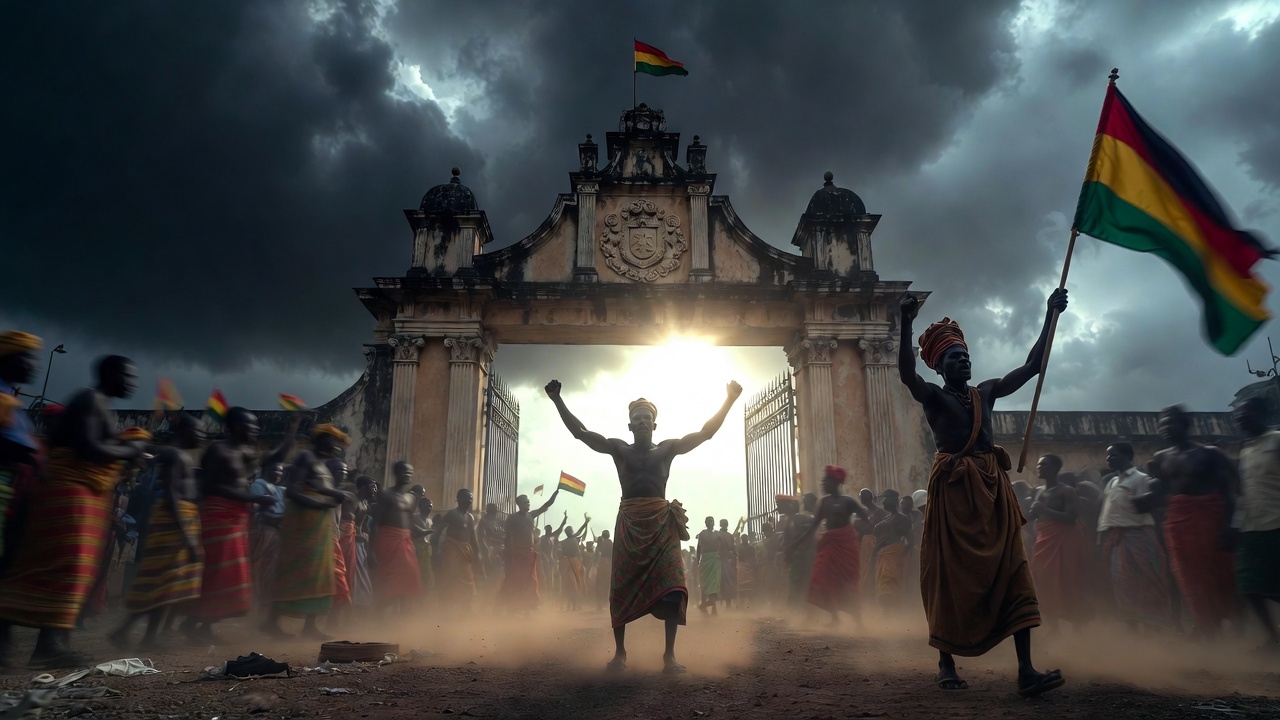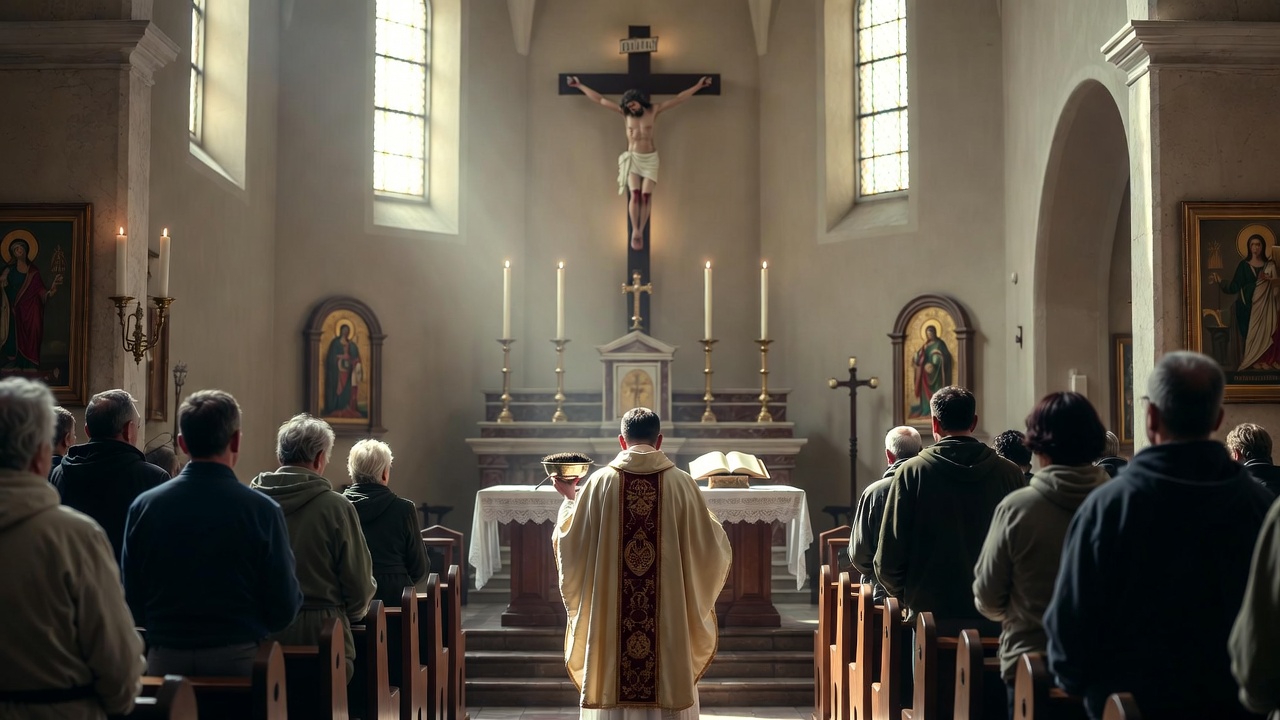
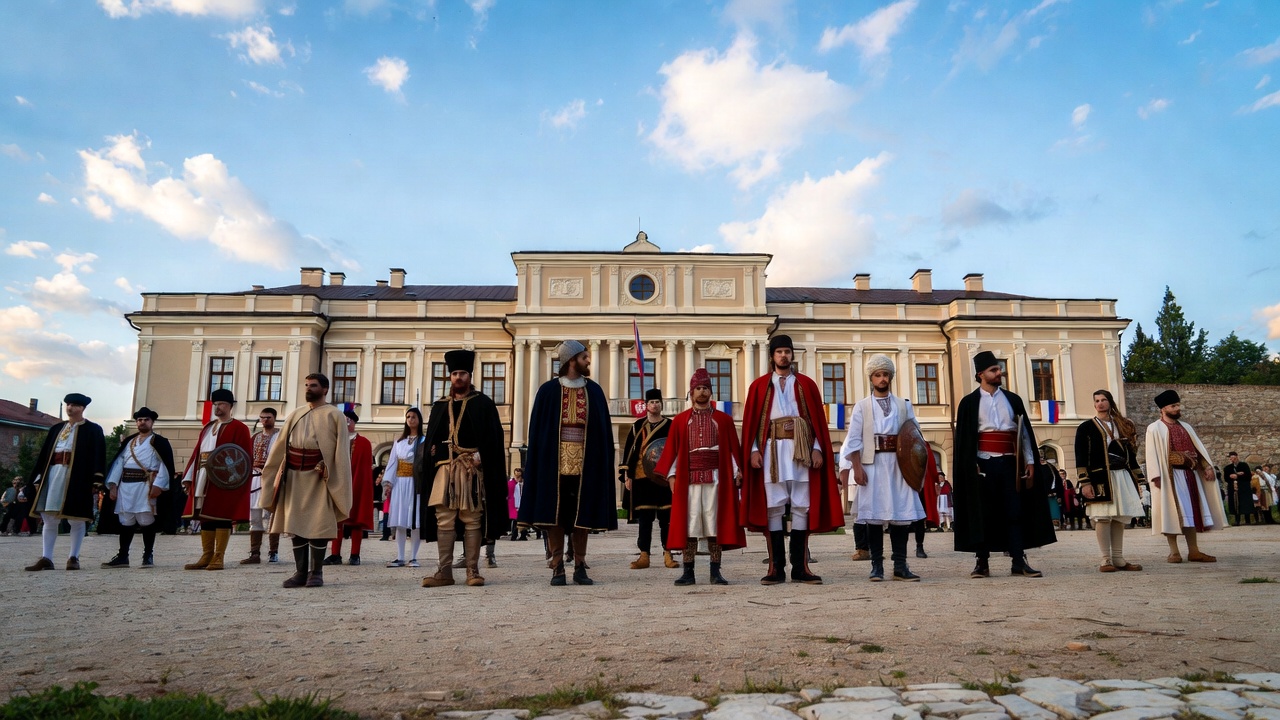
Every February 15, the sound of honorary artillery rings out across Belgrade, Novi Sad, Kragujevac, and Niš. Flags rise over government buildings. Wreaths are laid at the feet of monuments. Serbia pauses to remember the day its people first chose to fight for freedom — and the day they wrote that freedom into law.
Statehood Day, known in Serbian as Dan državnosti (Дан државности), is the most important civic holiday on the Serbian calendar. It marks two events that define the modern Serbian nation: the First Serbian Uprising of 1804 and the adoption of the Sretenje Constitution of 1835. Both happened on February 15 — the feast of Sretenje (Candlemas) in the Serbian Orthodox tradition.
This is the story behind the holiday, from the brutal massacre that triggered a revolution to the bold constitution that shocked empires — and why it still matters in 2026.
What Is Serbia Statehood Day and Why Is It Celebrated on February 15?
Serbia’s Statehood Day is a two-day national public holiday observed every February 15–16. In 2026, because February 15 falls on a Sunday, the government has extended the observance through Monday and Tuesday (February 16–17), giving Serbians a three-day break.
The holiday honors two foundational events in Serbian history:
| Event | Date | Significance |
|---|---|---|
| First Serbian Uprising | February 14–15, 1804 | The first organized armed revolt against Ottoman rule in the Balkans |
| Sretenje Constitution | February 15, 1835 | The first modern constitution of Serbia — and the first in the Balkans |
Both events fell on Sretenje (the Presentation of Jesus at the Temple), one of the most sacred dates in the Serbian Orthodox calendar. This convergence of religious tradition and national history gives the holiday an emotional depth that few other national days can match.
The holiday was first celebrated in the 1800s. It was abolished in 1918 when Serbia merged into the Kingdom of Serbs, Croats, and Slovenes (later Yugoslavia). After decades of suppression, it was restored as a national holiday in 2001, following the fall of Slobodan Milošević and the return of democratic governance.
How Ottoman Rule Shaped Serbia Before the First Serbian Uprising
To understand why the uprising happened, you must understand what Serbia endured for centuries.
By the mid-15th century, most of present-day Serbia had fallen under Ottoman control. The pivotal moment was the fall of the Serbian Despotate in 1459, when the Ottoman Empire absorbed the last remnants of the medieval Serbian state. For the next three and a half centuries, Serbia existed not as a country but as a collection of Ottoman administrative districts.
Life under Ottoman rule was complex. Serbian peasants — overwhelmingly Orthodox Christians — were classified as rayah (taxpaying subjects). They paid the haraç (poll tax), endured forced labor, and had limited legal rights. The Serbian Orthodox Church, however, survived as a vessel of cultural memory. Monasteries preserved language, literacy, and the stories of medieval Serbian kingdoms.
Local governance operated through the knez system. Knezes (local chieftains or village elders) served as intermediaries between Ottoman authorities and Serbian communities. They collected taxes, resolved disputes, and represented Serbian interests. This system gave Serbians a thin but real layer of self-governance.
The situation changed dramatically in the late 18th century. During the Austro-Turkish War (1788–1791), many Serbians fought alongside the Habsburgs against the Ottomans. After the war, the Ottoman Sultan granted amnesty to participants and banned problematic Janissaries from the Belgrade Pashalik (administrative district). For a brief period, Serbia experienced relative stability under the benign governance of Hadži Mustafa Pasha, who respected Serbian autonomy and worked closely with the knezes.
That stability would not last.
Who Were the Dahije and Why Did They Trigger the Serbian Revolution?
The word Dahije (Дахије) comes from the Ottoman Turkish dayı, meaning “uncle.” But these men were no one’s protectors.
The Dahije were four renegade Janissary commanders who seized control of the Belgrade Pashalik in 1801 after assassinating the governor, Hadži Mustafa Pasha, on December 15 of that year. Their names are remembered in Serbian history with bitterness:
| Dahija Leader | Area of Control |
|---|---|
| Kučuk Alija | Central districts |
| Aganlija | Eastern regions |
| Mula Jusuf | Southern territory |
| Mehmed-aga Fočić | Valjevo and western areas |
These four divided the Pashalik among themselves and ruled as independent warlords, defying even the Ottoman Sultan. They suspended the rights Sultan Selim III had previously granted to Serbians. Taxes were raised. Forced labor was reimposed. Muslim brigands from Bosnia, Albania, and other parts of the empire flooded into the region under Dahije protection, terrorizing the local population.
The knezes — the traditional Serbian leaders — became a direct threat to Dahije power. They had the ability to mobilize over 10,000 fighters, and the Sultan might use them to restore order. When the Dahije intercepted a letter from Serbian leaders to an Austrian officer discussing a possible uprising, their paranoia crystallized into action.
The result was a massacre.
The Slaughter of the Knezes: The Massacre That Sparked a Revolution
In January 1804, the Dahije launched a coordinated campaign of assassination against Serbian leaders across the Belgrade Pashalik. This event, known in Serbian as the Seča knezova (Сеча кнезова) — the Slaughter of the Knezes — is one of the darkest chapters in Serbian memory.
The killing began in late December 1803 and reached its peak between January 23 and January 29, 1804. The Dahije dispatched secret orders to their local commanders (mütesellims) to kill their assigned knezes on a designated day. Mehmed-aga Fočić oversaw much of the operation.
Among the most prominent victims were:
- Aleksa Nenadović, obor-knez (senior chieftain) of the Valjevo district — beheaded on January 23, 1804
- Ilija Birčanin, obor-knez of Podgor — executed alongside Nenadović
- Hadži Ruvim, a monastery abbot who served as a community leader — killed on January 29
The severed heads of murdered leaders were transported to Belgrade and displayed publicly in the central square as a warning. According to contemporary sources cited by historians, an archpriest’s letter mentioned 72 heads brought to Belgrade, while an Austrian military journal recorded 95 prominent Serbians killed in just 14 days. Modern estimates place the total number of victims between 70 and 150.
Rather than crushing Serbian resistance, the massacre unified it. Survivors, peasants, haiduk guerrilla fighters, and village priests coalesced around a single goal: the Dahije had to be stopped. The question was no longer whether to fight. It was who would lead.
The Orašac Assembly: How Karađorđe Was Elected to Lead the Uprising
On February 14, 1804 (February 15 by the new calendar — the day of Sretenje), roughly 300 Serbian chieftains, haiduk captains, priests, and community leaders gathered in secret at a place called Marićevića jaruga (Marićević Gully) near the village of Orašac, close to the town of Aranđelovac in central Serbia.
The location was chosen for its remoteness. The gully was surrounded by dense forest, making it easy to guard and difficult for Ottoman spies to approach. Sentries were posted before dawn.
Stanoje Glavaš and Teodosije Marićević, the local merchant and prince of Orašac, were among the leading organizers but both declined the role of supreme commander. Instead, the assembly turned to a cattle trader and former soldier named Đorđe Petrović.
Petrović was known as Karađorđe — “Black George” — reportedly for his dark complexion and fierce temperament. He was no aristocrat. But he had served in the Austrian Freikorps during the Austro-Turkish War of 1788–1791 and had experience as an officer in the local militia. He was respected for his physical courage and ability to inspire.
The assembled Serbians raised three fingers in the air — a gesture of Orthodox faith — and swore an oath. Karađorđe was elected Supreme Leader (Veliki Vožd).
The uprising began immediately. That same afternoon, a Turkish inn (caravanserai) in Orašac was burned to the ground. Armed groups fanned out across the surrounding villages. Within days, Austrian border authorities confirmed that an armed revolt was spreading through Serbia.
Today, the site of the Orašac Assembly is a memorial complex and national cultural landmark. Three white marble tablets mark the spot. The central inscription reads: “On this place on 15th February in 1804, the First Serbian Uprising was raised.”
Key Battles and Turning Points of the First Serbian Uprising (1804–1813)
The First Serbian Uprising was not a single battle but a nine-year war that unfolded in distinct phases.
Phase 1: The War Against the Dahije (1804)
Initially, the Serbian rebels were technically fighting on behalf of the Ottoman Sultan against the renegade Janissaries. The Sultan even issued a ferman (decree) on March 12, 1804, authorizing support for the Serbs. Ottoman sipahi cavalry and an imperial official joined the rebel effort.
Despite their small numbers, the Serbians achieved rapid victories. They captured Požarevac, Šabac, and Rudnik in quick succession and began besieging Smederevo and Belgrade. The Dahije, cornered, retreated to the island of Ada Kale on the Danube. There, Karađorđe’s commander Milenko Stojković captured and beheaded all four Dahije leaders on the night of August 5–6, 1804.
Phase 2: The Fight for Autonomy (1805–1806)
After defeating the Dahije, the Sultan wanted the Serbians to disarm. The Serbians refused. They sought guarantees of self-governance that the Sultan was unwilling to grant. What had started as a local revolt against renegade warlords now became a national liberation war against the Ottoman Empire itself.
The first major pitched battle came at Ivankovac on August 18, 1805, where Karađorđe defeated a Turkish army and forced it to retreat toward Niš. The following year, the Battle of Mišar (1806) saw Serbian rebels defeat an Ottoman force from Bosnia, and the Battle of Deligrad brought another victory against armies from the south.
In December 1806, Serbian forces besieged and captured Belgrade itself. Karađorđe proclaimed it the capital of Serbia on January 8, 1807 — the first time in over 300 years that a Serbian-led government controlled the city.
Phase 3: State-Building and Collapse (1807–1813)
With military victories came the urgent task of governance. As early as 1805, the rebels had established a basic state structure:
| Institution | Function |
|---|---|
| Praviteljstvujušči Sovjet (Governing Council) | Executive authority — civil administration, taxation, military coordination |
| Narodna Skupština (People’s Assembly) | Legislative body — ratified decisions, elected commanders |
| Karađorđe as Veliki Vožd | Supreme military and political leader |
The new government returned confiscated land to the people, abolished forced labor, and reduced taxes. In 1807, the renowned scholar Dositej Obradović was appointed as education minister. In 1808, the Belgrade Higher School was founded — the institution that would eventually become the University of Belgrade.
However, internal tensions grew. Karađorđe wanted centralized authority. His regional commanders (voivods) wanted to limit his power. Meanwhile, Russian support proved unreliable. Russia had backed the Serbs diplomatically and militarily during the parallel Russo-Turkish War, but when Napoleon’s invasion loomed in 1812, Russia prioritized peace with the Ottomans. The Treaty of Bucharest (May 1812) essentially abandoned Serbia to Ottoman reconquest.
In 1813, the Ottoman Empire struck back. Without Russian support and weakened by internal divisions, the Serbian state collapsed. Karađorđe and other leaders fled to Austria, where they were arrested. The Ottomans retook Belgrade and began violent reprisals.
The First Serbian Uprising was over. But the revolution it started was not.
The Second Serbian Uprising and the Road to the Sretenje Constitution of 1835
The Ottoman reconquest brought brutal punishment. Serbian communities faced mass executions, enslavement, and destruction. But the memory of self-rule could not be erased.
In 1815, a new leader emerged: Miloš Obrenović, a veteran of the first uprising. He launched the Second Serbian Uprising, which took a more diplomatic approach. Through a combination of military pressure and negotiation, Obrenović secured a deal with the Ottomans. By 1817, he was recognized as the Supreme Knez (prince) of Serbia. By 1830, the Ottoman Sultan formally granted Serbia autonomy as a principality — still nominally under Ottoman authority but with genuine self-governance.
Obrenović, however, ruled as an autocrat. Opposition leaders and intellectuals pushed for constitutional limits on his power. Under pressure from a brewing rebellion, Obrenović reluctantly agreed to convene a constitutional assembly.
On February 15, 1835 — Sretenje once again — the assembly met in Kragujevac, which was then the capital of Serbia. The constitution was drafted by Dimitrije Davidović, a journalist, patriot, and convinced liberal. His text drew inspiration from the French constitutions of 1791 and 1830 and the Belgian constitution of 1831.
The Sretenje Constitution was adopted before a crowd of 2,500 participants and 10,000 spectators. It contained 14 chapters and 142 articles and established principles that were radical for the time:
- Separation of powers into legislative, executive, and judicial branches
- Independence of the judiciary and the right to a lawful trial
- Freedom of movement, residence, and choice of profession
- Equality of citizens regardless of religion or ethnicity
- Abolition of slavery and feudal relations
- A famous provision declaring that “anyone who sets foot on Serbian soil becomes a free person”
As historian Aleksandar Gudžić noted in 2025, the great powers — Austria, Russia, and the Ottoman Empire — did not want what diplomats of the era called a “French garden in the Balkan forest.” The three empires surrounding Serbia did not even have their own constitutions at the time. They feared the Sretenje Constitution would inspire other subject peoples to demand the same freedoms.
Under combined pressure from these empires, the constitution was suspended after just 55 days — on March 17, 1835. Prince Obrenović, the autocrat, was only too happy to see it go.
But short-lived as it was, the Sretenje Constitution had made its mark. It proved that a small Balkan nation, barely emerging from centuries of foreign rule, could produce a democratic, liberal legal framework that rivaled anything in Western Europe. The original document is preserved today in the National Archives of Serbia.
Why February 15 Is the Perfect Date for Serbia’s National Day
The convergence of three layers of meaning on February 15 gives Statehood Day a depth that few national holidays possess.
The religious layer: Sretenje (Candlemas) celebrates the moment when the infant Jesus was presented at the Temple — a meeting (sretanje) between the old world and the new. In Serbian folk tradition, Sretenje is also the day “when winter meets summer.” As the days grow longer, the turning point of the year arrives. There is a saying: Sretenje obretenje — from the verb obrtati, meaning “to turn.”
The revolutionary layer: On this day in 1804, Serbian leaders gathered at Orašac, elected Karađorđe, and launched the first armed revolt against Ottoman rule in the Balkans. The uprising would fail militarily in 1813 — but it ignited a revolution that lasted until independence.
The constitutional layer: On this same day in 1835, Serbia adopted its first constitution, asserting democratic principles that its powerful neighbors had not yet achieved.
Together, these three strands — faith, armed resistance, and rule of law — form the core of what it means to be Serbian. As a historical overview published by the Serbian government described it: the day is when Serbia points to “the glory and duration” of its homeland.
How Serbia Celebrates Statehood Day in 2026: Traditions and Ceremonies
Statehood Day in 2026 falls on Sunday, February 15, with the official observance extending through Monday, February 16, and Tuesday, February 17. The holiday blends solemn remembrance with festive national pride.
Official State Ceremonies
The day begins with honorary artillery fire in Belgrade, Novi Sad, Kragujevac, and Niš. At the Monument to the Unknown Hero on Mount Avala (near Belgrade), the President of Serbia or a senior government representative lays a wreath, accompanied by the Honor Guard and the Serbian national anthem, “Bože pravde” (God of Justice).
A parallel ceremony takes place at Orašac, where the uprising began. Senior military officials and government ministers attend the state ceremony at the memorial complex.
In Kragujevac, where the Sretenje Constitution was adopted, the Old Assembly building hosts a ceremonial event featuring speeches and cultural performances, traditionally ending with the patriotic song “Ustaj, Srbijo” (Arise, Serbia).
Religious Observance
Because Statehood Day coincides with Sretenje in the Serbian Orthodox calendar, many Serbians attend church services. The Serbian Orthodox Church holds special liturgies across the country, connecting the holiday’s civic meaning with its spiritual roots.
Family Gatherings and Folk Traditions
For many Serbian families, Statehood Day is simply a time to gather. Tables fill with traditional Serbian dishes — sarma (stuffed cabbage rolls), ajvar (roasted pepper relish), pita (savory pastry), and of course rakija, the fruit brandy that accompanies every Serbian celebration.
There is also a folk weather belief tied to Sretenje: if it is cloudy on February 15, the rest of winter will be mild. But if the sky is clear, cold weather will linger until spring. Think of it as Serbia’s version of Groundhog Day — but rooted in centuries of agricultural tradition rather than a Pennsylvania rodent.
Cultural Events Nationwide
Across Serbia, exhibitions, concerts, film screenings, and public lectures are organized in the days surrounding the holiday. Museums featuring artifacts from the First Serbian Uprising — especially the museum in Orašac and the National Museum in Belgrade — see increased visitor traffic. Schools integrate the holiday into their curriculum, with children creating projects about Karađorđe and the uprising.
Visiting Serbia for Statehood Day: Travel Tips for February 2026
If you are planning to visit Serbia during Statehood Day, here are some practical things to know.
Where to Go
| Destination | Why Visit | Distance from Belgrade |
|---|---|---|
| Orašac | Memorial complex at the birthplace of the uprising | ~70 km south |
| Kragujevac | Old Assembly building where the Sretenje Constitution was adopted | ~140 km south |
| Belgrade | Mount Avala monument, Kalemegdan Fortress, Temple of Saint Sava | — |
| Topola | Karađorđe’s town, Oplenac Royal Complex | ~80 km south |
Practical Considerations
- Most businesses and shops will be closed on February 15–17, 2026. Plan meals and transportation in advance.
- Hotel prices in Belgrade may be slightly higher during the holiday weekend.
- Public transport runs on a reduced holiday schedule.
- Weather in mid-February is cold. Expect temperatures between -2°C and 6°C (28–43°F) in Belgrade. Pack warm layers.
- Serbia uses the Serbian dinar (RSD) as currency. Credit cards are widely accepted in Belgrade but less so in rural areas like Orašac.
EXPO 2027 and Growing International Interest
Serbia is preparing to host EXPO 2027 in Belgrade, which will bring unprecedented international attention to the country. As the U.S. State Department noted in its 2025 Statehood Day congratulations, this event represents “new possibilities to further strengthen ties” and “increase the stability of the Western Balkans.” Visiting during Statehood Day 2026 gives travelers a chance to experience Serbia’s traditions before the global spotlight of EXPO arrives.
The Legacy of the First Serbian Uprising in Modern Serbian Identity
The First Serbian Uprising lasted nine years and ultimately failed in military terms. The Ottomans reconquered Serbia in 1813. But the uprising’s true legacy goes far beyond battlefields.
It created the idea of modern Serbia. Before 1804, Serbia existed only in memory — in epic poems, monastery frescoes, and the oral traditions of village priests who kept alive the story of the medieval Serbian kingdoms and the Battle of Kosovo in 1389. After 1804, Serbia was a political project with institutions, a government, a parliament, and a capital.
It launched the Serbian Revolution. The First Uprising was the opening act of a process that continued through the Second Serbian Uprising (1815), the achievement of autonomy (1830), the Sretenje Constitution (1835), and ultimately full independence at the Congress of Berlin in 1878.
It inspired the entire Balkans. The Serbian revolt was one of the first successful challenges to Ottoman authority in southeastern Europe. It encouraged similar movements among Greeks, Bulgarians, and Romanians.
It established Karađorđe as a national icon. Karađorđe was murdered in 1817, likely on orders from his rival Miloš Obrenović. But his legacy endures. The House of Karađorđević, the royal dynasty he founded, ruled Serbia and later Yugoslavia until 1945. His descendants, including Crown Prince Alexander, returned to Serbia in 2001 and reside in the Royal Palace in Belgrade today.
Serbia Statehood Day FAQ: Common Questions Answered
When is Serbia Statehood Day 2026? Sunday, February 15, 2026. The holiday observance extends through Monday, February 16, and Tuesday, February 17.
Is Statehood Day a public holiday in Serbia? Yes. It is a two-day public holiday. Schools and most businesses are closed.
What is the difference between Statehood Day and Sretenje? Sretenje is the Serbian Orthodox feast of Candlemas, a religious holiday. Statehood Day is the civic holiday observed on the same date. In practice, most Serbians celebrate both.
Who started the First Serbian Uprising? The uprising was launched at the Orašac Assembly on February 14–15, 1804. Karađorđe Petrović was elected as its leader.
What was the Sretenje Constitution? The first modern constitution of Serbia, adopted on February 15, 1835, in Kragujevac. It was written by Dimitrije Davidović and established the separation of powers, citizen rights, and equality before the law. It was suspended after 55 days under pressure from Austria, Russia, and the Ottoman Empire.
How do you say “Happy Statehood Day” in Serbian? Srećan Dan državnosti! (Срећан Дан државности!)
Final Thoughts: What Statehood Day Means for Serbia in 2026
Two hundred and twenty-two years after Karađorđe stood in a forest gully and accepted the burden of leading his people, Serbia remains a country defined by the tension between aspiration and adversity. The First Serbian Uprising did not win independence. The Sretenje Constitution lasted less than two months. But both events planted seeds that grew into a nation.
In 2026, as Serbia prepares for EXPO 2027 and continues its path toward European integration, Statehood Day carries a message that resonates beyond national borders. Freedom is not a gift. Constitutions are not ornaments. Both must be fought for, defended, and renewed by each generation.
For travelers, Statehood Day is a window into something rarely visible from the outside: the deep emotional roots of a nation that has been conquered, divided, bombed, and rebuilt — and that still gathers every February 15 to say, as Karađorđe once did at Orašac, that this land belongs to the people who live on it.
Srećan Dan državnosti, Srbijo.