Avoid bad luck and welcome prosperity by steering clear of these traditional Spring Festival prohibitions
Chinese New Year is the biggest celebration in Chinese culture. Families reunite. Red lanterns light up the streets. Fireworks explode at midnight.
But here’s what most travel guides won’t tell you: what you don’t do matters just as much as what you do.
For thousands of years, Chinese families have followed strict taboos during Spring Festival. Break these rules, and you might invite a whole year of misfortune—at least according to tradition.
Whether you’re visiting China during Lunar New Year, celebrating with Chinese friends, or simply curious about ancient customs, this guide covers everything you need to know about Chinese New Year superstitions and taboos.
Why Do Chinese New Year Taboos Exist?
Spring Festival marks a fresh start. The first days of the lunar calendar set the tone for the entire year ahead.
Ancient Chinese believed that actions during this sacred period carried amplified consequences. Good deeds multiplied. Bad omens intensified.
These taboos aren’t just random superstitions. They reflect deep cultural values: respect for elders, family harmony, and the balance between fortune and misfortune.
Quick Fact: Many taboos specifically target the first five days of Chinese New Year, known as 破五 (pòwǔ). After the fifth day, restrictions gradually lift.
The Top 10 Chinese New Year Taboos You Must Know
1. Never Sweep the Floor on New Year’s Day
What to avoid: Sweeping, vacuuming, or taking out trash during the first few days of Spring Festival.
Why it’s taboo: Sweeping symbolizes brushing away good fortune. The dust on your floor? That’s accumulated luck waiting to bless your household.
What locals actually do:
- Deep clean the entire house before New Year’s Eve
- If sweeping is absolutely necessary, sweep inward (never toward the door)
- Wait until the fifth day to dispose of garbage
“Sweep on Day One, poverty all year.” — Traditional Chinese saying
2. Don’t Say Unlucky Words During Chinese New Year
What to avoid: Words associated with death, sickness, poverty, breaking, or losing.
Why it’s taboo: The Lunar New Year period is linguistically sacred. Words carry power. Negative speech attracts negative energy.
| Avoid These Words | Why They’re Unlucky |
|---|---|
| 死 (sǐ) – death | Obvious bad omen |
| 破 (pò) – broken | Suggests fractured relationships |
| 病 (bìng) – sick | Invites illness |
| 輸 (shū) – lose | Predicts financial loss |
| 空 (kōng) – empty | Symbolizes depleted fortune |
Pro tip: This is why the number 4 is avoided (四 sounds like 死). And why fish (魚 yú) is always served—it sounds like “surplus” (餘).
3. Never Cut Your Hair in the First Lunar Month
What to avoid: Haircuts, trimming bangs, or any hair-cutting activities throughout the first month.
Why it’s taboo: An old folk belief connects cutting hair in the first month to the death of one’s maternal uncle. The phrase 正月剪頭死舅舅 (zhēngyuè jiǎn tóu sǐ jiùjiu) literally means “cut hair in the first month, uncle dies.”
Historical context: This taboo actually originated from wordplay. The original phrase was about “missing” (思 sī) the old dynasty, which evolved into “death” (死 sǐ) through regional dialect confusion.
Most young Chinese treat this as old-fashioned superstition. But try getting an appointment at a Beijing barbershop in January. You’ll find it surprisingly difficult.
4. Don’t Wear White or Black Clothing
What to avoid: White, black, or other dark colors—especially head-to-toe.
Why it’s taboo: White and black are traditional mourning colors in Chinese culture. Wearing them during the New Year suggests death or grief.
What to wear instead:
- Red – The ultimate lucky color; wards off evil spirits
- Gold/Yellow – Represents wealth and prosperity
- Pink – Attracts romance and happiness
- Orange – Symbolizes good fortune
Exception: Modern Chinese fashion has relaxed these rules considerably in urban areas. But if you’re visiting elderly relatives? Stick with red.
5. Never Give Clocks or Watches as Gifts
What to avoid: Gifting clocks, watches, or anything time-related during Spring Festival.
Why it’s taboo: “Giving a clock” (送鐘 sòng zhōng) sounds identical to “attending a funeral” (送終 sòng zhōng). You’re essentially wishing death upon the recipient.
Other gift-giving taboos during Chinese New Year:
| Bad Gift | Sounds Like | Meaning |
|---|---|---|
| Clocks | 送終 | Attending a funeral |
| Pears | 分離 | Separation |
| Shoes | 邪 | Evil spirits |
| Umbrellas | 散 | Breaking apart |
| Sharp objects | — | Cutting off relationships |
| Mirrors | — | Attracting ghosts |
Safe gift choices: Red envelopes (红包), fruit baskets (especially oranges), tea, candy, and alcohol.
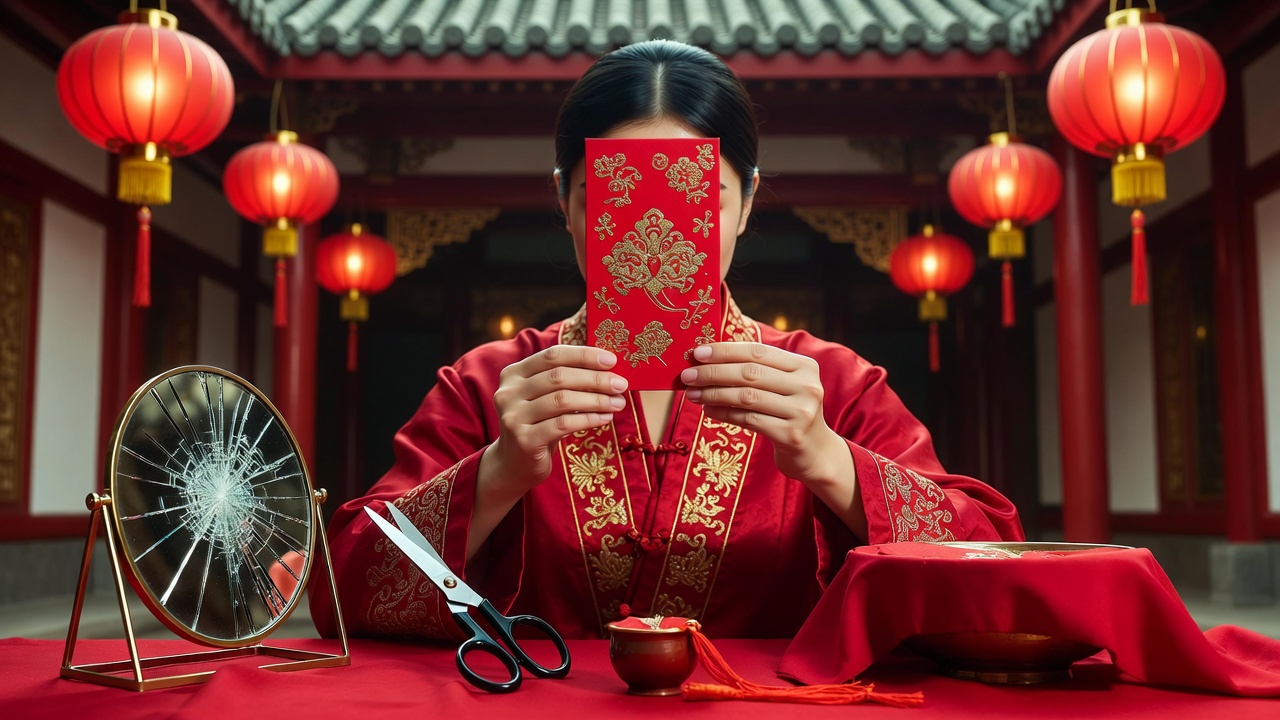
6. Don’t Break Things—Especially Dishes and Mirrors
What to avoid: Breaking ceramics, glass, mirrors, or any household items.
Why it’s taboo: Broken objects represent broken fortune, fractured relationships, and family discord.
What to do if something breaks:
- Immediately say 歲歲平安 (suì suì píng’ān) — “May there be peace year after year”
- This phrase works because 碎 (broken) sounds like 歲 (year)
- Wrap the broken pieces in red paper
- Dispose of them after the fifth day
Interesting note: This is why Chinese New Year decorations rarely include glass. Paper, fabric, and plastic dominate.
7. Avoid Using Knives and Scissors
What to avoid: Cutting, chopping, or using sharp objects on New Year’s Day.
Why it’s taboo: Sharp instruments “cut off” good luck and prosperity. They also symbolize severed relationships and potential accidents.
How families prepare:
- All cooking requiring cutting happens before midnight on New Year’s Eve
- Meat is pre-sliced
- Vegetables are pre-chopped
- New Year’s Day meals are assembled, not prepared
Kitchen hack: Many households prepare enough food to last the first three days. This serves both superstition and practicality—giving everyone a cooking break.
8. Don’t Wash Your Hair on New Year’s Day
What to avoid: Washing hair, taking long showers, or doing laundry on the first day.
Why it’s taboo: Hair washing “washes away” good fortune. The Chinese word for hair (髮 fà) sounds similar to the word for prosperity (發 fā).
The logic extends to:
- Washing clothes (washing away luck)
- Washing dishes (same reason)
- Taking out water (pouring out fortune)
Modern compromise: Most people simply wash hair on New Year’s Eve. Clean hair for the celebration, no luck washed away.
9. Never Lend or Borrow Money
What to avoid: Lending money, borrowing money, or collecting debts during the first fifteen days.
Why it’s taboo: Financial transactions during Chinese New Year set a negative pattern for the year. Lending suggests you’ll lose money. Borrowing suggests financial struggle.
Related money taboos:
- Don’t pay off debts on New Year’s Day (symbolizes outgoing fortune)
- Don’t have an empty wallet (attract poverty)
- Don’t count your money too obviously (invites theft)
- Don’t flip fish over at dinner (suggests capsizing a fishing boat)
What to do instead: Settle all debts before the New Year. Start the celebration with a clean financial slate.
10. Don’t Cry, Argue, or Fight
What to avoid: Tears, arguments, conflicts, scolding children, or any negative emotional outbursts.
Why it’s taboo: The energy of New Year’s Day ripples throughout the year. Crying invites sorrow. Fighting invites discord.
This taboo covers:
- Parents scolding children (even when deserved)
- Married couples arguing
- Siblings fighting
- Discussing sad or unpleasant topics
Cultural context: This is why Chinese New Year greetings are overwhelmingly positive. Every conversation centers on blessings, prosperity, and good wishes.
“Begin the year with a smile, and fortune follows.”
Bonus Taboos: Regional Variations Worth Knowing
Different regions of China observe additional prohibitions:
Northern China:
- Don’t eat porridge on New Year’s morning (associated with poverty)
- Don’t nap on New Year’s Day (invites laziness all year)
Southern China (Cantonese regions):
- Don’t wash rice (washing away wealth)
- Don’t say the number four at all
Taiwan:
- Married daughters shouldn’t visit parents on New Year’s Day (bad luck for the family)
- Don’t kill animals during the first five days
Singapore/Malaysia Chinese communities:
- Avoid wearing new shoes on Day One (鞋 sounds like “rough” in Hokkien)
- Don’t point at the moon during the festival period
How Strictly Are These Taboos Followed Today?
Here’s the reality: it depends on who you ask.
| Generation | Typical Attitude |
|---|---|
| Grandparents (70+) | Strict observance |
| Parents (45-70) | Selective observance |
| Young adults (20-45) | Casual awareness |
| Children/teens | Often unaware |
Urban Chinese, especially in cities like Shanghai and Shenzhen, tend to view these taboos as cultural heritage rather than binding rules.
Rural areas and overseas Chinese communities often maintain stronger traditions.
The safe approach: When in doubt, follow the customs of your host family. Showing respect matters more than perfect adherence.
What Happens If You Break a Chinese New Year Taboo?
Accidentally broke a rule? Don’t panic.
The Chinese approach to bad omens includes built-in remedies:
- Verbal counter-spells – Saying auspicious phrases negates the bad luck
- Red objects – Red paper, red envelopes, and red decorations absorb misfortune
- Timing solutions – Waiting until after the fifth day to complete “forbidden” tasks
- Intention matters – Accidental violations carry less weight than deliberate ones
Most families will simply laugh off minor taboo breaks. The spirit of togetherness outweighs superstition.
Quick Reference: Chinese New Year Do’s and Don’ts
✅ DO These Things:
- Wear red clothing
- Give red envelopes to children and unmarried adults
- Display spring couplets and paper decorations
- Eat fish (but don’t finish it—leave surplus)
- Say auspicious greetings
- Visit family and friends
- Set off firecrackers at midnight
❌ DON’T Do These Things:
- Sweep floors or take out trash
- Say unlucky words
- Cut hair in the first month
- Wear white or black
- Give clocks, pears, or sharp objects as gifts
- Break dishes or mirrors
- Use knives or scissors
- Wash hair on Day One
- Lend or borrow money
- Cry, argue, or fight
Final Thoughts: Respecting Tradition While Celebrating
Chinese New Year taboos offer a fascinating window into ancient beliefs about luck, language, and the interconnectedness of actions and consequences.
You don’t need to follow every rule. But understanding them enriches your experience—whether you’re traveling through China, attending a local Lunar New Year parade, or simply curious about one of the world’s most celebrated holidays.
The heart of Spring Festival isn’t about perfect superstition adherence. It’s about family. Renewal. Hope for a prosperous year ahead.
恭喜發財! (Gōngxǐ fācái!) — May you have a prosperous New Year!
Have you encountered other Chinese New Year taboos not on this list? Share your experiences in the comments below!