Chinese New Year is a festival of doing the right things, and a surprising number of not doing the wrong ones. The first days of the year are believed to set the tone for the twelve months ahead, so a long list of taboos has grown up around them, each meant to protect the household’s incoming luck. Some are rooted in wordplay, some in old beliefs about sympathetic magic, and some in plain symbolism, but all are part of the texture of the holiday. Here is a guide to the things you should not do at Chinese New Year, and the reasons behind each one.
Why the New Year Has So Many Taboos
The logic behind almost every taboo is the same: whatever happens at the very start of the year is thought to echo through the rest of it. Sweep on the first morning and you sweep away the year’s fortune; argue on the first day and you invite a year of conflict; break a bowl and you break your luck. Many taboos also rest on homophones, since a word that sounds like an unlucky one is avoided. None of this is treated with dread by most modern families, but the customs are observed with a wink and a genuine reluctance to tempt fate at the year’s most important threshold.
Do Not Sweep or Clean on New Year’s Day
The most famous taboo of all forbids sweeping the floor or taking out the rubbish on the first day of the New Year. Good fortune is believed to have just arrived in the home, settling like fresh dust, and to sweep on day one is to sweep that luck straight out the door. This is precisely why families clean the house thoroughly in the days before the festival, getting rid of the old year’s bad luck, so that no cleaning is needed once the new year arrives. If sweeping is unavoidable, tradition says to sweep inward, toward the centre of the room, and to hold the collected dirt until the taboo period passes.
Do Not Wash Your Hair or Clothes
Washing hair on the first day is discouraged because the word for hair, fà, shares a sound with the fā in fācái, the word for becoming wealthy. To wash your hair, the reasoning goes, is to wash your fortune away before the year has begun. By the same logic, laundry is avoided on the first two days, which are also traditionally regarded as the birthday of the water god, making it disrespectful to wash on those days.
Do Not Break Anything
Breaking a plate, glass, or bowl at New Year is considered a bad omen, suggesting the breaking of family harmony or fortune in the year ahead. Accidents happen, of course, and tradition provides a remedy: immediately say a lucky phrase such as suìsuì píng’ān, “peace year after year,” which works because the word for “shattered,” suì, sounds the same as the word for “year.” Wrapping the broken pieces in red paper before disposing of them is another way to soften the bad luck.
Do Not Use Knives or Scissors
Sharp implements are kept out of sight on the first day, since cutting is thought to sever good fortune, prosperity, or even the lifespan of the family. This is one reason so much food is prepared and chopped in advance, and why longevity noodles are left uncut. The taboo extends to anything that cuts or shortens, a reminder of how literally the symbolism is taken.
Do Not Use Negative or Unlucky Words
The New Year is a time for careful speech. Words connected to death, illness, poverty, loss, or bad luck are avoided, since speaking them might call them into the year. Arguing, scolding children, and crying are all discouraged, especially on the first day, because conflict at the start is thought to bring a year of strife. The number four is avoided in conversation and gifts because it sounds like the word for death, while the household keeps the mood warm, positive, and full of auspicious phrases.

Do Not Wear Black or White
Clothing colour carries meaning at the New Year. Black and white are the colours of mourning and funerals, so they are avoided in favour of red, the colour of luck, joy, and protection, and other bright, festive shades. Many people buy new clothes for the occasion, often in red, to symbolise a fresh start, and dressing in dark, drab colours is thought to invite a gloomy year.
Do Not Give Unlucky Gifts
Gift-giving has its own minefield of taboos, almost all based on wordplay or symbolism. A clock is never given, because “giving a clock,” sòng zhōng, sounds identical to attending a funeral. Pears are avoided as gifts because the word for pear, lí, sounds like the word for separation or parting. Shoes carry a sound linked to evil or sighing, umbrellas suggest splitting up, and sharp objects like knives imply cutting a relationship. Handkerchiefs are associated with farewells and grief. When in doubt, fruit in even numbers, sweets, and red-wrapped gifts are safe.
Married Daughters Should Not Visit on the First Day
Tradition holds that a married daughter does not return to her parents’ home on the first day of the New Year, as doing so is thought to bring bad luck to her birth family and suggest marital trouble. Instead, the second day of the New Year is set aside precisely for married daughters to visit their parents, often with their husband and children, bringing gifts. The custom reflects the old idea that a married woman belongs to her husband’s family, and although attitudes have changed, the day-two visit remains a widely kept tradition.
Do Not Lend or Demand Money
Money matters are paused at the New Year. Lending money on the first day is avoided, as it is thought to mean you will be lending, or losing, money all year, and demanding repayment of a debt during the festival is considered deeply unlucky for both parties and rather rude. Debts are ideally settled before the New Year so the year can begin with a clean slate, and once the festival arrives, money is given freely in red envelopes rather than lent or chased.
More Taboos Worth Knowing
A handful of smaller prohibitions round out the list. Avoid taking medicine on the first day if you can, lest you be unwell all year, and similarly avoid visiting the doctor. Do not let the rice jar run empty, as an empty container at New Year suggests a hungry year ahead. Do not wake someone by calling their name first thing, which is thought to doom them to being chased or nagged all year. Do not eat plain porridge for breakfast, once the food of the poor, and some families avoid meat on the first morning out of Buddhist observance. None of these is universal, but each appears somewhere in the rich web of New Year custom.
Special Taboos for the Year of the Horse (Ben Ming Nian)
For anyone born in a Year of the Horse, 2026 carries extra caution, because it is their běnmìngnián, the return of their birth sign. Far from being automatically lucky, your zodiac year is traditionally believed to offend Tai Sui, the god of the year, making it a time to avoid risky ventures and take special care. The classic protection is to wear red throughout the year, ideally items given by an elder, and to avoid major gambles. The full guidance for those born under the sign is set out in our guide to the Year of the Horse personality and fortune.
Regional and Modern Variations
Taboos vary from place to place and family to family. Some are observed strictly in one region and forgotten in another, and the diaspora has softened or dropped many of them entirely. For most people today, the taboos are kept in a spirit of fun and respect for tradition rather than real fear, a way of honouring the customs of grandparents and of treating the New Year with the seriousness it deserves. Knowing them is part of understanding the festival, even for those who keep only a few.
Taboos by the Day
The prohibitions are not uniform across the festival; the first days each carry their own rules. The first day is the strictest, with its bans on sweeping, hair-washing, knives, and negative words, since this is the day that sets the tone for the whole year. The second day relaxes enough for married daughters to visit their parents, and laundry is still avoided because the first two days are regarded as the birthday of the water god. The third day, sometimes called a day of easy arguments, is traditionally considered unlucky for visiting, so many families stay home. By the fifth day, pòwǔ, many taboos are formally “broken,” shops reopen, and cleaning can resume, as the God of Wealth is welcomed in. Knowing which rule applies to which day is part of keeping the customs gracefully.
Do Not Cry, Scold, or Argue
Emotional conduct is watched as closely as physical. Crying on the first day is thought to bring a year of sorrow, which is why parents traditionally avoid scolding or punishing children during the New Year, however they behave. Arguments between adults are set aside, debts and grievances left unspoken, and the whole household works to keep the mood light. The belief is straightforward: a year that begins in tears or anger will continue that way, so the first days are kept deliberately gentle.
Do Not Take Life or Disturb the Day
A cluster of smaller taboos governs the rhythm of the first day. Killing or taking any life is avoided, in keeping with Buddhist sentiment and the wish for a peaceful year, which is one reason many families prepare meat dishes in advance rather than slaughtering or cutting on the day. Waking someone by calling their given name is discouraged, lest they be chased or pressured all year, so people are roused gently if at all. Staying in bed too late on the first morning is also frowned upon, as it is thought to bring a lazy or sickly year.
Do Not Let the Home Run Empty
Abundance must be visible at the New Year, so emptiness of any kind is avoided. The rice jar should never be allowed to run empty, since a bare container suggests a hungry year, and homes are stocked generously before the festival. Borrowing fire or lending objects from the home on the first day is discouraged, as it implies the household’s resources flowing out. The principle runs through many taboos: at the start of the year, the home should appear full, settled, and self-sufficient.
Taboos for Shops and Business
Commerce has its own New Year superstitions. Many shops traditionally close for the first days and reopen on the auspicious fifth day, when the God of Wealth is welcomed with firecrackers and offerings to invite a prosperous year of trade. Sweeping a shop floor toward the door is avoided for the same reason it is at home, lest profit be swept out. Settling the year’s accounts before the New Year is considered essential, so that business begins the year with clean books and no debts hanging over it.
Clothing, Colour, and Appearance
Beyond avoiding black and white, several customs govern how one presents oneself. New clothes are worn to mark a fresh start, ideally in red or bright colours, and damaged or torn clothing is avoided as a bad omen. Some hold that getting a haircut should be done before the New Year, not during the first lunar month, with a folk belief in parts of the north discouraging haircuts early in the year altogether. Looking one’s best at the New Year is itself a way of inviting a fortunate, prosperous year.
The Logic of Homophones
Much of what seems arbitrary in these taboos makes sense once you see the wordplay beneath it. Chinese is full of words that sound alike, so an object or action that sounds like an unlucky word inherits its bad luck. The clock that cannot be given as a gift, the pear that means separation, the four that means death, the washed hair that washes away wealth, all rest on the sounds of the words rather than the things themselves. Understanding this single principle unlocks most of the festival’s taboos at once, and explains why so many of them cluster around language.
Holding the Taboos Today
For modern families, especially in the diaspora, the taboos are kept selectively and lightly. Few people genuinely fear that a swept floor will ruin their year, but many will still avoid it out of habit, respect for their elders, or simple reluctance to tempt fate at a meaningful moment. The customs survive less as rules than as a shared cultural language, a way of marking the New Year as different from ordinary time. Keep the ones that resonate, explain them to children as the stories they are, and the taboos become a way of honouring tradition rather than a burden to carry.
The Lucky Things to Do Instead
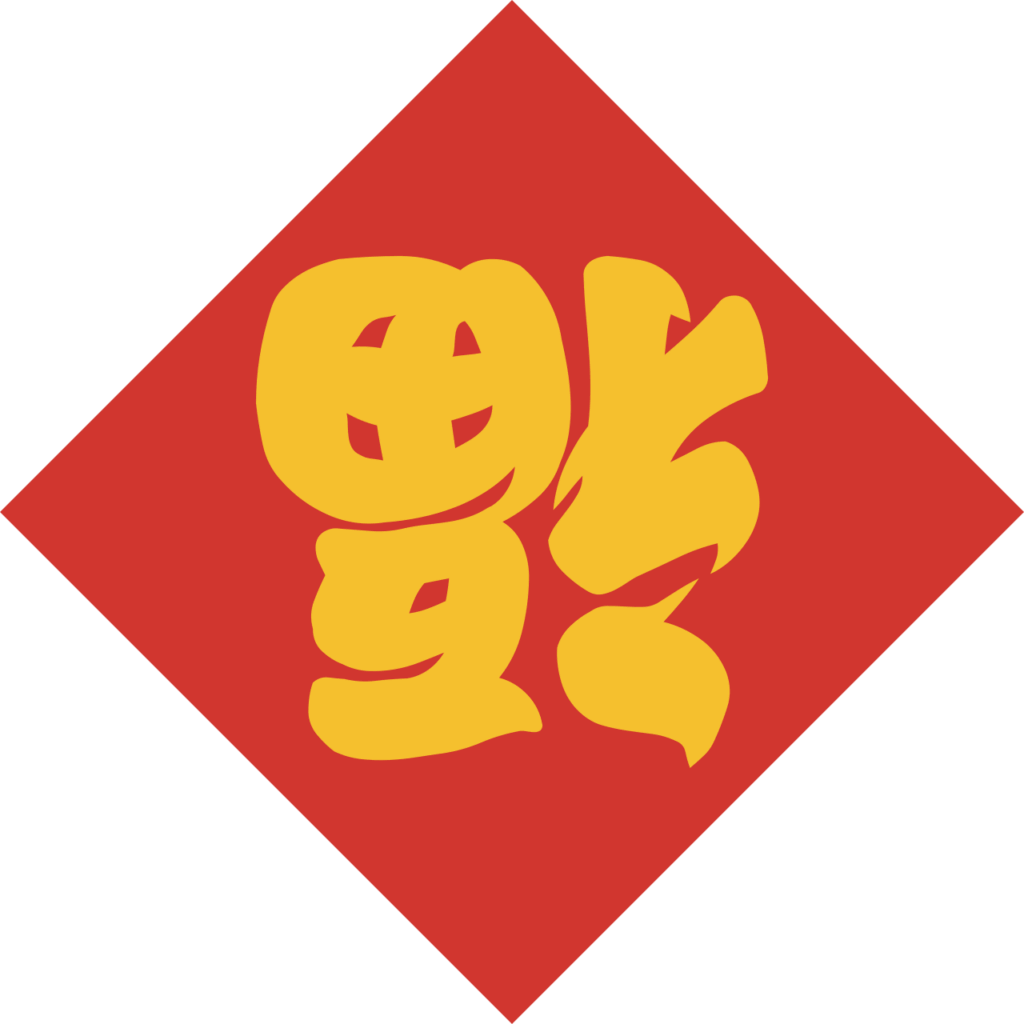
Every taboo has a positive counterpart, and the New Year is as much about auspicious actions as forbidden ones. Where sweeping is banned on the first day, a thorough cleaning beforehand is encouraged. Where negative words are avoided, the days are filled with auspicious greetings and blessings. Instead of lending money, you give it freely in red envelopes. Instead of wearing mourning colours, you put on new red clothes. Wearing red, displaying the fu character, serving whole fish and chicken, lighting the home brightly, and greeting elders with good wishes are all active ways of inviting the fortune the taboos are designed to protect. Understood this way, the don’ts and the dos are two halves of a single effort to begin the year well.
Passing the Taboos to the Next Generation
For many families, the taboos are taught to children less as hard rules than as stories, and that is part of their charm. A grandparent explaining why you must not sweep on the first day, or why the broken bowl needs a quick lucky phrase, is passing on a whole worldview in miniature, a sense that words have power, that the start of a thing shapes its course, and that the family’s customs are worth keeping. Children learn the phrases that turn bad luck around, the colours to wear, and the courtesies of the season, and in doing so they inherit not a list of prohibitions but a living tradition. The taboos, kept lightly and explained warmly, become one of the ways the festival teaches each generation who they are.
Tradition, Lightly Held
The taboos of Chinese New Year can seem like a long list of don’ts, but together they express something simple and rather lovely: the wish to begin the year cleanly, kindly, and full of hope, without tempting fate at its most delicate moment, and to step into the new year a little more thoughtfully than usual. That, more than any single rule, is what the taboos are really for: a yearly reminder to pause, to mind your words and actions, and to treat the turning of the year as something that genuinely deserves care. Keep the ones that mean something to you, hold them lightly, and pair them with the festival’s many positive customs. To balance the don’ts with the dos, see our complete guide to Chinese New Year and our guide to auspicious New Year greetings.
Frequently Asked Questions
What should you not do on Chinese New Year?
The main taboos for the first day are: do not sweep or clean (it sweeps away luck), do not wash your hair, do not break anything, do not use knives or scissors, do not use negative or unlucky words, and do not wear black or white. Money should not be lent, and unlucky gifts are avoided.
Why can you not clean on Chinese New Year’s Day?
Good fortune is believed to have just arrived in the home, so sweeping or taking out the rubbish on the first day would sweep that luck away. Families clean thoroughly before the New Year instead, so no cleaning is needed once it begins.
Why can you not wash your hair on New Year’s Day?
The word for hair, fa, shares a sound with the fa in facai, meaning to become wealthy. Washing your hair on the first day is therefore thought to wash your fortune away before the year has begun.
What gifts should be avoided at Chinese New Year?
Avoid clocks (giving a clock sounds like attending a funeral), pears (the word sounds like separation), shoes, umbrellas, sharp objects such as knives, and handkerchiefs. Fruit in even numbers, sweets, and red-wrapped gifts are safe choices.
What should you do if you break something at New Year?
Immediately say a lucky phrase such as suisui ping’an, “peace year after year,” which works because the word for shattered sounds like the word for year. Wrapping the broken pieces in red paper is another way to soften the bad luck.
Are Chinese New Year taboos still followed today?
They are widely known but mostly kept in a spirit of fun and respect for tradition rather than real fear. Observance varies by region and family, and the diaspora has softened or dropped many of them.