The Venice Carnival stands as one of the world’s most spectacular cultural celebrations. Every year, thousands of visitors flock to the floating city. They come to witness elaborate masks, stunning costumes, and centuries-old traditions. But what is the history behind this magnificent festival? How did it begin? Why was it banned? And how did it rise again?
This comprehensive guide explores the complete history of the Venice Carnival. We’ll journey from its ancient origins to its modern-day revival. Along the way, you’ll discover fascinating traditions, iconic masks, and the cultural significance that makes this festival truly unique.
What is the Venice Carnival?
The Venice Carnival (Carnevale di Venezia in Italian) is an annual festival held in Venice, Italy. It takes place in the weeks leading up to Lent. The celebration typically begins around two weeks before Ash Wednesday. It ends on Shrove Tuesday (also known as Martedì Grasso or Fat Tuesday).
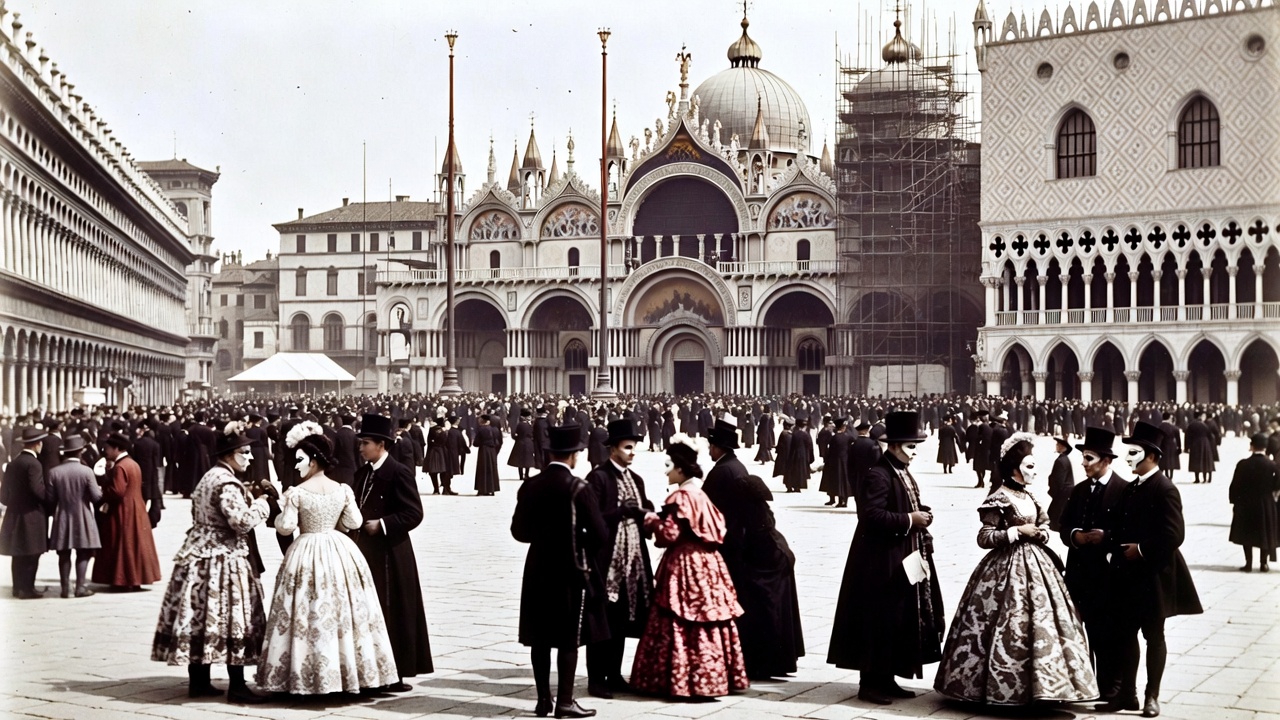
During this period, Venice transforms into a living theater. The streets, squares, and canals fill with masked revelers. Elaborate costumes recall the city’s glorious past. Music, dancing, and performances occur throughout the city.
Key Facts About Venice Carnival
| Feature | Details |
|---|---|
| Location | Venice, Italy |
| Duration | Approximately 2-3 weeks |
| Annual Visitors | Over 3 million |
| Main Venue | St. Mark’s Square (Piazza San Marco) |
| UNESCO Status | Part of Venice’s cultural heritage |
| Economic Impact | Estimated €70+ million annually |
The carnival has ancient roots. It reflects Venice’s unique history as a powerful maritime republic. The festival embodies the city’s artistic traditions, social customs, and enduring spirit of celebration.
But how did this extraordinary festival begin? To understand the Venice Carnival’s origins, we must travel back through centuries of history.
Ancient Origins of Carnival Celebrations in Venice
Pre-Christian Roots of Venice Carnival Festivities
The word “carnival” likely derives from the Latin phrase “carne vale” or “carnem levare.” This translates to “farewell to meat” or “remove meat.” It references the fasting period of Lent that follows the celebration.
However, some scholars trace carnival traditions to even older origins. Ancient Roman festivals may have influenced early Venetian celebrations. The Roman Saturnalia festival featured:
- Role reversals between masters and slaves
- Masked celebrations
- Temporary suspension of social rules
- Feasting and merrymaking
Similarly, the Lupercalia festival included elements of masking and celebration. When Christianity spread through the Roman Empire, many pagan customs merged with Christian traditions. The pre-Lenten carnival period absorbed these ancient practices.
The Byzantine Influence on Early Venice Carnival
Venice maintained close ties with the Byzantine Empire for centuries. The city served as a cultural bridge between East and West. Byzantine traditions influenced Venetian art, architecture, and celebrations.
Byzantine masquerade traditions may have shaped early Venetian carnival customs. Eastern theatrical traditions featured elaborate costumes and masked performances. These elements eventually became central to the Venice Carnival.
First Historical Records of Venice Carnival
The earliest documented reference to the Venice Carnival dates to 1094. A document from Doge Vitale Falier’s reign mentions public festivities before Lent. This makes the Venice Carnival one of the oldest continuous carnival traditions in the world.
By the 12th century, carnival celebrations had become an established part of Venetian life. The Republic of Venice recognized the festival’s importance. Authorities began regulating certain aspects of the celebrations.
Medieval Venice Carnival: The Birth of a Tradition
How the Medieval Venice Carnival Developed
The medieval period saw the Venice Carnival evolve into a distinctive celebration. The festival grew in duration, complexity, and social significance.
During the 13th and 14th centuries, carnival season gradually expanded. What began as a few days of celebration stretched into weeks. By the late medieval period, the festivities could last for several months.
The Social Function of Medieval Venetian Masks
Masks served a crucial social function in medieval Venice. The city was rigidly hierarchical. Social classes rarely mixed in daily life. But during carnival, masks created anonymity.
Behind a mask, a nobleman could converse with a commoner. A servant could speak freely with their master. The mask temporarily erased social distinctions.
This social function explains why Venetian authorities generally permitted—even encouraged—mask wearing during carnival. The festival served as a social safety valve. It released tensions that might otherwise threaten public order.
1268: The First Laws Regulating Venice Carnival Masks
In 1268, the Venetian government enacted the first known laws regulating mask use. These laws prohibited masked individuals from:
- Throwing eggs filled with perfumed water (a carnival tradition)
- Entering churches while masked
- Engaging in certain gambling activities
The existence of these regulations proves that masking had become widespread. The government needed to establish boundaries for acceptable carnival behavior.
Medieval Venice Carnival Games and Entertainment
Medieval carnival celebrations included various forms of entertainment:
Popular carnival activities included:
- Bull-baiting in St. Mark’s Square
- Human pyramids performed by Castellani workers
- Theatrical performances in streets and squares
- Puppet shows (burattini)
- Acrobatic displays on tightropes
- Public dances and musical performances
These entertainments drew crowds from across Venice and beyond. The carnival season became economically important to the city.
Renaissance Venice Carnival: The Golden Age
The 15th Century Expansion of Venice Carnival Celebrations
The Renaissance period marked the Venice Carnival’s golden age. During the 15th and 16th centuries, the festival reached unprecedented heights of splendor.
Venice was then at the peak of its power. The Republic controlled a vast maritime empire. Wealth flowed into the city from trade with the East. This prosperity fueled increasingly elaborate celebrations.
Carnival season expanded dramatically. By the late Renaissance, festivities could begin as early as October. The celebrations continued until Lent. This meant Venetians might wear masks for nearly half the year.
The Venetian Republic’s Support for Carnival Traditions
The Venetian government actively supported carnival celebrations. Officials understood the festival’s value. It attracted visitors who spent money in the city. It provided entertainment that kept citizens content.
The Republic organized official carnival events:
- State-sponsored theatrical performances
- Elaborate processions through the city
- Competitions and contests
- Public banquets and feasts
These official events complemented the spontaneous celebrations occurring throughout Venice.
Famous Renaissance Venice Carnival Traditions
Several distinctive traditions emerged during the Renaissance:
The Flight of the Angel (Volo dell’Angelo):
This spectacular event began in the 16th century. A young acrobat would descend from St. Mark’s bell tower. They traveled along a rope to the Doge’s Palace. There, they presented flowers to the Doge.
The tradition began when a Turkish acrobat impressed Doge Francesco Gradenigo with this feat. It became an annual highlight of the Venice Carnival.
The Flight of the Dove (Volo della Colombina):
A related tradition involved releasing a mechanical dove. This dove would descend from the bell tower. It scattered flowers and confetti over the crowd below.
Venice Carnival During the Age of Casanova
The 18th century brought the Venice Carnival to its most decadent heights. This era is often associated with Giacomo Casanova, Venice’s famous adventurer.
Casanova’s memoirs provide vivid descriptions of carnival life. He wrote about:
- Masked balls in grand palaces
- Gambling in the ridotti (gaming houses)
- Romantic intrigues facilitated by masks
- Theatrical performances throughout the city
The carnival of Casanova’s time embodied both the splendor and the excesses of Venetian society.
The International Fame of Venice Carnival
By the 18th century, the Venice Carnival had become famous throughout Europe. It attracted visitors from every corner of the continent. Grand tourists included the celebration on their itineraries.
Notable visitors to the Venice Carnival included:
| Visitor | Period | Significance |
|---|---|---|
| Johann Wolfgang von Goethe | 1786-1788 | German literary giant |
| Jean-Jacques Rousseau | 1743 | French philosopher |
| Lord Byron | 1816-1819 | English Romantic poet |
| Richard Wagner | 1850s-1880s | German composer |
These cultural figures wrote about their carnival experiences. Their accounts spread the festival’s fame even further.
Traditional Venetian Carnival Masks and Their Meanings
The History and Symbolism of Venice Carnival Masks
Masks (maschere) are the defining symbol of the Venice Carnival. The tradition of mask-making in Venice dates back centuries. Venetian masks became renowned throughout Europe for their craftsmanship.
In 1436, Venetian mask makers (mascherari) received official recognition. They established their own guild. This demonstrated the profession’s importance in Venetian society.
The Bauta: The Most Traditional Venice Carnival Mask
The Bauta is perhaps the most iconic Venetian mask. It consists of three elements:
- White mask covering the entire face
- Tricorn hat (three-cornered hat)
- Black cloak (tabarro) or cape
The Bauta mask has a distinctive shape. Its angular chin juts forward dramatically. This design serves a practical purpose. Wearers could eat and drink without removing the mask.
The Bauta was not just for carnival. Venetians wore it throughout the year in certain situations:
- At theatrical performances
- During political assemblies (to ensure voting anonymity)
- For everyday outings when anonymity was desired
Both men and women wore the Bauta. It represented the quintessential Venetian disguise.
The Moretta: The Mysterious Silent Mask
The Moretta (little dark one) was worn exclusively by women. This small, black velvet mask covered only the face. It was typically oval-shaped.
The most distinctive feature? The Moretta was held in place by a button clenched between the teeth. This rendered the wearer completely silent. She could not speak without revealing her identity.
The Moretta created an aura of mystery. A woman wearing this mask became an enigma. She could communicate only through gestures and expressions. This silence was considered alluring and intriguing.
The Medico della Peste: Venice’s Plague Doctor Mask
The Plague Doctor mask (Medico della Peste) has a haunting appearance. It features:
- A long, beak-like nose
- Round glass eye openings
- White or pale coloring
This design originated from necessity, not fashion. During plague outbreaks, doctors filled the beak with aromatic herbs. They believed this would protect them from disease.
The Plague Doctor mask represents Venice’s dark history. The city suffered devastating plague outbreaks. The most severe, in 1630, killed roughly one-third of the population. Today, the mask serves as a striking carnival costume and a reminder of the past.
The Volto: The Classic Full-Face Venice Mask
The Volto (meaning “face” in Italian) is also called the Larva or Citizen’s mask. This simple white mask covers the entire face. It is often decorated elaborately for carnival.
The Volto represents the citizen of Venice. It is the most commonly seen mask at modern carnival celebrations.
The Colombina: The Half-Mask of Venice Carnival
The Colombina is a half-mask that covers only the eyes and nose. It is often highly decorated with:
- Gold leaf
- Crystals and jewels
- Feathers
- Intricate paint designs
The name comes from Colombina, a character from the Commedia dell’Arte. This theatrical tradition heavily influenced Venetian carnival culture.
Commedia dell’Arte Characters at Venice Carnival
The Commedia dell’Arte was a form of improvisational theater popular from the 16th century. Its stock characters became carnival favorites:
| Character | Description | Mask Type |
|---|---|---|
| Arlecchino (Harlequin) | Mischievous servant | Half-mask with warts |
| Pulcinella | Scheming servant with a hook nose | White half-mask |
| Pantalone | Elderly Venetian merchant | Long-nosed mask |
| Brighella | Cunning servant | Olive-green half-mask |
| Colombina | Clever maid | Decorated half-mask |
| Il Dottore | Pompous doctor | Black half-mask |
These characters appeared in performances throughout the carnival season. Their masks became part of the broader masquerade tradition.
Historic Venice Carnival Costumes and Fashion
Traditional Venice Carnival Costume History
Venice Carnival costumes evolved over centuries. Early medieval costumes were relatively simple. Renaissance prosperity brought increasing elaboration. By the 18th century, carnival fashion had reached spectacular heights.
The Domino: Classic Venice Carnival Attire
The Domino was a popular carnival ensemble. It consisted of:
- A simple, hooded cloak (usually black or dark-colored)
- A matching mask
- A hat or hood
The Domino was affordable and practical. It allowed people of modest means to participate in carnival festivities. The costume’s simplicity also created uniformity among revelers, enhancing the anonymity masks provided.
Elaborate Renaissance and Baroque Carnival Costumes
Wealthy Venetians competed to display the most magnificent costumes. Renaissance and Baroque carnival fashion featured:
- Luxurious fabrics (silk, velvet, brocade)
- Extensive gold and silver embroidery
- Precious jewels and gemstones
- Elaborate wigs and headdresses
- Exotic elements (feathers, fur, pearls)
Costume themes often drew from:
- Historical figures (emperors, queens, ancient heroes)
- Mythological characters (gods, goddesses, nymphs)
- Exotic cultures (Turkish, Asian, African influences)
- Theatrical characters (Commedia dell’Arte figures)
- Allegorical concepts (seasons, virtues, arts)
The carnival provided an opportunity to showcase wealth and creativity. Nobles spent fortunes on their annual costumes.
The Role of Tailors and Artisans in Venice Carnival
A small army of artisans supported carnival festivities:
- Mask makers (mascherari) crafted the essential disguises
- Tailors (sarti) created elaborate costumes
- Jewelers provided precious adornments
- Wigmakers (peruccai) supplied elaborate hairpieces
- Shoemakers crafted appropriate footwear
These craftspeople formed an important part of Venice’s economy. The carnival season provided them with their busiest and most profitable period.
Traditional Venice Carnival Events and Celebrations
Historic Venice Carnival Opening Ceremonies
The Venice Carnival traditionally began with official ceremonies. The Doge and high officials would formally inaugurate the festivities. This opening signaled that normal rules were temporarily suspended.
The Festa delle Marie Tradition
The Festa delle Marie (Festival of the Marys) dates to the 10th century. According to legend, pirates kidnapped twelve Venetian brides during a wedding ceremony. Venetian men pursued and rescued them.
The festival commemorated this rescue. Twelve beautiful young women represented the brides. They processed through Venice in magnificent costumes. The event became one of the carnival’s most beloved traditions.
The Svolo del Leon and Other Spectacles
Spectacular public events entertained carnival crowds:
- The Flight of the Lion (Svolo del Leon): A mechanical lion descended from the bell tower
- Fireworks displays over the lagoon
- Water processions of decorated boats
- Bull hunts in St. Mark’s Square
- Elaborate theatrical productions
These events drew enormous crowds. They demonstrated Venice’s wealth and organizational capabilities.
Carnival Balls and Private Celebrations
Private balls (balli) complemented public celebrations. Noble families hosted elaborate masked balls in their palaces. These events featured:
- Dancing to live orchestras
- Lavish banquets
- Card games and gambling
- Romantic intrigues
The most famous venues included the ridotti, licensed gambling houses where masked patrons could play cards and other games of chance. The Ridotto di San Moisè, established in 1638, became particularly notorious.
Food and Feasting During Venice Carnival
Traditional Venice Carnival food reflected the approaching Lenten fast. Venetians indulged in rich foods they would soon give up:
Traditional carnival foods include:
| Food | Description |
|---|---|
| Frìtole | Fried dough balls with raisins, pine nuts, and powdered sugar |
| Galani (also Crostoli) | Thin, crispy fried pastries dusted with sugar |
| Castagnole | Small, round fried dough balls |
| Crespelle | Sweet crepes or pancakes |
| Pinza | Traditional cornmeal cake |
Frìtole were so important that fritoleri (fritter makers) formed their own guild. During carnival, they set up stalls throughout Venice.
Why Was the Venice Carnival Banned?
The Decline of Venice Carnival in the 18th Century
By the late 18th century, the Venice Carnival had become associated with excess. Critics argued the extended masking season:
- Encouraged immoral behavior
- Facilitated crime
- Undermined social order
- Wasted resources
The Venetian Republic itself was declining. Its once-powerful navy was weakened. Trade routes had shifted. The city’s legendary wealth was fading.
Napoleon’s Conquest and the End of Venice Carnival
In 1797, Napoleon Bonaparte conquered Venice. This ended over a thousand years of independence for the Venetian Republic. Napoleon declared: “I shall be an Attila to the state of Venice.”
The conquest brought immediate changes:
- The Doge was deposed
- Republican institutions were abolished
- Many Venetian treasures were seized
- Traditional celebrations were suppressed
Napoleon officially banned the Venice Carnival. The new authorities viewed the festival as a symbol of the old regime. They associated it with the excesses of the fallen Republic.
Venice Under Austrian Rule
Napoleon soon ceded Venice to Austria. Under Austrian Habsburg rule, the carnival ban continued. The authorities were suspicious of:
- Large public gatherings
- Anonymous masked crowds
- Traditions associated with Venetian independence
While some limited celebrations occasionally occurred, the grand Venice Carnival was effectively dead.
The Long Sleep: Venice Without Carnival (1797-1979)
For nearly two centuries, the Venice Carnival remained dormant. This period saw:
- Brief, limited revival attempts in the 19th century
- Occasional small-scale celebrations
- Continued mask-making traditions (barely surviving)
- Tourism interest in Venice’s masked heritage
The memory of the carnival survived in art, literature, and music. But the living tradition had essentially vanished.
The 1979 Venice Carnival Revival Story
How the Venice Carnival Was Revived
The modern Venice Carnival began in 1979. A group of local associations and citizens joined forces to resurrect the tradition. Their goal was both cultural and economic.
Key figures in the revival included:
- Local cultural associations
- Venetian artisans (especially mask makers)
- Tourism authorities
- Municipal government officials
The first revived carnival focused on authentic traditions. Organizers researched historical celebrations. They consulted archives and historical records. Their aim was to create an event rooted in Venice’s genuine heritage.
The Goals Behind Reviving Venice Carnival
The 1979 revival had multiple objectives:
- Cultural preservation: Reconnecting Venice with its heritage
- Economic development: Boosting winter tourism
- Community building: Bringing Venetians together
- Artistic revival: Supporting traditional crafts
- International recognition: Enhancing Venice’s global image
Early Years of the Revived Venice Carnival
The initial revivals were modest events. The 1979 carnival featured:
- Local participants in traditional costumes
- Street performances and music
- Mask-making demonstrations
- Historical reenactments
Attendance was primarily local at first. But word spread quickly. By the early 1980s, the revived Venice Carnival was attracting significant attention.
The Role of Mask Makers in the Venice Carnival Revival
Traditional mask makers (mascherari) were crucial to the revival. Their craft had nearly died out. Only a handful of artisans still possessed traditional skills.
The carnival’s return created new demand for authentic Venetian masks. Master craftspeople trained new apprentices. The ancient art experienced a renaissance.
Today, numerous mask workshops operate in Venice. Many welcome visitors who want to see traditional techniques. Some offer workshops where tourists can create their own masks.
Modern Venice Carnival Traditions Today
How the Venice Carnival is Celebrated Now
The modern Venice Carnival has become a world-famous event. Each year, approximately three million visitors attend. The festival typically lasts about two weeks.
Contemporary Venice Carnival Opening Ceremony
The modern carnival opens with spectacular ceremonies:
The Water Procession (Corteo Acqueo): Decorated boats parade along the Grand Canal. Costumed participants wave to crowds along the banks.
The Flight of the Angel (Volo dell’Angelo): This revived tradition features a person descending from St. Mark’s bell tower. They travel to the stage in Piazza San Marco. Today, a celebrity or notable person often performs this role.
The Angel’s Flight Ceremony Explained
The Flight of the Angel ceremony occurs on the first Sunday of carnival. It officially inaugurates the festivities.
How the modern ceremony works:
- A selected person (often a previous year’s Maria)
- Ascends St. Mark’s Campanile
- Descends along a cable to the square below
- Arrives at the main stage
- Greets the gathered crowd
The descent covers roughly 70 meters. Thousands of spectators pack the square to watch.
The Festa delle Marie Today
The Festa delle Marie has been revived as a major carnival event:
- Twelve young women are selected from Venice
- They parade through the city in elaborate costumes
- The procession ends in St. Mark’s Square
- One is crowned the Maria of the Year
- She returns for the Angel’s Flight the following year
This event connects modern celebrations to centuries-old traditions.
Modern Venice Carnival Competitions and Awards
Several competitions highlight carnival celebrations:
The Best Masked Costume Contest (La Maschera più Bella):
This prestigious competition rewards the finest costumes. Judges evaluate:
- Creativity and originality
- Historical accuracy
- Quality of craftsmanship
- Overall presentation
Winners receive prizes and recognition. The competition encourages elaborate costume-making.
Where Venice Carnival Events Take Place
Key Venice Carnival locations include:
| Location | Events |
|---|---|
| St. Mark’s Square | Opening ceremonies, Angel’s Flight, main performances |
| Grand Canal | Water processions, boat parades |
| Campo San Polo | Entertainment, activities for families |
| Various Palaces | Private masked balls (tickets required) |
| Throughout Venice | Street performances, spontaneous celebrations |
Most events are free and open to the public. Some exclusive balls require advance ticket purchases.
Venetian Carnival Music and Performance
Live entertainment fills Venice during carnival:
- Classical concerts in historic venues
- Opera performances at Teatro La Fenice
- Street musicians and performers
- Dance performances in squares and campos
- Traditional Venetian music ensembles
The mix of formal performances and spontaneous street entertainment creates carnival’s unique atmosphere.
Planning Your Venice Carnival Visit
When is Venice Carnival Each Year?
Venice Carnival dates vary annually because they depend on Easter’s date. The carnival ends on Shrove Tuesday (Fat Tuesday). This is the day before Ash Wednesday, which begins Lent.
How to calculate Venice Carnival dates:
- Determine Easter Sunday’s date
- Count back 46 days to Ash Wednesday
- The day before is Fat Tuesday (carnival’s end)
- Carnival typically begins two to three weeks earlier
Best Days to Visit Venice Carnival
Key dates for Venice Carnival visitors:
| Event | When | Highlight |
|---|---|---|
| Opening Weekend | First weekend | Water procession, first festivities |
| Flight of the Angel | First Sunday | Official opening ceremony |
| Festa delle Marie | Mid-carnival Saturday | Historical procession |
| Grand Masked Ball | Various dates | Exclusive ticketed events |
| Final Weekend | Last weekend | Peak crowds, main celebrations |
| Fat Tuesday | Final day | Closing ceremonies, maximum costumes |
Weekends are the busiest times. For smaller crowds, consider weekday visits.
Where to Stay During Venice Carnival
Accommodation during carnival requires advance planning:
- Book several months ahead (or even a year for popular dates)
- Expect higher prices during carnival season
- Consider staying in Mestre or Lido for lower costs
- Venice island locations offer the best carnival experience
Venice Carnival Ticket Information
Most carnival events are free. However, some exclusive experiences require tickets:
- Grand masked balls in historic palaces
- Gala dinners at prestigious venues
- Reserved seating for major performances
- Special guided experiences
These ticketed events can cost from €100 to several thousand euros.
What to Wear to Venice Carnival
Costumes range from simple to spectacular:
Budget-friendly options:
- Purchase a simple mask from a vendor
- Add a black cape or cloak
- Wear elegant dark clothing
Mid-range costumes:
- Rent a complete costume from a local shop
- Purchase a quality mask from an artisan
- Create a partial costume with key elements
High-end experiences:
- Commission a custom costume
- Purchase elaborate masks from master craftspeople
- Hire costume assistance for dressing
Even without a costume, you can enjoy the carnival. Many visitors simply observe and photograph the spectacular displays.
Tips for Enjoying Venice Carnival
Practical advice for carnival visitors:
- Arrive early at popular locations
- Wear comfortable shoes (you’ll walk extensively)
- Dress warmly (February in Venice is cold)
- Carry minimal valuables (crowds attract pickpockets)
- Learn basic Italian phrases for better interactions
- Book restaurants in advance (popular spots fill quickly)
- Bring a good camera (endless photo opportunities)
- Consider a vaporetto pass for water bus transportation
- Explore beyond St. Mark’s (other areas have smaller crowds)
- Embrace spontaneity (unexpected moments are magical)
Venice Carnival Cultural Significance and Legacy
Why Venice Carnival Matters to World Culture
The Venice Carnival represents more than entertainment. It embodies centuries of cultural development. The festival demonstrates how traditions can survive, adapt, and revive.
Venice Carnival’s Influence on Global Celebrations
Venetian traditions influenced carnivals worldwide:
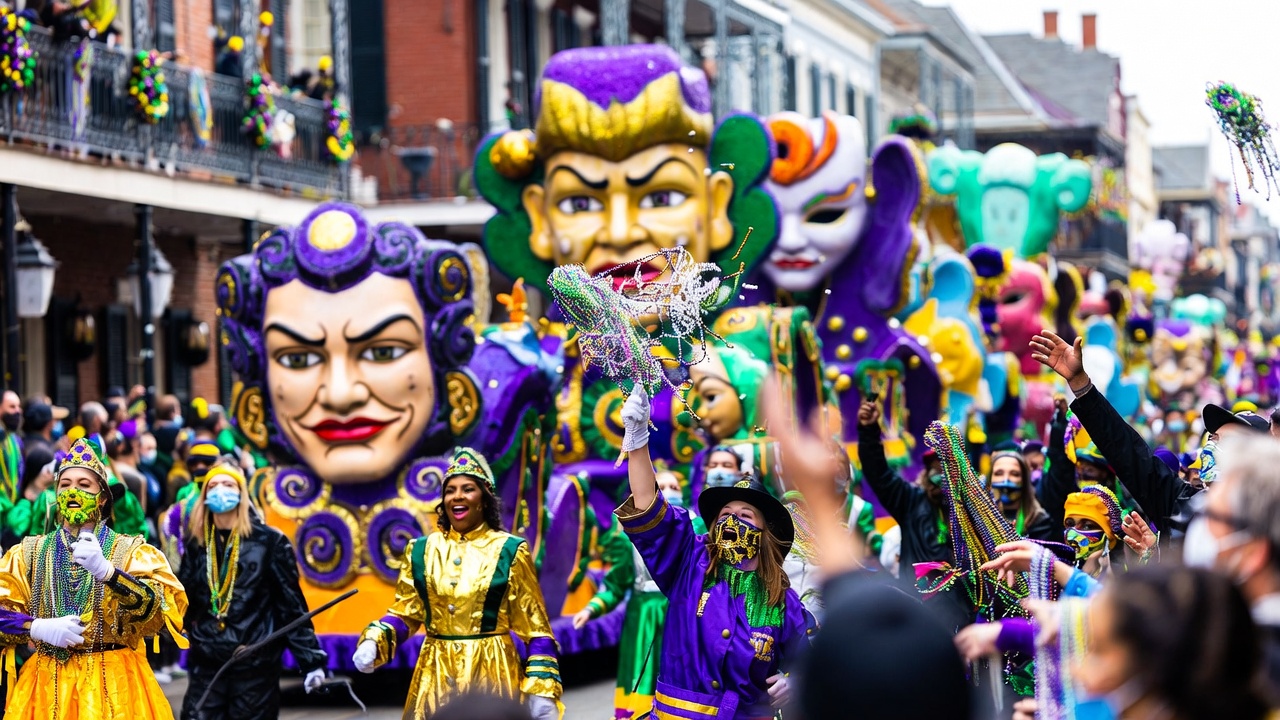
- Mardi Gras celebrations adopted mask traditions
- Brazilian Carnival incorporated European masquerade elements
- Caribbean carnivals show Venetian influences
- Various European festivals drew inspiration from Venice
The Venetian model of masks, costumes, and pre-Lenten celebration spread globally.
The Art of Venetian Mask Making Today
Traditional mask-making survives as a living art. Modern mascherari continue ancient techniques:
Traditional mask-making process:
- Creating a mold from clay
- Forming the mask from papier-mâché
- Drying and hardening the base
- Sanding and smoothing surfaces
- Applying gesso (base coating)
- Painting detailed designs
- Adding decorations (gold leaf, feathers, jewels)
- Final finishing and quality check
This process can take days or weeks for elaborate masks.
Venice Carnival’s Economic Impact
The carnival significantly benefits Venice’s economy:
- Tourism revenue from millions of visitors
- Employment for artisans, hospitality workers, performers
- Global marketing that promotes Venice year-round
- Cultural industry support for traditional crafts
The revival of 1979 achieved its economic goals. Winter tourism to Venice increased dramatically.
Challenges Facing Modern Venice Carnival
Contemporary challenges include:
- Overtourism: Crowds can overwhelm the historic city
- Authenticity concerns: Commercial pressures versus tradition
- Climate threats: Rising waters and flooding risks
- Sustainability: Environmental impact of mass events
- Local participation: Ensuring Venetians remain central
Organizers continually work to balance these concerns.
The Future of Venice Carnival
The Venice Carnival continues to evolve. Recent developments include:
- Virtual elements for global audiences
- Sustainability initiatives to reduce environmental impact
- Community programs to involve local residents
- Educational components about Venetian history
- Technological innovations in performances
The festival adapts while honoring its heritage.
Frequently Asked Questions About Venice Carnival History
How Old is the Venice Carnival?
The Venice Carnival dates to at least 1094, making it over 900 years old. Documentary evidence from that year references pre-Lenten celebrations in Venice. Informal celebrations likely occurred even earlier.
Why Do People Wear Masks at Venice Carnival?
Masks at Venice Carnival serve multiple purposes:
- Historical tradition dating back centuries
- Creating anonymity and social equality
- Artistic expression and creativity
- Connection to theatrical traditions
- Celebration of Venetian craft heritage
How Long Does Venice Carnival Last?
Modern Venice Carnival typically lasts 2-3 weeks, ending on Shrove Tuesday (Fat Tuesday). Historically, the carnival season could extend much longer—sometimes nearly half the year during Venice’s golden age.
Was Venice Carnival Really Banned?
Yes, Napoleon banned the Venice Carnival in 1797 after conquering the Venetian Republic. The ban continued under subsequent Austrian rule. The carnival remained largely dormant until its revival in 1979.
How Was Venice Carnival Revived?
A coalition of local organizations revived the carnival in 1979. They researched historical traditions, involved local artisans, and created events rooted in Venetian heritage. The revival successfully restored the festival to international prominence.
What is the Flight of the Angel at Venice Carnival?
The Flight of the Angel (Volo dell’Angelo) is the official opening ceremony. A person descends from St. Mark’s bell tower along a cable to the square below. This tradition dates to the 16th century and was revived with the modern carnival.
Conclusion: The Enduring Magic of Venice Carnival
The Venice Carnival stands as one of humanity’s great cultural achievements. From its ancient origins to its modern revival, the festival demonstrates the power of tradition.
For over nine centuries, this celebration has reflected Venice’s unique character. It embodies:
- Artistic excellence in masks, costumes, and performances
- Social function as a release valve and equalizer
- Cultural resilience surviving conquest and suppression
- Economic importance supporting crafts and tourism
- Global influence inspiring celebrations worldwide
The carnival’s 1979 revival proved that traditions can be reborn. After nearly two centuries of dormancy, the festival returned stronger than ever. Today, it attracts millions of visitors and global attention.
Whether you’re planning a visit or simply fascinated by cultural history, the Venice Carnival offers endless discoveries. Its masks hold centuries of meaning. Its costumes reflect artistic traditions refined over generations. Its celebrations connect us to a rich and complex past.
The magic of Venice Carnival endures because it speaks to something universal. The desire to celebrate, to temporarily escape ordinary life, to don a mask and become someone else—these impulses transcend time and culture.
As you walk through Venice during carnival season, surrounded by stunning costumes and mysterious masks, you participate in a living tradition. You become part of a celebration that has unfolded for over 900 years. You join countless generations who found joy, wonder, and transformation in the Venice Carnival.
And that is the true legacy of this extraordinary festival.
Further Resources
For more information about Venice Carnival:
- Official Venice Carnival Website – Event schedules and official information
- Venice Tourism Board – Visitor information and booking
- UNESCO Venice and its Lagoon – Cultural heritage information