Introduction: A Global Call for Unity
World Interfaith Harmony Week 2026 is approaching. This annual United Nations observance takes place from February 1 to 7. It celebrates unity among people of all faiths and beliefs. The week promotes peace, understanding, and cooperation worldwide.
In a world often divided by religious differences, this week offers hope. It reminds us that shared values connect all humanity. Love, compassion, and kindness form the foundation of every major faith tradition. This comprehensive guide explains everything you need to know about World Interfaith Harmony Week 2026.
Quick Facts: World Interfaith Harmony Week 2026 at a Glance
| Category | Details |
|---|---|
| Official Name | World Interfaith Harmony Week (WIHW) |
| 2026 Dates | February 1-7, 2026 (Sunday to Saturday) |
| Established | October 20, 2010 (UN Resolution A/RES/65/5) |
| Founded By | King Abdullah II of Jordan |
| First Observed | February 2011 |
| UN Status | Official UN Observance Week |
| Core Principle | Love of God/Good and Love of Neighbor |
| Annual Prize | King Abdullah II World Interfaith Harmony Week Prize |
What Is World Interfaith Harmony Week?
World Interfaith Harmony Week is a United Nations-designated observance. It occurs during the first week of February each year. The week encourages people worldwide to promote interfaith dialogue. It celebrates the shared values that unite all religions and beliefs.
This observance creates a platform for meaningful conversations. Religious communities, civic organizations, and individuals participate together. They organize events in churches, mosques, synagogues, temples, and community centers. The goal is simple: promote harmony and goodwill among all people.
Key Objectives of the Interfaith Harmony Initiative
- Promote peaceful coexistence among followers of different faiths and traditions
- Encourage interreligious dialogue and mutual understanding between communities
- Highlight the common values shared by all major world religions
- Combat religious intolerance, discrimination, and extremism globally
- Inspire charitable works and community service across faith boundaries
- Create lasting connections between interfaith organizations worldwide
The History of World Interfaith Harmony Week
The story begins in Jordan with King Abdullah II. His Majesty has long championed interfaith dialogue. He recognized the urgent need for religious harmony in the modern world. His vision led to one of the most significant interfaith initiatives in history.
The Amman Message (2004): Building the Foundation
In November 2004, King Abdullah II launched the Amman Message. This declaration clarified the true nature of Islam. It emphasized tolerance, peace, and rejection of violence. Over 500 leading Islamic scholars endorsed this historic document. The Amman Message set the stage for broader interfaith efforts.
A Common Word Initiative (2007): Bridging Islam and Christianity
In October 2007, Prince Ghazi bin Muhammad authored a groundbreaking document. “A Common Word Between Us and You” identified shared ground between Islam and Christianity. Originally signed by 138 Muslim scholars from 52 countries, it highlighted two great commandments: love of God and love of neighbor. Both faiths share these fundamental principles.
This initiative received widespread recognition. Pope Benedict XVI warmly embraced its message. Christian leaders from various denominations endorsed it. The document now has over 400 signatories worldwide. Many consider it the most important Muslim-Christian theological initiative of modern times.
UN General Assembly Adoption (2010): A Historic Resolution
On September 23, 2010, King Abdullah II addressed the 65th UN General Assembly. He proposed a World Interfaith Harmony Week to the global community. His speech emphasized that humanity is bound together by shared commandments. Just one month later, on October 20, 2010, the UN unanimously adopted the resolution.
The resolution (A/RES/65/5) had 29 co-sponsors from every continent. It designated the first week of February as World Interfaith Harmony Week. This marked one of the only times the UN approved a resolution explicitly citing belief in God. The first observance took place in February 2011.
Timeline: Key Milestones in the Interfaith Harmony Movement
| Year | Milestone |
|---|---|
| 2004 | Amman Message launched by King Abdullah II of Jordan |
| 2007 | A Common Word initiative released with 138 Muslim scholar signatures |
| Sept 2010 | King Abdullah II proposes WIHW at UN General Assembly |
| Oct 2010 | UN unanimously adopts Resolution A/RES/65/5 |
| Feb 2011 | First World Interfaith Harmony Week observed globally |
| 2018 | King Abdullah II receives Templeton Prize for interfaith leadership |
| 2019 | King Abdullah II receives Lamp of Peace Award in Assisi, Italy |
| Feb 2026 | 16th annual World Interfaith Harmony Week observance |
Core Principles: Love of God and Love of Neighbor
World Interfaith Harmony Week rests on two fundamental principles. These principles appear in every major religious tradition. They form the common ground that unites all people of faith.
The Two Great Commandments
- Love of God (or Love of the Good): This commandment calls believers to devotion, gratitude, and spiritual connection. It encourages people to seek meaning and purpose beyond material concerns.
- Love of Neighbor: This commandment requires treating others with kindness, compassion, and respect. It encompasses charity, service, and genuine care for fellow human beings.
The initiative includes “Love of the Good” alongside “Love of God.” This expansion welcomes people without traditional religious beliefs. Those who follow humanist or secular ethical traditions can participate fully. The common thread is loving one’s neighbor and pursuing goodness.
Why World Interfaith Harmony Week Matters in 2026
The significance of this observance grows each year. Religious conflicts continue to impact communities worldwide. Misunderstanding and intolerance fuel division. World Interfaith Harmony Week offers an antidote to these challenges.
Promoting Global Peace and Understanding
This week demonstrates the power of faith communities working together. When religious leaders unite for peace, their influence multiplies. Communities see that cooperation is possible despite theological differences. This visibility inspires hope and action worldwide.
Countering Extremism and Intolerance
Religious extremism threatens peace in many regions. World Interfaith Harmony Week provides a platform for moderate voices. It shows that the vast majority of religious believers support peace. The week encourages preachers and teachers to commit publicly to harmony. This makes them less likely to yield to extremist pressures.
Supporting Sustainable Development Goals
The United Nations recognizes the role of faith in achieving development goals. Religious communities possess enormous social capital. They reach billions of people worldwide. When these communities work together, they can address poverty, inequality, and environmental challenges effectively.
Benefits of Interfaith Dialogue and Harmony
| Individual Benefits | Community Benefits |
|---|---|
| Deeper understanding of diverse beliefs | Reduced religious tension and conflict |
| Personal spiritual growth and reflection | Stronger social cohesion and trust |
| Expanded worldview and perspective | More effective charitable efforts |
| New friendships across faith lines | United voice for peace and justice |
| Greater appreciation for shared values | Enhanced cultural understanding |
How to Celebrate World Interfaith Harmony Week 2026
Participating in World Interfaith Harmony Week is easy. Activities range from small personal acts to large community events. Everyone can contribute to this global movement for peace.
Ideas for Individual Participation
- Learn about another faith: Read scriptures or teachings from a tradition different from your own. Understanding promotes respect.
- Visit a different place of worship: Attend a service at a church, mosque, synagogue, temple, or gurdwara you have never visited.
- Share a meal with someone of another faith: Food brings people together. Conversations over meals build lasting connections.
- Practice the 7-Day Kindness Challenge: Do one act of kindness each day across faith communities during the week.
- Use social media: Share messages of harmony using hashtags like #WIHW2026 and #InterfaithHarmony.
Ideas for Community and Organizational Events
- Interfaith dialogue panels: Invite speakers from various faiths to share insights and answer questions from the audience.
- Joint community service projects: Organize volunteers from multiple faith groups to clean parks, serve meals, or help those in need.
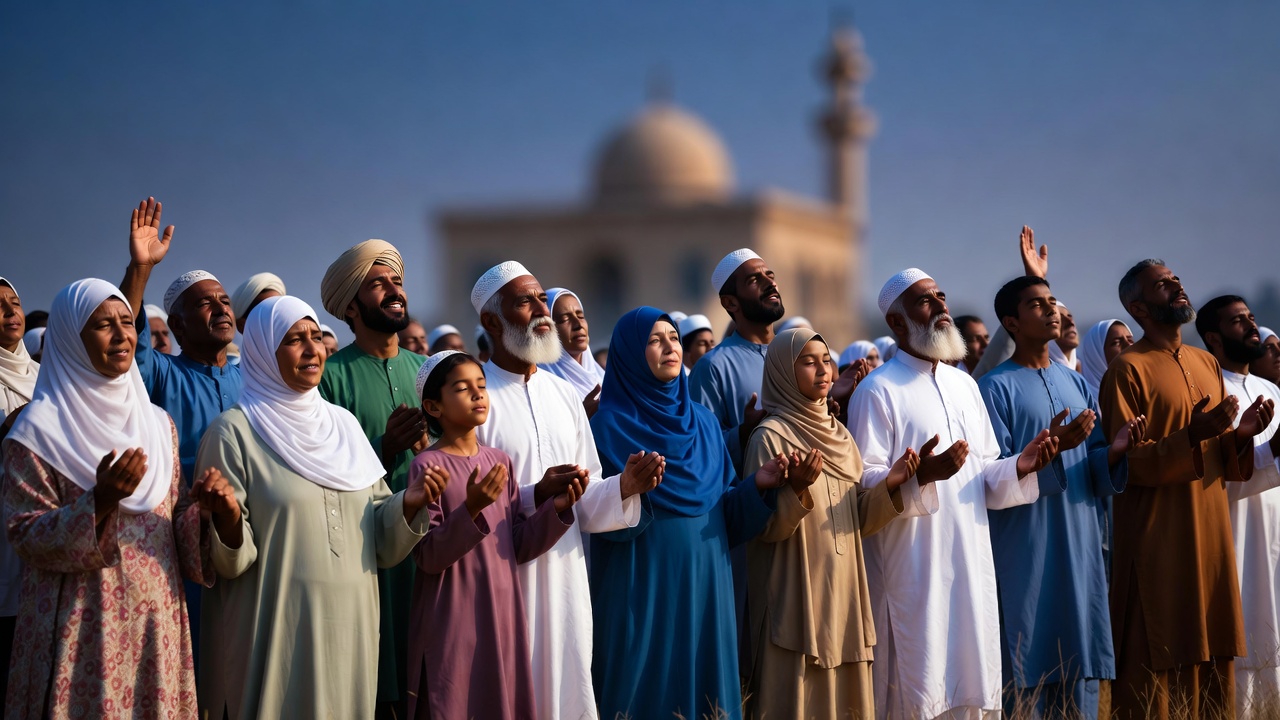
- Interfaith prayer services: Hold gatherings where leaders from different traditions offer prayers and meditations together.
- Cultural and artistic showcases: Feature music, art, poetry, and performances that celebrate religious diversity.
- Youth workshops: Bring young people together to explore shared values and design joint service activities.
- Educational seminars: Host lectures on interfaith cooperation, peacebuilding, and religious understanding.
The King Abdullah II World Interfaith Harmony Week Prize
Organizations participating in World Interfaith Harmony Week can compete for annual prizes. His Majesty King Abdullah II personally sponsors these awards. The Royal Aal al-Bayt Institute for Islamic Thought administers the program.
Prize Categories and Award Amounts
| Prize Level | Award Amount | Medal |
|---|---|---|
| First Prize | $25,000 USD | Gold Medal |
| Second Prize | $15,000 USD | Silver Medal |
| Third Prize | $5,000 USD | Bronze Medal |
Winners receive their awards from King Abdullah II at a ceremony in Amman, Jordan. A distinguished jury selects the winners. The jury includes Princess Areej Ghazi and Patriarch Theophilus of Jerusalem. The 2026 eligibility period runs from January 30 to March 1, 2026.
How to Enter Your Event for the Prize
- Register your event on the official World Interfaith Harmony Week website
- Document your event thoroughly with photos, videos, and testimonials
- Submit an event report describing activities and their impact
- Include media links and supporting documents before the deadline
Types of Events Celebrated Worldwide
World Interfaith Harmony Week inspires thousands of events globally. Activities vary based on local traditions and resources. Here are some examples of celebrations from around the world.
| Event Type | Description |
|---|---|
| Interfaith Forums | Panel discussions with religious leaders addressing peace and cooperation |
| Prayer Services | Multi-faith gatherings featuring prayers from various traditions |
| Service Projects | Volunteers from different faiths working together for community causes |
| Educational Workshops | Learning sessions about different religions and their teachings |
| Cultural Festivals | Celebrations showcasing music, food, and art from diverse traditions |
| Digital Campaigns | Social media initiatives sharing messages of harmony and peace |
| Peace Marches | Public demonstrations of unity among faith communities |
| Food Drives | Collective efforts to fight hunger across religious boundaries |
World Interfaith Harmony Week 2026 Theme
The 2026 observance carries the theme “Creating Sacred Space: Awakening the Heart.” This theme invites participants to cultivate spaces of understanding. It encourages both inner and outer transformation. The focus is on compassion, wisdom, and spiritual insight across all traditions.
Participants are encouraged to explore how their traditions teach compassion. The week offers opportunities for reflection, witnessing, and renewal. Activities aim to soften boundaries and expand our sense of community. Together, participants build what organizers call “the beloved community.”
Frequently Asked Questions About World Interfaith Harmony Week
When is World Interfaith Harmony Week 2026?
World Interfaith Harmony Week 2026 runs from Sunday, February 1, through Saturday, February 7, 2026. The UN designated the first week of February for this annual observance.
Who can participate in World Interfaith Harmony Week?
Everyone can participate. The week welcomes people of all faiths and beliefs. This includes religious practitioners, humanists, and those without specific religious affiliations. Anyone who values peace, love, and goodwill can join.
How do I register an event for World Interfaith Harmony Week?
Visit the official website at worldinterfaithharmonyweek.com. Create an account and register your event. You can add events even before all details are confirmed. The registration helps build awareness and qualifies you for the annual prize.
What is the difference between interfaith and ecumenical?
Interfaith dialogue involves people from different religions (Christianity, Islam, Judaism, Hinduism, etc.). Ecumenical dialogue refers to conversations between different Christian denominations. World Interfaith Harmony Week embraces the broader interfaith approach.
Can non-religious people participate?
Absolutely. The week explicitly includes people of “no set religious beliefs.” The principle of “Love of the Good” welcomes humanists and secular participants. The common thread is a commitment to goodwill and loving one’s neighbor.
How did the COVID-19 pandemic affect World Interfaith Harmony Week?
The pandemic prompted creative adaptations. Many events moved online. Virtual dialogues, livestreamed services, and digital campaigns became popular. These innovations continue to expand reach and accessibility for participants worldwide.
Resources and Organizations for Interfaith Engagement
Many organizations support interfaith harmony throughout the year. Here are some key resources for those wanting to learn more or get involved.
- World Interfaith Harmony Week Official Website: worldinterfaithharmonyweek.com
- United Nations Interfaith Harmony Page: un.org/en/observances/interfaith-harmony-week
- Charter for Compassion: charterforcompassion.org
- Parliament of the World’s Religions: parliamentofreligions.org
- United Religions Initiative: uri.org
- A Common Word Initiative: acommonword.com
Conclusion: Building a More Harmonious World
World Interfaith Harmony Week 2026 offers a powerful opportunity. It invites all people to celebrate what unites us. The week demonstrates that our differences need not divide us. Our shared values of love, compassion, and kindness can bring us together.
Whether you participate individually or organize a community event, your contribution matters. Every act of kindness across faith lines builds bridges. Every conversation that promotes understanding creates lasting change. Together, we can make World Interfaith Harmony Week 2026 a transformative experience for communities worldwide.
Mark your calendars for February 1-7, 2026. Start planning your participation today. Join millions around the globe in celebrating the harmony that unites all humanity.
Take Action: Register your World Interfaith Harmony Week 2026 event at worldinterfaithharmonyweek.com. Share this article using #WIHW2026 to spread awareness. Together, let us create sacred spaces and awaken the heart of our global community.