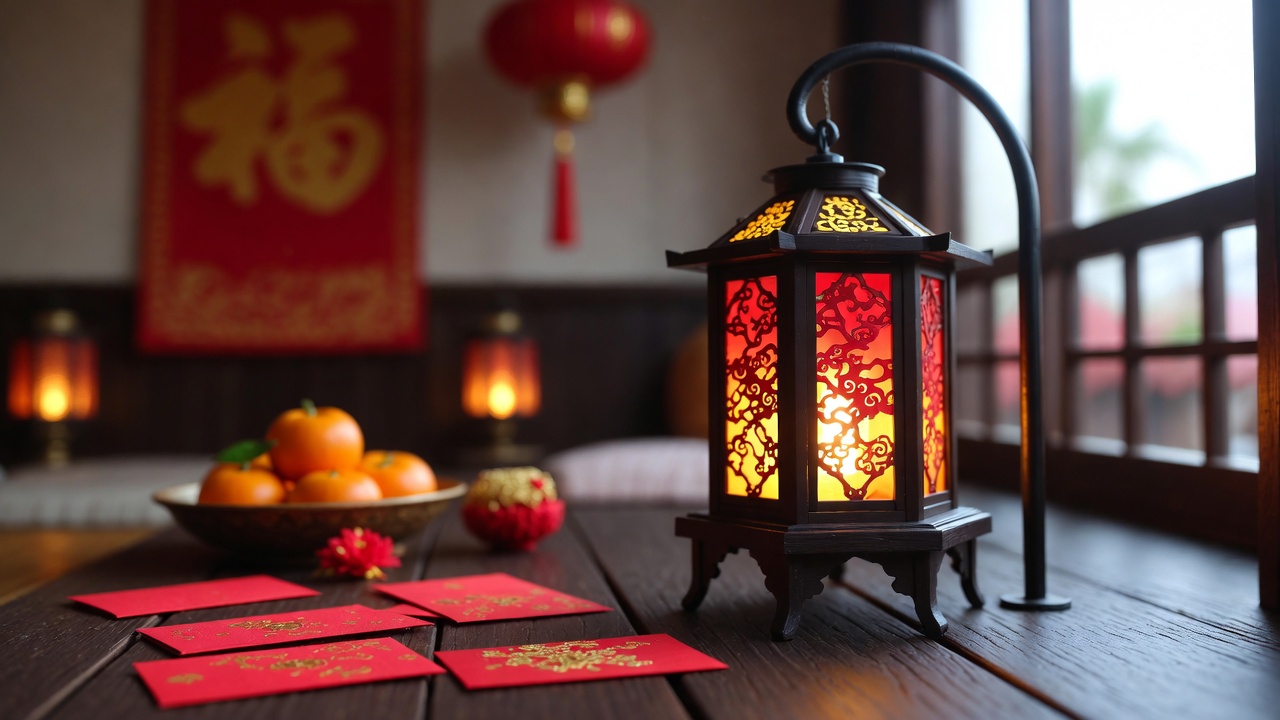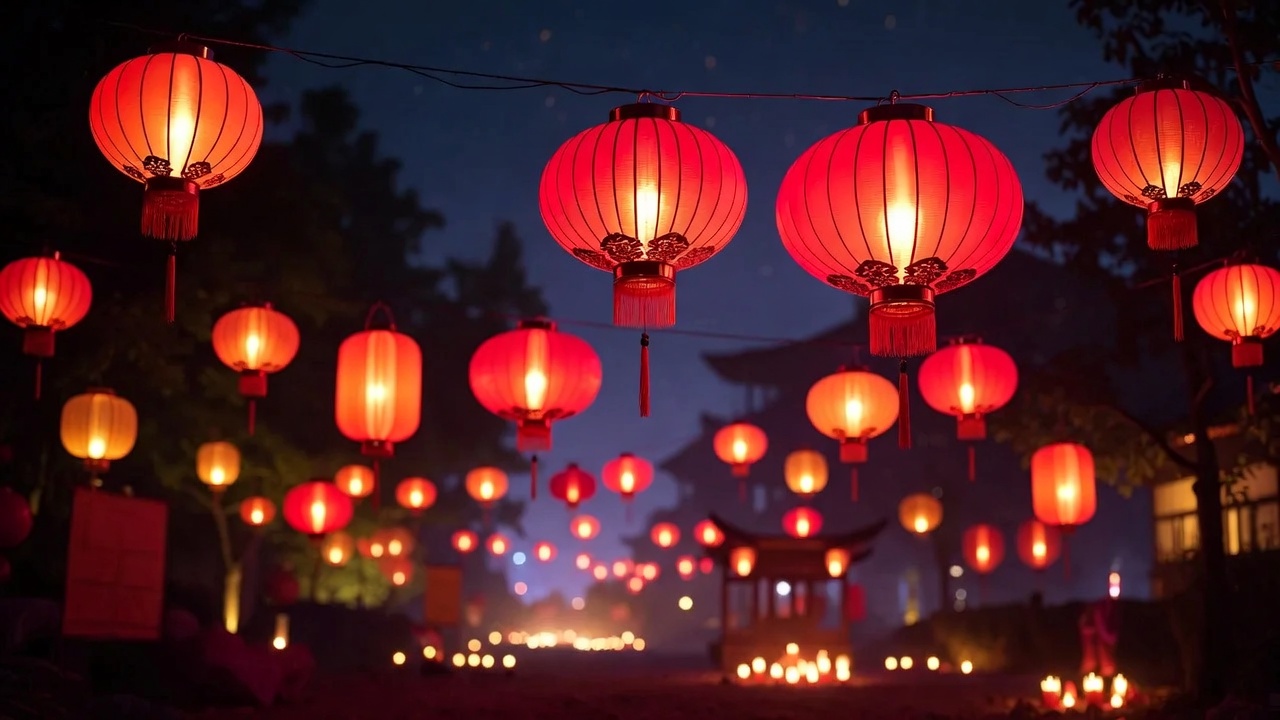
The glow of ten thousand lanterns. The sweet, warm taste of glutinous rice balls. The sound of firecrackers echoing through cobblestone alleys. If you have ever wandered the streets of a Chinese city on the fifteenth night of the first lunar month, you know the Lantern Festival is not just a holiday — it is a feeling.
The Lantern Festival 2026 falls on Tuesday, March 3, 2026. It is the fifteenth day of the first month in the Chinese lunar calendar and marks the grand finale of the entire Spring Festival (Chinese New Year) period. After this night, the New Year decorations come down, the taboos are lifted, and daily life officially resumes.
But before that return to routine, there is one more night to celebrate — and it might just be the most beautiful night of them all.
What Is the Lantern Festival and Why Is It Celebrated?
The Lantern Festival — called Yuánxiāo Jié (元宵节) in Mandarin — is one of China’s oldest and most beloved traditional festivals. Its roots stretch back more than 2,000 years to the Western Han Dynasty (206 BC–AD 25). The name comes from two ancient Chinese words: yuan (元), meaning “first” or “beginning,” and xiao (宵), meaning “night.” It is the first full moon night of the new lunar year.
The festival is also known as the Shangyuan Festival (上元节) in Taoist tradition, honoring the Heavenly Official who governs blessings and good fortune. In the Fujian and Southeast Asian Chinese diaspora, it goes by Cap Go Meh (十五暝), from Hokkien dialect, meaning “the fifteenth night.”
Several origin stories explain how this celebration began. One widely told legend credits Emperor Hanmingdi of the Eastern Han Dynasty (25–220 AD). The emperor, a devout Buddhist, learned that monks lit lanterns in their temples on the fifteenth day of the first lunar month to honor the Buddha. He then ordered every household, temple, and palace across the land to light lanterns that evening. Over the centuries, what began as a court ritual grew into one of the most joyous public festivals in Chinese culture.
Another popular legend involves the Jade Emperor, who planned to burn an entire village after his favorite crane was killed by hunters. His daughter, moved by compassion, warned the villagers. A wise elder advised them to hang red lanterns everywhere so the village would appear, from above, to already be ablaze. The Jade Emperor was fooled, the village survived, and the tradition of hanging red lanterns on the fifteenth night was born.
By the Tang Dynasty (618–907 AD), the Lantern Festival had become a three-night national celebration. The emperor even lifted the nightly curfew so people could enjoy the lanterns until dawn. During the Song Dynasty (960–1279), the festivities expanded to five nights and gave rise to the beloved tradition of guessing lantern riddles. The Ming Dynasty (1368–1644) pushed it further — the lantern displays stretched to a full ten days.
Today, the Lantern Festival remains a vibrant and deeply meaningful holiday. It is a time for family reunion, for hope, and for welcoming brightness into the new year.
Lantern Festival 2026 Date: March 3, Tuesday
In 2026, the Chinese New Year (Spring Festival) begins on Tuesday, February 17 — the start of the Year of the Horse. The Lantern Festival, falling exactly fifteen days later, lands on Tuesday, March 3, 2026.
This means the entire Spring Festival celebration window stretches from February 17 through March 3. While the official public holiday in mainland China typically covers only the first seven days (February 17–23), many families and communities continue celebrations all the way through to the Lantern Festival.
Important note: The Lantern Festival itself is not a public holiday in mainland China. Most people go to work or school on this day but celebrate in the evening with family gatherings, lantern viewing, and tangyuan.
Lantern Festival Dates from 2025 to 2030
Because the festival follows the lunar calendar, its date on the Western (Gregorian) calendar shifts every year. Here is a quick reference:
| Year | Lantern Festival Date | Day of Week | Chinese Zodiac |
|---|---|---|---|
| 2025 | February 12 | Wednesday | Snake |
| 2026 | March 3 | Tuesday | Horse |
| 2027 | February 20 | Saturday | Goat |
| 2028 | February 9 | Wednesday | Monkey |
| 2029 | February 27 | Tuesday | Rooster |
| 2030 | February 17 | Sunday | Dog |
The Lantern Festival always falls between early February and early March on the Gregorian calendar.
How to Say “Happy Lantern Festival” in Chinese
Sending Lantern Festival greetings is a warm gesture, whether you are in China, abroad, or simply messaging a Chinese friend. Here are the most common ways to express your wishes:
- 元宵节快乐!(Yuánxiāo jié kuàilè!) — Happy Lantern Festival!
- 祝你元宵合家幸福美满!(Zhù nǐ yuánxiāo héjiā xìngfú měimǎn!) — Wishing you and your family a happy and fulfilling Lantern Festival!
In casual conversation, a simple “Yuánxiāo jié kuàilè” works perfectly. It’s the equivalent of saying “Happy New Year” — warm, direct, and always appreciated.
Traditional Lantern Festival Customs and Celebrations
The Lantern Festival is sometimes called the most “recreational” of all Chinese traditional festivals. Unlike the more solemn family rituals of Chinese New Year’s Eve, this night is about going out — into the streets, the parks, the night markets — and celebrating together as a community.
Watching Lantern Displays and Lantern Fairs
This is the heart of the celebration. On the night of the Lantern Festival, streets, parks, temples, and homes glow with colorful lanterns of every size and shape. Traditional lanterns are almost always red, symbolizing good fortune and the hope to “illuminate the future.”
The artwork on these lanterns depicts classic Chinese imagery: dragons, phoenixes, flowers, fish, and scenes from mythology and folklore. Modern lantern fairs combine traditional craftsmanship with LED technology, projection mapping, and AI-driven interactive displays, creating immersive light spectacles.
Some of the most famous lantern fairs in China include:
- Qinhuai International Lantern Festival in Nanjing — A National Intangible Cultural Heritage event centered on the ancient Qinhuai River. Visitors can take painted boat rides at night, watching lanterns shimmer on the water. In 2026, this marks the festival’s 40th edition.
- Yuyuan Lantern Festival in Shanghai — Held in the historic Yu Garden area, it features installations inspired by the Chinese zodiac. The 2026 edition runs from January 26 through March 3, with a horse theme honoring the Year of the Horse and expanded displays stretching all the way to the Bund.
- Zigong International Dinosaur Lantern Festival in Sichuan — Known as the largest lantern festival in the world. The 2026 edition features a breathtaking 210-meter-long installation called “The Marvels of China,” inspired by the mythical Kunpeng, with an LED starry-sky dome visitors can walk through.
Guessing Lantern Riddles — An Ancient Brain Game
One of the most beloved Lantern Festival activities is cāi dēng mí (猜灯谜), or guessing lantern riddles. This tradition dates to the Song Dynasty. Festival organizers write riddles on slips of paper and paste them onto lanterns. Visitors try to solve the riddles, and if they guess correctly, they win a small prize.
The riddles are often clever wordplay, covering topics from Chinese literature and history to everyday life. They are affectionately nicknamed “tiger lanterns” (灯虎) because cracking them is said to be as difficult as fighting a tiger.
Eating Tangyuan and Yuanxiao — The Sweet Taste of Reunion
No Lantern Festival is complete without tangyuan (汤圆) — soft, round glutinous rice balls served in a warm sweet soup. In northern China, the same food goes by the name yuanxiao (元宵), though the preparation method differs. Southern tangyuan is wrapped by hand around a filling, much like making dumplings. Northern yuanxiao is rolled, with dry filling tumbled in glutinous rice flour until coated.
Common fillings include black sesame paste, crushed peanuts, red bean paste, and walnut. Some modern versions feature chocolate, fruit, and even savory pork fillings.
Why is this food so important? The word tangyuan sounds like tuányuán (团圆), meaning “reunion” or “togetherness.” The round shape of the balls symbolizes the full moon overhead and the wholeness of the family gathered below. Eating tangyuan is a way of saying: we are together, and that is sweet.
Dragon Dances, Lion Dances, and Folk Performances
During the Lantern Festival, streets come alive with traditional performances. Dragon dances feature teams of performers carrying long, sinuous dragon puppets on poles, weaving and leaping to the rhythm of drums and gongs. The dragon is a symbol of luck, power, and prosperity in Chinese culture.
Lion dances — performed by pairs of dancers inside colorful lion costumes — are equally spectacular. Other folk performances include walking on stilts (cǎi gāo qiāo), land boat dances (huá hàn chuán), yangge (waist drum) dances, and firework displays.
The Lantern Festival as “Chinese Valentine’s Day”
Here is a detail that often surprises visitors: many scholars and locals consider the Lantern Festival to be the original Chinese Valentine’s Day — even more so than the better-known Qixi Festival (七夕) in summer. Why? In ancient China, unmarried women were rarely allowed to leave the house. The Lantern Festival, with its nighttime celebrations, was one of the few evenings when young women could walk freely in public, view the lanterns, and perhaps meet a young man. Matchmakers were busy, the brightest lanterns were symbols of hope, and love was literally in the air.
In the Taiwanese dialect, the word for lantern (dēng, 灯) sounds like dīng (丁), meaning “to have a new-born baby.” So lighting a lantern in Taiwan can carry the extra wish for fertility and the start of a new family.
Best Places to Celebrate the Lantern Festival in China (2026)
If you are planning a trip to China around March 3, 2026, you are in for a treat. Here are the top destinations for experiencing the festival at its finest.
Nanjing — The 40th Qinhuai International Lantern Festival
Nanjing’s Qinhuai Lantern Festival is a three-dimensional experience across water, land, and air. The Confucius Temple (Fuzimiao) and Lao Mendong historic district are transformed into a maze of lantern installations. On the Qinhuai River, visitors can board traditional painted boats for nighttime cruises, watching lanterns flicker along both banks.
Pro tip: The lantern fair runs from the Spring Festival period all the way through the 18th day of the first lunar month. Weeknight visits are far less crowded than weekends.
Shanghai — Yuyuan Garden Lantern Festival
The 2026 Yuyuan Lantern Festival has expanded beyond the garden for the first time. The display zones now stretch across Fuyou Road, Middle Fangbang Road, and all the way to the Bund, creating a river of light from Shanghai’s historic old town to its modern waterfront skyline. Horse motifs, inspired by the Year of the Horse, dominate the installations along Ninghui Road. The Nine-Turn Bridge features mythical creatures drawn from the Classic of Mountains and Seas.
When to go: The festival runs January 26 to March 3, 2026. Expect the heaviest crowds during the first week of the Spring Festival and on the Lantern Festival night itself.
Zigong, Sichuan — The World’s Largest Lantern Festival
Zigong has been the undisputed capital of Chinese lantern-making since the Tang Dynasty. The 32nd Zigong International Dinosaur Lantern Festival in 2026 is themed “Illuminating China, Building Dreams for the Future.” It blends traditional bamboo-and-silk craftsmanship with AI interaction, 3D motion capture, and immersive audio-visual technology.
Beijing — Imperial Grandeur Meets Folk Tradition
In Beijing, the Lantern Festival experience is a duet of imperial atmosphere and folk energy. Strolling around the Forbidden City moat at night, with professional lighting outlining the turrets reflected on the ice, is quiet and majestic. For something livelier, head to Qianmen Street or Longtan Lake Park for traditional lantern markets, temple fairs, and street performances.
How to Celebrate the Lantern Festival in Taiwan (2026)
Taiwan takes the Lantern Festival to extraordinary heights — literally. The island hosts several major events that draw visitors from around the world.
Pingxi Sky Lantern Festival — One of the World’s Most Magical Experiences
The Pingxi Sky Lantern Festival in New Taipei City is one of the planet’s most iconic celebrations. Discovery Channel has ranked it among the world’s top nighttime festivals. National Geographic listed it among the 10 best winter trips worldwide. Fodor’s named it one of the “15 Festivals to Attend Before You Die.”
In 2026, the festival takes place over two nights:
| Date | Location | Details |
|---|---|---|
| February 27, 2026 | Pingxi Junior High School area | First mass release event |
| March 3, 2026 | Shifen Square, Pingxi District | Main event, coincides with the actual Lantern Festival |
During the mass release, hundreds of sky lanterns ascend simultaneously every 20 minutes, creating a breathtaking river of light rising into the mountain darkness. Attendees write their wishes — health, love, success, peace — on all four sides of the lantern before releasing it skyward.
Practical tips for attending:
- Arrive early. Crowds can exceed 80,000 people. Aim to reach the venue by early afternoon.
- Getting there: Take the TRA train from Taipei Main Station to Ruifang (30–40 minutes), then transfer to the Pingxi Line. Special festival shuttle buses also run from MRT Muzha Station.
- Registration: You can register on the official festival website and pay NT$200 (about US$6) to guarantee a lantern for the mass release. Free vouchers are also distributed on-site, first-come-first-served.
- Dress warmly. Mountain temperatures hover around 15–20°C (59–68°F) in early March, with frequent light rain.
National Taiwan Lantern Festival — Chiayi 2026
The 2026 National Taiwan Lantern Festival will be held in Chiayi from March 3 to March 15, 2026. This government-organized event, now in its 37th year, rotates to a different city annually. The 2025 edition in Taoyuan drew over 20 million visitors. Expect massive zodiac-themed installations, folk performances, and hi-tech light shows. Admission is free.
Yanshui Beehive Fireworks Festival
For the bold and adventurous, the Yanshui Beehive Fireworks Festival in Tainan takes place on the actual Lantern Festival night — March 3, 2026. Thousands of bottle rockets are launched simultaneously from elaborate structures, creating a fiery swarm that participants literally run through while wearing protective gear. It is exhilarating, chaotic, and unforgettable.
How the Lantern Festival Is Celebrated Around the World
The Lantern Festival is not confined to Greater China. Wherever Chinese communities have put down roots, the first full moon of the lunar year is honored with light.
Southeast Asia
In Singapore and Malaysia, where the festival is often called Cap Go Meh, the celebrations blend Chinese traditions with local Peranakan culture. Chingay parades, lantern competitions, and community feasts mark the occasion. In Vietnam, the festival is called Tết Nguyên Tiêu and is especially meaningful to the ethnic Chinese community, with lanterns, dragon dances, and temple visits in Cholon (Ho Chi Minh City’s Chinatown).
North America
Major cities across the United States and Canada host Lantern Festival events. San Francisco’s Chinese New Year Parade — the largest outside of Asia — often extends its celebrations through the Lantern Festival. The San Gabriel Lantern Festival in Southern California is a popular two-day event, running March 21–22, 2026, featuring live performances, street food, and stunning lantern displays. The North Carolina Chinese Lantern Festival at Koka Booth Amphitheatre in Cary is another must-visit.
Oceania
The Auckland Lantern Festival in New Zealand is one of the largest Lantern Festival celebrations in the Southern Hemisphere, drawing hundreds of thousands of visitors with food stalls, cultural performances, and handcrafted lanterns.
What to Eat During the Lantern Festival — Beyond Tangyuan
While tangyuan is the star of the Lantern Festival table, the celebrations offer much more to explore. Here is a quick guide to what you might find:
| Food | Region | Description |
|---|---|---|
| Tangyuan (汤圆) | Southern China | Wrapped rice balls with sesame, peanut, or red bean filling, served in sweet soup |
| Yuanxiao (元宵) | Northern China | Rolled rice balls with similar fillings but a slightly different texture |
| Fried tangyuan | Nationwide | Crispy on the outside, chewy on the inside — a street food favorite |
| Steamed tangyuan | Various regions | A lighter option, sometimes served with fermented rice wine soup |
| Tangyuan in fermented rice soup (酒酿汤圆) | Jiangnan region | Served in a mildly alcoholic sweet rice wine broth — deeply comforting |
Health note: Tangyuan is made from glutinous rice and tends to be high in sugar and fat. Enjoy it in moderation, especially if you have dietary concerns.
How to Make Tangyuan at Home — A Simple Lantern Festival Recipe
You don’t need to be in China to celebrate. Making tangyuan at home is simple and deeply satisfying.
Ingredients (serves 4):
- 200g glutinous rice flour
- 150ml warm water
- 100g black sesame paste (or peanut butter) for filling
- 30g sugar
- A pinch of salt
- Sweet soup base: water, rock sugar, a few slices of ginger (optional)
Steps:
- Mix the dough. Combine the glutinous rice flour with warm water. Knead until the dough is smooth and pliable — about the softness of an earlobe.
- Prepare the filling. Mix black sesame paste (or peanut butter) with sugar. Roll into small balls, about 1 cm in diameter. Chill them in the freezer for 15 minutes to firm up.
- Wrap the tangyuan. Pinch off a walnut-sized piece of dough, flatten it in your palm, place a filling ball in the center, and gently seal the dough around it. Roll between your palms until smooth and round.
- Cook. Bring a pot of water to a boil. Drop the tangyuan in gently. When they float to the surface, cook for another 2–3 minutes.
- Serve. Transfer to bowls of sweet soup (water simmered with rock sugar and ginger). Enjoy warm.
The result: Silky, chewy little globes of sweetness — each one a small prayer for togetherness.
Lantern Festival Travel Tips for 2026
If you are planning to travel to China or Taiwan for the Lantern Festival, here are essential tips to keep in mind:
- Book early. Hotels and train tickets sell out fast during the Spring Festival period. Reserve at least 2–3 months in advance.
- Dress in layers. Early March weather in central and eastern China can be damp and chilly, with temperatures often between 5–15°C (41–59°F). Waterproof shoes are essential.
- Use mobile payment. WeChat Pay and Alipay are used everywhere in China. Having one set up will make food stalls, transit, and shopping much easier.
- Expect crowds. The Lantern Festival is one of the busiest nights of the year at popular venues. Arrive early, agree on a meeting point with your group, and keep valuables secure.
- Respect the culture. Do not touch or climb on lantern installations. Follow staff directions at major events. If you are writing wishes on a sky lantern, take the moment seriously — it means a great deal to the people around you.
Frequently Asked Questions About the Lantern Festival
Is the Lantern Festival a public holiday in China? No. The Lantern Festival is not an official public holiday in mainland China. Most people celebrate in the evening after work. However, it is a peak travel and tourism period.
What is the difference between tangyuan and yuanxiao? Both are glutinous rice balls, but they are made differently. Tangyuan (popular in southern China) is made by wrapping dough around a filling, like making a dumpling. Yuanxiao (popular in northern China) is made by rolling a chunk of filling in dry glutinous rice flour until it is coated. The texture of yuanxiao tends to be slightly chewier with a rougher surface.
Can I release sky lanterns anywhere in Taiwan? No. Sky lanterns are only legally allowed in the Pingxi District of New Taipei City. Releasing them elsewhere in Taiwan is prohibited due to fire safety and environmental concerns.
Is the Lantern Festival the same as the Mid-Autumn Festival? No. Both involve lanterns, but they are separate holidays. The Lantern Festival falls on the 15th day of the first lunar month (early spring). The Mid-Autumn Festival falls on the 15th day of the eighth lunar month (autumn) and centers on mooncakes and moon-viewing.
What zodiac year does the 2026 Lantern Festival belong to? The 2026 Lantern Festival belongs to the Year of the Horse (Fire Horse in Chinese astrology).
Final Thoughts — Why the Lantern Festival Still Matters
In an age of smartphones and streaming, there is something profoundly moving about a tradition that asks you to step outside, look up, and watch light rise into darkness. The Lantern Festival is not just about lanterns. It is about letting go of the old year and trusting the new one. It is about the sweetness of reunion, captured in a sticky ball of rice. It is about writing your deepest wish on paper and watching it float toward the stars.
March 3, 2026. Mark it on your calendar. Whether you find yourself on the banks of the Qinhuai River in Nanjing, among the sky lanterns of Pingxi, or in your own kitchen making tangyuan with your family — the first full moon of the Year of the Horse is waiting.
元宵节快乐!Happy Lantern Festival!
Have you celebrated the Lantern Festival before? Share your experience in the comments below. And if you are planning a trip for 2026, bookmark this guide — you will need it when March rolls around.