Chinese New Year, known in China as the Spring Festival (春节, Chūnjié), is the most important holiday in the Chinese calendar and the largest annual celebration on Earth by the number of people taking part. For roughly a fifth of humanity it marks the turn of the lunisolar year, the start of spring, and the one moment when families separated by work and distance make every effort to sit at the same table. This guide explains when the festival falls, what the zodiac year means, how the food, money, and decorations carry their meanings, and how the celebration actually unfolds across its fifteen days.
When Is Chinese New Year, and How Is the Date Set?
Chinese New Year does not have a fixed date in the Gregorian calendar because it follows the traditional Chinese lunisolar calendar. The first day of the year falls on the second new moon after the winter solstice, which places it somewhere between January 21 and February 20. In 2026, Chinese New Year falls on Tuesday, February 17, 2026, opening the Year of the Horse.
The festival is not a single day. The celebration effectively begins on New Year’s Eve, February 16, 2026, with the reunion dinner, and the public mood runs for about two weeks until the Lantern Festival (元宵节, Yuánxiāojié) on the fifteenth day, which in 2026 lands on March 3. The first seven or eight days carry the official public holiday in mainland China, when offices, factories, and many shops close and hundreds of millions of people travel home.
If the difference between the Chinese, Korean, Vietnamese, and other Asian new years confuses you, the short answer is that they share the same lunisolar timing but differ in customs and zodiac details. That distinction is worth understanding before you assume every “Lunar New Year” looks Chinese, and it is covered in detail in our explainer on Lunar New Year versus Chinese New Year.
The Year of the Fire Horse: What 2026 Means in the Zodiac
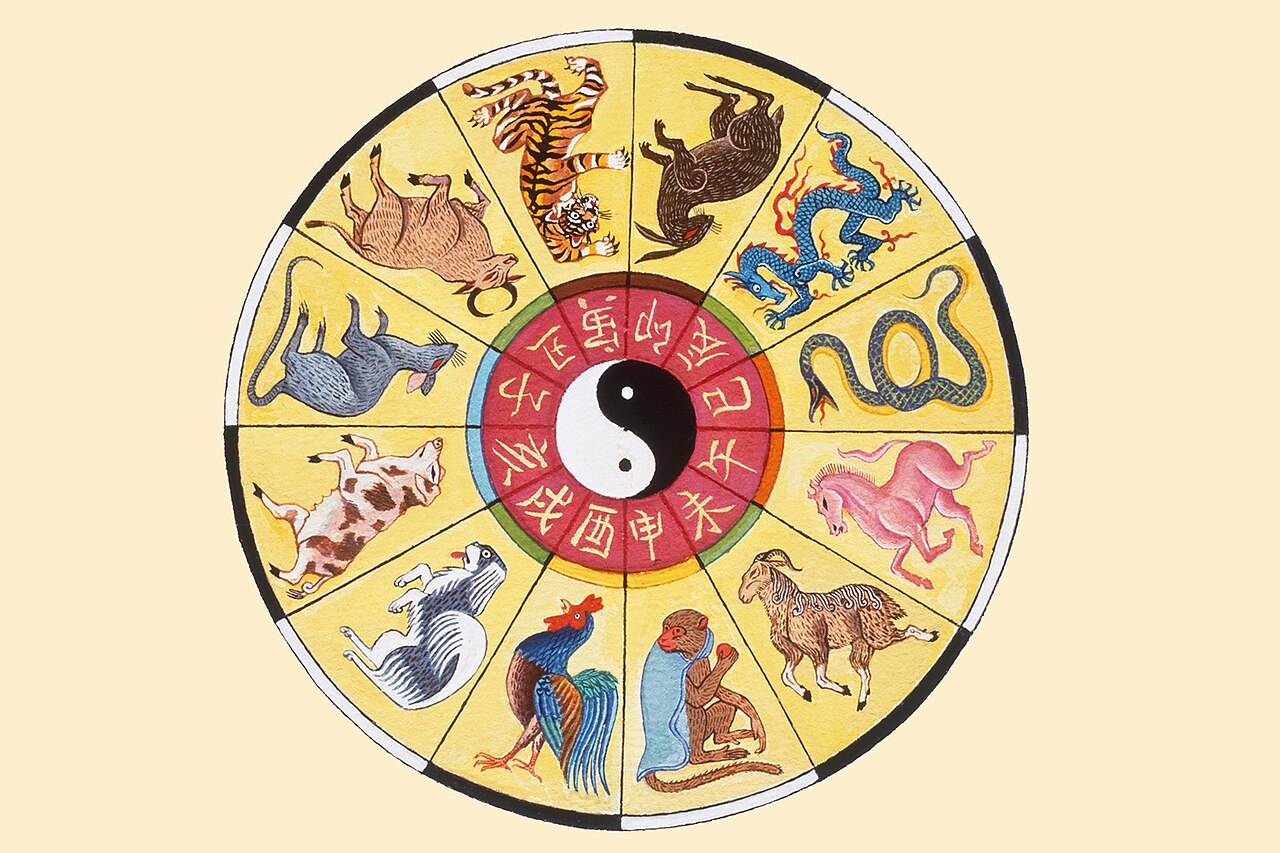
Each Chinese year is paired with one of twelve zodiac animals, and 2026 is a Year of the Horse. The full traditional name carries more information than the animal alone. In the sexagenary cycle that combines ten heavenly stems with twelve earthly branches, 2026 is a bǐng wǔ (丙午) year, which means the Horse is paired with the Fire element. This makes 2026 a Fire Horse year, a combination that returns only once every sixty years; the previous Fire Horse year was 1966.
People born in a Horse year are traditionally described as energetic, independent, quick-witted, and sociable, with a restlessness that resists being fenced in. The most recent Horse years were 2014, 2002, 1990, 1978, 1966, and 1954, and the next will be 2038.
There is a catch for anyone born under the same sign as the incoming year. Your zodiac birth-year, called your běnmìngnián (本命年), is traditionally considered a year that offends Tai Sui, the god of age, and therefore a year that needs extra care and protection. The customary remedy is to wear red, often red underwear or a red belt given by an elder, throughout the year. The full meaning of the cycle and the personality and fortune readings for each sign are explored in our guides to the history of the Chinese zodiac and to what the Year of the Horse predicts for your sign.
The Legend of Nian and Why the Festival Is So Red
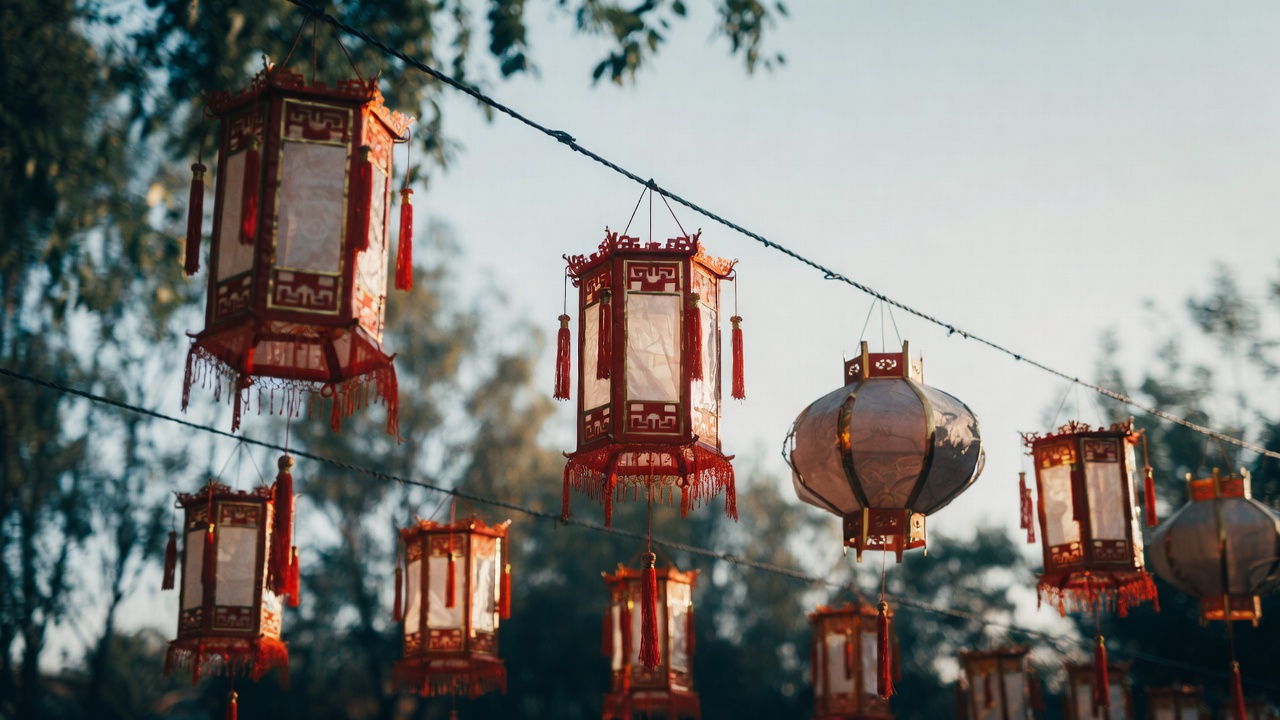
The colour, noise, and light that define Chinese New Year are usually traced to the legend of Nian (年), a beast said to emerge at the turn of the year to prey on villagers and livestock. According to the story, people discovered that Nian feared three things: the colour red, bright light, and loud noise. They began pasting red paper on their doors, lighting lamps through the night, and setting off firecrackers to drive the creature away. The word for the holiday, guònián (过年), literally means “to pass the Nian,” and the customs that supposedly started as protection became the festival’s visual language. Whether or not the beast was ever believed in literally, the legend neatly explains why red couplets, red lanterns, and firecrackers remain non-negotiable.
The Reunion Dinner: The Heart of the Festival
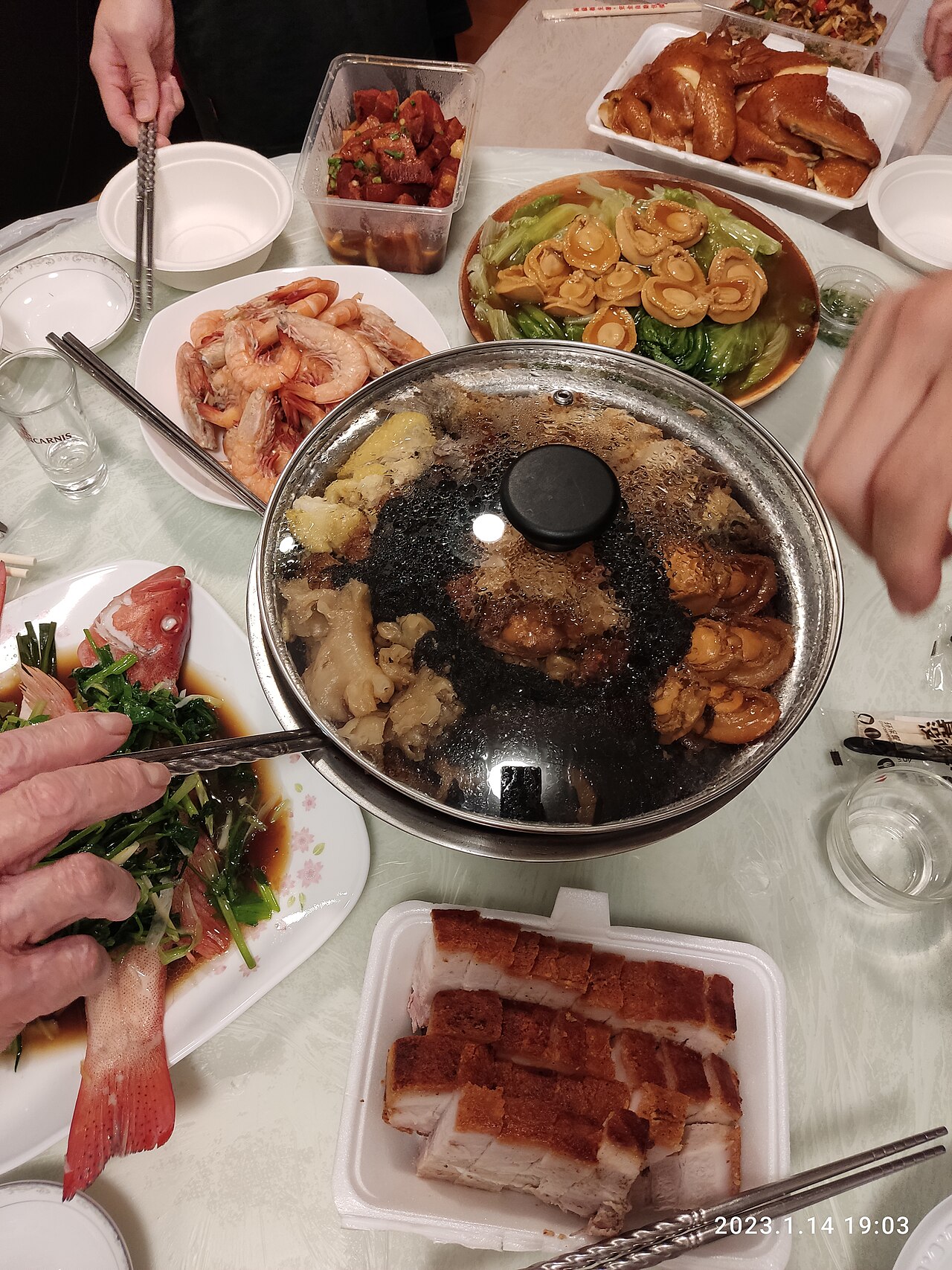
If Chinese New Year has a single most important moment, it is the reunion dinner (年夜饭, niányèfàn) on New Year’s Eve. This is the meal that powers the world’s largest annual human migration, because the expectation is that you eat it at home, with your parents and grandparents, wherever home happens to be. The table is deliberately abundant, and several dishes are present less for taste than for what their names sound like.
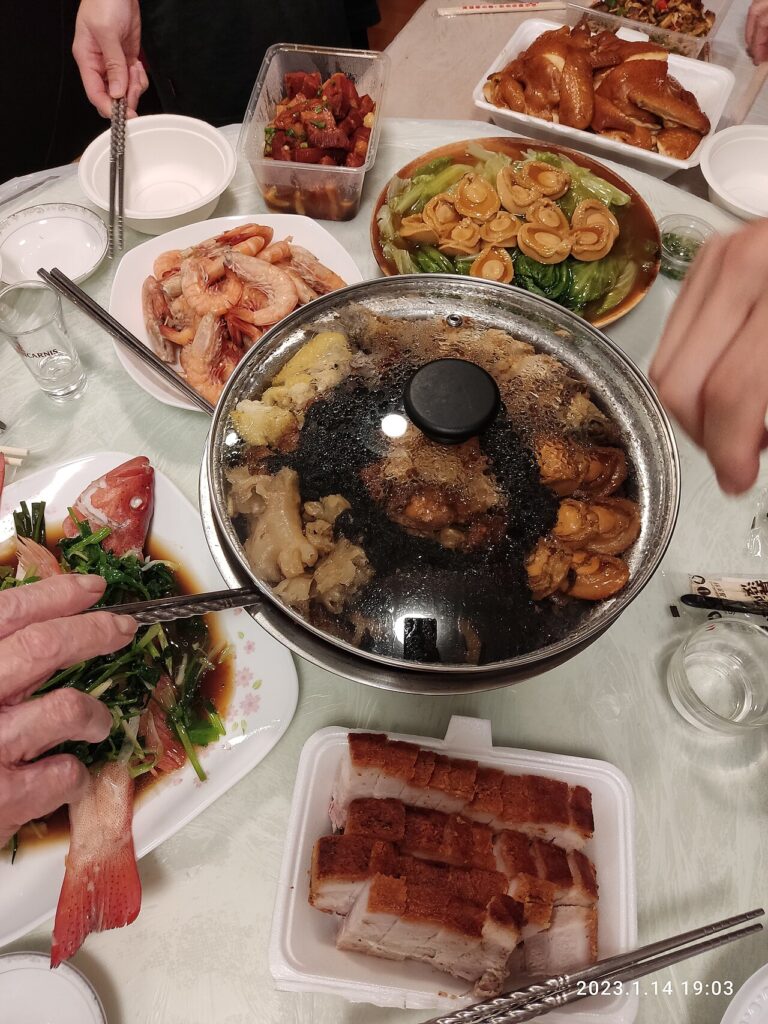
The meal is usually cooked across the day and eaten slowly into the evening, often with the television tuned to the national New Year gala. In the north, families gather after dinner to wrap dumplings together for the first minutes of the new year; in the south, the table leans toward fish, rice cakes, and a whole chicken. Hosting this meal is a serious undertaking, and our complete walkthrough of how to host a reunion dinner covers the menu, the seating, and the timing in full.
Lucky Foods and the Puns Behind Them
Much of the New Year menu is built on homophones, because so many auspicious foods sound like words for wealth, surplus, or progress. The most important examples are worth knowing because they appear on tables across the Chinese-speaking world:
- Fish (鱼, yú) sounds like the word for surplus (余), so a whole fish, often left partly uneaten on purpose, expresses the wish niánnián yǒuyú: may you have a surplus year after year.
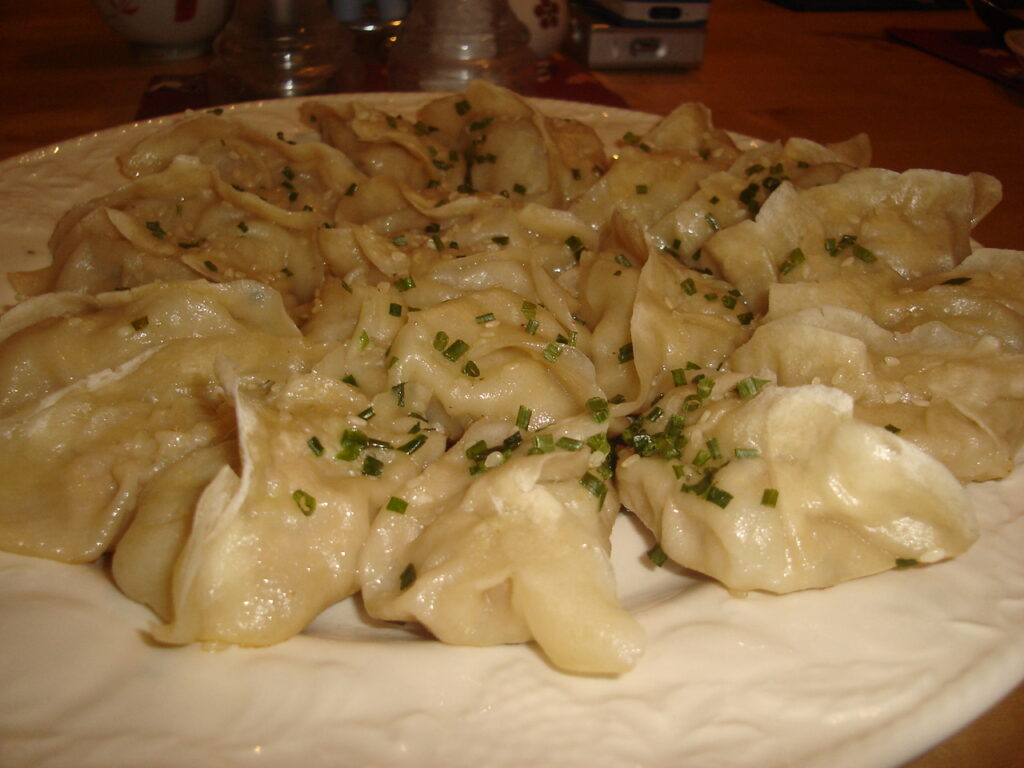
- Dumplings (饺子, jiǎozi) are shaped like old silver ingots and eaten especially in the north, where their gold-ingot form stands for wealth flowing in.
- Glutinous rice cake (年糕, niángāo) is a pun on “higher year” (年高), expressing the hope of rising higher in income, health, or status.
- Spring rolls (春卷, chūnjuǎn), golden and bar-shaped when fried, evoke gold bars.
- Sweet rice balls (汤圆, tāngyuán), round and served in the south, symbolise family togetherness through their roundness and the word for reunion.
- Longevity noodles (长寿面) are served uncut and ideally slurped in one length, since their unbroken form represents a long life.
The meanings, regional variations, and recipes go deeper than a single list can. For the full set of auspicious dishes see our guide to lucky Chinese New Year foods, and for the striking differences between northern and southern tables, read regional food traditions, north versus south. Two dishes deserve their own step-by-step treatment: our recipes for authentic jiaozi dumplings will get you through the New Year’s Eve wrapping session.
Red Envelopes: How Hongbao Really Works
The red envelope (红包, hóngbāo) is the festival’s most recognisable exchange. Inside is money, and the gift flows mainly from married adults and elders to children and unmarried younger relatives, carrying a wish for safety and good fortune in the year ahead. The custom is bound by etiquette that visitors often get wrong.
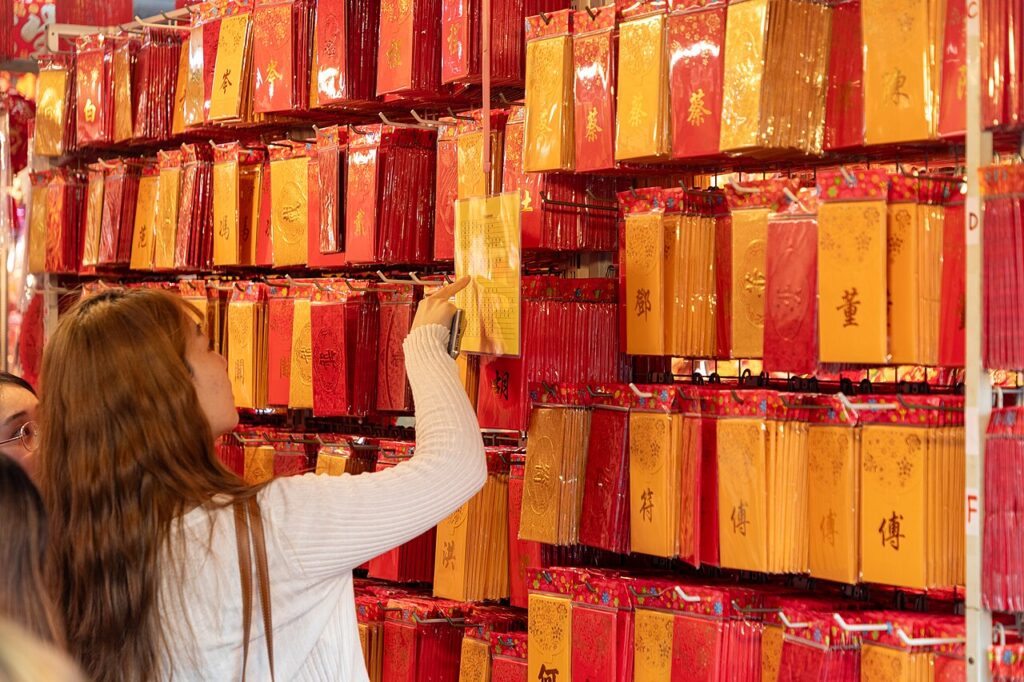
The amount should ideally be an even number, since even numbers are associated with good things, with one firm exception: avoid any figure containing the digit four, because four (四, sì) sounds like the word for death (死, sǐ). Amounts built around eight are especially welcome because eight (八, bā) echoes the word for prosperity. New, crisp banknotes are preferred, and the envelope is given and received with both hands. In recent years the physical envelope has been joined by the digital version: sending hongbao through apps like WeChat became a national pastime, complete with group “red packet” games where a sum is split randomly among a chat group. The complete etiquette, including who gives to whom and how much is appropriate, is laid out in our guide to red envelopes.
Decorations and Their Hidden Meanings
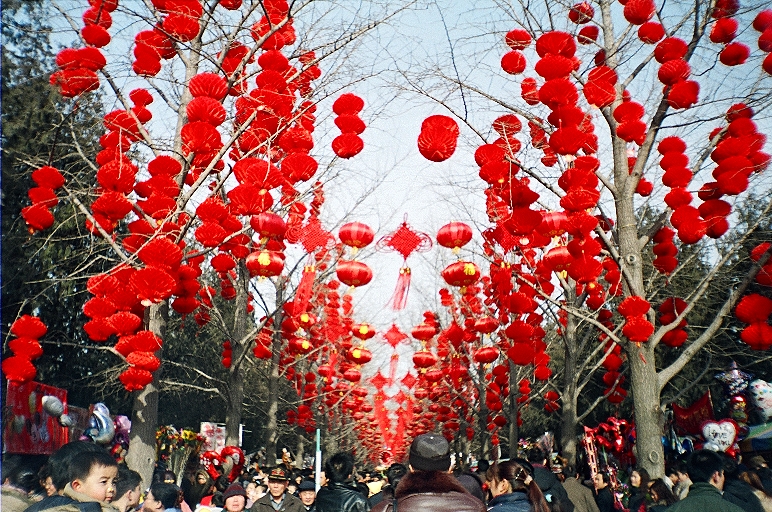
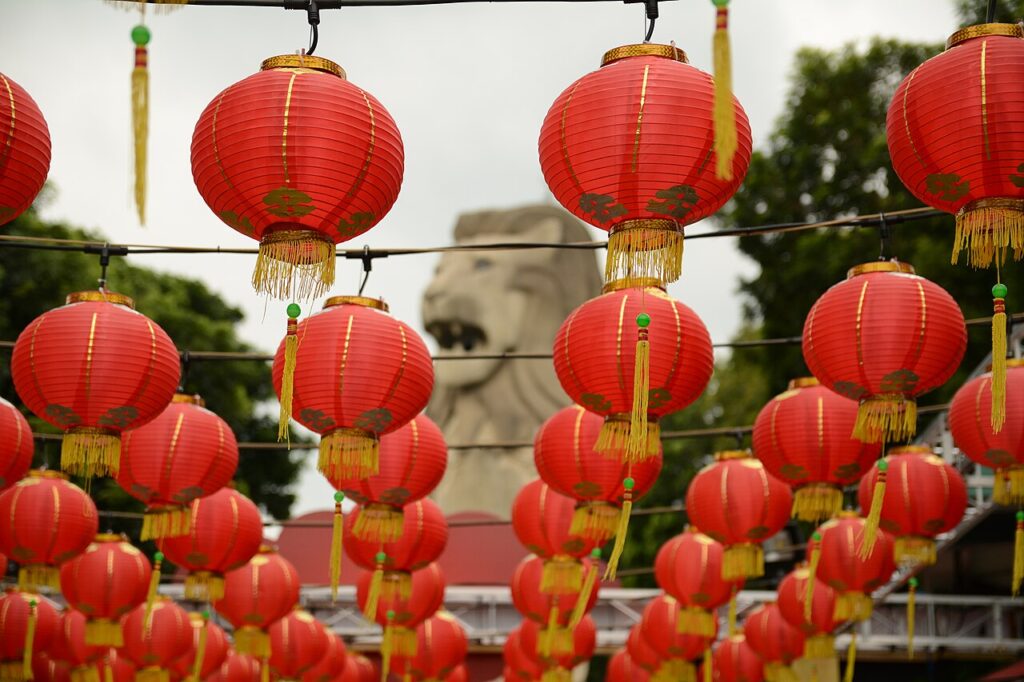
In the days before the festival, homes and streets turn red and gold. Spring couplets (春联, chūnlián), pairs of poetic lines written on red paper, are pasted on either side of the front door with a third strip across the top, expressing wishes for the year. Paper cuttings appear on windows, and red lanterns hang from doorways and shopfronts.
The single most photographed decoration is the character fú (福), meaning good fortune, which is often deliberately hung upside down. The reason is another pun: “upside down” (倒, dào) sounds like the word for “to arrive” (到), so an inverted fú says that good fortune has arrived. Knowing which decorations to use and where to place them is its own small art, covered in our guide to traditional decorations and their meanings.
Before the New Year: Laba, the Kitchen God, and the Little New Year
For many families the season begins weeks before New Year’s Eve. The Laba Festival (腊八节), on the eighth day of the twelfth lunar month, is marked with a warming porridge of mixed grains, beans, nuts, and dried fruit, and is widely treated as the unofficial opening of the New Year period. From there the pace quickens with each passing day.
The most important pre-festival date is the Little New Year (小年, Xiǎonián), which falls on the twenty-third or twenty-fourth day of the twelfth lunar month depending on the region. This is the day of the Kitchen God (灶神, Zàoshén), the household deity believed to ascend to heaven to report on the family’s conduct over the past year. To encourage a sweet report, families traditionally offer sticky sweets or smear honey on the god’s paper image before burning it to send him on his way. His send-off begins the most intensive phase of preparation.
The days that follow are full of practical ritual. A thorough spring cleaning (大扫除) sweeps the old year’s bad luck out of the house, and there is a rush for haircuts and new clothes before the calendar turns. Markets fill with shoppers stocking up on food, gifts, and decorations, and flower markets in southern China and Hong Kong overflow with peach blossom, kumquat trees, and narcissus, each chosen for the good fortune it is said to bring. By the time New Year’s Eve arrives, the house is clean, stocked, and decked in red, ready for the year to turn.
The Fifteen Days, One at a Time
The festival is not a single holiday but a sequence, and each of the first days carries its own customs:
- New Year’s Eve is for the reunion dinner, staying up late to “guard the year” (守岁, shǒusuì), and the firecrackers at midnight.
- Day 1 is for greeting elders and exchanging good wishes. Tradition forbids sweeping or taking out rubbish on this day, since doing so would sweep away the year’s incoming luck; washing hair is also avoided because the word for hair shares a sound with the word for wealth.
- Day 2 is traditionally when married daughters return to visit their own parents.
- Day 5, called pòwǔ (破五), welcomes Cai Shen, the God of Wealth. Shops often reopen and firecrackers are especially loud as businesses invite prosperity for the year.
- Day 7 is rénrì (人日), considered everybody’s shared birthday, when a year is added to everyone’s age in the traditional reckoning.
- Day 15 is the Lantern Festival, which closes the season with lantern displays, riddles, and bowls of sweet tangyuan.
The Lantern Festival deserves a closer look as the season’s finale. On the fifteenth night, under the first full moon of the new year, streets and parks fill with glowing lanterns, many carrying riddles (灯谜, dēngmí) pinned to them for passers-by to solve. Families eat tangyuan, the round sweet rice balls whose shape and name both point to togetherness, and in many cities the night closes with fireworks. With the lanterns lit and the last of the sweets eaten, the New Year season formally ends and ordinary life resumes.
Lion Dances, Firecrackers, and What Not to Do
Public celebration is loud and physical. Lion dances and, for major events, dragon dances move through streets and into businesses, the lion “eating” a red envelope and a head of lettuce hung above a doorway to bring the shop luck. Firecrackers and fireworks crackle through the first days, though many Chinese cities now restrict them for safety and air quality.
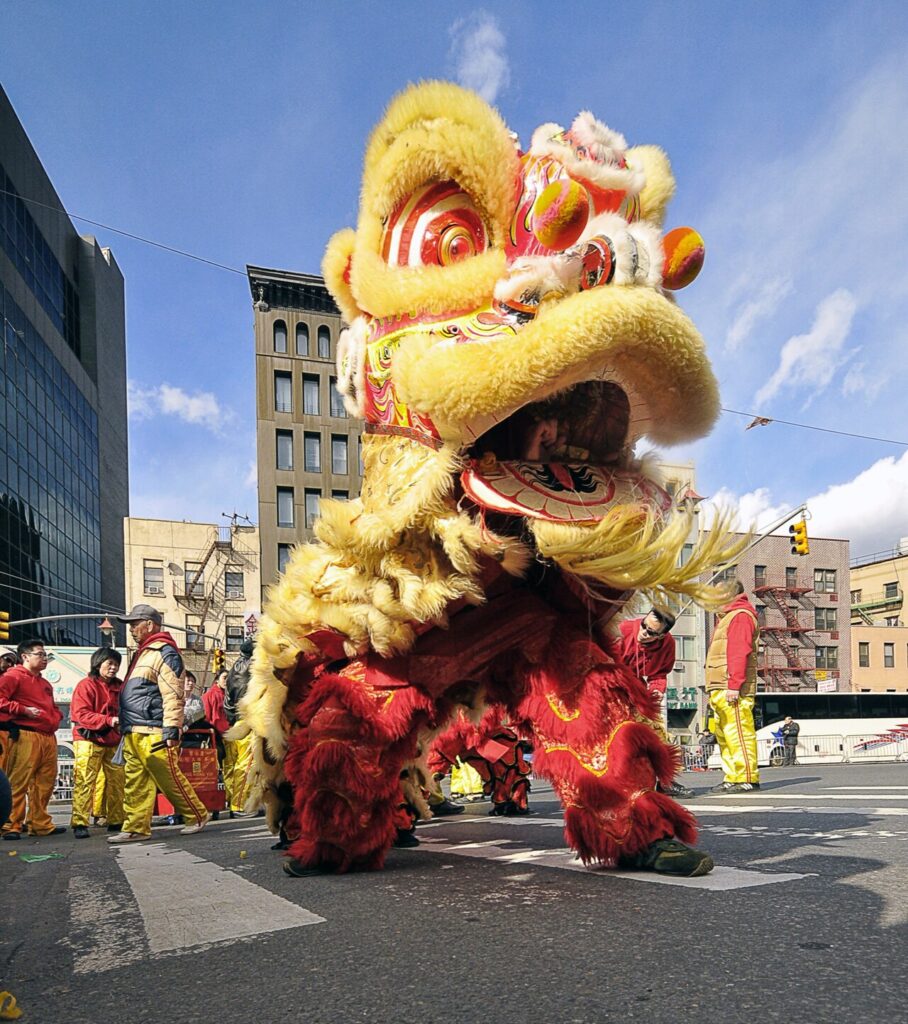
Alongside the things you should do sits a long list of things you should not. Beyond the day-one bans on sweeping and hair-washing, custom warns against breaking dishes, using knives and scissors, saying unlucky words, lending or repaying money, and wearing black or white, the colours of mourning. None of this is treated with grim seriousness by most modern families, but the taboos remain part of the texture of the holiday, and our guide to Chinese New Year taboos explains the reasoning behind each one.
How to Say Happy New Year
The all-purpose greeting in Mandarin is Xīnnián kuàilè (新年快乐), “Happy New Year.” The other phrase you will hear everywhere is Gōngxǐ fācái (恭喜发财), a wish for prosperity rather than a literal “happy new year,” which in Cantonese is the familiar Gong Hei Fat Choi. Children sometimes follow it cheekily with hóngbāo ná lái (“now hand over the red envelope”). A wider vocabulary of blessings, in both Mandarin and Cantonese, is collected in our list of the best Chinese New Year greetings.
Chunyun: The World’s Largest Migration
The pull of the reunion dinner produces a travel surge with no equal anywhere on the planet. The Spring Festival travel season, chūnyùn (春运), spans roughly forty days around the holiday and generates billions of trips as migrant workers, students, and families cross the country to reach home and then return. Trains and planes sell out weeks ahead, stations fill to capacity, and the logistics of moving so many people at once have become a national event in their own right. For anyone planning to travel in China during this window, the practical lesson is simple: book far in advance and expect crowds.
Where and How the Festival Is Celebrated
In mainland China, Hong Kong, Macau, and Taiwan, the festival shapes everything for a week, from temple fairs and flower markets to citywide light displays. Temple fairs (庙会, miàohuì) in Beijing and other northern cities fill parks with food stalls, folk performances, and craftspeople.
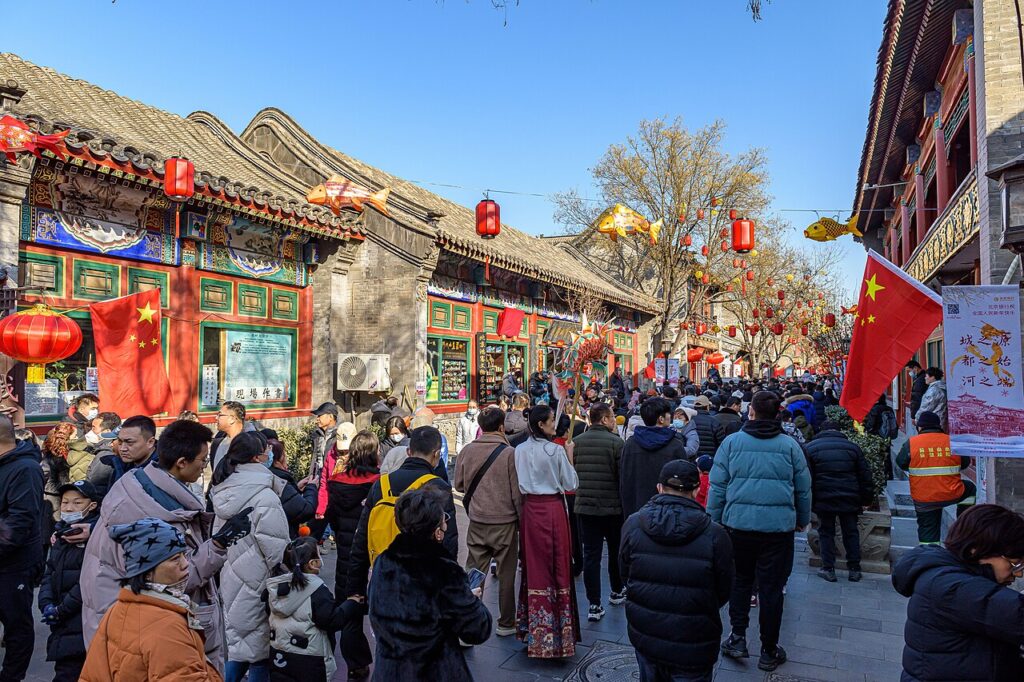
Across Southeast Asia, where large Chinese communities have lived for generations, Singapore, Malaysia, Thailand, Indonesia, and the Philippines hold some of the most spectacular celebrations outside China, blending Chinese customs with local culture. In the West, the Chinatowns of San Francisco, London, Sydney, and many other cities stage parades, lion dances, and fireworks that draw enormous crowds.
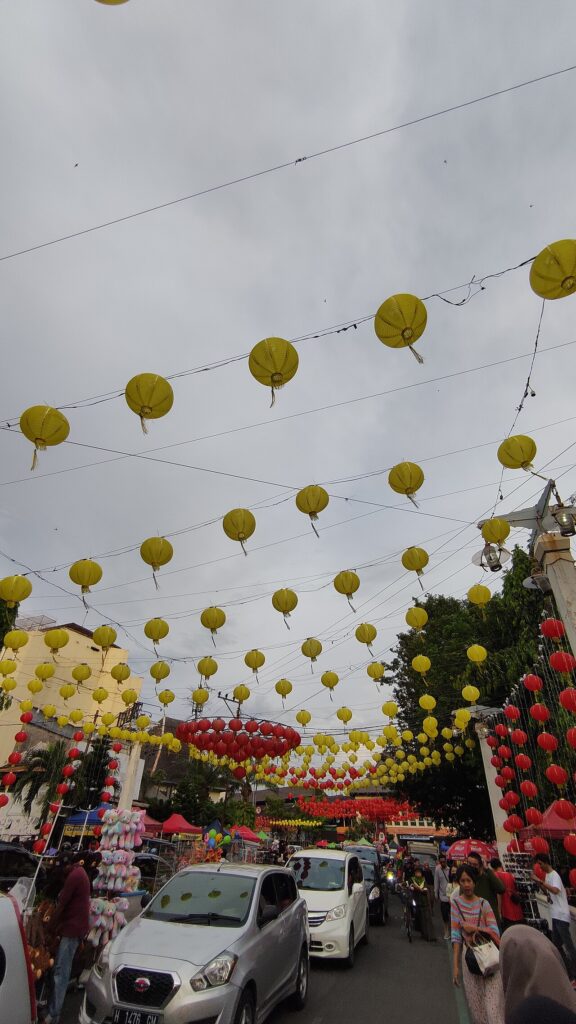
If you would rather experience the festival in person than read about it, our roundup of the best places to celebrate Chinese New Year compares the leading destinations in Asia and beyond.
The Spirit of the Festival
Strip away the firecrackers and the homophones and Chinese New Year is, at its core, about returning: to family, to the table, and to a shared hope that the coming year will treat everyone better than the last. The food carries wishes, the money carries blessings, the red carries protection, but the journey home carries the real meaning. Whether you mark it in Beijing or in a Chinatown half a world away, the heart of the festival is the same.
Frequently Asked Questions About Chinese New Year
When is Chinese New Year 2026?
Chinese New Year falls on Tuesday, February 17, 2026, opening the Year of the Horse. The reunion dinner is the night before, on February 16, and the celebration runs for fifteen days until the Lantern Festival on March 3, 2026.
What animal is 2026 in the Chinese zodiac?
In 2026 the zodiac animal is the Horse. More precisely it is a Fire Horse year (bing wu in the sexagenary cycle), a pairing of the Horse with the Fire element that occurs only once every sixty years. The previous Fire Horse year was 1966.
How is the date of Chinese New Year decided?
Chinese New Year follows the traditional lunisolar calendar and falls on the second new moon after the winter solstice. As a result the date shifts each year, landing somewhere between January 21 and February 20 in the Gregorian calendar.
How long is the Chinese New Year holiday?
In mainland China the official public holiday lasts about seven to eight days, when most offices and factories close. The wider cultural celebration runs for fifteen days, from New Year’s Eve to the Lantern Festival.
Is Chinese New Year the same as Lunar New Year?
They share the same lunisolar timing, but “Lunar New Year” is the broader term. Several cultures celebrate a new year on the same day, including Korea (Seollal) and Vietnam (Tet), each with its own customs, so Chinese New Year is one specific Lunar New Year rather than the only one.
How much money should go in a red envelope?
There is no fixed amount; it depends on your relationship to the recipient and local norms. The conventions matter more than the sum: prefer even numbers, favour amounts containing the lucky digit eight, avoid any amount containing the digit four, use new banknotes, and give and receive the envelope with both hands.
What foods are eaten during Chinese New Year?
Many dishes are chosen because their names sound like auspicious words. Common examples are whole fish (for surplus), dumplings (for wealth), glutinous rice cake or niangao (for rising higher), spring rolls (for gold), sweet rice balls or tangyuan (for reunion), and uncut longevity noodles (for long life).