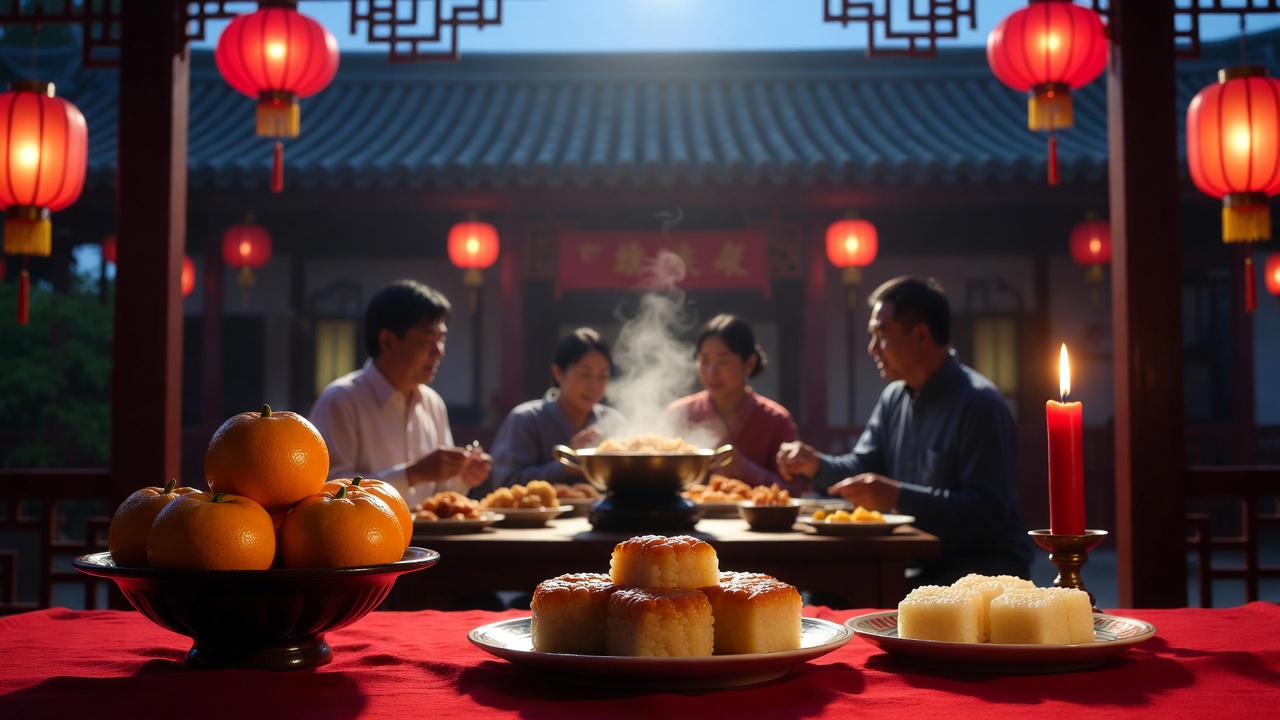
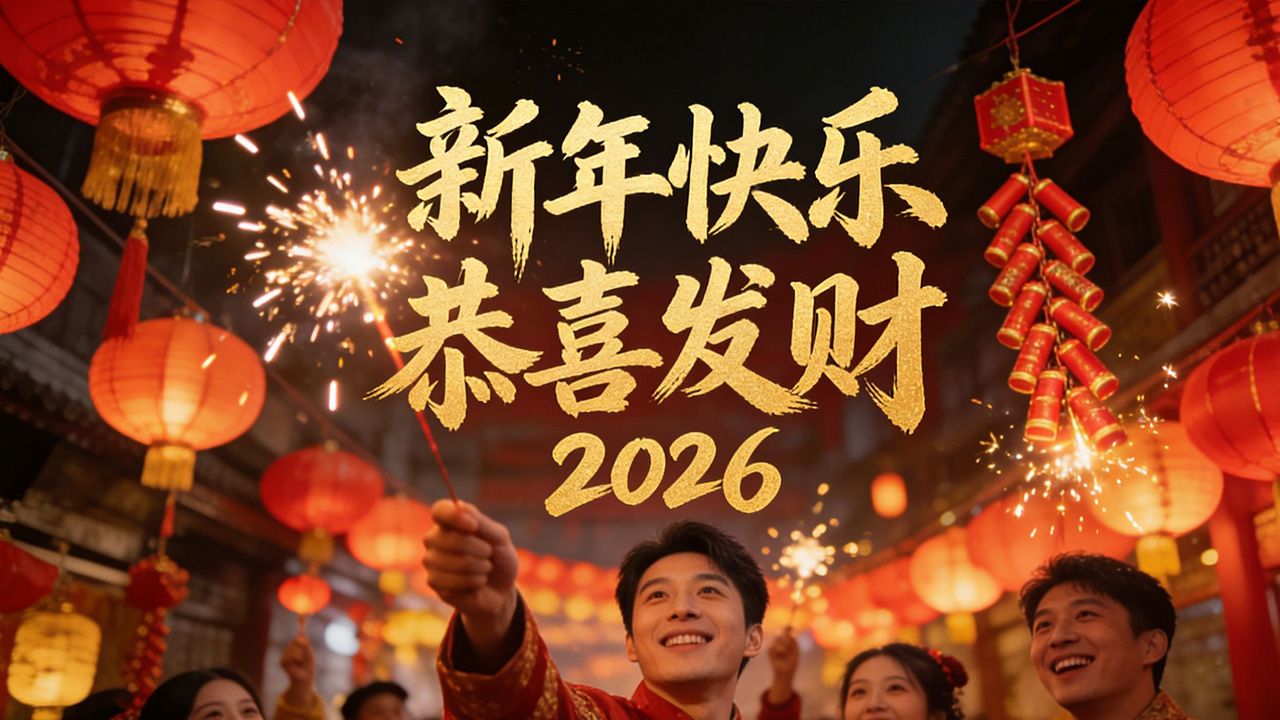
The air grows crisp with excitement. Streets burst into shades of crimson and gold. Families prepare steaming reunion dinners. Chinese New Year, also called Lunar New Year or Spring Festival, has arrived once again.
For over 3,000 years, this celebration has united families across China, Hong Kong, Taiwan, Singapore, Malaysia, and Chinese communities worldwide. Today, roughly one-third of the world’s population participates in some form of Lunar New Year celebration.
But here is the beautiful truth: you do not need to speak fluent Mandarin or Cantonese to participate meaningfully. Learning even a handful of traditional greetings can deepen your connections with Chinese friends, colleagues, and family members. It shows respect. It shows care. It shows you understand that words carry weight during this auspicious season.
This guide presents 50 of the best Chinese New Year greetings and wishes in both Mandarin and Cantonese. You will learn the correct pronunciation, the cultural meaning behind each phrase, and exactly when to use them. Whether you are greeting elderly relatives, wishing prosperity to business partners, or blessing children with good fortune, you will find the perfect words here.
Let us begin this journey into one of humanity’s most cherished traditions.
How to Say Happy New Year in Chinese: Essential Greetings for Beginners
Before diving into specific greetings, let us understand the basics. Chinese New Year greetings work differently from Western holiday wishes. They carry symbolic weight. Each phrase connects to ancient beliefs about luck, prosperity, health, and family harmony.
Two languages dominate Chinese New Year celebrations:
- Mandarin (普通话, Pǔtōnghuà): The official language of mainland China and Taiwan, spoken by over 900 million people
- Cantonese (广东话, Guǎngdōng huà): Spoken primarily in Hong Kong, Macau, Guangdong Province, and many overseas Chinese communities
Why does this distinction matter? Because the same written characters sound completely different in each language. Gōng xǐ fā cái in Mandarin becomes Gong hei fat choy in Cantonese. Both mean “wishing you prosperity,” but using the wrong pronunciation with the wrong audience might cause confusion.
Here are the five most essential greetings every person should know:
| Greeting | Mandarin Pronunciation | Cantonese Pronunciation | Meaning |
|---|---|---|---|
| 新年快乐 | Xīn nián kuài lè | San nin faai lok | Happy New Year |
| 新年好 | Xīn nián hǎo | San nin hou | Good New Year |
| 恭喜发财 | Gōng xǐ fā cái | Gong hei fat choy | Wishing you prosperity |
| 万事如意 | Wàn shì rú yì | Maan si yu yi | May everything go as you wish |
| 身体健康 | Shēn tǐ jiàn kāng | San tai gin hong | Wishing you good health |
The greeting “Gong hei fat choy” deserves special attention. According to The Woks of Life, this phrase became dominant among overseas Chinese communities because most early immigrants to the United States came from Cantonese-speaking regions during the 1960s and 1970s. They brought their dialect with them, making this greeting recognizable even to non-Chinese speakers in Western countries.
Most Popular Chinese New Year Wishes for Family and Friends
Family stands at the heart of Chinese New Year. The reunion dinner on New Year’s Eve brings generations together. Children receive red envelopes from elders. Grandparents hear wishes for longevity. Parents receive blessings for health and happiness.
When greeting family members, warmth matters more than formality. These greetings balance tradition with genuine affection.
Greetings for Parents and Elders
When addressing parents, grandparents, or anyone senior to you, Chinese culture expects a respectful tone. Notice the use of “nín” (您) instead of “nǐ” (你) in Mandarin—this small change signals deep respect.
1. 祝您新年快乐,身体健康!
- Mandarin: Zhù nín xīn nián kuài lè, shēn tǐ jiàn kāng!
- Cantonese: Zuk nei san nin faai lok, san tai gin hong!
- Meaning: Wishing you a happy New Year and good health!
2. 福如东海,寿比南山
- Mandarin: Fú rú dōng hǎi, shòu bǐ nán shān
- Cantonese: Fuk yu dung hoi, sau bei naam saan
- Meaning: May your fortune be as vast as the Eastern Sea, and your longevity as enduring as the Southern Mountains
This classical phrase appears frequently in birthday celebrations but works beautifully during New Year gatherings with elderly relatives. The imagery connects to ancient Chinese geography and philosophy.
3. 健康长寿
- Mandarin: Jiàn kāng cháng shòu
- Cantonese: Gin hong cheung sau
- Meaning: Health and long life
4. 阖家幸福
- Mandarin: Hé jiā xìng fú
- Cantonese: Hap ga hang fuk
- Meaning: Happiness for the whole family
5. 岁岁平安
- Mandarin: Suì suì píng ān
- Cantonese: Seoi seoi ping on
- Meaning: Peace year after year
Greetings for Siblings and Cousins
With peers, you can relax the formality while maintaining warmth.
6. 心想事成
- Mandarin: Xīn xiǎng shì chéng
- Cantonese: Sam soeng si sing
- Meaning: May all your wishes come true
7. 笑口常开
- Mandarin: Xiào kǒu cháng kāi
- Cantonese: Siu hau soeng hoi
- Meaning: May your smile always be present
8. 一帆风顺
- Mandarin: Yī fān fēng shùn
- Cantonese: Yat faan fung seon
- Meaning: Smooth sailing in everything
Best Chinese New Year Greetings for Wealth and Prosperity
Money talk might feel awkward in some cultures. Not in Chinese tradition. During Chinese New Year, wishing someone financial success is not only acceptable—it is expected and appreciated. These wishes reflect genuine care for someone’s material well-being.
The relationship between wealth and well-being runs deep in Chinese philosophy. Financial stability enables family harmony, educational opportunities, and the ability to care for aging parents. Prosperity wishes acknowledge these interconnected values.
9. 恭喜发财
- Mandarin: Gōng xǐ fā cái
- Cantonese: Gong hei fat choy
- Meaning: Wishing you happiness and prosperity
This is arguably the most famous Chinese New Year greeting worldwide. The phrase combines “恭喜” (congratulations) with “发财” (to become wealthy). When someone says this to you, the traditional response is “恭喜恭喜” (Gōng xǐ gōng xǐ), meaning “congratulations to you too.”
10. 财源广进
- Mandarin: Cái yuán guǎng jìn
- Cantonese: Coi yun gwong zeon
- Meaning: May wealth flow in from all directions
11. 财源滚滚
- Mandarin: Cái yuán gǔn gǔn
- Cantonese: Coi yun gwan gwan
- Meaning: May wealth roll in like waves
The imagery here evokes rolling waves or snowballs—wealth that accumulates continuously without effort.
12. 金玉满堂
- Mandarin: Jīn yù mǎn táng
- Cantonese: Gam yuk mun tong
- Meaning: May your hall be filled with gold and jade
13. 年年有余
- Mandarin: Nián nián yǒu yú
- Cantonese: Nin nin yau yu
- Meaning: Surplus year after year
This phrase contains a clever wordplay. The character “余” (yú) meaning “surplus” sounds identical to “鱼” (yú) meaning “fish.” This linguistic connection explains why fish always appears at Chinese New Year dinner tables. Families traditionally prepare two fish—one for eating, one to save for the next day—symbolizing that surplus will carry into the new year.
14. 招财进宝
- Mandarin: Zhāo cái jìn bǎo
- Cantonese: Ziu coi zeon bou
- Meaning: Ushering in wealth and treasure
15. 和气生财
- Mandarin: Hé qì shēng cái
- Cantonese: Wo hei sang coi
- Meaning: Harmony brings wealth
This proverb reminds us that peaceful relationships create the conditions for prosperity. Conflict destroys; harmony builds.
Chinese New Year Wishes for Business Partners and Professional Success
The business world pauses during Chinese New Year. Offices close. Factories go quiet. But relationships between partners, clients, and colleagues continue to matter enormously.
Sending appropriate greetings to business contacts demonstrates cultural competence. It shows you understand and respect their traditions. For professionals working with Chinese companies or clients, these phrases prove invaluable.
16. 生意兴隆
- Mandarin: Shēng yì xīng lóng
- Cantonese: Sang yi hing lung
- Meaning: May your business flourish
This greeting works perfectly for shop owners, entrepreneurs, and business owners of any size.
17. 事业有成
- Mandarin: Shì yè yǒu chéng
- Cantonese: Si yip yau sing
- Meaning: Success in your career
Appropriate for employees, managers, and anyone building their professional life.
18. 步步高升
- Mandarin: Bù bù gāo shēng
- Cantonese: Bou bou gou sing
- Meaning: Rising step by step
This phrase wishes someone continuous career advancement. The imagery suggests climbing a ladder or ascending stairs—steady, reliable progress.
19. 大展宏图
- Mandarin: Dà zhǎn hóng tú
- Cantonese: Daai zin wang tou
- Meaning: May you realize your grand ambitions
20. 工作顺利
- Mandarin: Gōng zuò shùn lì
- Cantonese: Gung zok seon lei
- Meaning: Smooth work throughout the year
21. 升官发财
- Mandarin: Shēng guān fā cái
- Cantonese: Sing gun faat coi
- Meaning: Promotion and prosperity
According to China Highlights, this greeting is particularly appropriate for colleagues in corporate or government positions, where hierarchical advancement remains highly valued.
22. 鹏程万里
- Mandarin: Péng chéng wàn lǐ
- Cantonese: Paang cing maan lei
- Meaning: A journey of ten thousand miles awaits you
The Peng (鹏) is a mythical bird from Chinese legend—enormous, powerful, capable of flying incredible distances. This wish suggests someone’s career has limitless potential.
Traditional Chinese New Year Blessings for Good Health and Longevity
Health concerns touch everyone. Young or old, wealthy or modest, every person hopes for physical well-being. Chinese New Year greetings traditionally include health wishes, especially for elderly family members.
These phrases carry extra weight when directed toward grandparents, parents recovering from illness, or anyone whose health concerns have been on your mind.
23. 身体健康
- Mandarin: Shēn tǐ jiàn kāng
- Cantonese: San tai gin hong
- Meaning: Good health
Simple, direct, and universally appreciated.
24. 龙马精神
- Mandarin: Lóng mǎ jīng shén
- Cantonese: Lung ma zing san
- Meaning: The spirit of the dragon and horse—vitality and energy
Dragons and horses represent power, energy, and unstoppable movement in Chinese culture. This phrase wishes someone vibrant health and endless energy. According to HanziStroke, this greeting is especially popular during the Year of the Horse, making it perfect for 2026.
25. 青春永驻
- Mandarin: Qīng chūn yǒng zhù
- Cantonese: Cing ceon wing zyu
- Meaning: May your youth last forever
26. 福寿双全
- Mandarin: Fú shòu shuāng quán
- Cantonese: Fuk sau soeng cyun
- Meaning: Both fortune and longevity
27. 健步如飞
- Mandarin: Jiàn bù rú fēi
- Cantonese: Gin bou yu fei
- Meaning: Walking as if flying—agility and health
This charming phrase suits active seniors who take pride in staying mobile and independent.
Lucky Chinese New Year Phrases for Children and Students
Children hold special status during Chinese New Year. They receive red envelopes (红包, hóngbāo in Mandarin; 利是, lai see in Cantonese) filled with lucky money. They wear new clothes. They stay up late on New Year’s Eve.
When greeting children or students, focus on their growth, learning, and future potential. Chinese culture places enormous value on education, so academic wishes resonate deeply with families.
28. 快高长大
- Mandarin: Kuài gāo zhǎng dà
- Cantonese: Faai gou zoeng daai
- Meaning: Grow tall quickly!
Every child loves hearing this wish. It acknowledges their excitement about growing up.
29. 学业进步
- Mandarin: Xué yè jìn bù
- Cantonese: Hok yip zeon bou
- Meaning: Progress in your studies
30. 学业有成
- Mandarin: Xué yè yǒu chéng
- Cantonese: Hok yip yau sing
- Meaning: Academic success
31. 金榜题名
- Mandarin: Jīn bǎng tí míng
- Cantonese: Gam bong tai ming
- Meaning: Your name on the golden list—passing important examinations
This phrase references ancient imperial examinations where successful candidates’ names appeared on golden scrolls. Today, it wishes students success on school exams, university entrance tests, and professional certifications.
32. 聪明伶俐
- Mandarin: Cōng míng líng lì
- Cantonese: Cung ming ling lei
- Meaning: Clever and quick-witted
33. 恭喜发财,红包拿来
- Mandarin: Gōng xǐ fā cái, hóng bāo ná lái
- Cantonese: Gong hei fat choy, lai see dou loi
- Meaning: Wishing you prosperity—now give me my red envelope!
This playful phrase lets children (and unmarried adults) request their red envelopes in a culturally appropriate, humorous way. According to The HK HUB, it is perfectly acceptable for youngsters to say this to married adults or elders.
Year of the Horse 2026: Special Greetings and Zodiac-Themed Wishes
The year 2026 marks the Year of the Fire Horse in the Chinese zodiac, beginning on February 17, 2026 and lasting until February 5, 2027. Each zodiac year brings unique characteristics and inspires specially themed greetings.
The Horse occupies the seventh position among the twelve zodiac animals. In Chinese culture, horses symbolize vitality, speed, perseverance, movement, independence, and momentum. According to the Smithsonian Institution, the horse represents hard work and bravery in Chinese tradition.
Unlike the introspective Snake of 2025, the Horse brings fiery, dynamic energy. According to Chinese New Year Net, the Year of the Horse gallops in with vibrant and fiery energy, symbolizing adventure, vitality, and forward momentum. This makes 2026 a year for bold moves and exploration.
Horse-Themed Chinese New Year Greetings for 2026
34. 马年大吉
- Mandarin: Mǎ nián dà jí
- Cantonese: Ma nin daai gat
- Meaning: Great luck in the Year of the Horse
This is the most universal and direct blessing for the Year of the Horse, suitable for any occasion and any recipient.
35. 马到成功
- Mandarin: Mǎ dào chéng gōng
- Cantonese: Ma dou sing gung
- Meaning: May success arrive as swiftly as a galloping horse
According to Sinosplice, this idiom originates from ancient warfare where cavalry arriving on time often assured swift victory. Today, it wishes someone rapid success in any endeavor.
36. 一马当先
- Mandarin: Yī mǎ dāng xiān
- Cantonese: Yat ma dong sin
- Meaning: One horse takes the lead—may you be at the forefront
This phrase symbolizes taking leadership and initiative. According to China Xian Tour, it is perfect for people striving for excellence in their careers.
37. 一马平川
- Mandarin: Yī mǎ píng chuān
- Cantonese: Yat ma ping chyun
- Meaning: A horse galloping across flat plains—smooth progress ahead
This poetic phrase wishes someone a trouble-free year filled with steady advancement.
38. 马上有钱
- Mandarin: Mǎ shàng yǒu qián
- Cantonese: Ma soeng yau chin
- Meaning: Wealth arriving immediately
According to eChineseLearning, this clever phrase contains a double meaning. The characters “马上” (mǎ shàng) literally mean “on the horse” but also mean “immediately” in modern Chinese. So this phrase wishes someone both “wealth on a horse” and “immediate wealth.”
39. 马年吉祥
- Mandarin: Mǎ nián jí xiáng
- Cantonese: Ma nin gat coeng
- Meaning: Auspiciousness in the Year of the Horse
People born in Horse years (1942, 1954, 1966, 1978, 1990, 2002, 2014, 2026) face their “Ben Ming Nian” (本命年)—their zodiac birth year. Traditional belief holds that this year brings both challenges and opportunities. According to Chinese New Year Net, wearing red clothing or accessories throughout the year supposedly provides protection and good fortune.
Formal Chinese New Year Greetings for Special Occasions and Cards
Some situations call for elevated language. Wedding announcements, formal business correspondence, and elegantly printed New Year cards require more sophisticated phrasing.
These greetings demonstrate cultural refinement. They work beautifully in written format and sound impressive when spoken carefully.
40. 恭贺新禧
- Mandarin: Gōng hè xīn xǐ
- Cantonese: Gung ho san hei
- Meaning: Respectfully wishing you New Year joy
This formal greeting appears commonly on printed cards and official correspondence.
41. 吉祥如意
- Mandarin: Jí xiáng rú yì
- Cantonese: Gat coeng yu yi
- Meaning: Good fortune and fulfilled wishes
42. 新春大吉
- Mandarin: Xīn chūn dà jí
- Cantonese: San ceon daai gat
- Meaning: Great luck in the new spring
43. 迎春接福
- Mandarin: Yíng chūn jiē fú
- Cantonese: Jing ceon zip fuk
- Meaning: Welcoming spring and receiving blessings
44. 五福临门
- Mandarin: Wǔ fú lín mén
- Cantonese: Ng fuk lam mun
- Meaning: May the five blessings arrive at your door
The five blessings in Chinese tradition include: longevity, wealth, health, virtue, and peaceful death. This phrase wishes someone the complete package of life’s blessings.
45. 三阳开泰
- Mandarin: Sān yáng kāi tài
- Cantonese: Saam joeng hoi taai
- Meaning: Three positive forces bringing peace and prosperity
This classical phrase references the I Ching (Book of Changes) and suggests that favorable cosmic forces align for the recipient.
How to Combine Multiple Chinese New Year Wishes in One Greeting
Here is a practical tip: Chinese New Year greetings often sound better when combined. Instead of offering a single phrase, you can string together complementary wishes for a more impressive and heartfelt message.
The basic structure follows this pattern:
- Start with “祝你” (Zhù nǐ) or “祝您” (Zhù nín) meaning “Wishing you…”
- Add your first wish
- Optionally add a second or third wish
Examples of Combined Greetings
46. 祝您新年快乐,身体健康,万事如意!
- Mandarin: Zhù nín xīn nián kuài lè, shēn tǐ jiàn kāng, wàn shì rú yì!
- Cantonese: Zuk nei san nin faai lok, san tai gin hong, maan si yu yi!
- Meaning: Wishing you a happy New Year, good health, and may everything go as you wish!
47. 恭喜发财,大吉大利!
- Mandarin: Gōng xǐ fā cái, dà jí dà lì!
- Cantonese: Gong hei fat choy, daai gat daai lei!
- Meaning: Wishing you prosperity, great luck, and great profit!
48. 新年快乐,马到成功!
- Mandarin: Xīn nián kuài lè, mǎ dào chéng gōng!
- Cantonese: San nin faai lok, ma dou sing gung!
- Meaning: Happy New Year, and may success arrive swiftly!
According to Sinosplice, this combination is particularly popular during the Year of the Horse and appropriate for any intermediate learner of Chinese.
Classic Four-Character Chinese New Year Idioms and Their Deep Cultural Meanings
Chinese language treasures four-character idioms (成语, chéngyǔ). These compact phrases pack enormous meaning into just four syllables. They reference classical literature, historical events, and philosophical concepts.
Using these idioms demonstrates cultural sophistication. They work particularly well in written greetings, formal speeches, and when impressing Chinese-speaking friends or colleagues.
49. 龙腾虎跃
- Mandarin: Lóng téng hǔ yuè
- Cantonese: Lung tang fu joek
- Meaning: Dragons soaring and tigers leaping—great vitality and activity
- Cultural context: This phrase evokes images of powerful creatures in motion, suggesting a year filled with energy, achievement, and forward momentum.
50. 大吉大利
- Mandarin: Dà jí dà lì
- Cantonese: Daai gat daai lei
- Meaning: Great luck and great profit
- Cultural context: Simple yet powerful, this phrase covers both spiritual fortune (吉) and material success (利).
Complete Reference Table: 50 Chinese New Year Greetings at a Glance
For easy reference, here is a comprehensive table containing all fifty greetings covered in this guide:
| # | Chinese | Mandarin Pinyin | Cantonese | English Meaning |
|---|---|---|---|---|
| 1 | 新年快乐 | Xīn nián kuài lè | San nin faai lok | Happy New Year |
| 2 | 新年好 | Xīn nián hǎo | San nin hou | Good New Year |
| 3 | 恭喜发财 | Gōng xǐ fā cái | Gong hei fat choy | Wishing you prosperity |
| 4 | 万事如意 | Wàn shì rú yì | Maan si yu yi | May all go as you wish |
| 5 | 身体健康 | Shēn tǐ jiàn kāng | San tai gin hong | Good health |
| 6 | 福如东海 | Fú rú dōng hǎi | Fuk yu dung hoi | Fortune vast as the Eastern Sea |
| 7 | 健康长寿 | Jiàn kāng cháng shòu | Gin hong cheung sau | Health and longevity |
| 8 | 阖家幸福 | Hé jiā xìng fú | Hap ga hang fuk | Family happiness |
| 9 | 岁岁平安 | Suì suì píng ān | Seoi seoi ping on | Peace year after year |
| 10 | 心想事成 | Xīn xiǎng shì chéng | Sam soeng si sing | Wishes come true |
| 11 | 笑口常开 | Xiào kǒu cháng kāi | Siu hau soeng hoi | Always smiling |
| 12 | 一帆风顺 | Yī fān fēng shùn | Yat faan fung seon | Smooth sailing |
| 13 | 财源广进 | Cái yuán guǎng jìn | Coi yun gwong zeon | Wealth from all directions |
| 14 | 财源滚滚 | Cái yuán gǔn gǔn | Coi yun gwan gwan | Wealth rolling in |
| 15 | 金玉满堂 | Jīn yù mǎn táng | Gam yuk mun tong | Hall filled with gold and jade |
| 16 | 年年有余 | Nián nián yǒu yú | Nin nin yau yu | Surplus every year |
| 17 | 招财进宝 | Zhāo cái jìn bǎo | Ziu coi zeon bou | Ushering in wealth |
| 18 | 和气生财 | Hé qì shēng cái | Wo hei sang coi | Harmony brings wealth |
| 19 | 生意兴隆 | Shēng yì xīng lóng | Sang yi hing lung | Business flourishing |
| 20 | 事业有成 | Shì yè yǒu chéng | Si yip yau sing | Career success |
| 21 | 步步高升 | Bù bù gāo shēng | Bou bou gou sing | Rising step by step |
| 22 | 大展宏图 | Dà zhǎn hóng tú | Daai zin wang tou | Realize grand ambitions |
| 23 | 工作顺利 | Gōng zuò shùn lì | Gung zok seon lei | Smooth work |
| 24 | 升官发财 | Shēng guān fā cái | Sing gun faat coi | Promotion and prosperity |
| 25 | 鹏程万里 | Péng chéng wàn lǐ | Paang cing maan lei | Journey of ten thousand miles |
| 26 | 龙马精神 | Lóng mǎ jīng shén | Lung ma zing san | Spirit of dragon and horse |
| 27 | 青春永驻 | Qīng chūn yǒng zhù | Cing ceon wing zyu | Youth lasting forever |
| 28 | 福寿双全 | Fú shòu shuāng quán | Fuk sau soeng cyun | Fortune and longevity |
| 29 | 健步如飞 | Jiàn bù rú fēi | Gin bou yu fei | Walking as if flying |
| 30 | 快高长大 | Kuài gāo zhǎng dà | Faai gou zoeng daai | Grow tall quickly |
| 31 | 学业进步 | Xué yè jìn bù | Hok yip zeon bou | Academic progress |
| 32 | 学业有成 | Xué yè yǒu chéng | Hok yip yau sing | Academic success |
| 33 | 金榜题名 | Jīn bǎng tí míng | Gam bong tai ming | Name on the golden list |
| 34 | 聪明伶俐 | Cōng míng líng lì | Cung ming ling lei | Clever and quick-witted |
| 35 | 马年大吉 | Mǎ nián dà jí | Ma nin daai gat | Great luck in Horse Year |
| 36 | 马到成功 | Mǎ dào chéng gōng | Ma dou sing gung | Swift success like a horse |
| 37 | 一马当先 | Yī mǎ dāng xiān | Yat ma dong sin | Taking the lead |
| 38 | 一马平川 | Yī mǎ píng chuān | Yat ma ping chyun | Smooth progress ahead |
| 39 | 马上有钱 | Mǎ shàng yǒu qián | Ma soeng yau chin | Immediate wealth |
| 40 | 恭贺新禧 | Gōng hè xīn xǐ | Gung ho san hei | Respectful New Year wishes |
| 41 | 吉祥如意 | Jí xiáng rú yì | Gat coeng yu yi | Good fortune as you wish |
| 42 | 新春大吉 | Xīn chūn dà jí | San ceon daai gat | Great luck in new spring |
| 43 | 迎春接福 | Yíng chūn jiē fú | Jing ceon zip fuk | Welcoming spring, receiving blessings |
| 44 | 五福临门 | Wǔ fú lín mén | Ng fuk lam mun | Five blessings at your door |
| 45 | 三阳开泰 | Sān yáng kāi tài | Saam joeng hoi taai | Three positive forces bringing peace |
| 46 | 龙腾虎跃 | Lóng téng hǔ yuè | Lung tang fu joek | Dragons soaring, tigers leaping |
| 47 | 大吉大利 | Dà jí dà lì | Daai gat daai lei | Great luck and profit |
| 48 | 红包拿来 | Hóng bāo ná lái | Lai see dou loi | Give me my red envelope |
| 49 | 寿比南山 | Shòu bǐ nán shān | Sau bei naam saan | Longevity like Southern Mountain |
| 50 | 恭喜恭喜 | Gōng xǐ gōng xǐ | Gong hei gong hei | Congratulations (response) |
Understanding Red Envelope Traditions and Lucky Money Etiquette
No discussion of Chinese New Year greetings would be complete without mentioning red envelopes. These crimson packets, filled with crisp new bills, represent one of the most beloved traditions of the season.
The red envelope goes by different names across Chinese dialects:
- 红包 (hóngbāo) in Mandarin
- 利是 (lai see) in Cantonese
- Ang pow in Hokkien
The Origin Story of Red Envelopes
According to China Highlights, the tradition originated from an ancient legend about a demon named Sui (祟). This creature would emerge on New Year’s Eve to terrorize sleeping children. One night, parents placed eight coins wrapped in red paper under their child’s pillow. When Sui approached, the coins emitted a bright light that frightened the demon away.
From that legend emerged the term “压岁钱” (yā suì qián)—literally “suppressing Sui money.” Today, red envelopes continue this protective tradition while also symbolizing good wishes and blessings.
Who Gives and Receives Red Envelopes?
Traditional etiquette follows these general guidelines:
- Married adults give red envelopes to unmarried individuals
- Elders give to younger family members
- Employers give to employees as year-end bonuses
- Business owners give to valued clients and partners
According to Lychee Press, in Hong Kong and Cantonese culture, married couples typically give two envelopes (one from each spouse). Widowed or divorced individuals give one envelope.
Lucky Numbers and Amounts to Avoid
The amount inside matters less than the thought behind it. However, certain numbers carry significance:
Lucky numbers to include:
- 8 sounds like “prosperity” (发, fā) in Cantonese
- 6 represents smooth sailing
- 88, 168, 888 are particularly auspicious combinations
Numbers to strictly avoid:
- 4 sounds like “death” (死, sǐ) in Chinese
- Never give amounts containing 4, 40, or 400
Presentation matters: Always use crisp, new bills. Wrinkled or torn money suggests carelessness. Banks in Chinese communities often see long queues before New Year as people exchange old bills for fresh ones.
Cultural Etiquette: How to Properly Exchange Chinese New Year Greetings
Knowing the phrases is only half the equation. Understanding when and how to use them completes your cultural competence.
Physical Gestures That Accompany Greetings
The traditional greeting posture involves:
- Standing with feet together
- Placing your closed right fist into your open left palm
- Holding hands at chest level
- Bowing slightly while speaking your greeting
This hand gesture is called “拱手” (gǒng shǒu) or “作揖” (zuò yī). Women sometimes modify this by placing the left fist into the right palm instead.
Timing Your Greetings Appropriately
Chinese New Year celebrations span 15 days, from New Year’s Day to the Lantern Festival. However, the most important greeting periods include:
- New Year’s Eve dinner: Greet family members before the meal begins
- New Year’s Day morning (February 17, 2026): First greetings of the new year carry special weight
- Days 1-5: Prime visiting and greeting period
- Day 7: “Everyone’s Birthday” in Chinese tradition
- Day 15 (March 3, 2026): Lantern Festival marks the celebration’s end
According to traditional belief, what happens during these fifteen days sets the tone for the entire year ahead. Positive words, generous gestures, and harmonious interactions attract good fortune.
Responding to Greetings
When someone offers you a Chinese New Year greeting, respond with equal warmth. The simplest response is to repeat their blessing back to them or offer a complementary wish.
Example exchanges:
Person A: “恭喜发财!” (Gong hei fat choy!) Person B: “恭喜恭喜!” (Gong hei gong hei!) or “同喜同喜!” (Tung hei tung hei! – Same joy to you!)
Person A: “新年快乐!” (Xīn nián kuài lè!) Person B: “新年快乐!身体健康!” (Xīn nián kuài lè! Shēn tǐ jiàn kāng! – Happy New Year! Good health!)
Words and Phrases to Avoid During Chinese New Year
Chinese culture takes word symbolism seriously. During the auspicious New Year period, certain words and actions invite bad luck. Awareness of these taboos helps you avoid unintentional offense.
Words That Sound Like Unlucky Concepts
| Word to Avoid | Pronunciation | Sounds Like | Unlucky Association |
|---|---|---|---|
| 四 (four) | sì | 死 (death) | Death, endings |
| 书 (book) | shū | 输 (lose) | Losing, failure |
| 分 (divide) | fēn | 分离 (separate) | Separation |
| 破 (broken) | pò | — | Breaking things |
This explains why you should never give someone a clock as a New Year gift—the phrase “送钟” (sòng zhōng, give a clock) sounds identical to “送终” (sòng zhōng, attending someone’s funeral).
Actions to Avoid on New Year’s Day
According to The HK HUB, traditional beliefs caution against these activities during the celebration period:
- Sweeping floors on New Year’s Day (sweeping away good luck)
- Washing hair on New Year’s Day (washing away fortune)
- Using scissors or knives (cutting off good luck)
- Saying negative words (attracting negativity)
- Crying (inviting sadness for the year)
- Breaking dishes (if it happens, immediately say “碎碎平安” – suì suì píng ān – meaning “peace year after year”)
Sending Chinese New Year Greetings Digitally: Modern Traditions
Technology has transformed how people exchange New Year wishes. While traditional in-person greetings remain important, digital messages now supplement family connections across vast distances.
WeChat Red Envelopes
The messaging app WeChat revolutionized red envelope culture when it introduced digital hongbao in 2014. Users can send virtual red envelopes containing real money directly through the app.
Features include:
- Individual red envelopes sent to specific recipients
- Group red envelopes randomly distributed among chat group members
- Lucky draw envelopes where amounts vary randomly
According to LAT Multilingual, digital red envelopes have become particularly popular among younger generations and during situations where in-person gatherings prove impossible.
Crafting Meaningful Digital Greetings
When sending New Year wishes via text, email, or social media, consider these tips:
- Personalize your message – Generic greetings feel hollow
- Include Chinese characters – Even if your recipient speaks English, seeing Chinese adds authenticity
- Add visual elements – Red and gold colors, lantern images, horse graphics for 2026
- Time it appropriately – Send greetings on or just before New Year’s Day (February 17, 2026)
Printable Chinese New Year Greeting Card Templates and Ideas
Creating handwritten greeting cards adds a personal touch that digital messages cannot match. The act of writing Chinese characters, even imperfectly, demonstrates genuine effort and respect.
Simple Card Layout Ideas
Front of card:
- Large Chinese characters: 新年快乐 or 恭喜发财
- Image of the current zodiac animal (Horse for 2026)
- Red and gold color scheme
Inside of card:
- Personalized greeting combining 2-3 phrases from this guide
- Brief personal message in English
- Your signature in Chinese characters (optional but impressive)
Popular Decorative Symbols
Chinese New Year cards often feature these auspicious symbols:
- 福 (fú) – Fortune/blessing (often displayed upside-down, as “倒” sounds like “到” meaning “arrival”)
- 春 (chūn) – Spring
- Fish – Surplus and abundance
- Lanterns – Brightness and hope
- Peach blossoms – Romance and prosperity
- Mandarin oranges – Gold and good luck
- Firecrackers – Driving away evil spirits
- Horse – Speed, success, and vitality (especially for 2026)
Regional Variations in Chinese New Year Greetings Across Asia
Chinese New Year celebrations extend far beyond China’s borders. Each region has developed unique traditions and greeting variations worth understanding.
Hong Kong and Macau
Cantonese dominates here. “Gong hei fat choy” (恭喜发财) remains the most popular greeting. Red envelopes are called “lai see” (利是). The celebration features elaborate flower markets, lion dances, and fireworks displays over Victoria Harbour.
Taiwan
Taiwanese Mandarin includes some vocabulary differences. New Year greetings remain similar to mainland China, but local expressions and customs vary. The celebration emphasizes family reunions and temple visits.
Singapore and Malaysia
These multicultural nations blend Chinese traditions with Malay, Indian, and Western influences. Mandarin, Cantonese, Hokkien, and Teochew dialects all appear in greetings. “Lo Hei” (捞起), the prosperity toss salad ritual, originated here.
Vietnam (Tết)
Vietnamese Lunar New Year shares roots with Chinese celebrations but uses Vietnamese language greetings. “Chúc Mừng Năm Mới” (Happy New Year) replaces Chinese phrases, though some Chinese-Vietnamese families maintain traditional Chinese greetings.
Korea (Seollal)
Korean Lunar New Year features the greeting “새해 복 많이 받으세요” (Saehae bok mani badeuseyo) – “Receive lots of luck in the new year.” While culturally distinct, shared lunar calendar roots create parallel traditions.
Conclusion: The Lasting Power of Heartfelt New Year Wishes
Words matter. In the rush of modern life, we sometimes forget this simple truth. But Chinese New Year reminds us that language carries power. The right words, spoken with genuine warmth, can strengthen relationships, honor traditions, and invite good fortune.
You have now learned 50 Chinese New Year greetings spanning Mandarin and Cantonese, suitable for family members, business contacts, children, and formal occasions. You understand the cultural significance behind red envelopes, the meaning of zodiac-themed wishes, and the etiquette surrounding proper greeting exchanges.
But knowledge alone means nothing without action.
This Chinese New Year, challenge yourself to use at least five new greetings. Practice the pronunciation. Write a handwritten card. Give a red envelope with your own hands. Watch how your Chinese friends and colleagues respond when you greet them in their own language with culturally appropriate phrases.
The Year of the Fire Horse brings opportunities for swift progress, bold action, and unstoppable momentum. May these greetings open doors, deepen connections, and fill your year with prosperity, health, and happiness.
祝您马年大吉,马到成功!
Wishing you great luck in the Year of the Horse, and may success arrive swiftly!
Frequently Asked Questions About Chinese New Year Greetings
Q: What is the difference between “Xin Nian Kuai Le” and “Gong Xi Fa Cai”?
A: “Xin Nian Kuai Le” (新年快乐) simply means “Happy New Year” and works in any situation. “Gong Xi Fa Cai” (恭喜发财) specifically wishes prosperity and wealth, making it more appropriate for business contexts or when you genuinely wish someone financial success.
Q: Can I use Mandarin greetings with Cantonese speakers?
A: Yes, most Cantonese speakers understand Mandarin, especially written Chinese. However, using Cantonese pronunciation shows extra cultural awareness and often delights native Cantonese speakers.
Q: When does Chinese New Year 2026 start and end?
A: The Year of the Fire Horse begins on February 17, 2026 and ends on February 5, 2027. The main celebration period lasts 15 days, from New Year’s Day until the Lantern Festival on March 3, 2026.
Q: Is it appropriate for non-Chinese people to use these greetings?
A: Absolutely. Using Chinese New Year greetings shows respect for the culture and genuine interest in connecting with Chinese friends and colleagues. Most Chinese people appreciate the effort, even if pronunciation is not perfect.
Q: What should I write in a Chinese New Year card to my boss?
A: For a boss or supervisor, use respectful language. A good combination might be: “祝您新年快乐,马到成功,事业有成!” (Wishing you a Happy New Year, swift success, and career achievement!)
Q: What is the best Horse Year greeting for 2026?
A: “马到成功” (Mǎ dào chéng gōng) is extremely popular and versatile. It means “may success arrive as swiftly as a galloping horse” and works for almost any recipient.
This comprehensive guide was written to help readers connect meaningfully with Chinese New Year traditions. For the most authentic experience, consider visiting Chinese communities during the celebration period, attending local festivals, or sharing a reunion dinner with Chinese friends. Cultural understanding grows through genuine participation and respectful curiosity.