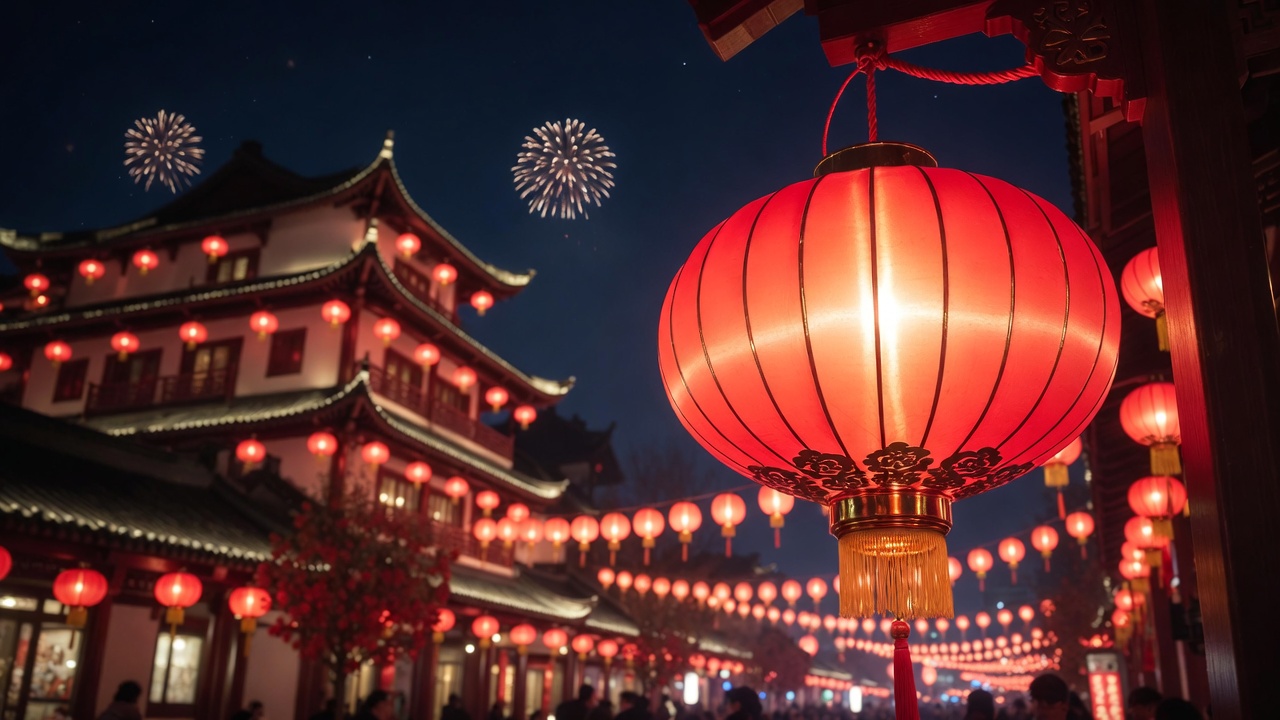
The sound of firecrackers. The glow of red lanterns strung across narrow streets. The warmth of a reunion dinner table where every dish tells a story. Chinese New Year’s Eve — known as chúxī (除夕) — is the emotional heart of the entire Spring Festival. It is the night when families across the world gather to bid farewell to the old year and welcome the new one with food, laughter, and ancient customs passed down for thousands of years.
In 2026, Chinese New Year falls on Tuesday, February 17, making February 16 the all-important New Year’s Eve. This year ushers in the Year of the Fire Horse — a rare and powerful zodiac combination that occurs only once every 60 years. The Fire Horse symbolizes passion, adventure, vitality, and bold forward movement. If ever there were a year to celebrate the Spring Festival somewhere extraordinary, this is it.
Whether you are an overseas Chinese traveler longing for the taste of home, a culture-curious adventurer, or a first-time visitor to Asia’s grandest celebration, this guide covers everything you need to know about celebrating Chinese New Year’s Eve abroad in 2026 — from the best destinations and traditional customs to practical booking strategies and cultural etiquette.
What Is Chinese New Year’s Eve and Why Is It the Most Important Night of the Spring Festival?
Chinese New Year’s Eve, or chúxī, literally means “the evening of passing.” It marks the final night of the old lunar year. While the Spring Festival spans 16 days from New Year’s Day through the Lantern Festival, it is New Year’s Eve that holds the deepest emotional weight for Chinese families.
The tradition traces back to an ancient legend. According to folklore, a fearsome beast called Nián (年) would emerge at the end of each year to terrorize villages. People discovered that loud noises, fire, and the color red could drive the creature away. These customs — firecrackers, red decorations, and staying up all night — survive today as core rituals of chúxī.
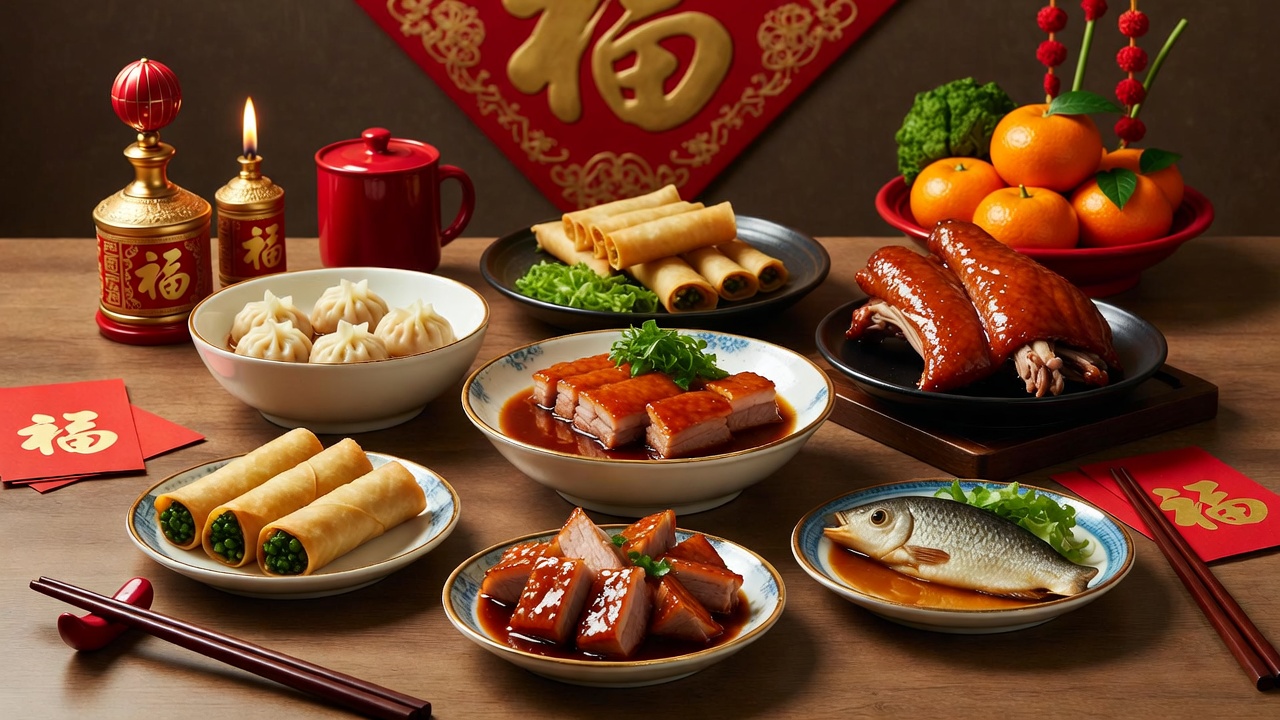
The centerpiece of the evening is the reunion dinner, called niányèfàn (年夜饭). It is considered the single most important meal of the entire year. Every member of the family is expected to return home. If someone cannot attend, their seat and utensils are still set at the table — a quiet, touching gesture that no distance can break the family bond.
After the feast, families stay awake together — a practice called shǒu suì (守岁), or “guarding the year.” Elders hand out red envelopes (hóngbāo) to children and younger family members. At midnight, firecrackers erupt across the country. In modern China, the CCTV Spring Festival Gala — a variety show broadcast to hundreds of millions of viewers — plays in the background of nearly every household from 8 PM until past midnight.
For Chinese communities abroad, recreating this evening far from home can be both a challenge and a beautiful act of cultural preservation.
2026 Year of the Fire Horse: What It Means for Your Chinese New Year Travel
The Chinese zodiac follows a 12-year cycle, with each year represented by an animal sign. 2026 belongs to the Horse — the seventh animal in the cycle. But this is not just any Horse year. It is a Fire Horse year, combining the Horse’s natural energy with the Fire element’s passion, courage, and intensity.
According to The Old Farmer’s Almanac, the Fire Horse is a rare alignment in the 60-year sexagenary cycle of Chinese astrology. People born in Fire Horse years are said to be exceptionally ambitious, charismatic, and independent. The last Fire Horse year was 1966; the next will not arrive until 2086.
What does this mean for travelers? Horse energy favors adventure, momentum, and bold new starts. Many Chinese families see 2026 as an especially auspicious time to travel, explore, and celebrate in new places. Expect celebrations worldwide to carry extra vibrancy, with Horse-themed decorations, performances, and special menus appearing at festivals from Singapore to San Francisco.
Key Dates for Chinese New Year 2026
| Date | Event |
|---|---|
| February 16, 2026 (Mon) | Chinese New Year’s Eve (Chúxī) — Reunion Dinner |
| February 17, 2026 (Tue) | Chinese New Year’s Day — Year of the Fire Horse begins |
| February 22, 2026 (Sun) | Major parade day in London |
| February 28, 2026 (Sat) | San Francisco Lunar New Year Concert |
| March 3, 2026 (Tue) | Lantern Festival — Final day of Spring Festival |
| March 7, 2026 (Sat) | San Francisco Chinese New Year Parade |
Best Places to Celebrate Chinese New Year’s Eve Abroad in 2026
Not every destination celebrates chúxī with the same intensity. Below are the cities that offer the most authentic, exciting, and accessible experiences for travelers looking to ring in the Year of the Horse outside mainland China.
Singapore: A Southeast Asian Reunion Dinner Paradise
Singapore is arguably the best destination outside China for an authentic Chinese New Year’s Eve experience. With ethnic Chinese making up roughly 75% of the population, the Spring Festival is embedded in the nation’s DNA.
Chinatown transforms for weeks. According to Time Out, the 2026 theme is “Galloping into the Prosperous Year,” with 60 galloping horse installations, 48 symbolic fruit motifs, and a towering 8.8-metre golden horse lighting up the streets. The Chinese New Year International Lion Dance Competition draws elite troupes from across Asia. The midnight countdown at Kreta Ayer Square is where thousands gather to welcome the Horse.
Travel tip: Book your reunion dinner restaurant at least four weeks in advance. Hawker centers stay open late on New Year’s Eve, but sit-down restaurants in Chinatown fill up fast. Try yú shēng (prosperity toss salad) — a dish unique to Southeast Asian Chinese communities and a must-eat during the season.
Hong Kong: Victoria Harbour Fireworks and Night Parades
Hong Kong blends centuries-old Cantonese tradition with world-class spectacle. New Year’s Eve here revolves around the flower markets — sprawling outdoor bazaars that stay open around the clock in the days before the holiday. Victoria Park hosts the largest, and locals believe you should buy a tāohuā (peach blossom branch) for romance and a pot of kumquats for wealth.
On the first day of the Lunar New Year, the Cathay International Chinese New Year Night Parade in Tsim Sha Tsui features elaborate floats, dragon and lion dances, and international performance troupes. The following evening, a massive fireworks display lights up Victoria Harbour.
Travel tip: Hotels near the Tsim Sha Tsui waterfront book up six to nine months ahead for the Lunar New Year period. If budget is a concern, consider staying in Kowloon’s Mong Kok area and taking the MTR (just a few stops) to the waterfront.
London: Europe’s Largest Chinese New Year Celebration
London hosts the biggest Chinese New Year celebration outside of Asia. In 2026, the main festivities fall on Sunday, February 22 — the first Sunday after the Lunar New Year.
The day begins with a colorful parade departing Trafalgar Square at 10 AM, featuring Europe’s largest gathering of Chinese lions and dragons. The procession winds through Charing Cross Road and Shaftesbury Avenue before ending in Chinatown, where lion-eye-dotting ceremonies take place. Free performances fill Trafalgar Square throughout the afternoon, ending with a techno lion dance and fireworks after dark.
According to Visit London, the celebrations draw hundreds of thousands of visitors each year and are organized by the London Chinatown Chinese Association (LCCA).
For New Year’s Eve itself (February 16), head to Chinatown’s restaurants for reunion dinner specials. Many Soho and West End restaurants offer set menus featuring traditional dishes. BAO locations across London are running a “Dark Horse” menu from February 10–26, featuring prosperity tossing salmon salad and chilli crab rice.
Travel tip: February in London is cold and wet. Dress in warm layers, bring waterproof outerwear, and arrive early — the West End gets extraordinarily crowded by mid-morning on parade day.
San Francisco: The Largest Lunar New Year Parade Outside Asia
San Francisco’s Chinese New Year Parade is a distinctly American tradition with over 160 years of history. It started in the 1860s when the city’s Chinese community created a public parade — a Western concept — to share their cultural heritage with their neighbors. That fusion of East and West remains the event’s defining spirit.
The 2026 parade takes place on Saturday, March 7, starting at 5:15 PM from Second and Market Streets. It is one of the few remaining nighttime illuminated parades in North America. Highlights include elaborate floats, lion dancers, marching bands, costumed school groups, Chinese acrobats, and the legendary 268-foot Golden Dragon (Gum Lung), carried by over 180 martial artists.
Olympic gold medalist Eileen Gu will serve as the 2026 Parade Grand Marshal. The parade also introduces its first-ever mascot: Maverick, a Fire Horse character.
The Flower Market Fair on February 14–15 along Grant Avenue is the traditional place to buy flowers, fruits, and New Year decorations. The San Francisco Symphony also hosts a special Year of the Horse concert on February 28.
Travel tip: Crowds are extremely dense along the parade route, especially near Chinatown. San Francisco Travel recommends arriving between 3:30 and 4:00 PM to stake out a standing spot. Bleacher tickets ($45–$75) sell out quickly. Take BART or Muni — parking near the route is nearly impossible. And bring earplugs; the firecrackers are part of the tradition.
Sydney: Southern Hemisphere Lunar New Year Festivities
Sydney has built one of the most impressive Lunar New Year programs in the Southern Hemisphere. The Sydney Lunar Festival runs from February 14 to March 1, 2026, with more than 80 events spread across the city.
The celebrations kick off in Haymarket, Sydney’s Chinatown district, where a giant Fire Horse installation rises above Dixon Street and 12 lunar lanterns illuminate Hay Street. Darling Harbour hosts dragon boat races, jet-propelled lion dance shows above Cockle Bay, and fireworks every Saturday evening in February. The Sydney Opera House was lit in bold red to mark the Year of the Horse.
Travel tip: Sydney in February means warm summer weather — a refreshing contrast to celebrating in the Northern Hemisphere’s winter. Haymarket’s Lunar Streets evening event (February 14) is free and family-friendly, with food trucks, DJs, mahjong tables, and lion dances through the laneways.
How to Enjoy an Authentic Reunion Dinner When You Are Traveling Abroad
The reunion dinner is the soul of Chinese New Year’s Eve. Missing it feels like missing the holiday entirely. Here is how to create or find that experience even when you are thousands of miles from home.
Understanding the Traditional Reunion Dinner Menu
Every dish on a niányèfàn table is chosen for its symbolic meaning, not just its flavor. Here are the essential foods and what they represent:
| Dish | Chinese Name | Symbolism |
|---|---|---|
| Whole fish | 鱼 (yú) | Surplus and abundance — the word sounds like “leftover” |
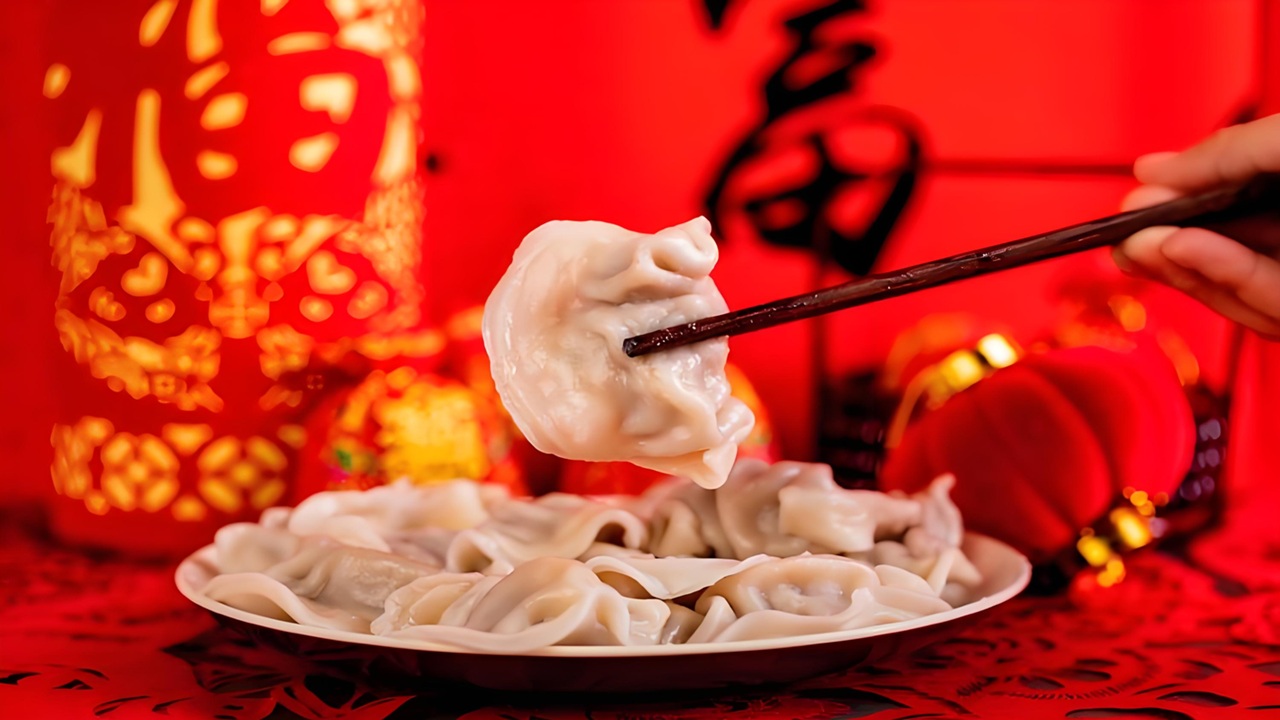
| Dumplings | 饺子 (jiǎozi) | Wealth — shaped like ancient gold ingots |
| Spring rolls | 春卷 (chūnjuǎn) | Prosperity — they resemble gold bars |
| Glutinous rice cake | 年糕 (niángāo) | Rising success — sounds like “higher year by year” |
| Whole chicken | 鸡 (jī) | Good luck — sounds like the word for “auspicious” |
| Longevity noodles | 长寿面 (chángshòu miàn) | Long life — never cut them before eating |
| Tangyuan (rice balls) | 汤圆 (tāngyuán) | Family unity — their round shape symbolizes togetherness |
| Hot pot | 火锅 (huǒguō) | Warmth and togetherness — everyone cooks at the same table |
Important cultural detail: The fish must be served whole — head and tail intact — symbolizing a good beginning and end to the year. Traditionally, the fish is intentionally left partially uneaten. Finishing the fish would be finishing your luck.
Regional differences matter, too. Northern Chinese families almost always serve dumplings, while southern families favor tāngyuán and niángāo. Cantonese tables often include braised mushrooms with black moss (fàcài), because the name sounds like “getting rich.” Sichuan families lean into fiery hot pot and smoked sausages.
Where to Find Reunion Dinners in Major Western Cities
Book early. In cities with large Chinese communities, popular restaurants start taking reunion dinner reservations weeks or even months in advance.
- London: Chinatown restaurants along Gerrard Street and Lisle Street offer special set menus. Try Plum Valley, Shanghai Dalston, or Duddell’s for modern Cantonese feasts.
- San Francisco: The Richmond and Sunset districts are home to countless family-style Chinese restaurants. The famed Chinatown on Grant Avenue also has plenty of options. Arrive by 5 PM on New Year’s Eve.
- Sydney: Haymarket’s Dixon Street has dozens of restaurants ranging from Cantonese barbecue to Sichuan hot pot. Darling Harbour’s 150+ dining options offer waterfront ambiance.
- New York: Flushing, Queens, is considered the most authentic Chinatown for reunion dining in the United States. Manhattan’s Chinatown along Mott Street also fills with festive energy.
Hosting Your Own Reunion Dinner Abroad
If restaurant seats are sold out — or if you prefer the intimacy of cooking at home — hosting your own niányèfàn is deeply meaningful. Many Asian grocery stores stock special New Year ingredients starting in early February: whole fish, dumpling wrappers, niángāo rice cakes, dried red dates, black moss, and dried oysters.
A few customs to keep in mind when hosting:
- Serve at least eight dishes. The number eight sounds like “prosperity” in Mandarin.
- Seat elders first. Younger family members pour tea or drinks as a gesture of respect.
- Avoid unlucky words. Do not mention death, breaking, or loss at the table.
- Keep the fish whole. Do not fillet it before serving.
- Stay up past midnight. The tradition of shǒu suì means welcoming the new year together.
Practical Travel Tips for Chinese New Year’s Eve Abroad in 2026
How Far in Advance Should You Book Flights and Hotels for Chinese New Year?
The Spring Festival travel season — called Chūn Yùn (春运) — is the largest annual human migration on Earth. Hundreds of millions of people travel within China alone, and international flights out of Chinese cities become extremely expensive weeks before the holiday.
According to OAG aviation data, domestic flight capacity in China is nearly 8% higher in February 2026 compared to the previous year. The 2026 Spring Festival holiday is also the longest in history, spanning nine days from February 15–23, making demand even greater than usual.
Booking recommendations:
- Flights: Book three to six months ahead for the best prices. Flights between major Asian cities (Beijing–Bangkok, Shanghai–Singapore, Hong Kong–Taipei) spike dramatically in the two weeks before New Year.
- Hotels: In top destinations like Singapore, Hong Kong, and Taipei, book four to six months in advance. Hotels near parade routes and Chinatown districts fill up fastest.
- Restaurants: Reserve reunion dinner tables at least two to four weeks before New Year’s Eve. Five-star hotel banquet rooms in Shanghai and Hong Kong book up six months ahead.
What to Pack for a Chinese New Year Trip
- Red clothing or accessories. Wearing red is a meaningful gesture that locals appreciate. It symbolizes luck and wards off bad fortune. A red scarf, shirt, or pair of socks is enough.
- Comfortable walking shoes. You will be on your feet for hours at parades, temple fairs, and night markets.
- Layered outfits. February weather varies dramatically: London is cold and damp, Singapore is hot and humid, and Sydney is warm and sunny.
- Power bank. You will be taking more photos than usual.
- Cash and red envelopes. If visiting Chinese friends or attending family gatherings, bring crisp new banknotes in red envelopes as gifts. Even small amounts are a thoughtful gesture.
- Earplugs. Firecrackers and fireworks are integral to the celebration. At the San Francisco parade especially, the noise is intense.
Cultural Etiquette Every Traveler Should Know During the Spring Festival
Chinese New Year is a time of warmth, generosity, and deeply rooted customs. Respecting these traditions will enrich your experience and earn you genuine appreciation from local communities.
Do:
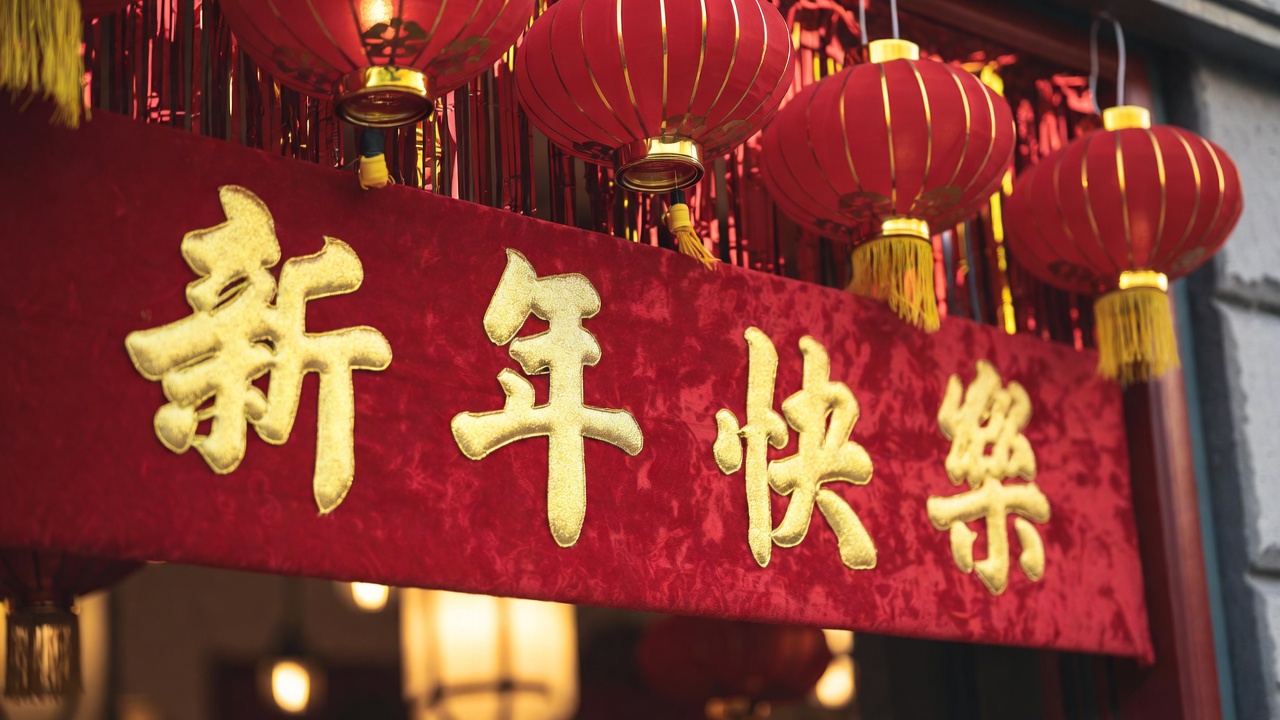
- Say “Xīn Nián Kuài Lè” (新年快乐) — “Happy New Year” in Mandarin. In Cantonese-speaking areas, say “Gōng Hēi Faat Choi” (恭喜发财) — “Wishing you prosperity.”
- Accept red envelopes with both hands and thank the giver. Never open a red envelope in front of the person who gave it to you.
- Wear red. It is a sign of respect and participation in the celebration.
- Compliment the food at reunion dinners. Food is prepared with deep care and intention.
Do not:
- Wear black or white as your primary outfit. Both colors are associated with mourning in Chinese culture.
- Give gifts in sets of four. The number four sounds like “death” in Mandarin. Eight is the luckiest number.
- Break anything. Dropping or breaking dishes on New Year’s Eve is considered a bad omen.
- Sweep the floor on New Year’s Day. Sweeping symbolizes brushing away good fortune. Clean your home before the holiday arrives.
- Discuss death, illness, or bad luck during the celebration. The holiday is a time for optimism and blessings.
How to Experience Chinese New Year’s Eve If You Cannot Travel
Not everyone can hop on a plane. If 2026 finds you at home, here are meaningful ways to connect with the celebration:
Cook a symbolic meal. Even making one or two traditional dishes — a whole steamed fish, a plate of dumplings, or a bowl of tāngyuán — creates a ritual connection to the holiday. Invite friends and explain the meaning behind each dish.
Watch the CCTV Spring Festival Gala. The broadcast is available via the CCTV app and various streaming platforms. It is the world’s most-watched television program each year, and even non-Chinese speakers can enjoy the acrobatics, music, and spectacle.
Decorate your space. Red paper cuttings (jiǎnzhǐ), spring couplets (chūnlián), and lanterns are inexpensive and easy to find at Asian markets. Hanging them transforms your home and signals your respect for the tradition.
Join a local celebration. Many cities with Chinese communities host public events, temple fairs, and cultural workshops around the New Year. Check local community center and cultural association listings.
A Final Word: Celebrating the Year of the Fire Horse With Heart
Chinese New Year’s Eve is, at its core, about one thing: togetherness. The reunion dinner is not really about the food on the table — though the food is magnificent. It is about the people gathered around it. It is about the grandmother who insists you eat more, the uncle who pours one too many glasses of báijiǔ, the children who race for red envelopes at midnight.
The Year of the Fire Horse asks us to be bold. To gallop forward with courage and warmth. Whether you celebrate in a packed restaurant in Singapore, on a sidewalk in San Francisco watching a glowing dragon wind through the night, or quietly at home with a plate of handmade dumplings and a video call to loved ones across the ocean — you are part of a tradition that has endured for more than 4,000 years.
Wherever you find yourself on February 16, 2026, may you welcome the Horse with a full heart, a full table, and the company of people who matter most.
Xīn Nián Kuài Lè. 新年快乐。Gōng Hēi Faat Choi. 恭喜发财。
Happy Year of the Fire Horse.
Have you celebrated Chinese New Year abroad before? Share your favorite memory or travel tip in the comments below. For more global festival guides, explore our archive of cultural travel stories.