A comprehensive guide to the sacred flavors of Tibetan New Year celebrations
When the first rays of dawn pierce through the Himalayan peaks and the scent of juniper smoke fills the crisp mountain air, you know Losar has arrived. This ancient festival marks the beginning of the Tibetan New Year, a celebration that weaves together spirituality, family bonds, and—most importantly for the senses—an extraordinary array of traditional foods. From the golden, crispy towers of khapse to the hearty, soul-warming bowls of guthuk, Losar cuisine tells a story of resilience, faith, and cultural identity passed down through countless generations.
In this comprehensive guide, we journey deep into the heart of Tibetan culinary traditions. Whether you’re a traveler dreaming of experiencing Losar in Lhasa, a food enthusiast eager to expand your repertoire, or someone with Tibetan heritage reconnecting with ancestral recipes, this exploration of traditional Tibetan New Year foods will provide you with authentic insights, detailed recipes, and the cultural context that transforms simple ingredients into sacred offerings.
What Is Losar and Why Is Food Central to the Celebration?
Losar (Tibetan: ལོ་གསར་, pronounced “lo-sar”) translates literally to “New Year” in the Tibetan language. This festival typically falls between late January and early March, determined by the lunisolar Tibetan calendar. The celebration spans fifteen days, with the first three days holding the greatest significance for family gatherings and ceremonial feasting.
Food plays a central role in Losar for several profound reasons:
| Aspect | Significance |
|---|---|
| Spiritual Offering | Foods are prepared as offerings to deities and ancestors |
| Purification | Certain dishes symbolize cleansing negativity from the past year |
| Abundance | Plentiful food represents hopes for prosperity in the coming year |
| Family Unity | Cooking and eating together strengthens familial bonds |
| Cultural Preservation | Traditional recipes maintain connection to ancestral heritage |
The preparation of Losar foods begins weeks in advance. Families clean their homes thoroughly, settle debts, and stock kitchens with the finest ingredients available. This period of preparation, called Gutor, culminates on the 29th day of the 12th Tibetan month with the serving of guthuk, a ritual soup that serves as both nourishment and divination.
The History and Origins of Tibetan New Year Food Traditions
To truly understand Losar cuisine, one must appreciate its historical roots. The traditions surrounding Tibetan New Year foods stretch back over 2,000 years, predating the arrival of Buddhism in Tibet. Early Losar celebrations were tied to the agricultural calendar, marking the end of winter and the approaching planting season.
Pre-Buddhist Origins of Losar Feasting
Before Buddhism’s arrival in the 7th century CE, Tibetans followed the indigenous Bön religion. Bön practitioners held ceremonies during the winter months that involved burning incense, making food offerings, and performing rituals to appease local spirits. Many of these practices seamlessly integrated into Buddhist Losar celebrations.
The tradition of frying dough—the ancestor of modern khapse—likely originated from the need to preserve food during harsh winters. Fried goods keep longer than other preparations, making them practical for a celebration that spans multiple weeks.
Buddhist Influence on Losar Foods
When Buddhism took root in Tibet during the reign of King Songtsen Gampo, new symbolic meanings were layered onto existing food traditions. The act of making khapse became associated with creating auspicious offerings for the Three Jewels (Buddha, Dharma, and Sangha). The shapes of khapse evolved to represent Buddhist symbols: ears of donkeys (representing patience), braids (symbolizing interconnection), and lotus flowers (representing purity).
Guthuk, the special Losar Eve soup, gained its divination aspect through Buddhist influence. The practice of hiding symbolic items in dumplings reflects the Buddhist teaching that our actions create our future experiences—quite literally, what you find in your dumpling predicts your coming year.
Understanding the Tibetan New Year Food Calendar
The Losar celebration follows a specific culinary timeline. Each day has its traditional foods and their associated meanings.
Pre-Losar Preparations (Days Before New Year)
Weeks Before: Families begin drying meat (often yak or mutton), gathering butter, and sourcing the finest barley flour (tsampa).
Days Before: Khapse frying begins. The kitchen becomes a workshop where multiple generations collaborate.
29th Day (Gutor): The day of guthuk. Homes are thoroughly cleaned, and the ritual soup is served at sunset.
30th Day (New Year’s Eve): Final preparations. Special altar displays called chema boxes are assembled with roasted barley and butter sculptures.
The Three Principal Days of Losar
| Day | Name | Traditional Foods |
|---|---|---|
| Day 1 | Lama Losar | Dresil (sweet rice), butter tea, khapse, special offerings to lamas |
| Day 2 | Gyalpo Losar | Meat dishes, momos, celebratory meals with extended family |
| Day 3 | Chokyong Losar | Community feasts, chang (barley beer), outdoor celebrations |
Khapse Recipe: How to Make Traditional Tibetan Fried Pastries
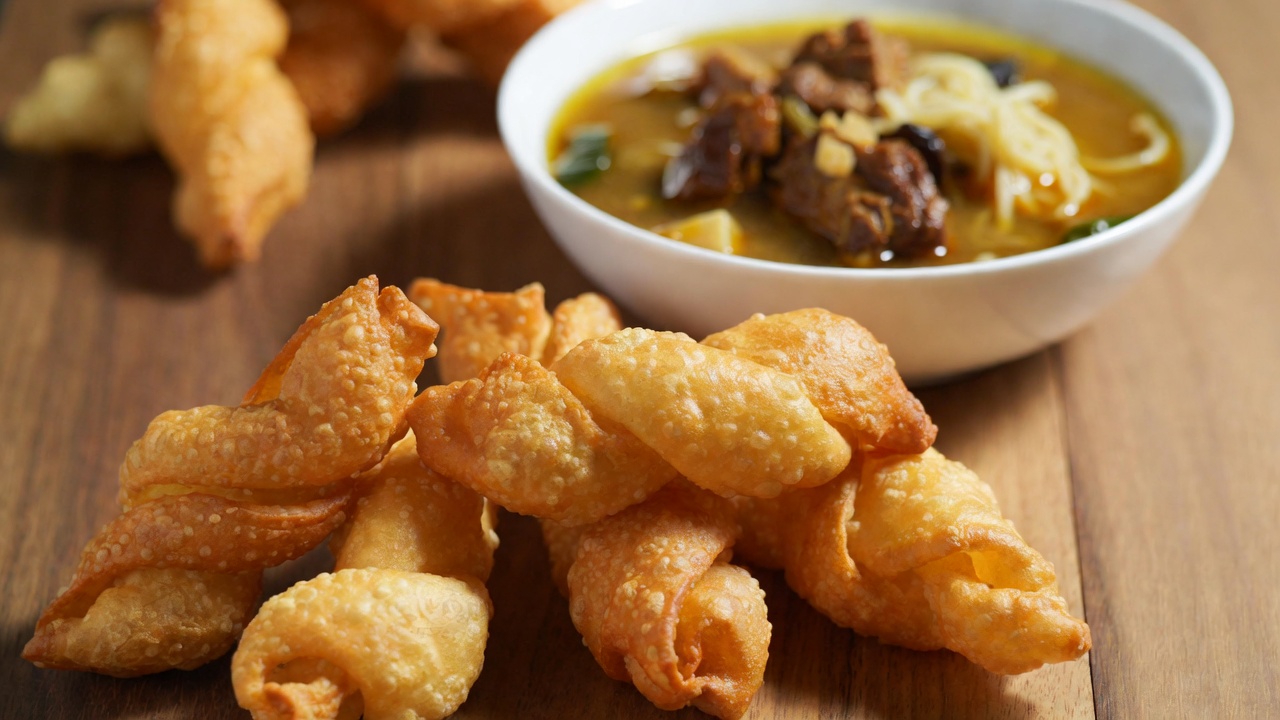
No Losar celebration is complete without khapse (Tibetan: ཁ་ཟས་). These golden, crispy fried pastries are both decorative and delicious, serving as offerings on household altars and treats for visiting guests. The name literally means “mouth food” or “food for the mouth,” emphasizing their role as a welcoming gift.
The Cultural Significance of Khapse in Tibetan Tradition
Khapse holds deep cultural importance in Tibetan society. The preparation of these pastries is considered a sacred act, traditionally undertaken by women in the household. The process begins days before Losar, with families producing hundreds—sometimes thousands—of pieces.
Different shapes carry different meanings:
- Donkey Ears (Bongmo): Represent patience and perseverance
- Braids (Drukpa): Symbolize interconnection and community
- Round Shapes: Represent the wheel of dharma
- Flower Shapes: Signify prosperity and growth
- Long Twisted Pieces: Represent longevity
The largest pieces, called amdo khapse or great khapse, can measure over a foot in length. These impressive pastries form the base of altar displays, stacked in towers that can reach several feet high.
Traditional Khapse Recipe: Authentic Tibetan Fried Cookies
This recipe produces the classic medium khapse suitable for both display and eating.
Yield: Approximately 50 pieces
Preparation Time: 1 hour plus resting
Cooking Time: 45 minutes
Ingredients for Authentic Khapse
| Ingredient | Amount | Notes |
|---|---|---|
| All-purpose flour | 4 cups | Can substitute half with whole wheat |
| Butter | ½ cup | Yak butter is traditional; use unsalted |
| Sugar | ⅓ cup | Adjust to taste |
| Eggs | 3 large | Room temperature |
| Baking powder | 1 teaspoon | For lighter texture |
| Milk | ¾ cup | Warm |
| Salt | ½ teaspoon | |
| Vegetable oil | For frying | Mustard oil is traditional |
Step-by-Step Khapse Instructions
Step 1: Prepare the Dough Base
Melt the butter gently over low heat. Do not allow it to brown. Set aside to cool slightly.
In a large mixing bowl, combine the flour, sugar, baking powder, and salt. Create a well in the center of the dry ingredients.
Step 2: Combine Wet Ingredients
Beat the eggs in a separate bowl. Add the warm milk and melted butter to the eggs. Whisk until uniform.
Pour the wet mixture into the flour well. Using your hands or a wooden spoon, gradually incorporate the flour from the edges into the center.
Step 3: Knead the Dough
Once the mixture comes together, turn it onto a lightly floured surface. Knead for 8-10 minutes until the dough becomes smooth and elastic. The texture should be firm but pliable.
Important: The dough consistency is critical for good khapse. If too soft, the pastries will absorb excess oil. If too hard, they will be tough and difficult to shape.
Step 4: Rest the Dough
Form the dough into a ball. Cover with a damp cloth or plastic wrap. Allow to rest at room temperature for at least 30 minutes. This resting period relaxes the gluten and makes rolling easier.
Step 5: Roll and Shape
Divide the dough into portions. Roll each portion to approximately ⅛ inch thickness.
For the classic bongmo (donkey ear) shape:
- Cut rectangles approximately 2 inches by 4 inches
- Make a 1-inch slit in the center
- Pull one end through the slit to create the twisted “ear” shape
For braided khapse:
- Cut three thin strips of equal length
- Pinch together at one end
- Braid loosely
- Pinch the other end to secure
Step 6: Fry to Golden Perfection
Heat oil in a deep pan or wok to 325°F (160°C). The temperature is crucial—too hot and the outside burns before the inside cooks; too cool and the khapse becomes greasy.
Test with a small piece of dough. It should sink briefly, then rise to the surface and bubble steadily.
Fry khapse in batches, 3-4 pieces at a time. Turn frequently for even browning. Total frying time is approximately 3-4 minutes per batch.
Remove with a slotted spoon. Drain on paper towels or a wire rack.
Step 7: Cool and Store
Allow khapse to cool completely before storing. Properly fried khapse will stay fresh for 2-3 weeks in an airtight container at room temperature.
Tips for Perfect Khapse Every Time
- Butter Quality Matters: In Tibet, yak butter gives khapse its distinctive flavor. Look for high-fat European-style butter if yak butter is unavailable.
- Oil Temperature: Use a thermometer. Consistent temperature produces consistent results.
- Altitude Adjustments: At high elevations, reduce baking powder slightly and fry at a lower temperature.
- Family Tradition: Every Tibetan family has its own khapse recipe variations. These differences are treasured and passed down through generations.
Guthuk Recipe: The Sacred Tibetan New Year Soup with Hidden Fortunes
Guthuk (Tibetan: དགུ་ཐུག) is perhaps the most spiritually significant food of Losar. Served on the 29th day of the 12th month (Gutor), this thick soup contains dumplings with hidden items that foretell each diner’s fortune for the coming year.
The Meaning and Ritual Behind Guthuk
The word “guthuk” combines “gu” (nine) and “thuk” (noodle soup). The nine refers to the traditional inclusion of nine different ingredients, representing the abundance and variety of life. Beyond its nutritional value, guthuk serves as a tool for spiritual cleansing and divination.
The ritual of eating guthuk follows a specific pattern:
- Family gathers at sunset on the 29th day
- The eldest serves from a communal pot
- Each person receives dumplings containing hidden items
- Items are revealed with much laughter and discussion
- Leftover guthuk is set aside for offering to spirits
- A small portion is thrown outside to symbolically cast away negativity
Traditional Items Hidden in Guthuk Dumplings
| Item | Material | Meaning |
|---|---|---|
| Sun | Dough shaped like sun | Brings prosperity and success |
| Moon | Crescent of dough | Brings fame and recognition |
| Chili pepper | Dried chili | Sharp-tongued, speaks too freely |
| Salt | Rock salt | Lazy person |
| Wool | Small tuft | Kind-hearted, gentle spirit |
| Coal | Small piece of charcoal | Black-hearted, need for self-reflection |
| Paper/White cloth | Small piece | Pure heart, spiritual nature |
| Stone | Pebble | Steady, reliable character |
| Cotton | Small ball | Good fortune approaching |
The genius of this tradition lies in its approach. Even “negative” fortunes are received with laughter rather than dismay. The person who finds coal, for example, becomes the subject of good-natured teasing. This communal acknowledgment of human imperfection creates space for self-reflection without shame.
Authentic Guthuk Recipe: Tibetan New Year Dumpling Soup
This recipe serves a family of 6-8 people.
Preparation Time: 2 hours
Cooking Time: 1 hour
Guthuk Ingredients List
For the Soup Base:
| Ingredient | Amount | Notes |
|---|---|---|
| Mutton or beef bones | 2 pounds | Yak bones are traditional |
| Water | 12 cups | |
| Dried radish | 1 cup | Rehydrate before using |
| Dried meat | 1 cup | Or fresh meat, cubed |
| Dried cheese curds | ½ cup | Tibetan churpi if available |
| Barley | ½ cup | Whole grain |
| Dried peas | ½ cup | |
| Wheat berries | ½ cup | |
| Garlic | 6 cloves | Minced |
| Ginger | 2-inch piece | Sliced |
| Salt | To taste |
For the Dumplings (Fortune Dumplings):
| Ingredient | Amount |
|---|---|
| Whole wheat flour | 2 cups |
| Water | ¾ cup |
| Salt | Pinch |
Hidden Items: Prepare small, food-safe versions of traditional fortune items. Modern families often use shaped dough pieces instead of actual objects for safety.
Step-by-Step Guthuk Preparation
Part 1: Making the Rich Broth
The foundation of good guthuk is a deeply flavorful broth. This cannot be rushed.
Morning of Gutor:
Place bones in a large stockpot. Cover with cold water. Bring to a boil over high heat. Skim foam that rises to the surface for the first 15 minutes.
Reduce heat to low. Add ginger and half the garlic. Simmer for minimum 3 hours. A longer simmer produces richer flavor.
Part 2: Preparing the Nine Ingredients
While the broth simmers, prepare the additional ingredients.
Rinse and soak barley, wheat berries, and dried peas in separate bowls. These need at least 2 hours of soaking.
Rehydrate dried radish in warm water. Cut dried meat into bite-sized pieces if using whole pieces.
Part 3: Making Fortune Dumplings
This is the heart of guthuk preparation. Traditionally, making the fortune dumplings is a family activity.
Combine flour and salt in a bowl. Add water gradually, mixing until a firm dough forms. Knead for 5 minutes until smooth.
Divide dough into small portions. Shape some into simple dumplings (no filling). Shape others around hidden items. Make the fortune dumplings slightly larger so they’re distinguishable.
Important: Wrap each hidden item completely. The goal is surprise upon biting.
Part 4: Assembling the Guthuk
Three hours before serving:
Strain the broth through a fine mesh strainer. Return clear broth to the pot.
Add soaked grains and peas. Bring to a boil, then reduce to a steady simmer.
One hour before serving:
Add dried meat, dried radish, and remaining garlic. Continue simmering.
Thirty minutes before serving:
Add dried cheese curds. These add a distinctive tangy, chewy element.
Fifteen minutes before serving:
Gently add dumplings to the simmering soup. Do not boil vigorously—this can cause dumplings to fall apart.
Dumplings are cooked when they float to the surface, approximately 8-10 minutes.
Season with salt to taste.
Part 5: The Guthuk Serving Ritual
Guthuk should be served in a specific ritualistic manner:
- The family assembles in the main room
- The eldest member serves from the pot using a long-handled ladle
- Each bowl should contain broth, grains, vegetables, and dumplings
- Fortune dumplings are distributed, one per person
- Everyone waits until all are served before eating
- As each person discovers their fortune, they announce it to the group
- After the meal, a small portion is set aside in a bowl with a small candle for offering
Dresil Recipe: How to Make Tibetan Sweet Rice for New Year
Dresil (Tibetan: འབྲས་སིལ་), also known as desi or dre-si, is a beloved Tibetan sweet rice dish that appears at celebrations throughout the year but holds special significance during Losar. This golden, glistening dish combines rice with butter, sugar, and dried fruits—a combination that symbolizes the sweetness of the coming year.
The Symbolism of Dresil in Tibetan Culture
Dresil represents abundance and prosperity. The golden color, achieved through generous amounts of butter, echoes the prayer flags and butter sculptures adorning Tibetan altars. Each ingredient carries meaning:
- Rice: Represents fundamental nourishment and life
- Butter: Symbolizes richness and the sacred (butter lamps are central to Tibetan Buddhism)
- Dried fruits: Represent the preservation of goodness through difficult times
- Sugar: Ensures the coming year holds sweetness
Serving dresil is an act of generosity and blessing. Guests offered dresil are receiving wishes for their prosperity and happiness.
Traditional Dresil Recipe: Authentic Tibetan Sweet Rice
Yield: 8 servings
Preparation Time: 30 minutes
Cooking Time: 45 minutes
Dresil Ingredients
| Ingredient | Amount | Notes |
|---|---|---|
| Basmati or long-grain white rice | 2 cups | Rinsed thoroughly |
| Water | 3 cups | |
| Butter | 1 cup | Yak butter preferred; clarified butter (ghee) works well |
| Brown sugar | ¾ cup | Or traditional Tibetan sugar |
| Golden raisins | ½ cup | |
| Dates | ½ cup | Pitted and chopped |
| Dried apricots | ¼ cup | Chopped |
| Cashews | ¼ cup | Roughly chopped |
| Saffron threads | Pinch | Optional, for color and aroma |
| Salt | ¼ teaspoon |
Step-by-Step Dresil Instructions
Step 1: Prepare the Rice
Rinse rice under cold water until water runs clear. This removes excess starch and prevents the final dish from becoming gummy.
Soak rice in cold water for 15 minutes. Drain thoroughly.
Step 2: Cook the Rice
Bring 3 cups of water to a boil in a heavy-bottomed pot. Add salt and drained rice. Stir once.
Return to boil, then immediately reduce heat to lowest setting. Cover tightly.
Cook for 18-20 minutes without lifting the lid. Rice should be just cooked, not mushy.
Remove from heat. Keep covered and let steam for 5 additional minutes.
Step 3: Prepare the Butter Mixture
While rice cooks, melt butter in a large, deep skillet over medium-low heat.
If using saffron, add threads to butter and let steep for 2 minutes.
Add sugar to melted butter. Stir until sugar dissolves completely. The mixture should be golden and fragrant.
Step 4: Combine Rice and Butter
Add cooked rice to the butter-sugar mixture. Fold gently—do not stir vigorously.
Continue cooking over low heat, folding occasionally, for 10 minutes. The rice should absorb the butter and take on a golden hue.
Step 5: Add Dried Fruits and Nuts
Add raisins, dates, apricots, and cashews to the rice. Fold to distribute evenly.
Continue cooking for an additional 5 minutes. The dried fruits should plump slightly from the heat and moisture.
Step 6: Serve with Blessings
Transfer dresil to a serving dish. Traditional presentation mounds the rice in the center of a platter.
Top with additional cashews or a pat of butter if desired.
Serve warm. Dresil is often the first food tasted on Losar morning.
Dresil Variations Across Tibetan Regions
Different regions of Tibet have their own dresil traditions:
Amdo Region: Tends toward a less sweet preparation, often adding yogurt on the side.
Kham Region: May include additional nuts like almonds and walnuts.
Central Tibet (Ü-Tsang): The sweetest versions, sometimes including honey alongside sugar.
Exile Communities: Adapt recipes based on locally available ingredients, incorporating innovations like dried cranberries or maple syrup while maintaining the dish’s essential character.
Po Cha Recipe: Authentic Tibetan Butter Tea for New Year
No discussion of traditional Tibetan New Year foods would be complete without po cha (Tibetan: བོད་ཇ་), the iconic butter tea that fuels life across the Tibetan plateau. During Losar, po cha flows continuously, welcoming guests and warming family gatherings.
Understanding the Role of Butter Tea in Tibetan Life
Butter tea is not merely a beverage in Tibetan culture—it is a fundamental necessity for survival at high altitude. The combination of black tea, yak butter, and salt provides:
- Calories needed in a cold climate
- Hydration without the diuretic effect of plain tea
- Fat that prevents lips from cracking in dry mountain air
- Salt to maintain electrolyte balance
During Losar, butter tea takes on additional significance. Offering butter tea to guests demonstrates hospitality and respect. Refusing or not finishing a cup can cause offense—proper etiquette involves sipping continuously while the host refills your cup.
Traditional Po Cha Recipe: Tibetan Butter Tea
This recipe produces approximately 4 cups of authentic butter tea.
Preparation Time: 10 minutes
Cooking Time: 20 minutes
Butter Tea Ingredients
| Ingredient | Amount | Notes |
|---|---|---|
| Pu-erh tea or strong black tea | 4 cups strongly brewed | Brick tea is traditional |
| Yak butter | 4 tablespoons | Or high-quality unsalted butter |
| Salt | ½ teaspoon | Adjust to taste |
| Milk | ¼ cup | Optional; traditionally omitted |
Preparing Authentic Butter Tea
Step 1: Brew Strong Tea
Traditional method: Break off a piece of compressed tea brick. Boil in water for 15-20 minutes to extract maximum flavor.
Alternative: Brew 4 bags of pu-erh or strong black tea in 4 cups of boiling water for 10 minutes.
Step 2: Churn the Tea
Traditionally, Tibetans use a long wooden churn called a chandong to blend butter tea. The vigorous churning action emulsifies the butter into the tea.
Modern alternative: Transfer hot tea to a blender. Add butter and salt. Blend on high for 2-3 minutes until frothy and well combined.
Step 3: Serve Hot
Pour into a thermos to keep warm throughout serving.
Serve in traditional Tibetan bowls or small cups.
Important: Butter tea separates quickly if not kept hot or not properly churned. Serve immediately or keep in an insulated container.
Tips for Enjoying Butter Tea Like a Tibetan
- Never let your cup empty completely. Your host will continually refill it.
- Take small sips. This is not a beverage to gulp.
- Expect the taste to grow on you. Many visitors find butter tea unusual at first, then crave it upon leaving Tibet.
- During Losar, accept every offered cup. It carries blessings for the new year.
Chang and Chhaang: Traditional Tibetan Alcoholic Beverages for Losar Celebrations
While butter tea flows throughout Losar, the evenings and community celebrations call for something stronger: chang (Tibetan: ཆང་), the traditional Tibetan barley beer. This mildly alcoholic beverage has been brewed in the Himalayas for centuries.
The Cultural Importance of Chang During Tibetan New Year
Chang holds a complex position in Tibetan culture. While Buddhism discourages intoxication, moderate consumption of chang during festivals is widely accepted. During Losar, chang appears at:
- Evening gatherings after the first day’s religious observances
- Community celebrations featuring singing and dancing
- Offerings to certain protector deities who accept alcohol
- Horseback riding events and archery competitions
The brewing of chang was traditionally women’s domain. A woman’s skill in brewing reflected her household management abilities and was a point of pride.
Simple Chang Recipe: Tibetan Barley Beer
Note: This is a simplified version suitable for home brewers. Traditional chang requires specific starters not easily available outside Tibet.
Fermentation Time: 7-10 days
Chang Ingredients
| Ingredient | Amount |
|---|---|
| Hulled barley | 4 cups |
| Water | 8 cups |
| Yeast (wine or beer yeast) | 1 packet |
| Sugar | ½ cup (optional, for stronger chang) |
Chang Brewing Instructions
Day 1: Rinse barley thoroughly. Cook in water until soft but not mushy, approximately 45 minutes. Drain and spread on a clean cloth to cool to room temperature.
When Cooled: Sprinkle yeast evenly over barley. Mix gently. Transfer to a clean glass or ceramic container.
Days 2-7: Cover loosely with cloth. Store in a warm location (70-80°F). The mixture will begin to bubble as fermentation occurs.
Day 7-10: When bubbling slows, fermentation is complete. Add water to cover barley. Let sit overnight.
To Serve: Strain liquid through fine mesh. The resulting beverage should be mildly alcoholic, slightly sour, and cloudy.
Traditionally, hot water is added to the fermented grain multiple times. Each subsequent batch is weaker than the last.
Sha Phaley and Momos: Savory Tibetan New Year Recipes
Beyond the sweet khapse and ritual guthuk, Losar tables feature an array of savory dishes. Two of the most popular are sha phaley (meat-stuffed fried bread) and momos (dumplings).
Sha Phaley Recipe: Tibetan Meat-Stuffed Bread
Sha phaley literally means “meat bread” in Tibetan. These half-moon-shaped, meat-filled pockets are pan-fried until golden and crispy.
Yield: About 16 pieces
Preparation Time: 45 minutes
Cooking Time: 30 minutes
Sha Phaley Ingredients
For the Dough:
- 3 cups all-purpose flour
- 1 cup warm water
- ½ teaspoon salt
For the Filling:
- 1 pound ground beef or yak meat
- 1 medium onion, finely minced
- 4 cloves garlic, minced
- 1-inch ginger, minced
- 2 green onions, chopped
- 2 tablespoons soy sauce
- 1 teaspoon Sichuan peppercorns, ground
- Salt and black pepper to taste
- 2 tablespoons vegetable oil
Sha Phaley Preparation Steps
Make the Dough: Combine flour and salt. Add warm water gradually, mixing until dough forms. Knead for 8 minutes until smooth. Cover and rest for 20 minutes.
Prepare the Filling: Mix all filling ingredients in a bowl. The filling should be well-seasoned but not wet.
Assemble: Divide dough into 16 portions. Roll each into a 5-inch circle. Place 2-3 tablespoons of filling on one half. Fold over to create half-moon shape. Seal edges by pressing with a fork.
Cook: Heat a heavy skillet with 2 tablespoons oil over medium heat. Place sha phaley in pan. Cook for 4-5 minutes per side until golden brown and crispy. Filling should be cooked through—internal temperature of 160°F.
Traditional Momo Recipe: Tibetan Dumplings
Momos are the beloved dumplings of the Himalayas. During Losar, families often gather to make momos together, turning the preparation into a social event.
Yield: About 40 momos
Preparation Time: 1 hour
Cooking Time: 20 minutes per batch
Momo Dough Ingredients
| Ingredient | Amount |
|---|---|
| All-purpose flour | 3 cups |
| Water | 1¼ cups |
| Salt | Pinch |
Momo Filling (Meat Version)
| Ingredient | Amount |
|---|---|
| Ground lamb, beef, or yak | 1 pound |
| Onion | 1 large, minced |
| Garlic | 4 cloves, minced |
| Ginger | 1 tablespoon, grated |
| Cilantro | ½ cup, chopped |
| Cumin | 1 teaspoon |
| Soy sauce | 2 tablespoons |
| Vegetable oil | 1 tablespoon |
| Salt and pepper | To taste |
Momo Dipping Sauce (Sepen)
| Ingredient | Amount |
|---|---|
| Tomatoes | 3 medium, roasted |
| Fresh chilies | 2-3, to taste |
| Garlic | 3 cloves |
| Cilantro | ¼ cup |
| Salt | To taste |
| Water | 2 tablespoons |
Blend all sauce ingredients until smooth. Adjust heat and salt to preference.
How to Fold Momos
Traditional momo folding creates pleated edges that hold the dumplings closed while steaming.
- Roll dough portion into a thin 3-inch circle, edges thinner than center
- Place 1 tablespoon filling in center
- Hold dumpling in non-dominant hand
- Using thumb and forefinger of dominant hand, pinch and pleat edge in one direction
- Continue pleating around the circumference
- Twist pleated edges together at top to seal
Cooking Momos: Traditional bamboo steamers work best. Line steamer with cabbage leaves or parchment to prevent sticking.
Steam over boiling water for 15-18 minutes. Momos are done when dough is translucent and filling is cooked through.
Creating an Authentic Losar Altar Food Display
The visual presentation of Losar foods is as important as their taste. A properly arranged altar display brings blessings to the household and honors guests.
Traditional Chema Box Arrangement
The chema (Tibetan: ཕྱེ་མར་) is a two-compartment offering box central to Losar celebrations.
Left compartment: Roasted barley flour (tsampa) molded into a peak Right compartment: Roasted barley grains
Decoration: Both sides are decorated with:
- Colored butter sculptures
- Wheat stalks
- Small flowers or ornaments
- Prayer flags or colorful ribbons
Ritual use: Guests pick up a pinch from each side and toss it into the air three times while saying “Tashi Delek” (good fortune) before placing a pinch to their lips.
Khapse Tower Display
Creating an impressive khapse tower requires planning:
Base layer: Large, sturdy pieces (amdo khapse) Middle layers: Medium pieces, gradually decreasing in size Top layers: Small, decorative pieces Peak: Often a butter sculpture or special ornament
The tower should be symmetrical and stable. Some families create towers over three feet tall, begun weeks before Losar.
Complete Losar Table Setting
| Item | Placement | Purpose |
|---|---|---|
| Khapse tower | Center of altar | Primary offering and decoration |
| Chema box | In front of khapse | Guest greeting ritual |
| Dresil | Serving area | First food of the new year |
| Butter tea | Always available | Continuous hospitality |
| Fresh fruits | Around offerings | Additional offerings |
| Incense burner | Near altar | Purification |
| Butter lamps | Throughout room | Sacred illumination |
Modern Adaptations of Traditional Tibetan New Year Foods
As Tibetan communities spread across the globe, traditional Losar recipes have adapted to new ingredients and circumstances while maintaining their essential character.
Adapting Khapse for Dietary Restrictions
Vegan Khapse:
- Replace butter with coconut oil or vegan butter
- Use plant-based milk
- Replace eggs with flax eggs (1 tablespoon ground flax + 3 tablespoons water per egg)
Gluten-Free Khapse:
- Use a blend of rice flour and tapioca starch
- Add xanthan gum for binding
- Note: texture will differ from traditional version
Ingredient Substitutions for Western Kitchens
| Traditional Ingredient | Substitute | Notes |
|---|---|---|
| Yak butter | European-style high-fat butter | Closest in flavor and fat content |
| Yak meat | Grass-fed beef or lamb | Similar flavor profile |
| Tsampa | Barley flour, toasted | Toast regular barley flour in dry pan |
| Tibetan cheese curds | Paneer, cut small | Texture similar, flavor milder |
| Brick tea | Strong pu-erh tea | Most similar in character |
| Dried yak meat | Beef jerky, homemade | Avoid sweet commercial varieties |
Preserving Tradition While Embracing Innovation
Tibetan families in the diaspora face the challenge of maintaining traditions without access to traditional ingredients. Many have found creative solutions:
- Community bulk orders: Groups organize imports of specialty items like Tibetan butter tea and dried cheese
- Local Asian markets: Often stock pu-erh tea, Sichuan peppercorns, and other key ingredients
- Growing communities: Creating demand for traditional products in Western cities
- Online recipes and videos: Elders sharing traditional techniques with younger generations worldwide
The key principle remains: the spirit of the celebration matters more than perfect ingredient authenticity. A family making khapse with store-bought butter while sharing stories of Tibet maintains the tradition’s heart.
Planning Your Losar Celebration Menu: A Complete Guide
Whether you’re hosting a full Tibetan New Year celebration or simply incorporating some traditional dishes into your holiday cooking, this planning guide will help you organize your efforts.
Two Weeks Before Losar
- Secure specialty ingredients: Order any items not available locally
- Check equipment: Ensure you have adequate frying vessels, steaming equipment
- Begin planning khapse quantities: A typical family altar needs 200+ pieces
One Week Before Losar
- Make dried meat if using: Requires several days to cure properly
- Clean cooking space thoroughly: Part of the Gutor purification tradition
- Organize recipes and divide tasks: Assign dishes to different family members
Three Days Before Losar
- Begin khapse production: Large quantities require multiple days
- Soak grains for guthuk: Some grains benefit from extended soaking
- Prepare chema box: Roast and prepare barley flour and grains
Day Before Losar (29th Day – Gutor)
| Time | Activity |
|---|---|
| Morning | Begin guthuk broth |
| Midday | Prepare dumplings with hidden items |
| Afternoon | Final house cleaning |
| Evening | Serve guthuk at sunset; perform purification rituals |
Losar Day Menu Plan
Morning:
- Butter tea (begin heating first thing)
- Dresil (prepare fresh or warm previously made)
- Chema ritual with guests
Midday:
- Khapse for snacking
- Additional butter tea
- Light snacks for visiting guests
Evening:
- Full meal featuring:
- Sha phaley or momos
- Meat dishes
- Rice or noodles
- Chang for adult guests
Frequently Asked Questions About Losar Foods and Recipes
What is the most important food during Tibetan New Year?
Khapse is arguably the most important Losar food because it serves both as an offering and as a gift for guests. Every Tibetan household prepares khapse, and the towers of golden pastries are the visual centerpiece of Losar celebrations. However, guthuk holds the most ritual significance as the dish that closes the old year and provides fortune-telling for the new.
Can I make Losar foods if I’m not Tibetan?
Absolutely. Sharing in another culture’s culinary traditions is a form of respect and connection. Many Tibetan teachers and community leaders encourage cultural exchange. Approach the recipes with respect, learn about their significance, and your efforts honor the tradition.
How far in advance can I make khapse?
Properly fried khapse keeps for 2-4 weeks in an airtight container at room temperature. This extended shelf life is one reason the tradition developed—families could prepare khapse well before the busy celebration days.
Is butter tea an acquired taste?
Yes, for most non-Tibetans. The combination of salt, fat, and strong tea is unfamiliar to many palates. Start with a smaller amount of butter and build up as your taste adapts. Many travelers who initially dislike butter tea come to crave it.
What if I can’t find yak butter?
High-quality European-style butter (with 82-85% fat content) is the best substitute. Clarified butter (ghee) also works well, particularly for cooking. Regular American butter can be used but has higher water content and lower fat, producing slightly different results.
Are there vegetarian options for Losar?
Yes. While many traditional Losar dishes contain meat, vegetarian versions exist:
- Vegetable momos are common and delicious
- Dresil is naturally vegetarian
- Khapse contains no meat
- Guthuk can be made with vegetable broth and vegetable-filled dumplings
How do Tibetans in exile celebrate Losar today?
Tibetan exile communities worldwide maintain Losar traditions as a vital connection to their homeland. Cities with significant Tibetan populations—Dharamsala, Kathmandu, New York, Toronto—host community celebrations with traditional foods, performances, and religious ceremonies. Families preserve recipes passed down through generations, adapting as necessary while maintaining essential elements.
The Spiritual Dimension of Tibetan New Year Cuisine
Beyond nutrition and celebration, Losar foods carry profound spiritual meaning. Every dish, every ingredient, every act of preparation and sharing connects to Buddhist teachings and Tibetan worldview.
Food as Offering (Torma)
Tibetan Buddhism teaches that offering food to enlightened beings generates merit. During Losar, elaborate torma (sculpted offering cakes) are created from tsampa and butter. While these aren’t meant for eating, they represent the same impulse that shapes all Losar food preparation: creating beauty and goodness to offer beyond oneself.
The Practice of Generosity (Dana)
The Buddhist virtue of generosity, or dana, is expressed throughout Losar through food. Families prepare far more than they could consume themselves, explicitly intending to feed guests, monks, and those in need. This generous overflow is not accidental—it’s the point.
Mindfulness in Cooking
Traditional Tibetan cooks approach their work as a form of meditation. Each action—kneading dough, watching oil temperature, folding dumplings—becomes an opportunity for presence and attention. This meditative approach is believed to infuse the food itself with positive energy.
Community and Interdependence
Losar foods ultimately express the Buddhist teaching of interdependence. No dish is made in isolation. The butter came from yaks tended by herders. The flour came from barley grown by farmers. The recipe came from grandmothers now passed on. Every bite connects us to countless beings across space and time.
Conclusion: Bringing the Flavors of Losar into Your Home
The foods of Tibetan New Year offer far more than sustenance—they offer entry into one of the world’s most profound and resilient cultures. From the first golden khapse emerging from hot oil to the last sip of butter tea shared with friends, Losar cuisine invites participation in a celebration that has sustained the Tibetan people through centuries of challenge and change.
Whether you attempt a single recipe or prepare a full Losar feast, you join a tradition of making sacred that which nourishes body and spirit alike. The recipes in this guide represent generations of knowledge, passed from hand to hand in kitchens across the Himalayan highlands and, now, around the world.
As Tibetans say when raising a cup of chang or offering a plate of khapse: Tashi Delek—may all auspicious signs come to pass. May your cooking bring you joy, may your table bring you together with those you love, and may the coming year be filled with the sweetness of dresil and the warmth of butter tea.
Looking to learn more about Tibetan culture and traditions? The Tibet Heritage Fund works to preserve traditional Tibetan architecture and cultural practices. For authentic recipes and cooking instruction, Tibetan cooking classes are offered in Dharamsala and Kathmandu for visitors wishing to learn firsthand from Tibetan families.