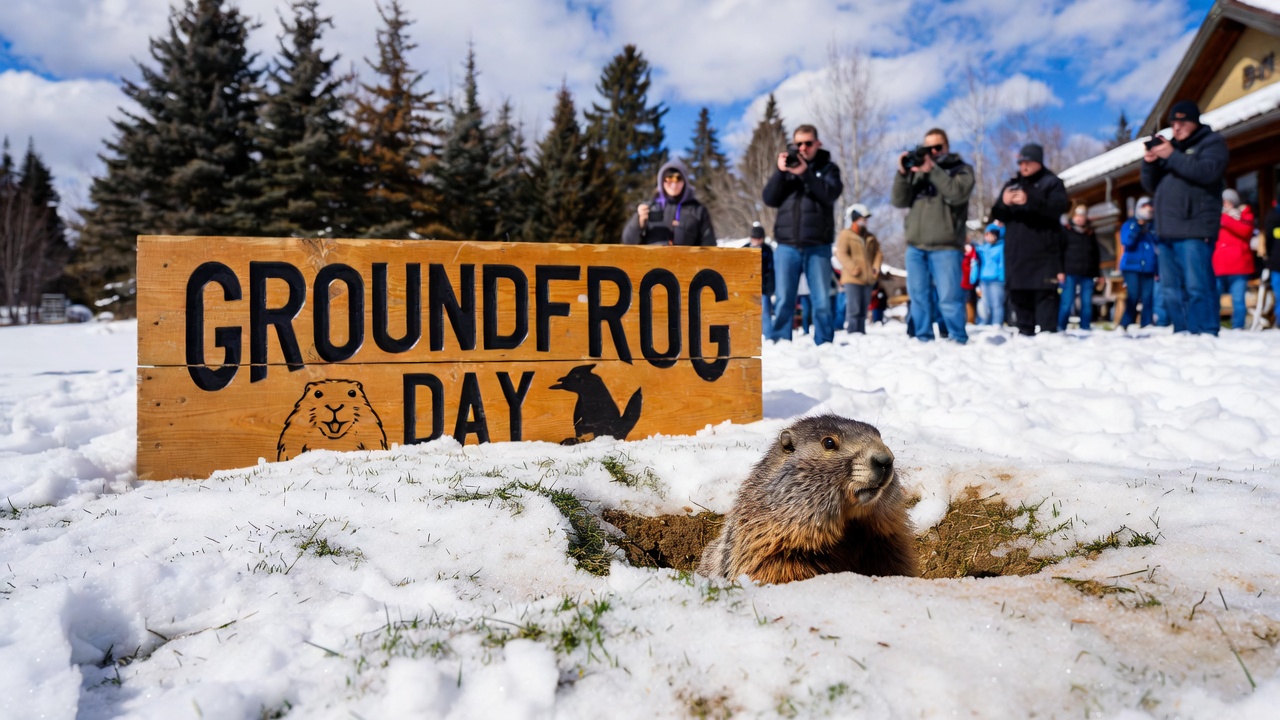
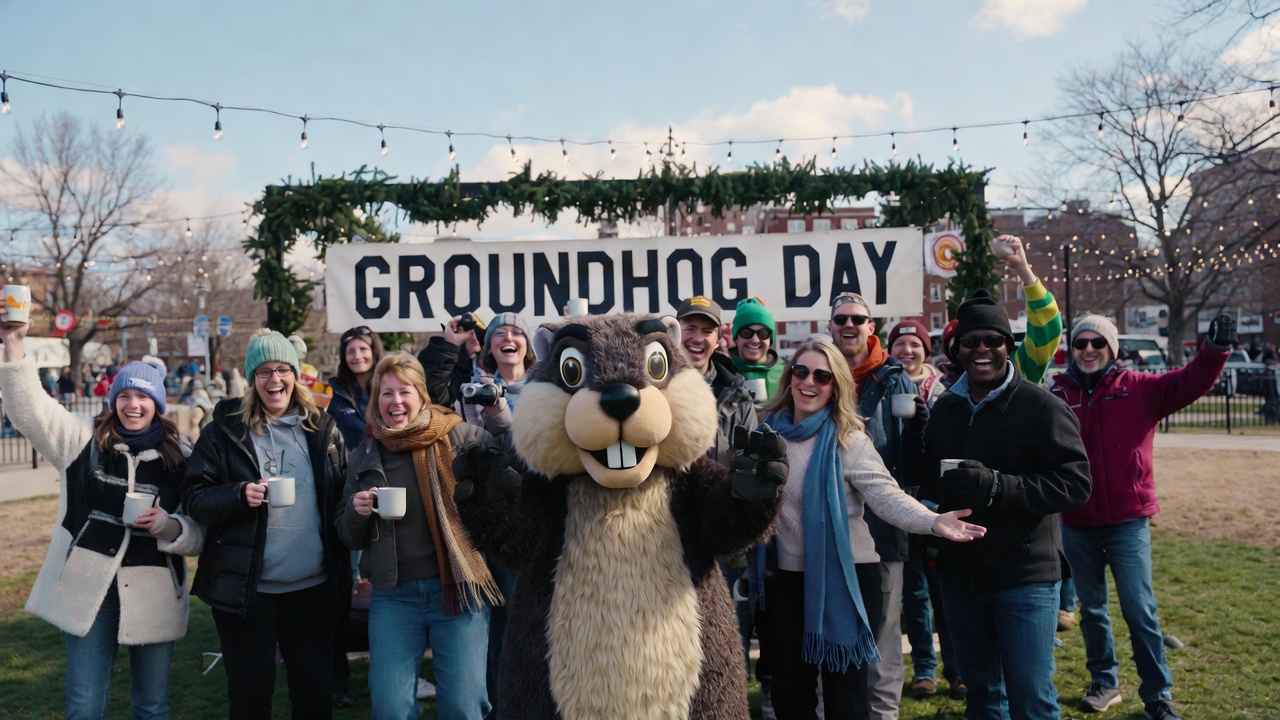
Every February 2nd, millions of North Americans turn their attention to a peculiar weather-forecasting ritual involving a burrowing rodent, a top-hatted inner circle, and centuries of folk tradition. But Groundhog Day is far more than Punxsutawney Phil and his famous shadow—it’s a living tapestry of regional customs, indigenous influences, and immigrant traditions that reveal the rich complexity of North American folk culture. Join me as we burrow deep into the fascinating world of Groundhog Day celebrations across the continent.
The History and Origins of Groundhog Day in North America
The roots of Groundhog Day stretch back to ancient European traditions surrounding Candlemas, the Christian feast day marking the midpoint between the winter solstice and spring equinox. German immigrants, particularly those settling in Pennsylvania during the 18th and 19th centuries, brought with them the tradition of Dachstag (Badger Day), when a badger’s emergence from hibernation was believed to predict the remaining length of winter.
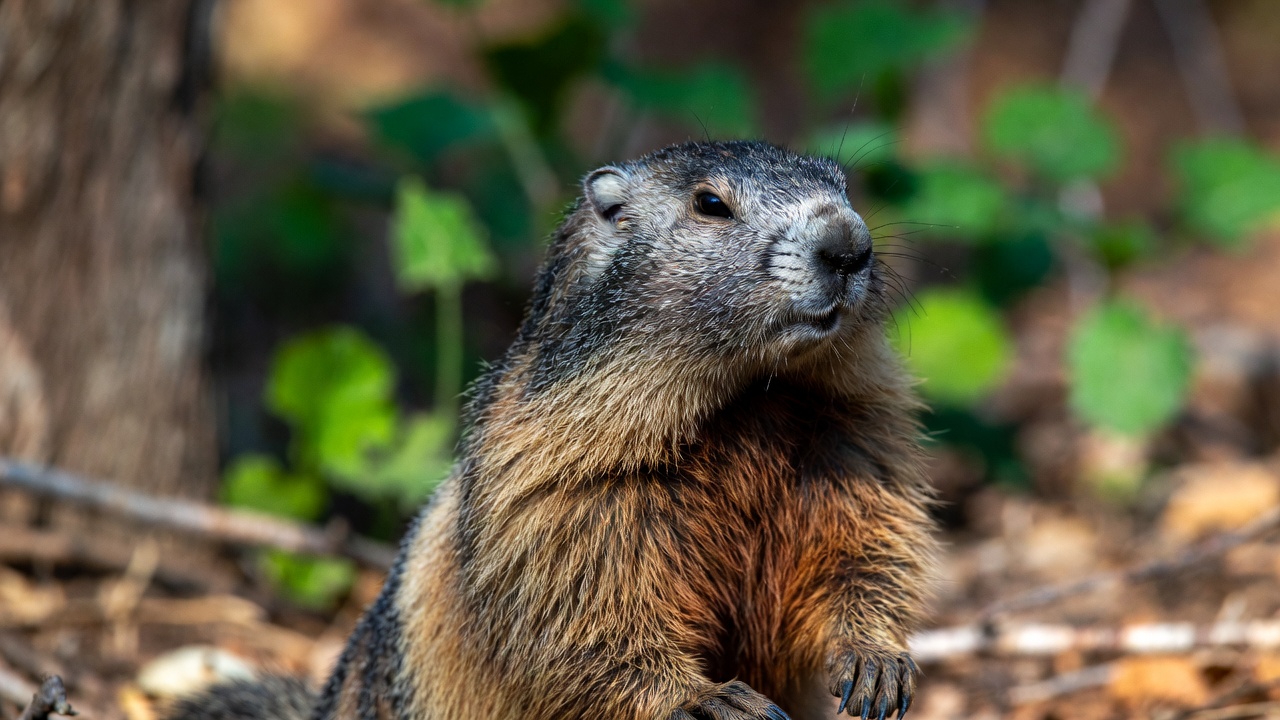
Finding few badgers but plenty of groundhogs (Marmota monax) in their new homeland, these Pennsylvania Dutch settlers adapted their Old World tradition to New World fauna. The groundhog—also known as the woodchuck or whistle-pig—became the unlikely meteorological prophet of American folk custom.
What makes this tradition particularly compelling from a folklorist’s perspective is how it represents a process scholars call “cultural adaptation”—the transformation of imported customs to fit new environmental and social contexts. The groundhog wasn’t merely a substitute for the badger; it became a distinctly American symbol, eventually spawning regional variations that reflect local identities, climates, and community values.
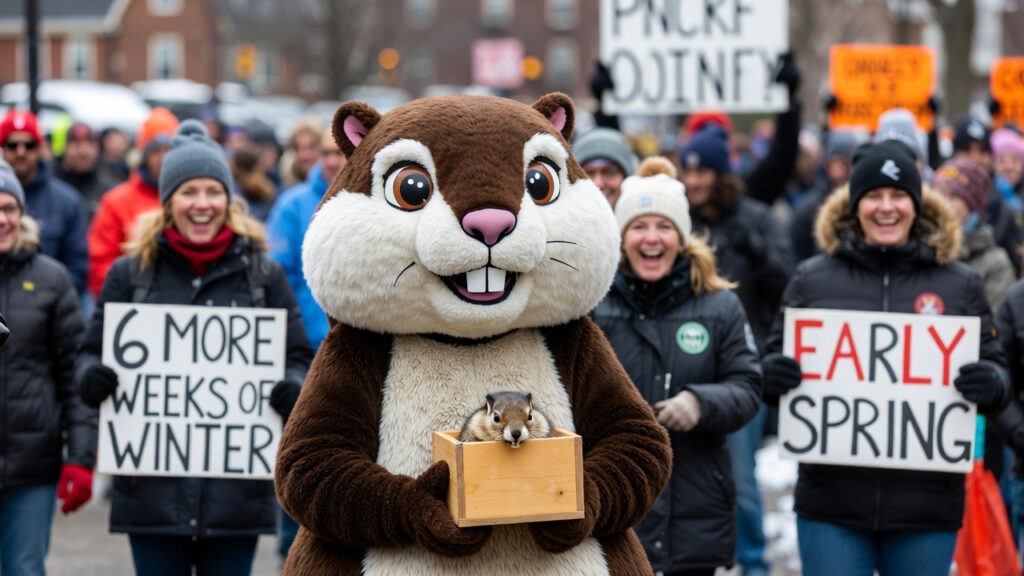
Famous Groundhog Day Celebrations: Punxsutawney Phil and Beyond
While Punxsutawney, Pennsylvania claims the most famous groundhog prognosticator, numerous communities across North America have developed their own traditions, each with distinctive characteristics and local flavor.
Punxsutawney Phil: America’s Most Famous Weather-Predicting Groundhog
Since 1887, the Punxsutawney Groundhog Club has maintained that there has been only one Phil, kept alive by a mysterious “elixir of life.” The celebration at Gobbler’s Knob draws upwards of 40,000 visitors annually, transforming a small Pennsylvania town into a winter carnival complete with:
- Pre-dawn festivities beginning at 3:00 AM
- The Inner Circle’s formal attire (top hats and tuxedos)
- Phil’s “Groundhogese” proclamation, translated by the club president
- A three-day festival featuring music, food, and community events
The 1993 film Groundhog Day starring Bill Murray catapulted this local tradition into international consciousness, demonstrating how popular media can amplify and transform folk customs.
Regional Groundhog Mascots Across the United States and Canada
The following table presents a comprehensive overview of notable groundhog prognosticators throughout North America:
| Groundhog Name | Location | Year Established | Unique Features |
|---|---|---|---|
| Punxsutawney Phil | Punxsutawney, PA | 1887 | Most famous; “immortal” via magic elixir |
| Staten Island Chuck | New York, NY | 1981 | Urban celebration; Mayor participates |
| Wiarton Willie | Wiarton, Ontario | 1956 | Albino groundhog; Canada’s most famous |
| Shubenacadie Sam | Shubenacadie, NS | 1990s | First to make prediction (Atlantic Time) |
| General Beauregard Lee | Jackson, GA | 1981 | Southern representative; holds honorary degrees |
| Buckeye Chuck | Marion, OH | 1979 | Ohio’s official state groundhog |
| Birmingham Bill | Birmingham, AL | 2012 | Deep South tradition |
| Woodstock Willie | Woodstock, IL | 1990s | Film location connection |
| Dunkirk Dave | Dunkirk, NY | 1960 | Claims high accuracy rate |
| French Creek Freddie | West Virginia | 1978 | State’s official groundhog |
Canadian Groundhog Day Traditions: From Wiarton Willie to Shubenacadie Sam
Canada has developed its own robust Groundhog Day culture, reflecting the nation’s bilingual heritage, regional identities, and relationship with winter weather that differs significantly from American experiences.
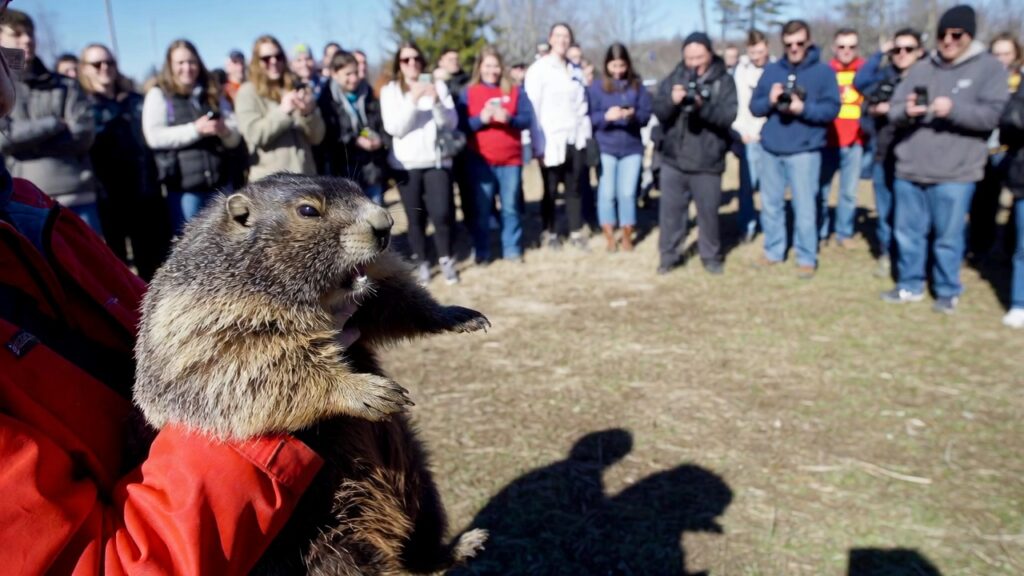
Wiarton Willie: Canada’s Beloved Albino Groundhog Celebrity
The small town of Wiarton, Ontario (population approximately 2,500) hosts one of North America’s most distinctive Groundhog Day celebrations. Wiarton Willie, a white groundhog, has become a national icon since the tradition began in 1956. The albino coloring gives this particular prognosticator an otherworldly quality that has captured Canadian imagination.
The Wiarton Willie Festival has grown into a weekend-long celebration featuring:
- Ice fishing competitions on nearby Georgian Bay
- Winter carnival activities including snow sculpting
- A formal prediction ceremony with local dignitaries
- The “Willie’s Den” visitor center and gift shop
- Community pancake breakfasts and social gatherings
The tradition experienced controversy in 1999 when Willie died just before Groundhog Day, and organizers initially presented a stuffed stand-in before admitting the deception—a fascinating case study in how communities navigate the intersection of folk tradition and honest representation.
Shubenacadie Sam: Atlantic Canada’s Early Morning Weather Predictor
Nova Scotia’s Shubenacadie Sam holds the distinction of being the first groundhog to make a prediction each Groundhog Day, owing to Atlantic Canada’s position in the earliest North American time zone. The Shubenacadie Wildlife Park has leveraged this temporal advantage to build regional pride around their prognosticator.
The Maritime celebration reflects the region’s distinct cultural character, incorporating:
- Bilingual elements honoring Acadian heritage
- References to Atlantic Canada’s notoriously unpredictable weather
- A more modest, community-focused gathering compared to American mega-events
- Integration with wildlife conservation education
How Different Regions Celebrate Groundhog Day: A Comparative Analysis
Regional variations in Groundhog Day celebrations reveal fascinating patterns about local identity, climate relationships, and community values. The following analysis examines how geography and culture shape these observances.
Northern vs. Southern Groundhog Day Traditions
The significance of Groundhog Day varies dramatically based on regional climate experiences:
Northern Celebrations (Pennsylvania, Ohio, Canada):
- Genuine anxiety about winter’s duration
- Celebrations often held in bitter cold conditions
- Strong connection to agricultural heritage and planting seasons
- Winter carnival atmosphere with outdoor activities
Southern Celebrations (Georgia, Alabama):
- More lighthearted, tongue-in-cheek approach
- Milder weather allows for larger outdoor gatherings
- Often incorporated into broader community festivals
- Less urgency around the “six more weeks of winter” prediction
General Beauregard Lee of Georgia exemplifies the Southern approach—residing in a miniature antebellum mansion called “Weathering Heights,” complete with white columns and a “Dogwood” address, the celebration playfully engages with Southern identity while participating in the broader national tradition.
Urban vs. Rural Groundhog Day Festivals and Events
The setting of Groundhog Day celebrations significantly impacts their character:
| Aspect | Rural Celebrations | Urban Celebrations |
|---|---|---|
| Attendance | Often limited by geography | Can draw massive crowds |
| Atmosphere | Community gathering, potluck feel | Media spectacle, tourism focus |
| Groundhog Housing | Often naturalistic burrows | Zoo enclosures or special structures |
| Economic Impact | Local businesses, modest boost | Significant tourism revenue |
| Media Coverage | Regional newspapers, local TV | National and international press |
| Authenticity Perception | Viewed as “genuine” tradition | Sometimes seen as commercial |
Staten Island Chuck represents the quintessential urban groundhog experience. Housed at the Staten Island Zoo, Chuck’s ceremony involves the New York City mayor and attracts significant media attention. The 2014 incident in which then-Mayor Bill de Blasio dropped the groundhog (who later died, though the zoo denied connection) became national news, illustrating how urban celebrations operate within a different media ecosystem than their rural counterparts.
Indigenous and Pre-Colonial Weather Prediction Traditions in North America
While Groundhog Day as currently practiced derives primarily from European immigrant traditions, it exists within a broader context of North American weather prediction folklore. Indigenous peoples throughout the continent developed sophisticated systems for anticipating seasonal changes, some of which bear interesting parallels to—and may have influenced—settler traditions.
Native American Animal-Based Weather Forecasting Methods
Many Indigenous nations observed animal behavior as indicators of coming weather patterns:
- Woolly bear caterpillars: The width of the brown band was believed to predict winter severity across multiple tribal traditions
- Squirrel behavior: Gathering patterns and nest-building indicated expected cold
- Bird migration timing: Early departures suggested harsh winters ahead
- Bear hibernation patterns: Similar to groundhog traditions, bear emergence was noted
The Lenape people, indigenous to the region where Groundhog Day traditions first took root in Pennsylvania, had their own complex understanding of seasonal transitions. While direct influence on the Pennsylvania Dutch groundhog tradition is difficult to document, the cultural context of indigenous weather knowledge certainly surrounded early European settlers.
The Intersection of Immigrant and Indigenous Folklore Traditions
Folklorists studying North American traditions must grapple with the complex ways immigrant and indigenous knowledge systems interacted. In the case of weather prediction folklore:
- Parallel development: Similar observations about animal behavior arose independently
- Selective borrowing: European settlers sometimes adopted indigenous practices
- Suppression and survival: Many indigenous traditions were actively suppressed but persisted
- Modern revival: Contemporary celebrations sometimes acknowledge indigenous precedents
This intersection reminds us that folk traditions rarely exist in isolation—they emerge from cultural contact, environmental observation, and community meaning-making across diverse populations.
The Science Behind Groundhog Day Predictions: Accuracy and Meteorology
No examination of Groundhog Day would be complete without addressing the elephant—or rather, the groundhog—in the room: do these predictions actually work?
Statistical Analysis of Groundhog Weather Prediction Accuracy
Multiple studies have examined the accuracy of groundhog predictions with consistent results:
| Prognosticator | Claimed Accuracy | Independently Verified Accuracy |
|---|---|---|
| Punxsutawney Phil | ~80% (per Inner Circle) | 39-40% |
| Wiarton Willie | Not formally claimed | ~37% |
| Staten Island Chuck | ~80% (per zoo) | ~42% |
| General Beauregard Lee | 60%+ | ~40% |
| Random chance | 50% | 50% |
The data reveals that groundhog predictions perform at or below chance level. Yet this finding, rather than diminishing the tradition, highlights something important about folk customs: their value lies not in empirical accuracy but in social function.
Why Groundhog Day Persists Despite Prediction Inaccuracy
From a folklorist’s perspective, the persistence of Groundhog Day despite its meteorological failures reveals several crucial insights about folk tradition:
- Community building: The celebration creates annual gathering points for communities
- Seasonal marking: It provides psychological midpoint in winter’s darkness
- Playful engagement with uncertainty: Humans enjoy rituals that address the unknowable
- Cultural identity: Regional groundhogs become sources of local pride
- Media ritual: Annual coverage creates comfortable, predictable news cycles
As the great folklorist Alan Dundes might have observed, the function of folklore is rarely about its literal content but about what it does for the community that practices it.
Modern Groundhog Day Celebrations: Social Media and Contemporary Adaptations
The 21st century has transformed Groundhog Day celebrations in fascinating ways, as social media, live streaming, and changing community dynamics reshape this venerable tradition.
How Social Media Has Changed Groundhog Day Traditions
Contemporary celebrations now exist simultaneously as local events and global media phenomena:
- Live streaming: Punxsutawney’s ceremony reaches millions online
- Twitter/X accounts: Many groundhogs maintain “official” social media presences
- Meme culture: Groundhog Day has become rich territory for internet humor
- Prediction competitions: Online tracking of multiple groundhogs’ predictions
- Virtual participation: Pandemic-era celebrations introduced remote viewing options
Emerging Groundhog Day Festivals and New Regional Traditions
New celebrations continue to emerge, demonstrating the tradition’s ongoing vitality:
- Craft brewery partnerships: Several regions now feature Groundhog Day-themed beer releases
- Film festival connections: Woodstock, Illinois (filming location for the 1993 movie) has built tourism around its connection
- Environmental education: Some celebrations now incorporate climate change awareness
- Culinary traditions: Regional foods are increasingly associated with celebrations
- Charitable components: Many events now include fundraising for wildlife conservation
Planning Your Groundhog Day Trip: Best Festivals and Events to Visit
For those inspired to experience Groundhog Day celebrations firsthand, here are recommendations based on different interests:
Top Groundhog Day Destinations for Families and Tourists
For the Ultimate Experience: Punxsutawney, Pennsylvania
- Arrive by February 1st for full festival experience
- Book accommodations months in advance
- Prepare for extreme cold and pre-dawn activities
- Consider the summer “Groundhog Day in July” alternative
For Canadian Culture: Wiarton, Ontario
- Winter festival atmosphere
- Smaller crowds than Punxsutawney
- Beautiful Bruce Peninsula scenery
- Family-friendly activities
For Urban Accessibility: Staten Island, New York
- Easy access via NYC public transportation
- Zoo setting with other attractions
- Later morning ceremony (more reasonable hour)
- Combine with broader New York visit
For Southern Hospitality: Lilburn, Georgia (General Beauregard Lee)
- Mild weather celebrations
- Southern cultural elements
- Family-oriented programming
- Yellow River Game Ranch setting
Conclusion: The Enduring Appeal of Groundhog Day in American Folk Culture
Groundhog Day endures not because a rodent can predict the weather—the evidence clearly shows it cannot—but because it fulfills deep human needs for community, seasonal ritual, and playful engagement with nature’s uncertainties. In an era of sophisticated meteorological technology, we still gather before dawn in the Pennsylvania cold to hear what Phil has to say. The tradition’s persistence speaks to something fundamental about folk culture: it addresses emotional and social needs that science alone cannot satisfy.
The regional variations we’ve explored reveal how a single folk tradition can be adapted to reflect local identities, climates, and values while maintaining its essential character. From Punxsutawney’s Inner Circle to Wiarton’s albino Willie, from Staten Island’s urban spectacle to the Southern charm of General Beauregard Lee, each celebration tells us something about the community that created it.
As we look toward future Groundhog Days, we can expect continued evolution—new groundhogs will emerge, social media will reshape how we share the experience, and perhaps new elements will be incorporated to address contemporary concerns like climate change. Yet the core of the tradition—a midwinter gathering to contemplate the coming spring through the lens of animal behavior—will likely persist for generations to come.
Whether Phil sees his shadow or not, we’ll keep watching. And that, perhaps, is the most important prediction of all.