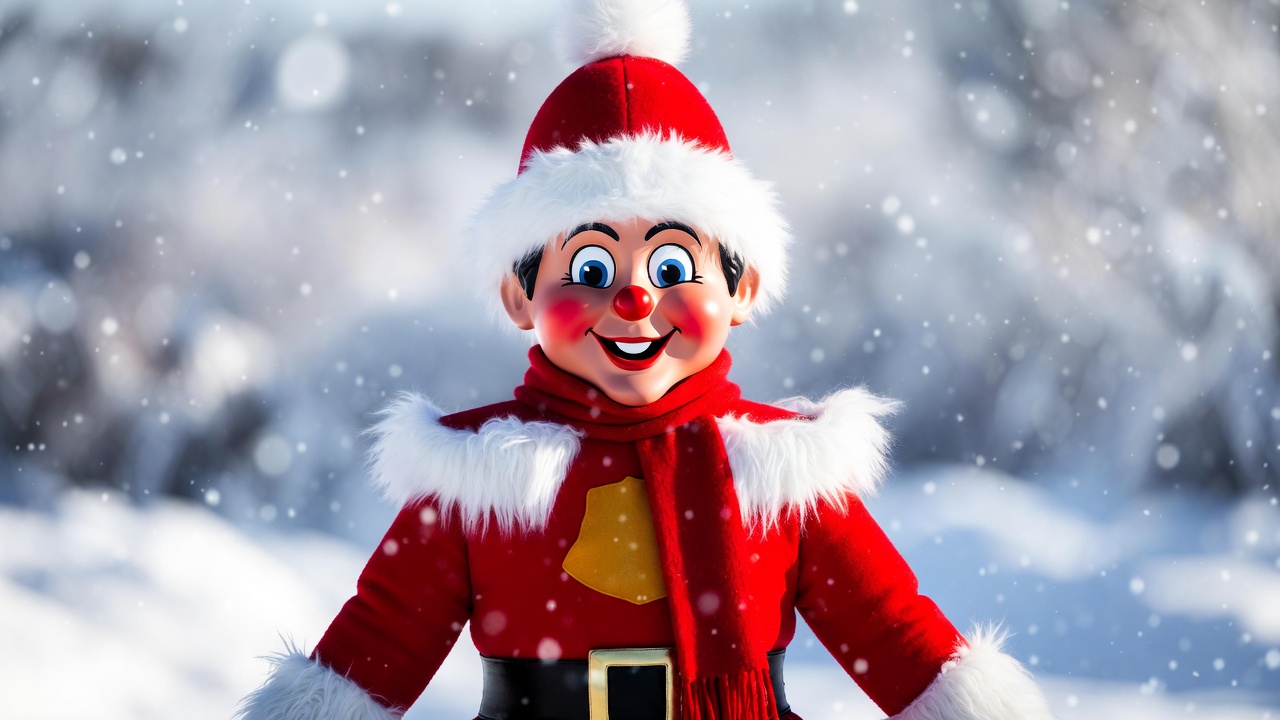
Every winter, a seven-foot-tall snowman takes over Quebec City. He wears a bright red toque. He sports a traditional arrow sash. He dances with children and charms adults alike. His name is Bonhomme Carnaval, and he is the undisputed king of the world’s largest winter carnival.
The 72nd Quebec Winter Carnival runs from February 6 to 15, 2026. This extraordinary celebration transforms one of North America’s oldest cities into a winter wonderland. Ice palaces rise from the frozen ground. Night parades illuminate snow-covered streets. And at the center of it all stands Bonhomme—the beloved mascot who has captured hearts for over seven decades.
Whether you’re planning your first trip to Carnaval de Québec or returning to see an old friend, this comprehensive guide will help you experience everything this magical festival has to offer.
Who is Bonhomme Carnaval and Why is He Famous Worldwide?
Bonhomme Carnaval is more than a mascot. He is the official ambassador of the Quebec Winter Carnival. He is the living symbol of Québécois joie de vivre. And to the people of Quebec, he is absolutely real.
The name “Bonhomme” comes from the French phrase bonhomme de neige, which means “snowman.” But this is no ordinary snowman. Standing seven feet tall and weighing approximately 400 pounds, Bonhomme cuts an impressive figure against the snowy Quebec landscape.
The Iconic Appearance of Bonhomme Carnaval
Bonhomme’s appearance is instantly recognizable:
| Feature | Description |
|---|---|
| Body | Pure white, representing snow |
| Height | Seven feet (approximately 2.1 meters) |
| Weight | 400 pounds (approximately 181 kilograms) |
| Headwear | Bright red tuque (traditional French-Canadian cap) |
| Sash | Ceinture fléchée (traditional arrow sash) |
| Buttons | Three black buttons down the front |
| Expression | Perpetual joyful smile |
His red tuque and ceinture fléchée connect him deeply to French-Canadian heritage. These aren’t random costume choices. They represent centuries of cultural tradition that defined life in Quebec.
The Mystery Behind Bonhomme’s Identity
Here’s something remarkable about Quebec’s most famous resident: asking who wears the Bonhomme costume is considered taboo. According to Prométour, Québécois people believe Bonhomme is real. He isn’t simply a mascot. He is the embodiment of the province’s proud and jovial spirit.
This belief sets Bonhomme apart from other festival mascots worldwide. While European carnival traditions often feature effigies that are burned or destroyed at festival’s end to symbolize rebirth, Bonhomme simply leaves when Carnival ends. He returns fresh and rested the following winter. Where does he go? That remains his secret.
The Fascinating History of Bonhomme Carnaval Since 1955
The story of Bonhomme Carnaval begins in 1954. That year, a group of Quebec City businessmen decided to revive the city’s winter carnival tradition. They needed a symbol. They needed an ambassador. They created Bonhomme.
Bonhomme’s First Public Appearance in Quebec City
January 9, 1955 marked a historic moment. Bonhomme Carnaval made his first public appearance in front of Porte Saint-Louis, one of the gates in Quebec City’s famous fortified walls. Mayor Wilfrid Hamel was there to greet him. The mayor presented Bonhomme with something unprecedented: the keys to Quebec City.
This tradition continues to this day. At every Carnival’s opening ceremony, the sitting mayor hands over the city keys to Bonhomme. This symbolic gesture confirms Bonhomme’s uncontested status as master of celebrations and king of the festivities for the duration of Carnival.
How Bonhomme Became an International Winter Tourism Symbol
From that first appearance in 1955, Bonhomme’s fame grew exponentially. Today, he is recognized as a proud international symbol of winter tourism. His image appears on everything from the official Carnival effigy (entry pass) to souvenirs sold throughout Quebec City.
According to the official Carnaval de Québec website, Bonhomme started traveling internationally in the late 20th century to promote the Quebec Winter Carnival. He has visited countries around the world, spreading the message of Quebec’s winter spirit and hospitality.
Timeline: Key Moments in Bonhomme Carnaval History
| Year | Milestone |
|---|---|
| 1954 | Bonhomme concept created by Quebec City businessmen |
| 1955 | First public appearance at Porte Saint-Louis |
| 1955 | First Effigy created featuring Bonhomme’s image |
| 1972 | Ice Palace relocated to current location near Parliament |
| Late 1980s | Bonhomme becomes international tourism ambassador |
| 2005 | Quebec Winter Carnival joins Winter Urban Festivals Association |
| 2024 | 70th anniversary celebrations |
| 2026 | 72nd edition of Carnaval de Québec |
Quebec Winter Carnival 2026 Dates, Schedule, and Complete Event Guide
The 72nd Quebec Winter Carnival promises to be one of the most spectacular yet. Here’s everything you need to know about attending this legendary festival.
Official Quebec Winter Carnival 2026 Dates and Hours
Festival Dates: February 6 to 15, 2026
The Carnival runs for 10 days, transforming Quebec City into a massive winter playground. Events run throughout the day and well into the evening, with some activities continuing past midnight.
Main Quebec Winter Carnival Venues and Locations
The Carnival spreads across multiple sites throughout Quebec City. According to Destination Québec Cité, the main venues include:
Zone Loto-Québec – Place de l’Assemblée-Nationale This is the epicenter of Carnival activity. Here you’ll find:
- Bonhomme’s magnificent Ice Palace
- The Loto-Québec Stage for musical performances
- SAQ Space with ice bars and happy hours
- DJ performances and dance areas
Espace 400 – Gougoune et Doudoune A family-friendly zone featuring:
- The Giant Climbing Bear
- 150-foot slide presented by POM
- Giant ball pit
- Mini-golf
- Fat biking experiences
- Family games and activities
Parc de la Francophonie – Jardins des Sculptures Home to:
- International Snow Sculpture Competition
- Lumiglace light shows
- Additional ice bars
- DJ sets
Old Quebec and Surrounding Areas The UNESCO World Heritage Site comes alive with:
- Street entertainment
- Restaurant specials
- Heated terraces
- Winter decorations throughout
How to Get the Quebec Winter Carnival Effigy Pass 2026
The Effigy is your key to the Carnival. This unique pass grants access to all official Carnival sites and activities. But it’s more than just a ticket—it’s a collectible that visitors have been keeping for decades.
What is the Quebec Winter Carnival Effigy?
The Effigy is a rubber pendant featuring Bonhomme’s likeness. You attach it to your winter coat or backpack. It serves as your visible proof of admission to all Carnival venues.
For 2026, the Effigy has a special distinction: it’s made in Quebec from recycled maple tubing. This eco-friendly approach reflects Quebec’s commitment to sustainability while honoring the province’s iconic maple industry.
Quebec Winter Carnival 2026 Ticket Prices and Packages
| Package | Price | Includes |
|---|---|---|
| Effigy Only (Pre-sale) | $29 + tax | Access to all sites, discount booklet |
| Effigy Only (Regular) | $39 + tax | Access to all sites, discount booklet |
| Completely Carnaval Kit | $59 + tax | Effigy, Carnival toque, Orignal drink, maple taffy, hot beverage |
| VIP Night Parade | $85 + tax (adult) | Reserved bleacher seat, vuvuzela, free drinks |
| Children 12 and under | FREE | Full access to all sites |
Pro Tip: Purchase your Effigy during the pre-sale period (until January 11, 2026) to save $10. Prices increase on January 12.
According to the official Carnival website, your Effigy also comes with an exclusive booklet of 18 winter discounts at local businesses throughout Quebec City.
Bonhomme’s Ice Palace: The Stunning Frozen Castle You Must Visit
Every year, a magnificent structure rises near Quebec’s Parliament Building. Built entirely from thousands of blocks of ice, Bonhomme’s Ice Palace (Palais de Bonhomme) is the architectural centerpiece of Carnival.
Inside Bonhomme’s 2026 Ice Palace: Quebec Legends Theme
The 2026 Ice Palace features a Quebec Legends theme. Each room within the palace illustrates a traditional Quebec folk tale. According to the Carnival press release, featured legends include:
- La Chasse-Galerie – The famous flying canoe legend
- The Seven O’Clock Man – A mysterious figure from Quebec folklore
- Rose Latulippe – A classic cautionary tale
- “Living Together” – A new legend created by students from Rochebelle High School
The palace serves as Bonhomme’s official residence during Carnival. Visitors can explore the frozen corridors, take photos with the beloved snowman, and experience Quebec’s cultural heritage brought to life in ice.
Best Time to Visit the Ice Palace in Quebec City
The Ice Palace offers dramatically different experiences depending on when you visit:
Daytime Visits:
- Ideal for families with young children
- Better visibility for appreciating ice craftsmanship
- Less crowded than evening hours
- Best for photography with natural lighting
Nighttime Visits:
- Palace illuminated with bright LED lights
- DJ performances create party atmosphere
- Ice bars serve Caribou and other beverages
- More festive, adult-oriented experience
Special Event: On the final day of Carnival (February 15), visitors are invited to “Graff ton Palais”—a unique opportunity to create temporary, biodegradable graffiti on the Ice Palace before it melts away.
The Traditional Arrow Sash: Cultural Significance of Bonhomme’s Ceinture Fléchée
That colorful sash around Bonhomme’s waist isn’t just decorative. The ceinture fléchée (arrow sash) represents one of the most significant symbols of French-Canadian identity.
History of the Ceinture Fléchée in French Canadian Culture
According to The Canadian Encyclopedia, the ceinture fléchée dates back to at least the 1770s. French-Canadian settlers created these finger-woven woolen sashes for practical purposes:
- Keeping winter coats fastened
- Providing back support during heavy labor
- Adding warmth around the midsection
- Serving as emergency rope or tourniquet
The sashes were particularly important to voyageurs—the legendary French-Canadian fur traders who paddled canoes across North America. They wore their sashes tightly around their waists while paddling and used them for lumbar support during arduous portages.
Why the Arrow Sash Symbolizes Quebec Winter Heritage
The distinctive arrowhead pattern that gives the sash its name emerged from weaving communities around L’Assomption, northeast of Montreal. According to the Canadian Museum of History, these communities developed the unique finger-weaving technique that creates the signature zigzag design.
During the Lower Canada Rebellion of 1837-1838, the ceinture fléchée took on political significance. French-Canadian patriots boycotted British products, including buttons. They used their traditional sashes to keep their coats (capotes) closed instead. The sash became a symbol of resistance and cultural pride.
Key Characteristics of Traditional Arrow Sashes
| Element | Description |
|---|---|
| Material | Wool (traditionally homespun) |
| Technique | Finger-weaving (non-loom) |
| Length | Long enough to wrap twice around waist |
| Width | 15-25 centimeters |
| Colors | Red, blue, green, white (traditionally) |
| Patterns | Arrows, flames, lightning bolts |
| Fringes | Twisted or braided ends for tying |
Today, imitation sashes are sold throughout Carnival, and visitors often purchase them as souvenirs. Some families have collected sashes for generations, making them cherished heirlooms that connect past and present.
Quebec Winter Carnival Night Parades 2026: Schedule and Best Viewing Spots
The Night Parades are among the most anticipated events of Carnival. These spectacular processions bring together illuminated floats, costumed performers, dancers, musicians, and of course, Bonhomme himself.
2026 Quebec Winter Carnival Night Parade Schedule
According to Destination Québec Cité, the 2026 Carnival features two Night Parades:
First Night Parade – Lower Town (Limoilou)
- Date: Saturday, February 7, 2026
- Time: 5:30 PM
- Route: Starts at intersection of 3e Avenue and 1re Rue, proceeds along 3e Avenue, ends at corner of 3e Avenue and 17e Rue
Second Night Parade – Upper Town (Grande Allée)
- Date: Saturday, February 14, 2026 (Valentine’s Day!)
- Time: 7:00 PM
- Route: Starts at intersection of Grande Allée and Avenue des Érables, follows Grande Allée, ends near Bonhomme’s Palace at Avenue Honoré-Mercier
Best Places to Watch Quebec Winter Carnival Parades
For the Grande Allée Parade (February 14):
Free Viewing:
- Anywhere along Grande Allée
- Arrive at least one hour early for good spots
- Dress warmly—you’ll be standing still for extended periods
VIP Experience:
- Reserved bleacher seating near the National Assembly
- Includes free Carnival vuvuzela (noisemaker)
- Complimentary alcoholic (19+) or non-alcoholic drinks
- Access to reserved toilets
- Cost: $85 + tax (adult) / $59 + tax (12 and under)
What to Expect:
- Colorful illuminated floats
- Marching bands
- Acrobats and dancers
- Singers and performers
- Bonhomme Carnaval on the final float
Caribou Drink Recipe: The Famous Quebec Carnival Winter Cocktail
No Carnival experience is complete without trying Caribou—the legendary alcoholic beverage that has warmed Quebec souls for centuries.
The History of Caribou: Quebec’s Traditional Winter Drink
According to Wikipedia, legend has it that French-Canadian voyageurs (fur traders) invented Caribou in the 17th century. The original recipe reportedly combined whiskey with caribou blood to create a nutrient-rich, warming elixir for survival in extreme cold.
The name “Caribou” comes from the French word for the animal, which derives from the Mi’kmaq term meaning “snow shoveller.”
Thankfully, modern Caribou contains no blood. The contemporary recipe was developed in the 1960s at Chez Ti-Père, a historic establishment in Old Quebec. Today, the Société des alcools du Québec (SAQ) sells approximately 60,000 bottles annually—nearly all during Carnival season.
How to Make Traditional Caribou Cocktail at Home
While the official SAQ recipe remains a trade secret, here’s a traditional homemade version based on common recipes from Lonely Planet and Quebec locals:
Ingredients:
- 1½ oz (45ml) brandy
- 1½ oz (45ml) vodka
- 4 oz (120ml) sherry
- 4 oz (120ml) port
- Maple syrup to taste
- 1 cinnamon stick (optional)
For Warm Caribou:
- Combine all ingredients in a medium saucepan
- Heat gently over medium heat (do not boil)
- Stir until maple syrup incorporates completely
- Serve in mugs with cinnamon stick garnish
For Cold Caribou:
- Combine all ingredients in a punch bowl
- Stir well to incorporate maple syrup
- Serve over ice or in frozen shot glasses
The Famous Caribou Cane Tradition at Carnaval de Québec
One of Carnival’s most distinctive traditions involves the Caribou cane. These are hollow plastic walking sticks topped with Bonhomme Carnaval’s head. Revelers fill them with Caribou and carry them throughout the festival grounds.
According to The World from PRX, the process is simple: “You unscrew his head, you pour the drink in, and you walk around on the street drinking the Caribou out of the cane.”
Word of Warning: Caribou is deceptively potent. At 22.9% alcohol, it packs a significant punch. Local wisdom suggests pacing yourself—especially before heading back out into the cold.
Quebec Carnival Ice Canoe Race: The Most Extreme Winter Sport Event
If you want to witness true Quebec grit and determination, don’t miss the Ice Canoe Race. This extraordinary competition dates back to the very first Quebec Winter Carnival in 1894.
The History of Ice Canoeing on the St. Lawrence River
According to Wikipedia’s ice canoeing article, ice canoeing has been practiced since the beginnings of New France in the 1600s. Before bridges and modern ferries, canoes were the only way to cross the St. Lawrence River when there was too much ice for boats but not enough to form an ice bridge.
By the 1860s, more than 200 canoeists (mostly at Lévis) provided transportation for passengers and goods across the frozen river. These hardy individuals were considered heroes for maintaining vital connections between communities.
The first official race was organized in 1894 between Lévis and the Port of Quebec at the first Quebec Winter Carnival. When the Carnival returned in 1955, ice canoe racing became an annual tradition.
What Makes the Quebec Carnival Ice Canoe Race So Challenging
The Ice Canoe Race is not for the faint of heart. Teams of five athletes must navigate:
- Powerful currents reaching four knots
- Tides exceeding 15 feet
- Massive ice blocks blown by wind
- Freezing water temperatures
Competitors alternate between paddling through open water and “scootering”—pushing the canoe across solid ice using cleated shoes with bolts screwed into the soles.
According to Canadian Geographic, conditions are unpredictable and treacherous. In perfect conditions, races can last as little as 23 minutes. On challenging days with heavy ice, races can stretch to three hours or more.
Quebec Winter Carnival 2026 Ice Canoe Race Details
Date: Sunday, February 8, 2026 Time: 12:30 PM Location: Docks 19 and 21 (Quais 19 et 21), Port of Quebec
Viewing Options:
- From the shores of Old Quebec (free)
- From Terrasse Dufferin (elevated views)
- VIP package ($55 + tax) including:
- Admission to the Lomer-Gouin ferry
- Access to heated and non-heated floors
- Open bar
- Music and festive atmosphere
The 2026 race is particularly significant as it celebrates the 130th anniversary of the first ice canoe race in 1894.
Best Activities for Families at Quebec Winter Carnival 2026
Carnival isn’t just for adults. The festival offers an incredible array of family-friendly activities designed to make winter magical for children of all ages.
Top 10 Kid-Friendly Quebec Winter Carnival Activities
- Bonhomme’s Ice Palace
- Meet Bonhomme himself
- Explore themed rooms based on Quebec legends
- Perfect for photos with the famous snowman
- Giant Climbing Bear (L’Ours d’escalade)
- Powered by WKND 91.9
- Ice climbing experience for kids
- Located at Gougoune et doudoune zone
- 150-Foot Slide (Presented by POM)
- Thrilling descent on toboggans
- Safe and supervised
- Multiple runs possible
- Giant Ball Pit
- Indoor warmth between outdoor activities
- Great for younger children
- Part of the Gougoune et doudoune area
- Grand Mini-Golf
- Winter-themed course
- Suitable for all ages
- Fun competition for families
- Fat Biking Introduction
- Learn to ride bikes with oversized tires
- Guided by Echo Sports Tours
- Perfect for adventurous families
- Club Jouet Family Area
- Toys and games
- Warm respite from cold
- Supervised activities
- Snow Sculptures
- Marvel at international ice artists
- Educational about craftsmanship
- Great for photography
- Sugar Shack Treats
- Traditional maple taffy on snow
- Hot beverages
- Quebec culinary culture
- Night Parade (February 7)
- Earlier start time (5:30 PM)
- Shorter than Grande Allée parade
- Perfect for families with young children
Quebec Winter Carnival Children’s Pricing and Entry
Children 12 years and under enter FREE to all Carnival sites. This makes the Quebec Winter Carnival one of the most family-friendly winter festivals anywhere.
Parents and guardians (13 and over) need to purchase an Effigy for $29-39 + tax.
Quebec Winter Carnival Snow Bath: The Bravest Tradition Explained
Every year, the bravest Carnival-goers strip down to bathing suits and dive into snowbanks. The Snow Bath (Bain de neige) is one of the most iconic—and arguably most insane—Carnival traditions.
What is the Famous Quebec Carnival Snow Bath?
The Snow Bath challenges participants to embrace Quebec winter in its most extreme form. Wearing only swimsuits (and snow boots for safety), brave souls plunge into carefully prepared snowbanks while temperatures often hover around -20°C (-4°F).
According to the official Carnival website, the Snow Bath is both a challenge and a fun, invigorating experience for anyone brave enough to face the Quebec winter head-on.
Quebec Winter Carnival 2026 Snow Bath Details
Date: Sunday, February 8, 2026 Time: 2:00 PM Location: Gougoune et doudoune site Presented by: St-Hubert
Participation Requirements:
- Registration in advance (places limited)
- Effigy required
- Swimsuit and snow boots
- Brave spirit essential
- Medical clearance recommended
Where to Stay During Quebec Winter Carnival 2026
Accommodation fills up quickly during Carnival. Booking early is essential for securing your preferred lodging.
Best Hotels Near Quebec Winter Carnival Sites
Hilton Quebec
- Location: Directly across from the Ice Palace
- Advantage: Walking distance to all major sites
- Views: Many rooms overlook Carnival grounds
- Price: Premium during Carnival season
Fairmont Le Château Frontenac
- Location: Heart of Old Quebec
- Advantage: Iconic Quebec landmark
- Special: Rappelling experience during Carnival (February 12-15)
- Price: Luxury tier
Hotels in Old Quebec (within walls)
- Location: UNESCO World Heritage Site
- Advantage: Charming historic atmosphere
- Walking distance: To all Carnival sites
- Price: Moderate to premium
Montcalm/Saint-Jean-Baptiste Districts
- Location: Adjacent to Old Quebec
- Advantage: Slightly lower prices
- Transit: Easy walk or short bus ride
- Price: Budget to moderate
Booking Tips for Quebec Winter Carnival Accommodations
- Book early – Popular hotels sell out months in advance
- Consider cancellation policies – Weather can affect travel plans
- Look for Carnival packages – Some hotels offer bundled deals with Effigy passes
- Alternative lodging – Airbnb and vacation rentals available throughout the city
- Transit options – If staying further out, RTC public transit provides reliable service
How to Get to Quebec Winter Carnival: Transportation Guide
Getting to and around Carnival requires some planning. Here’s what you need to know.
Getting to Quebec City for Winter Carnival
By Air:
- Quebec City Jean Lesage International Airport (YQB)
- Approximately 15-minute drive to downtown
- Taxi, shuttle, and rental car options available
By Train:
- VIA Rail serves Quebec City from Montreal and other major cities
- Gare du Palais station located in Lower Town
- Walking distance to Carnival sites
By Car:
- Major highways connect Quebec City to Montreal (Highway 20/40)
- Approximately 2.5-hour drive from Montreal
- Parking can be challenging during Carnival
Getting Around Quebec City During Carnival
On Foot: Most Carnival activities are within walking distance of each other. This is the recommended method for getting between sites.
Vidéotron Free Shuttle: With your Effigy, you can use the complimentary shuttle service:
- Runs every 30 minutes
- Route: Espace Quatre Cents to Quai Chouinard (Place de Paris)
- Stops: Corner of d’Artigny and Jacques-Parizeau
Public Transit (RTC): Quebec City’s bus system provides reliable service throughout the city. Consider purchasing a day pass if staying outside walking distance.
Essential Tips for Surviving Quebec Winter Carnival Cold Weather
Quebec City in February is seriously cold. Temperatures can drop to -20°C (-4°F) or lower. Proper preparation is essential for enjoying Carnival.
What to Wear to Quebec Winter Carnival
Essential Cold Weather Gear:
| Item | Purpose |
|---|---|
| Warm winter coat | Insulated, wind-resistant |
| Thermal base layers | Moisture-wicking material |
| Insulated pants | Wind-resistant outer layer |
| Winter boots | Waterproof, insulated, good traction |
| Warm hat/tuque | Covering ears completely |
| Insulated gloves/mittens | Layered for flexibility |
| Scarf/neck gaiter | Protecting face and neck |
| Hand/toe warmers | Disposable heating packs |
Pro Tips:
- Dress in layers – allows adjustment as activity levels change
- Bring extra socks – wet feet are cold feet
- Purchase a Carnival tuque – supports local tradition and keeps you warm
- Avoid cotton – it holds moisture and loses insulating properties when wet
Warming Up Stations at Quebec Winter Carnival
Carnival organizers understand the cold. Several warming options are available:
- SAQ Space – Indoor heated area near Ice Palace
- Heated dome – Musical performances under cover
- Restaurant partners – Establishments throughout Quebec City offer Carnival specials
- Heated terraces – Outdoor patios with heating elements
- Shuttle buses – Warm respite between locations
Quebec Winter Carnival 2026 Musical Performances and Entertainment
Beyond the parades and traditional activities, Carnival features an impressive lineup of live entertainment.
Loto-Québec Stage Musical Nights 2026
The main stage near Bonhomme’s Ice Palace hosts major performances on:
- February 6 (Opening Night)
- February 7
- February 12
- February 13
- February 14 (Valentine’s Day)
Featured performers for 2026 include:
- Habstrakt
- Tounes et plaisanteries with Mariana Mazza and guests
- Sara Dufour
- Souldia
- Karma Kameleons
- Capozzi
- Eman
- David Pineau
The shows take place under a heated dome, allowing audiences to dance and celebrate regardless of outdoor temperatures.
Special Events During Quebec Winter Carnival 2026
Carnival Sleepless Night (February 14)
- Location: Quebec Garrison Club
- Time: All night until 6 AM
- Age: 18+
- Features: Disco, karaoke, games, pyjama party atmosphere
- Presented by: Pop Underwear
Country Dance (February 8)
- Location: Manège militaire
- Time: Starting at noon
- Collaboration with Festival Western de St-Tite
Ice Climbing Smash (February 14)
- Location: Parc de la Chute-Montmorency
- Professional speed ice climbing competition
- Presented with Aventurex
Rappelling from Château Frontenac (February 12-15)
- Descend from Quebec’s most iconic hotel
- Reservation required
- Returning after huge success in previous years
Quebec Winter Carnival Food and Drink: What to Eat and Where
Carnival is a feast for all the senses—including taste. Here’s where to find the best food and drink.
Traditional Quebec Foods to Try at Carnival
Maple Taffy (Tire d’érable)
- Hot maple syrup poured on snow
- Rolled onto wooden stick
- Quintessential Quebec treat
- Available: Sugar shack stands throughout Carnival
Poutine
- French fries, cheese curds, gravy
- Quebec’s most famous culinary export
- Available: Throughout Quebec City
Tourtière
- Traditional meat pie
- Warming and hearty
- Perfect for cold weather
BeaverTails (Queues de castor)
- Fried dough pastry
- Various sweet toppings
- Canadian winter festival staple
Best Places to Eat During Quebec Winter Carnival
Zone Loto-Québec:
- Food trucks
- SAQ Bistro and Ice Bar
- Quick service options
Gougoune et Doudoune:
- Gourmet food samplings from Quebec City’s best restaurants
- Barbecue options
- Family-friendly dining
Chalet La Souche:
- Full food service
- Warm interior seating
- Near main Carnival sites
Parcours des terrasses gourmandes:
- Located in Old Port
- Multiple restaurant options
- Returning February 7, 2026
The New “Orignal” Carnival Drink 2026
For 2026, Carnival introduces a new signature alcoholic beverage: the Orignal (Moose). This hot alcoholic drink is included in the Completely Carnaval Kit package. Details about the recipe remain under wraps, but it’s positioned as the new must-try Carnival beverage alongside traditional Caribou.
Comparing Quebec Winter Carnival to Other World Winter Festivals
How does Carnaval de Québec stack up against other major winter celebrations worldwide?
Quebec Winter Carnival vs. Harbin Ice Festival China
| Factor | Quebec Winter Carnival | Harbin Ice Festival |
|---|---|---|
| Duration | 10 days | ~3 months |
| Attendance | ~1 million | 18+ million |
| Founded | 1894 (modern 1955) | 1963 |
| Ice Structures | Ice Palace, sculptures | Massive ice buildings |
| Cultural Focus | French-Canadian heritage | Chinese traditions |
| Climate | -10 to -20°C | -15 to -35°C |
| Mascot | Bonhomme Carnaval | Various |
While Harbin has grown larger, Quebec’s Carnival remains the largest winter carnival in the Western Hemisphere.
Quebec Winter Carnival vs. Sapporo Snow Festival Japan
| Factor | Quebec Winter Carnival | Sapporo Snow Festival |
|---|---|---|
| Duration | 10 days | 7 days |
| Founded | 1894 (modern 1955) | 1950 |
| Focus | Parades, activities, tradition | Snow sculptures, art |
| Mascot | Bonhomme Carnaval | None (rotating themes) |
| Signature Event | Ice Canoe Race | Snow sculpture contest |
Quebec Winter Carnival’s Global Ranking
According to Wikipedia, the Quebec Winter Carnival ranks third globally in attendance among carnivals (winter and otherwise), after:
- Rio de Janeiro Carnival (Brazil)
- New Orleans Mardi Gras (USA)
- Carnaval de Québec (Canada)
This remarkable achievement places Quebec City’s winter celebration among the world’s most significant cultural festivals.
Why Bonhomme Carnaval Represents the Spirit of Quebec
Bonhomme is more than a mascot. He embodies what makes Quebec unique.
The Joie de Vivre Philosophy of Quebec Culture
The French phrase “joie de vivre” translates literally to “joy of living.” But in Quebec, it means something deeper. It represents:
- Embracing winter rather than enduring it
- Celebrating community despite harsh conditions
- Finding warmth in human connection
- Taking pride in cultural heritage
Bonhomme, with his perpetual smile and enthusiastic dancing, personifies this philosophy. When temperatures plunge and snow piles high, he reminds Quebecers—and visitors—that winter is a gift to be celebrated.
How Bonhomme Connects Past and Present Quebec Traditions
Every element of Bonhomme’s appearance connects to Quebec’s history:
The Tuque (Red Cap):
- Traditional French-Canadian winter wear
- Practical for keeping warm
- Symbol of working-class Quebec identity
The Ceinture Fléchée (Arrow Sash):
- Worn by voyageurs and habitants for centuries
- Symbol of the Lower Canada Rebellion
- Connects to both French and Métis heritage
The Snowman Form:
- Universal symbol of winter
- Represents the snow that defines Quebec winters
- Accessible and friendly to all ages
The Joy:
- Reflects Quebec’s “joie de vivre” philosophy
- Demonstrates that winter should be celebrated
- Welcomes visitors into Quebec’s cultural embrace
Planning Your Quebec Winter Carnival 2026 Trip: Complete Checklist
Ready to experience Carnival? Here’s your comprehensive planning checklist.
3-6 Months Before Your Trip
- [ ] Book accommodation (popular hotels sell out early)
- [ ] Purchase flights or plan driving route
- [ ] Research Carnival schedule and must-see events
- [ ] Start winter clothing inventory
1-2 Months Before Your Trip
- [ ] Purchase Effigy passes (pre-sale ends January 11)
- [ ] Book VIP experiences (parade seating, special events)
- [ ] Reserve restaurant tables for popular dining spots
- [ ] Confirm transportation arrangements
- [ ] Purchase travel insurance
1 Week Before Your Trip
- [ ] Check weather forecast
- [ ] Verify all bookings and reservations
- [ ] Download Carnival program
- [ ] Pack appropriate cold weather gear
- [ ] Exchange currency or confirm payment methods
Packing Essentials for Quebec Winter Carnival
Clothing:
- Heavy winter coat
- Thermal underwear (multiple sets)
- Insulated pants
- Waterproof, insulated boots
- Warm hat covering ears
- Scarf or neck gaiter
- Insulated gloves/mittens
- Extra wool socks
Accessories:
- Hand and toe warmers
- Lip balm (for cold, wind)
- Moisturizer (dry winter air)
- Sunglasses (snow glare)
- Small backpack for layers
Documents:
- ID/passport
- Hotel confirmation
- Effigy purchase confirmation
- Travel insurance information
- Emergency contact numbers
Conclusion: Why Quebec Winter Carnival 2026 Should Be on Your Bucket List
There’s nowhere else on Earth quite like Quebec City during Carnival.
Where else can you meet a seven-foot-tall snowman who holds the keys to the city? Where else can you watch athletes race canoes through frozen rivers? Where else can you dance outside at -20°C and somehow feel warm inside?
Bonhomme Carnaval has been welcoming visitors for 72 years. He has watched generations grow up celebrating winter. He has seen the Ice Palace rise and melt countless times. And every year, he returns—fresh, joyful, and ready to share Quebec’s incomparable joie de vivre.
The 72nd Quebec Winter Carnival runs from February 6-15, 2026. Over those 10 magical days, Quebec City transforms into the world’s largest winter playground. With over 300 activities, from night parades to ice canoe races, from snow baths to maple taffy, there’s something for every age and interest.
Don’t just read about it. Experience it.
Salut Bonhomme!
Frequently Asked Questions About Quebec Winter Carnival 2026
Q: When is Quebec Winter Carnival 2026? A: February 6-15, 2026 (10 days).
Q: How much does it cost to attend Quebec Winter Carnival? A: The Effigy pass costs $29 + tax (pre-sale) or $39 + tax (regular). Children 12 and under are free.
Q: Is Bonhomme Carnaval a real person? A: To Quebecers, Bonhomme is absolutely real. Asking who wears the costume is considered taboo.
Q: How cold is Quebec City during Winter Carnival? A: Temperatures typically range from -10°C to -20°C (14°F to -4°F). Dress in warm layers.
Q: Can I try Caribou if I don’t drink alcohol? A: Non-alcoholic hot beverages are available throughout Carnival, including hot chocolate and warm cider.
Q: Is Quebec Winter Carnival good for families? A: Absolutely. Many activities are designed for children, and kids 12 and under enter free.
Q: Where is the Ice Palace located? A: In the Loto-Québec Zone at Place de l’Assemblée-Nationale, near the Parliament Building.
Q: Do I need to speak French to enjoy Carnival? A: No. Quebec City is bilingual, and Bonhomme speaks both French and English.
Planning a trip to Quebec Winter Carnival 2026? Share your questions and experiences in the comments below!
Resources: