A complete guide to the history, meaning, and unwritten rules of catching beads in New Orleans
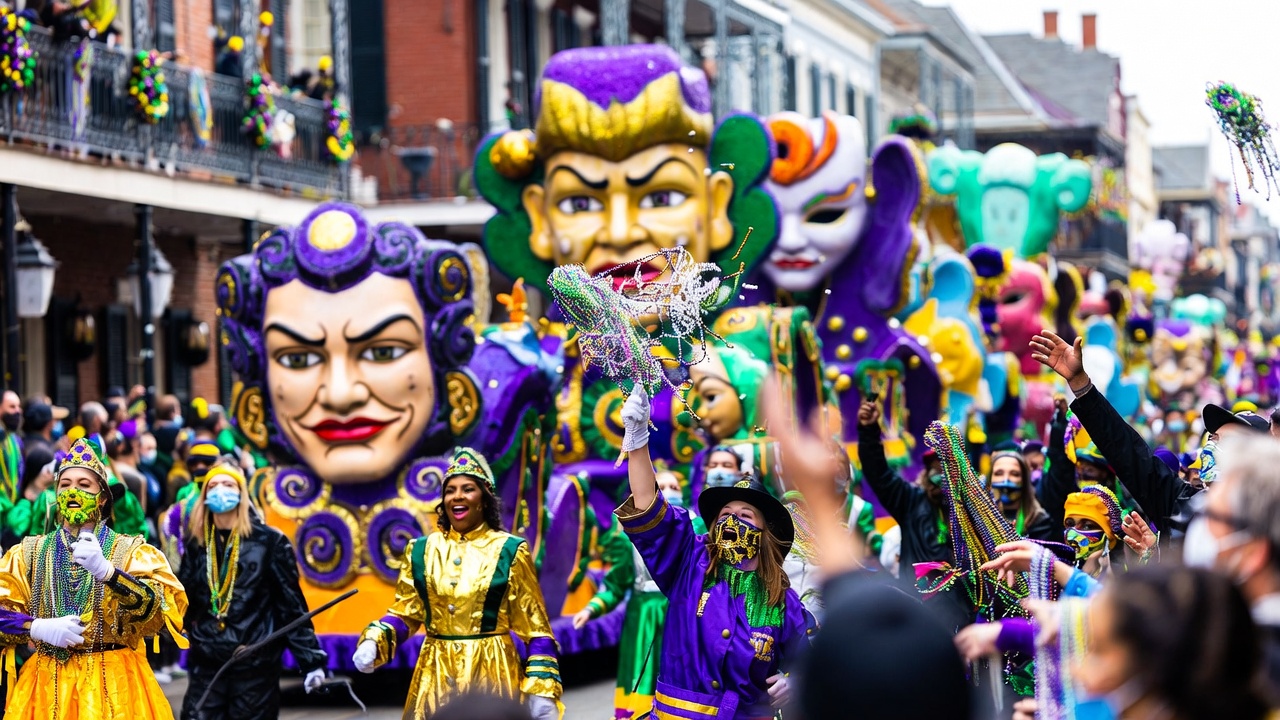
Beads fly through the air. Crowds roar with excitement. Hands reach toward the sky. This is Mardi Gras in New Orleans. But have you ever wondered why we throw beads at Mardi Gras parades? The answer stretches back centuries and reveals fascinating stories about celebration, community, and symbolic exchange.
The Surprising History of Mardi Gras Beads in New Orleans
The tradition of throwing trinkets during Mardi Gras began in the 1870s. Early krewe members tossed small gifts to parade-goers from their floats. These weren’t beads at first. They threw flour, candy, and small toys.
Glass beads from Czechoslovakia appeared around the 1900s. They were expensive and rare. Only wealthy krewes could afford them. Parade riders carefully selected recipients. A thrown bead meant something special.
The shift to plastic beads happened in the 1960s. Suddenly, everyone could participate. Costs dropped dramatically. Volume increased exponentially. The modern bead-throwing frenzy was born.
| Era | Type of Beads | Significance |
|---|---|---|
| 1870s-1900 | Small trinkets, candy | Exclusive gifts to chosen spectators |
| 1900-1960s | Czech glass beads | Expensive, meaningful tokens |
| 1960s-Present | Plastic beads | Mass participation, celebratory excess |
What Do Mardi Gras Beads Symbolize? The Deeper Meaning Behind the Throws
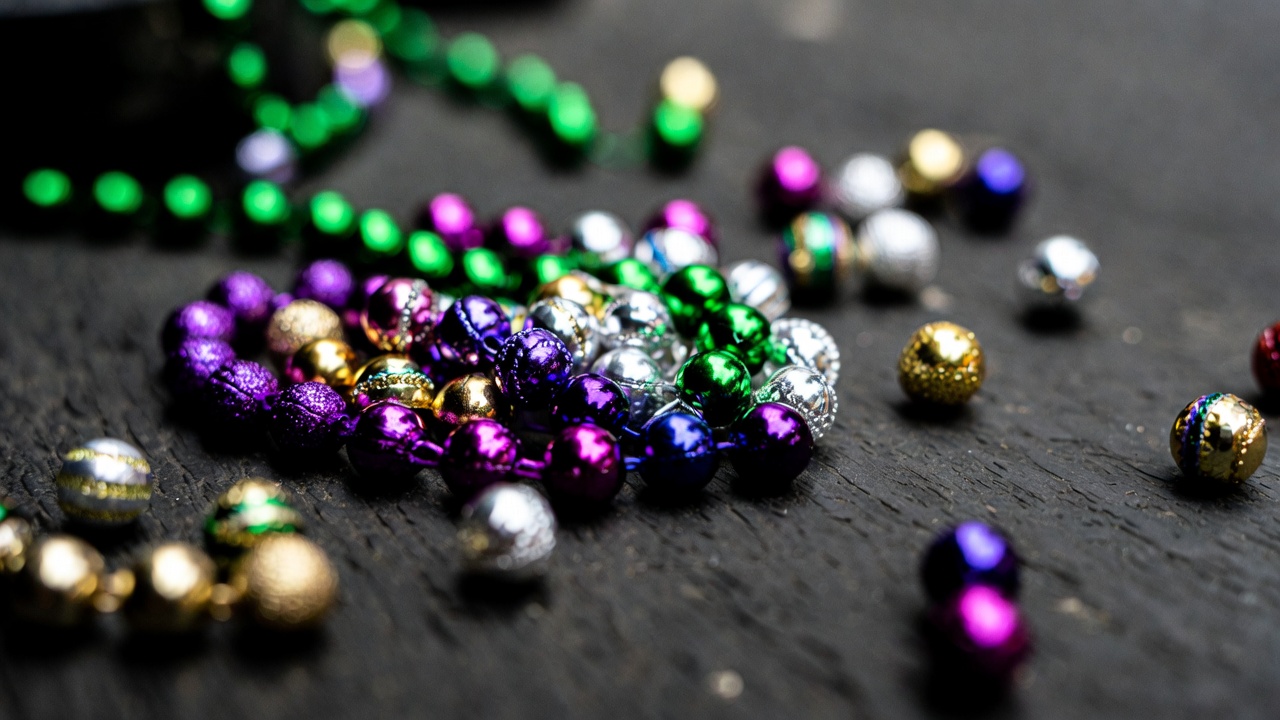
Mardi Gras beads carry more meaning than most tourists realize. The tradition connects to ancient customs of gift-giving before Lent. Catholics celebrated excess before 40 days of fasting. Beads became tokens of this final indulgence.
The colors tell their own story:
- Purple represents justice
- Gold symbolizes power
- Green stands for faith
These three colors dominate Mardi Gras decorations. They were chosen in 1872 when the Rex krewe selected them for their parade. The Russian Grand Duke Alexis Romanoff was visiting. The krewe wanted to honor him with royal colors.
Today, catching beads creates connection. The thrower acknowledges you. You become part of the celebration. It’s a brief but meaningful exchange between strangers.
How to Catch Beads at Mardi Gras Parades: Tips from Locals
Want to know the secrets locals use to catch the best throws? Position matters more than anything else.
Best Spots for Catching Mardi Gras Beads:
- Arrive early — Claim your spot 2-3 hours before the parade
- Bring a ladder — Families with children get priority throws
- Stand at corners — Floats slow down at turns
- Make eye contact — Riders throw to people they notice
- Wear costumes — Creative outfits attract attention
The unwritten rule? Be enthusiastic but respectful. Wave your arms. Shout “Throw me something, mister!” This phrase has echoed through New Orleans streets for over a century.
Never grab beads off someone else’s neck. Never push children aside. These actions violate the spirit of Mardi Gras generosity.
Mardi Gras Bead Etiquette: The Unspoken Rules Every Visitor Should Know
Certain behaviors will get you noticed for the wrong reasons. Understanding proper Mardi Gras etiquette helps everyone enjoy the celebration safely.
| Do This | Don’t Do This |
|---|---|
| Say thank you when you catch something | Demand throws from riders |
| Share with children nearby | Hoard massive quantities |
| Help others retrieve dropped beads | Fight over fallen throws |
| Wear your catches proudly | Sell beads you caught |
| Respect personal space | Block others’ views intentionally |
The Ground Rule: Once beads hit the ground, they’re fair game. But good-natured negotiation works better than aggressive grabbing. A smile goes further than a scowl.
Riders notice rude behavior. They’ll deliberately skip over aggressive parade-goers. Kindness literally gets rewarded at Mardi Gras.
Different Types of Mardi Gras Throws: Beyond the Basic Bead Strand
Modern Mardi Gras parades feature far more than simple bead strands. Krewes compete to offer the most creative throws. Some items become instant collector’s pieces.
Popular Mardi Gras Parade Throws Include:
- Doubloons — Aluminum coins with krewe emblems
- Stuffed animals — Especially popular with families
- Decorated cups — Practical and collectible
- Light-up beads — Battery-powered LED strands
- Specialty medallions — Krewe-specific collectibles
- Hand-decorated shoes — Thrown by the Muses krewe
- Coconuts — The prized throw from Zulu
The Zulu coconut deserves special mention. Riders hand-paint and decorate real coconuts. They don’t throw them (safety reasons). They hand them directly to lucky recipients. A Zulu coconut is the holy grail of Mardi Gras throws.
When Did Throwing Beads at Mardi Gras Start? A Timeline of Traditions
Understanding the evolution helps appreciate modern celebrations:
1857 — The Mistick Krewe of Comus holds the first organized parade
1872 — Rex krewe introduces purple, gold, and green colors
1880s — First documented trinket throws from floats
1900s — Czech glass beads appear in parades
1920s — “Throw me something, mister!” becomes common phrase
1960s — Plastic beads revolutionize throwing volume
1970s — Doubloons gain popularity as collectibles
2000s — Sustainability concerns spark bead recycling programs
Today — Over 25 million pounds of beads are thrown annually
Are Mardi Gras Beads Bad for the Environment? The Sustainability Question
Modern celebrations create environmental challenges. Most plastic beads contain lead and other heavy metals. They clog storm drains. They pollute waterways. New Orleans spends millions on post-parade cleanup.
Eco-Friendly Mardi Gras Bead Alternatives:
- Biodegradable paper beads
- Recycled glass options
- Sustainable bamboo strands
- Fabric flower garlands
- Seed bead necklaces (plant them later!)
Several organizations now collect used beads for recycling. Arc of Greater New Orleans employs people with disabilities to sort and resell catches. Returning your beads helps the environment and supports the community.
Some krewes have pledged to use sustainable throws exclusively. The movement grows each year. You can participate by recycling beads at designated collection points throughout the city.
Best Mardi Gras Parades for Catching Beads in New Orleans
Not all parades offer equal catching opportunities. Some krewes throw more generously than others.
| Parade | Best Known For | Throwing Volume |
|---|---|---|
| Zulu | Hand-painted coconuts | Moderate |
| Rex | Traditional elegance | Moderate |
| Endymion | Massive throws, long route | Very High |
| Bacchus | Celebrity monarchs, quality items | High |
| Orpheus | Musical theme, generous throws | High |
| Muses | Hand-decorated shoes | Moderate |
| Krewe of Tucks | Toilet-themed humor | Very High |
Pro tip: The family-friendly parades in Metairie often throw more per person. Smaller crowds mean better odds. Consider venturing beyond the French Quarter for a more authentic experience.
What Happens to All Those Mardi Gras Beads After the Celebration?
The party ends. Ash Wednesday arrives. But millions of beads remain. Their journey continues long after Fat Tuesday.
Some beads get stored in attics. Louisiana homes contain generations of Mardi Gras memories. Grandparents show grandchildren their prized catches from decades past.
Other beads enter the recycling stream. Local nonprofits collect, sort, and redistribute them. The same strand might fly through the air multiple times over the years.
Sadly, many beads become waste. They hang from trees for months. They accumulate in gutters. They break into microplastics. This reality has sparked important conversations about sustainable celebration.
Planning Your First Mardi Gras Trip: Essential Bead-Catching Advice
Ready to experience the magic yourself? Here’s what seasoned Mardi Gras visitors recommend:
Before You Go:
- Book accommodations at least 6 months ahead
- Study the parade schedule carefully
- Pack comfortable shoes for standing
- Bring a clear bag for security checkpoints
What to Bring for Parade Day:
- Small backpack or tote for catches
- Water bottles (stay hydrated!)
- Snacks (parade routes lack food vendors)
- Portable phone charger
- Layers (February weather varies wildly)
Where to Stay: The Garden District offers parade proximity without French Quarter chaos. Magazine Street provides excellent viewing spots. Mid-City locations put you near Endymion’s spectacular route.
The Magic Lives in the Exchange
Mardi Gras bead throwing isn’t really about the plastic. It’s about connection. A stranger on a float sees you. They choose you. They throw. You catch. For one brief moment, you share joy with someone you’ll never meet again.
This simple exchange has repeated billions of times over 150 years. It connects generations. It welcomes newcomers. It defines what makes New Orleans celebrations unique.
So when someone asks why we throw beads at Mardi Gras, the answer is simple. We throw beads because celebration is better when shared. We throw beads because generosity creates community. We throw beads because some traditions need no explanation.
They just need participation.