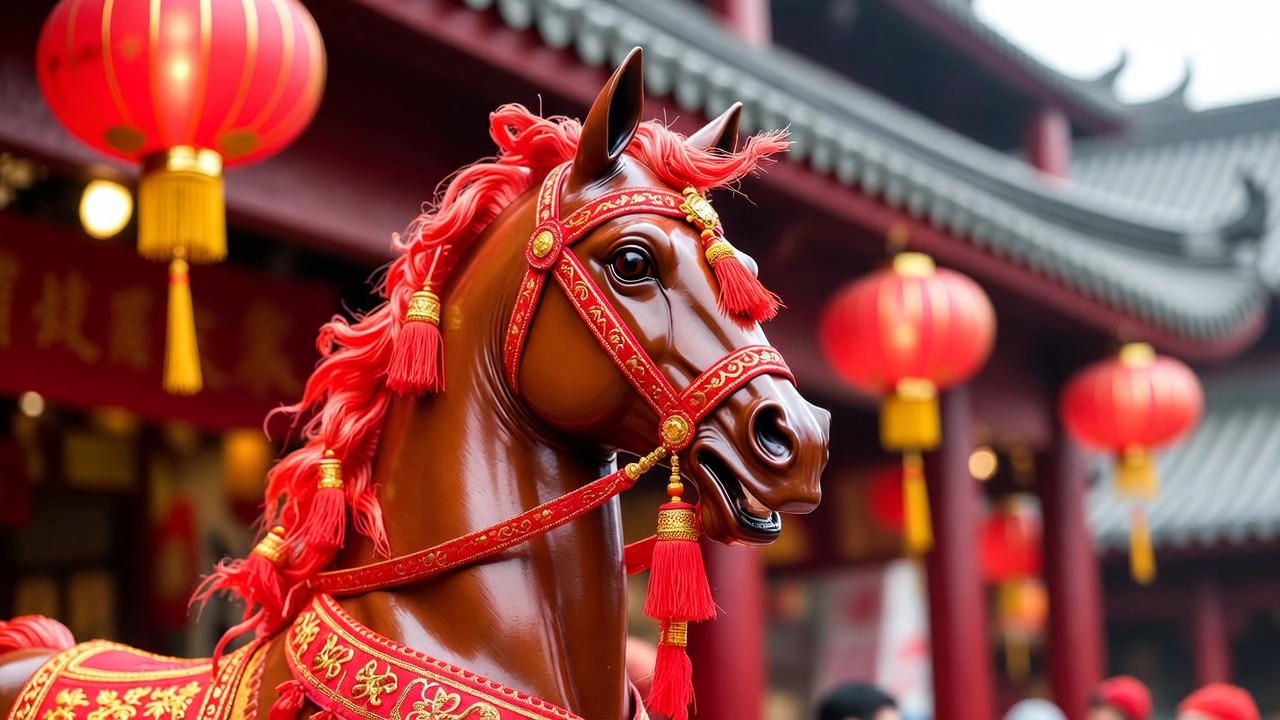
The firecrackers have been prepared. Red lanterns sway gently in the winter breeze. Families across China and Chinese communities worldwide are preparing for the most important festival of the year. Chinese New Year 2026 falls on Tuesday, February 17, ushering in the Year of the Fire Horse—a zodiac combination that appears only once every 60 years.
But here is something many travelers and newcomers to Chinese culture often overlook: what you avoid during the Spring Festival matters just as much as what you do.
For over 4,000 years, Chinese families have carefully observed certain taboos during the Lunar New Year period. These are not mere superstitions. They carry the accumulated wisdom of generations. They embody the hopes, dreams, and careful caution of a civilization that deeply values harmony, prosperity, and family unity.
Whether you are celebrating in Beijing, Singapore, San Francisco’s Chinatown, or your own living room, understanding these taboos will help you navigate the festivities with cultural awareness and respect. More importantly, according to traditional beliefs, avoiding these pitfalls can help ensure a year filled with good fortune.
Let us explore the ten most important Chinese New Year taboos you should know for 2026.
Why Sweeping and Cleaning on Chinese New Year’s Day Brings Bad Luck
Perhaps no Chinese New Year taboo is more widely observed than the prohibition against sweeping and cleaning on the first day of the lunar year. This practice has deep roots in Chinese folk belief and remains relevant today.
The Cultural Logic Behind the No-Cleaning Rule
The reasoning is straightforward yet profound. During Chinese New Year, good fortune and prosperity are believed to enter your home. If you sweep on New Year’s Day, you risk sweeping away this newly arrived luck before it has a chance to settle.
The taboo extends beyond just sweeping. Taking out the garbage is equally forbidden. According to China Highlights, “taking out garbage symbolizes dumping out the good luck or good fortune from the house.”
When Can You Clean Again?
The cleaning restriction typically lasts for the first three to five days of the Lunar New Year. The fifth day holds special significance. This day is called “Po Wu” (破五), meaning “breaking the five.” On this day, accumulated garbage and dust transform symbolically into “symbols of poverty.” Cleaning the house on the fifth day therefore means expelling poverty rather than fortune.
What If You Must Clean?
Accidents happen. Spills occur. If you absolutely must clean during the forbidden period, traditional wisdom offers a solution:
- Sweep from the outside toward the center of the room, never toward the door
- Store the collected dirt in a corner or closet
- Wait until the fifth day to dispose of it
- Say auspicious phrases while cleaning to neutralize any bad effects
Some families tie red ribbons around their brooms or store them in closets during the festival period. Red, being the color of luck and protection, is thought to neutralize the broom’s potential to sweep away good fortune.
| Cleaning Activity | Status During CNY | When to Resume |
|---|---|---|
| Sweeping floors | Forbidden | Day 5 or later |
| Vacuuming | Forbidden | Day 5 or later |
| Taking out trash | Forbidden | Day 5 or later |
| Mopping | Forbidden | Day 5 or later |
| Washing dishes | Traditionally avoided Day 1 | Day 2 |
| Laundry | Avoided Days 1-2 | Day 3 |
How to Avoid Bad Luck When Giving Red Envelopes and Lucky Money in 2026
The red envelope, known as hongbao (红包) in Mandarin or lai see in Cantonese, is central to Chinese New Year celebrations. These crimson packets filled with money represent blessings passed from one generation to the next. However, giving red envelopes incorrectly can create awkwardness—or worse, invite bad luck.
The Story Behind Red Envelopes
According to ancient legend, a demon named Sui would terrorize children on New Year’s Eve. One year, a child was given eight coins wrapped in red paper to play with. When Sui approached the sleeping child, the coins emitted a brilliant light that frightened the demon away. The eight coins were later revealed to be eight fairies sent by the gods.
From this legend emerged the tradition of ya sui qian (压岁钱), meaning “money to suppress Sui” or “lucky money warding off evil spirits.”
Critical Red Envelope Rules You Must Follow
1. Never include amounts with the number 4
The number four (四, sì) sounds nearly identical to the word for death (死, sǐ) in both Mandarin and Cantonese. According to Wikipedia’s entry on red envelopes, “money should not be given in fours, or the number four should not appear in the amount, such as in 40, 400, and 444.”
Avoid: ¥4, ¥40, ¥400, ¥44, ¥440, ¥444, $4, $40, etc.
2. Use even numbers
Even amounts symbolize pairs and harmony. Odd numbers are traditionally associated with funerals. The exception is the number nine, which sounds like the word for “long-lasting” (久, jiǔ) and is considered auspicious.
3. Include crisp, new bills
Wrinkled or dirty money is considered poor form. In the weeks leading up to Chinese New Year, long queues form outside banks as people exchange old bills for fresh ones.
4. Never include coins
Red envelopes should contain paper money only. Coins in odd amounts are associated with funeral customs.
5. Both spouses should give separately
If you are married, each spouse should give their own red envelope. Giving one envelope from both of you is a social faux pas in most Chinese communities.
How Much Money Should You Put in Red Envelopes?
| Recipient | Suggested Amount (China) | Suggested Amount (US/Western) |
|---|---|---|
| Your own children | ¥200-1,000 | $50-200 |
| Other relatives’ children | ¥50-200 | $10-50 |
| Elderly parents | ¥500-2,000+ | $100-500+ |
| Service staff (doorman, cleaner) | ¥20-100 | $10-20 |
| Employees (annual bonus) | 1 month salary | 1 month salary |
Red Envelope Etiquette for Recipients
When receiving a red envelope:
- Accept it with both hands
- Say “thank you” and offer New Year wishes
- Never open it in front of the giver—this is considered extremely rude
- Some families place red envelopes under children’s pillows for protection
What Gifts Are Forbidden During Chinese New Year and Why
Gift-giving during the Spring Festival strengthens relationships and expresses goodwill. But in Chinese culture, certain gifts carry hidden meanings that can offend recipients or invite misfortune. Understanding these taboos prevents embarrassing mistakes.
Clocks: The Worst Possible Gift
Never, under any circumstances, give a clock as a Chinese New Year gift.
In Mandarin, “giving a clock” (送钟, sòng zhōng) is a perfect homophone for “attending a funeral rite” (送终, sòng zhōng). According to the South China Morning Post, “giving a timepiece—whether a wristwatch, a pocket watch, a vintage grandfather clock or a modern alarm clock—means you wish death upon the recipient.”
This taboo is especially serious when the recipient is elderly. Clocks also symbolize time running out, making the gift doubly inappropriate.
Exception: If you receive a clock as a gift, you can neutralize the bad luck by giving a small amount of money to the giver. This symbolically transforms the gift into a purchase rather than a present.
Sharp Objects Cut Relationships
Knives, scissors, letter openers, and other sharp objects should never be given as gifts. The symbolism is clear: these items “cut” relationships. A common Chinese saying goes, “one slash and it’s in two parts” (一刀两断), meaning the end of a friendship.
Pears Signal Separation
While fruit baskets are generally excellent gifts, pears must be excluded. The Chinese word for pear (梨, lí) sounds identical to the word for “parting” or “separation” (离, lí).
Never share a pear with someone, either. Splitting a pear (fēn lí, 分梨) sounds exactly like “separation” (fēn lí, 分离).
The Complete List of Forbidden Gifts
| Forbidden Gift | Why It’s Taboo | Alternative |
|---|---|---|
| Clocks/watches | Sounds like “attending a funeral” | Decorative items |
| Pears | Sounds like “separation” | Oranges, tangerines, pomelos |
| Umbrellas | Sounds like “to scatter/separate” | Other accessories |
| Shoes | Sounds like “evil” in some dialects | Clothing (in lucky colors) |
| Sharp objects | Symbolize cutting relationships | Kitchen appliances |
| White/black items | Funeral colors | Red, gold, pink items |
| Chrysanthemums | Associated with funerals | Orchids, peonies |
| Mirrors | Attract negative energy | Art pieces |
| Handkerchiefs | Symbolize saying goodbye | Scarves |
| Items in sets of 4 | Four sounds like “death” | Sets of 6, 8, or 9 |
| Candles | Used for the deceased | Electric candles (still risky) |
| Green hats | Implies partner infidelity | Any other color hat |
What Are Safe Gifts for Chinese New Year?
Excellent gift choices include:
- Oranges and tangerines: Gold-colored and symbolizing wealth
- Premium tea: Represents respect and thoughtfulness
- Quality alcohol: Appropriate for business relationships
- Red envelope with money: Always appreciated
- Decorative items in red or gold: Represent prosperity
- Health supplements: Show care for the recipient’s wellbeing
Why You Should Never Wash Your Hair on Chinese New Year’s Day
This taboo might challenge those with strict grooming habits. Yet for many Chinese families, washing hair on the first day of the Lunar New Year remains strictly forbidden.
The Linguistic Connection
The reasoning lies in Chinese linguistics. The word for hair (发, fà) shares the same character as the first character in “to become wealthy” (发财, fācái). By washing your hair, you are literally “washing away your fortune” before it has a chance to take root.
According to CNN’s guide to Lunar New Year etiquette, “the Chinese character for hair is the same first character in the word for prosper. This means washing or cutting it off is seen as washing your fortune away.”
Cutting Hair Is Even More Serious
Hair cutting during the first lunar month is an even stronger taboo. Traditional belief holds that cutting hair during this period indicates the death of one’s maternal uncle. While modern families may not literally believe this, the custom persists out of respect for tradition.
This is why many barbershops and hair salons in China close for the first week—or even the entire first month—of the Lunar New Year.
Practical Solutions
Schedule your hair appointments strategically:
- Wash and style your hair on New Year’s Eve to start the year looking fresh
- Get haircuts completed before New Year’s Eve
- Use dry shampoo on New Year’s Day if absolutely necessary
- Resume normal washing on the second or third day
The most traditional families avoid all bathing on New Year’s Day. The first and second days of the lunar year are considered the birthday of the Water God. Using water excessively on these days is seen as disrespectful.
How Breaking Things During Chinese New Year Brings Financial Loss
Picture this: It is New Year’s morning. The family gathers for breakfast. Someone accidentally drops a bowl. It shatters across the floor.
In Western culture, this might warrant a simple “Oops.” In traditional Chinese households, it triggers an immediate verbal remedy.
Why Breaking Things Is Such Bad Luck
Breaking bowls, plates, glasses, vases, or mirrors during the Spring Festival is believed to bring:
- Bad fortune for the coming year
- Monetary loss
- Family discord or “breaking apart”
The symbolism is intuitive. A broken item represents incompleteness. During a time when families seek wholeness and unity, broken objects carry powerful negative connotations.
The Traditional Remedy
If something breaks accidentally, take immediate action:
- Wrap the broken pieces in red paper
- Say aloud: “岁岁平安” (suì suì píng’ān) — meaning “peace and safety year after year”
- Store the wrapped fragments safely
- After New Year, dispose of them in a river or lake (in some traditions)
The phrase works because of a clever linguistic connection. The word for “broken” (碎, suì) sounds identical to the word for “year” (岁, suì). By saying “suì suì píng’ān,” you transform the negative omen of breaking into a blessing for safety throughout the years.
Prevention Is Better Than Cure
Smart families take precautions:
- Use unbreakable dishes where possible
- Keep fragile items stored safely
- Supervise young children carefully
- Move delicate decorations to safe locations
Why Negative Words and Arguments Are Forbidden During Spring Festival
Words carry power in Chinese culture. This belief intensifies during the Spring Festival, when everything you say is thought to influence your fortune for the entire coming year.
The Complete List of Forbidden Words
During Chinese New Year, avoid saying or writing:
- Death (死, sǐ)
- Sick/illness (病, bìng)
- Poor/poverty (穷, qióng)
- Empty (空, kōng)
- Ghost (鬼, guǐ)
- Break/broken (破, pò or 碎, suì)
- Kill (杀, shā)
- Pain (痛, tòng)
- Lose/loss (失, shī or 丢, diū)
If you must discuss such topics, use euphemisms. For example, say “someone has gone” rather than “someone died.”
Arguments and Crying Must Be Avoided
Quarrels and negative emotions during Chinese New Year are believed to set the tone for the entire year ahead. According to the Confucius Institute for Scotland, families take great care to maintain harmony.
Parents should avoid scolding or punishing children during this period. If a child cries, parents traditionally offer comfort rather than discipline. The belief holds that a child’s tears on New Year’s Day will bring misfortune to the entire family.
In traditional communities, neighbors would even step in as peacemakers if they heard arguments during the festival period.
Speaking Positively Attracts Good Fortune
Instead of focusing on what not to say, fill your conversations with auspicious phrases:
| Chinese | Pinyin | Meaning |
|---|---|---|
| 新年快乐 | Xīnnián kuàilè | Happy New Year |
| 恭喜发财 | Gōngxǐ fācái | Wishing you prosperity |
| 万事如意 | Wànshì rúyì | May everything go as you wish |
| 身体健康 | Shēntǐ jiànkāng | Good health to you |
| 年年有余 | Niánnián yǒuyú | Surplus year after year |
| 马到成功 | Mǎ dào chénggōng | Achieve immediate success (especially apt for 2026!) |
Why You Should Avoid Using Knives and Scissors on New Year’s Day
Sharp objects pose a double risk during Chinese New Year. Not only can they cause accidents (which would be especially inauspicious), but their very nature symbolizes cutting—cutting luck, cutting relationships, cutting the flow of prosperity.
The Symbolism of Sharp Objects
According to Chinese New Year traditions, “sharp objects will cut your stream of wealth and success.” The blades of scissors also resemble sharp lips during an argument, making them symbolic harbingers of conflict.
Practical Implications
Needlework is forbidden during the first days of the lunar year. Traditionally, this gave women a well-deserved break from constant sewing. But the deeper meaning holds that needle pricks might lead to a “hard year” filled with difficulties.
Cooking presents challenges. Many families prepare food in advance so that minimal cutting is required on New Year’s Day itself. Dishes are often cooked whole or pre-cut before the festival begins.
How This Affects Daily Life
| Activity | Traditional Status | Modern Adaptation |
|---|---|---|
| Cooking with knives | Avoided on Day 1 | Pre-cut ingredients the day before |
| Sewing | Forbidden Days 1-5 | Wait until after Day 5 |
| Haircuts | Forbidden all month | Get haircut before CNY |
| Opening packages with scissors | Avoided Day 1 | Use hands or wait |
| Crafts requiring cutting | Avoided | Complete before New Year |
Understanding the Taboo of Married Daughters Visiting Parents on New Year’s Day
This taboo often surprises Westerners. Why would visiting one’s parents ever be considered unlucky?
The answer lies in traditional Chinese family structure and the complex relationships it created.
The Traditional Family System
In traditional Chinese society, when a woman married, she became part of her husband’s family. She moved into her in-laws’ home. She celebrated holidays with her new family. In essence, she became an “outsider” to her birth family.
Why Day 1 Visits Were Problematic
According to traditional belief, a married daughter visiting her parents on New Year’s Day could bring several misfortunes:
- Economic hardship to her parents’ household
- Bad luck to her brothers (who remained part of the family)
- Suggestions of marital problems
The underlying logic was economic. In agricultural society, married daughters had already received their inheritance in the form of a dowry. Returning on the most important day suggested she was seeking additional resources from her parents.
The Proper Day for Daughters to Visit
The second day of Chinese New Year is traditionally designated for married daughters to visit their birth families. This day is called hui niang jia (回娘家), meaning “returning to mother’s home.”
On this day, the daughter and her husband visit together. They bring gifts for her parents. They bring their children to meet the grandparents. This arrangement ensures everyone can celebrate without awkwardness.
Modern Adaptations
Many modern Chinese families have relaxed this tradition. Working schedules, geographic distance, and changing family structures have made strict adherence difficult.
However, awareness of this custom remains important for:
- Understanding older relatives’ expectations
- Planning holiday visits respectfully
- Navigating traditional family dynamics
Why Wearing Black or White Clothing Brings Misfortune During Chinese New Year
Fashion choices during Chinese New Year carry cultural significance that goes beyond personal style.
The Association with Death and Mourning
In Chinese culture, white and black are the colors of funerals and mourning. Wearing these colors during the Spring Festival is seen as inviting death, sorrow, or stagnant energy into your new year.
According to Preferred Hotels’ guide to Lunar New Year, “wearing these colors during the New Year festival can be seen as inviting misfortune and even death into your life.”
What Colors Should You Wear Instead?
Red is the paramount color for Chinese New Year. It represents:
- Good luck and fortune
- Happiness and celebration
- Protection from evil spirits
- Vitality and energy
Other auspicious colors include:
| Color | Symbolism | Appropriate For |
|---|---|---|
| Red | Luck, protection, happiness | Everyone, especially children |
| Gold/Yellow | Wealth, prosperity | Adults, decorations |
| Pink | Romance, love | Young people |
| Purple | Nobility, spirituality | Special in 2026 (Fire Horse) |
| Orange | Good fortune | Decorations, accessories |
| Green | Growth, harmony | Accents (not the main color) |
Special Considerations for 2026: Year of the Fire Horse
The Year of the Fire Horse brings specific color recommendations. Those born in previous Horse years (1978, 1990, 2002, 2014) should especially prioritize wearing red throughout 2026.
According to Chinese Fortune Calendar, wearing red underwear, socks, or accessories helps ward off the challenges of one’s Ben Ming Nian (zodiac birth year).
Practical Styling Tips
You don’t need an entirely red wardrobe. Consider:
- A red scarf or accessory with neutral clothing
- Red underwear beneath your outfit
- Red shoes or a red bag
- Subtle red jewelry
- A vibrant top paired with dark pants (not all-black)
The key is incorporating festive colors while avoiding head-to-toe black or white.
Special 2026 Taboos for People Born in the Year of the Horse (Ben Ming Nian)
2026 presents unique challenges for those born in Horse years. This is their Ben Ming Nian (本命年)—the year when their zodiac sign aligns with the current year.
Understanding Ben Ming Nian
According to Chinese astrology, your Ben Ming Nian is traditionally considered a year of heightened challenge. The belief holds that during this year, you clash with Tai Sui (太岁), the God of Age who governs fortune.
China Highlights explains that “for those born in a Horse year, 2026 is their Ben Ming Nian—a year traditionally believed to bring bad luck due to a clash with Tai Sui.”
Who Should Pay Attention?
If you were born in any of these years, 2026 is your Ben Ming Nian:
- 2014 (Age 12 in 2026)
- 2002 (Age 24 in 2026)
- 1990 (Age 36 in 2026)
- 1978 (Age 48 in 2026)
- 1966 (Age 60 in 2026)
- 1954 (Age 72 in 2026)
- 1942 (Age 84 in 2026)
Important: Chinese zodiac years begin at Chinese New Year, not January 1. If you were born in January or early February of these years, verify your zodiac sign using a calculator, as you might actually be a Snake.
Traditional Protections for Your Ben Ming Nian
1. Wear Red Throughout the Year
The most important protection is wearing red. This includes:
- Red underwear (most recommended)
- Red socks
- Red belts
- Red accessories or jewelry
- Red clothing when appropriate
Critical rule: The red items should be gifted by someone else—a spouse, family member, or close friend. Items you purchase for yourself are believed to be less effective.
2. Carry Protective Charms
Traditional protective items include:
- Jade horse figurines
- Red string bracelets
- Zodiac guardian talismans
- Pi Xiu (貔貅) amulets for wealth protection
3. Exercise Extra Caution
According to traditional belief, those in their Ben Ming Nian may face:
- Career obstacles
- Relationship challenges
- Health concerns
- Unexpected accidents
While these beliefs are not scientific, many people use their Ben Ming Nian as a reminder to be extra mindful, make careful decisions, and avoid unnecessary risks.
Horses Facing 2026: What Astrologers Say
According to Travel China Guide, “People with the zodiac sign of Horse are likely to go through some obstacles in 2026, their Zodiac Year of Birth. They are not very lucky in their career, and relationship, let alone health.”
However, the same sources note that breakthroughs are possible through persistence, and financial windfalls may occur unexpectedly.
The Rat Also Faces Challenges in 2026
Those born in Rat years (2008, 1996, 1984, 1972, 1960) should also exercise caution in 2026. The Rat and Horse are opposite signs in the Chinese zodiac, creating a “clash” relationship that can bring instability.
Additional Chinese New Year Taboos Worth Knowing
Beyond the ten major taboos, several additional customs deserve attention.
Food-Related Taboos
Don’t eat porridge for the first breakfast of the year. Historically, only poor families ate rice porridge because they couldn’t afford better. Eating porridge on New Year’s Day symbolizes starting the year in poverty.
Fill your rice jar before New Year’s Eve. An empty rice jar suggests starvation or financial hardship ahead. Keep it full to symbolize abundance.
Don’t finish all the food at the reunion dinner. Leaving some food, especially fish, symbolizes having surplus (yu, 余) in the coming year. The phrase “年年有余” (niánnián yǒu yú) means “surplus year after year.”
Behavior-Related Taboos
Don’t wake someone up on New Year’s morning. Let family members rise naturally. Waking someone implies they will be rushed and pressured throughout the year.
Don’t give New Year greetings to someone still in bed. This could cause them to be bedridden with illness all year.
Don’t take afternoon naps on New Year’s Day. This sets a lazy tone for the coming year and is considered rude if guests arrive.
Don’t borrow or lend money during the festival. Lending money suggests you will experience financial loss. Borrowing suggests you will spend the year in debt. All debts should be settled before New Year’s Eve.
Don’t demand repayment of debts during the festival. This brings bad luck to both parties. Wait until after the fifth day.
Medical Taboos
Avoid taking medicine on New Year’s Day if possible. Traditional belief holds that taking medicine on this day suggests illness will follow you throughout the year.
Avoid hospital visits except in emergencies. The same logic applies—hospitals are associated with sickness.
Note: These are traditional beliefs. Modern practitioners emphasize that genuine health concerns should always take priority over superstition.
How to Prepare for Chinese New Year 2026: A Complete Checklist
Understanding taboos is only half the preparation. Here is a comprehensive checklist to ensure good fortune in the Year of the Fire Horse.
One Week Before Chinese New Year
- [ ] Complete all house cleaning (before New Year’s Eve)
- [ ] Get haircuts for all family members
- [ ] Exchange old bills for new ones at the bank
- [ ] Prepare red envelopes with appropriate amounts
- [ ] Buy new clothes in auspicious colors (red, gold, pink)
- [ ] Stock up on groceries and pre-cut ingredients
- [ ] Settle all debts
- [ ] Put away sharp objects you won’t need
New Year’s Eve (February 16, 2026)
- [ ] Finish final cleaning before midnight
- [ ] Wash hair and bathe for a fresh start
- [ ] Prepare reunion dinner with auspicious foods
- [ ] Fill rice jars and containers
- [ ] Put up red decorations (if not already done)
- [ ] Stay up late to welcome the new year
New Year’s Day (February 17, 2026)
- [ ] Wear red or bright colors
- [ ] Eat dumplings or other lucky foods (not porridge)
- [ ] Give red envelopes to children and unmarried relatives
- [ ] Say auspicious greetings to everyone you meet
- [ ] Avoid: Cleaning, hair washing, cutting, negative words, arguments
Days 2-5
- [ ] Day 2: Married daughters visit parents
- [ ] Day 5: Resume cleaning (“sweeping away poverty”)
- [ ] Day 5+: Return to normal activities
For Those in Their Ben Ming Nian (Horse Sign)
- [ ] Receive red items as gifts from family
- [ ] Wear red daily throughout the year
- [ ] Carry protective charms if desired
- [ ] Exercise extra caution in major decisions
Conclusion: Honoring Tradition While Embracing the Year of the Fire Horse
Chinese New Year taboos may seem complex to outsiders. But at their heart, they share a simple purpose: creating the conditions for a fortunate, harmonious, and prosperous year.
These traditions have survived for millennia because they serve fundamental human needs. They remind us to:
- Start fresh by completing old business and debts
- Create harmony by avoiding conflict and negative speech
- Show respect to family, ancestors, and cultural heritage
- Embrace hope through symbols of prosperity and protection
- Build community through gift-giving and shared celebration
As the Year of the Fire Horse gallops in, bringing its characteristic energy of passion, dynamism, and bold action, these ancient guidelines offer grounding wisdom. They remind us that while we charge forward toward new opportunities, we remain connected to the generations who came before.
Whether you observe every taboo strictly or simply appreciate them as cultural knowledge, understanding these traditions deepens your experience of Chinese New Year. It helps you connect with Chinese friends, family, and communities around the world. And it demonstrates respect for one of humanity’s oldest continuous cultural celebrations.
恭喜发财!马到成功!
Wishing you prosperity! May success arrive swiftly—like a horse reaching victory!
Frequently Asked Questions About Chinese New Year Taboos
When does Chinese New Year 2026 start and end?
Chinese New Year 2026 begins on Tuesday, February 17, 2026 and celebrations traditionally last until the Lantern Festival on March 3, 2026 (the 15th day of the first lunar month).
What animal is 2026 in the Chinese zodiac?
2026 is the Year of the Horse, specifically the Fire Horse (丙午年). This combination occurs only once every 60 years.
Can I clean my house during Chinese New Year?
You should complete all cleaning before New Year’s Eve. Avoid sweeping, mopping, or taking out trash for at least the first three days. Resume normal cleaning on the fifth day.
What should I wear for Chinese New Year?
Wear red or other bright, festive colors like gold, pink, or purple. Avoid all-black or all-white outfits, which are associated with mourning.
How much money should I put in red envelopes?
Amounts vary by relationship and location. Generally, give even amounts, avoid the number 4, and consider numbers ending in 8 for extra luck. Use new, crisp bills.
What gifts are inappropriate for Chinese New Year?
Avoid clocks, pears, umbrellas, shoes, sharp objects, white or black items, chrysanthemums, and anything in sets of four.
What if I accidentally break something during Chinese New Year?
Wrap the pieces in red paper, say “岁岁平安” (suì suì píng’ān, meaning “peace year after year”), and dispose of the wrapped fragments after the festival.
Are these taboos still observed today?
Yes, many Chinese families worldwide continue observing these traditions. Levels of strictness vary by family, region, and generation, but awareness of these customs remains widespread.
Regional Variations in Chinese New Year Taboos Across China and the Diaspora
While the core taboos remain consistent throughout Chinese culture, regional variations add fascinating nuances to these traditions.
Northern China vs. Southern China
In Northern China, where harsh winters make thorough pre-holiday cleaning especially important, the emphasis on completing housework before New Year’s Eve is particularly strong. Northern families also favor whole numbers (like 50 or 100) for red envelope amounts.
In Southern China, traditional lucky numbers like 8 and 9 are preferred for monetary gifts. Cantonese-speaking communities have their own unique linguistic taboos. For example, in Shanghainese, the word for “apple” (bing gu) sounds like “passed away from sickness,” making apples an inappropriate gift in some Shanghai households.
Overseas Chinese Communities
Chinese communities in Singapore, Malaysia, and Hong Kong have adapted traditions to local contexts. In these regions, red envelopes are often given to service workers like security guards, cleaners, and delivery personnel as a token of appreciation.
In Western countries, Chinese families often balance traditional observances with practical considerations. Workplace schedules may not accommodate a full week of celebration, leading families to concentrate their most important observances on New Year’s Eve and Day.
The Importance of Family Customs
Beyond regional differences, individual families develop their own traditions over generations. Before attending a Chinese New Year celebration, consider asking your hosts about any specific customs they observe. This thoughtful approach demonstrates cultural respect and helps avoid unintentional faux pas.
Did you find this guide helpful? Share it with friends celebrating Chinese New Year in 2026. For more cultural insights and travel guides, explore our other articles on global festivals and traditions.