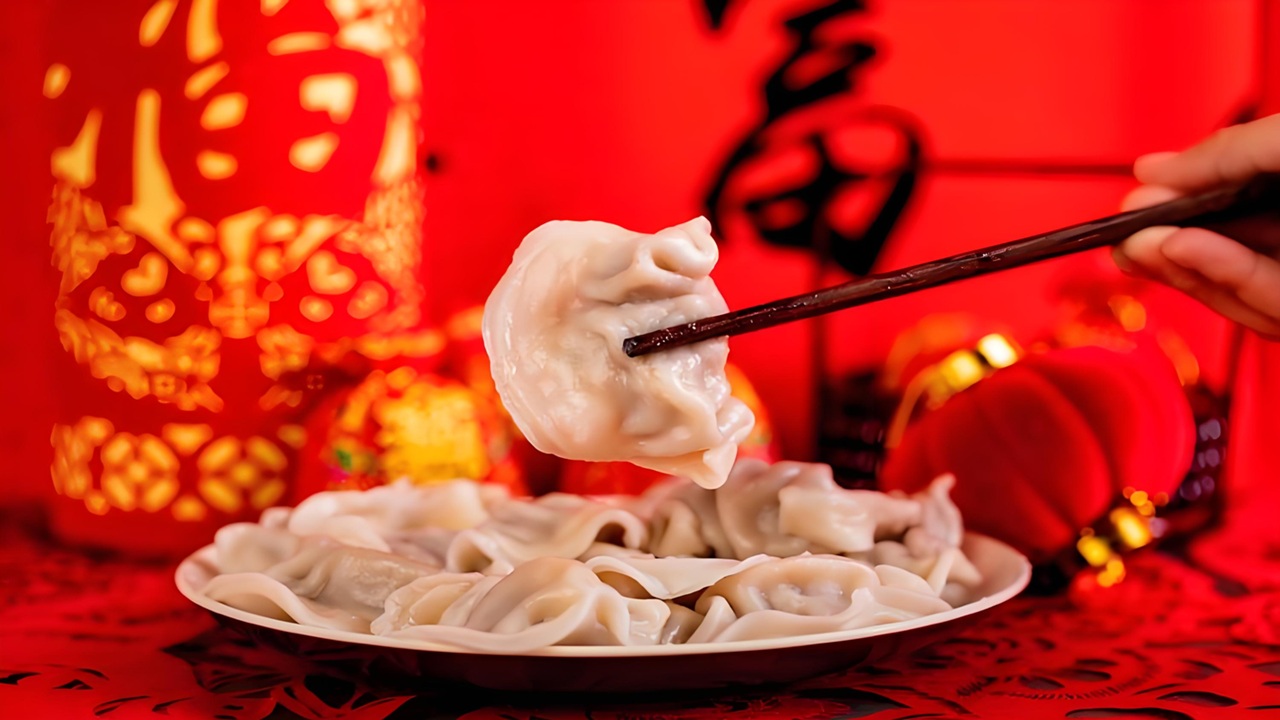
There is a rhythm to New Year’s Eve in Chinese households that echoes across generations. It begins with the soft thud of dough hitting the wooden board, the gentle hum of conversation, and the unmistakable aroma of seasoned pork and ginger filling the kitchen. Making jiaozi is not merely cooking. It is a ritual of homecoming, a celebration of family, and a delicious wish for prosperity in the year ahead.
When my grandmother gathered our family around her kitchen table in Beijing every Spring Festival eve, she would say, “Bao jiaozi, bao fuqi” – wrap dumplings, wrap good fortune. Those words have stayed with me through decades of living abroad. Today, I share with you everything I have learned about making authentic Chinese dumplings for your own New Year’s celebration.
This comprehensive guide covers the complete process of creating traditional jiaozi from scratch. You will learn the history behind this beloved dish, master the techniques for perfect dough and filling, and discover the cultural customs that make dumpling-making such a meaningful family tradition.
What Are Chinese Dumplings Jiaozi and Why Are They Important for Lunar New Year
Chinese dumplings, known as jiaozi (饺子, pronounced “jyaow-dzuh”), are small parcels of seasoned filling wrapped in thin dough. They represent one of the most beloved dishes in Chinese cuisine. The word “jiaozi” sounds similar to an ancient Chinese term meaning “bidding farewell to the old and ushering in the new.” This linguistic connection makes them essential for New Year’s celebrations.
According to China Highlights, jiaozi have a history spanning more than 1,800 years. They rank among the most classic lucky foods for Lunar New Year. The tradition of eating dumplings remains especially popular in northern China, where families gather on New Year’s Eve to wrap and enjoy these delicious parcels together.
The Three Main Types of Jiaozi
| Type | Chinese Name | Cooking Method | Characteristics |
|---|---|---|---|
| Boiled Dumplings | 水饺 (Shuǐjiǎo) | Boiled in water | Soft, juicy, and moist |
| Pan-Fried Dumplings | 煎饺 (Jiānjiǎo) | Pan-fried with water steam | Crispy bottom, tender top |
| Steamed Dumplings | 蒸饺 (Zhēngjiǎo) | Steamed in bamboo baskets | Light and delicate texture |
Each cooking method produces a distinct texture and flavor profile. Northern Chinese families traditionally prefer boiled dumplings for New Year’s Eve. The boiling method symbolizes completeness and protection against misfortune.
The History and Origin of Chinese Dumplings From Han Dynasty to Modern Tables
The origin story of jiaozi connects medicine, compassion, and culinary creativity. According to Chinese culinary tradition, dumplings were invented by the renowned physician Zhang Zhongjing during the Eastern Han Dynasty (AD 25–220).
As documented by the Museum of Food and Culture, Zhang Zhongjing created the first dumplings not as food but as medicine. During a harsh winter, he returned to his ancestral village and found many poor people suffering from frostbitten ears. The bitter cold and lack of proper nutrition had devastated the community.
Zhang developed a remedy by cooking lamb, black pepper, and warming medicinal herbs together. He wrapped this mixture in small pieces of dough shaped like human ears. He then boiled these parcels and served them with the broth to his patients. The villagers recovered from their frostbite before the Chinese New Year arrived.
The Evolution Through Chinese Dynasties
The dumpling evolved significantly through different periods of Chinese history:
- Western Han Dynasty (206 BC – AD 9): Dumplings were called “角子” (jiǎozi, meaning “horn-shaped”)
- Three Kingdoms Period (AD 220–280): The scholar Zhang Yi mentioned jiaozi in his book “Guangya”
- Northern Qi Dynasty (AD 550–577): Writer Yan Zhitui described crescent moon-shaped jiaozi as a favorite food worldwide
- Tang Dynasty (AD 618–907): Chinese archaeologists discovered a bowl of jiaozi in tombs at Turpan, confirming their widespread popularity
- Ming Dynasty (1368–1644): The connection between dumpling shape and ancient currency symbols became established
The Wikipedia entry on Jiaozi notes that these dumplings resemble ancient Chinese silver and gold ingots called yuanbao. This resemblance to money transformed jiaozi into powerful symbols of wealth and prosperity.
Why Do Chinese People Eat Dumplings on New Year’s Eve Traditions and Symbolism Explained
The tradition of eating dumplings at midnight on Chinese New Year’s Eve carries profound meaning. Multiple layers of symbolism make jiaozi the perfect food for welcoming a new year.
Shape Symbolism: Resemblance to Ancient Currency
Traditional jiaozi are shaped like crescent moons or boat-shaped ingots. This form deliberately mimics the gold and silver yuanbao used as currency during Imperial China. According to Travel China Guide, the shape symbolizes wealth. Legend suggests that the more dumplings you eat during New Year celebrations, the more money you can make in the coming year.
Linguistic Connections: Words of Fortune
The word “jiaozi” shares pronunciation with an old Chinese phrase meaning “crossing from the old year to the new.” The traditional timekeeping system divided days into twelve two-hour intervals. The period between 11 PM and 1 AM was called “Zi” (子), and the transition moment was called “Jiao” (交). Families gathered to make and eat dumplings during this “jiaozi” time, connecting the food to the moment of renewal.
Filling Symbolism: Hidden Meanings in Every Ingredient
Different dumpling fillings carry specific blessings:
| Filling Ingredient | Chinese Name | Symbolic Meaning |
|---|---|---|
| Cabbage | 白菜 (Báicài) | “Hundred riches” – growing wealth |
| Celery | 芹菜 (Qíncài) | Hard work leads to prosperity |
| Leek | 韭菜 (Jiǔcài) | Everlasting affluence |
| Pork | 猪肉 (Zhūròu) | Strength and abundance |
| Shrimp | 虾 (Xiā) | Happiness and vitality |
| Fish | 鱼 (Yú) | Surplus and abundance |
According to NPR’s coverage of Chinese New Year foods, families traditionally stretched meat as far as possible during the harsh winter months. Dumplings represented an economical way to create a celebration meal when food was scarce.
The Hidden Coin Tradition
Many families hide a clean coin or candied chestnut inside one dumpling. The person who finds this special dumpling receives good luck and great wealth in the coming year. Some families use chocolate coins today for safety reasons.
Essential Ingredients for Authentic Chinese Dumpling Dough Recipe From Scratch
Making dumpling wrappers from scratch produces superior results compared to store-bought alternatives. The homemade dough offers better texture, fresher flavor, and the satisfaction of creating something by hand.
Basic Dough Ingredients
You need only two ingredients for traditional dumpling dough:
- All-purpose flour: 300 grams (approximately 2⅓ cups)
- Warm water: 150-160 ml (approximately ⅔ cup)
Some recipes add a small pinch of salt to enhance the dough’s flavor and strengthen the gluten structure. As noted by Red House Spice, the flour-to-water ratio may vary depending on your flour brand and kitchen humidity.
Understanding the Dough Ratio
The typical ratio is approximately 2 parts flour to 1 part water by weight. This creates a dough that is firm enough to roll thin but pliable enough to fold easily.
| Flour Amount | Water Amount | Approximate Yield |
|---|---|---|
| 300g (2⅓ cups) | 150-160ml (⅔ cup) | 40-50 wrappers |
| 450g (3½ cups) | 225-240ml (1 cup) | 60-75 wrappers |
| 600g (4⅔ cups) | 300-320ml (1⅓ cups) | 80-100 wrappers |
Hot Water vs. Cold Water Dough
Two approaches exist for making dumpling dough:
Cold Water Dough (Traditional Method):
- Creates a chewier, more elastic texture
- Better for boiled dumplings
- Requires more kneading and resting time
Hot Water Dough (Softer Method):
- Produces a softer, more tender wrapper
- Better for steamed dumplings and pan-fried potstickers
- The hot water gelatinizes starches for easier rolling
For New Year’s Eve boiled dumplings, traditional cold water dough is the authentic choice.
Step-by-Step Guide to Making Perfect Homemade Dumpling Wrappers
Creating your own dumpling wrappers takes practice but rewards you with superior results. Follow these detailed steps for success.
Step 1: Mixing the Dough
- Place the flour in a large mixing bowl
- Create a well in the center
- Gradually pour in warm water while stirring with chopsticks or a fork
- Continue stirring until the mixture becomes shaggy with no dry flour visible
Pro Tip: Add water gradually rather than all at once. This allows you to adjust for flour variations and kitchen humidity.
Step 2: Kneading the Dough
- Turn the shaggy dough onto a lightly floured surface
- Knead using a push and pull motion for 8-10 minutes
- The dough should become smooth and not sticky
- If too sticky, add a small amount of flour
- If too dry, wet your hands slightly while kneading
As China Sichuan Food explains, proper kneading develops the gluten network. This creates dumplings with the right chewy texture.
Step 3: Resting the Dough (Critical Step)
- Shape the dough into a ball
- Cover with a damp towel or plastic wrap
- Rest for at least 30 minutes (1 hour is better)
- The dough should become “as soft as an earlobe“
Resting allows the gluten to relax, making the dough easier to roll and producing more tender wrappers.
Step 4: Shaping Individual Wrappers
- Divide the rested dough into two or four portions
- Roll one portion into a long rope about 2-3 cm in diameter
- Cut the rope into small pieces of approximately 10 grams each
- Keep unused dough covered to prevent drying
- Flatten each piece into a small disc with your palm
Step 5: Rolling the Wrappers
The rolling technique creates wrappers that are thinner at the edges and slightly thicker in the center. This design provides strength where the filling sits while allowing the edges to seal easily.
- Hold a disc in your non-dominant hand
- Use a small rolling pin to roll from the edge toward the center
- Rotate the disc slightly after each roll
- Continue until the wrapper reaches 7-8 cm (3 inches) in diameter
- The center should remain about 2mm thick, edges about 1mm thick
Best Traditional Pork and Cabbage Dumpling Filling Recipe for Chinese New Year
The most traditional filling for New Year’s dumplings combines pork and napa cabbage. This classic combination represents the authentic flavors of northern Chinese home cooking.
Core Filling Ingredients
For approximately 50 dumplings:
| Ingredient | Amount | Purpose |
|---|---|---|
| Ground pork (20% fat) | 300g (⅔ lb) | Main protein |
| Napa cabbage | 300g (⅔ lb) | Vegetable component |
| Scallions (green onions) | 3-4 stalks | Aromatic flavor |
| Fresh ginger | 1 tablespoon, minced | Warming spice |
| Light soy sauce | 2 tablespoons | Savory depth |
| Shaoxing wine | 1 tablespoon | Flavor enhancement |
| Sesame oil | 1 tablespoon | Aromatic finish |
| Salt | ½ teaspoon | Seasoning |
| White pepper | ¼ teaspoon | Subtle heat |
The Secret to Juicy Filling: Treating the Cabbage
Napa cabbage contains significant moisture that can make your filling watery. Proper preparation extracts excess liquid while concentrating flavor.
Cabbage Preparation Steps:
- Finely chop the napa cabbage
- Place in a colander and sprinkle with ½ teaspoon salt
- Let sit for 15-30 minutes
- Squeeze out all excess water using cheesecloth or clean hands
- The cabbage should release a shocking amount of liquid
According to Red House Spice’s dumpling guide, this step is essential. Skipping it results in soggy dumplings that are difficult to wrap and less flavorful.
Creating the Perfect Filling Mixture
- Marinate the pork first:
- Combine ground pork with soy sauce, Shaoxing wine, salt, and white pepper
- Stir in one direction until the mixture becomes sticky and cohesive
- This develops the protein structure for juicier dumplings
- Add aromatics:
- Mix in minced ginger and chopped scallions
- The fresh aromatics should be added close to wrapping time
- Combine with vegetables:
- Add the well-drained cabbage to the meat mixture
- Mix until just combined – do not overwork
Pro Tip: Add the cabbage to the meat mixture just before wrapping. If added too early, the salt in the mixture will draw more water from the vegetables.
Optional Additions for Enhanced Flavor
Some families enhance their filling with additional umami-rich ingredients:
- Dried shrimp: Soak until soft, then mince finely
- Fresh shrimp: Roughly chopped for texture
- Dried scallops: Adds depth and sweetness
- Wood ear mushrooms: Provides contrasting texture
- Chinese chives: Offers a distinctive pungent flavor
How to Fold Chinese Dumplings Like a Pro Step-by-Step Folding Techniques
Folding dumplings is an art form that improves with practice. The goal is to create a secure seal that prevents filling from leaking during cooking while achieving an attractive appearance.
Basic Half-Moon Fold (Beginner-Friendly)
This simple technique works well for first-time dumpling makers:
- Place 1 tablespoon of filling in the center of a wrapper
- Dip your finger in water and moisten the wrapper’s edge
- Fold the wrapper in half to form a half-moon shape
- Press the edges firmly to seal completely
- Press out any air pockets near the filling
Traditional Pleated Fold (Classic Style)
The pleated fold creates the iconic crescent shape seen in restaurants:
- Place filling in the center of the wrapper
- Moisten the edges with water
- Bring the bottom edge up to meet the top
- Pinch the center point together first
- Create small pleats on one side, pressing each fold against the back of the wrapper
- Repeat pleating on the other side
- Ensure all pleats face the same direction
Professional Tips for Beautiful Dumplings
Avoid These Common Mistakes:
- Too much filling: Start with less until you learn the technique
- Dry wrapper edges: Water helps create a strong seal
- Air trapped inside: Press gently to remove air pockets
- Touching pleated dumplings: Place them on a floured surface, not touching each other
Cultural Note: According to Travel China Guide, dumplings should have a good number of pleats. If you make the junction too flat, tradition says it foretells poverty. Take care with your folds!
Three Ways to Cook Chinese Dumplings Boiling Steaming and Pan-Frying Methods
Each cooking method produces distinct textures and flavors. Master all three to enjoy dumplings in their full variety.
Method 1: Boiled Dumplings (水饺 Shuǐjiǎo) – The Traditional New Year’s Eve Choice
Boiling is the most traditional method for New Year’s Eve dumplings.
Equipment Needed:
- Large pot with lid
- Slotted spoon or spider strainer
Cooking Steps:
- Bring a large pot of water to a rolling boil
- Gently add dumplings one at a time to prevent sticking
- Stir gently to prevent dumplings from sticking to the bottom
- When water returns to boil, add ½ cup cold water
- Repeat the cold water addition two more times (total of three additions)
- When dumplings float and become translucent, they are done
- Total cooking time: approximately 8-10 minutes
The “Three Boils” Method Explained:
This traditional technique ensures the filling cooks through without breaking the wrapper. Each cold water addition slows the boil, allowing heat to penetrate the center while keeping the exterior intact.
Cultural Belief: According to NPR, removing the lid too soon during cooking could mean losing your fortune in the coming year. Keep that lid on!
Method 2: Pan-Fried Dumplings (煎饺 Jiānjiǎo) – Crispy and Delicious
Pan-frying creates the beloved “potsticker” with its crispy golden bottom.
Equipment Needed:
- Non-stick skillet with lid
- Spatula
Cooking Steps:
- Heat 2 tablespoons oil in a skillet over medium-high heat
- Place dumplings in the pan with flat sides down
- Cook until bottoms are golden brown (about 2 minutes)
- Add ½ cup water to the pan
- Cover immediately with the lid
- Steam until water evaporates (about 5-6 minutes)
- Remove lid and cook another minute to re-crisp the bottom
Pro Tip: For an extra-crispy bottom, mix 1 teaspoon cornstarch into the water before adding it to the pan. This creates a delicate lace-like crust connecting all the dumplings.
Method 3: Steamed Dumplings (蒸饺 Zhēngjiǎo) – Light and Delicate
Steaming produces the most delicate texture, ideal for those who prefer lighter food.
Equipment Needed:
- Bamboo steamer or steamer basket
- Parchment paper or cabbage leaves
Cooking Steps:
- Line your steamer with parchment paper or napa cabbage leaves
- Arrange dumplings with space between each
- Bring water in the pot to a rolling boil
- Place steamer over the pot
- Steam for 10-12 minutes until cooked through
- Let rest for 1 minute before serving
Authentic Chinese Dumpling Dipping Sauce Recipes to Complete Your Meal
No dumpling meal is complete without the proper dipping sauce. The sauce balances and enhances the savory filling.
Classic Soy-Vinegar Dipping Sauce
This foundational sauce appears on tables throughout China.
Ingredients:
| Ingredient | Amount |
|---|---|
| Light soy sauce | 2 tablespoons |
| Chinese black vinegar (Chinkiang) | 2 tablespoons |
| Sesame oil | ½ teaspoon |
| Minced garlic | 1 clove |
| Sliced scallions | 1 tablespoon |
Instructions: Simply whisk all ingredients together in a small bowl. Let sit for 5 minutes to allow flavors to meld.
Spicy Chili Oil Sauce
For those who enjoy heat, this sauce adds a fiery kick.
Ingredients:
| Ingredient | Amount |
|---|---|
| Light soy sauce | 2 tablespoons |
| Rice vinegar | 1 teaspoon |
| Chili oil | 1-2 teaspoons |
| Sesame seeds | ½ teaspoon |
| Sugar | ¼ teaspoon |
According to The Woks of Life, dissolving a small amount of sugar in hot water before adding the other ingredients helps balance the saltiness of the soy sauce.
About Chinese Black Vinegar
Chinkiang vinegar (also spelled Zhenjiang vinegar) is a distinctive Chinese black vinegar made from fermented rice. As explained by Healthy Nibbles, this aged vinegar from China’s Jiangsu region offers a tangy, rich, malty, and slightly sweet flavor profile.
If you cannot find Chinese black vinegar, rice vinegar serves as an acceptable substitute. The flavor will be brighter and less complex but still delicious.
Regional Variations of Chinese Dumplings Across Different Provinces
While pork and cabbage dumplings dominate northern China, significant regional variations exist throughout the country.
Northern Chinese Dumplings (东北 Dōngběi)
- Larger size with generous filling
- Thicker, chewier wrappers
- Often served with vinegar and raw garlic
- Lamb fillings common in Muslim communities
Beijing-Style Dumplings
- Classic pork and cabbage combination
- Sometimes pan-fried into jianjiao (potstickers)
- Emphasis on fine pleating
Shandong Province Specialties
- Seafood fillings including fish, shrimp, and sea cucumber
- Reflects the coastal geography
- Often larger than typical dumplings
Southern Chinese Preferences
In southern China, rice rather than wheat serves as the staple grain. New Year traditions differ accordingly:
- Guangdong: Preference for wontons and dim sum
- Shanghai: Soup dumplings (xiaolongbao) popular
- Many families prefer glutinous rice cakes (niangao) over jiaozi
As Alibaba Party’s guide notes, northern Chinese families are more likely to eat dumplings, while southern regions favor rice-based dishes for New Year celebrations.
Tips for Making Dumplings Ahead and Freezing for Later
Making dumplings is time-intensive work. Preparing large batches for freezing makes sense for busy families.
Freezing Uncooked Dumplings
- Arrange shaped dumplings on a parchment-lined baking sheet
- Ensure dumplings are not touching each other
- Place the entire sheet in the freezer
- Freeze until completely solid (about 2 hours)
- Transfer frozen dumplings to freezer bags
- Label with date and filling type
- Store for up to 3 months
Cooking Frozen Dumplings
Important: Cook frozen dumplings directly from frozen. Do not thaw first.
Adjustments for Frozen Dumplings:
| Cooking Method | Time Adjustment |
|---|---|
| Boiling | Add 2-3 extra minutes |
| Pan-frying | Add 1-2 extra minutes steaming time |
| Steaming | Add 3-4 extra minutes |
According to King Arthur Baking, thawing frozen dumplings before cooking results in soggy, sticky dumplings that may fall apart. Always cook from frozen for best results.
Common Dumpling-Making Problems and How to Fix Them
Even experienced cooks encounter challenges. Here are solutions to the most common problems.
Problem: Dough Is Too Sticky
Causes: Too much water, insufficient kneading, or high humidity
Solutions:
- Gradually add more flour while kneading
- Ensure thorough kneading (8-10 minutes minimum)
- Dust your work surface generously with flour
Problem: Dough Is Too Dry and Cracking
Causes: Not enough water, over-kneading, or dough dried out
Solutions:
- Knead with slightly wet hands to add moisture
- Cover dough with damp cloth between uses
- Let dough rest longer (up to 2 hours)
Problem: Wrappers Are Uneven Thickness
Causes: Inconsistent rolling technique
Solutions:
- Roll from edge to center only, never across the entire wrapper
- Rotate wrapper frequently while rolling
- Practice the “roll and turn” technique
Problem: Filling Is Too Wet
Causes: Cabbage not drained properly, filling sat too long
Solutions:
- Salt and drain cabbage thoroughly (at least 15 minutes)
- Squeeze cabbage firmly to remove all liquid
- Mix filling just before wrapping
Problem: Dumplings Open During Cooking
Causes: Poor seal, too much filling, air trapped inside
Solutions:
- Moisten wrapper edges with water before sealing
- Press firmly along entire edge
- Remove air bubbles before final seal
- Use less filling until technique improves
Making Chinese New Year Dumpling-Making a Family Tradition
The true magic of New Year’s dumplings lies not in the finished product but in the process of making them together. This tradition strengthens family bonds and creates lasting memories.
The Communal Nature of Dumpling-Making
As Matador Network reports, making dumplings is perhaps the most special communal food activity in Chinese culture. Families gather together specifically to wrap dumplings. Everyone has a role to play.
Traditional Family Roles:
- Grandmother or mother: Makes the filling and oversees quality
- Father or grandfather: Rolls the wrappers
- Children: Help with simple folds and placing dumplings on trays
- Everyone: Conversation, laughter, and storytelling
Creating Your Own Tradition
Even if you did not grow up making dumplings, you can start this tradition with your own family:
- Choose a consistent time: New Year’s Eve afternoon works well
- Assign age-appropriate tasks: Young children can help mix filling or fold simple shapes
- Make it festive: Play Chinese music, wear red, hang decorations
- Document the experience: Take photos each year to track progress
- Share stories: Discuss hopes for the new year while wrapping
The Deeper Meaning
According to Grace Young, author of “The Breath of a Wok” and quoted by NPR, the whole family gathers to chat and make dumplings, which are eaten between midnight and 2 AM. This shared activity creates connections across generations and keeps cultural traditions alive.
Frequently Asked Questions About Making Chinese Dumplings for New Year’s Eve
How many dumplings should I make per person?
Plan for 15-20 dumplings per person as a main dish, or 8-10 dumplings per person if serving with other dishes. Northern Chinese families often eat dumplings as their entire New Year’s Eve meal.
Can I make dumpling dough the day before?
Yes, you can make the dough up to 24 hours ahead. Wrap it tightly in plastic wrap and refrigerate. Bring to room temperature and knead briefly before using.
Why do my dumplings stick together when boiling?
Several factors cause sticking:
- Overcrowding the pot
- Not stirring immediately after adding dumplings
- Insufficient water (use a large pot with plenty of water)
- Boiling too vigorously
What is the best meat-to-fat ratio for pork filling?
Choose ground pork with approximately 20% fat content. Leaner meat produces dry, less flavorful dumplings. The fat keeps the filling juicy and tender.
Can I make vegetarian dumplings for New Year’s Eve?
Absolutely! Popular vegetarian fillings include:
- Napa cabbage with scrambled eggs
- Mushroom and tofu
- Chive and egg
- Mixed vegetables with glass noodles
Vegetarian dumplings carry the same symbolic meaning as meat versions.
How do I know when boiled dumplings are fully cooked?
Look for these signs:
- Dumplings float to the surface
- Wrappers become slightly translucent
- Filling feels firm when gently pressed
- Total cooking time of 8-10 minutes from fresh, 12-14 minutes from frozen
Why should dumplings be arranged in lines, not circles?
According to Chinese tradition documented by Travel China Guide, arranging dumplings in circles suggests your life will “go round in circles, never going anywhere.” Straight lines symbolize progress and forward movement.
Conclusion: Embracing the Art of Chinese Dumpling-Making This New Year
Making authentic Chinese dumplings for New Year’s Eve connects you to a tradition spanning nearly two millennia. From Zhang Zhongjing’s medicinal ear-shaped parcels to the modern family gathering around the kitchen table, jiaozi carry profound meaning beyond their delicious taste.
What You Have Learned:
- The history and symbolism of jiaozi in Chinese culture
- How to make dumpling dough from scratch using the traditional method
- The secrets to creating juicy, flavorful filling with proper vegetable preparation
- Folding techniques from simple half-moons to elegant pleats
- Three cooking methods for different textures and occasions
- Authentic dipping sauce recipes to complete your meal
- Tips for freezing and troubleshooting common problems
This New Year’s Eve, I encourage you to gather your family, clear the kitchen table, and experience the joy of making dumplings together. The imperfect folds and occasional filling escapes matter far less than the conversations shared and memories created.
As my grandmother always said when we finished our last dumpling of the night: “Xīnnián kuàilè, gōngxǐ fācái” – Happy New Year, may you have prosperity. May your dumplings bring you the same blessings of wealth, health, and family togetherness in the year ahead.
Did you try making dumplings using this guide? Share your experience in the comments below! For more authentic Chinese holiday recipes and cultural insights, explore our other articles on traditional Lunar New Year celebrations.
Essential Equipment and Tools for Making Chinese Dumplings at Home
Having the right tools makes dumpling-making significantly easier. While you can manage with basic kitchen equipment, specialized tools improve your results.
Must-Have Equipment
Rolling Pin Options:
| Type | Description | Best For |
|---|---|---|
| Chinese Rolling Pin | Thin dowel without handles, about 30cm long | Traditional thin wrappers with thicker centers |
| Western Rolling Pin | Larger with handles | Rolling multiple wrappers from a sheet |
| Tapered French Pin | Narrow in middle, wider at ends | Versatile option for beginners |
The traditional Chinese rolling pin gives you the most control for creating wrappers with the ideal thickness gradient.
Work Surface Considerations:
- Wooden board: Traditional choice that absorbs excess moisture
- Marble or granite: Stays cool, prevents dough from becoming sticky
- Silicone mat: Easy cleanup, marked with size guides
Other Helpful Tools:
- Large mixing bowl: For dough and filling preparation
- Chopsticks: For stirring and mixing
- Small dish of water: For moistening wrapper edges
- Slotted spoon: For removing boiled dumplings
- Bamboo steamer: For steaming method
- Non-stick pan with lid: For pan-frying
Setting Up Your Dumpling-Making Station
Organization improves efficiency when making dumplings. Arrange your workspace in this order:
- Dough station: Rested dough, rolling pin, small knife
- Filling station: Prepared filling, spoon for portioning
- Assembly station: Small water dish, clean surface for folding
- Holding station: Floured tray or parchment-lined baking sheet
Having everything within arm’s reach allows you to maintain a steady rhythm while working.
Understanding Chinese New Year Timing: When to Eat Dumplings for Maximum Luck
The timing of your dumpling meal carries symbolic significance. Understanding the traditional schedule helps you plan your celebration.
The New Year’s Eve Timeline
Afternoon (2-5 PM):
- Prepare dumpling dough
- Make and season the filling
- Set up your workstation
Evening (6-9 PM):
- Gather family for reunion dinner
- Traditional multi-course meal
- Save room for dumplings!
Late Evening (9 PM – Midnight):
- Family gathers to wrap dumplings together
- Storytelling and conversation
- Television often shows the CCTV New Year’s Gala
Midnight:
- Dumplings are served as the new year arrives
- Firecrackers welcome the new year
- Blessings exchanged between family members
Early Morning (12-2 AM):
- Continue eating dumplings
- Leftovers saved for next day
According to China Highlights, eating dumplings at the stroke of midnight marks the transition from old to new. The word “jiaozi” literally connects to this moment of crossing between years.
The Fifth Day Tradition
Dumplings appear again on the fifth day of the Lunar New Year. This day, called “Po Wu” (破五), marks the birthday of the God of Wealth. Eating dumplings on this day invites prosperity for the coming year.
During the first five days of the new year, many traditional activities were restricted. The fifth day celebration releases these restrictions and welcomes normal life—along with more delicious dumplings.
Health Benefits of Homemade Chinese Dumplings
Beyond their cultural significance, homemade dumplings offer nutritional advantages over many convenience foods.
Balanced Nutrition in Every Bite
A well-made dumpling contains all three macronutrients:
- Carbohydrates: From the wheat flour wrapper
- Protein: From pork, shrimp, or other meat fillings
- Vegetables: Napa cabbage, scallions, and aromatics
Control Over Ingredients
Making dumplings at home allows you to:
- Adjust sodium levels by controlling soy sauce and salt
- Choose leaner meats if desired
- Increase vegetable content for more fiber
- Avoid preservatives found in commercial frozen dumplings
- Use organic ingredients when available
Approximate Nutrition Per Dumpling
| Nutrient | Amount (per dumpling) |
|---|---|
| Calories | 45-65 |
| Protein | 2-4g |
| Carbohydrates | 5-7g |
| Fat | 2-3g |
| Sodium | 80-150mg |
These values vary based on filling ingredients and wrapper size.
Pairing Chinese Dumplings with Traditional New Year Dishes
While dumplings can serve as a complete meal, New Year’s Eve celebrations often include complementary dishes.
Traditional Accompaniments
Soup Options:
- Hot and sour soup: Provides warming contrast
- Egg drop soup: Light and simple
- Wonton soup: Double the dumpling goodness
Vegetable Dishes:
- Stir-fried greens: Symbolize spring and renewal
- Pickled cucumbers: Refreshing palate cleanser
- Garlic spinach: Adds color to the table
Cold Appetizers:
- Sliced beef with spicy sauce
- Jellyfish salad
- Century egg with pickled ginger
Beverage Pairings
Traditional drinks for New Year’s dumpling meals include:
- Chinese tea: Pu-erh or jasmine varieties
- Warm rice wine: For adults, served heated
- Sweet red date tea: Symbolizes sweetness in life
- Hot water: The simplest digestive aid
Troubleshooting Advanced Dumpling Techniques
As your skills develop, you may encounter more nuanced challenges. Here are solutions for advanced problems.
Achieving Restaurant-Quality Pleats
The 10-Pleat Technique:
Professional dumpling shops aim for consistent pleating. Practice this method:
- Pinch center point of wrapper together
- Working from center to right, make 5 small pleats
- Working from center to left, make 5 small pleats
- All pleats should face the same direction
- Press pleated edge firmly against back wall of wrapper
Why Uniform Pleats Matter:
- Even cooking throughout
- Professional appearance
- Better structural integrity
- Pride in craftsmanship
Creating Soup Dumplings at Home
Soup dumplings (xiaolongbao) require an additional step: adding gelatinized broth to the filling that melts during steaming.
Basic Soup Dumpling Modification:
- Make a rich pork or chicken stock
- Add gelatin (or use naturally gelatinous pork skin broth)
- Refrigerate until solid
- Chop the jellied stock into small cubes
- Mix cubes into your standard filling
- Wrap immediately and steam
- The gelatin melts, creating soup inside the dumpling
This technique requires practice but produces impressive results.
Dealing with Altitude and Humidity
High Altitude Adjustments:
- Water boils at lower temperatures at high altitude
- Increase cooking time by 1-2 minutes
- Dough may need slightly more water
High Humidity Adjustments:
- Dough absorbs moisture from air
- Use slightly less water in your dough
- Keep unused wrappers well covered
- Work quickly to prevent stickiness
The Modern Dumpling Renaissance: Preserving Tradition in Contemporary Times
The tradition of making dumplings faces challenges in modern life. Busy schedules, smaller families, and geographic separation make gathering difficult.
Adapting Traditions for Modern Families
Virtual Dumpling Parties:
During recent years, many families discovered video calling allows distant relatives to participate in dumpling-making. Families connect across time zones, rolling dough and sharing stories despite physical separation.
Dumpling-Making Classes:
Community centers, cooking schools, and cultural organizations offer dumpling-making classes. These provide opportunities for people without family traditions to learn this skill and create new connections.
Social Media Documentation:
Younger generations share their dumpling-making experiences online. Hashtags like #MakingDumplings and #ChineseNewYear preserve cultural memory and inspire others to try this tradition.
Keeping the Tradition Alive
As Matador Network eloquently describes, “Maybe this is exactly why people eat dumplings during Chinese New Year. It’s nourishing, delicious, and unpretentious. Just like home. Nothing to fuss about, but always there when you need it.”
Whether you are continuing a family tradition spanning generations or starting a new one this year, the act of making dumplings connects you to something larger than yourself. The flour on your hands, the steam rising from the pot, the satisfaction of a well-sealed dumpling—these experiences transcend language and geography.