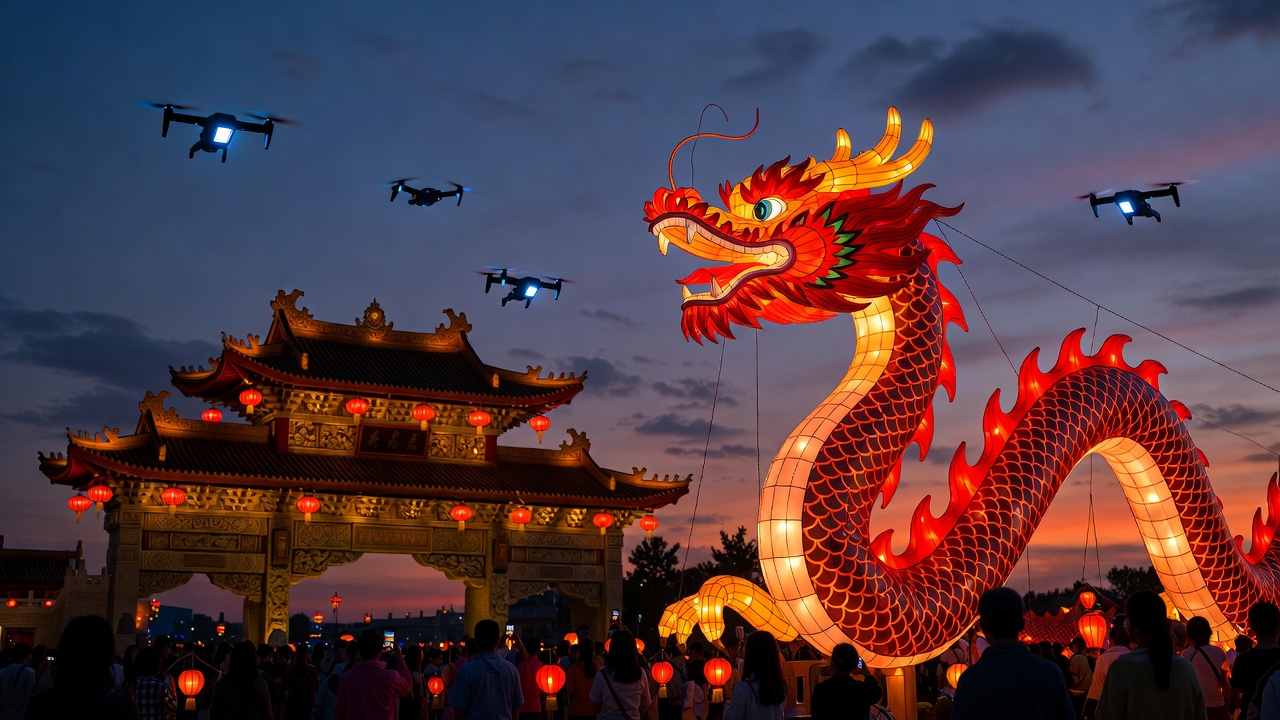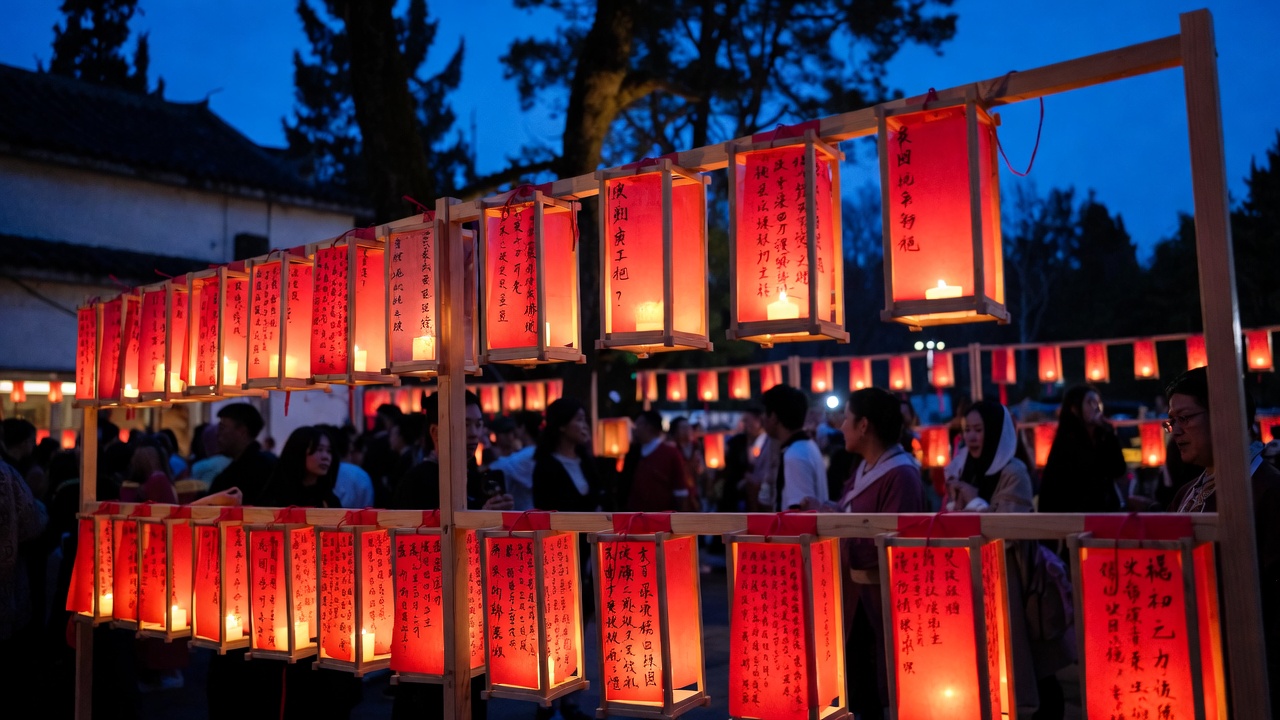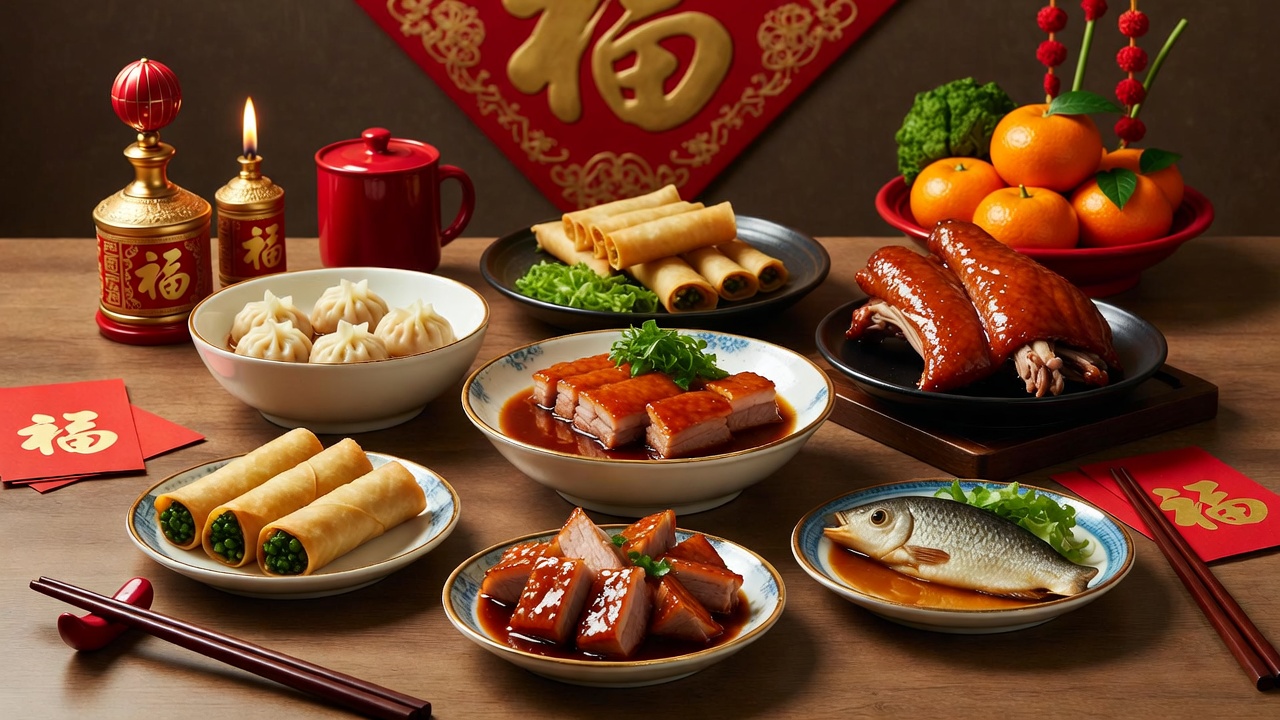
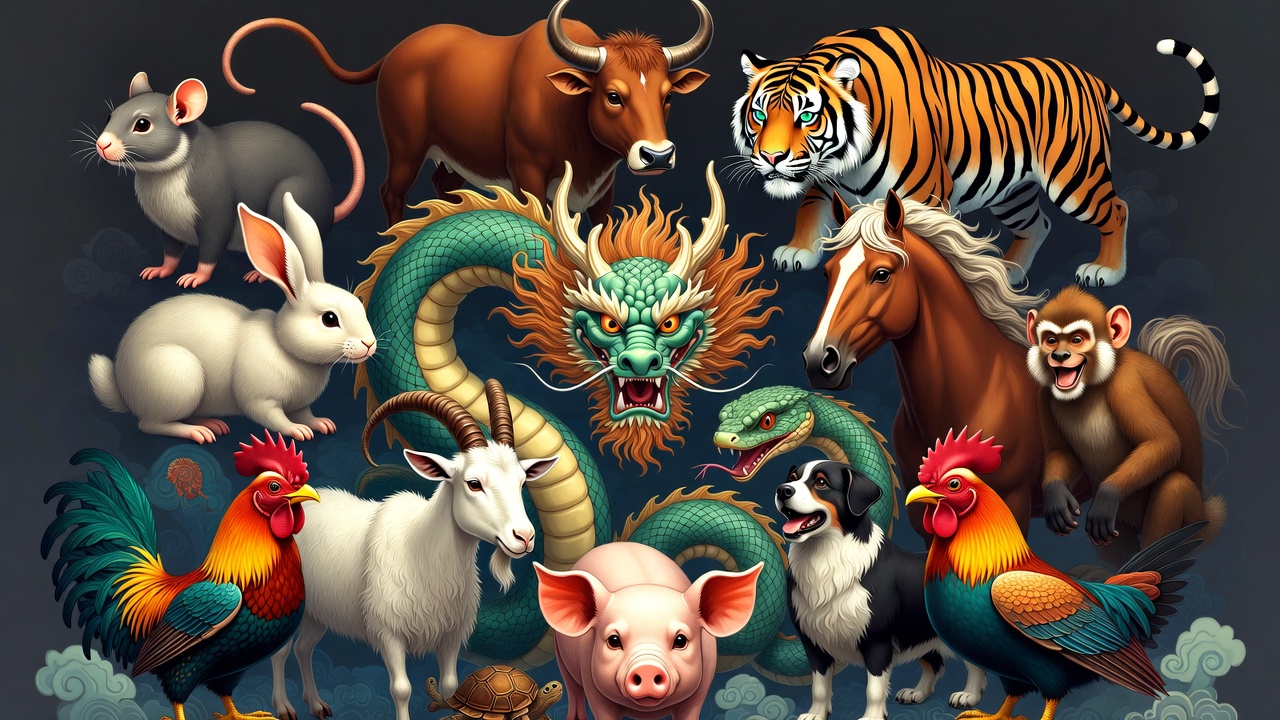
The clatter of firecrackers echoes through narrow alleyways. Red lanterns sway gently in the winter breeze. Families gather around steaming tables piled high with dumplings and whole fish. This is Chinese New Year—a celebration that has unfolded for over 4,000 years. At its heart lies the Chinese zodiac, a mystical cycle of twelve animals that has shaped fortunes, marriages, and destinies across East Asia for millennia.
As we gallop into 2026, the Year of the Fire Horse charges onto the scene. This guide explores everything you need to know about the Chinese zodiac’s rich history, the spirited Horse sign, and what this dynamic year holds for billions of people worldwide.
What Is the Chinese Zodiac and How Did It Originate?
The Chinese zodiac, known as Sheng Xiao (生肖) or “birth likeness,” is a classification system that assigns one of twelve animals to each year in a repeating cycle. Unlike Western astrology, which bases zodiac signs on the sun’s position relative to constellations, the Chinese system follows the lunar calendar.
The Ancient Roots of the Twelve-Animal Cycle
The exact origins of the Chinese zodiac remain shrouded in mystery. Historians generally agree that the system emerged during the Warring States Period (475–221 BCE) and became firmly established during the Han Dynasty (206 BCE–220 CE). A few sources suggest that it can be traced to the Warring States period (475–221 bce), other sources place its beginning in the Qin dynasty (221–207 bce), and others during the Han dynasty (206 bce–220 ce).
Some researchers believe the twelve-year cycle was inspired by observations of Jupiter, which takes approximately twelve years to complete its orbit around the sun. As the planet moved through the night sky, ancient Chinese astronomers may have divided its journey into twelve segments, each represented by an animal.
The zodiac system is deeply intertwined with the Earthly Branches (地支), a traditional timekeeping method used for centuries in China. Each of the twelve animals corresponds to one Earthly Branch. This created a comprehensive system for tracking years, months, days, and even hours.
The Legendary Great Race Story
The most beloved explanation for the zodiac’s order comes from a legendary race organized by the Jade Emperor, the supreme deity in traditional Chinese mythology.
According to this tale, the Jade Emperor announced a grand competition to determine which animals would earn a place in the zodiac. All creatures were invited to race across a great river, with the first twelve finishers immortalized in the calendar.
Here is what happened, according to the legend:
| Position | Animal | How They Finished |
|---|---|---|
| 1st | Rat | Rode on Ox’s back, jumped ahead at the last moment |
| 2nd | Ox | Diligent and strong, carried the Rat unknowingly |
| 3rd | Tiger | Exhausted but pushed through with determination |
| 4th | Rabbit | Hopped across stones, aided by a floating log |
| 5th | Dragon | Stopped to help a village in drought, then created wind to help Rabbit |
| 6th | Snake | Coiled around Horse’s hoof, startled it at the finish |
| 7th | Horse | Dawdled for admirers, arrived strong but late |
| 8th | Goat | Teamed up with Monkey and Rooster on a raft |
| 9th | Monkey | Collaborated with Goat and Rooster |
| 10th | Rooster | Worked together with Goat and Monkey |
| 11th | Dog | Stopped for a bath in the river |
| 12th | Pig | Got hungry and stopped to eat, then napped |
The Horse, despite its incredible speed and strength, finished only seventh. Why? Horse was a crowd favorite, but because it was dawdling for the onlookers’ adoration and fanfare at the starting line, Horse didn’t start the race until it was too late to win the way everyone expected.
This origin story reveals something essential about Horse personalities: they are charismatic, confident, and love attention—sometimes to their own detriment.
Understanding the Chinese Zodiac’s Twelve Animals and Their Characteristics
Before diving deep into the Year of the Horse, let’s understand the complete zodiac cycle. Each animal carries specific personality traits, lucky elements, and compatible signs.
The Complete Twelve-Animal Zodiac Sequence
| Animal | Years | Key Traits | Element |
|---|---|---|---|
| Rat | 1936, 1948, 1960, 1972, 1984, 1996, 2008, 2020 | Clever, resourceful, adaptable | Water |
| Ox | 1937, 1949, 1961, 1973, 1985, 1997, 2009, 2021 | Diligent, dependable, determined | Earth |
| Tiger | 1938, 1950, 1962, 1974, 1986, 1998, 2010, 2022 | Brave, competitive, confident | Wood |
| Rabbit | 1939, 1951, 1963, 1975, 1987, 1999, 2011, 2023 | Gentle, elegant, compassionate | Wood |
| Dragon | 1940, 1952, 1964, 1976, 1988, 2000, 2012, 2024 | Powerful, lucky, ambitious | Earth |
| Snake | 1941, 1953, 1965, 1977, 1989, 2001, 2013, 2025 | Wise, mysterious, intuitive | Fire |
| Horse | 1942, 1954, 1966, 1978, 1990, 2002, 2014, 2026 | Energetic, independent, adventurous | Fire |
| Goat | 1943, 1955, 1967, 1979, 1991, 2003, 2015, 2027 | Calm, gentle, creative | Earth |
| Monkey | 1944, 1956, 1968, 1980, 1992, 2004, 2016, 2028 | Witty, curious, mischievous | Metal |
| Rooster | 1945, 1957, 1969, 1981, 1993, 2005, 2017, 2029 | Observant, hardworking, courageous | Metal |
| Dog | 1946, 1958, 1970, 1982, 1994, 2006, 2018, 2030 | Loyal, honest, protective | Earth |
| Pig | 1947, 1959, 1971, 1983, 1995, 2007, 2019, 2031 | Generous, compassionate, diligent | Water |
How the Five Elements Shape Chinese Zodiac Personality Traits
The Chinese zodiac is more than just twelve animals. It incorporates the Wu Xing (五行), or Five Elements Theory, which adds another layer of complexity to personality analysis.
Understanding Wu Xing: Wood, Fire, Earth, Metal, and Water
The Five Elements Theory emerged during the Spring and Autumn Period (770–476 BCE) and became fundamental to Chinese philosophy, medicine, feng shui, and astrology. Five Elements Theory is a Chinese philosophy used to describe interactions and relationships between things. The five elements — wood, fire, earth, metal, and water — are believed to be the fundamental elements of everything in the universe between which interactions occur.
Each element possesses unique characteristics:
Wood (木):
- Traits: Creative, idealistic, generous, persistent
- Associated with growth, vision, and planning
- Season: Spring
- Direction: East
Fire (火):
- Traits: Passionate, courageous, dynamic, assertive
- Associated with energy, enthusiasm, and leadership
- Season: Summer
- Direction: South
Earth (土):
- Traits: Stable, reliable, practical, nurturing
- Associated with grounding, patience, and dependability
- Season: Late Summer
- Direction: Center
Metal (金):
- Traits: Determined, ambitious, disciplined, strong-willed
- Associated with precision, organization, and resilience
- Season: Autumn
- Direction: West
Water (水):
- Traits: Wise, flexible, intuitive, sensitive
- Associated with communication, adaptability, and introspection
- Season: Winter
- Direction: North
The Generating and Overcoming Cycles
The elements interact through two primary cycles:
Generating Cycle (Sheng):
- Wood feeds Fire (木生火)
- Fire creates Earth (火生土)
- Earth bears Metal (土生金)
- Metal carries Water (金生水)
- Water nourishes Wood (水生木)
Overcoming Cycle (Ke):
- Wood parts Earth (木克土)
- Earth absorbs Water (土克水)
- Water quenches Fire (水克火)
- Fire melts Metal (火克金)
- Metal chops Wood (金克木)
These relationships determine compatibility, fortune predictions, and feng shui recommendations.
The Year of the Horse: Personality Traits, Strengths, and Weaknesses
The Horse occupies the seventh position in the Chinese zodiac. Its fixed element is Fire, symbolizing passion, energy, and warmth. In traditional Chinese culture, the Horse represents power, beauty, freedom, and perseverance.
Core Personality Traits of Horse-Born Individuals
People born in the Year of the Horse are among the most dynamic personalities in the zodiac. In Chinese culture, the Horse is known for its energetic and dynamic nature. It symbolizes vitality, speed, and perseverance. People born in the Year of the Horse are believed to possess similar traits, such as being hardworking, warm-hearted, and independent.
Positive Horse Characteristics:
- Energetic and Active: Horses possess boundless energy. They thrive on physical and mental activity. Sitting still is nearly impossible for them.
- Independent and Freedom-Loving: Like wild horses on open plains, these individuals resist control. They need space to roam, explore, and make their own decisions.
- Charismatic and Popular: Horses have natural charm that draws people toward them. They light up rooms and make friends easily.
- Quick-Witted and Intelligent: They think fast on their feet. Problem-solving comes naturally to them.
- Enthusiastic and Optimistic: Horses approach life with infectious positivity. They inspire those around them.
- Adventurous and Brave: New experiences excite them. They tackle challenges with courage.
Challenging Horse Characteristics:
- Impatient and Impulsive: Horses want results immediately. They may act before thinking things through.
- Stubborn and Self-Centered: Once they decide something, changing their mind is difficult. They can focus too heavily on their own needs.
- Restless and Easily Bored: Routine suffocates them. They may abandon projects when initial excitement fades.
- Hot-Tempered: Anger can flare quickly, though it usually passes just as fast.
- Poor at Keeping Secrets: Their straightforward nature means they might share information they should keep private.
Male vs. Female Horse Personalities
Male Horses: Male Horses are charming and attractive. They draw romantic attention easily. However, they can be impatient when facing setbacks in love or career. They make natural athletes and leaders. Their temper can hurt others, though they quickly forget their own outbursts—sometimes leaving others hurt in their wake.
Female Horses: Female Horses are fortunate and more patient than their male counterparts, although they can often be hot and cold to their suitors as well as friends, despite their friendly demeanor. They possess strong determination and can be ruthless toward those they dislike. However, they devote tremendous loyalty and love to their inner circle.
What Year Is the Year of the Horse? Complete Historical Timeline
Understanding which years fall under the Horse sign helps you identify whether you (or someone you know) carries Horse energy.
Year of the Horse Dates from 1918 to 2086
| Year | Dates | Element |
|---|---|---|
| 1918 | Feb 11, 1918 – Feb 1, 1919 | Earth Horse |
| 1930 | Jan 30, 1930 – Feb 16, 1931 | Metal Horse |
| 1942 | Feb 15, 1942 – Feb 4, 1943 | Water Horse |
| 1954 | Feb 3, 1954 – Jan 23, 1955 | Wood Horse |
| 1966 | Jan 21, 1966 – Feb 8, 1967 | Fire Horse |
| 1978 | Feb 7, 1978 – Jan 27, 1979 | Earth Horse |
| 1990 | Jan 27, 1990 – Feb 14, 1991 | Metal Horse |
| 2002 | Feb 12, 2002 – Jan 31, 2003 | Water Horse |
| 2014 | Jan 31, 2014 – Feb 18, 2015 | Wood Horse |
| 2026 | Feb 17, 2026 – Feb 5, 2027 | Fire Horse |
| 2038 | Feb 4, 2038 – Jan 23, 2039 | Earth Horse |
| 2050 | Feb 12, 2050 – Jan 31, 2051 | Metal Horse |
| 2062 | Jan 31, 2062 – Feb 18, 2063 | Water Horse |
| 2074 | Feb 7, 2074 – Jan 26, 2075 | Wood Horse |
| 2086 | Jan 26, 2086 – Feb 13, 2087 | Fire Horse |
Important Note: Chinese New Year falls between late January and mid-February. If you were born in January or early February, check the exact dates to confirm your zodiac animal.
The Five Types of Horses: How Your Element Shapes Your Destiny
Because the Five Elements cycle intersects with the twelve-animal cycle, each complete zodiac rotation takes 60 years. This means there are five different types of Horses, each with distinct characteristics.
Wood Horse (1954, 2014)
Freedom is what Wood Horses seek always, as they dislike being strained and bounded. They are diligent, passionate and careful in character, but they are also hot-tempered, impulsive and impatient.
Key Traits:
- Natural leaders and decision-makers
- Strong entrepreneurial spirit
- May start businesses from nothing
- Need to cultivate patience and willpower
- Popular among the opposite sex
- Should avoid rash investments; real estate is wise
Notable Wood Horse: Jackie Chan (April 7, 1954)
Fire Horse (1966, 2026)
The Fire Horse combines two Fire elements: the Horse’s fixed Fire nature plus the Fire year element. This creates an exceptionally intense personality.
Key Traits:
- Extremely intelligent and capable
- Highly competitive and ambitious
- Risk-takers who pursue excitement
- May burn themselves (and others) out
- Natural leaders with magnetic charisma
- Strong intuition but may ignore others’ advice
Led mostly by his heart and his passions, this is the wildest and most volatile of Horses. The Fire Horse is exceptionally intelligent and has a brilliant personality.
Earth Horse (1978, 2038)
The Earth element grounds the Horse’s fiery nature, creating more stability and balance.
Key Traits:
- More steady and less impetuous than other Horses
- May struggle with indecision
- Strong moral principles
- Easier to settle down and fulfill responsibilities
- Takes others’ advice more readily
- Happy, amiable personality
Notable Earth Horse: Kobe Bryant (August 23, 1978)
Metal Horse (1930, 1990)
Metal Horses are the most popular but also most stubborn of all Horse types.
Key Traits:
- Exceptionally friendly and warm-hearted
- Highly active and driven
- Unyielding focus sees projects through to completion
- Independent; rarely needs help
- Can be uncompromising
- Thrives on excitement and new challenges
Notable Metal Horses: Warren Buffett (August 30, 1930), Jennifer Lawrence (August 15, 1990)
Water Horse (1942, 2002)
Water adds flexibility and adaptability to the Horse personality.
Key Traits:
- More adaptable and flowing
- Good communication skills
- Sensitive to others’ emotions
- May be overly influenced by surroundings
- Natural entertainers
- Need to maintain boundaries
Notable Water Horses: Harrison Ford (July 13, 1942), Aretha Franklin (March 25, 1942)
Famous People Born in the Year of the Horse: Celebrities and Historical Figures
Horse-born individuals have achieved remarkable success across entertainment, politics, sports, and business. Their natural charisma, drive, and determination propel them to great heights.
Entertainment Industry
| Name | Birth Year | Horse Type | Profession |
|---|---|---|---|
| Jackie Chan | 1954 | Wood Horse | Actor, Martial Artist |
| Harrison Ford | 1942 | Water Horse | Actor |
| Denzel Washington | 1954 | Wood Horse | Actor, Director |
| Jennifer Lawrence | 1990 | Metal Horse | Actress |
| John Travolta | 1954 | Wood Horse | Actor |
| Aretha Franklin | 1942 | Water Horse | Singer |
| Janis Joplin | 1943 | Water Horse | Singer |
| Kevin Costner | 1955 | Wood Horse | Actor, Director |
| Ashton Kutcher | 1978 | Earth Horse | Actor, Entrepreneur |
| Margot Robbie | 1990 | Metal Horse | Actress |
| Sean Connery | 1930 | Metal Horse | Actor |
| John Legend | 1978 | Earth Horse | Singer |
World Leaders and Influencers
| Name | Birth Year | Profession |
|---|---|---|
| Angela Merkel | 1954 | Former Chancellor of Germany |
| Theodore Roosevelt | 1858 | 26th U.S. President |
| Greta Thunberg | 2003 | Climate Activist |
Athletes
| Name | Birth Year | Sport |
|---|---|---|
| Kobe Bryant | 1978 | Basketball |
| Mike Tyson | 1966 | Boxing |
Chinese Zodiac Horse Compatibility: Best and Worst Matches for Love and Marriage
Zodiac compatibility plays an important role in traditional Chinese culture. Many families still consult zodiac charts when considering marriages or business partnerships.
Best Matches for the Horse
In general, the major zodiac signs well-matched to Horse are Sheep, Tiger and Rabbit. When getting together with these signs, they will create an enviable marriage life.
Horse and Tiger: Excellent Match ★★★★★
This pairing creates an exciting, passionate relationship. Both signs are energetic, adventurous, and love freedom. They understand each other’s need for independence. Arguments happen, but both quickly forgive and move on. Strangely, most of their fights end in raucous laughter. Neither one of these signs can hold a grudge for long. Sexually, the Horse and Tiger are well matched.
Horse and Sheep (Goat): Highly Compatible ★★★★★
The Sheep’s gentle, nurturing nature complements the Horse’s adventurous spirit. Sheep provide stability while Horses bring excitement. The Sheep overlooks the Horse’s selfishness and mood swings, while the Horse protects and provides for the Sheep.
Horse and Dog: Strong Partnership ★★★★☆
Both signs are energetic and open-minded. The Dog’s patience balances the Horse’s impulsiveness. They share similar values and goals. While they may lack deep communication, mutual effort creates lasting harmony.
Challenging Matches for the Horse
Horse and Rat: Difficult Pairing ★★☆☆☆
The worst matches come from Rat, Rooster and Ox, which should be avoided as much as possible.
The Rat is family-oriented and enjoys staying home. The Horse craves freedom and the outside world. These opposing values create constant friction. The Rat feels neglected while the Horse feels trapped.
Horse and Ox: Challenging Combination ★★☆☆☆
The Ox is steady, dependable, and routine-oriented—everything the Horse finds boring. The Horse’s spontaneity stresses the practical Ox. Neither understands the other’s priorities, making long-term harmony difficult.
Horse and Rooster: Conflicting Personalities ★★☆☆☆
Both signs can be self-centered and stubborn. The Rooster’s need for order clashes with the Horse’s free-spirited nature. Power struggles are common.
Complete Horse Compatibility Chart
| Partner Sign | Compatibility | Assessment |
|---|---|---|
| Tiger | ★★★★★ | Ideal match; passionate and understanding |
| Sheep (Goat) | ★★★★★ | Complementary; nurturing and adventurous |
| Dog | ★★★★☆ | Strong bond; shared energy and values |
| Rabbit | ★★★☆☆ | Requires effort; different needs |
| Dragon | ★★★☆☆ | Exciting but competitive |
| Monkey | ★★★☆☆ | Fun together; may lack depth |
| Pig | ★★★☆☆ | Pleasant; needs compromise |
| Horse | ★★★☆☆ | Understand each other; may lack stability |
| Snake | ★★☆☆☆ | Communication challenges |
| Rooster | ★★☆☆☆ | Power struggles likely |
| Ox | ★★☆☆☆ | Fundamentally different values |
| Rat | ★☆☆☆☆ | Opposing worldviews; avoid if possible |
The Fire Horse Phenomenon: Why 1966 Changed Japan Forever
The Fire Horse (丙午, Hinoe-Uma in Japanese) holds a unique and controversial place in East Asian culture. This rare zodiac combination, occurring only once every 60 years, became the center of one of history’s most dramatic demographic events.
The Superstition That Crashed Japan’s Birth Rate
In Japanese folklore, women born in Fire Horse years were believed to be dangerously headstrong. They were thought to bring misfortune to their husbands—even causing their early deaths. This belief traces back to the legend of Yaoya Oshichi, a young woman supposedly born in the 1666 Fire Horse year who was executed for arson after setting fire to Edo (modern Tokyo).
The superstition remained relatively harmless for centuries. Then came 1966.
Japan’s population pyramid has a curious quirk. At the point where the 1966 births are recorded, there appear to be notches cut away on either side. In that year, there were 1,361,000 births, which was around 500,000 fewer than either the previous or following year.
This 25% drop in births represents one of the most dramatic demographic anomalies in modern history. During the 1960s, the fertility rate was about 2.0 to 2.1 children per woman, but in 1966 it dropped dramatically to 1.6 children per woman.
How Media Amplified an Ancient Superstition
What makes 1966 remarkable is that Japan was already a modern, industrialized nation. Television broadcasts were common. Bullet trains connected cities. Yet an ancient superstition somehow reached its peak power.
There was a huge amount of media coverage from 1964 about the Year of the Fire Horse in newspapers and magazines, as well as on television shows.
Newspapers ran stories about women born in 1906 (the previous Fire Horse year) who struggled to find husbands. Reports of suicides among unmarried Fire Horse women circulated widely. The media coverage—while often encouraging people to ignore the superstition—paradoxically ensured everyone knew about it.
The Demographic Scar That Remains Visible
The birth decline wasn’t just numerical. Researchers found evidence that parents who did have children may have deliberately misreported their daughters’ birth years to avoid the stigma. The male-to-female birth ratio also rose significantly in 1966, suggesting some families selectively avoided having girls through abortion or birth record manipulation.
Key Statistics from Japan’s 1966 Fire Horse Year:
| Metric | 1965 | 1966 | 1967 |
|---|---|---|---|
| Total Births | 1,823,697 | 1,360,974 | 1,935,647 |
| Birth Rate per 1,000 | 18.6 | 13.7 | 19.4 |
| Decline from Previous Year | — | -25.4% | +42.3% |
Will Fire Horse Superstition Affect 2026?
As 2026 marks the return of the Fire Horse, demographers and cultural observers watch with interest. Modern Japan has changed dramatically. Marriage rates have declined. Many couples choose not to have children regardless of zodiac considerations. The superstition seems largely forgotten among younger generations.
Last June, Josei Seven magazine pointed out that when the former Kiko Kawashima married Prince (presently Crown Prince) Akishino in 1990, the issue of her having been born in 1966 was not raised at all.
Most experts believe a 1966-style birth crash is unlikely in 2026. However, the episode remains a powerful reminder of how cultural beliefs can influence behavior, even in modern societies.
The Horse in Chinese Art, Mythology, and Cultural Symbolism
The Horse holds a special place in Chinese civilization that extends far beyond the zodiac. For thousands of years, horses have symbolized power, victory, freedom, and nobility in Chinese culture.
Horses in Imperial China: Symbols of Military Power
Emperor Taizong, who unified China, was considered one the greatest rulers in Chinese history and was praised for his economic systems and military prowess. One of the primary reasons for the horse’s prominence was the fact that equines were a key factor in Taizong’s military tactics.
During the Tang Dynasty (618–907 CE), horses became essential symbols of imperial power. At the beginning of the Tang dynasty the government owned some 5,000 horses . . . Before long, public stud farms were established, soon becoming so successful that by the middle of the seventh century the government owned 700,000 horses.
The Ferghana horses from Central Asia, brought to China via Silk Road trade, were especially prized. Called Tien Ma (天马) or “Celestial Horses,” these magnificent animals inspired some of Chinese art’s greatest masterpieces.
Tang Dynasty Terracotta Horses: Artistic Treasures
The Tang Dynasty produced stunning ceramic horse figurines known as mingqi (明器), or “articles of the spirit.” Tang horses were made in China as tomb accessories for the comfort and use of the deceased in the afterlife. They were a symbol of status, and are usually found in the tombs of the rich and powerful, as well as the imperial family.
These sculptures showcase extraordinary craftsmanship. Artists used the Sancai (三彩) or “three-color” glazing technique, applying amber, green, and cream-colored glazes to create stunning visual effects. The horses display remarkable anatomical accuracy, with carefully rendered muscles, alert expressions, and dynamic poses.
The Flying Horse of Gansu: An Ancient Marvel
Perhaps China’s most famous horse artwork is the Flying Horse of Gansu (马踏飞燕), a bronze sculpture from the Eastern Han Dynasty (25–220 CE). This masterpiece depicts a galloping horse with one hoof resting on a flying swallow—a visual metaphor for incredible speed. It demonstrates the reverence ancient Chinese artisans held for these noble animals.
Horse Imagery in Chinese Language and Idioms
Chinese language contains numerous horse-related idioms that remain popular today:
马到成功 (Mǎ Dào Chéng Gōng): “Success upon the horse’s arrival”—a blessing for immediate triumph, like a victorious cavalry arriving at the battlefield.
龙马精神 (Lóng Mǎ Jīng Shén): “Dragon-horse spirit”—a wish for vibrant, energetic, and spirited health. This phrase combines China’s two most revered creatures.
万马奔腾 (Wàn Mǎ Bēn Téng): “Ten thousand horses galloping”—describing a magnificent, unstoppable force.
老马识途 (Lǎo Mǎ Shí Tú): “An old horse knows the way”—wisdom comes from experience.
Chinese New Year 2026: How to Celebrate the Year of the Fire Horse
Chinese New Year 2026 begins on Tuesday, February 17, 2026, and celebrations continue until the Lantern Festival on March 3, 2026. This marks the start of the Year of the Fire Horse.
Key Dates for Chinese New Year 2026
| Event | Date | Significance |
|---|---|---|
| Little New Year | Feb 9, 2026 | House cleaning begins; offerings to Kitchen God |
| New Year’s Eve | Feb 16, 2026 | Family reunion dinner; staying up late |
| Chinese New Year Day | Feb 17, 2026 | Fireworks; red envelopes; visiting relatives |
| Day 2-3 | Feb 18-19, 2026 | Visiting in-laws and friends |
| Day 5 | Feb 22, 2026 | Welcome the God of Wealth |
| Day 15 (Lantern Festival) | Mar 3, 2026 | Lantern displays; eating tang yuan |
Traditional Customs and Celebrations
Cleaning and Decorating: Weeks before the festival, families thoroughly clean their homes to sweep away bad luck. Red decorations—lanterns, paper cuttings, spring couplets (对联)—adorn doorways and windows. For 2026, horse-themed decorations add special significance.
Reunion Dinner (年夜饭): New Year’s Eve dinner is the year’s most important meal. Extended families gather for elaborate feasts featuring symbolic dishes:
- Whole fish: Symbolizes abundance (年年有余)
- Dumplings: Resemble ancient Chinese gold ingots; eating more brings more wealth
- Spring rolls: Represent golden bars and wealth
- Nian gao (年糕): Sweet rice cakes signifying progress and advancement
- Whole chicken: Represents family unity and prosperity
- Tang yuan (汤圆): Sweet glutinous rice balls symbolizing family togetherness
Red Envelopes (红包): Adults give children red envelopes containing money. The red color wards off evil spirits, while the money represents good fortune. Always use fresh bills in even amounts (avoiding four, which sounds like “death” in Chinese).
Fireworks and Firecrackers: The explosive sounds drive away evil spirits and welcome the new year with energy—especially appropriate for the dynamic Fire Horse year.
Lucky Elements for the Year of the Horse 2026
To attract good fortune in the Fire Horse year, consider incorporating these lucky elements:
Lucky Colors:
- Red: Primary lucky color; especially important in one’s zodiac year
- Pink: Romance and emotional warmth
- Purple: Nobility and spiritual growth
Lucky Numbers:
- 2 and 7: Most auspicious
- 3: Also favorable
Lucky Directions:
- Northeast
- Southwest
- Northwest
Things to Avoid:
- Colors: Black and blue (water colors that “extinguish” fire)
- Numbers: 1 and 6
- Direction: Southeast
- Pets: Rodents (opposite sign of Horse)
Special Considerations for Horse-Born People in 2026
2026 is a Ben Ming Nian (本命年) for Horses—meaning their zodiac year has returned. Traditionally, this is considered an unlucky year requiring extra precautions.
2026 presents a unique challenge for those born in Horse years. It’s their Ben Ming Nian, a year when their zodiac sign aligns with the current year. This is traditionally believed to bring bad luck due to a clash with Tai Sui, the God of Age.
Protective Measures for Horses in 2026:
- Wear red: Red socks, underwear, belts, or accessories ward off bad luck. Traditionally, these should be gifted by an elder or close family member, not purchased yourself.
- Jade pixiu amulets: These winged lion figures are believed to attract wealth and protect against misfortune.
- Be cautious: Avoid major life changes like moving, changing jobs, or large investments if possible.
- Visit temples: Praying to Tai Sui and making offerings can help appease the deity.
Year of the Horse Career and Wealth Predictions: Professional Success Strategies
Horse personalities excel in careers that offer freedom, variety, and opportunities for recognition.
Best Careers for Horse-Born Individuals
Ideal Professions:
- Adventure and Travel: Tour guides, travel writers, pilots, explorers
- Communication: Journalists, publicists, speakers, public relations
- Performance: Actors, musicians, entertainers, athletes
- Sales: Real estate agents, marketers, business development
- Leadership: Entrepreneurs, executives, team managers
- Creative Fields: Architects, designers, artists
Career Strengths:
- Quick thinking and adaptability
- Natural charisma that builds client relationships
- High energy for demanding roles
- Excellent multitasking abilities
- Strong intuition for opportunities
Career Challenges:
- Difficulty with routine administrative tasks
- May abandon projects before completion
- Can clash with authority figures
- Impatience with slow-moving processes
Financial Tendencies and Wealth Management
Horses do get favorable fortune in wealth. Although there are obstacles blocking their way, they could earn a big amount of money through their endeavors.
Horses typically earn good incomes thanks to their drive and talents. However, they love spending and struggle with saving.
Wealth Advice for Horses:
- Control impulse spending: Your love of luxury and novelty can drain savings quickly
- Invest in real estate: Physical assets suit Horse personalities better than complex financial instruments
- Avoid gambling: The thrill appeals to you, but losses can be devastating
- Seek financial partners: Someone more practical can balance your spending tendencies
- Plan for retirement: Your active lifestyle may make old age seem distant, but preparation matters
Horse Health and Wellness: Physical and Emotional Care
Despite their energetic appearance, Horses need careful attention to health and wellness.
Physical Health Considerations
Horse is often powerfully built and full of life, which makes them appear invincible, but that’s not usually the case. Instead, their constant activity means Horses are often strained, body and mind, and illness and injury prone.
Vulnerable Areas:
- Nervous system: High stress and constant activity strain nerves
- Digestive system: Irregular eating habits and stress affect digestion
- Cardiovascular system: High-energy lifestyles tax the heart
- Respiratory system: May develop breathing issues
Health Recommendations:
- Regular rest: Schedule downtime; your body needs recovery
- Balanced diet: Avoid skipping meals or eating on the run
- Stress management: Meditation or yoga can calm racing minds
- Regular checkups: Don’t ignore warning signs; address issues early
- Moderate exercise: Channel energy into sustainable activities
Emotional and Mental Wellness
Horses’ emotional lives can be as volatile as their physical energy. They experience high highs and low lows.
Emotional Patterns:
- Fall in love quickly and intensely
- May lose interest just as fast
- Prone to boredom and restlessness
- Can experience depression when constrained
Emotional Health Strategies:
- Acknowledge feelings: Your emotions are valid, even when intense
- Build support networks: Friends who understand your nature help stabilize moods
- Creative outlets: Channel emotional energy into art, music, or physical activities
- Professional support: Therapy can help manage mood swings
How Chinese Zodiac Traditions Continue to Influence Modern Life
Despite technological advancement and globalization, Chinese zodiac traditions remain deeply embedded in contemporary Asian culture—and increasingly influence Western societies.
Zodiac in Business and Career Decisions
Many Asian businesses still consider zodiac compatibility when forming partnerships or hiring key employees. Some entrepreneurs time major launches or signings according to auspicious zodiac dates.
Marriage and Family Planning
Traditionally, families consulted zodiac charts before approving marriages. While younger generations often dismiss such practices, many still enjoy checking compatibility for fun—and some take results seriously.
The 1966 Fire Horse phenomenon demonstrates how zodiac beliefs can influence family planning even in modern times.
Travel and Tourism
Chinese New Year triggers the world’s largest annual human migration. Hundreds of millions travel home for family reunions. Tourism businesses worldwide court Chinese travelers during this period, often incorporating zodiac themes into marketing and experiences.
Global Cultural Exchange
As Chinese communities thrive worldwide, zodiac traditions have become part of global popular culture. Western businesses increasingly acknowledge Chinese New Year. Zodiac-themed products, events, and media content appear in markets far from Asia.
Conclusion: Embracing the Spirit of the Fire Horse in 2026 and Beyond
The Year of the Fire Horse 2026 arrives charged with passion, energy, and transformative potential. Whether you were born under the Horse sign or simply want to harness this year’s dynamic energy, understanding the Chinese zodiac enriches your connection to one of humanity’s oldest and most enduring cultural traditions.
The Horse teaches us valuable lessons:
- Embrace freedom while accepting responsibility
- Channel energy productively rather than burning out
- Share your warmth and charisma generously
- Stay curious and adventurous throughout life
- Balance independence with meaningful relationships
As red lanterns illuminate streets from Beijing to San Francisco, from Singapore to Sydney, the Fire Horse gallops forth. May this year bring you the courage to pursue your dreams, the wisdom to know when to rest, and the joy of connecting with traditions that have united families and communities for thousands of years.
新年快乐!马到成功! (Happy New Year! May success arrive swiftly, like a victorious horse!)
Frequently Asked Questions About the Chinese Zodiac and Year of the Horse
What year is the Year of the Horse? The most recent and upcoming Years of the Horse are 2014, 2026, and 2038. The Year of the Horse 2026 begins on February 17, 2026, and ends on February 5, 2027.
What personality traits do Horse zodiac people have? People born in the Year of the Horse are typically energetic, independent, charismatic, quick-witted, and adventurous. They may also be impatient, stubborn, and restless.
What zodiac signs are most compatible with the Horse? The Horse is most compatible with the Tiger, Sheep (Goat), and Dog. These signs complement the Horse’s energy and need for freedom.
What zodiac signs should Horse avoid? The Horse should be cautious in relationships with the Rat, Ox, and Rooster, as fundamental differences can cause conflict.
What is a Fire Horse year? A Fire Horse year occurs when the zodiac Horse sign combines with the Fire element, happening once every 60 years. The next Fire Horse year is 2026, following 1966.
Why was 1966 significant for the Fire Horse? In Japan, 1966 saw a dramatic 25% drop in births due to superstitions about Fire Horse women being bad luck for husbands. This created a visible demographic anomaly.
What are the lucky colors for the Year of the Horse 2026? Red, pink, and purple are considered lucky colors for Horses and for the Year of the Horse 2026.
What is Ben Ming Nian? Ben Ming Nian (本命年) means your zodiac birth year. When your zodiac animal year returns (every 12 years), it’s traditionally considered unlucky, requiring protective measures like wearing red.