A Complete Guide to Understanding How Different Regions of China Celebrate Spring Festival Through Food
When millions of Chinese families gather around their dinner tables on Lunar New Year’s Eve, the dishes they serve tell a story far deeper than flavors and recipes. These meals carry centuries of history, regional identity, and heartfelt wishes for prosperity in the coming year. Yet walk into a home in Beijing, and you will find a spread remarkably different from one in Guangzhou or Shanghai.
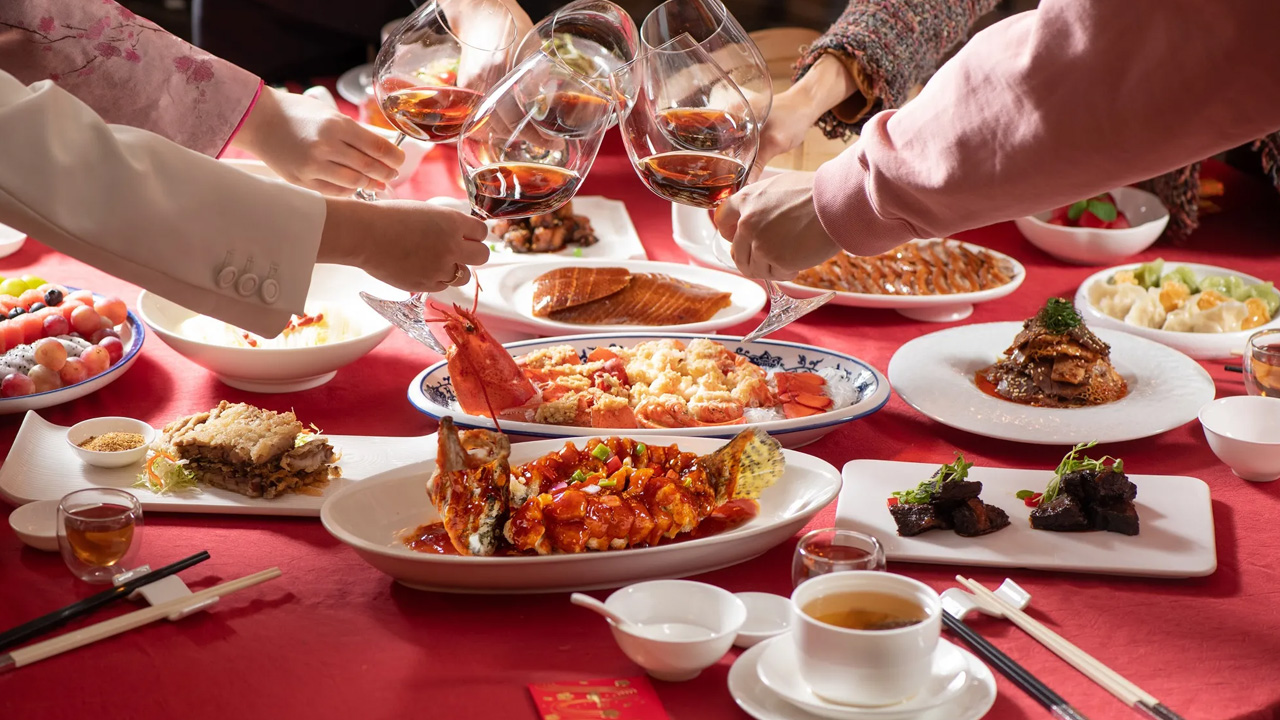
The reunion dinner (年夜饭, nián yè fàn) represents the most important meal of the entire year for Chinese families. It brings generations together to honor ancestors, share blessings, and enjoy symbolic dishes with deep cultural meaning. While the spirit of celebration remains universal across China, the foods on the table vary dramatically between the north and south.
This guide explores these fascinating regional differences. We examine the signature dishes, their symbolic meanings, and the historical factors that shaped distinct culinary traditions. Whether you plan to experience Chinese New Year firsthand or simply wish to understand this vibrant culture, these food traditions offer a window into the soul of Chinese civilization.
Why Do Chinese New Year Foods Differ Between Northern and Southern China?
Understanding the divide between northern and southern Chinese cuisine requires looking at geography, climate, and agricultural history. These fundamental differences shaped eating habits that persist to this day.
Climate and Agricultural Foundations
Northern China experiences harsh, cold winters and has historically been wheat-growing territory. The dry climate and shorter growing seasons made wheat, millet, and sorghum the staple crops. This agricultural reality explains why northerners developed expertise in flour-based foods like dumplings, noodles, and steamed breads.
Southern China enjoys a warmer, wetter climate ideal for rice cultivation. The fertile river valleys of the Yangtze and Pearl Rivers supported rice paddies for thousands of years. Consequently, southern cuisine centers on rice, rice flour products, and abundant seafood from coastal regions.
Regional Culinary Philosophy
Beyond ingredients, the cooking philosophies differ notably:
| Aspect | Northern China | Southern China |
|---|---|---|
| Staple food | Wheat, millet | Rice, glutinous rice |
| Flavor profile | Hearty, savory, often salty | More varied; sweet, delicate, umami |
| Cooking methods | Boiling, steaming, stewing | Steaming, stir-frying, braising |
| Meal structure | Dumplings as centerpiece | Multiple courses with rice |
| Festival snacks | Melon seeds, walnuts, peanuts | Varied confections, rice cakes |
These distinctions reflect not just taste preferences but different responses to local resources and climate demands. Northern meals needed to provide warmth during freezing winters. Southern dishes could afford to be lighter, incorporating fresh vegetables and seafood available year-round.
Traditional Chinese New Year Dumplings: The Essential Northern Festival Food
No discussion of northern Chinese New Year traditions can begin without jiaozi (饺子)—the beloved dumpling that dominates festival tables from Beijing to Harbin. According to <a href=”https://en.wikipedia.org/wiki/Jiaozi” target=”_blank”>historical records</a>, the tradition of eating dumplings dates back over 1,800 years to the Eastern Han Dynasty.
The Origin Story of Chinese New Year Dumplings
Legend credits Zhang Zhongjing, a renowned physician of traditional Chinese medicine, with creating the first dumplings. During a particularly harsh winter, Zhang observed villagers suffering from frostbitten ears. He developed a remedy: small parcels of dough filled with lamb, chili, and warming herbs, shaped to resemble ears. These “tender ears” (嬌耳, jiāo’ěr) were boiled and distributed with broth to warm both body and spirit.
This origin story explains why dumplings traditionally have a crescent or ear-like shape. The charitable act of healing the poor transformed over centuries into a ritual of family togetherness and hopeful wishes for the new year.
Why Dumplings Symbolize Wealth and Prosperity
The symbolism of dumplings operates on multiple levels:
Shape symbolism: Dumplings resemble the boat-shaped gold and silver ingots (yuanbao, 元宝) used as currency during imperial China. Serving them expresses the collective wish for wealth and financial success in the coming year.
Linguistic symbolism: The word “jiaozi” sounds similar to an ancient Chinese phrase meaning “the transition between two years.” Eating dumplings at midnight marks the sacred passage from old year to new—both a culinary delight and spiritual milestone.
Hidden treasures: Many families hide a coin, candy, or chestnut inside one dumpling. Whoever finds it is believed to enjoy exceptional luck and prosperity. As noted by the <a href=”https://apa.si.edu/picklesandtea/eating-silver-and-gold/” target=”_blank”>Smithsonian Asian Pacific American Center</a>, this custom has diminished somewhat due to safety concerns but remains cherished in many households.
How Northern Families Make Dumplings Together
The act of making dumplings is as significant as eating them. On New Year’s Eve, entire families gather around tables dusted with flour. Elders knead the dough. Parents roll wrappers. Children help seal the edges. This communal activity strengthens intergenerational bonds and passes down skills through hands-on practice.
The process involves several steps:
- Preparing the dough from flour and water, kneading until smooth
- Making the filling from minced pork, cabbage, chives, or other ingredients
- Rolling wrappers into thin circles with thicker centers
- Filling and folding each dumpling with practiced technique
- Cooking by boiling, steaming, or pan-frying
Popular fillings carry their own meanings. Pork and cabbage remains the classic combination—the word for cabbage (baicai, 白菜) sounds like “hundred riches.” Celery filling symbolizes hard work. Tofu represents happiness and good fortune.
When Do Chinese Families Eat Dumplings During New Year?
Timing varies by region even within northern China. Many families eat dumplings precisely at midnight on New Year’s Eve, marking the exact transition into the new year. Others prepare them before midnight and enjoy them as the first meal of the new year. Some regions have dumplings for breakfast on New Year’s Day.
Regardless of exact timing, the message remains consistent: dumplings connect past and present, family and fortune, tradition and hope.
Nian Gao Recipe and Meaning: Southern China’s Lucky New Year Rice Cake
While northerners gather around steaming dumplings, southern Chinese families prepare nian gao (年糕)—the sticky rice cake that embodies wishes for progress and growth. This tradition spans thousands of years and varies remarkably across different southern provinces.
What Does Nian Gao Mean in Chinese Culture?
The power of nian gao lies in its name. In Mandarin:
- Nian (年) means “year”
- Gao (糕) means “cake”
Crucially, “gao” (糕) sounds identical to gao (高), meaning “high” or “tall.” This homophonic connection transforms a simple rice cake into a powerful symbol. Eating nian gao expresses the wish that the coming year will be higher and better than the last—whether in income, career advancement, children’s growth, or general prosperity.
The popular saying “nian nian gao sheng” (年年高升) captures this aspiration: “rising higher year after year.”
The Legend Behind Chinese New Year Rice Cake
According to tradition documented by <a href=”https://www.chinahighlights.com/travelguide/chinese-food/chinese-new-year-cake.htm” target=”_blank”>China Highlights</a>, nian gao was originally created as an offering to the Kitchen God (灶神, zào shén). This deity resides in every household and reports each family’s behavior to the Jade Emperor at year’s end.
The sticky texture of nian gao served a clever purpose: it would seal the Kitchen God’s mouth shut, preventing him from speaking ill of the household. This bit of culinary bribery ensured favorable reports and blessings for the new year.
Another legend traces nian gao to the Spring and Autumn Period (771–476 BC). When enemies besieged the Wu kingdom’s capital, starving soldiers discovered that the city walls had been built with bricks made from glutinous rice flour—a provision arranged by the wise general Wu Zixu. This emergency food supply saved countless lives, and people began making nian gao annually to commemorate his foresight.
Regional Variations of Chinese New Year Rice Cake
Unlike dumplings, which remain fairly consistent across northern China, nian gao takes dramatically different forms depending on location:
| Region | Style | Key Characteristics |
|---|---|---|
| Guangdong (Canton) | Sweet, amber-colored | Made with brown sugar; dense and stretchy; often pan-fried |
| Shanghai/Jiangnan | White, mild | Stir-fried with vegetables and meat; savory preparations common |
| Fujian | Natural amber | Includes taro; often wrapped in egg and fried |
| Beijing | Jujube-studded | Made with glutinous rice or yellow rice; sweet and steamed |
| Shanxi/Inner Mongolia | Deep-fried | Red bean paste or jujube filling |
| Ningbo | White and soft | Famous for soup preparations with pickled pork |
Cantonese nian gao is perhaps the most recognized variety internationally. The brown sugar gives it a distinctive dark yellow color and caramel-like flavor. It can be eaten steamed, sliced and pan-fried with egg, or served as a pudding with red bean paste.
Shanghai-style nian gao takes a completely different approach. These white rice cakes are typically sliced and stir-fried with scallions, cabbage, beef, or pork. The dish serves as a savory course rather than a sweet treat.
How to Serve Nian Gao During Chinese New Year
Traditional serving customs include:
- Placing red paper on top of the cake as a sign of good wishes
- Offering to ancestors before family consumption
- Sharing with guests as a valued gift between households
- Saving portions for consumption throughout the fifteen-day festival
The versatility of nian gao—from sweet breakfast to savory dinner—makes it a practical choice for extended celebrations.
Tang Yuan vs Yuan Xiao: Sweet Rice Balls in North and South
Another iconic Chinese New Year food highlights the north-south divide: glutinous rice balls. Though both versions use similar ingredients, their preparation methods, names, and cultural contexts differ significantly.
What Is the Difference Between Tang Yuan and Yuan Xiao?
| Characteristic | Tang Yuan (南方) | Yuan Xiao (北方) |
|---|---|---|
| Region | Southern China, Taiwan | Northern and Central China |
| Preparation | Wrapped like dumplings | Rolled in dry flour |
| Texture | Smooth exterior | Powdery, rougher exterior |
| Filling consistency | Ground, smooth | Coarse, chunky |
| Cooking time | Shorter | Longer |
| Broth | Clear or light | Thicker, starchier |
Tang yuan (汤圆) are made by kneading glutinous rice flour into a dough, then wrapping it around filling much like making a dumpling. The result is a smooth, elegant ball that cooks relatively quickly.
Yuan xiao (元宵) use the opposite approach. Solid pieces of filling are placed in a flat basket covered with dry glutinous rice flour. The basket is shaken repeatedly, adding layers of flour that gradually build up around the filling. This “rolling” method creates a coarser texture and requires longer cooking time.
The Historical Origin of Chinese Rice Balls
According to <a href=”https://en.wikipedia.org/wiki/Tangyuan_(food)” target=”_blank”>historical accounts</a>, the name change from yuan xiao to tang yuan occurred during Yuan Shikai’s rule (1912–1916). The president disliked “yuan xiao” because it sounded identical to “remove Yuan” (袁消)—an inauspicious association with his family name. He ordered the name changed to tang yuan, meaning “round balls in soup.”
The decree worked partially. Southern China adopted tang yuan, while northern and central regions continued using yuan xiao. Both names survive today, reflecting this quirky historical moment.
Why Do Chinese Eat Rice Balls During the Lantern Festival?
While tang yuan/yuan xiao appear throughout Chinese New Year celebrations, they hold special significance during the Lantern Festival (元宵节, yuánxiāo jié)—the fifteenth day marking the festival’s conclusion.
The symbolism is multi-layered:
- Round shape represents completeness and the full moon
- Sweet taste symbolizes wishes for a sweet life
- Name homophone: “Tang yuan” sounds like “tuan yuan” (团圆), meaning reunion
- Shared bowls emphasize family togetherness
The legend of the maid Yuan Xiao adds romantic depth. She worked in the emperor’s palace, separated from her family. A clever minister devised a plan involving rice balls and lanterns that ultimately reunited her with loved ones. The festival commemorates this reunion, making tang yuan its definitive food.
Chinese New Year Fish Dishes: Why Leaving Leftovers Brings Luck
One tradition spans both northern and southern China: serving whole fish at the reunion dinner. This universal custom demonstrates how linguistic symbolism shapes Chinese food culture.
The Symbolic Meaning of Fish in Chinese New Year Celebrations
The magic lies in pronunciation. The Chinese word for fish—yu (鱼)—sounds identical to the word for surplus or abundance (余). This homophonic connection transforms fish into a powerful emblem of wealth.
The phrase “nian nian you yu” (年年有鱼/年年有余) captures both meanings: “may there be fish every year” and “may there be abundance every year.” Speaking this wish while serving fish invokes prosperity through clever wordplay.
Traditional Rules for Serving Chinese New Year Fish
Specific customs maximize the auspicious meaning:
The fish must be served whole. Head and tail intact represent completeness—a good beginning and ending for the coming year. Filleted fish lacks this symbolic integrity.
Position the fish correctly. The head should face the eldest or most honored guest, showing respect and directing blessings toward them.
Never flip the fish. Turning a fish over resembles capsizing a boat—particularly inauspicious for fishing communities. Instead, carefully remove the bones after eating one side.
Leave some uneaten. This critical custom surprises many first-time observers. Finishing the entire fish contradicts the symbolism of surplus. Intentional leftovers demonstrate that abundance continues into the new year.
Popular Fish Varieties for Chinese New Year Dinner
Different regions favor different species:
| Fish | Chinese Name | Special Meaning |
|---|---|---|
| Crucian carp | 鲫鱼 (jì yú) | Sounds like “profit fish” |
| Common carp | 鲤鱼 (lǐ yú) | Associated with the legend of carp leaping over dragon gates |
| Sea bass | 鲈鱼 (lú yú) | Delicate flavor; popular in Cantonese cuisine |
| Pomfret | 鲳鱼 (chāng yú) | Prized for tender texture |
| Catfish | 鲶鱼 (nián yú) | “Nian” sounds like “year” |
Carp holds particular cultural significance. The famous legend “lǐ yú yuè lóngmén” (鲤鱼跃龙门) describes carp leaping over dragon gates to transform into dragons—symbolizing perseverance rewarded with spectacular success.
How Do Different Regions Prepare Chinese New Year Fish?
Cooking methods vary by regional preference:
Cantonese style: Steamed whole with ginger, scallions, and light soy sauce. This method preserves the fish’s natural flavor and represents purity.
Sichuan style: Braised in spicy bean paste (doubanjiang) with garlic and chili. The fiery preparation reflects the region’s love of bold flavors.
Shanghai style: Sweet and sour preparations or “squirrel fish” with a crispy coating and tangy sauce.
Northern style: Often braised (红烧, hóng shāo) with soy sauce, creating rich brown coloring and deeper flavor.
A 2023 survey by the China Culinary Association found that over 87% of households include fish in their reunion dinner, with freshwater carp and sea bass topping the popularity list.
Spring Festival Reunion Dinner Menu: Complete Guide to Traditional Dishes
Beyond the signature items, both northern and southern reunion dinners include numerous dishes selected for taste and symbolic meaning. Understanding this broader context reveals the thoughtfulness behind every Chinese New Year meal.
Essential Dishes for Northern Chinese New Year Dinner
Northern tables typically feature:
Dumplings (jiaozi) – The undisputed star, prepared fresh by the whole family
Braised dishes – Hearty stews featuring lamb, chicken, or pork suited to cold winters
Noodles – Long, uncut strands symbolizing longevity; eaten without breaking
Vegetable stir-fry – Mixed seasonal vegetables representing the hope to “finish winter stores”
Eight Treasures Rice (八宝饭) – Glutinous rice studded with dried fruits and nuts
Whole chicken – Representing family unity and completeness
Beijing-style jujube nian gao – Sweet steamed rice cake with red dates
Traditional Beijing reunion dinners serve twelve dishes—four cold and eight hot—symbolizing smooth stability throughout the year’s twelve months.
Essential Dishes for Southern Chinese New Year Dinner
Southern tables showcase different priorities:
Steamed fish – Whole, with head and tail, positioned toward honored guests
White cut chicken (白切鸡) – Cantonese specialty with silky skin and tender meat
Roasted meats – Including char siu (BBQ pork) and roast duck
Tang yuan – Sweet rice balls in soup, representing reunion
Nian gao – Rice cake in regional style
Poon choi (盆菜) – Cantonese layered pot with multiple luxury ingredients
Seafood dishes – Shrimp (sounds like laughter), abalone (symbolizing richness)
Lettuce with oyster sauce – In Cantonese, “lettuce” sounds like “making fortune”
Fa gao (发糕) – Steamed prosperity cake that “blooms” when cooked properly
Cantonese New Year Food Traditions and Lucky Ingredients
Cantonese cuisine places exceptional emphasis on food symbolism. Key ingredients include:
Shrimp (虾, xiā): The Cantonese pronunciation sounds like laughter—wishing for a happy, joyful year.
Oysters (蚝, háo): Sounds like “good things” in Cantonese; often dried and used in luxurious dishes.
Lettuce (生菜, shēng cài): Sounds like “generating wealth.”
Black moss seaweed (发菜, fà cài): Sounds exactly like “prosperity” in Cantonese; essential for the dish “ho see fat choy” (oysters and seaweed).
Lotus root: The holes represent seeing into the future; slices resemble coins.
Pig’s trotters: Represent grabbing wealth and good fortune.
The Cantonese saying “No chicken, no feast” reflects how central poultry is to celebrations. A whole chicken is first offered to ancestors and gods before the family partakes.
What Foods Should You Avoid During Chinese New Year?
Just as certain foods bring luck, others are considered inauspicious and traditionally avoided during the festival period. Understanding these taboos helps visitors and celebrants navigate cultural expectations.
Foods Considered Unlucky During Chinese New Year
Porridge (粥, zhōu): Associated with poverty and thin, meager living. Starting the year with porridge suggests hardship ahead.
White foods: White symbolizes mourning in Chinese culture. This includes plain tofu, white turnips (in some regions), and certain desserts.
Sour cabbage (酸菜, suān cài): Despite popularity in northeastern China, its sour taste and association with poverty exclude it from New Year tables.
Bitter or sour dishes: These flavors symbolize hardship and difficulties—the opposite of wishes for sweetness and prosperity.
Mapo tofu: Though delicious, its white color conflicts with the festive red palette.
Foods that “move backward”: Some traditions avoid shrimp and crab because these creatures move sideways or backward, potentially symbolizing regression.
Dining Etiquette Mistakes to Avoid
Beyond specific foods, certain behaviors are considered bad luck:
- Breaking dishes – Symbolizes shattered fortune; if accidents happen, say “suì suì píng ān” (碎碎平安), turning “shattered” into “yearly peace”
- Cutting noodles – Shortens longevity symbolism
- Using sharp objects – Knives and scissors “cut” luck; many families avoid using them entirely on New Year’s Day
- Finishing the fish – Eliminates the “surplus” symbolism
- Flipping the fish – Resembles capsizing; invites misfortune
Chinese New Year Snacks and Sweets: Regional Favorites
Between formal meals, families enjoy a variety of snacks that differ markedly between north and south.
Popular Chinese New Year Snacks in Northern China
Northern snack tables typically feature:
- Melon seeds (瓜子) – Roasted sunflower and watermelon seeds for endless chatting
- Peanuts (花生) – Symbolizing longevity and endless offspring
- Walnuts (核桃) – Brain-shaped nuts representing wisdom
- Candied hawthorns (糖葫芦) – Skewered fruit dipped in sugar syrup
- Fried dough twists (麻花) – Crispy twisted pastries
- Jujubes (红枣) – Red dates representing early prosperity
The emphasis on seeds and nuts reflects practical considerations—these items store well through long winters and provide sustained energy during extended celebrations.
Popular Chinese New Year Snacks in Southern China
Southern snack traditions show greater variety:
- Nian gao slices – Pan-fried rice cake pieces
- Jian dui (煎堆) – Deep-fried sesame balls with hollow centers
- Egg rolls (蛋卷) – Crispy rolled wafers
- Almond cookies (杏仁饼) – Crumbly Cantonese treats
- Dried candied fruits – Lotus root, coconut, winter melon
- Tangerines and oranges – Eaten throughout for continuous luck
- Dragon beard candy (龙须酥) – Delicate pulled sugar threads
Cantonese candy boxes (全盒, quán hé) display an assortment of these treats arranged in compartmented trays. Each section holds different items, creating a colorful presentation for guests.
The Significance of Tangerines and Oranges
Citrus fruits deserve special mention. Their golden color represents wealth, while their Chinese names carry auspicious sounds:
- Orange (橙, chéng) sounds like “success” (成)
- Tangerine (桔, jú) sounds like “luck” (吉)
- Pomelo (柚, yòu) sounds like “to have” (有)
Families display these fruits prominently and gift them to visitors. The round shapes additionally symbolize fullness and completion.
How Climate Shapes Spring Festival Cooking Methods
The different climates of northern and southern China influence not just ingredients but cooking techniques themselves.
Northern China: Warming Winter Cooking
With temperatures often dropping well below freezing, northern New Year cooking prioritizes warmth:
Braising and stewing create rich, hearty dishes that warm from the inside. Lamb stew, braised pork, and slow-cooked chicken soups feature prominently.
Boiling dumplings produces steaming bowls perfect for cold nights. The cooking liquid itself becomes a simple soup served alongside.
Deep-frying appears in snacks like fried dough twists and certain nian gao preparations, adding calories and warmth.
Steaming preserves nutrition while producing comforting hot dishes—essential when gathering around the table for hours.
Southern China: Light and Fresh Approaches
The milder southern climate allows for different techniques:
Steaming takes center stage, especially for fish. This gentle method preserves delicate flavors and textures while keeping dishes light.
Quick stir-frying maintains vegetable freshness. Southern cooks pride themselves on crisp-tender greens.
Roasting appears in Cantonese char siu and roast duck—outdoor cooking methods feasible in warmer weather.
Soup-making remains important but focuses on clear broths rather than heavy stews. Double-boiled soups are particularly prized.
Light braising uses less oil and sauce than northern counterparts, letting ingredient flavors shine.
Celebrating Chinese New Year: Food Customs Throughout the Fifteen Days
The Spring Festival spans fifteen days, from New Year’s Eve to the Lantern Festival. Different days feature specific food traditions.
Chinese New Year’s Eve: The Reunion Dinner
The most important meal occurs on New Year’s Eve. All family members gather—often traveling thousands of miles—for this sacred feast. The meal typically begins in late afternoon and extends for hours, with dishes served continuously.
Key customs include:
- Preparing excess food to ensure abundance carries into the new year
- Eating dumplings at midnight (north) or shortly before
- Keeping fish leftovers deliberately
- Staying awake until midnight (守岁, shǒu suì)
First Day: Auspicious Beginnings
Many families eat vegetarian on New Year’s Day, symbolizing a clean, peaceful start. This practice is particularly common in Buddhist households and parts of Fujian and Guangdong.
Common first-day foods include:
- Dumplings (north) for breakfast
- Nian gao (south) for breakfast
- Long-life noodles
- Sweet rice ball soup
- Fresh vegetables
Importantly, no cooking involving knives or fire traditionally occurs on this day. Families prepare foods in advance or eat leftovers from the previous night.
Fifth Day: Welcoming the God of Wealth
The fifth day (破五, pò wǔ) marks when families “break” New Year taboos. Many businesses reopen, and the God of Wealth is welcomed.
Dumplings return to prominence—especially in northern China—with the “chopping” of filling ingredients symbolizing chopping away poverty and bad luck.
Fifteenth Day: Lantern Festival Foods
The festival concludes with the Lantern Festival, featuring:
- Tang yuan / yuan xiao as the essential food
- Sweet soups and desserts
- Temple fair snacks
- Final family gatherings before normal life resumes
The round rice balls echo the full moon overhead, bringing the celebration to a complete, circular close.
Planning Your Chinese New Year Food Experience: Practical Tips
Whether celebrating with Chinese friends, visiting China during Spring Festival, or hosting your own celebration, these practical suggestions help you participate meaningfully.
If You’re Traveling to China During Chinese New Year
Book accommodations early. The Spring Festival travel rush (春运, chūn yùn) involves over three billion trips—the largest human migration on Earth annually.
Plan around regional differences. If you want dumplings, head north. For elaborate seafood feasts, visit Guangdong. Shanghai offers a blend of traditions.
Attend temple fairs in Beijing for traditional snacks and performances.
Visit flower markets in Guangzhou to experience southern traditions.
Join a family dinner if invited—this represents an extraordinary cultural honor.
If You’re Preparing Chinese New Year Food at Home
Start simple. Homemade dumplings require practice but reward effort generously. Begin with pork and cabbage filling.
Source ingredients early. Asian groceries experience peak demand the week before New Year. Order specialty items in advance.
Embrace symbolism. Choose dishes for meaning, not just taste. Even simple preparations carry power when selected thoughtfully.
Involve the whole family. The communal aspect of preparation matters as much as the final meal.
Present foods properly. Serve fish whole with head facing honored guests. Arrange fruits in attractive displays.
Essential Ingredients to Stock
For a well-prepared celebration, gather:
| Category | Items |
|---|---|
| Proteins | Whole fish, whole chicken, pork (for dumplings) |
| Carbohydrates | Glutinous rice flour, wheat flour, rice cakes |
| Vegetables | Napa cabbage, scallions, ginger, garlic, leafy greens |
| Seasonings | Soy sauce, sesame oil, rice wine, five-spice powder |
| Symbolic items | Oranges, tangerines, red dates, peanuts |
| Snacks | Melon seeds, candied fruits, sesame balls |
Preserving Chinese New Year Food Traditions for Future Generations
As China modernizes rapidly, traditional food customs face both challenges and opportunities.
How Young Chinese Are Adapting Traditions
Urban youth increasingly order pre-made reunion dinner components from restaurants and delivery services. While convenient, this shift concerns traditionalists who value the communal cooking experience.
At the same time, social media has revitalized interest in traditional recipes. Platforms like Douyin (Chinese TikTok) feature videos of grandmothers teaching dumpling-folding techniques, reaching millions of young viewers.
Fusion approaches blend tradition with innovation. Some families add Western elements to reunion dinners or experiment with creative dumpling fillings while maintaining core symbolic foods.
The Global Spread of Chinese New Year Food Culture
Chinese New Year celebrations now span the globe. From Chinatowns in New York and London to multicultural festivals in Sydney and Toronto, these food traditions have traveled with diaspora communities.
This global presence helps preserve customs that might otherwise fade. Second and third-generation Chinese immigrants often reconnect with heritage through food—learning to make tang yuan or preparing whole fish even when other cultural connections have weakened.
Teaching Children About Food Symbolism
The deepest preservation occurs within families. When parents explain why dumplings are shaped like ingots, why fish must be left unfinished, or why rice cakes mean “rising higher,” they transmit cultural DNA that no external force can replicate.
Involving children in preparation—kneading dough, folding dumplings, arranging fruit displays—creates sensory memories that last lifetimes.
Conclusion: The Enduring Power of Chinese New Year Food Traditions
The reunion dinner table reveals something profound about Chinese culture. Every dish carries meaning. Every preparation involves intention. Every shared meal strengthens bonds across generations.
Whether you sit in a Beijing apartment enjoying steaming dumplings or a Guangzhou home savoring whole steamed fish, you participate in traditions stretching back millennia. The specific foods may differ between north and south, but the underlying wishes remain universal: prosperity, health, happiness, and family togetherness.
These food traditions endure because they satisfy both body and soul. The dumplings are delicious. The nian gao is sweet. The fish is tender. But more importantly, each bite carries hopes, expresses love, and connects present to past.
As you plan your own Chinese New Year celebration—whether as an experienced participant or curious newcomer—remember that authenticity lies not in perfection but in intention. Make what you can. Share what you have. Wish well for those around you.
Gong Xi Fa Cai. May the new year bring abundance and prosperity.
Xin Nian Kuai Le. Happy New Year.
Quick Reference: North vs. South Chinese New Year Food Comparison
| Aspect | Northern China | Southern China |
|---|---|---|
| Main festival food | Dumplings (jiaozi) | Rice cakes (nian gao), tang yuan |
| Staple grain | Wheat | Rice |
| Fish preparation | Often braised (hongshao) | Often steamed with ginger |
| New Year’s Eve timing | Dumplings at midnight | Multiple courses, flexible timing |
| Rice balls | Yuan xiao (rolled) | Tang yuan (wrapped) |
| Typical snacks | Melon seeds, peanuts, walnuts | Candied fruits, sesame balls, egg rolls |
| Holiday greeting | Xin Nian Kuai Le | Gong Xi Fa Cai (Cantonese) |
| Decoration preference | Paper cuttings, New Year paintings | Flowers, potted kumquats |
| Kitchen God date | December 23 (lunar) | December 24 (lunar) |
| TV Gala viewing | Very high | Lower interest |
Frequently Asked Questions About Chinese New Year Food Traditions
What is the most important food during Chinese New Year?
The answer depends on where you ask. In northern China, dumplings (jiaozi) hold the highest importance. They appear at midnight on New Year’s Eve and symbolize wealth through their ingot-like shape. In southern China, fish takes precedence due to its homophonic connection to abundance. Most families across China would agree that fish and dumplings together represent the essential festival foods.
Why do Chinese people eat so much during the Spring Festival?
Abundance on the table reflects wishes for abundance in life. Chinese New Year traditions emerged from agricultural societies where food security was never guaranteed. Having more than enough to eat—especially luxurious ingredients like meat and fish—demonstrated prosperity and expressed hopes for continued good fortune. The practice of intentional leftovers reinforces this symbolism.
Can vegetarians celebrate Chinese New Year authentically?
Absolutely. Many traditional practices already incorporate vegetarian elements. The first day of the new year features vegetarian meals in numerous households, particularly Buddhist families. Vegetarian dumplings with mushroom and vegetable fillings carry the same symbolic power as meat versions. Mock fish made from tofu or gluten can substitute for actual fish while preserving the ritual form.
How far in advance should I prepare Chinese New Year food?
Preparation typically begins one to two weeks before the festival. Dried goods, preserved meats, and specialty items should be purchased early to ensure availability. Fresh ingredients like fish and vegetables are bought within a few days of the reunion dinner. Dumpling preparation often happens on New Year’s Eve itself, as the communal activity is part of the tradition.
What should I bring when visiting a Chinese family during New Year?
Traditional gifts include oranges and tangerines (symbolizing luck), nian gao (wishing prosperity), premium tea, quality wine or spirits, and red envelope gifts for children. Avoid giving items in sets of four (the number sounds like “death” in Mandarin), clocks (associated with funerals), or sharp objects (cutting luck). Always present and receive gifts with both hands.
The Cultural Significance of Sharing Meals During Chinese New Year
Beyond specific dishes, the act of gathering around a shared table carries profound meaning in Chinese culture. The reunion dinner represents far more than eating—it embodies core values of family piety, ancestral respect, and intergenerational connection.
Why the Reunion Dinner Matters So Much
The Chinese term tuányuán (团圆) means “reunion” but carries emotional weight that translation struggles to capture. For a culture historically characterized by extended families living together, the modern reality of dispersed family members makes annual gathering especially precious.
The reunion dinner provides space for:
- Reconnecting generations – Grandparents, parents, and children share stories and catch up on the year’s events
- Honoring ancestors – Many families set places or offer portions to deceased relatives before eating
- Transmitting traditions – Recipes, customs, and values pass from elders to youth through shared experience
- Resolving conflicts – The new year offers opportunity for fresh starts and reconciliation
- Expressing gratitude – The feast acknowledges blessings and hard work throughout the year
The Emotional Weight of the Spring Festival Travel Rush
Understanding why over three billion trips occur during Spring Festival requires appreciating what the reunion dinner means to Chinese families. Migrant workers travel days by train. Students cross continents. Elderly parents wait all year for this gathering.
The journey itself has become part of the tradition. Crowds at train stations, traffic jams on highways, and packed flights all testify to the power of this homecoming ritual. For many, missing the reunion dinner feels like missing the year itself.
Modern Challenges to Traditional Gatherings
Urbanization and globalization have complicated reunion dinner traditions. Young professionals may work in cities thousands of miles from their hometowns. International marriages introduce new cultural dynamics. Career demands sometimes make travel impossible.
Families adapt through:
- Video calls allowing distant members to participate virtually
- Rotating host cities so different family members take turns traveling
- Celebrating twice – once with immediate family, once with extended relatives
- Creating new traditions that honor the old while accommodating modern realities
Despite these challenges, the core commitment to gathering—physically or virtually—persists. The reunion dinner’s importance actually intensifies when achieving it requires significant effort.
How Regional Identity Shapes Chinese New Year Pride
The north-south divide in Chinese New Year food reflects deeper regional identities that Chinese people carry with pride. Understanding this helps visitors appreciate why someone from Guangdong might express bewilderment at eating dumplings for New Year, or why a Beijinger might find rice cakes unfamiliar.
Northern Chinese Pride in Dumpling Culture
Northerners often express genuine pride in their dumpling-making skills. The ability to fold beautiful, well-sealed dumplings quickly is considered a valuable skill passed through generations. Families develop signature techniques and guard favorite filling recipes.
The communal aspect amplifies this pride. When guests visit a northern home during New Year, the host family’s dumpling-making prowess is on display. Perfectly formed, identically sized dumplings reflect family cohesion and skill.
Southern Chinese Pride in Culinary Diversity
Southerners take equal pride in their region’s culinary sophistication. Cantonese cuisine, in particular, is considered one of China’s great culinary traditions, with its emphasis on fresh ingredients, subtle flavors, and elaborate preparation.
The diversity of southern New Year foods—from elaborate seafood to delicate dim sum to artisan rice cakes—demonstrates the region’s abundance and refinement. Southern families may serve dozens of distinct dishes, each requiring specific skills and knowledge.
Playful Regional Rivalry
Chinese people often engage in good-natured debates about whose regional New Year food is superior. These discussions reflect genuine regional pride while usually maintaining friendly spirit. The ongoing conversation helps keep traditions alive as each region defends and explains its customs to others.
This comprehensive guide was researched and written to provide accurate, culturally respectful information about Chinese New Year food traditions. Customs vary by family and specific region; the distinctions described represent general patterns rather than absolute rules. May your celebrations be filled with joy, abundance, and delicious food.