Of all the meals in the Chinese year, one stands above the rest: the reunion dinner on New Year’s Eve, known as niányèfàn (年夜饭). It is the meal that empties cities and fills trains, the reason hundreds of millions of people travel home each winter, and the emotional heart of the whole festival. Hosting it is both an honour and a real undertaking. This guide walks through what the reunion dinner means, how to plan and time it, what to cook, how to set the table, the etiquette and taboos to observe, and how to host it well even far from home.
What the Reunion Dinner Is, and Why It Matters
The reunion dinner is the meal eaten by the whole family on the eve of the New Year, traditionally at the home of the eldest generation. Its name says everything: this is the night the family reunites, and the expectation that you return home for it is so strong that it drives the largest annual human migration on earth. More than a feast, it is an act of belonging, a yearly reaffirmation that whatever the distance and difficulty of the past year, the family still gathers at one table. Even empty places are honoured; a setting is sometimes left for a family member who could not return, so that they are present in spirit.
When to Start Planning
A good reunion dinner is not thrown together on the day. Serious preparation often begins a week or more ahead, with shopping for ingredients that sell out as the holiday nears, and many dishes, cured meats, soups, sauces, and anything that keeps, are made in advance. The kitchen on New Year’s Eve is busy from morning, and the meal itself is eaten slowly into the evening, unhurried, so that the family lingers at the table. The practical lesson for any host is to plan the menu early, prepare whatever can be made ahead, and leave only the final cooking for the day itself.
The Dishes That Should Be on the Table
A reunion dinner is built around dishes chosen for their lucky meanings as much as their taste. A handful are close to obligatory:
- A whole fish, for surplus, served entire and partly left over so the abundance carries into the new year.
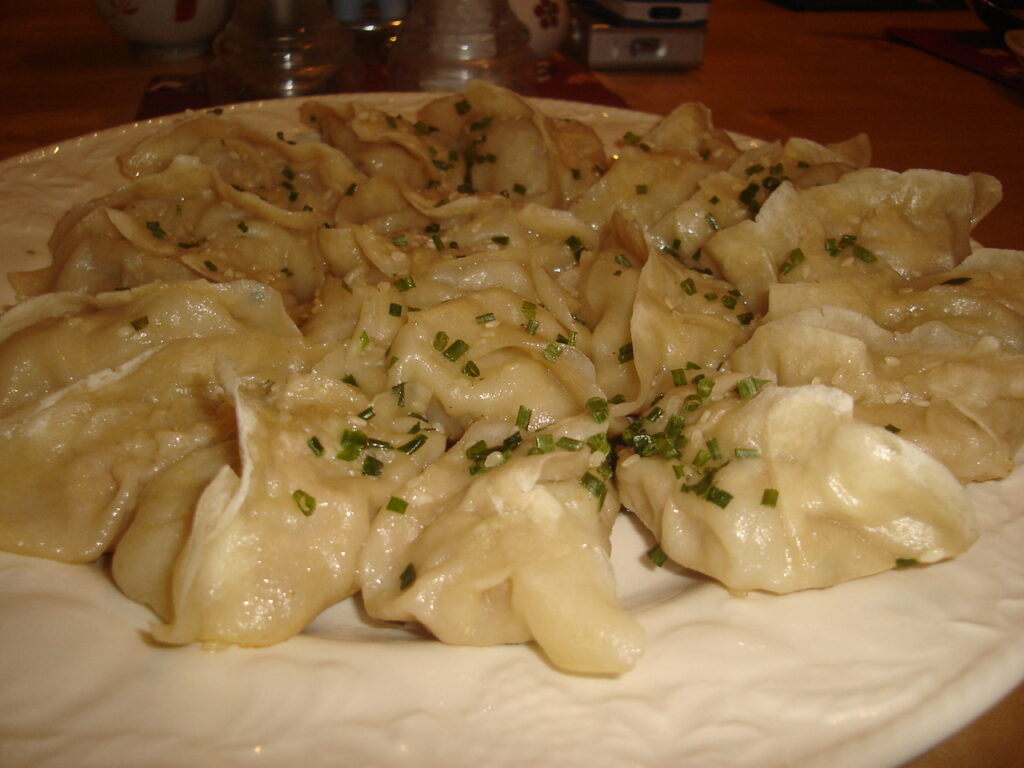
- Dumplings in the north, for wealth, often wrapped together by the family before midnight.
- A whole chicken, for family wholeness and a good year.
- Spring rolls, golden as gold bars, for prosperity.
- Niangao or tangyuan, the sticky rice cake and sweet rice balls, for rising higher and for family unity.
- A leafy green such as Chinese lettuce, for a fresh start and growing wealth.
- Longevity noodles, uncut, for a long life.
The full meanings behind these dishes are explained in our guide to lucky Chinese New Year foods, and the regional differences in what families serve are covered in our guide to north versus south food traditions.
A Sample Reunion Dinner Menu
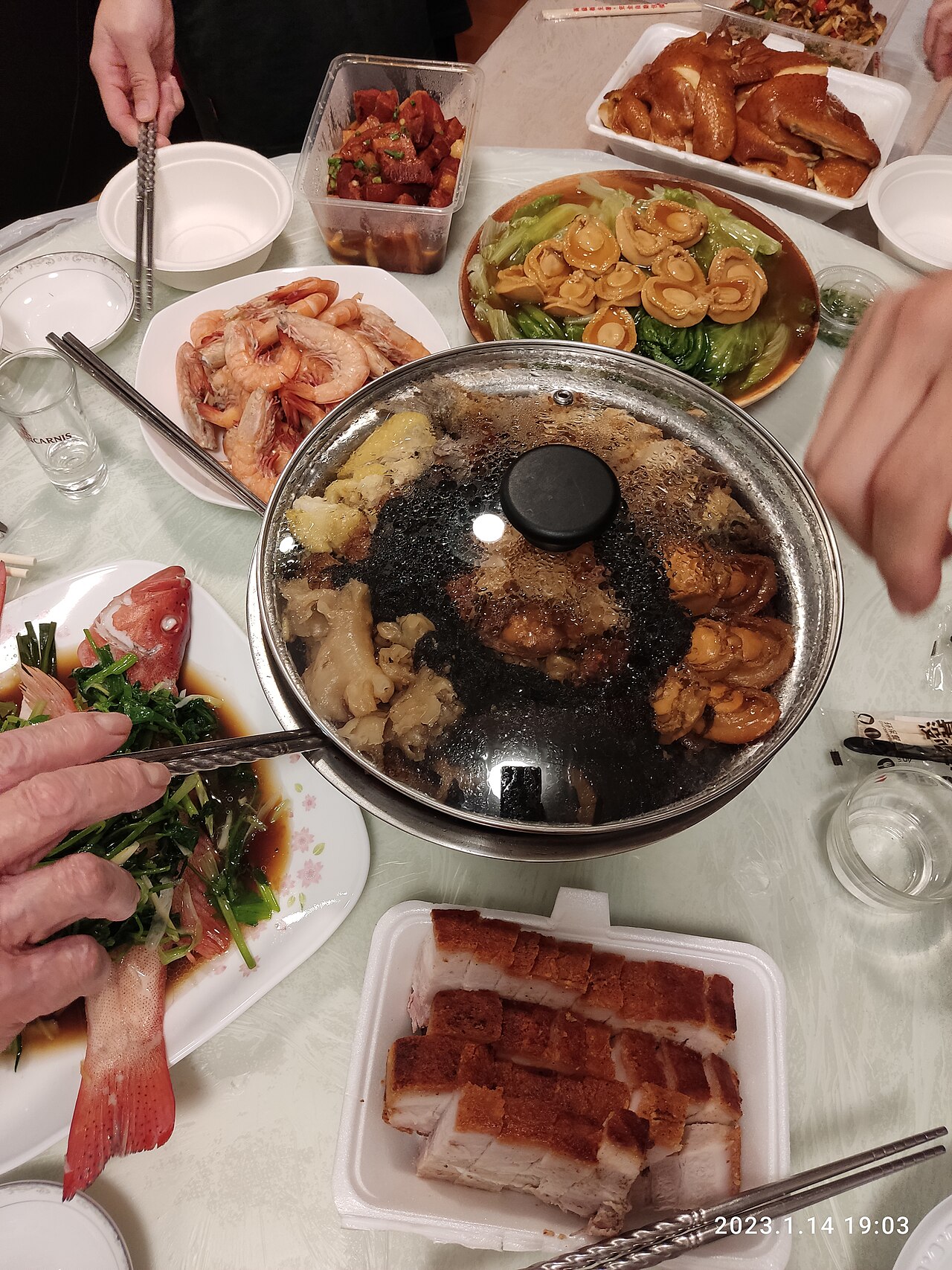
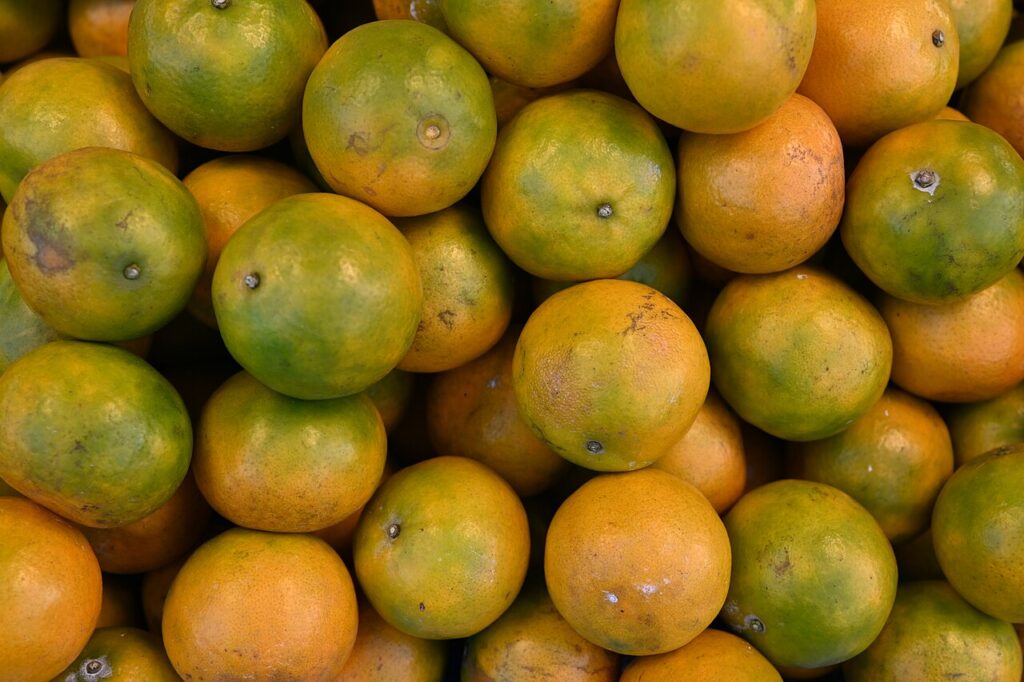
For a host planning their first reunion dinner, a balanced menu might run as follows. Open with a few cold appetisers and a soup. For the main spread, serve a whole steamed fish, a whole soy-braised or roast chicken, a prawn dish for happiness, a braised pork or duck for abundance, a stir-fried leafy green, and a noodle dish for long life. Add dumplings if your family keeps the northern custom. Close with something sweet, niangao, tangyuan, or fa gao, and a platter of mandarin oranges. Aim for an even number of dishes, since good things come in pairs, and serve the most auspicious items, the whole fish and chicken, with pride at the centre of the table.
Setting the Table
The reunion dinner is traditionally eaten at a round table, whose shape represents wholeness and the unbroken family circle. Seating follows respect: the most senior family members take the seats of honour, usually those facing the door or the focal point of the room, with younger members arranged outward by generation. A lazy Susan in the centre lets the many shared dishes reach everyone, since the meal is communal and nothing is plated individually. Red is the colour of the night, and a clean, freshly decorated home, with red couplets at the door and the character for fortune on display, sets the scene.
Etiquette at the Reunion Dinner
A few points of etiquette make the meal run as it should. The elders are served first and invited to begin before anyone else eats. Dishes are shared from the centre, and it is polite to serve choice morsels to the older people at the table. The fish should not be flipped over or entirely finished, both to preserve the surplus and, among fishing families, to avoid the unlucky symbolism of a capsized boat. Toasts are made through the meal with wishes for health and prosperity, younger members raising their glasses lower than their elders’ as a sign of respect. Above all, the mood is warm and unhurried; the point is to be together, not to rush through the courses.
Taboos to Avoid
The reunion dinner carries its share of superstitions. Breaking a dish or glass is considered bad luck, and if it happens, the breakage is softened by saying a lucky phrase such as suìsuì píng’ān, turning “shattered” into a wish for peace year after year. Knives and scissors are kept off the table where possible, since cutting can sever good fortune, which is one reason so much is prepared in advance. Unlucky words, anything about death, illness, or loss, are avoided, and the rice bowl should not be left with chopsticks standing upright in it, as that resembles incense offered to the dead. None of this is treated grimly, but the customs are part of the evening’s texture. The wider list is covered in our guide to Chinese New Year taboos.
Hosting Abroad and Modern Adaptations
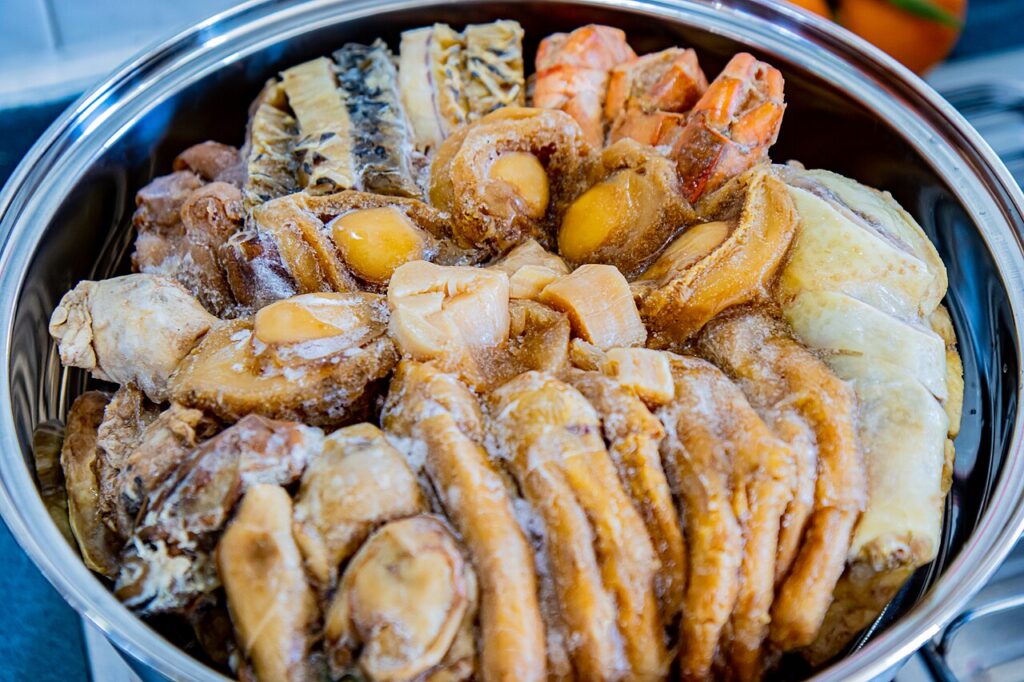
Far from China, and in smaller modern households, the reunion dinner adapts without losing its meaning. Many families now gather around a hot pot, a simmering communal broth into which everyone cooks their own ingredients, which is sociable, forgiving for a nervous host, and naturally suited to a long evening at the table. Others order in roast meats or a ready-made poon choi basin where home cooking is impractical, or scale the menu down to a few symbolic dishes for a small family. What matters is not the length of the menu but the gathering itself: a whole fish, a sweet dish, the family together, and the year seen out as one.
After the Meal: Seeing the Year Out
The dinner flows into the rest of New Year’s Eve. Many families watch the national New Year gala on television, and in the north gather to wrap dumplings to eat at midnight, when the years meet. Staying up late, shǒusuì (守岁), is itself a custom, believed to bring longevity to one’s parents. As midnight approaches, elders give children red envelopes of lucky money, and where it is allowed, firecrackers see out the old year. The reunion dinner is the beginning of this long, warm evening rather than its end.
Practical Tips for the Host
A few habits make hosting far easier. Plan the menu and shop early, before the best ingredients vanish. Cook everything that keeps in advance, leaving only steaming, frying, and final assembly for the day. Balance the labour by choosing a mix of make-ahead braises and quick final dishes rather than many last-minute ones. Borrow or rent extra serving dishes and a lazy Susan if your table needs them. And remember that the family has come for the company, not a flawless banquet, so a calm host at the table is worth more than one more dish from the kitchen.
Where the Reunion Dinner Comes From
The reunion dinner is very old, rooted in ancestor worship and the agricultural year. In traditional China the turn of the year was the moment to give thanks for the harvest, honour ancestors, and gather the extended family under one roof before the work of a new season began. Offering food to ancestors before the living ate bound the generations together, the departed included in the feast. That sense of the meal as a sacred reunion, of the family across both distance and time, survives today in the empty seat kept for the absent and in the quiet importance every family attaches to simply being present.
A Make-Ahead Plan for the Week Before
Spreading the work across the week is the secret to a calm New Year’s Eve. A workable rhythm might look like this. About a week ahead, plan the menu and shop for non-perishables and anything that sells out near the holiday. Four or five days before, prepare cured items, sauces, and stocks, and clean the home thoroughly. Two days before, make braises and stews that improve with resting, and prepare dumpling fillings. The day before, wrap dumplings, marinate meats, and prepare cold appetisers. On the day itself, only the steaming, frying, and final assembly remain. By front-loading the labour, the host arrives at the table able to enjoy the evening rather than disappear into the kitchen.
The Seating, Explained
Seating at the reunion dinner is quietly meaningful. The round table is chosen for its unbroken circle, a picture of the whole family. The seats of honour, generally those facing the entrance or the room’s focal point, go to the eldest and most respected members, often the grandparents. From there, seating radiates outward by generation and age, with the youngest nearest the door or the serving side. Guests are seated according to status as well. The arrangement is rarely formalised, but families instinctively place their elders in the best seats, a daily courtesy heightened on this most important night.
The Order of the Evening
The meal unfolds slowly. It often opens with cold appetisers and a soup, moves through the many shared main dishes, the fish, the chicken, the prawns, the greens, and lingers over conversation between courses. The fish frequently comes near the end and is the dish deliberately left partly uneaten. In the north, the family may pause after dinner to wrap dumplings together to be boiled at midnight. Dessert, a sweet rice cake or eight-treasure rice, closes the meal, followed by fruit and tea. None of it is rushed; the slow pace is the point, stretching the gathering across the whole evening.
Adapting for Diets and Smaller Tables
A modern reunion dinner can flex to fit the family. Vegetarian guests are easily honoured, since the lucky dish jai, a braise of vegetables, mushrooms, and bean curd, is itself a traditional New Year food rich in auspicious meaning. For smaller households, the menu scales down to a few symbolic dishes rather than a banquet: a whole fish, a chicken, a green, and a sweet are enough to carry the meaning. A hot pot solves both problems at once, letting each person cook what suits them in a shared, sociable broth, which is why it has become so popular for modern and overseas gatherings.
The Role of Children
Children are at the centre of the evening, not the edge of it. They greet their elders with New Year wishes, often rehearsed, and receive red envelopes in return. They help wrap dumplings, learning the folds from grandparents. They are taught the small courtesies of the table, serving elders first, accepting with both hands, saving the lucky words, so that the dinner doubles as a yearly lesson in the family’s customs. For many adults, the reunion dinner is the warmest memory of childhood, which is exactly why they work so hard to recreate it for the next generation.
After the Last Dish
The customs continue after the meal ends. Leftovers, especially the fish, are deliberately kept, since surplus carried into the new year is the whole point. The cleaning, however, waits: sweeping or taking out rubbish on New Year’s Day is avoided, lest the year’s incoming luck be swept away with it, so the washing-up is often minimal and the floor left untouched until later. Lights may be left on through the night, and the family stays up together, watching the gala or talking, in the custom of shou sui, before the red envelopes and, where permitted, the firecrackers welcome the new year at midnight.
A First-Timer’s Checklist
For anyone hosting their first reunion dinner, a short checklist keeps it manageable: choose an even number of dishes built around a whole fish, a whole chicken, a leafy green, noodles, and something sweet; shop early and cook ahead; set a round table with the elders in the seats of honour; keep knives off the table and a lucky phrase ready in case a dish breaks; leave the fish partly uneaten and the cleaning until later; and have the red envelopes prepared. Above all, remember that the family has come for one another, not for a perfect banquet. A relaxed host at a warm table has already done the most important part.
Common Hosting Mistakes to Avoid
A few avoidable errors trip up first-time hosts. The biggest is leaving too much cooking for the day itself, which leaves the host stranded in the kitchen while the family gathers without them; the fix is to cook ahead aggressively. Another is over-catering to the point of stress: a focused menu of meaningful dishes beats an exhausting banquet nobody can finish. Forgetting the symbolic essentials, a whole fish, an even number of dishes, something sweet, is a missed opportunity, as is finishing the fish entirely or flipping it over. Finally, do not schedule the evening too tightly. The reunion dinner is meant to stretch and linger, and a rigid timetable works against the very thing the meal is for.
Keeping the Reunion Across Distance
Not every family can gather in one room, and the tradition has adapted. Where members are scattered across countries and time zones, video calls now join the table, with relatives eating “together” across screens so that the reunion holds even when the travel cannot happen. Families send food, money, and gifts ahead so absent members share in the feast, and digital red envelopes let elders bless grandchildren they cannot reach in person. The technology is new, but the impulse is ancient: to be present to one another at the turning of the year, by whatever means the distance allows.
Leftovers and the Days After
The reunion dinner does not really end when the table is cleared. Its leftovers, kept deliberately, feed the first days of the new year, and the fish in particular is preserved so the surplus carries over. The cleaning is held back, since sweeping on the first day risks brushing away the incoming luck, so the kitchen is tidied lightly and the deep clean waits. In the days that follow, the family visits relatives, carries gifts of food and oranges, and continues to eat well, the reunion dinner having opened a season of hospitality rather than closed a single night.
The Meal That Holds the Year Together
For all the planning, the reunion dinner is not really about the food. It is about the empty chair filled again, the elders served first, the whole fish that says may there always be more than enough, and the simple, powerful fact of the family at one table as the year turns. Host it with that in mind and it will succeed, however the dishes turn out. The fish may be overcooked and the timing imperfect, and it will not matter in the slightest, because what the family remembers afterward is never the menu but the evening: the faces around the table, the laughter between courses, and the simple relief of being together again as one year gives way to the next. To welcome your guests with the right words, see our guide to Chinese New Year greetings, and for the festival as a whole, our complete guide to Chinese New Year.
Frequently Asked Questions
What is the Chinese New Year reunion dinner?
The reunion dinner, or nian ye fan, is the meal eaten by the whole family on New Year’s Eve. It is the emotional heart of the festival and the reason hundreds of millions of people travel home, traditionally held at the home of the eldest generation.
When is the reunion dinner held?
It is held on the eve of Chinese New Year. In 2026 that is the evening of February 16, the night before New Year’s Day on February 17.
What dishes are served at a reunion dinner?
A typical menu includes a whole fish for surplus, a whole chicken for family unity, dumplings or spring rolls for wealth, a leafy green for a fresh start, longevity noodles, and something sweet such as niangao or tangyuan, usually an even number of dishes in all.
How do you set the table for a reunion dinner?
The meal is eaten at a round table to represent the unbroken family circle. The most senior members take the seats of honour, dishes are shared communally from the centre, often on a lazy Susan, and the home is decorated in red.
Can you host a reunion dinner abroad or with a small family?
Yes. Many families gather around a hot pot, order in roast meats or a poon choi basin, or serve just a few symbolic dishes. What matters is the gathering itself rather than the size of the menu.