
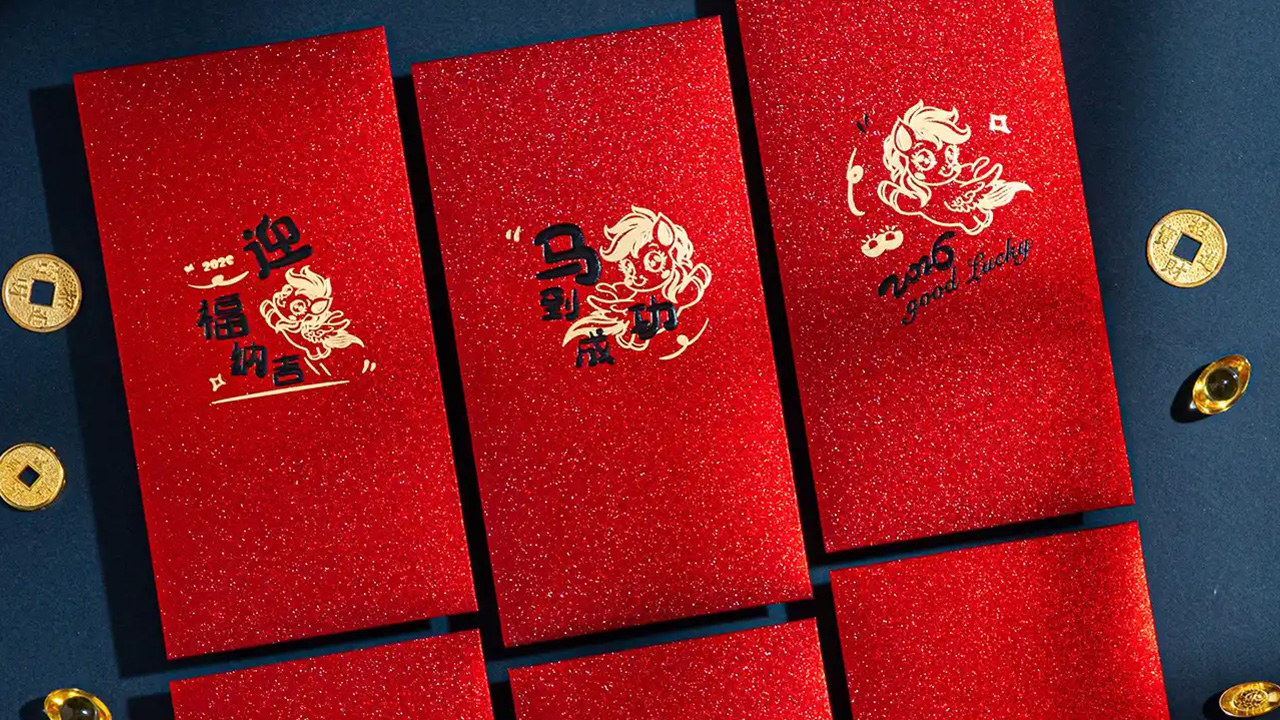
The crisp sound of freshly minted banknotes sliding into a scarlet envelope. The anticipation in a child’s eyes. The warm exchange of blessings between generations. Few traditions capture the spirit of Asian celebrations quite like the giving of red envelopes.
Known as hong bao (红包) in Mandarin, lai see (利是) in Cantonese, or ang pow in Hokkien, these vibrant packets have been bridging generations for centuries. Yet for newcomers to this tradition, the practice can feel like navigating a minefield of unwritten rules. How much should you give? Who receives them? When is the right time?
This comprehensive guide will walk you through everything you need to know about red envelope etiquette. Whether you are celebrating Lunar New Year, attending a Chinese wedding, or welcoming a newborn, you will find practical advice rooted in cultural authenticity.
What Is the Meaning and History of Red Envelopes in Chinese Culture?
The red envelope tradition carries profound meaning that extends far beyond a simple cash gift. Understanding this history helps you participate with genuine respect and appreciation.
The Ancient Origins
The practice of giving money during celebrations dates back to ancient China. According to The Conversation, the origins can be traced to the Han Dynasty (206 BCE–220 CE). During this period, people wore amulet-like items shaped like coins for protection and good fortune.
The custom evolved during the Tang Dynasty (618–907 CE). Imperial courts scattered coins during springtime celebrations. This practice gradually spread beyond palace walls to common households.
By the Song and Yuan Dynasties (960–1368), giving children money during festivals had become an established tradition. The Ming and Qing Dynasties (1368–1911) saw further evolution. Elders gave money to children threaded on red string.
The Legend of the Demon Sui
The most enduring story behind red envelopes involves a demon named Sui (祟). According to legend, this creature terrorized children on New Year’s Eve.
Parents desperately tried to keep their children awake all night for protection. One fateful New Year, a child received eight coins to play with. Despite his best efforts, he fell asleep with the coins beneath his pillow.
When Sui approached the sleeping child, the coins suddenly glowed with brilliant light. The demon fled in terror. The coins were believed to have been transformed by deities protecting the innocent.
From this legend emerged the term ya sui qian (压岁钱), meaning “money to suppress Sui” or colloquially “suppressing age money.” The red envelope became a talisman against evil spirits and misfortune.
Why the Color Red Matters
Red holds extraordinary significance in Chinese culture. This vibrant hue represents:
- Good fortune and luck
- Joy and celebration
- Vitality and life energy (yang)
- Protection against evil spirits
The red envelope itself carries more symbolic weight than the money inside. The color transforms the monetary gift into a blessing. It becomes a wish for prosperity, health, and happiness.
Who Should Give and Receive Red Envelopes During Lunar New Year?
Understanding the dynamics of red envelope exchange requires knowing your role. The rules differ based on your marital status, age, and relationship to recipients.
The Fundamental Rule: Married Adults Give to the Unmarried
The most basic principle governing red envelope exchange is straightforward. Married individuals give red envelopes to unmarried people. This applies regardless of the unmarried person’s age.
A 45-year-old single professional may receive red envelopes from married relatives. Meanwhile, a 25-year-old newlywed begins their journey as a giver. Marriage marks the transition from receiver to giver.
Regional Variations You Should Know
Different regions apply this rule with subtle variations:
| Region | Who Receives Red Envelopes |
|---|---|
| Southern China | Married give to unmarried (primarily children) |
| Northern China | Elders give to those under age 25 |
| Northeastern Provinces | Elders give to those under age 30 |
| Hong Kong | Both married adults give separate envelopes |
| Taiwan | Couples typically give one envelope together |
According to Wikipedia’s comprehensive entry on red envelopes, practices vary significantly. In southern China, marital status determines giving patterns. Northern regions focus more on age thresholds.
Couples: One Envelope or Two?
This distinction causes confusion for many couples. The answer depends on your cultural background.
Hong Kong and Cantonese tradition:
- Each spouse gives a separate envelope
- Two envelopes per household
- Widowed or divorced individuals give one envelope
Northern China and Taiwan:
- Couples typically give one envelope together
- The amount often reflects combined generosity
Lychee Press emphasizes this distinction. Knowing your family’s regional customs prevents awkward situations.
Who Are Common Red Envelope Recipients?
During Lunar New Year, prepare envelopes for multiple categories of recipients:
Within the Family:
- Your children
- Nieces and nephews
- Unmarried siblings
- Unmarried cousins
- Your parents and grandparents (if you are earning)
Within Your Community:
- Building security guards
- Domestic helpers
- Building cleaners
- Regular service staff
- Doormen
Professional Relationships:
- Employees (given before the holiday)
- Business partners’ children
The tradition extends respect and goodwill throughout your social network. Even small amounts to service staff express appreciation for their year-round work.
How Much Money to Put in Red Envelopes: A Complete Amount Guide
The question everyone asks yet few openly discuss. How much money should you actually give? The answer involves relationship depth, regional norms, and your financial means.
The Golden Rule of Red Envelope Amounts
The closer your relationship, the larger the amount. This principle guides all red envelope giving. A generic acquaintance’s child receives less than your own nephew.
Chinese New Year Red Envelope Amount Guide by Recipient
Here is a practical breakdown based on common practices across Chinese communities:
| Recipient | Typical Amount (USD) | Typical Amount (CNY) |
|---|---|---|
| Your own children | $20-100+ | 100-500+ |
| Parents/Grandparents | $50-200+ | 200-1000+ |
| Nieces/Nephews (close) | $20-50 | 100-200 |
| Friend’s children | $5-20 | 20-100 |
| Acquaintance’s children | $5-10 | 20-50 |
| Building staff | $10-20 | 50-100 |
| Employees | $50-500+ | 200-2000+ (often one month salary) |
According to China Highlights, amounts typically range from 50 to 2,000 yuan ($10-$300). Your relationship determines where you fall within this range.
Lucky and Unlucky Numbers You Must Know
Chinese numerology plays a crucial role in determining appropriate amounts. Some numbers bring fortune while others invite disaster.
Numbers to EMBRACE:
| Number | Meaning | Why It’s Lucky |
|---|---|---|
| 8 | Prosperity | Sounds like “fa” (发) meaning wealth |
| 6 | Smoothness | Sounds like “liu” (流) meaning flow |
| 9 | Longevity | Sounds like “jiu” (久) meaning long |
| 88 | Double prosperity | Amplified luck |
| 168 | Road to prosperity | Sounds like “一路发” |
| 888 | Triple prosperity | Maximum fortune |
Numbers to AVOID:
| Number | Meaning | Why It’s Unlucky |
|---|---|---|
| 4 | Death | Sounds like “si” (死) meaning death |
| 40 | Four tens | Contains unlucky four |
| 44 | Double death | Extremely inauspicious |
| 400 | Four hundred | Contains unlucky four |
| 444 | Triple four | Never use this amount |
Important Exception: The number 9 is acceptable despite being odd. Its association with longevity overrides the general preference for even numbers.
The Even Number Rule
Most red envelope amounts end in even digits. Odd numbers are traditionally associated with funerals and mourning. Stick to amounts like:
- $20, $50, $100
- ¥88, ¥168, ¥200
- HK$20, HK$50, HK$100
Wedding Exception: Some regions favor odd amounts for weddings. The reasoning is that odd numbers cannot be evenly divided. This symbolizes the couple’s indivisible bond.
Special Amounts for Romantic Partners
Young couples in China have created their own red envelope vocabulary:
- ¥520 – Sounds like “wǒ ài nǐ” (我爱你) meaning “I love you”
- ¥1314 – Sounds like “yī shēng yī shì” (一生一世) meaning “forever”
- ¥5201314 – Combines both phrases for maximum romance
These amounts have become popular for digital red envelopes between sweethearts.
When Is the Right Time to Give Red Envelopes? Timing and Occasions
Red envelopes are not limited to Chinese New Year. Understanding when to give them helps you participate appropriately throughout the year.
Chinese New Year Red Envelope Giving Period
The primary window for New Year red envelopes spans fifteen days:
Day 1 (New Year’s Day):
- Families gather for reunion
- Children receive envelopes from parents and grandparents
- Primary day for household exchanges
Days 2-15:
- Visiting relatives’ homes
- Extended family exchanges
- Community and workplace giving
Key Timing Points:
- New Year’s Eve: Reunion dinner gifts
- First morning: Children greet elders, receive blessings
- Visiting days: Bring envelopes when visiting homes
- Last working day before holiday: Employers give to staff
According to The HK Hub, the giving period extends throughout the first fifteen days. After this period, you are no longer obligated to give envelopes to people you did not see.
Hong Kong Tradition: The Seventh Day Rule
Hong Kong follows a unique custom. Red envelopes received during the festival are traditionally opened on or after the seventh day of the Lunar New Year. This day, called “renri” (人日), celebrates humanity’s birthday.
Other Occasions for Red Envelope Gifts
Beyond Chinese New Year, red envelopes mark numerous life celebrations:
| Occasion | Typical Use | Notes |
|---|---|---|
| Weddings | Guest gifts to couple | Cover meal cost plus blessing |
| Birthdays (milestone) | 9th and 0th birthdays | Especially for elders |
| Red Egg & Ginger Party | Baby celebration gift | One month after birth |
| Graduations | Achievement recognition | Entering workforce |
| New Business Opening | Prosperity wishes | Business relationships |
| Hospital Visits | Recovery wishes | Yellow or white envelope |
| Funerals | Condolence | White envelope (not red) |
| Actor Playing Dead Character | Protection | Theatre tradition |
| Lion Dance | Performance appreciation | Fed into lion’s mouth |
The tradition adapts to life’s significant moments. Each occasion may call for different envelope designs featuring appropriate symbols.
Chinese Wedding Red Envelope Etiquette and Gift Amounts
Weddings represent one of the most significant red envelope occasions. The stakes feel higher, and the rules become more specific.
How Much to Give at a Chinese Wedding
The fundamental principle for wedding gifts is practical. Your gift should at minimum cover the cost of your attendance. Chinese wedding banquets are expensive. Your red envelope helps offset this cost while expressing goodwill.
According to East Meets Dress, typical wedding red envelope amounts in the United States range from $130 to $300. This reflects average per-guest costs at American wedding venues.
Wedding Red Envelope Amount Guide:
| Relationship to Couple | Amount Range (USD) | Amount Range (HKD) |
|---|---|---|
| Distant relative/Acquaintance | $100-150 | $800-1,200 |
| Friend/Colleague | $150-200 | $1,000-1,500 |
| Close friend | $200-300 | $1,500-2,000+ |
| Immediate family | $300+ | $2,000+ |
Consider these factors when determining your amount:
- Venue cost – Upscale hotels warrant larger gifts
- Your relationship depth – Closer means more generous
- Whether you bring a plus-one – Add for your guest
- Regional expectations – Hong Kong differs from mainland China
- Your financial situation – Give what you can afford
Traditional Wedding Red Envelopes Explained
Chinese weddings involve multiple ceremonial red envelopes beyond guest gifts. Oriental Bridal provides detailed breakdowns:
Pin Jin (聘金) – Betrothal Money:
- Given by groom’s family to bride’s family
- Symbolizes sincerity and commitment
- Range: $1,888 to $8,888+
Hui Li (回禮) – Return Gift:
- Bride’s family returns portion of Pin Jin
- Shows appreciation and balance
- Typically 10-90% of Pin Jin
Diaper Money:
- Groom’s gift to bride’s mother
- Thanks her for raising the bride
- Range: $288 to $888
Parents-in-Law Envelope:
- Bride’s gift to groom’s parents
- Expresses gratitude for acceptance
- Range: $88 to $288 each
Wedding Envelope Design Matters
Wedding red envelopes feature specific symbols. Look for:
- 囍 (Double Happiness) – The quintessential wedding symbol
- 百年好合 – “A hundred years of harmony”
- 永结同心 – “Forever joined in heart”
Never use general New Year envelopes for weddings. The design communicates your understanding of the occasion.
Red Envelope Rules and Etiquette: Essential Dos and Don’ts
Beyond amounts and timing, specific etiquette rules govern the exchange. Following these guidelines shows cultural respect.
How to Give Red Envelopes Properly
DO:
- Use both hands when presenting envelopes
- Include warm wishes with your gift
- Prepare new, crisp banknotes
- Keep envelopes unsealed or lightly folded
- Organize envelopes by recipient type beforehand
- Say appropriate greetings like “Gong xi fa cai” (恭喜发财)
DON’T:
- Give wrinkled or torn bills
- Include coins in envelopes (coins are for funerals)
- Present amounts containing the number 4
- Give only one envelope if you are a married couple (in Cantonese culture)
- Hand over envelopes casually or carelessly
How to Receive Red Envelopes Gracefully
DO:
- Accept with both hands
- Say “Thank you” and offer return blessings
- Wait to open until you are home or in private
- Express gratitude regardless of amount
DON’T:
- Open the envelope in front of the giver
- Count the money immediately
- Show disappointment at the amount
- Compare amounts with others
Google Arts & Culture notes that in some areas of China, children traditionally kneel to receive envelopes from elders. While less common today, this practice persists in some families.
Special Considerations for the Bereaved
If you have experienced a close family death within 100 days before Lunar New Year, you are exempt from giving red envelopes. This rule acknowledges the mourning period and removes social pressure during grief.
Digital Red Envelopes: How WeChat Hong Bao Changed the Tradition
The ancient tradition has embraced the digital age. Virtual red envelopes now represent a significant portion of seasonal giving.
The Rise of WeChat Red Envelopes
In January 2014, Tencent launched the WeChat red envelope feature. This innovation transformed the tradition forever.
The platform introduced gamified elements:
- Random amounts in group distributions
- “Grabbing” mechanics that added excitement
- Customizable covers for personalization
- Social sharing that spread virally
The impact was immediate and massive. According to The Conversation, WeChat recorded 14.2 billion red envelope transactions on Lunar New Year’s Eve 2017 alone.
Digital Red Envelope Statistics That Reveal the Trend
The numbers demonstrate the scale of this digital transformation:
| Year | WeChat Red Envelope Transactions |
|---|---|
| 2014 | Launch year |
| 2015 | 500 million envelopes |
| 2016 | 32 billion envelopes |
| 2017 | 14.2 billion (New Year’s Eve only) |
| 2024 | 5.08 billion (New Year’s Eve only) |
While peak excitement has stabilized, digital red envelopes remain enormously popular. They enable families separated by distance to participate in real-time celebration.
How Digital Red Envelopes Work
WeChat’s system offers two primary methods:
Direct Transfer:
- Send specific amounts to individuals
- Suitable for larger gifts
- Maximum ¥200 per red envelope
- No maximum via direct transfer
Group Red Packets:
- Distribute money across group chats
- Amount randomly divided among grabbers
- Creates excitement and engagement
- Popular among friend groups and colleagues
The Alipay vs. WeChat “Red Envelope War”
Competition between tech giants intensified the digital red envelope phenomenon. Alibaba’s Alipay launched competing features. Both companies invested heavily in promotions during Spring Festival broadcasts.
In 2015, Alibaba announced ¥600 million in giveaways. WeChat countered with ¥500 million in cash plus ¥3 billion in e-coupons. This “red envelope war” drove massive user adoption of mobile payment platforms.
Pros and Cons of Digital vs. Physical Red Envelopes
Digital Advantages:
- Convenience across distances
- No need to prepare cash
- Interactive and engaging
- Perfect for friends and colleagues
Physical Advantages:
- Traditional tactile experience
- Appropriate for formal family giving
- More meaningful for significant amounts
- Preferred by older generations
Many families now blend both approaches. Physical envelopes for close family gatherings. Digital envelopes for distant relatives and friend groups.
Red Envelope Traditions Across Asia: Vietnam, Singapore, Korea, and Beyond
The red envelope custom extends beyond China. Understanding regional variations helps you navigate diverse Asian celebrations.
Vietnamese Li Xi Traditions During Tet
In Vietnam, red envelopes are called lì xì (利市). The tradition centers on Tết Nguyên Đán, the Vietnamese Lunar New Year.
According to Vietnam Travel, the dictionary definition translates to “giving money to children to celebrate their new age on the first day of the Lunar New Year.”
Vietnamese Red Envelope Customs:
| Aspect | Vietnamese Practice |
|---|---|
| Name | Lì xì |
| Primary recipients | Children, unmarried adults |
| Typical amounts | 20,000-500,000 VND |
| Close relatives | 100,000-500,000 VND |
| Acquaintances | 20,000-100,000 VND |
| Giving period | First three days to Day 9-10 |
Common Vietnamese New Year greetings include:
- “Sống lâu trăm tuổi” – May you live to be 100 years old
- “An khang thịnh vượng” – Peace, health, and prosperity
- “Vạn sự như ý” – May all your wishes come true
Singapore Ang Pow Customs
Singapore’s multicultural society has embraced red envelope giving across ethnic boundaries. The Hokkien term ang pow is commonly used.
The Conversation notes that in Singapore, the tradition has extended beyond Chinese populations. This reflects the cultural influence of Chinese diaspora communities.
Singapore Distinctions:
- Both married and single adults may exchange envelopes
- Pink and gold envelopes are acceptable alongside red
- Modernized with vouchers and transit passes
- Strong emphasis on community bonds
Korean Seollal Money Gifts
Korea celebrates Seollal (설날), the Lunar New Year, with similar customs. However, the presentation differs significantly.
Korean Variations:
- Envelopes may be white (symbolizing purity and new beginnings)
- Money given after the sebae (New Year’s bow)
- Elders give to younger and unmarried adults
- Less emphasis on red color
Malaysian and Indonesian Adaptations
The Malay Muslim community has adapted the envelope tradition for Hari Raya Aidilfitri (Eid al-Fitr):
- Green envelopes replace red (green’s association with Islam)
- Small amounts given to children and visitors
- Called duit raya or sampul hijau
- Extends goodwill across religious boundaries
Indian Hindu populations in Malaysia and Singapore have also adopted envelope giving for Deepavali. These are known as “purple ang pow” or simply “ang pow.”
Japanese Otoshidama
Japan maintains a distinct parallel tradition called Otoshidama (お年玉):
- White envelopes with decorative patterns
- Given during Shogatsu (New Year)
- Recipient’s name written on envelope
- Amounts vary by child’s age and relationship
- Often given by parents, grandparents, and relatives
Red Envelopes for Birthdays, Graduations, and Other Life Events
While Lunar New Year dominates red envelope discussions, the tradition enhances many other celebrations.
Milestone Birthday Red Envelope Gift Guide
Chinese tradition pays special attention to certain birthdays:
Women’s Milestone Birthdays: Ages ending in 9 (29, 39, 49…) Men’s Milestone Birthdays: Ages ending in 0 (30, 40, 50…)
For major milestones, especially elder birthdays, red envelope gifts express respect and longevity wishes.
Birthday Envelope Amounts:
| Relationship | Suggested Amount (USD) |
|---|---|
| Parent (milestone) | $88-200+ |
| Grandparent | $88-200+ |
| Close friend | $50-88 |
| Colleague | $20-50 |
Numbers like 88 (double prosperity) and 99 (longevity) carry extra meaning for birthday gifts.
Red Egg and Ginger Party Traditions
One month after a baby’s birth, families traditionally host a Red Egg and Ginger Party. Guests bring red envelopes for the newborn.
According to Chinese American Family, amounts typically range from $60-200 per couple attending. The guideline mirrors wedding etiquette: cover your attendance cost plus meaningful blessing.
Graduation Red Envelope Customs
As young people complete education and enter the workforce, red envelopes mark this achievement:
- University graduation – Recognition of accomplishment
- Professional milestone – Entering career
- Amount varies by relationship
- Transition point – Recipient becomes future giver
Where to Buy Red Envelopes: Finding Quality Hong Bao
Whether you prefer physical or digital formats, knowing where to find appropriate envelopes helps you prepare properly.
Physical Red Envelope Sources
Local Options:
- Asian supermarkets (99 Ranch, H Mart, etc.)
- Chinatown shops and markets
- Chinese bookstores and gift shops
- Banks (often offer free envelopes to customers)
Online Retailers:
- Amazon (extensive selection and designs)
- Etsy (unique and handmade options)
- Specialty Chinese gift retailers
- Cultural organization shops
Choosing the Right Design
Match your envelope design to the occasion:
| Occasion | Design Elements to Look For |
|---|---|
| Chinese New Year | 福 (fortune), zodiac animals, 恭喜发财 |
| Weddings | 囍 (double happiness), 百年好合 |
| Birthdays | 寿 (longevity), 生日快乐 |
| Baby celebration | 福 (blessing), cute motifs |
| General blessing | 福, gold ingots, oranges |
Modern designs now include popular characters like Hello Kitty, Pokémon, and Spider-Man for children. These contemporary options maintain the tradition while appealing to younger recipients.
Digital Red Envelope Platforms
WeChat Pay:
- Primary platform in mainland China
- Customizable covers from brands
- Group and individual options
Alipay:
- Strong competitor to WeChat
- Similar functionality
- Popular for larger amounts
Venmo (US):
- Introduced gift-wrapping feature in 2022
- Chinese New Year-themed animations
- Bridges Western platforms with Asian tradition
Common Red Envelope Mistakes to Avoid
Even well-intentioned participants make errors. Awareness of common mistakes helps you navigate confidently.
Money Mistakes
❌ Using the number 4 in amounts The association with death makes amounts like ¥40, ¥400, or $44 inappropriate.
❌ Giving odd amounts Odd numbers connect to funeral practices. Stick to even amounts (exception: 9 for longevity).
❌ Using old or wrinkled bills New bills symbolize fresh starts and prosperity. Worn currency suggests bad fortune.
❌ Including coins Coins are associated with funeral offerings. Paper currency only.
Etiquette Mistakes
❌ Opening envelopes immediately This appears greedy and disrespectful. Wait until you are home.
❌ Comparing amounts publicly Each relationship determines appropriate giving. Comparison creates awkwardness.
❌ Giving one envelope as a couple (in Cantonese tradition) Both spouses should give separately in Hong Kong and southern Chinese cultures.
❌ Using wrong envelope designs Wedding envelopes at New Year or vice versa shows lack of cultural awareness.
Timing Mistakes
❌ Giving after the 15th day The New Year red envelope window closes after the Lantern Festival.
❌ Forgetting service staff Building security, cleaners, and helpers expect recognition during the holiday.
❌ Not preparing enough envelopes Running out during family gatherings causes embarrassment. Over-prepare.
Red Envelope FAQ: Your Questions Answered
Can unmarried adults receive red envelopes?
Yes. In most Chinese traditions, unmarried individuals continue receiving red envelopes regardless of age. A 50-year-old single person may still receive envelopes from married relatives.
Should I give red envelopes if I am not Chinese?
Absolutely. Participating respectfully in cultural traditions is welcomed. Follow proper etiquette, choose appropriate amounts, and offer sincere good wishes. Recipients appreciate the gesture of cultural engagement.
What if I cannot afford large amounts?
The gesture matters more than the amount. A sincere $10 red envelope carries as much blessing as a lavish gift. Give what your budget allows without strain. The act of giving transmits good fortune.
Can I reuse red envelopes?
Generally no. Used envelopes carry the previous transaction’s energy. Fresh envelopes symbolize new beginnings and clean fortune. However, in environmentally conscious families, recycling high-quality envelopes has become acceptable.
What if someone gives me a red envelope unexpectedly?
Accept graciously with both hands. Say thank you and offer return blessings. If you have envelopes prepared, you may reciprocate. If not, verbal thanks and good wishes are sufficient.
Is it appropriate to give red envelopes at work?
Context matters. Employers commonly give employees red envelopes before the holiday. Peer-to-peer giving depends on company culture. In multinational offices, follow local team practices.
Should children send thank-you notes for red envelopes?
Traditional practice does not require written thanks. Verbal appreciation at the moment of receiving is customary. However, in Western-influenced contexts, thank-you notes are a thoughtful addition that demonstrates good values.
Conclusion: Embracing the Spirit of Red Envelope Giving
The red envelope tradition has endured for centuries because it captures something essential about human connection. It transforms a monetary gift into a vessel carrying generations of blessing, protection, and hope.
Whether you are giving your first hong bao or continuing a lifelong practice, remember these core principles:
- The relationship matters more than the amount
- Presentation and respect carry weight
- The blessing transfers through the red envelope, not just the money
- Cultural adaptation keeps traditions alive
From ancient coins threaded on red string to digital packets flying across WeChat, the essence remains unchanged. We give red envelopes to share fortune, strengthen bonds, and wish prosperity to those we cherish.
As you prepare for your next celebration, may your envelopes be filled with luck, your exchanges warm with connection, and your new year overflow with prosperity.
恭喜发财,红包拿来! (Gong xi fa cai, hong bao na lai!) Congratulations and prosperity—now hand over the red envelope!
Additional Resources
For further exploration of Chinese cultural traditions:
- China Highlights: Red Envelope Guide
- The Conversation: History of Hongbao
- Wikipedia: Red Envelope
- Chinese American Family: Red Envelope Guide
Understanding Red Envelope Psychology: Why This Tradition Matters Today
Beyond etiquette and amounts, understanding the deeper psychology helps explain why red envelopes have endured across millennia and adapted to digital transformation.
The Reciprocity Principle in Red Envelope Culture
Red envelope giving operates on a sophisticated system of social reciprocity. Unlike Western gift-giving where returns are not explicitly expected, the red envelope tradition creates a network of mutual obligations.
When you give a red envelope today, you establish a social credit. Recipients remember. Years later, when roles reverse—at your wedding, your child’s celebration, or your own elderly years—reciprocity flows back.
This system serves multiple social functions:
Community Building: The network of giving and receiving binds communities together. Everyone participates. Everyone belongs. The tradition creates shared experience across generations and social classes.
Resource Redistribution: Red envelopes move resources across generations in practical ways. Young working adults support elderly relatives. Married couples assist single friends. Employers share success with staff.
Social Memory: The ceremonial ledgers maintained at weddings record every gift and giver. This creates documented social relationships. Future reciprocity becomes an obligation tracked across time.
Face (Mianzi) Management: Your red envelope amounts communicate your social standing and the value you place on relationships. Appropriate giving maintains everyone’s dignity. Poor judgment creates lasting social damage.
Why Red Envelopes Bridge Traditional and Modern Values
The survival and growth of red envelope traditions in an increasingly globalized world reveals something important. These practices fill genuine human needs that modern life often neglects:
Intergenerational Connection: In societies where elderly parents may live separately from adult children, red envelopes create ritualized moments of family gathering. The exchange requires presence, conversation, and blessing.
Tangible Blessing: In an age of text messages and emojis, the physical red envelope provides something you can hold. Digital versions maintain this through visual design and ritual “grabbing” mechanics.
Financial Communication: Many Asian cultures find direct discussion of money uncomfortable. Red envelopes provide a structured, acceptable format for financial expression within relationships.
Cultural Identity: For diaspora communities, red envelope practices maintain connection to heritage. Children growing up abroad learn cultural values through these tangible rituals.
The Economic Impact of Red Envelope Season
The scale of red envelope giving represents significant economic activity. During Lunar New Year season, cash withdrawal patterns shift dramatically across Asia.
Banking Preparation: Banks prepare months in advance. They print extra new banknotes. They extend hours before the holiday. They offer envelope packets to customers as service incentives.
Retail Coordination: Luxury envelope designs from brands like Hermès and Louis Vuitton become status symbols. Designer red envelopes sell for premium prices, adding layers of meaning to the gift.
Digital Platform Economics: WeChat and Alipay report billions in transaction volume. The data reveals social network structures. The platforms gain payment system adoption that extends year-round.
Red Envelope Preparation: A Step-by-Step Planning Guide
Proper preparation prevents the stress of last-minute scrambling. Here is a systematic approach to red envelope readiness.
Four Weeks Before the Holiday: Initial Assessment
Create your recipient list:
Start by listing everyone who will likely receive an envelope from you. Organize by category:
- Immediate family (children, parents, grandparents)
- Extended family (nieces, nephews, cousins)
- Close friends’ children
- Service providers (building staff, regular service workers)
- Professional relationships (employees, business contacts)
- Unexpected encounters (always have extras)
Estimate amounts per category:
Assign preliminary amounts based on:
- Your relationship with each recipient
- Your overall budget
- Regional expectations in your community
- Last year’s amounts (to maintain consistency)
Calculate total budget:
Add all amounts together. Include a 20% buffer for unexpected needs. This prevents embarrassment when you encounter someone you had forgotten.
Two Weeks Before: Acquire Materials
Visit your bank:
Plan to exchange bills before the rush. Banks experience long queues in the final week before Lunar New Year. Going early means:
- Shorter wait times
- Better bill selection
- Less stress
Request bills in denominations matching your planned amounts. If giving ¥100 envelopes, get hundred-yuan notes. Avoid needing to combine bills inside single envelopes.
Purchase envelopes:
Select designs appropriate for each occasion type. You may need:
- General New Year envelopes (福, zodiac animal)
- Envelopes for elderly (longevity themes)
- Child-friendly designs (characters, bright colors)
- Any wedding or birthday envelopes needed
Buy in quantity. Prices drop with larger purchases, and extras never go to waste.
One Week Before: Preparation Assembly
Organize your workspace:
Set up a clean, well-lit area. Gather:
- All purchased envelopes
- Fresh banknotes sorted by denomination
- Your recipient list with amounts
- Labels or markers for tracking
- A secure storage location
Fill and organize envelopes:
Work systematically through your list:
- Select the appropriate envelope design
- Insert the designated amount
- Fold flap down (do not seal tightly)
- Mark or group by recipient category
- Store securely
Some families use colored dots or codes on envelope backs to distinguish amounts without opening.
Day Before and Day Of: Final Preparation
Organize for mobility:
If visiting multiple homes, prepare envelope packets for each destination:
- Group envelopes by household you will visit
- Include extras in case of unexpected guests
- Keep accessible but not visible until giving time
Personal preparation:
- Dress appropriately for celebration
- Prepare your greetings and blessings
- Bring any additional gifts that accompany envelopes
- Charge your phone for digital envelope needs
Teaching Children Red Envelope Values and Etiquette
For families raising children with connection to Asian heritage, red envelopes offer opportunities for cultural transmission and financial education.
Age-Appropriate Lessons
Toddlers (2-4 years): At this stage, children experience red envelopes as exciting gifts. Focus on:
- Saying “thank you” when receiving
- Using both hands to accept
- Associating red envelopes with family celebration
Young Children (5-8 years): Begin introducing the “why” behind the tradition:
- Explain the lucky color red
- Discuss blessings and good wishes
- Practice polite receiving behavior
- Help them save or manage their money
Older Children (9-12 years): Expand understanding to include:
- Lucky and unlucky numbers
- Regional variations
- History and legends
- Connection to wider Chinese culture
Teenagers: Prepare them for adult participation:
- Discuss giving and reciprocity
- Explain the transition from receiver to giver
- Involve them in envelope preparation
- Discuss appropriate amounts and budgeting
Managing Red Envelope Money
Children often accumulate significant amounts during the holiday. Families approach this differently:
The “Save Most” Approach: Parents deposit most money into savings accounts. Children keep a small portion for immediate enjoyment. This builds savings while teaching delayed gratification.
The “Three Jars” Method: Divide money into three purposes:
- Saving (long-term goals)
- Spending (immediate wants)
- Sharing (charity or gifts for others)
The “Match” System: Parents match amounts children choose to save. This incentivizes saving behavior while teaching investment concepts.
Full Access (with guidance): Older children may manage their red envelope money independently. Parents advise but allow real decision-making and natural consequences.
Addressing Comparison and Competition
Children naturally compare. This tendency creates challenges around red envelope season. Address proactively:
Before the holiday: Explain that amounts vary based on adult relationships, not child worth. An aunt gives more than a neighbor—this reflects their relationship to parents, not preference between children.
During receiving: Remind children not to open envelopes publicly or discuss amounts with cousins. The blessing matters, not the number.
After the holiday: If comparison becomes problematic, redirect focus to total family celebration rather than individual amounts. Emphasize gratitude over accounting.
Red Envelopes in Professional and Business Settings
Workplace red envelope exchanges require particular sensitivity. Power dynamics, professional relationships, and cultural diversity create complex considerations.
Employer to Employee Giving
Most employers in Chinese-influenced business cultures give red envelopes to staff. This practice follows specific protocols:
Timing: Give on the last working day before the Lunar New Year holiday. This allows employees to enter the break feeling appreciated.
Amount Guidelines:
| Employee Level | Typical Range |
|---|---|
| Entry-level staff | One week to two weeks salary |
| Mid-level employees | Two weeks to one month salary |
| Senior staff | One month salary or more |
| Long-tenured employees | Additional recognition |
The amount communicates company appreciation and often serves as an unofficial performance feedback mechanism.
Presentation: Distribute personally when possible. A brief meeting with each employee, expressing thanks and holiday wishes, adds meaning beyond the monetary gift.
Colleague to Colleague Considerations
Peer-level giving in professional settings varies by organizational culture:
Close work friends: Small red envelopes between close colleagues are common. Keep amounts modest ($10-20) to avoid awkwardness.
To colleagues’ children: When you attend a colleague’s home or encounter their children during the season, prepare small envelopes ($5-10).
Avoid:
- Giving to supervisors (can appear like bribery)
- Large amounts to peers (creates obligation)
- Giving only to some colleagues (creates division)
Client and Business Partner Relationships
Business relationship red envelopes require careful navigation:
Appropriate:
- Small envelopes to clients’ children during hospitality
- Company-branded envelopes as promotional items
- Charitable donations in client’s name (alternative)
Problematic:
- Large cash amounts (may constitute bribery)
- Envelopes to government officials (often illegal)
- Gifts during active negotiation (influences decisions)
Different jurisdictions have specific regulations about business gifting. Understand local compliance requirements before giving red envelopes in professional contexts.
Multinational Workplace Dynamics
In global companies with diverse workforces, red envelope practices require inclusive sensitivity:
For Chinese employees: Acknowledge the holiday’s importance. Allow flexibility for celebration needs. Consider company-wide Lunar New Year recognition.
For non-Chinese colleagues: Explain traditions if they will encounter them. Make participation optional but welcomed. Provide guidance on appropriate engagement.
For leadership: Model inclusive celebration. Recognize the holiday officially. Consider how policies support employees observing significant cultural occasions.
The Future of Red Envelopes: Tradition Meets Innovation
The red envelope tradition continues evolving. Understanding current trends helps anticipate how this ancient practice will develop.
Sustainability Concerns and Solutions
Environmental awareness is reshaping envelope consumption:
The Problem: Billions of paper envelopes are used briefly then discarded. The environmental impact accumulates annually.
Emerging Solutions:
- Reusable cloth envelopes with embroidered designs
- High-quality envelopes designed for multi-year use
- Plantable seed paper envelopes that grow into plants
- Digital alternatives that eliminate paper entirely
Younger generations increasingly prefer sustainable options. Luxury brands have introduced reusable designs that become collectibles.
Digital Currency and E-CNY Integration
China’s digital currency initiative may transform red envelope infrastructure:
Current State: WeChat Pay and Alipay dominate digital red envelopes. These operate through private platforms with commercial interests.
Potential Evolution: E-CNY (digital yuan) could provide:
- Government-backed digital red envelope infrastructure
- Reduced platform fees
- Enhanced security and fraud prevention
- Broader accessibility including unbanked populations
The integration of central bank digital currencies with red envelope traditions represents a fascinating intersection of ancient custom and cutting-edge finance.
Globalization and Cross-Cultural Adoption
Red envelope traditions continue spreading beyond traditional Asian communities:
Western adoption: Companies like Venmo have introduced red envelope features. American families with no Asian heritage increasingly participate during Lunar New Year.
Cultural fusion: Mixed-heritage families blend traditions. Christmas stockings meet red envelopes. Easter baskets incorporate lucky money concepts.
Global diaspora: Second and third-generation Asian immigrants adapt traditions to local contexts while maintaining core values. Australian, Canadian, British, and American variations emerge with distinctive characteristics.
Predictions for the Next Decade
Based on current trends, expect:
- Increased digital dominance in casual giving, with physical envelopes reserved for significant relationships
- Sustainability as standard expectation among younger givers
- Broader corporate participation in Lunar New Year celebrations globally
- Enhanced personalization through AI-generated designs and messages
- Continued tradition of physical envelopes for family occasions despite digital convenience
The core essence—blessing, reciprocity, and connection—will persist. The packaging will continue adapting to contemporary values and technologies.